Arizona School and University Elevator Maintenance & Inspection Requirements: A Complete Compliance Guide
For K–12 schools, community colleges, and research universities across Arizona, elevator compliance is not optional. A single lapsed inspection certificate or an unresolved maintenance deficiency can trigger a shutdown order from ADOSH, expose the institution to ADA liability, and — most critically — put students, faculty, and visitors with disabilities at risk. This guide covers every layer of compliance that Arizona educational institutions must navigate in 2026 and beyond.
What Is the Governing Authority for Elevator Safety in Arizona Schools?
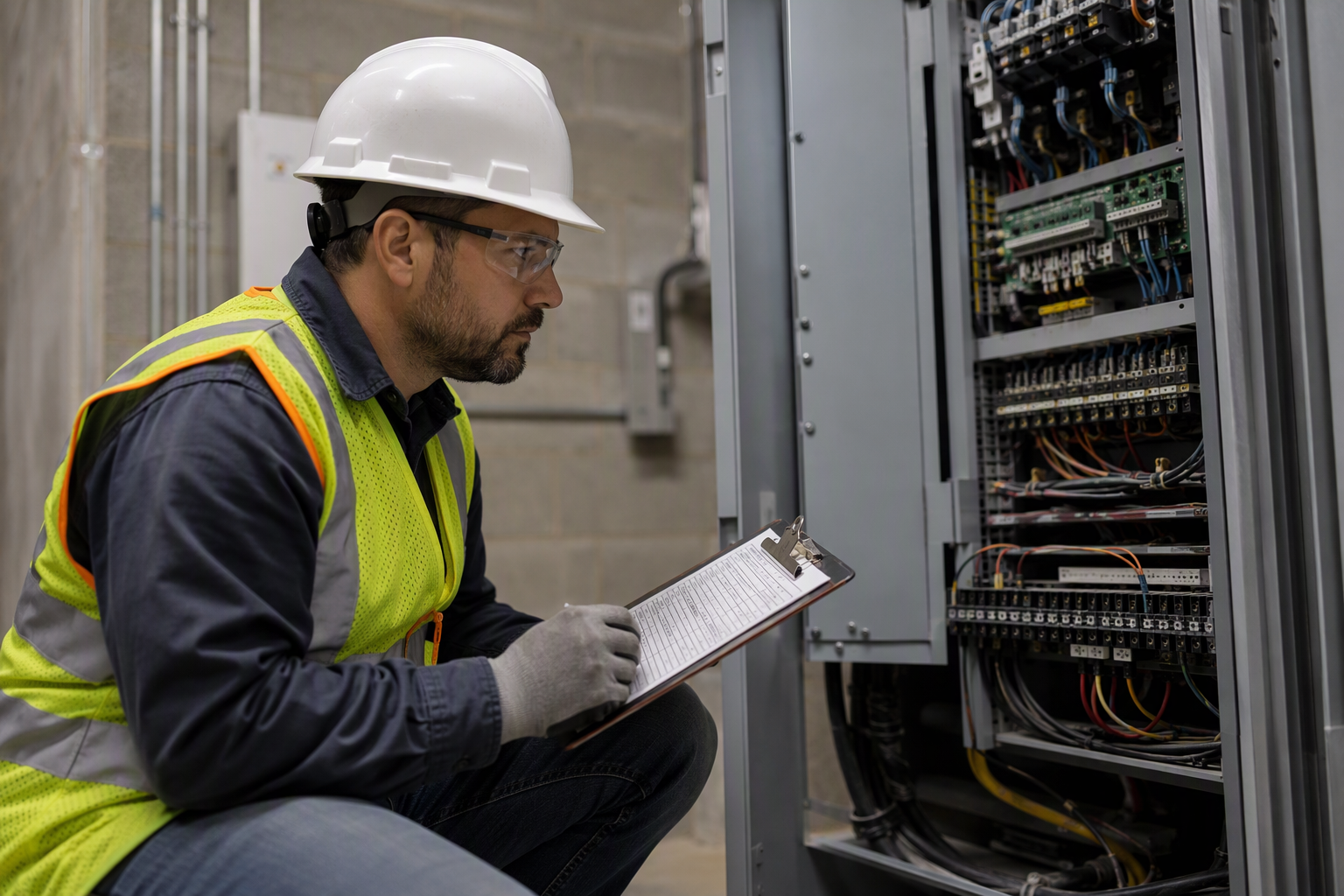
In Arizona, elevator safety is regulated at the state level by the Arizona Division of Occupational Safety and Health (ADOSH), a division of the Arizona Industrial Commission. ADOSH enforces elevator and escalator safety requirements for virtually all public and private buildings — including K–12 public school districts, charter schools, community college districts, and four-year universities — that are not covered exclusively by federal OSHA jurisdiction.
Federal standards also apply on multiple dimensions. The Occupational Safety and Health Administration (OSHA) sets baseline worker-safety requirements for elevator mechanics and maintenance personnel, while the Americans with Disabilities Act (ADA) mandates accessible vertical transportation in facilities serving the public — which every Arizona school and university does.
The foundational technical documents that ADOSH references for elevator safety are the ASME A17.1 Safety Code for Elevators and Escalators (for new and altered equipment) and the ASME A17.3 Safety Code for Existing Elevators and Escalators (for legacy equipment). Understanding which edition Arizona has formally adopted is important — institutions should confirm the current adopted edition with ADOSH directly, as code adoption cycles can lag publication.
What Types of Elevators Are Commonly Found in Arizona Educational Facilities?
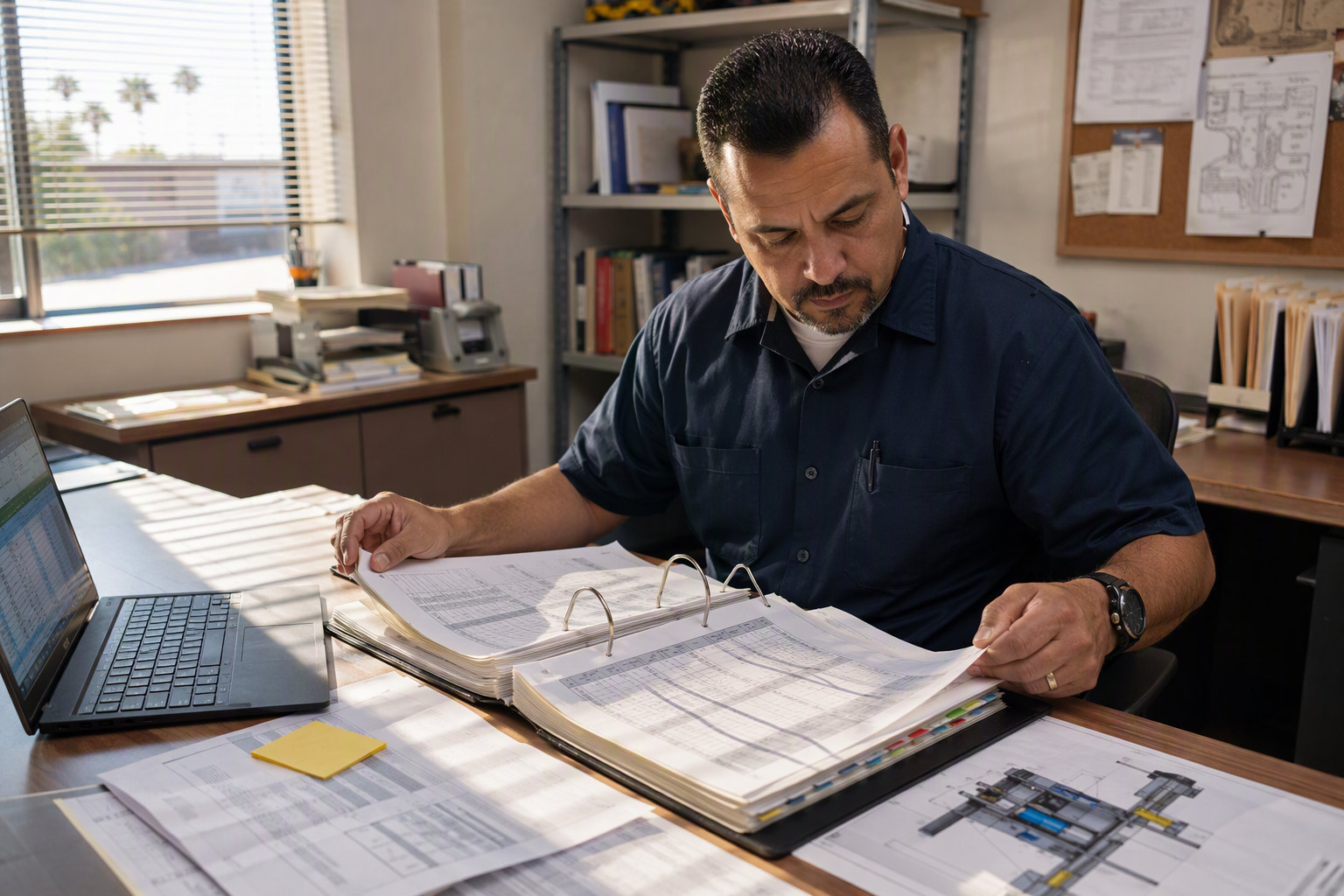
Arizona educational campuses typically operate a mix of vertical transportation equipment, each with its own compliance requirements:
- Traction elevators — Common in multi-story university buildings, dormitories, and administrative towers. These require the most detailed periodic inspection and testing protocols under ASME A17.1.
- Hydraulic elevators — Frequently installed in K–12 schools and smaller campus buildings. Arizona’s adoption of ASME A17.1 includes specific requirements for hydraulic unit integrity, cylinder testing, and oil containment.
- Limited-use/limited-application (LU/LA) elevators — Sometimes found in older school buildings retrofitted for ADA compliance. These carry distinct code provisions under ASME A17.1.
- Platform lifts and vertical wheelchair lifts — Governed by ASME A18.1 Safety Standard for Platform Lifts and Stairway Chairlifts and subject to ADOSH oversight; common in auditoriums, gymnasiums, and historic school structures.
- Escalators and moving walks — Present in larger university student unions and transit-adjacent campuses; covered under ASME A17.1 escalator provisions.
Each equipment type triggers a distinct inspection checklist, testing frequency, and documentation requirement. An institution that treats all vertical transportation as interchangeable creates compliance gaps that ADOSH inspectors readily identify.
What Are the Periodic Inspection and Testing Intervals Arizona Schools Must Follow?
The ASME A17.1 Safety Code for Elevators and Escalators establishes the framework for inspection and testing frequencies, which Arizona enforces through ADOSH. While institutions should always confirm current intervals directly with ADOSH, the ASME code framework generally distinguishes between:
- Periodic inspections — Routine examinations of mechanical, electrical, and safety components conducted by a certified elevator inspector at intervals defined by the adopted code edition and ADOSH rules.
- Periodic tests — Functional tests of safety devices (governors, safeties, buffers, pressure relief valves for hydraulic units) that occur on a less frequent schedule than routine inspections, often annually or on a multi-year cycle depending on the device.
- Five-year full-load safety tests — For traction elevators, ASME A17.1 requires a full-load test of the car and counterweight safeties and governor on a cycle tied to the adopted edition. Schools must plan for this operationally, as the test may require a temporary elevator shutdown.
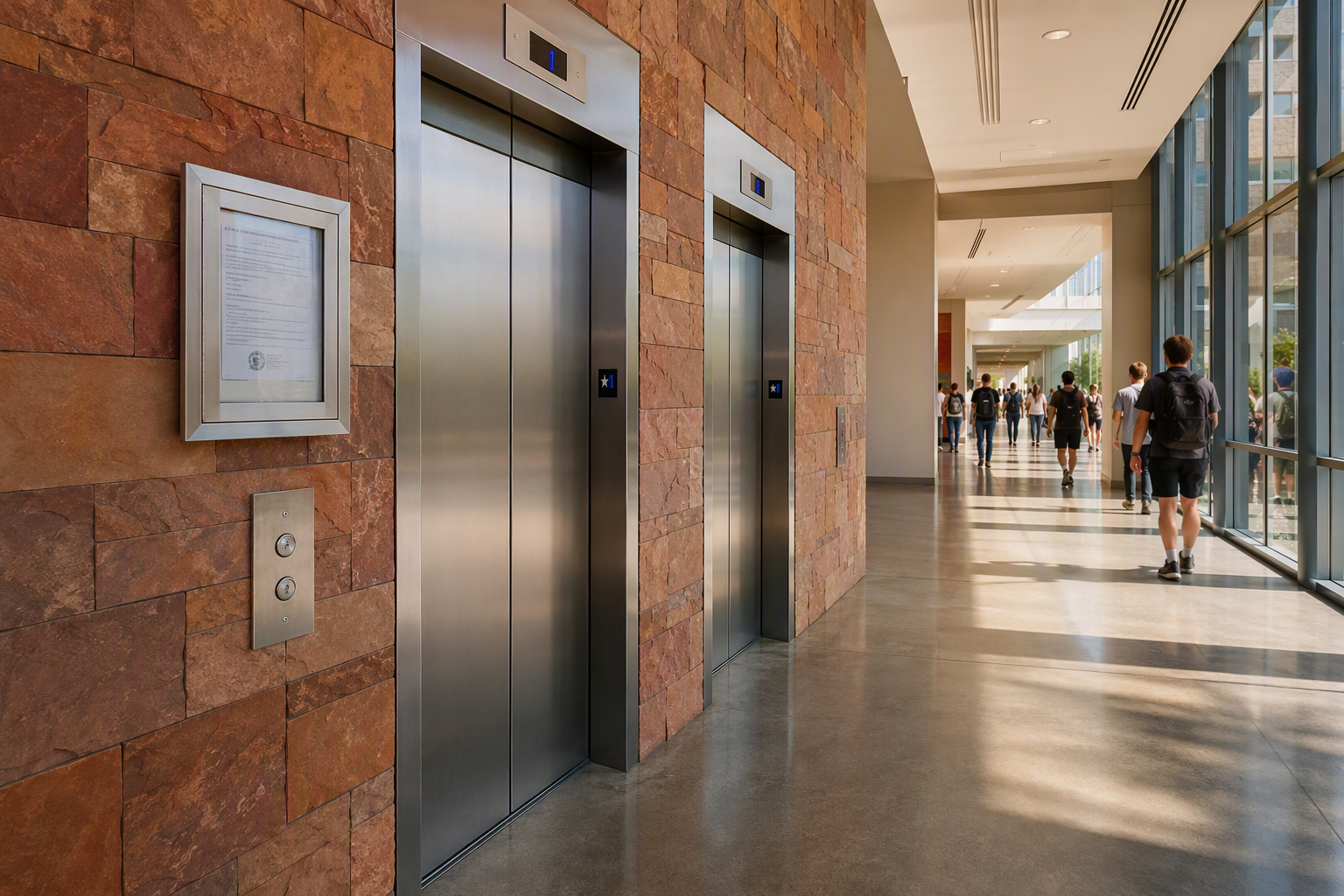
After each inspection or test, the inspector issues a report. ADOSH then issues or renews the Certificate of Inspection, which must be posted inside the elevator car. Operating a school elevator without a current, posted certificate is a violation subject to ADOSH enforcement action, including stop-work or stop-use orders.
What Maintenance Obligations Do Arizona Schools Have Between Inspections?
Passing a periodic inspection is only possible when a structured maintenance program is already in place. The ASME A17.1 Safety Code for Elevators and Escalators requires that elevator owners maintain equipment in a safe operating condition at all times — not merely at the moment of inspection. For educational institutions, this translates into several ongoing obligations:
- Establish a written maintenance control program (MCP). ASME A17.1 requires that a documented MCP exist for each elevator, specifying what maintenance tasks are performed, at what intervals, and by whom. The MCP must be kept on-site and available for inspector review.
- Ensure all maintenance is performed by qualified personnel. In Arizona, elevator mechanic licensing requirements apply to those performing maintenance and repair work on covered elevators. Schools contracting with outside service providers should verify that technicians hold appropriate Arizona credentials through the Arizona Registrar of Contractors or applicable licensing authority.
- Maintain a maintenance log for each unit. All maintenance activities, lubrication, adjustments, and repairs must be documented. Gaps in the maintenance log are among the most common findings during ADOSH inspections of school elevators.
- Respond promptly to any safety-related deficiencies. If a deficiency is found during routine maintenance that affects safe operation, the elevator must be taken out of service until corrected. Continued operation of a unit known to have a safety defect exposes the institution to significant liability.
- Test emergency communications systems. ASME A17.1 requires a functioning two-way emergency communications system in every elevator car. Schools with large student populations should verify that emergency phone connections (or code-compliant alternatives) are tested at required intervals.
- Inspect and test door reopening devices and door operator systems. Door-related incidents are a leading cause of elevator injuries. Regular testing of door sensors and reversal mechanisms is a core maintenance task under ASME A17.1.
How Does ADA Compliance Intersect With Elevator Maintenance for Schools?
The Americans with Disabilities Act imposes an ongoing obligation — not a one-time installation requirement — on schools and universities to provide accessible vertical transportation. Key ADA considerations for educational elevator operators include:
- Operational availability: Under ADA Title II (public entities, including public schools and universities) and Title III (private schools open to the public), elevators must be maintained in working order. Repeated or extended outages without prompt repair and reasonable interim accommodation plans can constitute an ADA violation.
- Door timing: ADA standards specify minimum door open times to allow people using wheelchairs or mobility devices to enter and exit. Maintenance practices that shorten door dwell times to improve throughput can inadvertently create ADA violations.
- Audible and visual signals: ADA requires audible signals at landings and visual car position indicators in certain configurations. These devices must be kept in working order as part of the maintenance program.
- Control panel reach ranges and button heights: If a school is retrofitting or modernizing an elevator, the ADA Standards for Accessible Design govern control panel configurations. Modernization projects trigger a fresh accessibility review.
A maintenance failure that renders an elevator inaccessible to a student, employee, or visitor with a disability can trigger an ADA complaint to the U.S. Department of Justice or a private lawsuit — separate from any ADOSH enforcement action for the underlying safety deficiency.
What Happens During an ADOSH Elevator Inspection at a School?
When a certified elevator inspector conducts a periodic inspection at an Arizona school or university, the examination typically covers the following areas (consistent with ASME A17.1 and A17.3 inspection protocols):
- Machine room condition, ventilation, and housekeeping
- Condition of ropes, chains, sheaves, and other load-bearing components
- Operation and condition of buffers, car and counterweight safeties, and governors
- Door equipment, door reopening devices, and interlock operation
- Car lighting, ventilation, and emergency lighting
- Emergency stop switches, alarm bells, and two-way communication systems
- Pit condition, lighting, and stop switch
- Hydraulic unit integrity, oil level, and containment (for hydraulic elevators)
- Presence and currency of posted certificate of inspection
- Maintenance control program documentation and maintenance logs
After the inspection, a written report is issued. Items classified as immediately dangerous typically require taking the elevator out of service until corrected. Less critical items generate a correction notice with a deadline. Schools that proactively address deficiencies before the inspection avoid the disruption of unplanned shutdowns — which in an educational setting can affect students with disabilities who depend on elevator access to reach classrooms.
What Are the Consequences of Non-Compliance for Arizona Educational Institutions?
Operating elevators out of compliance with ADOSH requirements and ASME codes carries layered consequences for Arizona schools and universities:
- ADOSH enforcement actions: ADOSH can issue stop-use orders, citations, and civil penalties for failure to maintain current inspection certificates, failure to correct identified deficiencies, or operating equipment in an unsafe condition.
- ADA civil liability: Extended elevator outages or inaccessible equipment can generate complaints under Title II or Title III of the Americans with Disabilities Act, with potential for injunctive relief, remediation costs, and attorney’s fees.
- Tort liability: An injury occurring on an elevator with a documented, unaddressed maintenance deficiency creates significant exposure in civil litigation. Plaintiffs’ attorneys routinely subpoena maintenance logs and inspection records.
- Reputational and operational disruption: A mid-semester elevator shutdown in a multi-story building creates immediate accommodation challenges for students and staff with disabilities, and can generate significant negative attention for district or university administration.
How Should Arizona Schools Prepare for an Elevator Modernization Project?
As Arizona’s school building stock ages, many campuses face decisions about elevator modernization rather than simple maintenance. When an existing elevator is modernized — meaning major components such as the controller, drive, or door operator are replaced — the project typically triggers a new permit from ADOSH and a fresh inspection before the modernized elevator is returned to service. Key preparation steps include:
- Obtain an ADOSH permit before work begins. Modernization work on a covered elevator requires a permit. Starting work without a permit is a violation and can complicate the final inspection.
- Confirm which edition of ASME A17.1 and A17.3 applies. Arizona’s adopted code edition determines what the modernized components must meet. Work with your contractor to verify the applicable edition with ADOSH before finalizing specifications.
- Conduct an ADA accessibility review. Modernization is the optimal time to upgrade controls, door timing, and signage to current ADA standards, avoiding the need for a future retrofit.
- Plan for operational disruption. Modernization projects take an elevator out of service for weeks to months. Schools should assess the impact on students and staff with disabilities and arrange reasonable accommodations in advance.
- Document everything. Maintain a complete project file including the ADOSH permit, contractor’s qualifications, equipment specifications, and the final inspection report. This documentation becomes part of the elevator’s permanent record.
What Industry Trends Are Affecting School Elevator Compliance in 2025 and 2026?
Several qualitative trends are shaping how Arizona educational institutions approach elevator compliance in the current environment:
- Remote monitoring technology: Elevator manufacturers and independent service providers are increasingly offering IoT-based monitoring systems that track door cycles, motor temperature, and component wear in real time. For large university campuses with dozens of elevators, these systems can flag emerging issues before they become inspection failures or service interruptions.
- Heightened ADA enforcement focus: Federal and state enforcement agencies have shown sustained attention to elevator accessibility in public facilities. Schools that treat elevator maintenance as a secondary priority are finding that ADA complaints — including from students with disabilities and disability advocacy organizations — are increasing the cost of deferred maintenance decisions.
- Aging infrastructure and deferred modernization: Many Arizona school buildings constructed in the 1970s through 1990s are approaching or past the typical useful life of original elevator equipment. Facilities directors are balancing modernization capital costs against escalating maintenance and repair frequency on aging units.
- Contractor qualification requirements: As Arizona continues to develop and refine its elevator mechanic licensing landscape, educational institutions face greater scrutiny when selecting maintenance contractors. Verifying that service providers hold appropriate Arizona credentials is increasingly an audit and procurement requirement for school districts and universities.
- ASME code cycle updates: ASME periodically revises A17.1 and A17.3. As Arizona considers or adopts newer code editions, schools may find that equipment previously in compliance requires upgrades. Staying current on Arizona’s adopted edition — directly with ADOSH — is essential for long-range capital planning.
How Does Arizona Elevator Solutions Support Educational Institutions?
Arizona Elevator Solutions provides elevator maintenance, inspection coordination, and compliance consulting services specifically tailored to the operational and regulatory environment faced by Arizona schools and universities. As a data-driven service provider, Arizona Elevator Solutions helps educational facility managers track inspection certificate expiration dates, maintain ASME-compliant maintenance control program documentation, and prepare for ADOSH inspections — reducing the risk of unplanned shutdowns and ADA compliance exposure.
Educational institutions working with Arizona Elevator Solutions benefit from a structured approach that aligns maintenance schedules with ASME A17.1 and A17.3 requirements, supports ADA operational compliance, and provides the documentation trail necessary to demonstrate due diligence in the event of an ADOSH audit or civil claim.
What Should Arizona Schools Do Immediately If an Elevator Fails Inspection?
- Take the elevator out of service immediately if the inspector issues a stop-use order or identifies a condition classified as immediately dangerous. Do not allow continued passenger use.
- Notify your licensed elevator maintenance contractor to obtain an assessment and repair timeline as quickly as possible.
- Activate your ADA accommodation plan for students, staff, and visitors with disabilities who depend on the out-of-service elevator. Document the accommodations provided.
- Communicate transparently with school administration, disability services offices, and affected building occupants about the timeline for restoration of service.
- Address all cited deficiencies before requesting a re-inspection. Partial repairs that leave items open on an ADOSH correction notice delay return to service.
- Request a re-inspection from ADOSH once all corrections are complete and documented in the maintenance log.
- Update your maintenance control program to address any systemic issues — such as missed lubrication intervals or deferred component replacements — that contributed to the inspection failure.
Are Platform Lifts Subject to the Same Requirements as Passenger Elevators in Arizona Schools?
Platform lifts and vertical wheelchair lifts installed in Arizona schools are not subject to the same ASME A17.1 requirements as passenger elevators. Instead, they fall under the ASME A18.1 Safety Standard for Platform Lifts and Stairway Chairlifts, which establishes distinct installation, inspection, and maintenance requirements. ADOSH oversees these units as well, and they require their own certificate of inspection. From an ADA perspective, platform lifts can serve as an alternative to elevators in limited circumstances defined by the ADA Standards for Accessible Design — but once installed as the primary means of accessible vertical access, they carry the same operational maintenance obligation as passenger elevators.
How Often Should Arizona Schools Conduct Internal Elevator Safety Audits?
Beyond the mandatory ADOSH periodic inspection cycle, best practice for Arizona educational institutions includes internal safety audits conducted by facilities management staff or a qualified third party. While ASME and ADOSH set minimum inspection intervals, internal audits allow schools to identify emerging maintenance issues, verify that maintenance contractors are completing all required MCP tasks, confirm that certificates of inspection are current and posted, and assess ADA operational compliance — all between formal ADOSH inspections. The frequency of internal audits should reflect the age, condition, and usage volume of the equipment, as well as the institution’s risk tolerance. High-traffic university campus elevators serving thousands of students daily warrant more frequent internal review than a single-elevator rural K–12 school building.
What Documentation Must Arizona Schools Keep on File for Their Elevators?
Organized recordkeeping is both a legal requirement and a practical risk-management tool for Arizona educational elevator operators. Schools should maintain, at minimum:
- Current ADOSH Certificate of Inspection for each unit (posted in the car)
- All ADOSH inspection reports, including historical reports
- The Maintenance Control Program (MCP) for each elevator, updated as required
- Maintenance logs documenting all service activities, dates, and technician information
- Records of all tests performed, including safety device tests and five-year tests
- ADOSH permits for any alteration, modernization, or new installation work
- Contractor agreements and verification of contractor credentials
- ADA accommodation records for any periods of elevator outage
In the event of an ADOSH audit, a personal injury claim, or an ADA complaint, complete and organized documentation is the institution’s primary defense and demonstrates the systematic approach to compliance that regulators and courts look for.
Frequently Asked Questions: Arizona School Elevator Compliance
Who is responsible for elevator safety compliance at Arizona public schools?
At Arizona public K–12 schools, the school district — as the building owner and operator — bears primary legal responsibility for elevator safety compliance under ADOSH requirements. Responsibility is typically delegated to the district’s facilities or operations department, but the legal obligation remains with the institution. For Arizona public universities, the university’s facilities management division carries this responsibility.
Does ADOSH inspect school elevators directly, or does the school hire a private inspector?
Arizona’s elevator inspection system involves ADOSH-certified inspectors who may be employed by ADOSH directly or by third-party inspection companies authorized by ADOSH. Schools should confirm with ADOSH the correct process for scheduling inspections for their specific units, as the process can vary. In all cases, the inspector must be ADOSH-certified and the inspection must result in an ADOSH-issued certificate of inspection for the school to operate the elevator legally.
Can an Arizona school operate an elevator with an expired inspection certificate during the school year?
No. Operating a passenger elevator in Arizona without a current, valid ADOSH Certificate of Inspection posted in the car is a violation of Arizona elevator safety requirements. If a certificate has expired, the school should immediately contact ADOSH and its elevator maintenance contractor to schedule an inspection and, if required, take the unit out of service in the interim.
What is a Maintenance Control Program (MCP) and does my school need one?
A Maintenance Control Program is a written document required under the ASME A17.1 Safety Code for Elevators and Escalators that specifies all maintenance tasks, intervals, and personnel responsibilities for each elevator. Yes — every Arizona school operating a covered elevator needs an MCP for each unit. The MCP must be kept on-site and presented to the inspector during a periodic inspection.
Are Arizona charter schools subject to the same elevator requirements as public school districts?
Yes. Arizona charter schools are subject to ADOSH elevator safety requirements in the same way as traditional public school districts. The status of the school as a charter rather than a district school does not exempt the building owner or operator from elevator compliance obligations under Arizona law.
What is the process for getting ADOSH approval for a new elevator installation at an Arizona school?
New elevator installations at Arizona schools require an ADOSH permit before construction begins. The process typically involves submitting plans and equipment specifications for ADOSH review and approval, followed by inspections at various stages of installation, and a final inspection before the elevator is placed in service. Schools should work with their elevator contractor to initiate the permitting process early in the project timeline.
How does an Arizona school verify that its elevator maintenance contractor is properly licensed?
Schools should request documentation of the contractor’s Arizona licensing credentials and verify that the company and its technicians hold the appropriate credentials required by Arizona for elevator work. This verification should be conducted before entering into a maintenance agreement and periodically confirmed during the contract term.
Do university residence halls face different elevator requirements than academic buildings?
The core ASME A17.1 and ADOSH requirements apply to elevators in university residence halls in the same way they apply to academic buildings. However, residence halls present unique operational considerations: elevators in these facilities typically operate around the clock with high student traffic volumes, which increases wear rates and the importance of a robust maintenance schedule. ADA obligations also apply to residence hall elevators serving students with disabilities.
What should an Arizona school do if a student or visitor is trapped in an elevator?
Emergency response to elevator entrapment should be handled by trained personnel — typically building facilities staff or emergency responders — and never by untrained individuals attempting to pry open doors. The immediate steps are: contact campus security and call 911 if needed, communicate with the trapped occupant through the emergency phone or intercom, call a licensed elevator service provider for professional rescue assistance, and follow ADOSH incident reporting requirements if the entrapment resulted in injury. Schools should have a written emergency response procedure for elevator entrapments posted in the machine room and accessible to facilities staff.
How can Arizona Elevator Solutions help a school district manage compliance across multiple buildings?
Arizona Elevator Solutions works with multi-building school districts and university campuses to implement centralized compliance tracking systems that monitor certificate expiration dates, maintenance log completion, and upcoming required test intervals across all units in the portfolio. This systematic approach helps facilities departments avoid the compliance gaps that commonly occur when elevator records are managed on a building-by-building basis without coordination.
Contact Arizona Elevator Solutions for a Free Elevator Assessment
Arizona schools and universities cannot afford the operational, legal, and reputational consequences of elevator compliance failures. Arizona Elevator Solutions provides data-driven maintenance programs, ADOSH inspection preparation, and ADA compliance support tailored specifically to Arizona educational institutions.
Contact Arizona Elevator Solutions for a free elevator assessment: 480-319-7157