What Does A Preventative Maintenance Plan For An Elevator Include?
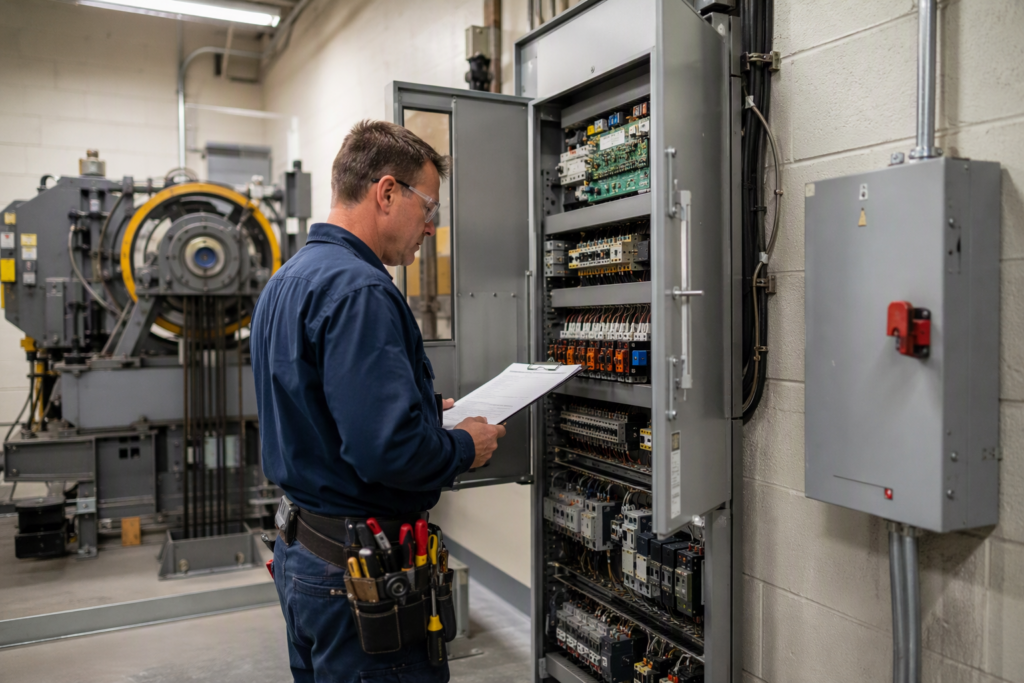
Direct Answer: A preventative maintenance plan for an elevator typically includes scheduled lubrication, mechanical and electrical component inspections, safety device testing, code compliance verification, cleaning of machine room and pit, documentation review, and corrective adjustments — all performed at defined intervals to keep the equipment safe, reliable, and legally operational. A licensed elevator technician reviews […]
Cost to Add an Elevator to an Existing Building in Arizona: What Retrofits Actually Cost and What Drives the Price
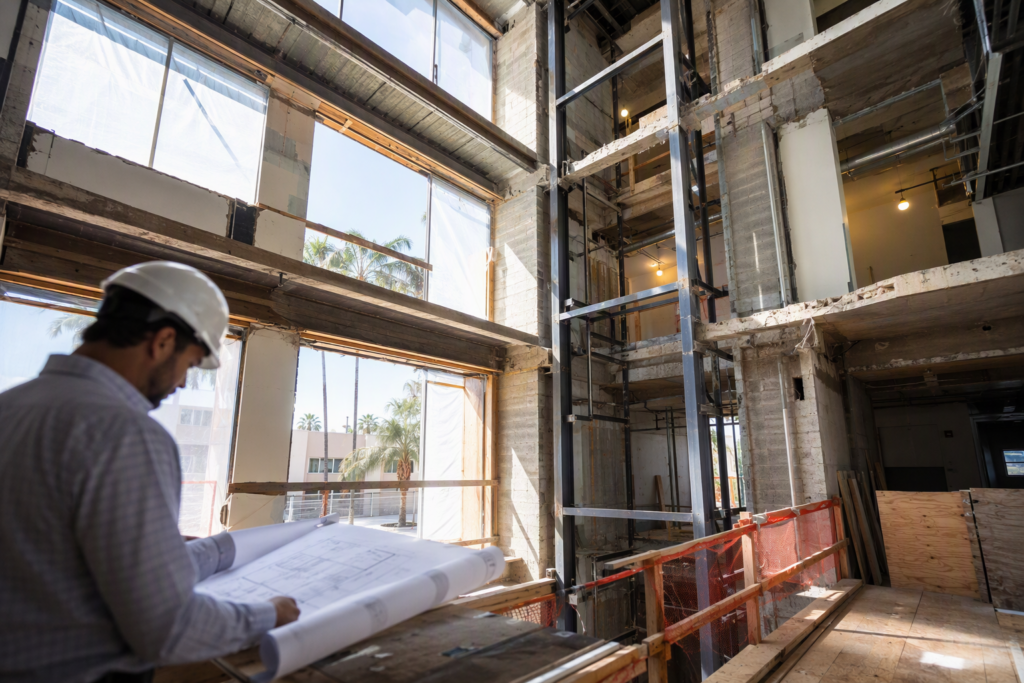
Cost to Add an Elevator to an Existing Commercial Building in Arizona: What Retrofits Actually Cost and What Drives the Price Quick Answer: Adding an elevator to an existing commercial building in Arizona typically involves costs shaped by shaft construction, equipment type, building structural requirements, ADA compliance, and Arizona regulatory permitting — making retrofit projects […]
Elevator Compliance
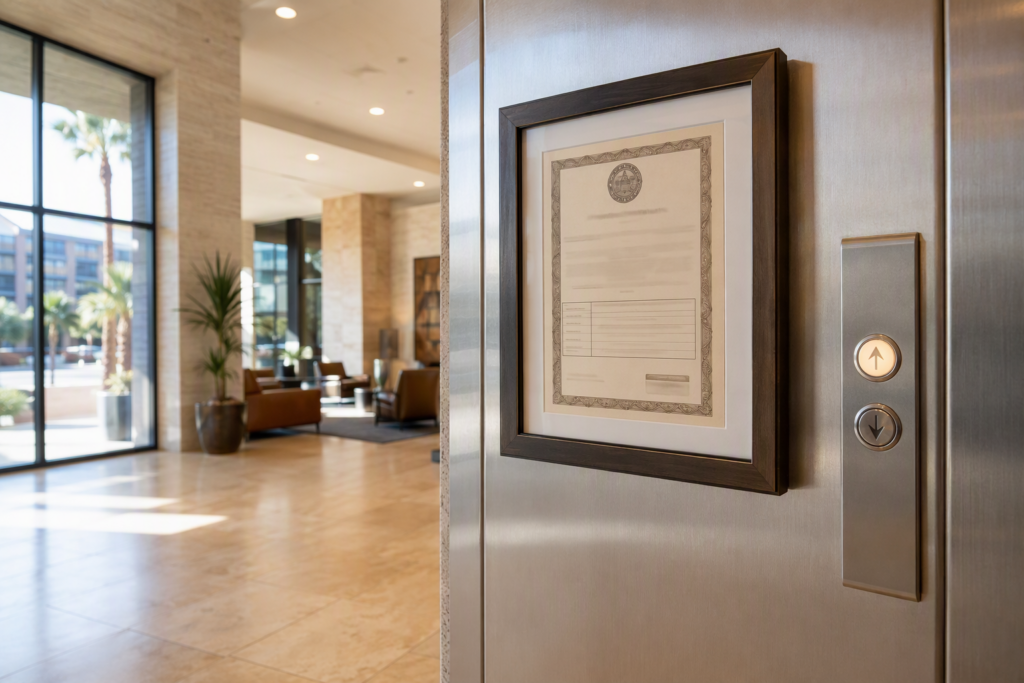
Elevator compliance in Arizona means satisfying the requirements of A.R.S. §§ 23-491 through 23-491.16, the Industrial Commission of Arizona’s Elevator Division, and the ASME A17.1-2019 Safety Code for Elevators and Escalators, including annual inspections, a valid certificate of inspection posted at the conveyance, and timely notification of alterations or accidents. Arizona law requires a valid […]
Commercial Elevator Repair
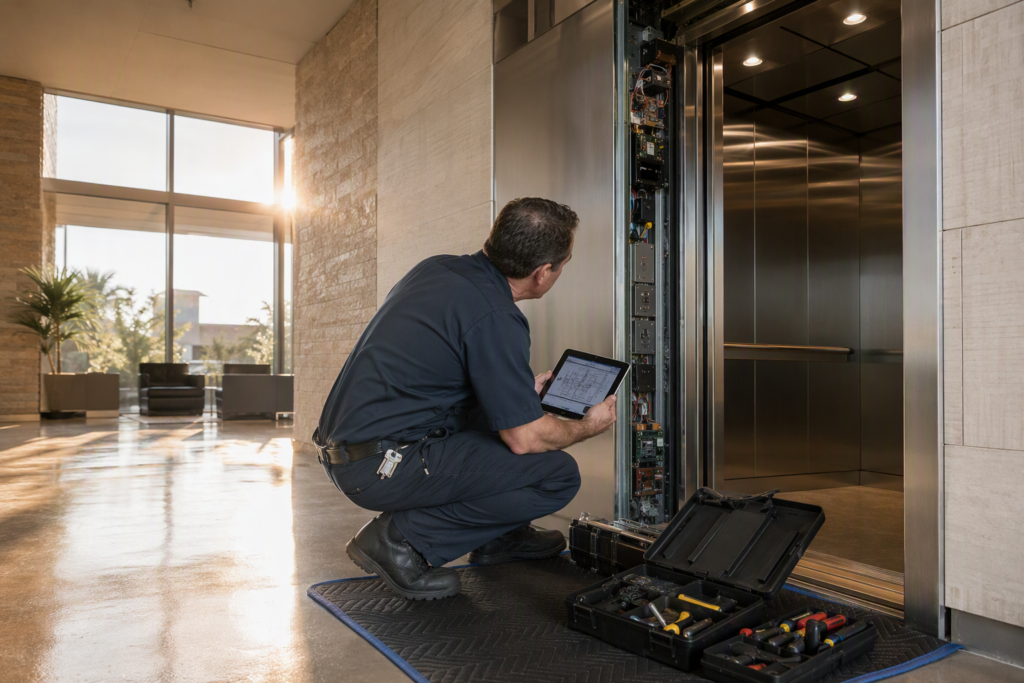
Quick Answer: Commercial elevator repair involves diagnosing and correcting mechanical, electrical, hydraulic, or safety-system failures in freight and passenger elevators to restore safe, code-compliant operation — work that must be performed by a contractor holding an Arizona Registrar of Contractors R-12 or C-12 elevator license and that may trigger a state inspection under A.R.S. §§ […]
Elevator Repair vs. Modernization: How to Make the Right Call When a Major Component Fails and Budget Is Tight
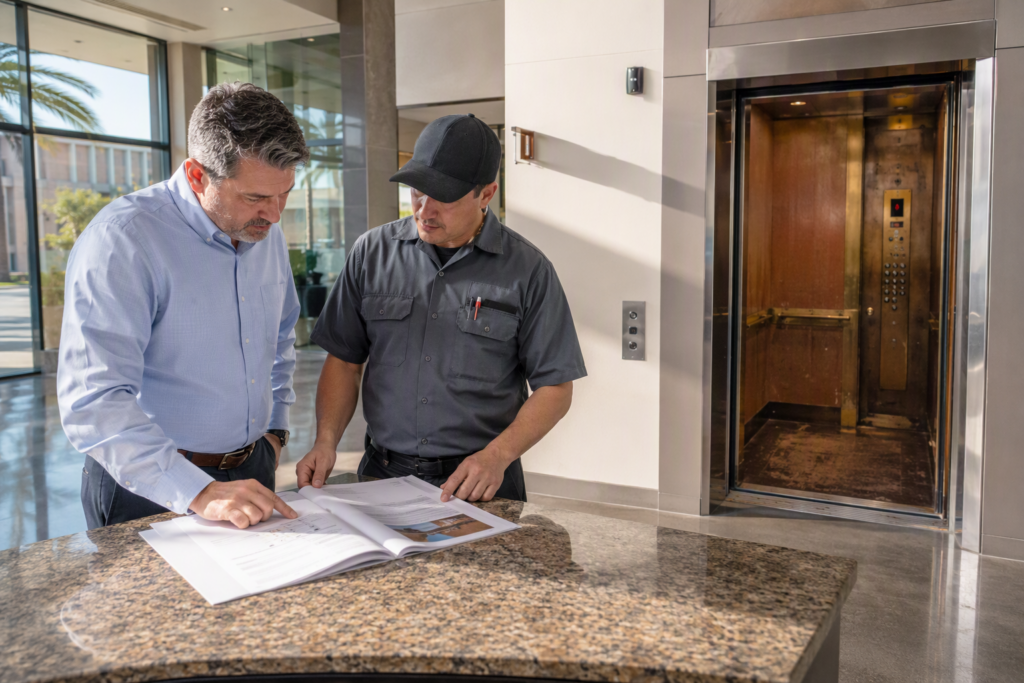
Repair vs. Modernize Elevator: How to Decide After a Major Component Failure | Arizona Elevator Solutions Repair vs. Modernize Elevator: How to Decide After a Major Component Failure Quick Answer: When a major elevator component fails and capital is limited, the decision hinges on three factors: the remaining useful life of surrounding components, whether the […]
Why Commercial Elevators Break Down: The Most Common Failure Points, What They Cost to Fix, and How a Maintenance Plan Reduces Emergency Calls
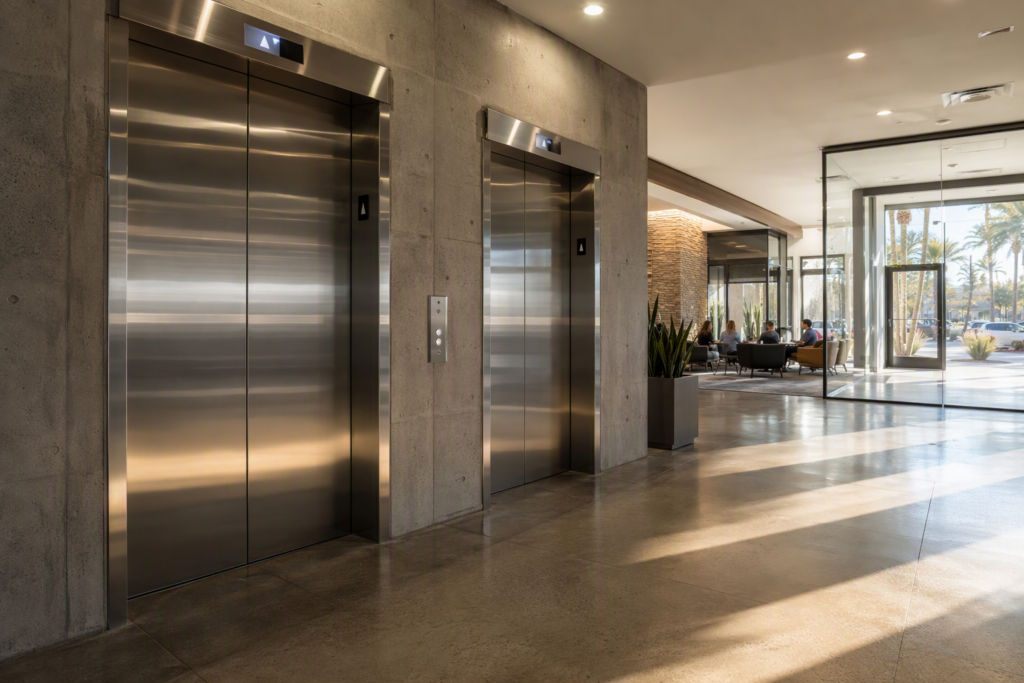
Elevator Service in Phoenix, AZ | Arizona Elevator Solutions Direct Answer: The most common causes of elevator breakdowns in commercial buildings include worn door components, aging control systems, hydraulic fluid issues, and deferred preventive maintenance — and building owners in Phoenix, AZ can significantly reduce emergency repair calls by scheduling consistent maintenance, staying current with […]
Commercial Elevator Maintenance
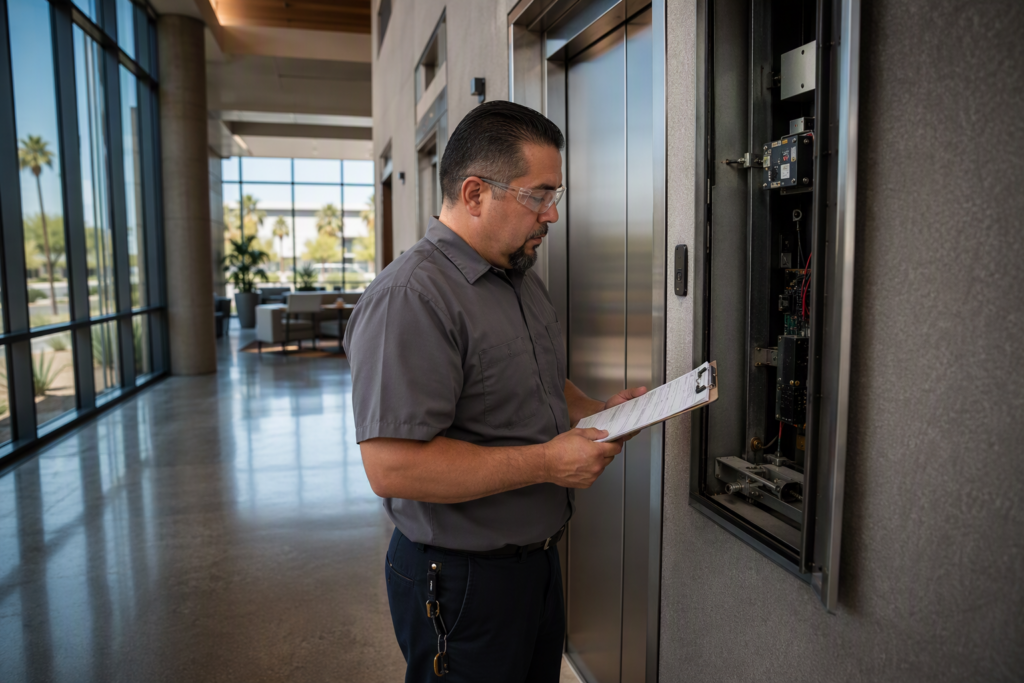
Commercial elevator maintenance is a structured program of routine inspections, lubrication, adjustment, safety testing, and code-compliance checks required to keep passenger and freight elevators operating safely, legally, and efficiently in commercial buildings. A certified technician conducts a routine commercial elevator maintenance review at a Phoenix office building, a process required under Arizona’s ICA Elevator Division […]
Elevator Repair vs. Modernization: How to Decide Which Option Makes Financial and Operational Sense for Your Building
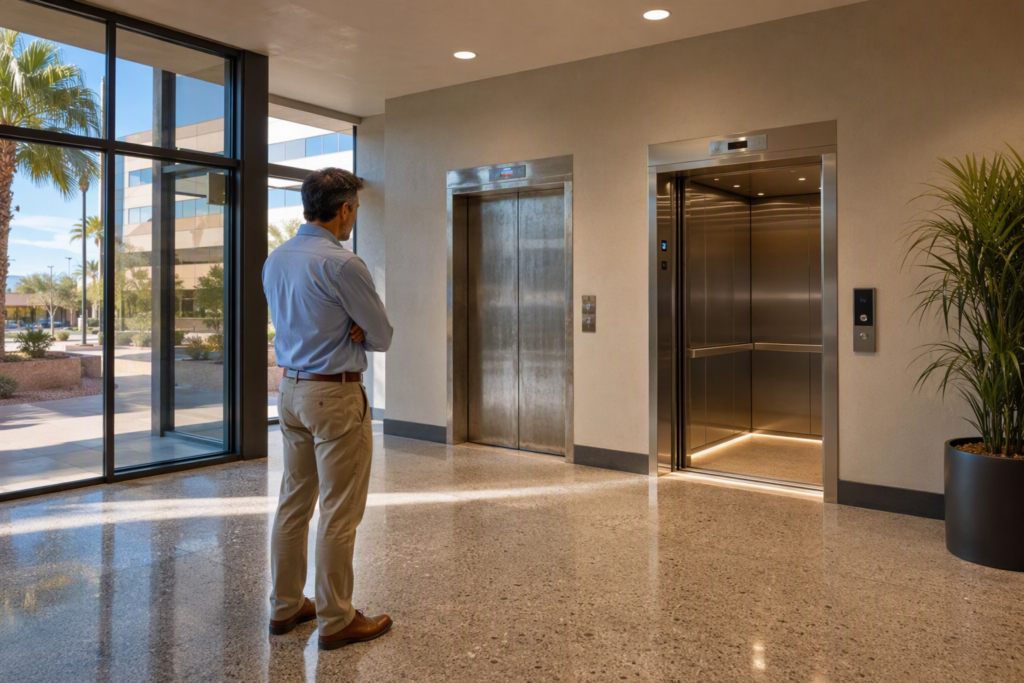
Elevator Service in Phoenix, AZ | Arizona Elevator Solutions Quick Answer: Whether to repair or modernize an aging commercial elevator in Phoenix depends on the equipment’s age, safety record, compliance status under Arizona’s adopted ASME A17.1-2019 Safety Code for Elevators and Escalators, and the long-term cost relationship between ongoing repairs and a full modernization investment […]
Azelevatorsolutions.com Email And Owner
Quick Answer: Arizona Elevator Solutions is a certified elevator service company serving Phoenix, Tucson, Scottsdale, and Mesa, AZ; to reach the company directly, use the contact information provided on azelevatorsolutions.com, where ownership and service inquiries are handled through the company’s official communication channels. Arizona Elevator Solutions handles all ownership and service inquiries through its official […]
Elevator Maintenance Contract Renewals: Red Flags, Negotiable Terms, and What to Demand Before You Sign Again
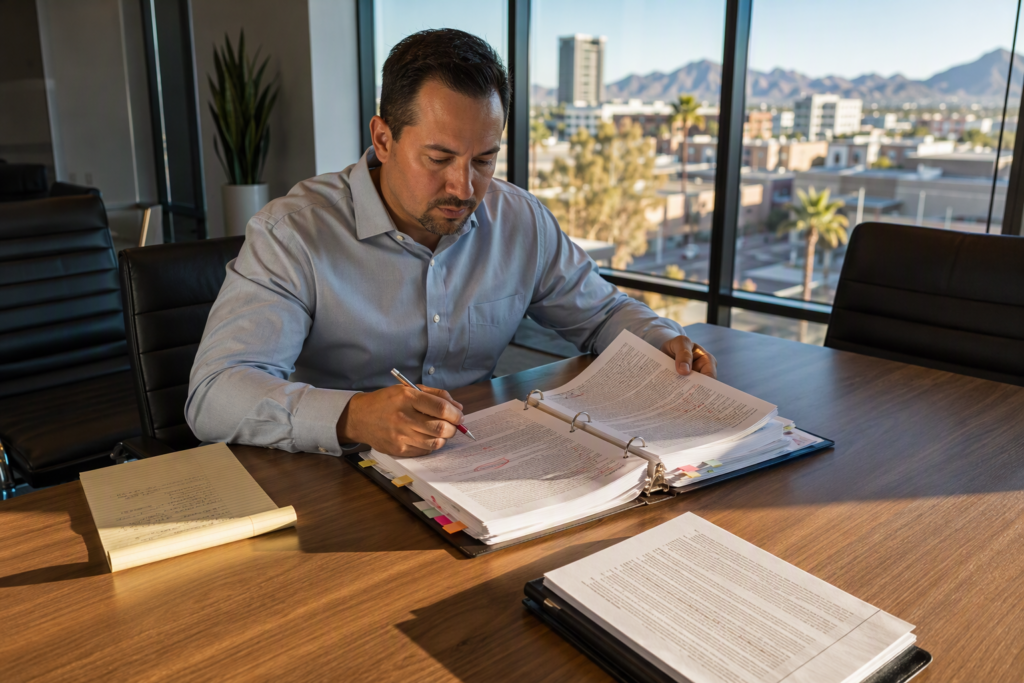
Direct Answer: Before renewing an elevator maintenance contract, scrutinize response-time guarantees, parts and labor exclusions, automatic price escalation clauses, inspection coverage obligations, and termination terms — then push back on any language that shifts compliance risk or unexpected costs onto the building owner. Carefully reviewing an elevator maintenance contract renewal before signing can reveal hidden […]