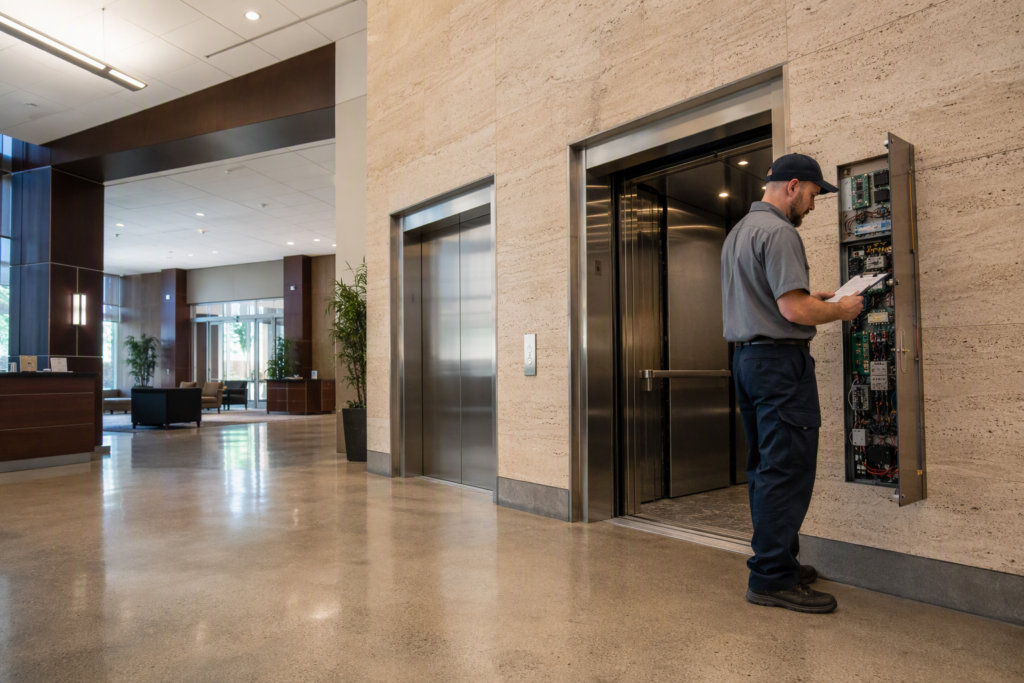
Elevator modernisation — the selective replacement of aging components without demolishing the hoistway or cab shell — is one of the most cost-effective strategies available to Arizona building owners. Rather than removing an entire system, modernisation addresses the mechanical, electrical, and safety elements most likely to cause downtime, regulatory non-compliance, or passenger risk. Understanding what can be upgraded, what Arizona law requires, and how to sequence the work is essential before any capital decision is made.
What Does Elevator Modernisation Actually Mean?
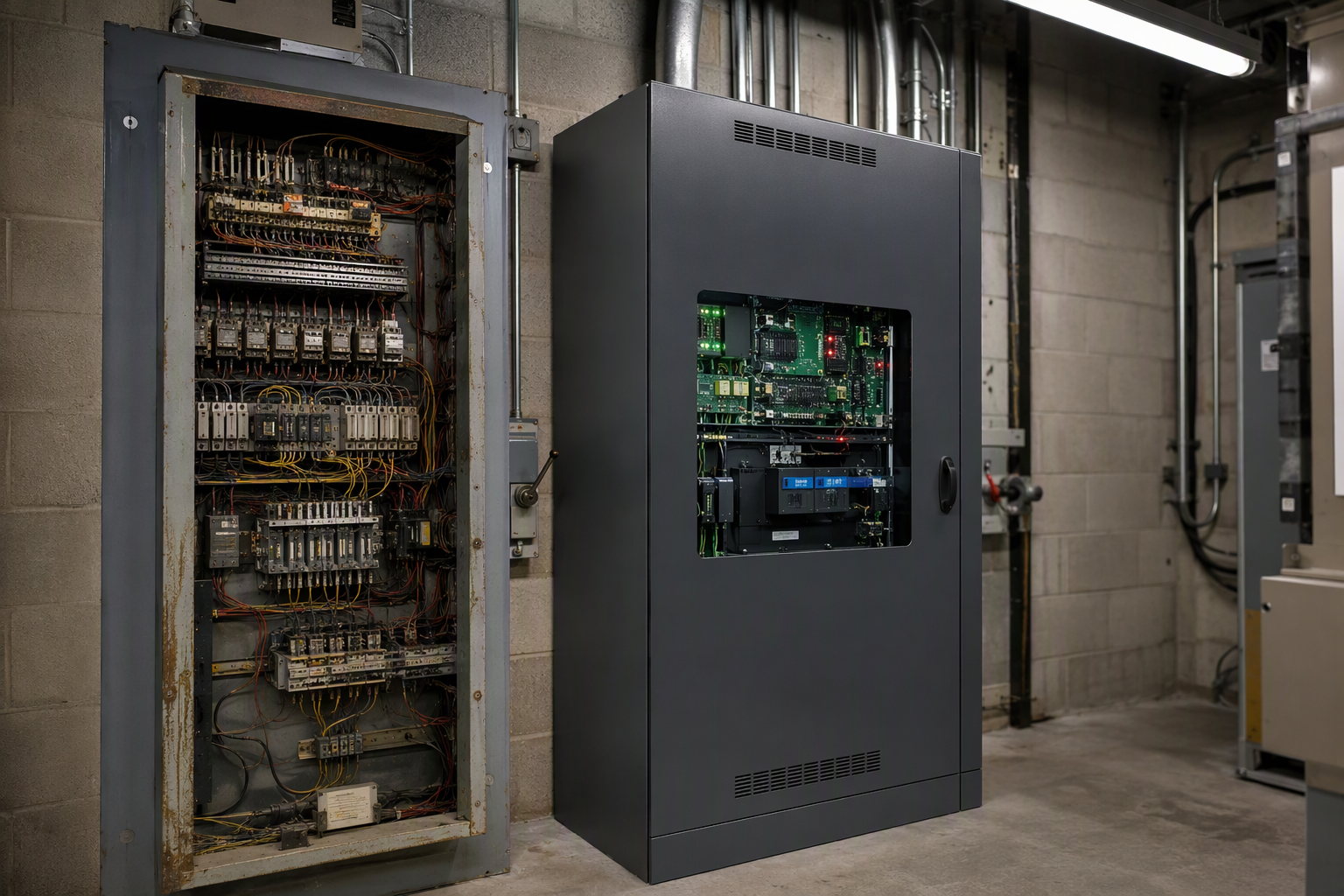
Modernisation is a defined category of work in the elevator industry, distinct from routine maintenance and from full replacement. It typically involves upgrading one or more of the following systems while retaining the existing hoistway structure and, in many cases, the cab enclosure:
- Control systems: Replacing relay-based or early solid-state controllers with modern microprocessor-based controls that improve dispatching efficiency, diagnostics, and energy management.
- Drive systems: Upgrading DC motor drives or older hydraulic power units to variable-voltage, variable-frequency (VVVF) drives that reduce energy consumption and smooth ride quality.
- Door operators and safety edges: Replacing mechanical door contacts with full-length light curtains and upgrading operators to meet current safety standards.
- Safety devices: Installing or upgrading governors, safeties, buffers, and overspeed valves to current code requirements.
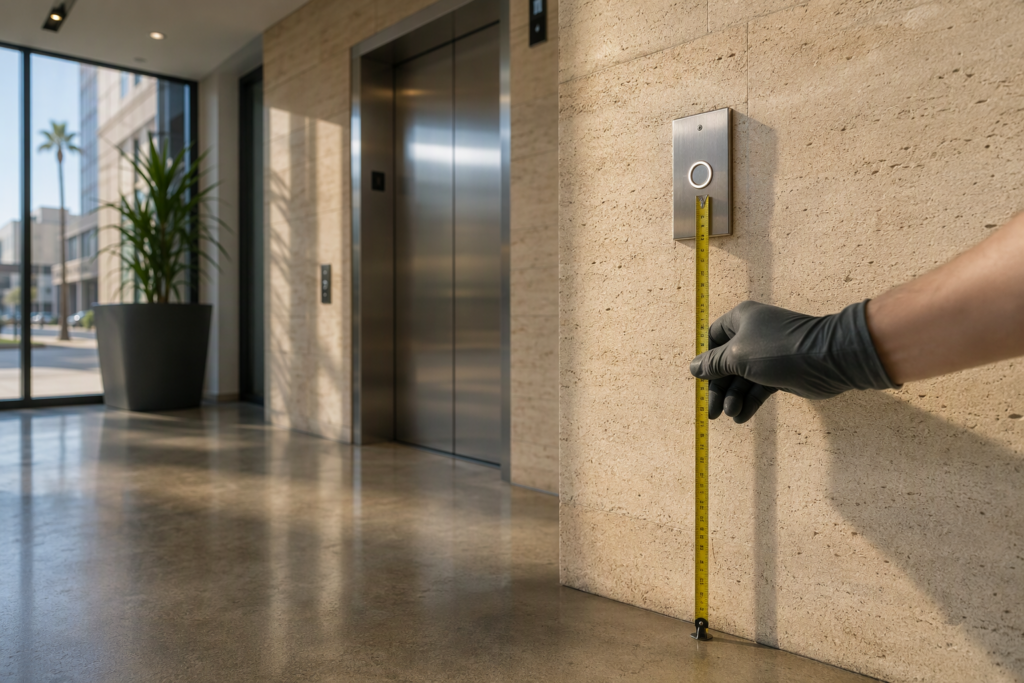
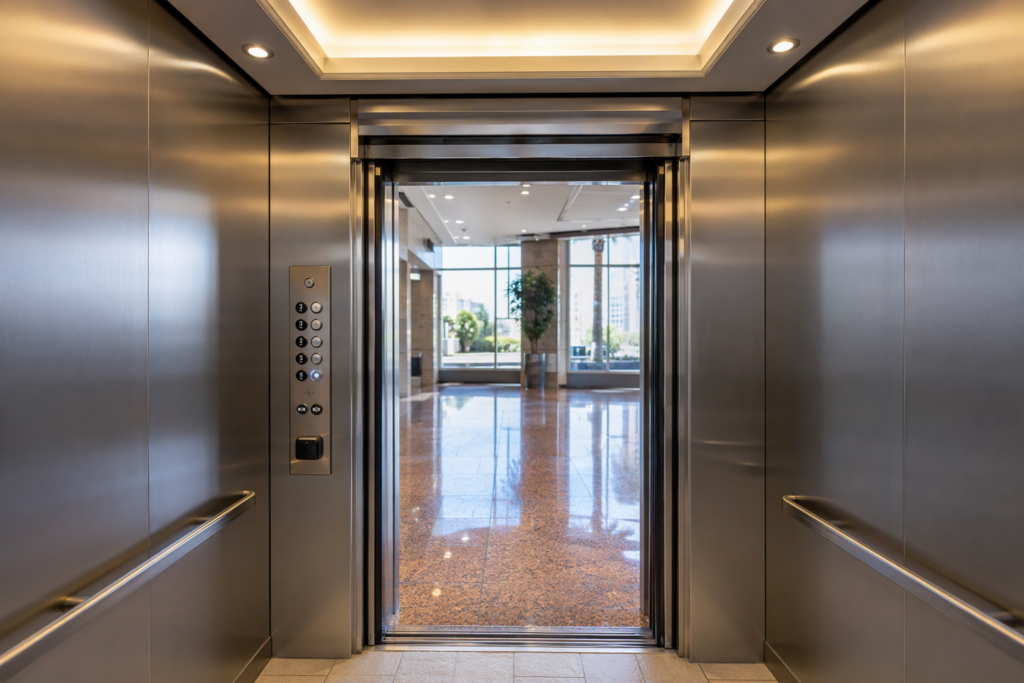
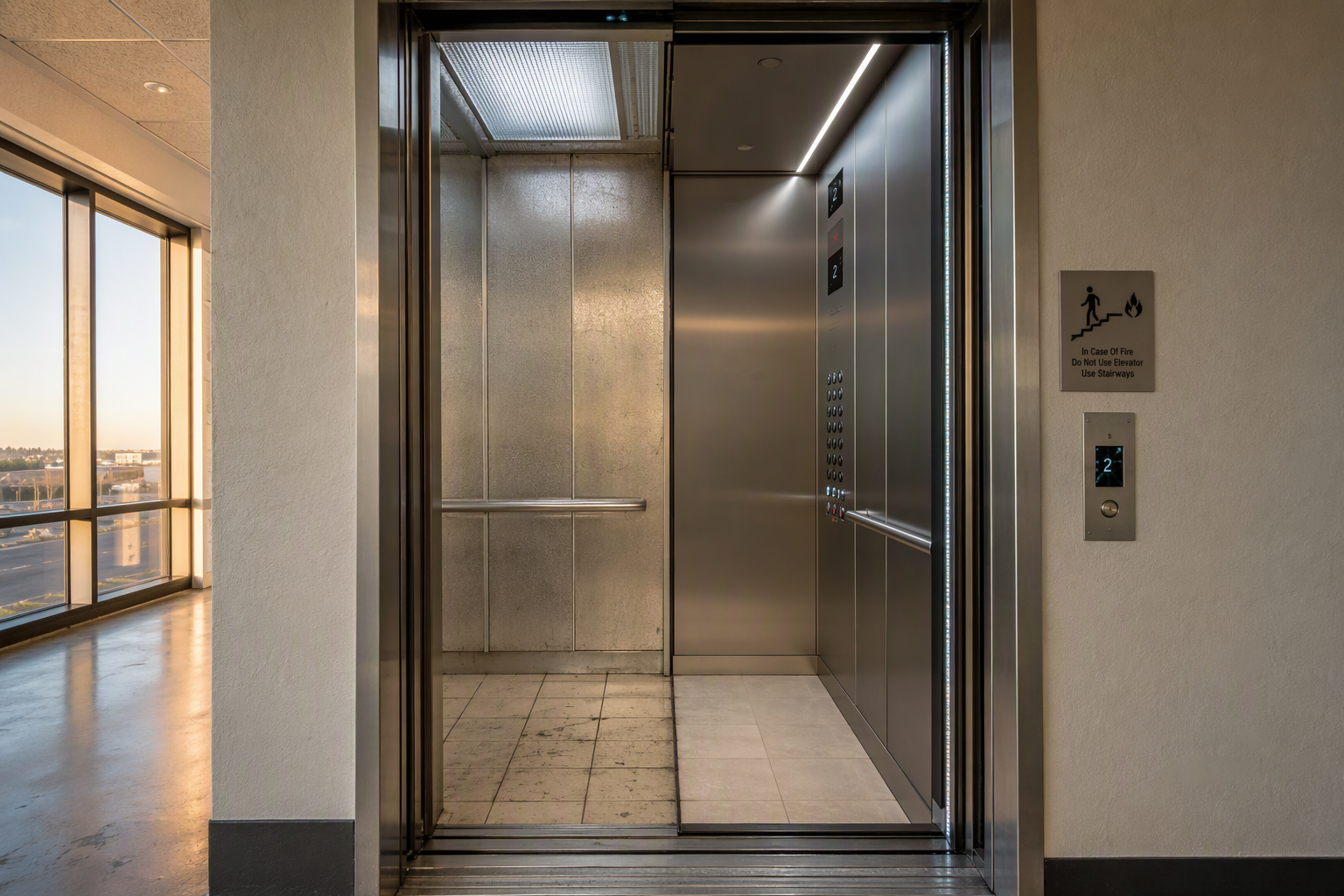
- Cab interiors and accessibility features: Refurbishing interior finishes, adding tactile buttons, audio announcements, and compliant signage to meet Americans with Disabilities Act (ADA) requirements.
- Lighting and emergency power: Upgrading cab and pit lighting, emergency lighting, and communication systems.
- Hydraulic systems: Replacing aging cylinders, hydraulic fluid, and power units to address environmental compliance and mechanical reliability.
Each of these upgrades can be scoped independently or combined into a phased or comprehensive modernisation programme, depending on the age of the equipment, the owner’s budget, and the regulatory obligations triggered by the work.
What Does Arizona Law Require When an Elevator Is Altered?
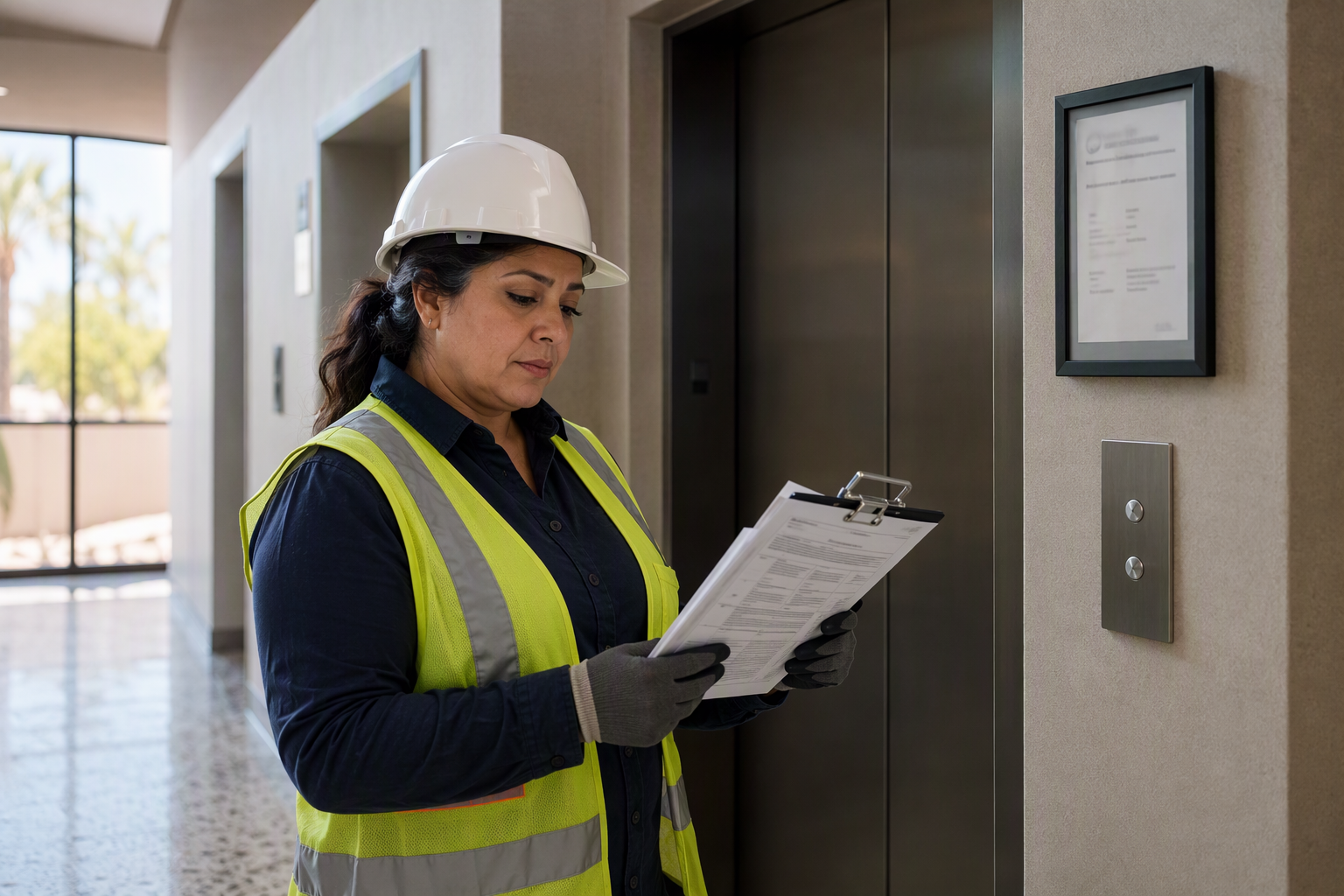
Under Arizona Revised Statutes §§ 23-491 through 23-491.16 and the Arizona Administrative Code R20-5-502 through R20-5-515, any modification or alteration to a conveyance triggers a mandatory inspection before the unit is returned to service. Arizona owners must also notify the state at least 90 days before installing, relocating, or altering a conveyance.
Equipment installed, repaired, or altered on or after January 1, 2023 must comply with the ASME A17.1/CSA B44-2019 Safety Code for Elevators and Escalators as adopted by Arizona. This means that any modernisation project — even a partial one — may bring portions of the elevator into scope for code compliance under the 2019 edition.
The Industrial Commission of Arizona’s Elevator Division (formerly the ADOSH Elevator Safety Section until September 12, 2026, when the transition under Laws 2026, Ch. 73 took effect) administers these requirements statewide. Within the City of Phoenix, the City of Phoenix Elevator Section, Planning and Development Department, handles inspections for equipment inside city limits. After any alteration, a new certificate of inspection must be issued, kept at the conveyance location, and made available on request.
Contractors performing modernisation work in Arizona must hold the appropriate license from the Arizona Registrar of Contractors — either the R-12 (residential) or C-12 (commercial) elevator license classification, which authorises the licensee to install and repair elevators, dumbwaiters, escalators, and moving walks.
Which Components Can Be Modernised Without Replacing the Entire System?
Almost every major subsystem of a traction or hydraulic elevator can be upgraded independently. The practical limits are typically structural: if the hoistway dimensions are non-compliant or the structural support for the machine room is inadequate, more extensive work may be required. In most commercial and multi-family residential buildings, however, the shaft and cab shell remain serviceable long after the electrical and mechanical components have reached end of life.
Common standalone modernisation scopes include:
- Controls-only modernisation: The most frequently undertaken upgrade. Aging relay logic or early digital controllers are replaced with a modern microprocessor system. This alone can dramatically reduce callback rates and improve dispatching.
- Drive-only modernisation: Replacing the motor drive without touching the controller is less common but viable when the control system was previously upgraded.
- Door system modernisation: Upgrading operators, hangers, tracks, and safety edges independently of other systems. Often pursued to address recurring door-related service calls, which are among the most frequent cause of elevator downtime.
- Hydraulic system modernisation: Replacing the power unit, valve, and fluid without replacing the jack assembly. Arizona’s desert climate places particular thermal stress on hydraulic fluid and seals, making this a high-priority upgrade for older hydraulic units.
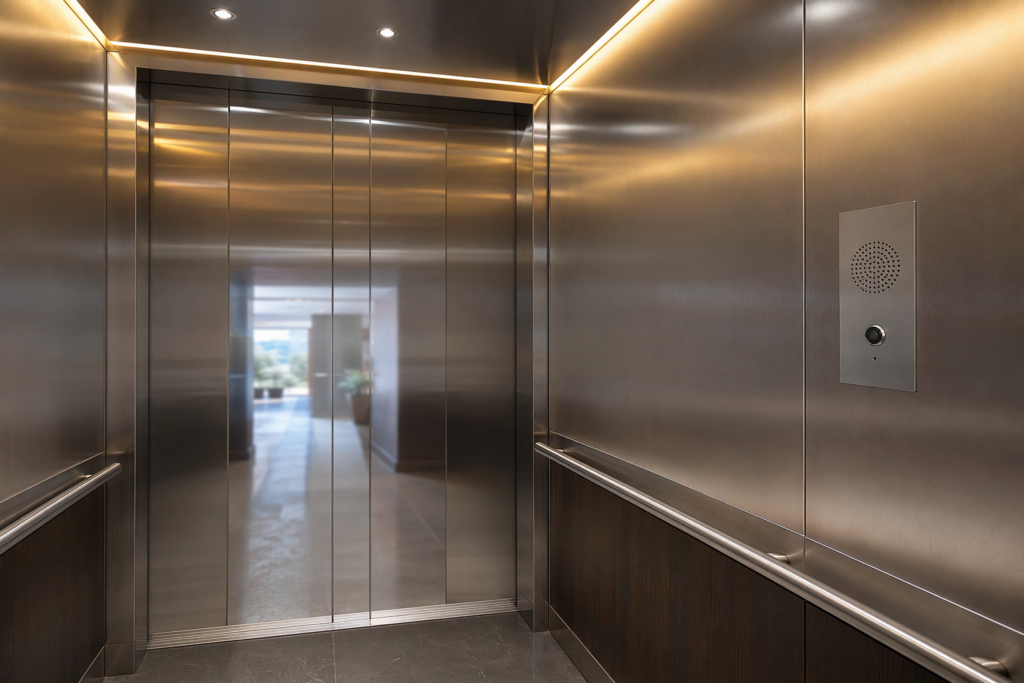
- Cab interior refurbishment: Replacing wall panels, flooring, lighting, and button fixtures. This work is often coordinated with ADA compliance upgrades and does not require the same level of regulatory oversight as mechanical alterations, though any electrical work must still comply with applicable codes.
What Are the Code Compliance Triggers for Modernisation in Arizona?
A key consideration for any Arizona building owner is that certain modernisation scopes constitute an “alteration” under the ASME A17.1-2019 Safety Code, which triggers requirements that go beyond the replaced component itself. The code identifies categories of work that require the entire system — or specific related systems — to be brought into conformance with the current edition.
Work that is generally treated as alteration and triggers broader compliance review includes:
- Replacing or modifying the control system
- Replacing or modifying the driving machine or motor
- Changing the rated load, speed, or travel
- Modifying the car or counterweight safety devices
- Replacing the hydraulic cylinder or power unit in a hydraulic elevator
Arizona’s existing-installation standard, ASME A17.3, also applies to elevators installed before the current code edition. A17.3 sets minimum safety requirements for equipment already in service and is the standard against which annual inspections of older equipment are conducted. When modernisation is performed, the altered components are held to A17.1-2019; portions not altered are evaluated against A17.3 unless the scope of work triggers more comprehensive compliance.
Arizona law also notes that lawfully installed older conveyances may remain in use unless the state’s elevator chief determines the use presents a hazard to life, health, or property. This means that a building owner is not automatically required to modernise older equipment simply because it predates current code — but any alteration opens the door to broader compliance obligations.
How Does the Modernisation Process Work Step by Step?
- Conduct a condition assessment. A qualified elevator contractor inspects the existing equipment to document the condition of all major subsystems, identify code deficiencies, and determine what the current certificate of inspection reflects.
- Define the scope of modernisation. Based on the assessment, the owner and contractor determine which components will be replaced and which will remain, weighing compliance obligations, reliability goals, and budget constraints.
- File a 90-day advance notice with the Industrial Commission of Arizona’s Elevator Division (or the City of Phoenix Elevator Section for equipment within Phoenix city limits) before any alteration work begins, as required under A.R.S. § 23-491 et seq.
- Obtain permits and drawings. Submit required permit applications and, where applicable, engineering drawings for the scope of work.
- Complete the modernisation work using a contractor holding the appropriate Arizona Registrar of Contractors R-12 or C-12 elevator license.
- Schedule and pass a post-alteration inspection by a state-authorised inspector (either the ICA Elevator Division or an authorised private inspector) before the elevator is returned to service.
- Obtain the updated certificate of inspection, post the state serial number in or near the conveyance, and retain the certificate at the conveyance location.
- Resume annual inspection cycles as required by Arizona law to maintain the certificate of inspection and legal operation.
What Factors Determine Whether Modernisation or Full Replacement Is Appropriate?
No universal rule governs this decision. The following factors typically drive the analysis:
- Age of the equipment: Elevators with relay-based controls installed several decades ago may have multiple systems approaching or past end of useful life simultaneously, making phased modernisation less economical than a single comprehensive project or full replacement.
- Hoistway condition: If the shaft structure, pit depth, or overhead clearance does not meet current code minimums, modernisation of components alone will not resolve the underlying deficiencies. Structural remediation may be required regardless of which path is chosen.
- Frequency and cost of service calls: High callback frequency on door systems, controls, or drive components is a reliable signal that modernisation is overdue. Continuing to repair aging components often costs more over a multi-year horizon than a targeted modernisation.
- ADA compliance status: Buildings subject to ADA obligations that have not updated cab controls, signage, or door timing may find that a controls or cab modernisation resolves multiple compliance gaps simultaneously.
- Energy performance goals: Variable-frequency drive upgrades and modernised door operators can meaningfully reduce elevator energy consumption, which is a relevant consideration for building owners managing operating costs or pursuing sustainability certifications.
- Building type and usage: High-use commercial buildings, healthcare facilities, and multi-family residential properties have different reliability tolerances that affect how aggressively modernisation should be scoped.
What Are the ADA Implications of Elevator Modernisation?
The Americans with Disabilities Act requires that places of public accommodation and commercial facilities ensure elevators are accessible. Modernisation provides an opportunity — and in some cases creates an obligation — to address ADA requirements that may not have been met by older equipment. Common ADA-related upgrades incorporated into modernisation projects include:
- Tactile and Braille button identification
- Visual and audible floor indicators and announcements
- Door open and close timing adjustments to meet minimum standards
- Cab size and threshold gap compliance where structurally feasible
- Emergency two-way communication systems accessible to individuals with hearing impairments
Building owners should treat any planned modernisation as an opportunity to conduct a thorough ADA review, as correcting deficiencies during a larger project is substantially less disruptive and costly than a standalone accessibility remediation.
What Industry Trends Are Shaping Elevator Modernisation in 2025 and 2026?
Several qualitative trends are influencing how elevator modernisation is planned and executed in the current period:
Remote monitoring and predictive maintenance: Modern control systems increasingly include connectivity features that allow building owners and service contractors to monitor performance data, receive fault alerts, and anticipate component failures before they cause downtime. This capability is often a primary driver of controls modernisation projects, as it shifts maintenance from reactive to predictive.
Energy efficiency as a capital investment: Building owners and property managers are increasingly evaluating elevator modernisation through an energy lens, particularly as variable-frequency drives and regenerative systems become more accessible. In Arizona’s climate, where mechanical systems operate under sustained thermal loads, this calculus is especially relevant.
Supply chain and lead time considerations: The availability of proprietary parts for older elevator systems continues to become more constrained as original equipment manufacturers discontinue legacy product lines. This is accelerating modernisation decisions for owners who might otherwise defer work, since the inability to source parts can force unplanned downtime.
Code adoption cycles: Arizona’s 2023 adoption of ASME A17.1-2019 means that alteration work performed now is evaluated against a relatively current code edition, reducing the compliance gap between modernised and new-construction equipment compared to states that have not updated their adopted editions.
Phased project financing: Building owners — particularly those managing older multi-family residential or commercial portfolios — are increasingly structuring modernisation as multi-year phased programmes, addressing the highest-risk or highest-frequency-failure systems first and deferring lower-priority upgrades. This approach requires careful planning to avoid triggering compliance obligations piecemeal without a coordinated strategy.
How Does Modernisation Affect the Annual Inspection Certificate in Arizona?
Any alteration to an Arizona conveyance requires a post-alteration inspection and a new certificate of inspection before the elevator is returned to service. The certificate must be kept at the conveyance location and made available on request. The state serial number tag, fixed to the controller or mainline disconnect, must be posted in or near the conveyance.
Modernisation does not eliminate the annual inspection requirement. After the post-alteration inspection certificate is issued, the conveyance continues on its annual inspection cycle. Arizona owners may engage a private elevator inspector authorised by the Industrial Commission of Arizona for both initial post-alteration and annual inspections, provided the inspector is not affiliated with the owner, the servicing company, or a company the inspector owns. Private inspectors must register with the commission annually and demonstrate at least eight hours of approved continuing education.
What Are the Firefighters’ Service Requirements During Modernisation?
Arizona conveyances equipped with firefighters’ emergency operation must use the Arizona Firefighters Service (AZFS) key. Any modernisation that touches the firefighters’ service system — including control system replacements — must ensure that the updated system is compatible with AZFS key operation. This is a compliance detail that should be explicitly confirmed in the scope of work between the building owner and the modernising contractor.
How Should Building Owners in Arizona Evaluate Modernisation Proposals?
When reviewing proposals from elevator contractors, Arizona building owners should confirm the following:
- The contractor holds an active Arizona Registrar of Contractors R-12 or C-12 elevator license.
- The proposal identifies which components are being replaced and which are being retained, and confirms which standards (A17.1-2019 vs. A17.3) apply to each portion of the work.
- The proposal includes responsibility for the 90-day advance notice filing and post-alteration inspection coordination with the Industrial Commission of Arizona’s Elevator Division or the City of Phoenix Elevator Section as applicable.
- The scope addresses any known ADA deficiencies or, if deferred, documents that decision explicitly.
- The AZFS key compatibility is confirmed if firefighters’ service is present.
Arizona Elevator Solutions works with building owners to conduct condition assessments, interpret compliance obligations under Arizona’s adopted codes, and develop modernisation scopes that address both immediate regulatory requirements and longer-term reliability goals — drawing on sourced regulatory guidance rather than generalised assumptions.
Can a Hydraulic Elevator Be Modernised Without Replacing the Underground Cylinder?
In many cases, yes. The hydraulic power unit, valve assembly, and fluid can be replaced independently of the underground jack assembly, provided the cylinder itself passes inspection and shows no signs of corrosion, leakage, or structural compromise. However, single-bottom hydraulic cylinders — a design common in elevators installed before the 1990s — present environmental and liability considerations related to potential subsurface leakage that many owners choose to address proactively during a modernisation project. The decision to replace or retain the cylinder should be informed by a documented inspection of the existing assembly and a review of any available maintenance history.
What Is the Difference Between Modernisation and Routine Maintenance?
Routine maintenance involves inspecting, lubricating, adjusting, and replacing wear items — such as brake linings, ropes at end of service life, or door rollers — within the design parameters of the existing system. Modernisation involves replacing a major component or system with one of a different design, technology generation, or specification. The regulatory distinction matters in Arizona because modernisation constitutes an alteration and triggers the 90-day notice, permit, and post-alteration inspection requirements. Routine maintenance, properly scoped, does not.
The line between the two is not always self-evident, particularly when replacing components like controllers or drive systems. Building owners should confirm with their contractor whether a proposed scope of work is classified as maintenance or alteration under ASME A17.1-2019 and Arizona Administrative Code R20-5-502 through R20-5-515 before work begins.
How Does Arizona Elevator Solutions Approach Modernisation Planning?
Arizona Elevator Solutions approaches modernisation as a data-informed process: condition assessments are documented against current code requirements, compliance obligations under Arizona’s adopted edition of ASME A17.1-2019 are identified by system, and modernisation scopes are structured to address regulatory priorities alongside operational and reliability goals. The firm serves Arizona building owners and managers across commercial, multi-family residential, and institutional property types, providing assessments that account for both the ICA Elevator Division’s statewide requirements and the City of Phoenix Elevator Section’s local jurisdiction where applicable.
Contact Arizona Elevator Solutions for a free elevator assessment at 480-557-7600.
Need elevator service you can rely on? Arizona Elevator Solutions is ready to help.