Elevator Service in Phoenix, AZ | Arizona Elevator Solutions
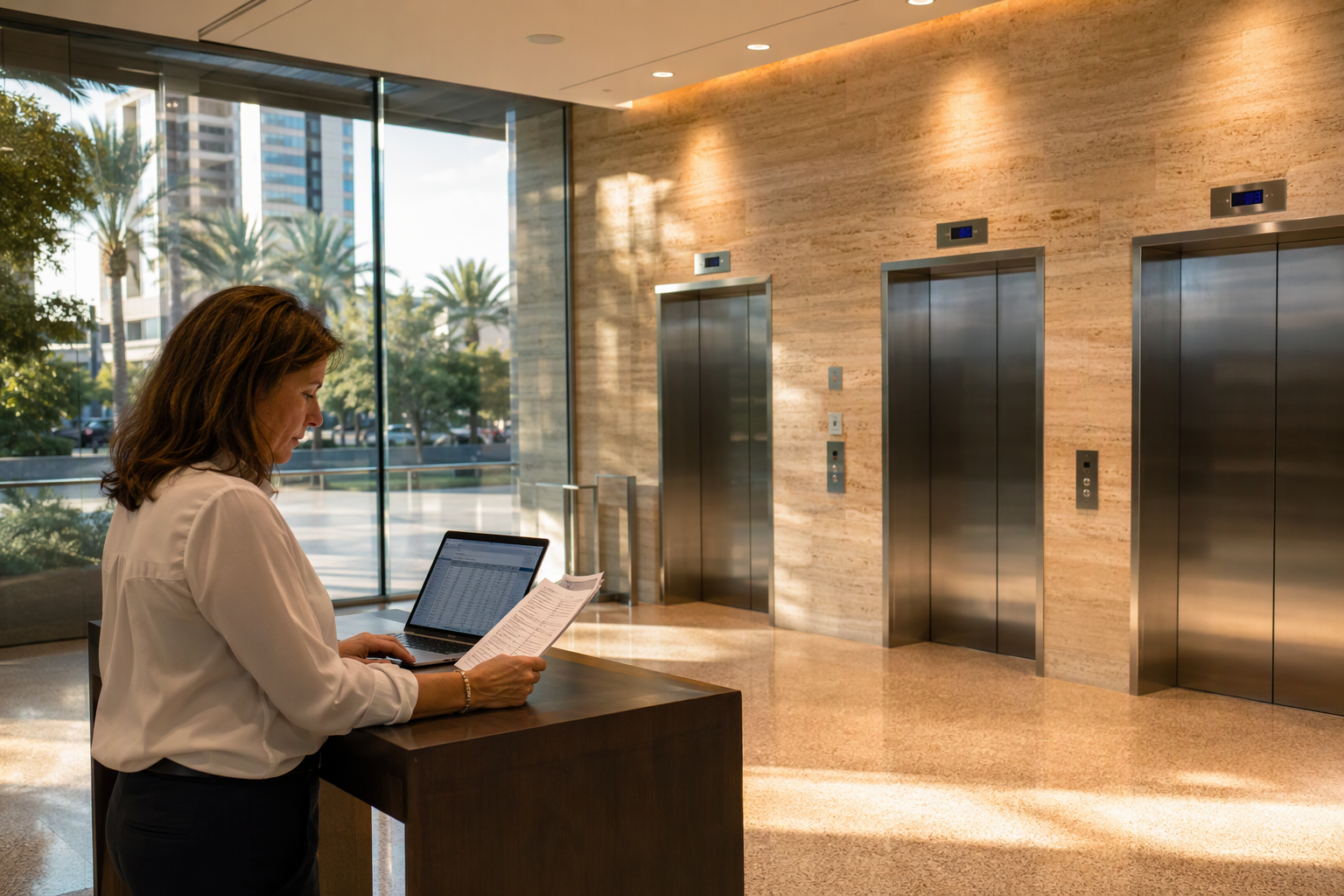
Elevator repairs and modernization projects represent some of the most significant capital expenditures a building owner or facility manager will face. Whether managing a commercial high-rise, a multifamily residential property, a healthcare facility, or a mixed-use development in the Phoenix metropolitan area, a structured planning process ensures that budgets are realistic, compliance obligations are met, and tenants and visitors remain safe throughout the year.
What Should a Building Owner Do First When Planning Elevator Work?
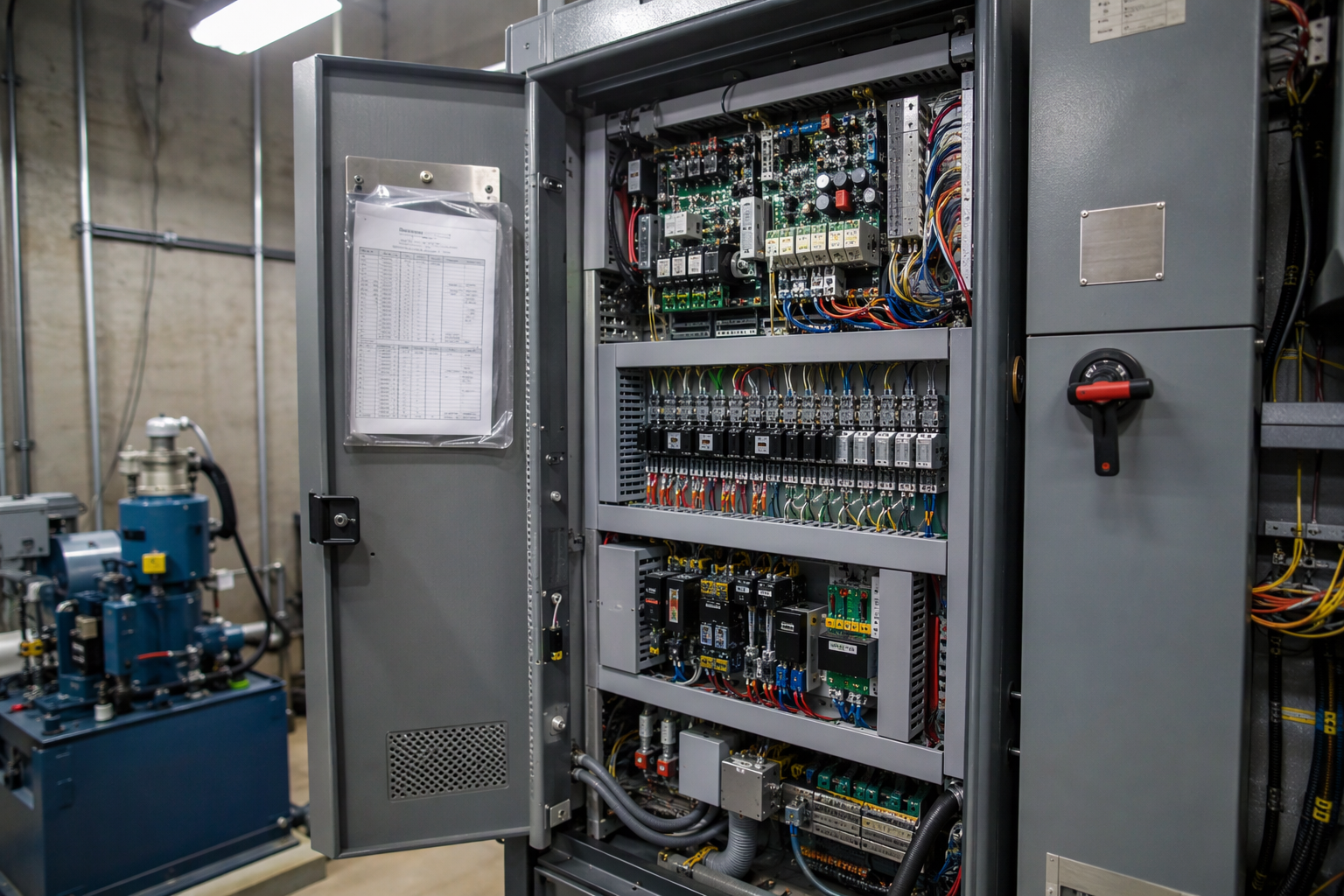
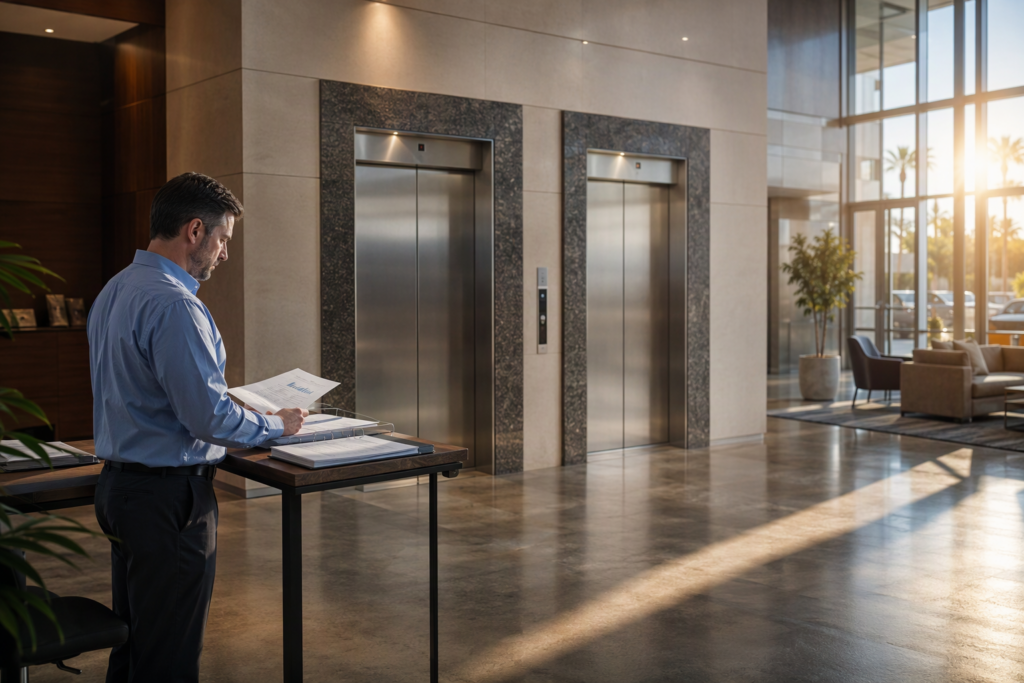
The planning process begins with a thorough condition assessment of every conveyance in the building. Before any budget numbers are attached to a project, an experienced elevator service provider should evaluate the mechanical, electrical, and hydraulic components of each unit and produce a written report that ranks deficiencies by severity.
- Gather all existing maintenance records, inspection certificates, and outstanding violation notices for every conveyance in the building.
- Confirm that a valid annual certificate of inspection issued by the state is posted in or close to each conveyance, as required under A.R.S. §§ 23-491 through 23-491.16.
- Note the state serial number affixed to each controller or mainline disconnect — this number is required for any permit or inspection filing.
- Schedule a comprehensive condition audit with a contractor holding an R-12 or C-12 elevator license from the Arizona Registrar of Contractors.
- Document the age, make, model, and last modernization date for each unit to establish replacement versus repair thresholds.
- Identify any units that have undergone recent modifications, which under Arizona rules trigger an inspection before returning to service.
- Compile the audit findings into a prioritized deficiency list organized by safety criticality, regulatory deadline, and operational impact.
How Do Arizona Compliance Requirements Affect My Budget Planning?
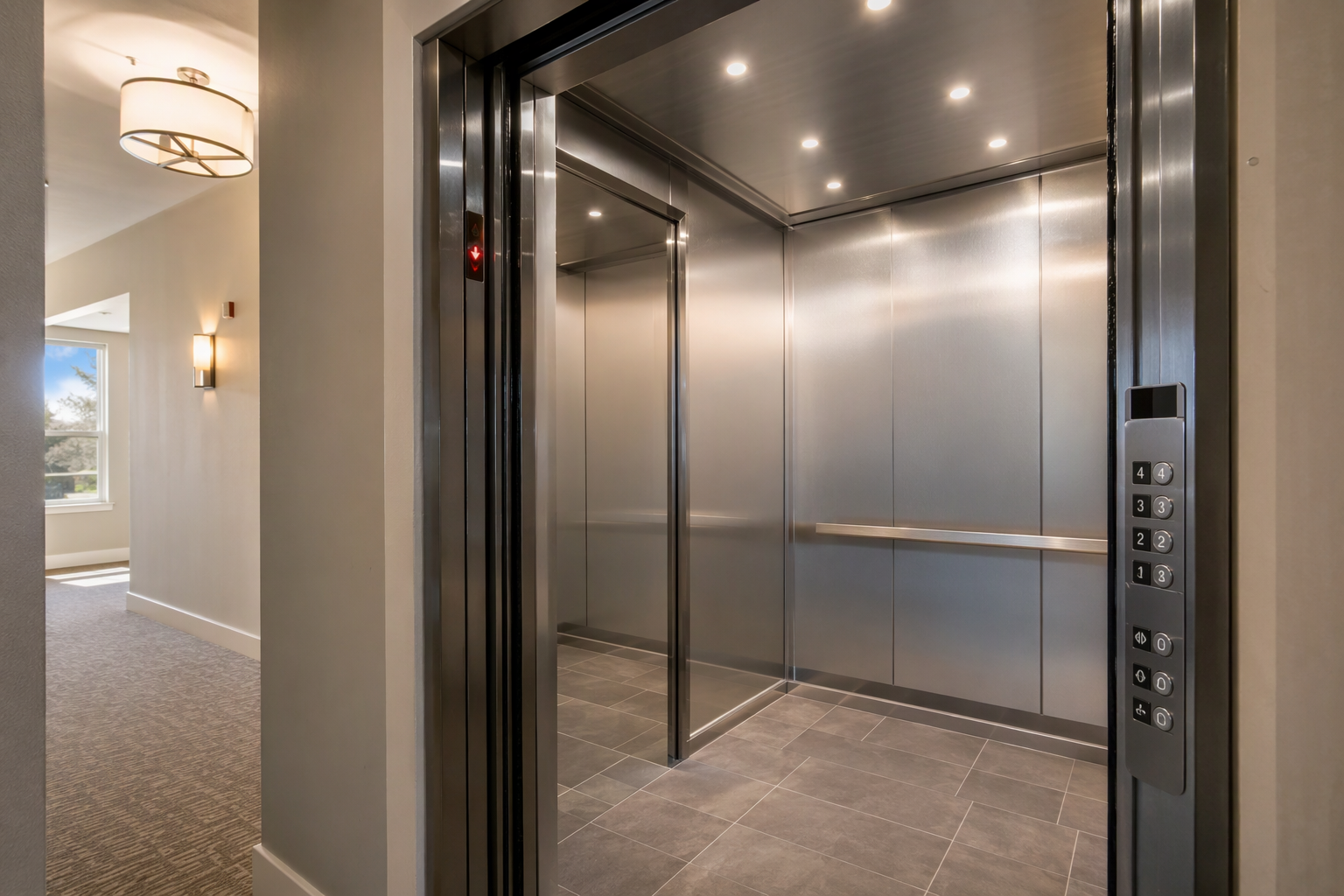
Arizona building owners operate under a layered compliance framework that directly influences project timing and cost. At the state level, elevator safety is administered by the Industrial Commission of Arizona (ICA), Elevator Division — the authority formerly known as the ADOSH Elevator Safety Section until September 12, 2026, when Laws 2026, Ch. 73 took effect. Equipment installed, repaired, or altered on or after January 1, 2023 must conform to the ASME A17.1/CSA B44, 2019 edition. Platform lifts and stairway chairlifts installed, repaired, or altered on the same date forward must comply with ASME A18.1-2020.
Within the City of Phoenix, the City of Phoenix Elevator Section, part of the Planning and Development Department, inspects elevators, escalators, moving walks, dumbwaiters, and chairlifts. Equipment located outside the city limits falls under state jurisdiction. Budget planning must account for permit and inspection fees at whichever level applies to each property.
Arizona owners must also notify the ICA Elevator Division at least 90 days before installing, relocating, or altering any conveyance. Building that lead time into a fiscal year project schedule prevents costly delays. Additionally, any accident that injures a person or disables a conveyance must be reported to the state within 24 hours — an emergency repair triggered by such an event can significantly disrupt a planned budget cycle.
Federal obligations add further budget considerations. The Americans with Disabilities Act (ADA) requires that elevators in covered facilities meet accessibility standards, and planned modernization projects present a natural opportunity to address any gaps. OSHA standards also apply to work performed on elevator equipment, influencing contractor safety practices and project procedures.
What Is the Difference Between a Repair and a Modernization, and Why Does It Matter for Budgeting?
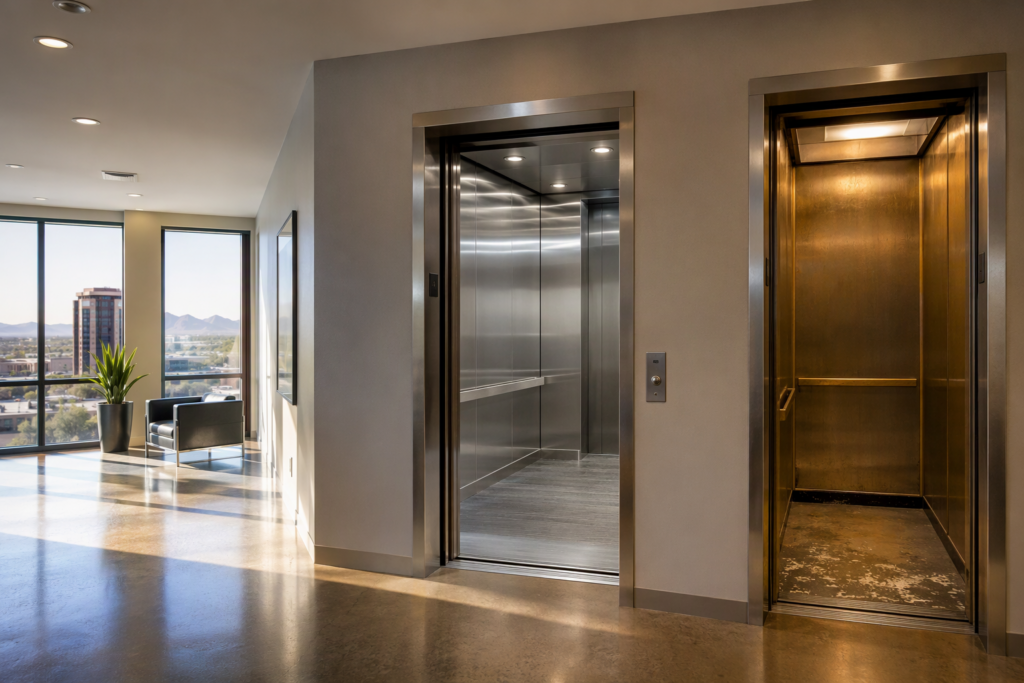
A repair restores a component to its original design function — replacing a worn door operator, repairing a hydraulic cylinder, or renewing frayed hoist ropes. A modernization replaces major subsystems, such as the control system, drive machine, or cab interior, to bring the elevator to a higher level of performance or code compliance. The distinction matters for budgeting because modernizations are capital expenditures that may be depreciated over time, while repairs are typically expensed in the fiscal year they occur.
When equipment reaches a point where repair costs approach or exceed a significant portion of modernization costs, most elevator consultants recommend modernization for long-term financial efficiency. A licensed elevator contractor can model both scenarios during the budgeting phase so facility managers can present clear options to ownership or finance committees.
How Should I Structure a Multi-Year Capital Plan for Elevator Work?
A phased multi-year capital plan distributes large expenditures across budget cycles while maintaining compliance and operational continuity. Arizona Elevator Solutions recommends the following framework when building a multi-year elevator capital plan for Phoenix-area properties:
- Year one: Address all safety-critical deficiencies, outstanding inspection violations, and any components that pose immediate risk of shutdown.
- Year two: Prioritize code-driven upgrades required by ASME A17.1-2019 or triggered by any planned alterations, along with ADA accessibility improvements.
- Year three and beyond: Schedule full or partial modernizations for aging units identified in the condition audit, sequenced to minimize simultaneous downtime across the building’s elevator fleet.
Each phase should include a contingency line — typically a percentage of the phase cost — to cover unforeseen conditions discovered once work is underway. Older hydraulic systems, in particular, can reveal underground cylinder deterioration or soil contamination that is not apparent during surface-level inspections.
What Should I Look for When Selecting an Elevator Contractor in Phoenix?
Arizona requires elevator contractors to hold an R-12 (residential) or C-12 (commercial) elevator license issued by the Arizona Registrar of Contractors. Verifying current licensure before signing any agreement protects building owners from liability and ensures that the contractor’s work is eligible for state inspection and certification. Note that the ROC issues contractor licenses but does not issue the annual certificate of inspection — that remains the responsibility of the ICA Elevator Division or the City of Phoenix Elevator Section, as applicable.
Beyond licensure, building owners should evaluate a contractor’s familiarity with the Phoenix regulatory environment, their experience across the specific building types in the owner’s portfolio — commercial office, multifamily residential, healthcare, government, or industrial — and their capacity to support both planned maintenance and unplanned emergency service needs.
How Do Annual Inspections Fit Into My Budget Planning Calendar?
Arizona law requires that every conveyance be inspected annually and that no conveyance operate without a valid annual certificate of inspection. The state serial number or certificate must be posted in or close to the conveyance in an accessible location. Building owners may engage a private elevator inspector authorized by the ICA to perform these inspections — that inspector must register with the commission annually and complete at least eight hours of approved continuing education. Critically, a private inspector may not inspect equipment owned, operated by, or last serviced by their own company or employer.
Budget planning should map each unit’s inspection renewal date so that inspection fees, any corrective work identified during inspection, and permit costs are captured in the correct fiscal year. Properties that stagger annual inspection dates across the calendar may benefit from a consolidated maintenance agreement that smooths out cash flow.
What Ongoing Maintenance Costs Should Be Built Into an Annual Elevator Budget?
Beyond capital repairs and modernization, a realistic annual elevator budget includes preventive maintenance, lubrication and adjustment services, controller software updates where applicable, and routine parts replacement. Firefighters’ emergency operation systems on Arizona conveyances must use the Arizona Firefighters Service (AZFS) key — confirming that AZFS key hardware is current and functional is a routine maintenance item that belongs in an annual service checklist.
Emergency repair reserves are also a sound budgeting practice. Conveyances that experience a breakdown causing injury or complete disablement trigger a 24-hour state notification requirement and may require an inspection before returning to service, adding unplanned cost and downtime.
Can a Modernization Project Improve Energy Efficiency and Reduce Operating Costs?
Modern elevator drive systems, LED cab lighting, and regenerative drives can reduce energy consumption compared with older hydraulic or relay-logic systems. While specific savings figures vary by building type, usage pattern, and equipment configuration, modernization projects frequently allow building owners to present a total-cost-of-ownership analysis that offsets part of the capital investment through reduced utility and maintenance expenses over the equipment’s service life. Including energy and maintenance projections alongside the capital outlay gives finance committees a more complete picture when approving fiscal year budgets.
Planning and budgeting for elevator repairs or modernization in a Phoenix, AZ building is a multi-step process that rewards early preparation, thorough condition assessment, and close coordination with regulatory timelines set by the Industrial Commission of Arizona Elevator Division and the City of Phoenix Elevator Section.
Schedule a free consultation with Arizona Elevator Solutions at 480-557-7600.
Need elevator service you can rely on? Arizona Elevator Solutions is ready to help.