Apartment building owners across Phoenix, Tucson, Scottsdale, and Mesa frequently receive elevator condition assessments from property consultants during acquisitions, refinancing, or capital planning. Those reports are valuable — but translating a consultant’s findings into a bindable repair quote requires a few additional steps. This page explains how the process works, what Arizona law requires, and what healthcare-adjacent residential facilities need to know about accessibility and safety compliance in 2026.
What Is an Elevator Consultant’s Report and What Does It Actually Contain?
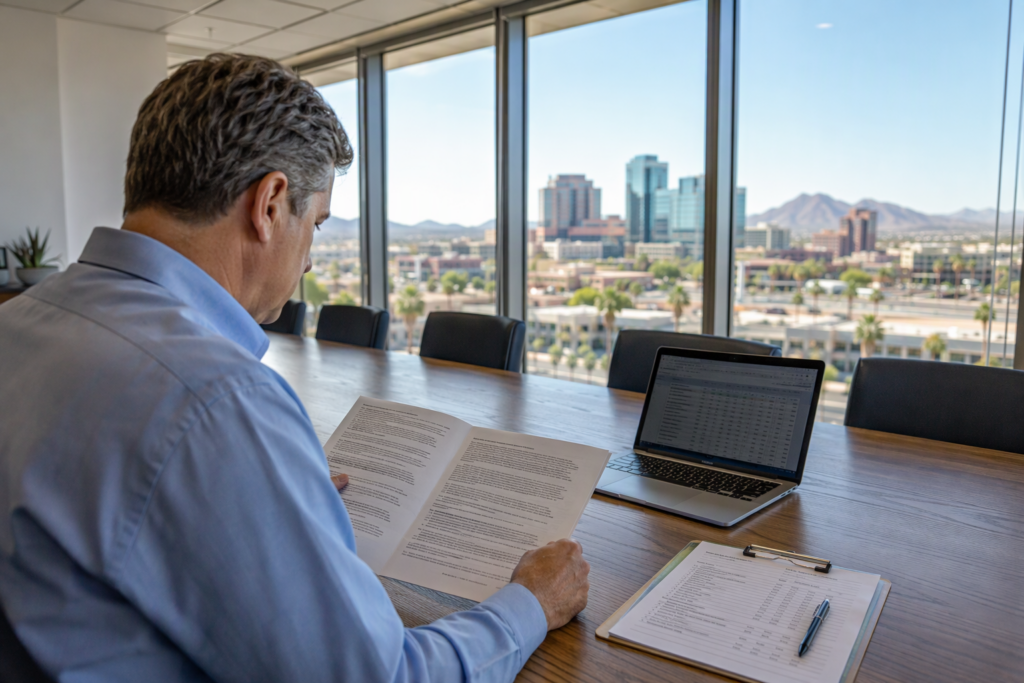
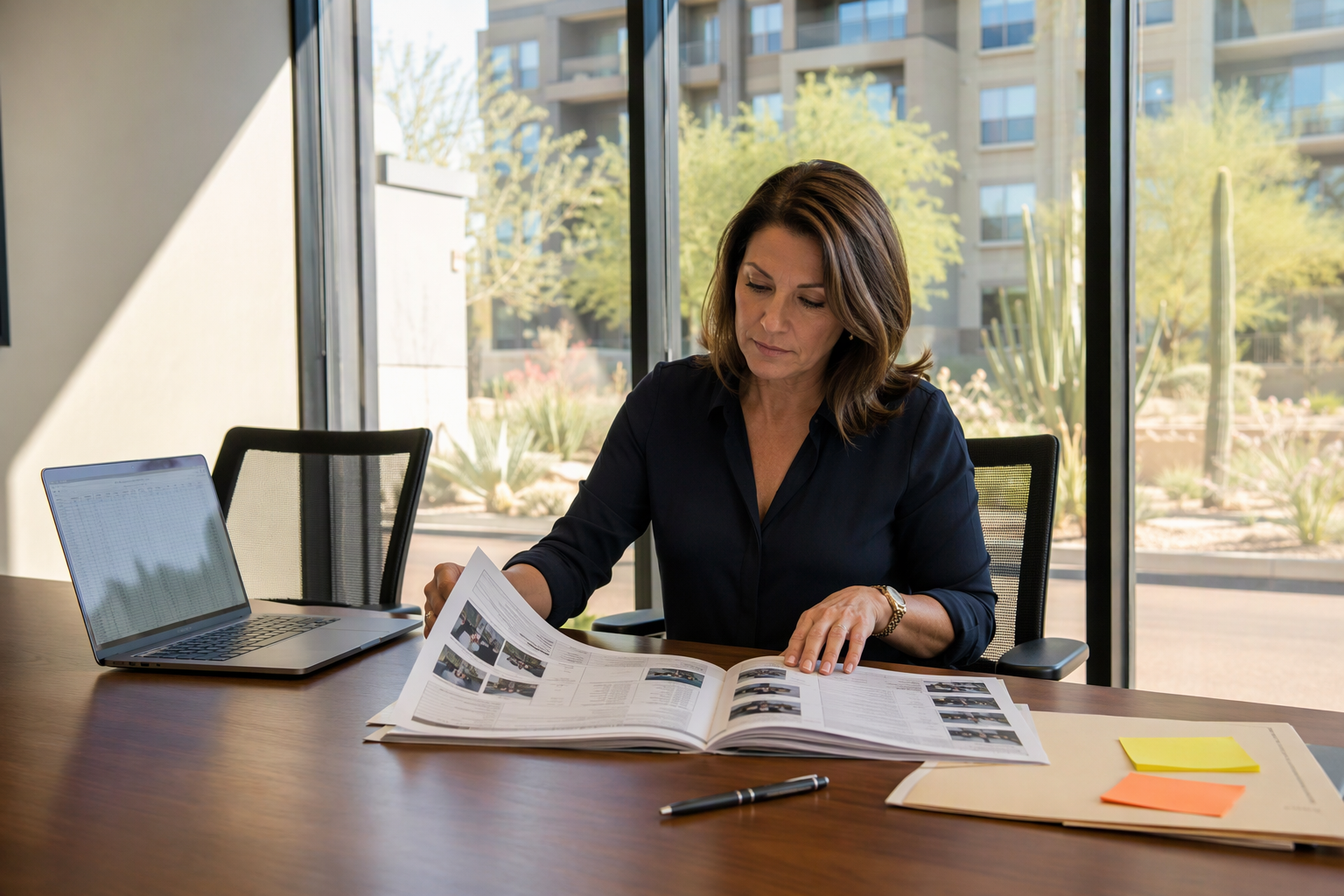
An elevator consultant’s condition report is typically prepared by an independent engineer or inspector hired to assess the overall health of a building’s vertical transportation system. These reports commonly include observations on equipment age, documented deficiencies, maintenance history gaps, component wear, and estimated remaining useful life.
What a consultant’s report generally does not include is a line-item repair specification. It describes conditions — it does not prescribe exact parts, labor hours, or code-compliant remediation procedures. That distinction matters when you bring the report to a service company for pricing.
Arizona Elevator Solutions reviews consultant reports regularly for apartment building owners and can cross-reference a report’s findings against current field conditions and applicable Arizona code requirements before preparing a quote.
Can a Repair Company Quote Directly from a Consultant’s Report Without a Site Visit?
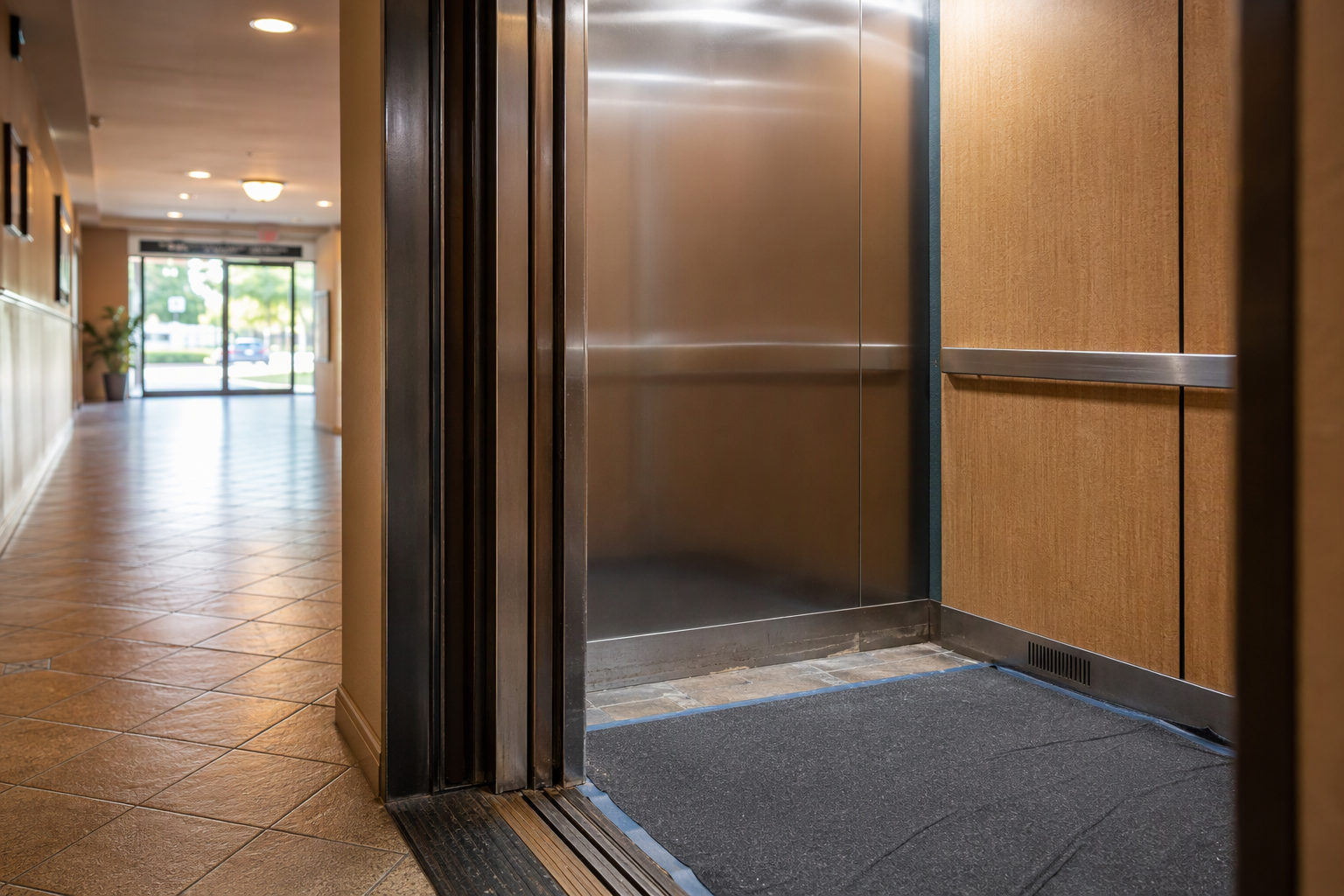
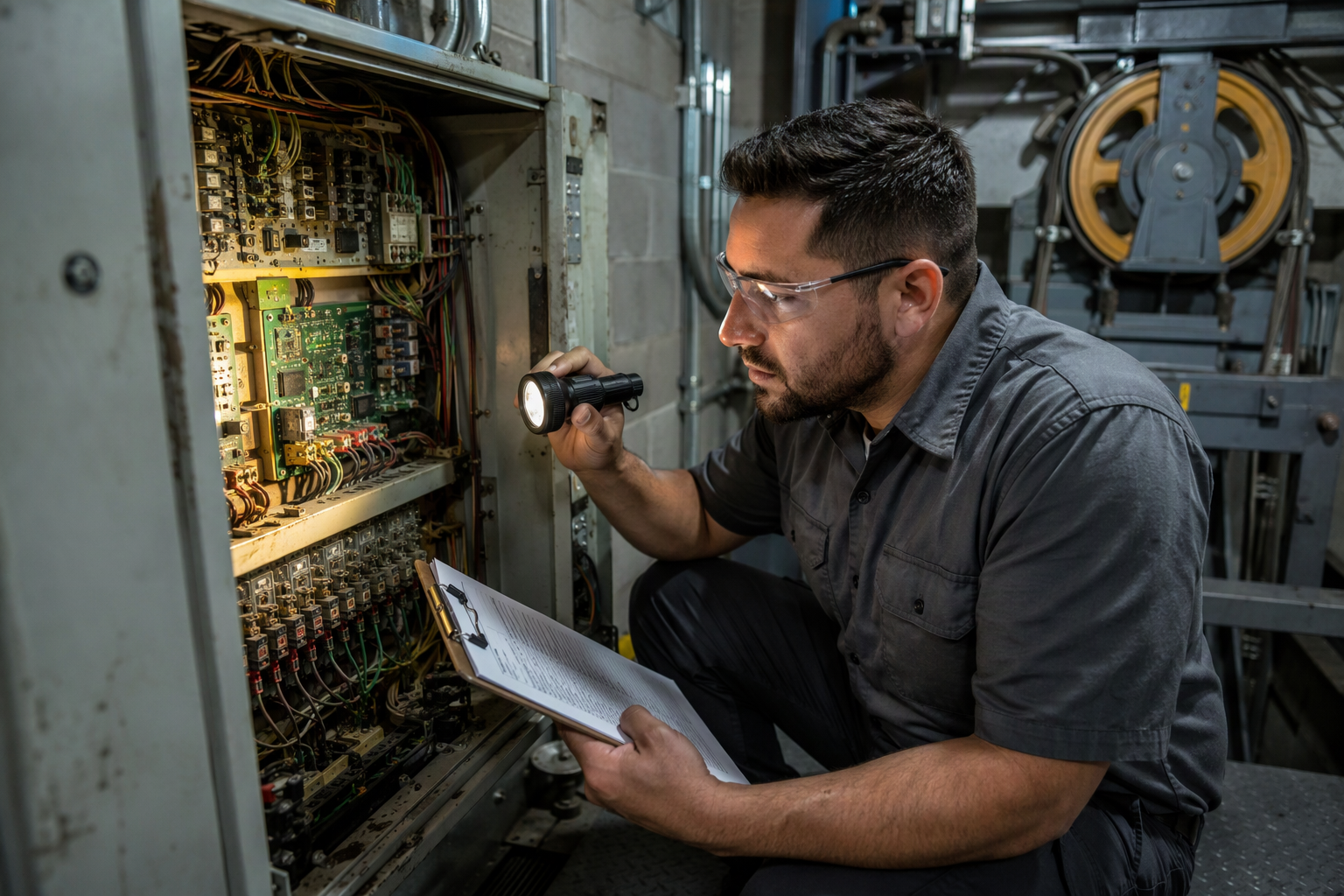
A service company can use a consultant’s report to scope preliminary cost ranges, but a binding, accurate repair quote almost always requires an independent on-site inspection. Elevator conditions change — components that were marginal at the time of the report may have degraded further, and new deficiencies may have appeared. A technician conducting a physical inspection can verify part numbers, measure clearances, test safety devices, and confirm that any proposed repair will satisfy the edition of ASME A17.1 Safety Code for Elevators and Escalators currently adopted in Arizona.
As of January 9, 2023, Arizona adopted ASME A17.1-2019 for all equipment installed, repaired, or altered on or after January 1, 2023, under A.R.S. §§ 23-491 through 23-491.16 and Arizona Administrative Code R20-5-502 through R20-5-515. Any repair quote that does not account for this edition may underestimate the true scope of compliant remediation.
What Arizona Regulations Apply to Apartment Building Elevator Repairs?
Apartment building elevators in Arizona fall under the authority of the Industrial Commission of Arizona (ICA), Elevator Division — the agency that administers elevator safety statewide under A.R.S. §§ 23-491 through 23-491.16, as amended by Laws 2026, Ch. 73. (Before September 12, 2026, this function was performed by the ADOSH Elevator Safety Section; the ICA Elevator Division is now the correct agency name.)
Key regulatory obligations for Arizona apartment building owners include:
- No conveyance may operate in Arizona without a current annual certificate of inspection issued by the state.
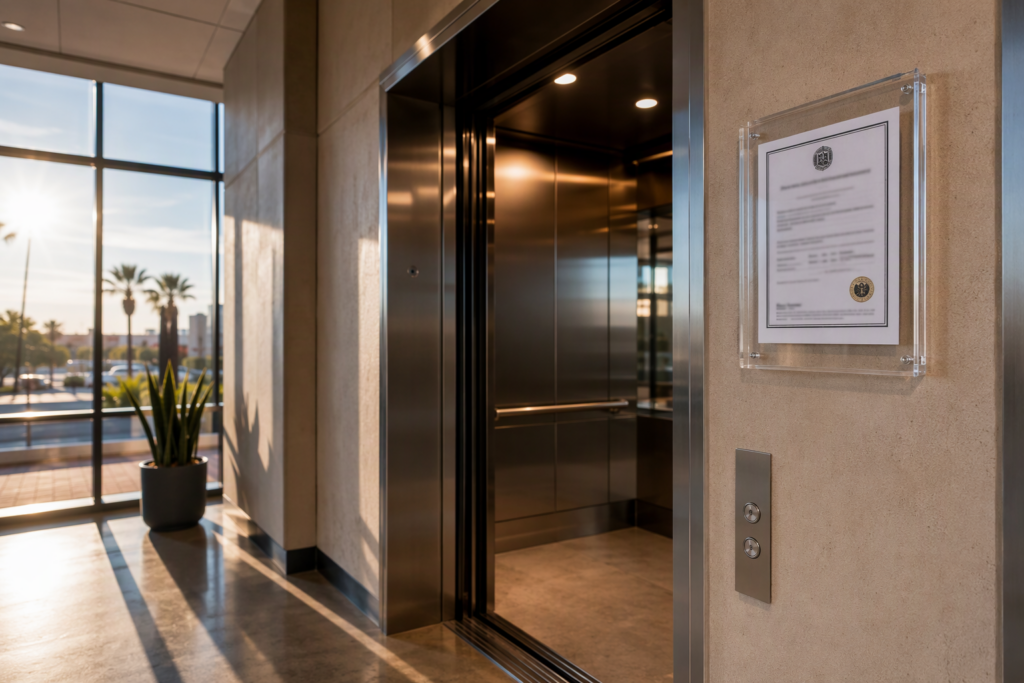
- The certificate must be kept at the same location as the conveyance and made available on request.
- The state serial number or certificate must be posted in or near the conveyance in an easily accessible location.
- Arizona owners must notify the state at least 90 days before any installation, relocation, or alteration.
- Any accident that injures a person or disables a conveyance must be reported to the state within 24 hours.
- Repair and alteration work must be performed by a contractor holding an R-12 or C-12 elevator license from the Arizona Registrar of Contractors.
- For properties within the City of Phoenix, the City of Phoenix Elevator Section (Planning and Development Department) has local inspection authority; the ICA Elevator Division handles equipment outside Phoenix.
Elevators with firefighters’ emergency operation must use the Arizona Firefighters Service (AZFS) key — a state-specific requirement that must be reflected in any repair or alteration scope.
How Does ADA Compliance Factor into an Apartment Elevator Repair Quote?
Multi-family residential buildings that meet the thresholds defined under the Americans with Disabilities Act (ADA) and the Fair Housing Act may have accessibility obligations that go beyond basic mechanical repair. A consultant’s report focused on mechanical condition may not flag ADA deficiencies — such as noncompliant cab dimensions, button heights, door timing, or audible/visual signals — that must be corrected when a repair or alteration triggers accessibility upgrades.
When Arizona Elevator Solutions prepares a repair quote from a consultant’s report, the assessment process includes a review of accessibility features to ensure that repair work does not inadvertently leave the owner exposed to ADA compliance gaps that could surface during a future inspection or tenant complaint.
What Healthcare-Adjacent Considerations Apply to Apartment Building Elevators?
Some apartment buildings serve populations with significant healthcare needs — senior living communities, assisted living facilities, and affordable housing developments with high percentages of residents with disabilities. For these properties, elevator reliability is not simply a convenience issue; it is directly tied to resident safety and regulatory standing.
Healthcare-adjacent residential facilities should consider:
- Stretcher capacity: Elevators in buildings that may require emergency medical access should be evaluated for cab dimensions capable of accommodating a standard stretcher, consistent with life-safety planning guidance.
- Emergency communications: ASME A17.1-2019 includes requirements for two-way communication systems inside elevator cabs — a critical feature for residents who may need assistance.
- Firefighters’ service operation: Arizona’s AZFS key requirement applies, and proper functioning of firefighters’ service is a life-safety compliance item that must be verified after any repair or alteration.
- Platform lifts and stairway chairlifts: Any such equipment installed, repaired, or altered on or after January 1, 2023 must comply with ASME A18.1-2020 under Arizona’s adopted rules.
What Steps Should an Apartment Building Owner Follow to Get an Accurate Repair Quote?
- Gather the consultant’s report and all supporting documentation, including maintenance logs, prior inspection certificates, and any notice of violations from the ICA Elevator Division or the City of Phoenix Elevator Section.
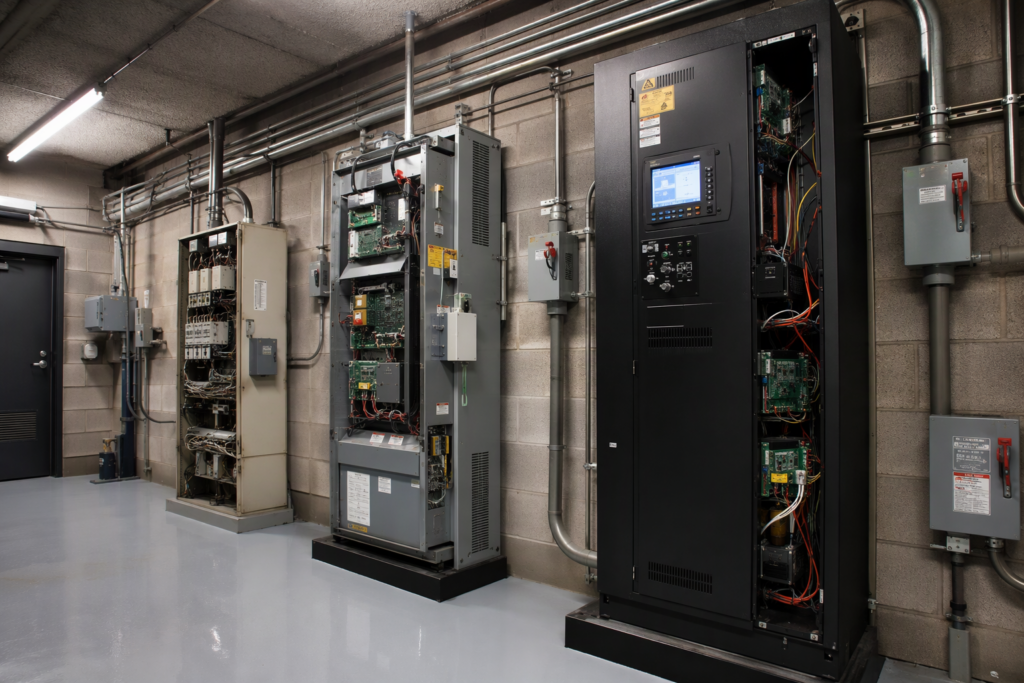
- Confirm the elevator’s state serial number — found on the tag fixed to the controller or mainline disconnect — and verify that the annual certificate of inspection is current and posted as required.
- Contact a licensed elevator service contractor holding an Arizona R-12 or C-12 license and share the consultant’s report in advance so the technician can prepare for the site visit.
- Schedule an independent on-site inspection to verify the report’s findings against current field conditions and confirm applicable code requirements under ASME A17.1-2019.
- Request a written scope of work that itemizes each repair, the code basis for the work, required permits, and the notification obligation to the ICA Elevator Division if the work constitutes an alteration.
- Confirm permit and notification requirements — alterations require at least 90 days’ advance notice to the state before work begins.
- Plan for post-repair inspection — Arizona requires inspection before a conveyance returns to service after any modification or alteration, and the annual certificate must be updated accordingly.
How Does the Arizona Inspection Process Work After Repairs Are Completed?
After repair or alteration work is completed, Arizona law requires that the conveyance be inspected before it goes back into service. The ICA Elevator Division or an authorized private elevator inspector registered with the commission may perform this inspection. Arizona private elevator inspectors must register with the commission annually and demonstrate at least eight hours of approved continuing education — but they may not inspect any conveyance they, their employer, or a company they own has serviced.
Using a private inspector does not relieve the owner of any legal obligations. The certificate of inspection issued after the post-repair inspection must be kept at the property and the state serial number or certificate posted near the conveyance.
Questions Your Inspector Will Ask
Whether the inspection is performed by the ICA Elevator Division or an authorized private inspector, owners and property managers should be prepared to answer the following questions during or before the inspection:
- Is the current annual certificate of inspection posted in or near the conveyance, and is it available for review?
- What is the state serial number for this conveyance, and where is it located on the controller or mainline disconnect?
- Has the elevator been modified or altered since the last inspection, and if so, was the ICA Elevator Division notified at least 90 days in advance?
- Have there been any accidents, injuries, or unplanned outages since the last inspection, and were they reported to the state within 24 hours?
- Is the AZFS key present and functional for firefighters’ emergency operation?
- Are maintenance records available, and do they reflect regular service consistent with ASME A17.1-2019 requirements?
- For properties within Phoenix: has the City of Phoenix Elevator Section been notified of any alterations or repairs requiring local review?
- For platform lifts or chairlifts: were any repairs or alterations performed on or after January 1, 2023, and was ASME A18.1-2020 followed?
- Is two-way emergency communication operational in the elevator cab?
- Are there any open deficiency notices from the ICA Elevator Division, and what is the remediation status?
Does the Age of the Equipment Affect Whether a Quote Based on a Report Is Usable?
Equipment age significantly affects how useful a consultant’s report is as a quoting baseline. Older conveyances installed before the current code cycle may have been lawfully operating under a grandfather provision — Arizona allows lawfully installed older conveyances to remain in service unless the ICA’s elevator chief determines their use poses a hazard to life, health, or property. However, once a repair or alteration is performed, the work itself must comply with ASME A17.1-2019, which may require upgrading components beyond the original deficiency identified in the consultant’s report.
A thorough on-site review by Arizona Elevator Solutions will identify whether proposed repairs on older equipment will trigger broader upgrade obligations under current Arizona-adopted code, so there are no surprises after work begins.
What Is the Difference Between a Repair and an Alteration Under Arizona Law?
This distinction has real regulatory consequences. A repair generally restores a component to its original design condition. An alteration changes the performance, capacity, speed, or operation of the conveyance beyond its original design. Under Arizona Administrative Code R20-5-502 through R20-5-515, alterations require advance notification to the ICA Elevator Division at least 90 days before work begins, and the conveyance must be inspected and recertified before returning to service.
A consultant’s report may describe a deficiency without specifying whether the remediation would constitute a repair or an alteration under Arizona’s rules. Getting that classification right is part of what a licensed contractor does when converting a report into a compliant repair quote.
What Should Property Managers in Phoenix, Tucson, Scottsdale, and Mesa Know About Local Jurisdiction Differences?
For most of Arizona, the ICA Elevator Division is the sole inspection authority. The City of Phoenix is the notable exception: the City of Phoenix Elevator Section, within the Planning and Development Department, inspects elevators, escalators, moving walks, dumbwaiters, and chair lifts located inside Phoenix city limits. Property managers in Phoenix should confirm whether a proposed repair requires notification or permit from the City of Phoenix Elevator Section in addition to any state-level obligations.
For properties in Tucson, Scottsdale, and Mesa, the ICA Elevator Division handles inspection authority. Arizona Elevator Solutions serves all four markets and is familiar with the procedural differences that apply depending on where a property is located.
Are There Situations Where a Consultant’s Report Cannot Be Used as a Quoting Basis?
Yes. A consultant’s report may be insufficient as a quoting basis when:
- The report is more than a year old and equipment conditions have changed materially.
- The report was prepared for a different purpose (e.g., a capital reserve study rather than a technical deficiency assessment) and lacks the detail needed to specify repairs.
- The report identifies deficiencies that require additional diagnostic testing — such as load testing, wire rope inspection, or safety device testing — that was not performed at the time of the assessment.
- The elevator has been involved in an accident or unplanned shutdown since the report was prepared.
- The report predates Arizona’s January 2023 adoption of ASME A17.1-2019, meaning the code baseline used by the consultant may no longer reflect current requirements.
In any of these situations, an independent site assessment is necessary before an accurate and reliable repair quote can be produced.
Contact Arizona Elevator Solutions for a free elevator assessment at 480-557-7600.
Need elevator service you can rely on? Arizona Elevator Solutions is ready to help.