Elevator Service in Phoenix, AZ | Arizona Elevator Solutions
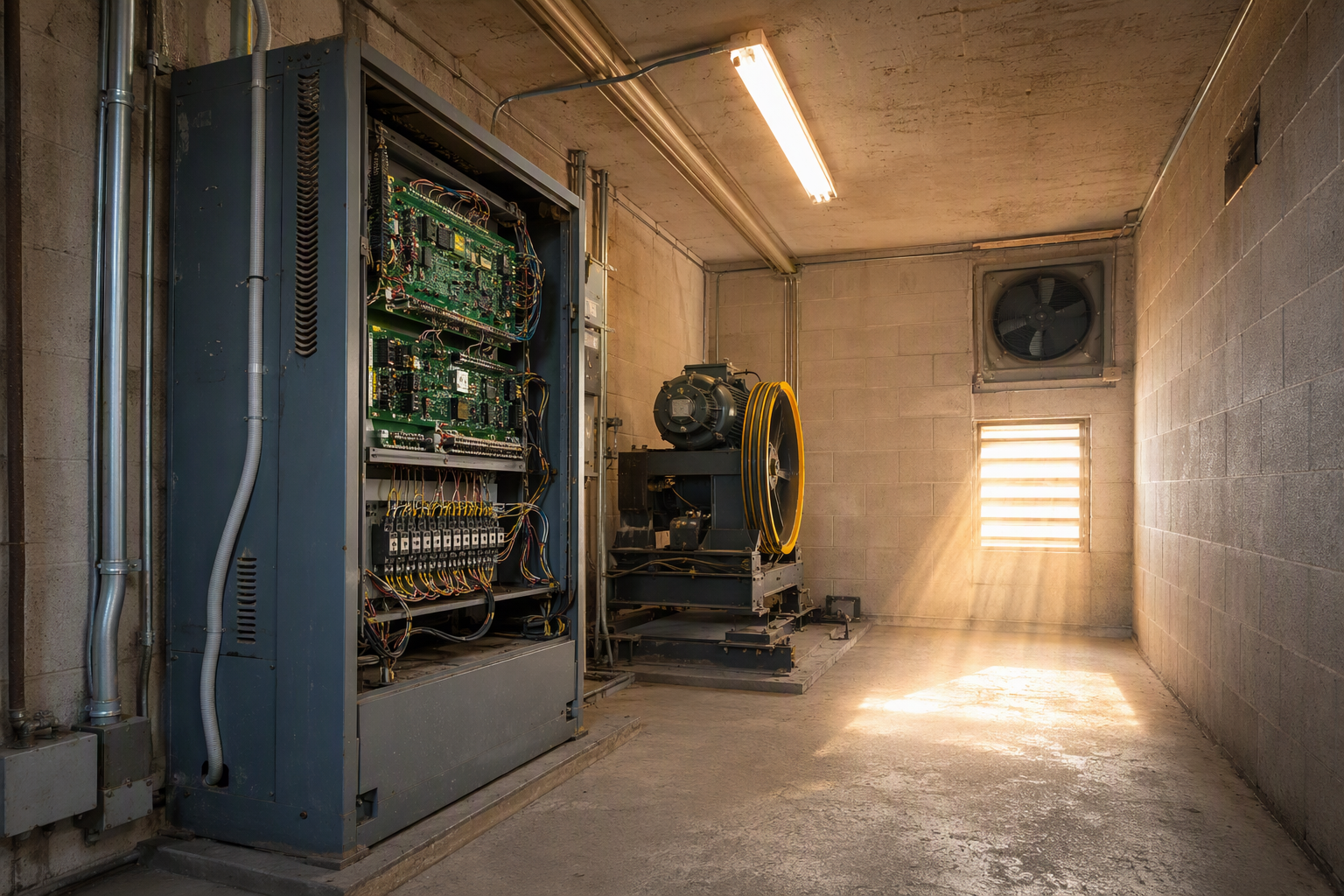
Phoenix summers are unlike anything most elevator equipment is engineered to withstand. When ambient temperatures regularly exceed 110°F and machine rooms absorb radiant heat from rooftops and concrete structures, every component in an elevator system faces stress that accelerates wear, triggers safety shutdowns, and — without proactive care — leads to full system failure. Understanding why elevators fail in extreme heat, and what Arizona code requires to keep them running safely, is essential knowledge for any building owner or facilities manager in the Valley.
Why Do Elevators Fail More Often During Arizona Summers?
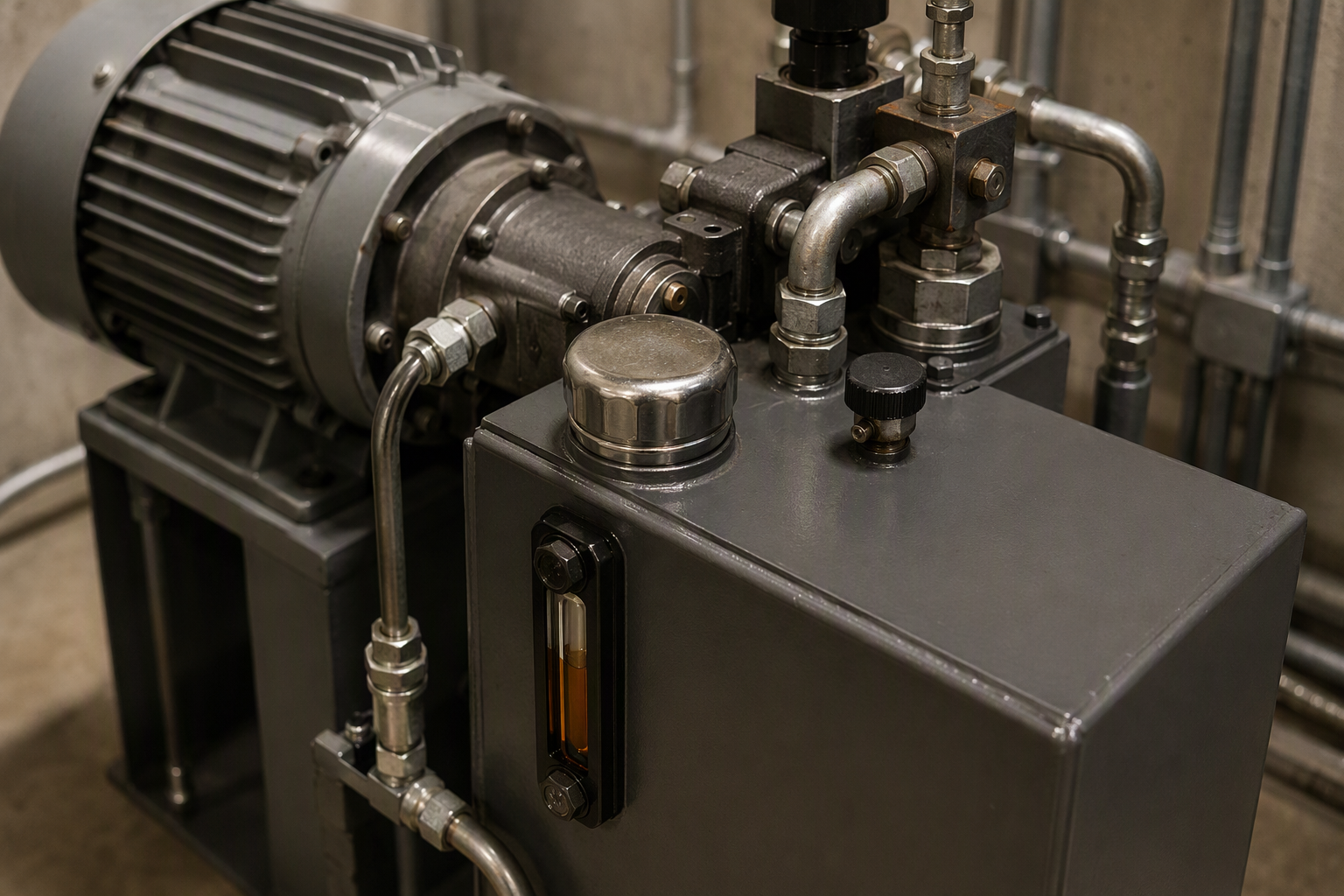
Heat is the single greatest environmental threat to elevator reliability in the Phoenix metro area. Several failure modes become significantly more likely when outdoor temperatures climb and machine rooms are not properly conditioned:
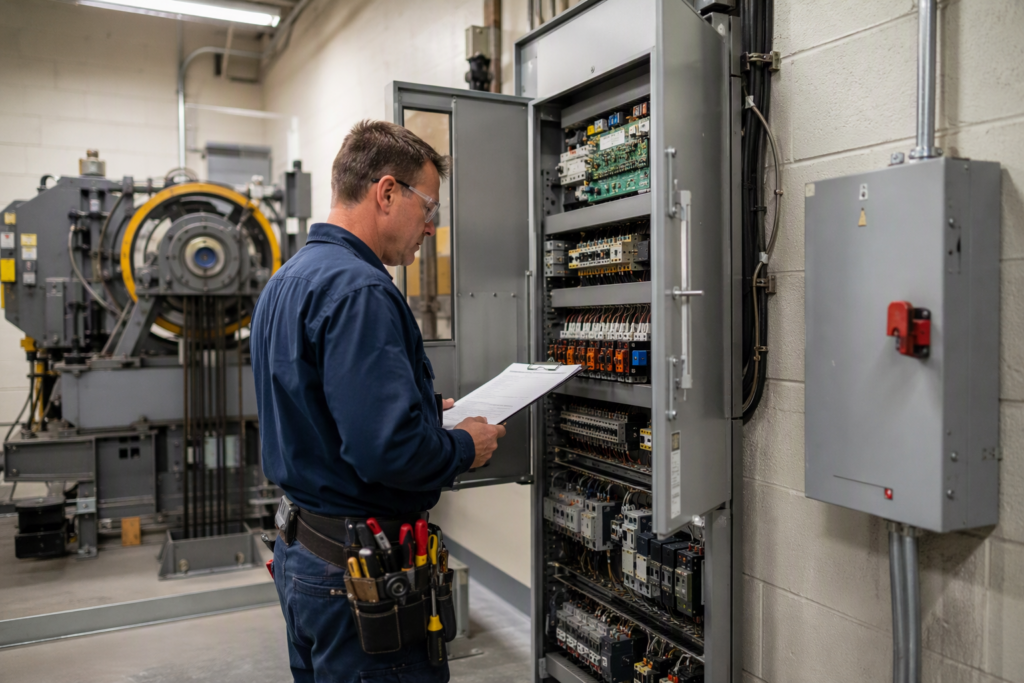
- Overheating control panels and circuit boards: Electronic control systems are rated for specific operating temperature ranges. When machine room temperatures rise, microprocessors and solid-state components can overheat, causing erratic behavior, nuisance shutdowns, or permanent damage.
- Hydraulic fluid viscosity breakdown: Hydraulic elevators depend on fluid that maintains a consistent viscosity. Extreme heat thins hydraulic fluid, reducing its ability to hold pressure, which can cause the cab to drift or fail to level properly at landings — a safety concern addressed under ASME A17.1 Safety Code for Elevators and Escalators.
- Motor and drive overheating: Traction elevator motors and variable-frequency drives generate heat during normal operation. Without adequate ventilation or cooling, this heat accumulates and triggers thermal protection shutdowns.
- Door operator failures: Door operator motors and sensors are sensitive to heat. Warped door tracks from thermal expansion and sensor misalignment are common summer service calls throughout the Phoenix area.
- Ventilation system failures: Machine room ventilation fans that fail during summer heat waves create a cascade effect — every other component begins overheating almost immediately.
- Battery backup degradation: Emergency lighting and communication battery systems degrade faster in high-heat environments, potentially leaving passengers without compliant emergency communication if a shutdown occurs.
What Arizona Code Requirements Apply to Elevator Machine Room Temperatures?
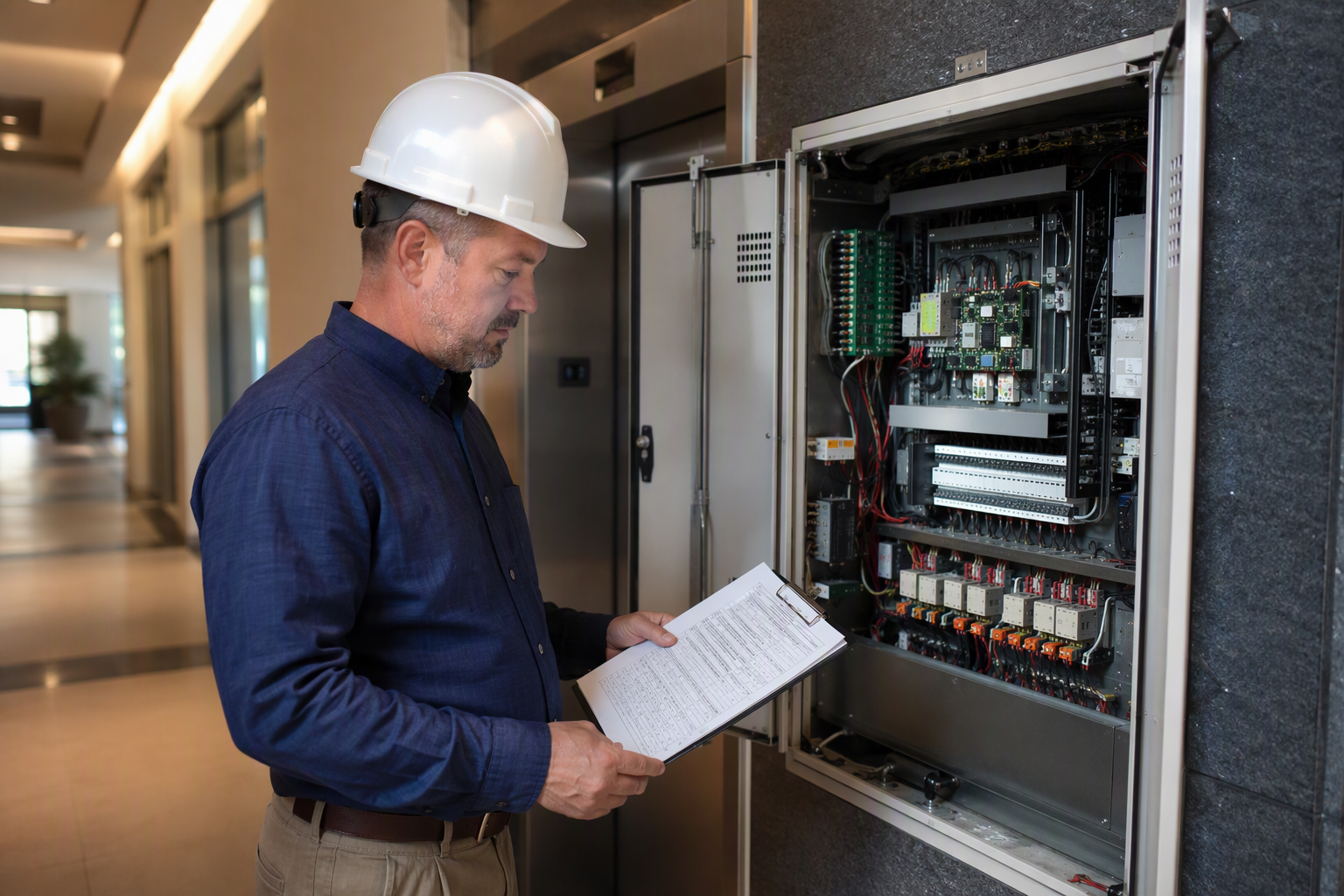
In Arizona, elevator installations and ongoing maintenance are governed by standards adopted at both the state and local level. The ASME A17.1 Safety Code for Elevators and Escalators and its companion standard ASME A17.3 Safety Code for Existing Elevators and Escalators establish the foundational requirements that Arizona jurisdictions enforce through their Authorities Having Jurisdiction (AHJs).
ASME A17.1 addresses machine room environmental conditions, including temperature and ventilation requirements designed to protect electrical and mechanical equipment. Arizona building owners should work directly with their local AHJ — such as the City of Phoenix Development Services Department — to confirm which edition of ASME A17.1 is currently adopted in their jurisdiction and what specific machine room temperature thresholds apply to their installation.
The Americans with Disabilities Act (ADA) also intersects with elevator reliability: if a heat-related failure renders an elevator inoperable in a building where it is the only accessible route, the building owner may face accessibility compliance obligations until the unit is restored to service.
What Steps Should Building Owners Take Before the Arizona Summer Heat Arrives?
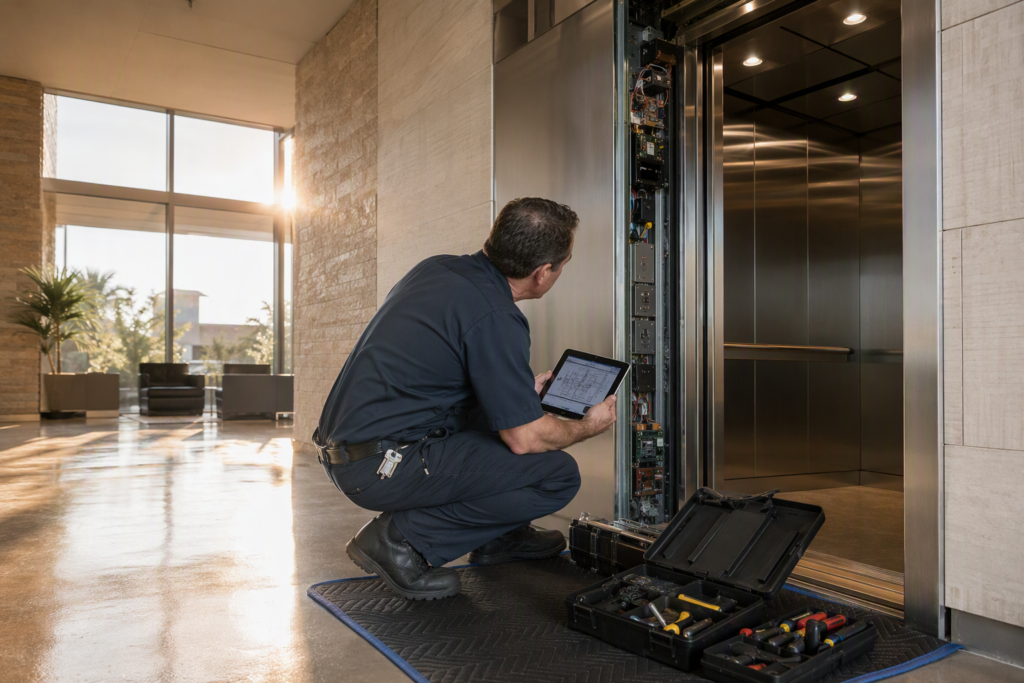
- Schedule a pre-summer preventive maintenance inspection. Have a certified elevator service company inspect all heat-sensitive components — control panels, motors, drive units, hydraulic fluid, and ventilation systems — before temperatures peak in May and June.
- Verify machine room cooling and ventilation. Confirm that HVAC or ventilation equipment serving the machine room is operational, adequately sized, and free of obstructions. Replace worn belts, filters, and fan motors before summer begins.
- Check and change hydraulic fluid if needed. Hydraulic fluid should be assessed for contamination and viscosity. A qualified technician can determine whether a fluid change or additive is appropriate for Arizona’s temperature extremes.
- Test emergency communication systems. Per ASME A17.1 requirements, elevators must have a means of two-way communication for trapped passengers. Test batteries, intercoms, and monitoring connections before the peak season.
- Inspect door operators and tracks. Lubricate tracks, test door open and close forces, and check sensor alignment. Thermal expansion affects door clearances, so adjustments made in cooler months may need to be revisited.
- Review your maintenance contract. Confirm that your service agreement includes priority response during summer months when service demand across the Phoenix metro area increases.
- Establish a shutdown and entrapment protocol for staff. Building management and security personnel should know how to initiate a controlled shutdown if overheating is suspected and how to communicate with any passengers in the cab using emergency communication systems.
How Often Should Elevators in Arizona Be Inspected?
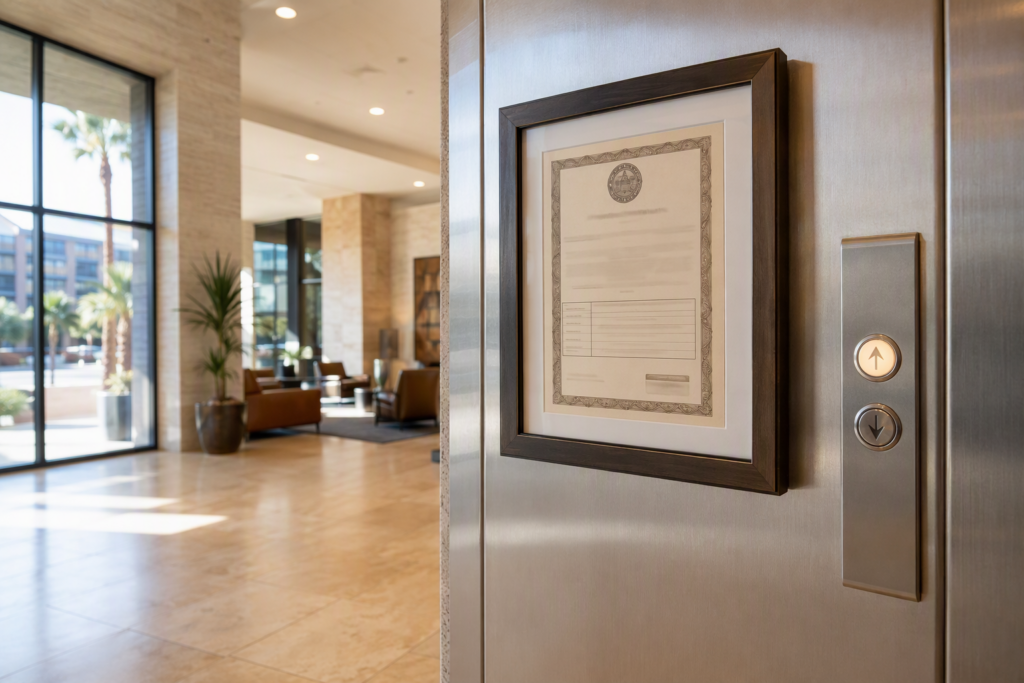
Arizona requires periodic elevator inspections conducted by or on behalf of the applicable AHJ. The frequency and scope of required inspections are governed by Arizona state statutes and the adopted edition of ASME A17.1 and A17.3 in each jurisdiction. Building owners should maintain current certificates of inspection and ensure that any deficiencies cited during an inspection are corrected within the timeframe required by their AHJ. In Phoenix, the Development Services Department oversees elevator permits and inspections — building owners can contact that office directly to confirm current inspection intervals and certificate requirements for their specific equipment type.
Beyond mandatory inspections, industry best practice under ASME A17.1 supports regular preventive maintenance intervals. A qualified service provider can establish a maintenance schedule aligned with the demands of Arizona’s climate.
What Should a Building Owner Do If an Elevator Shuts Down Due to Heat?
- Confirm no passengers are trapped. Use the elevator’s emergency communication system to establish contact with the cab. If passengers are present, keep them informed and contact your elevator service provider and, if needed, emergency services.
- Do not attempt to reset the elevator repeatedly. Cycling power on an overheated system can cause additional component damage. Allow the equipment time to cool and contact a qualified technician.
- Restrict access to the elevator. Post signage at all landings and notify building occupants that the unit is out of service.
- Assess ADA accessibility obligations. If the elevator is the sole accessible means of vertical travel in a covered facility, evaluate whether temporary accommodations are required under the ADA.
- Contact your certified elevator service provider. Provide the technician with any fault codes displayed on the controller, the approximate time of shutdown, and any unusual sounds or behavior observed before the failure.
- Document the incident. Keep a written record of the shutdown, the conditions at the time, the service response, and any repairs completed. This documentation supports compliance records and future maintenance planning.
Does Extreme Heat Affect Traction Elevators and Hydraulic Elevators Differently?
Both elevator types are vulnerable to Arizona heat, but the failure points differ. Hydraulic elevators are particularly susceptible to fluid viscosity changes and seal degradation when temperatures rise — symptoms often appear as cab drift, slow leveling, or inability to hold floor position. Traction elevators, including machine-room-less (MRL) designs, are more exposed to motor and drive overheating, particularly in buildings where equipment is located in poorly ventilated overhead spaces rather than dedicated machine rooms. MRL elevators installed in Phoenix buildings deserve special attention because their drive components are located within the hoistway or adjacent spaces that may not benefit from dedicated climate control. A qualified service provider familiar with Arizona installations can assess the specific risk profile of each elevator type in a given building.
What Role Does Preventive Maintenance Play in Heat-Related Elevator Reliability?
Preventive maintenance is the most cost-effective strategy available to building owners seeking to minimize heat-related elevator failures. A structured maintenance program addresses lubrication, component inspection, fluid management, electrical connection integrity, and ventilation system performance — all of which degrade faster in Arizona’s climate than in moderate-weather markets. Buildings with documented, consistent maintenance histories also tend to experience smoother AHJ inspections and face fewer emergency repair costs over time. Arizona Elevator Solutions provides preventive maintenance programs designed specifically for the demands of the Phoenix metro area and surrounding Arizona communities, including Scottsdale, Tempe, Mesa, Chandler, Gilbert, Glendale, and beyond.
How Can Building Owners Choose a Qualified Elevator Service Provider in Arizona?
Arizona building owners should verify that any elevator service company they engage holds the appropriate state contractor licensing and that the technicians performing work on their equipment are qualified under applicable Arizona requirements. When evaluating providers, consider their familiarity with the specific equipment brands and vintages installed in the building, their knowledge of local AHJ requirements, their availability for both scheduled maintenance and unscheduled service, and their track record in the Arizona market. A provider with deep roots in the Phoenix area will understand the seasonal demands that distinguish Arizona elevator service from service in other climates — and will have maintenance programs calibrated accordingly.
Protect Your Building’s Elevators Before the Next Arizona Summer
Arizona Elevator Solutions serves building owners, property managers, and facilities teams throughout the Phoenix metro area and across Arizona. Whether your elevators need a pre-summer inspection, a full preventive maintenance program, or emergency service support, the Arizona Elevator Solutions team is ready to help keep your equipment safe, compliant, and reliable through every season.
Schedule a Free Consultation today — call Arizona Elevator Solutions at 480-557-7600.
Need elevator service you can rely on? Arizona Elevator Solutions is ready to help.