Elevator Maintenance & Repair Budgeting for Healthcare Facilities in Arizona
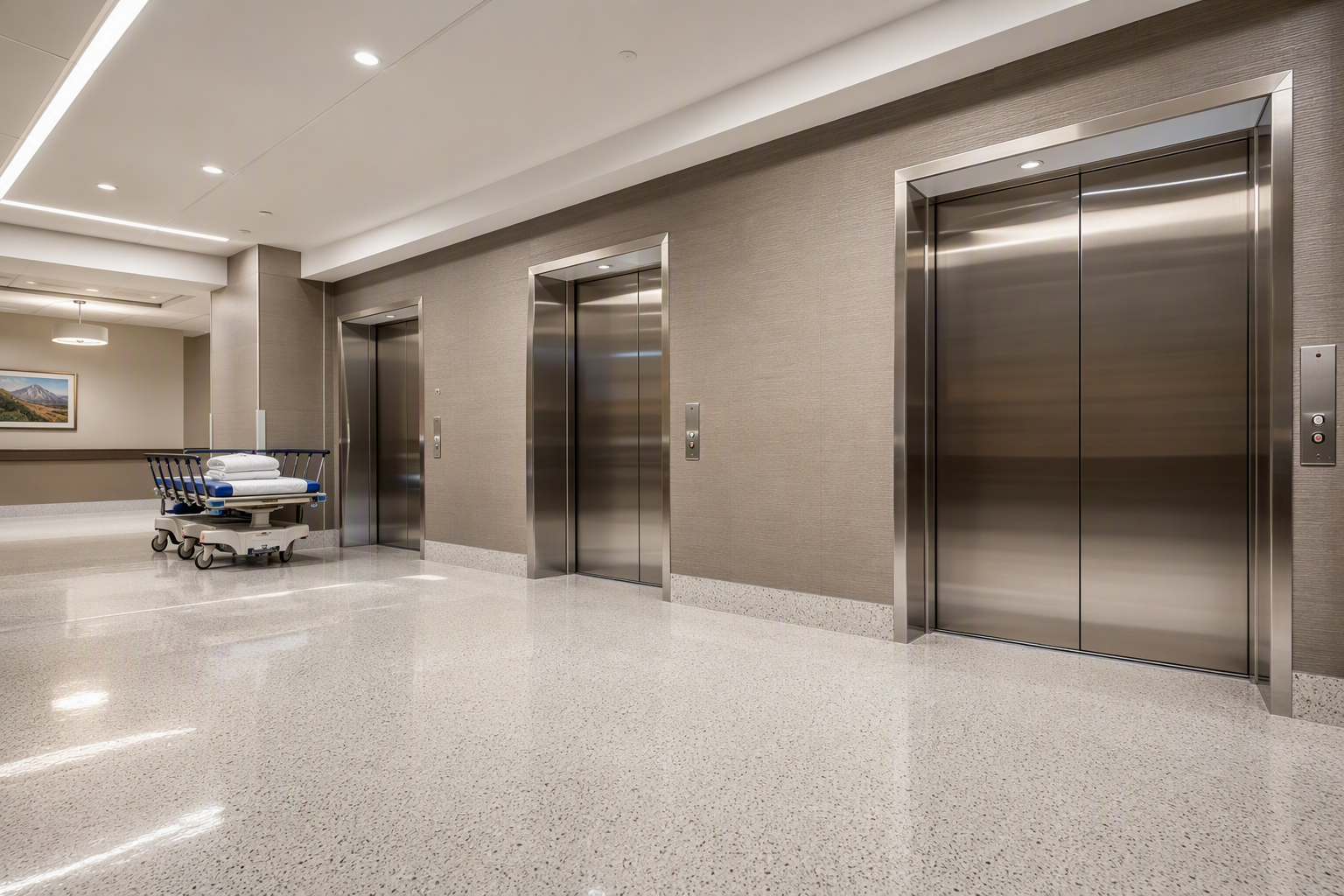
Elevators in hospitals, outpatient clinics, medical office buildings, assisted living communities, and skilled nursing facilities carry patients, staff, medical equipment, and visitors around the clock. When an elevator fails in a healthcare setting, the consequences extend well beyond inconvenience — patient transport, emergency response, and ADA access can all be compromised. Setting a realistic annual maintenance and repair budget is not a back-office exercise; it is a patient safety and regulatory compliance obligation.
Arizona Elevator Solutions works with healthcare facility managers throughout Phoenix, Tucson, Scottsdale, and Mesa to build maintenance programs that align with code requirements, asset age, and operational risk tolerance. The guidance below covers the full landscape of cost drivers, compliance obligations, and planning frameworks that healthcare decision-makers should understand before finalizing a budget.
What factors determine the annual elevator maintenance budget for a healthcare facility?
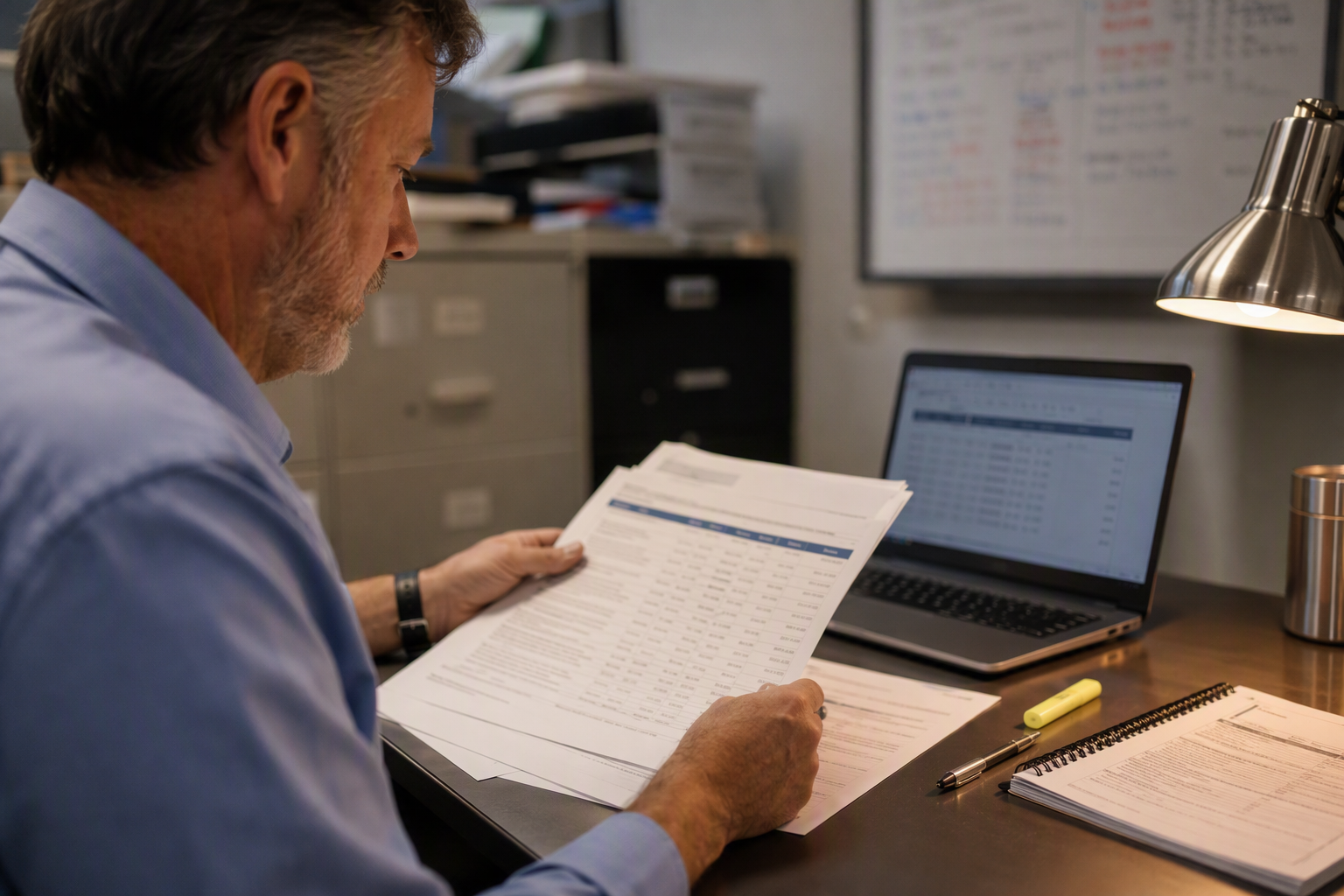
No single dollar figure applies universally. The right annual budget for a healthcare elevator program reflects a combination of fixed and variable cost drivers:
- Number of elevator units: Each cab, hydraulic lift, dumbwaiter, and limited-use/limited-application (LULA) lift requires its own maintenance contract and inspection cycle. A large hospital system with dozens of units has fundamentally different cost exposure than a two-story outpatient clinic with a single hydraulic elevator.
- Elevator type and drive system: Traction elevators (geared and gearless), hydraulic elevators, and machine-room-less (MRL) systems each have distinct maintenance requirements and parts cost profiles. Older hydraulic systems may require periodic fluid changes and environmental compliance measures related to underground cylinder seals.
- Usage intensity: Healthcare elevators operate far more cycles per day than typical commercial elevators. High duty-cycle environments accelerate wear on door operators, guide rails, rollers, and control components, increasing both preventive maintenance labor and parts consumption.
- Equipment age: Aging elevator equipment requires more frequent parts replacement. Legacy control systems may depend on obsolete components that carry a premium price or long lead times. Budget planning should account for the realistic age curve of installed equipment.
- Compliance and modernization obligations: Code-mandated upgrades — such as those triggered by Arizona’s adoption of updated editions of the ASME A17.1 Safety Code for Elevators and Escalators or ADA retrofits — can represent significant one-time capital expenditures that must be separated from routine operating maintenance budgets.
- Maintenance contract scope: Full-service contracts (covering parts, labor, and callbacks) carry higher monthly costs but reduce budget volatility. Time-and-materials arrangements may have lower baseline costs but expose facilities to unpredictable repair invoices.
What compliance codes govern healthcare elevators in Arizona?
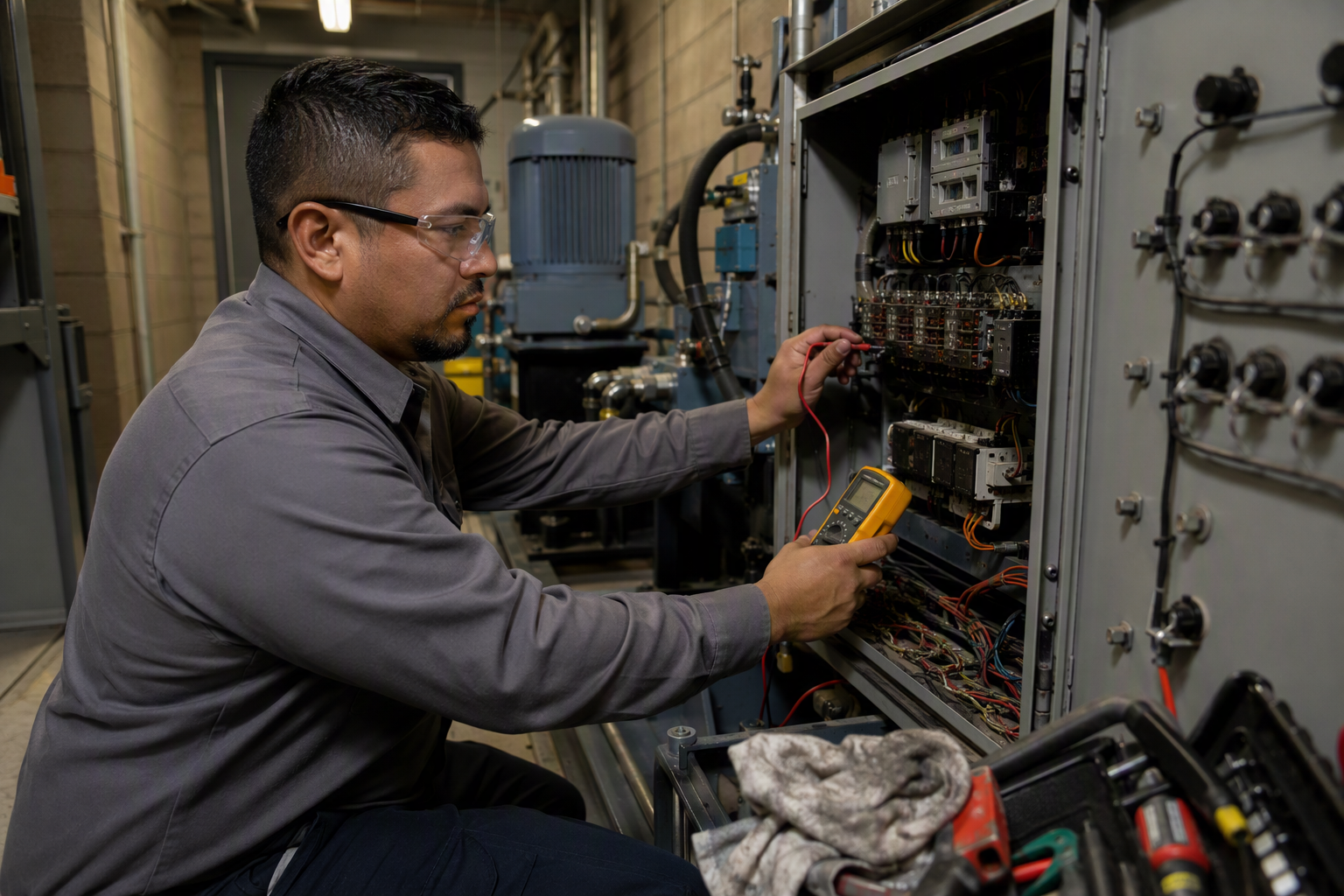
Healthcare facility operators in Arizona are subject to a layered compliance framework. Understanding these obligations is essential before setting a maintenance budget, because non-compliance can trigger mandatory corrective work that disrupts planned spending.
- ASME A17.1 Safety Code for Elevators and Escalators: This is the primary national standard governing the design, construction, operation, inspection, testing, and maintenance of elevators. Arizona authorities having jurisdiction (AHJs) reference ASME A17.1 when evaluating new installations and existing equipment.
- ASME A17.3 Safety Code for Existing Elevators and Escalators: This standard addresses retroactive requirements for elevators already in service — directly relevant to the large inventory of older healthcare elevator equipment found in Arizona hospitals and long-term care facilities.
- Americans with Disabilities Act (ADA): Healthcare facilities serving the public must provide accessible vertical transportation. ADA compliance affects cab dimensions, control heights, door timing, Braille signage, and auditory signals. Deficiencies discovered during maintenance inspections may require remediation budgeted separately from routine maintenance.
- Arizona Department of Occupational Safety and Health (ADOSH): ADOSH administers elevator safety in Arizona for many facility types, including periodic inspections and certificate of operation requirements. Certificates must remain current — a lapsed certificate can trigger facility citations with regulatory consequences for healthcare operators.
- OSHA General Industry Standards: Federal OSHA requirements apply to maintenance technicians working on elevator equipment, including lockout/tagout procedures. Healthcare facilities that employ in-house maintenance staff with elevator responsibilities must ensure those personnel are trained in applicable OSHA standards.
- The Joint Commission and CMS Conditions of Participation: Hospitals and skilled nursing facilities subject to Joint Commission accreditation or CMS certification face additional environment-of-care standards. Elevator maintenance documentation, response protocols for entrapment, and emergency power provisions are areas commonly reviewed during surveys.
How should healthcare facilities separate capital and operating elevator budgets?
A common budgeting mistake is treating all elevator spending as a single line item. Finance and facilities teams benefit from separating expenditures into two distinct categories:
- Operating budget (OpEx): Covers routine preventive maintenance contracts, periodic inspections, minor parts replacement (belts, rollers, door clutches), lubrication, and callback labor. These costs recur annually and should be forecasted based on contract terms and historical callback frequency.
- Capital budget (CapEx): Covers major modernizations (controller replacements, new door operators, hydraulic cylinder replacements, cab refurbishments), ADA upgrades, code-required retrofits, and full elevator replacements. Capital projects should be identified through a multi-year asset assessment and budgeted on a rolling three-to-five-year horizon.
Arizona Elevator Solutions recommends that healthcare facility directors request a documented asset condition assessment that identifies each unit’s current compliance status, estimated remaining useful life, and anticipated capital intervention timeline. This document becomes the foundation of a defensible multi-year capital plan.
What is included in a preventive maintenance contract for healthcare elevators?
Preventive maintenance (PM) contracts for healthcare elevator applications typically include scheduled lubrication of moving components, adjustment of door operators and safety devices, inspection and testing of safety mechanisms such as governor, safeties, and buffers, cleaning of pits and machine rooms, and review of control system performance. Healthcare facilities should confirm that contract language explicitly addresses:
- Callback response provisions and what is or is not covered under the contract rate
- Documentation practices that satisfy ADOSH and Joint Commission recordkeeping expectations
- Parts coverage scope — which components are included versus billed separately
- Emergency entrapment response protocols aligned with the facility’s patient safety plan
How does elevator age affect annual repair budgets in healthcare settings?
As elevator equipment ages beyond its design service life, the ratio of reactive repair costs to preventive maintenance costs typically rises. Older hydraulic elevators may develop jack seal failures that create fluid containment concerns. Aging relay-logic controllers can become unreliable as discrete components become scarce. Door operator systems in high-cycle healthcare environments experience accelerated wear.
Facilities operating equipment that is several decades old should budget conservatively for unplanned repairs while simultaneously planning capital modernization to reduce long-term cost volatility. A thorough condition assessment from Arizona Elevator Solutions can help facilities quantify this risk and decide whether continued repair investment or a planned modernization provides better total cost of ownership.
What are the unique elevator demands of specific healthcare facility types?
Different healthcare settings create different elevator performance and compliance demands:
- Acute care hospitals: Require continuous availability, often with redundancy planning. Bed-sized cabs, bariatric weight capacities, and emergency power connections add complexity and cost to both installation and ongoing maintenance.
- Outpatient surgery centers and clinics: Typically operate fewer units but still carry patients in wheelchairs and on gurneys. ADA compliance and smooth door operation are particularly critical.
- Assisted living and memory care communities: Resident safety features — including door protection sensitivity and smooth leveling to prevent fall risk — require precise calibration during PM visits. These communities also face regulatory scrutiny from Arizona licensing agencies.
- Skilled nursing facilities: High staff and resident traffic combined with frequent equipment transport create elevated wear profiles. CMS survey readiness depends in part on demonstrated elevator maintenance compliance documentation.
- Medical office buildings: Often owner-operated or managed by property owners with less familiarity with healthcare-grade maintenance standards. ADA obligations still apply fully.
What documentation should healthcare facilities maintain for elevator compliance?
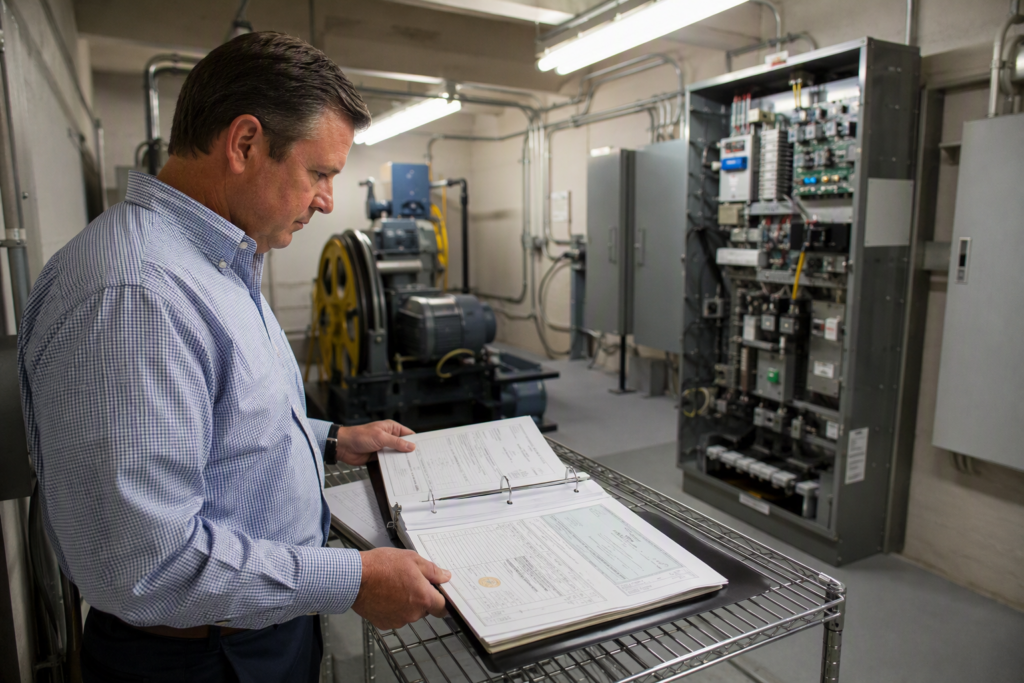
Regulatory bodies and accreditation surveyors expect healthcare facilities to maintain organized elevator records. Best practices include retaining the current ADOSH certificate of operation in or near each elevator cab, maintaining a logbook of all PM visits and repair work, preserving inspection reports and test results, and documenting the credentials of the contractor performing work. Arizona Elevator Solutions provides service documentation that supports these recordkeeping requirements.
How does ADA compliance affect elevator maintenance budgets in healthcare facilities?
The Americans with Disabilities Act requires that public accommodations — including virtually all healthcare facilities — provide accessible elevator service. Maintenance-related ADA considerations that carry budget implications include:
- Door timing adjustments to accommodate patients using mobility aids
- Auditory and visual signal functionality (chimes, position indicators)
- Braille and raised character signage replacement when damaged or missing
- Control panel button functionality and height compliance
- Leveling accuracy to eliminate floor-to-threshold gaps that create wheelchair hazards
When a PM inspection identifies ADA deficiencies, remediation costs should be captured in the capital planning process if they exceed the scope of routine maintenance. Deferring ADA corrections creates both liability exposure and the potential for regulatory findings during accreditation surveys.
What questions should healthcare facility managers ask potential elevator contractors?
Selecting a maintenance contractor for a healthcare application requires due diligence beyond price comparison. Relevant evaluation questions include:
- Is the contractor licensed by the applicable Arizona authority to perform elevator work?
- Does the contractor have documented experience servicing the specific elevator types installed in the facility?
- What is the contractor’s process for emergency entrapment response?
- How does the contractor document PM visits and make records available to facility management?
- Can the contractor provide references from comparable healthcare facilities in Arizona?
- What is included versus excluded in the proposed contract — and what triggers additional billing?
Questions Your Inspector Will Ask
When an ADOSH inspector or Joint Commission surveyor evaluates elevator compliance at a healthcare facility, they typically focus on the following areas. Facility managers should be prepared to respond to each:
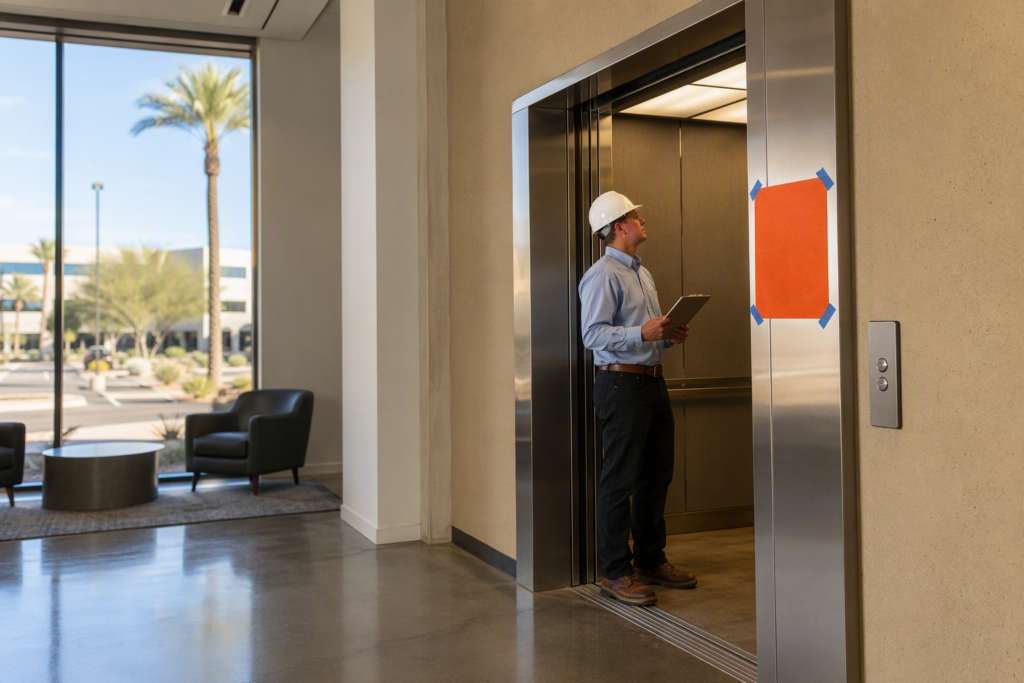
- Is the current certificate of operation posted in or adjacent to each elevator cab? Arizona requires certificates to be current and publicly visible.
- When was the most recent periodic inspection and test performed, and by whom? Inspectors expect documentation showing the inspection date, scope, findings, and inspector credentials.
- Were any deficiencies identified in the last inspection, and how were they resolved? Outstanding uncorrected deficiencies are a significant compliance concern.
- Is there a current, executed preventive maintenance contract in place? Surveyors may request a copy of the maintenance agreement and PM completion logs.
- What is the facility’s entrapment response protocol? Accreditation bodies expect a written procedure and evidence that staff are trained to follow it.
- Are all ADA-required features functional and properly maintained? Door sensors, auditory signals, and control accessibility are common survey checkpoints.
- Is the machine room access restricted and maintained in a clean, dry condition? ASME A17.1 specifies machine room conditions; inspectors look for unauthorized storage, moisture intrusion, and temperature control.
- Are there records of any modernization or major repair work performed, including permits? Unpermitted work discovered during inspections can trigger mandatory corrective action.
How should facilities in Phoenix, Tucson, Scottsdale, and Mesa approach local compliance?
Healthcare facilities across Arizona’s major markets — Phoenix, Tucson, Scottsdale, and Mesa — are subject to the same state-level ADOSH oversight framework, but individual municipalities may have additional AHJ requirements for permits and inspections related to modernization and new installation work. Facility managers should confirm permit requirements with their local building department before initiating any capital elevator project. Arizona Elevator Solutions operates throughout these markets and is familiar with local permitting processes and AHJ expectations.
What steps should a healthcare facility take to build an elevator budget from scratch?
- Inventory all vertical transportation equipment: Document each elevator, lift, dumbwaiter, and escalator — including type, age, capacity, and current maintenance contract status.
- Obtain current inspection reports: Review the most recent ADOSH inspection report for each unit. Identify any outstanding deficiencies or conditions that require correction.
- Commission a condition assessment: Engage a qualified elevator contractor to evaluate each unit’s mechanical, electrical, and code compliance condition and produce a written assessment with prioritized recommendations.
- Separate OpEx from CapEx requirements: Classify identified needs as routine maintenance (operating budget) or major repairs and modernizations (capital budget).
- Obtain competitive maintenance contract proposals: Request proposals from licensed Arizona contractors that specify exactly what is covered, how PM visits are documented, and how callbacks are handled.
- Build a multi-year capital replacement schedule: Use the condition assessment to project when each unit will require major investment and spread capital costs across a planning horizon that allows for orderly budget approval.
- Establish a reserve or contingency for unplanned repairs: Healthcare elevators operating in high-cycle environments may experience unexpected failures. A defined contingency reserve reduces the financial disruption of unplanned events.
- Review and update the budget annually: Code editions evolve, equipment ages, and facility usage patterns change. An annual budget review keeps the plan aligned with current conditions.
How can Arizona Elevator Solutions help healthcare facilities with budget planning?
Arizona Elevator Solutions provides elevator assessments for healthcare facilities throughout Phoenix, Tucson, Scottsdale, and Mesa. A professional assessment examines each unit’s current condition, identifies compliance gaps relative to applicable ASME and ADA requirements, and produces a prioritized list of recommended maintenance and capital actions. This assessment gives facility directors and CFOs the factual foundation needed to build a defensible, realistic annual budget — rather than relying on historical spending that may no longer reflect the actual condition or compliance status of aging equipment.
Healthcare operators who engage Arizona Elevator Solutions for ongoing preventive maintenance receive documented service records that support ADOSH compliance, Joint Commission survey readiness, and CMS certification requirements.
Get the Information You Need to Budget Accurately
Elevator budgeting in healthcare is too consequential to estimate without professional input. A missed compliance obligation or unexpected major failure can disrupt patient care and expose a facility to regulatory findings.
Contact Arizona Elevator Solutions for a free elevator assessment at 480-319-7157. Serving healthcare facilities in Phoenix, Tucson, Scottsdale, and Mesa, Arizona Elevator Solutions helps facility teams understand exactly what their elevators need — and what it will cost — so budget planning is grounded in facts, not guesswork.
Need elevator service you can rely on? Arizona Elevator Solutions is ready to help.