What Happens If My Elevator Fails Inspection in Arizona — And How Long Do I Have to Fix It Before Fines or Shutdown?
An elevator inspection failure in Arizona is not simply a paperwork problem. Depending on the severity of the deficiency, the consequences range from a mandatory corrective-action timeline to an immediate out-of-service order posted on the cab door. Understanding the inspection process, Arizona’s enforcement structure, and the repair timeline expectations is essential for every building owner, property manager, and facility director operating vertical transportation equipment in Phoenix, Tucson, Scottsdale, Mesa, or anywhere else in the state.
1. Who Has the Authority to Inspect and Shut Down Elevators in Arizona?
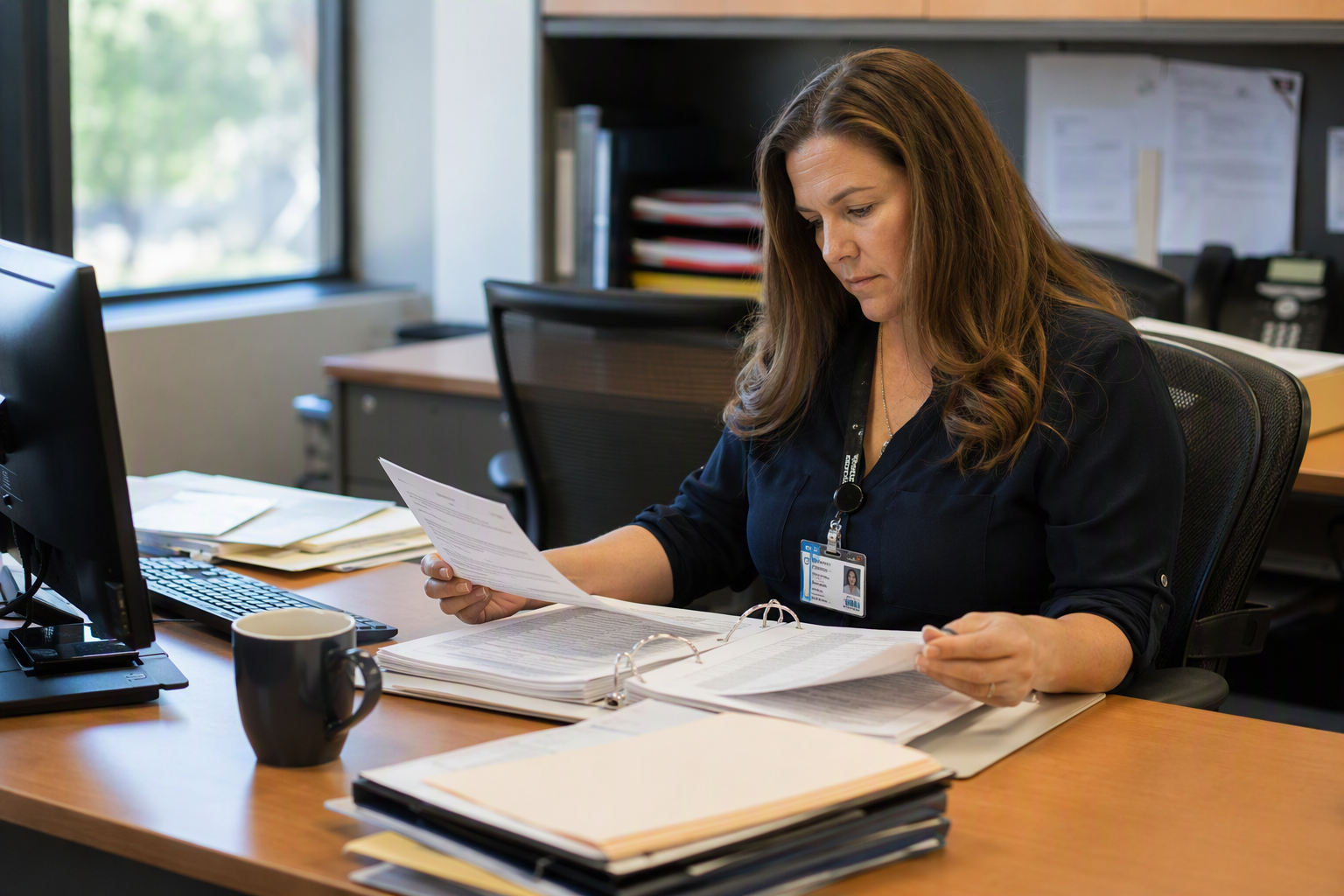
In Arizona, elevator inspection and enforcement authority rests primarily with the Arizona Division of Occupational Safety and Health (ADOSH), which serves as the state’s plan agency under federal OSHA, along with local Authority Having Jurisdictions (AHJs) such as city building departments.
Arizona operates a State Plan under OSHA, meaning ADOSH administers occupational safety standards — including conveyance safety — for most workplaces. For public-use conveyances in buildings like commercial offices, multifamily residential properties, and retail centers, local AHJs (typically the city or county building department) also carry inspection authority. In Phoenix, Scottsdale, Mesa, and Tucson, that means the local building official can post a unit out-of-service and issue violation notices independently of ADOSH action.
Building owners should not assume that only one agency matters. Both ADOSH and local AHJs can inspect, cite, and order corrective action, and both can escalate to legal enforcement if violations persist.
2. What Safety Code Governs Elevator Inspections in Arizona?
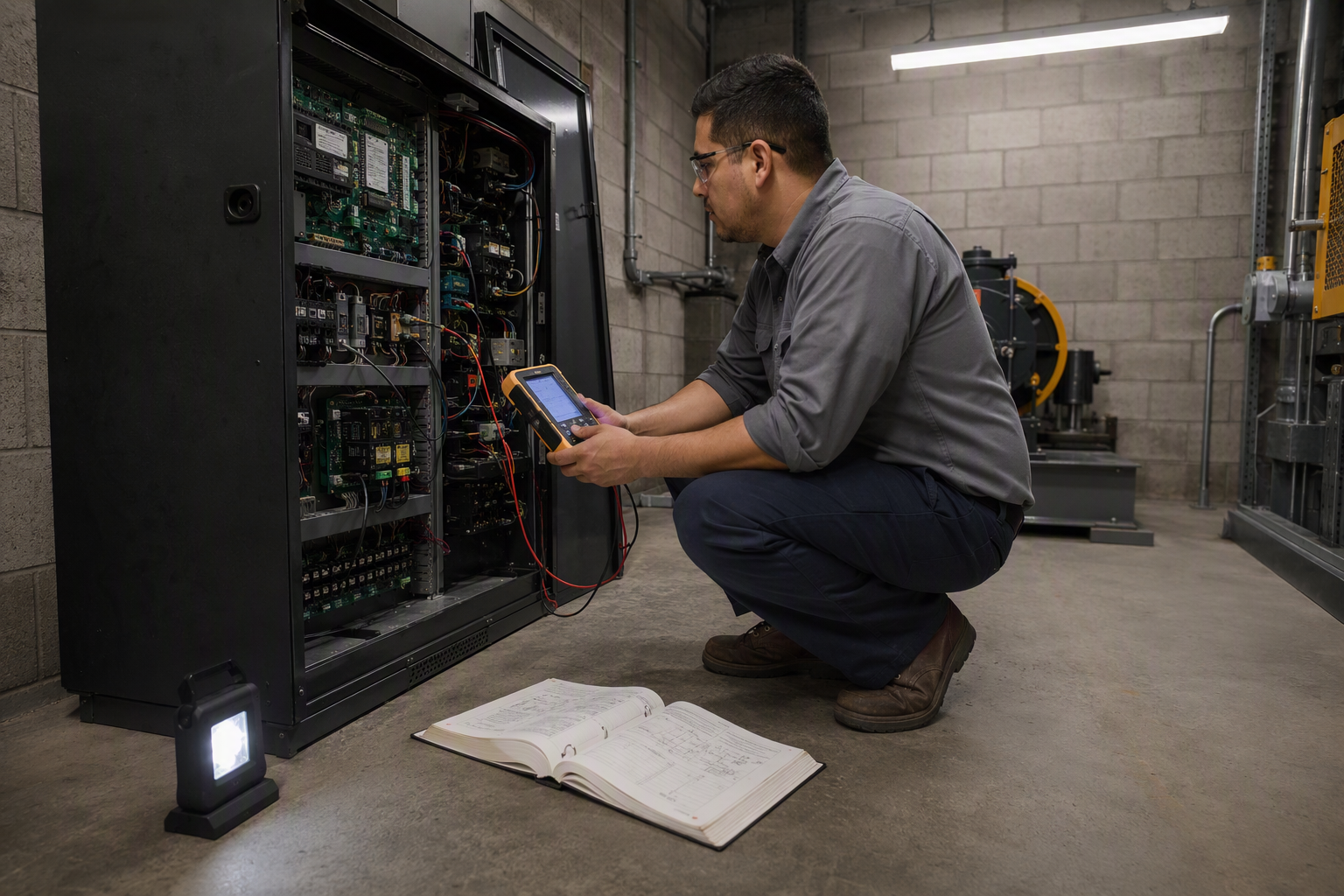
Arizona elevator inspections are conducted against the ASME A17.1 Safety Code for Elevators and Escalators for new installations, and the ASME A17.3 Safety Code for Existing Elevators and Escalators for equipment already in service.
ASME A17.1 is the primary design and installation standard. ASME A17.3 establishes retroactive safety requirements for existing conveyances and is particularly relevant when an AHJ orders upgrades after a failed inspection. Inspectors reference specific sections of these codes when issuing deficiency notices, so building owners receiving a violation report will see code references that correspond directly to ASME A17.1 or A17.3 requirements.
Arizona also references the Americans with Disabilities Act (ADA) accessibility standards for elevators serving the public, which means accessibility deficiencies can generate both AHJ citations and federal ADA exposure simultaneously.
3. What Are the Most Common Reasons an Elevator Fails Inspection in Arizona?
The most frequently cited deficiencies in Arizona elevator inspections involve safety device malfunctions, overdue maintenance, documentation gaps, and physical wear on critical components.
Common failure categories include:
- Broken or malfunctioning door interlocks and door operators
- Out-of-adjustment or failed safeties and governors
- Overdue or improperly documented five-year full-load safety test
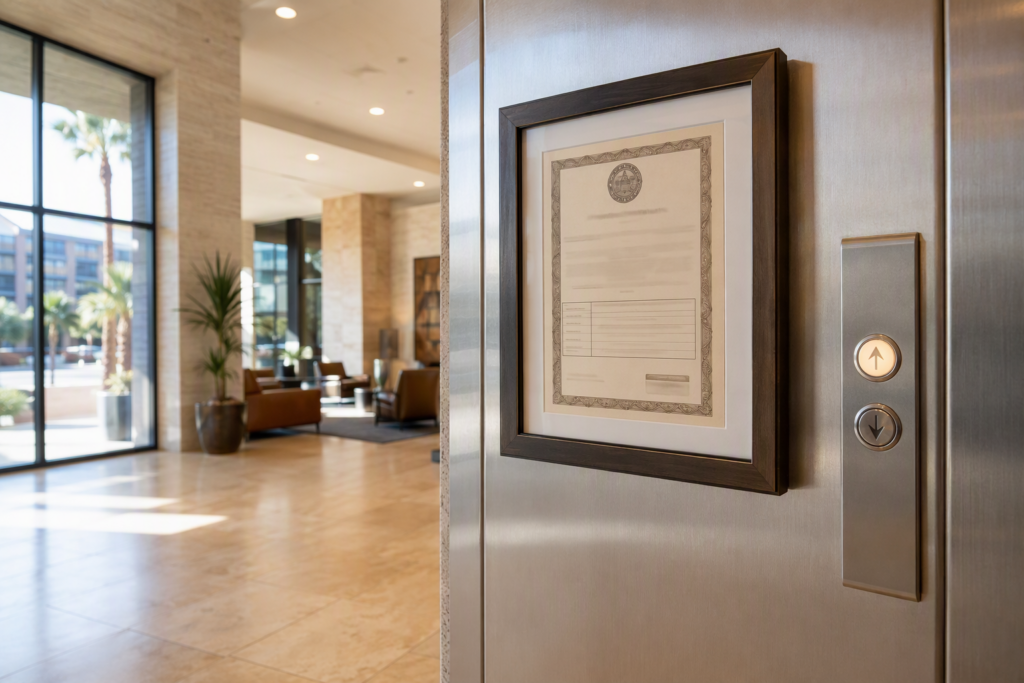
- Missing or expired annual inspection certificate posted in the cab
- Non-functional emergency lighting, telephone, or alarm systems
- Hydraulic fluid leaks or cylinder corrosion on hydraulic units
- Worn or damaged hoist ropes below minimum diameter tolerances per ASME A17.1
- ADA non-compliance: improper cab dimensions, inaccessible controls, or missing Braille
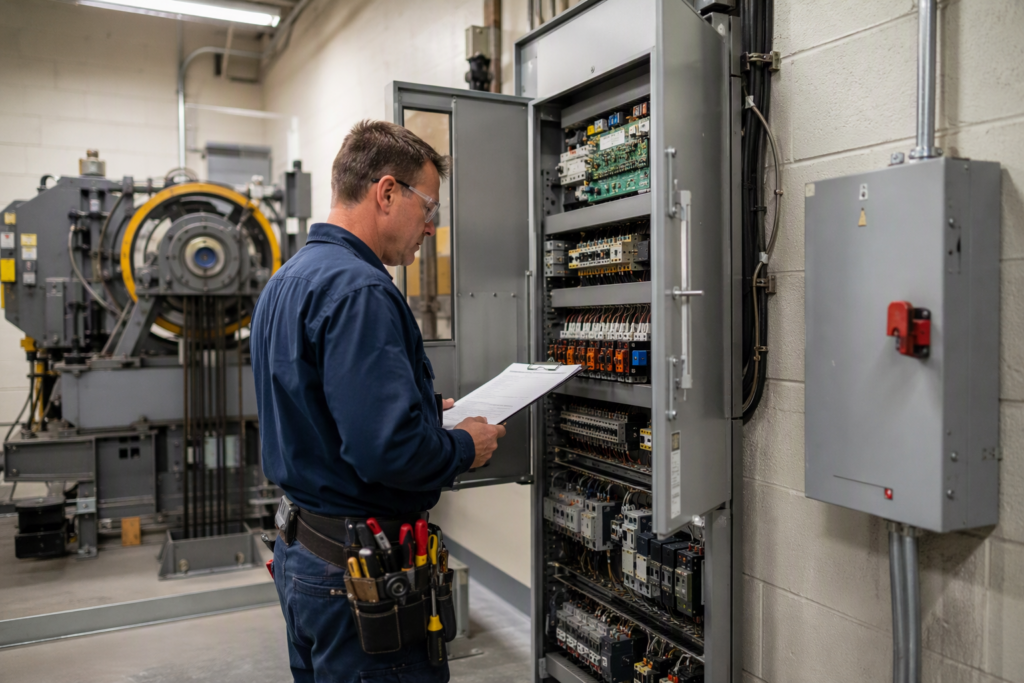
- Machine room temperature, lighting, or housekeeping violations
- Pit conditions including water intrusion, lighting failures, or ladder deficiencies
4. What Happens Immediately After an Elevator Fails Inspection in Arizona?
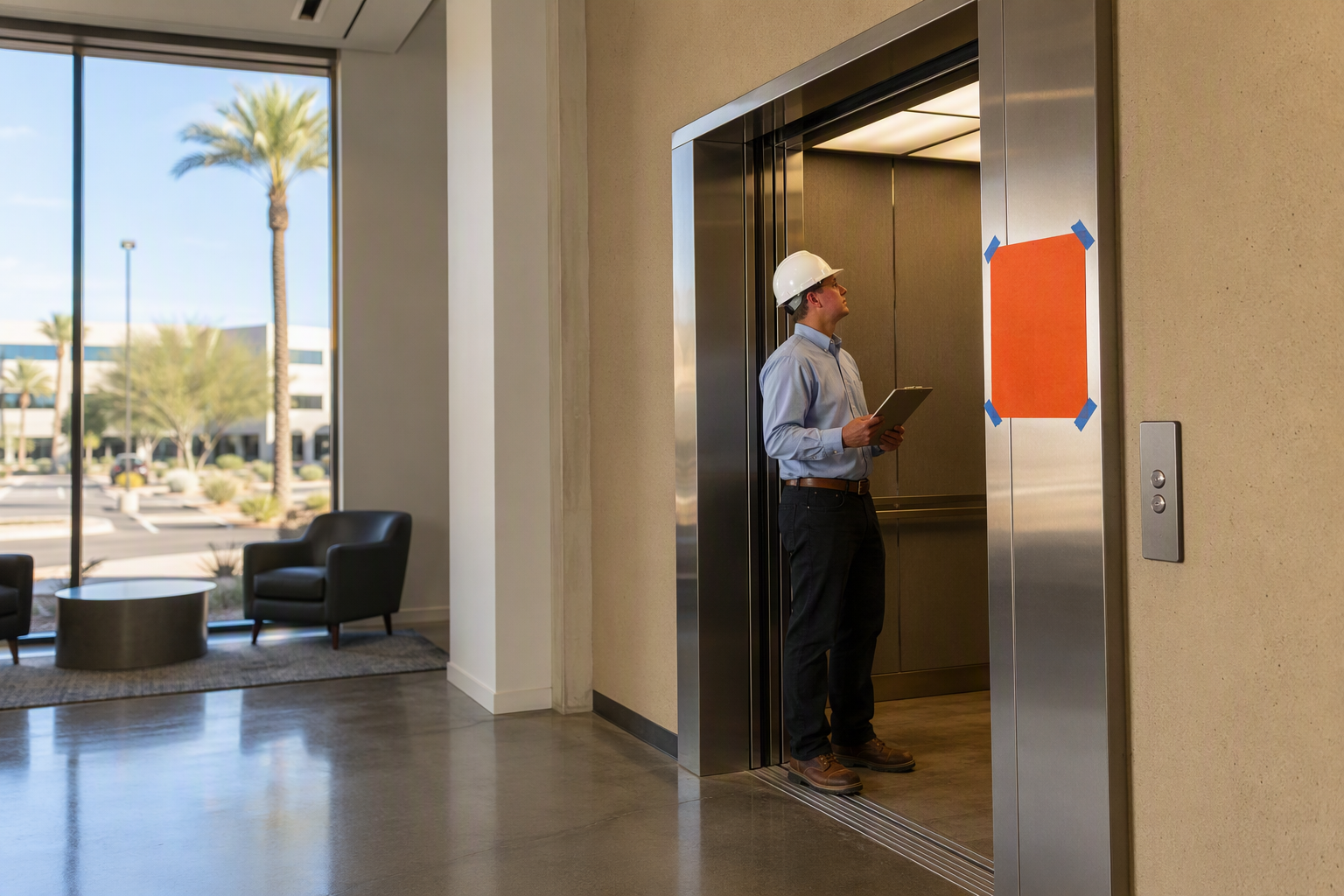
Immediately after a failed inspection, the inspector issues a written deficiency notice and — depending on severity — either posts a conditional operation order or an out-of-service tag requiring the elevator to stop running immediately.
There are two common inspection outcomes when deficiencies are found. First, a conditional pass with required corrections: the unit may continue operating temporarily while non-critical deficiencies are corrected within a specified timeframe. Second, an immediate out-of-service order: when the inspector determines that a deficiency poses an imminent hazard to occupants, the elevator is tagged and cannot legally operate until it passes re-inspection.
Building owners are required to notify the AHJ once corrections are complete and schedule a re-inspection. Operating a tagged-out-of-service elevator is a separate and compounding violation that exposes the owner to significant civil and potentially criminal liability.
5. What Should a Building Owner Do the Moment an Elevator Fails Inspection?
The correct immediate response is to document the deficiency report, notify occupants, and contact a qualified elevator service company to begin the correction process without delay.
- Secure and post the cab. If an out-of-service order has been issued, physically prevent access by locking the elevator doors and posting visible notices at every landing.
- Read the deficiency report carefully. Each cited item corresponds to a specific code section. Understanding whether deficiencies are categorized as immediate hazards or correctable-within-timeframe items determines your legal exposure window.
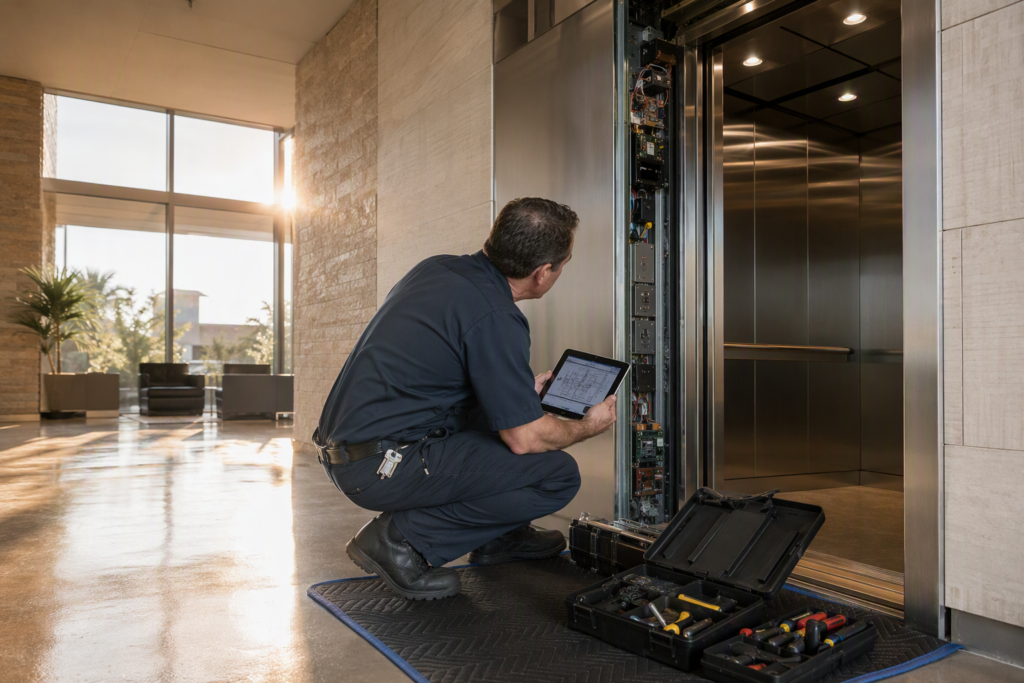
- Contact a licensed elevator contractor immediately. In Arizona, elevator work must be performed by contractors and mechanics licensed under applicable state requirements. Engaging an unqualified vendor to perform repairs will likely result in the repairs being rejected at re-inspection.
- Obtain a written repair scope and timeline. The service contractor should provide a documented plan aligned with the AHJ’s correction deadline.
- Notify your insurance carrier. A failed inspection with an out-of-service order is a material change in the risk profile of your property and may affect your liability coverage during the correction period.
- Schedule re-inspection proactively. AHJ inspection calendars fill quickly. Scheduling re-inspection before repairs are complete ensures the earliest possible slot once corrections are finalized.
- Document all repairs with parts receipts, test records, and technician sign-offs. The re-inspector will request documentation confirming that code-compliant components were used and that required tests were performed.
Arizona Elevator Solutions works directly with building owners in Phoenix, Tucson, Scottsdale, and Mesa to manage this process end-to-end, from reviewing the deficiency report to coordinating re-inspection scheduling.
6. How Long Does a Building Owner Have to Fix Elevator Deficiencies Before Facing Fines?
Correction timelines in Arizona vary by deficiency severity: imminent-hazard deficiencies require immediate shutdown with no grace period, while non-critical deficiencies are typically assigned a deadline by the AHJ — commonly ranging from days to several weeks depending on the specific violation and jurisdiction.
There is no single statewide fixed grace period that applies uniformly to all elevator deficiencies. The AHJ inspector assigns correction timeframes based on the nature of the violation, the risk level posed to occupants, and local administrative rules. Building owners in Phoenix, Scottsdale, Mesa, and Tucson should request explicit written deadlines from their AHJ and treat those deadlines as hard legal limits, not suggestions. Missing a deadline without an approved extension creates grounds for daily civil penalties and escalating enforcement action.
In practice, critical safety deficiencies — such as a failed door interlock or a malfunctioning overspeed governor — are treated as imminent hazards requiring immediate shutdown and corrective action before the unit returns to service. Non-critical items such as minor lighting issues or documentation gaps may receive longer correction windows, but this is at the inspector’s discretion and varies by jurisdiction.
7. What Fines and Penalties Can a Building Owner Face for a Failed Elevator Inspection in Arizona?
Penalties for elevator violations in Arizona can include civil monetary fines issued by ADOSH or the local AHJ, with ADOSH authorized under its OSHA State Plan to issue penalties consistent with federal OSHA penalty structures for serious and willful violations.
Under OSHA State Plan authority, ADOSH can issue citations for serious violations, repeat violations, and willful violations — each category carrying escalating financial penalties. Beyond ADOSH, local AHJs can impose their own separate administrative fines under municipal code, meaning a building owner can face simultaneous penalty tracks from multiple agencies.
Civil liability exposure is a separate and often more significant financial risk. If an elevator is operated while in a known failed-inspection condition and a passenger is injured, the documented inspection failure becomes direct evidence of negligence in litigation. Building owners and property managers should treat elevator deficiency correction as both a compliance obligation and a risk management priority.
8. Can a Building Be Shut Down If Its Elevator Fails Inspection?
While AHJs typically shut down the specific elevator unit rather than the entire building, failure to comply with an out-of-service order or a pattern of uncorrected violations can escalate to broader building enforcement actions depending on the jurisdiction and the nature of the occupancy.
In buildings where elevator service is legally required for accessibility — for example, multistory commercial buildings or multifamily residential properties — an extended elevator shutdown can trigger ADA compliance issues, tenant habitability claims, and in some cases municipal housing code violations that reach beyond the elevator itself. Building owners should not treat “elevator shutdown” as a contained problem isolated to one piece of equipment.
9. What Is the Difference Between an Annual Inspection and a Five-Year Test in Arizona?
Annual inspections verify operational safety and code compliance on a yearly basis, while the five-year test — required under ASME A17.1 — is a full-load safety and pressure test that validates the structural and mechanical integrity of the elevator’s safety systems under actual operating conditions.
Missing either the annual inspection cycle or the five-year test is itself a citable deficiency that will cause an inspection failure. The five-year test for hydraulic elevators includes pressure testing of the cylinder and piping system. For traction elevators, it includes full-load safety tests of the governor, safeties, and buffers. Both test types must be conducted by a licensed elevator contractor and witnessed by an approved inspector. Failing to have documentation of the most recent five-year test is one of the most common — and most avoidable — reasons elevators fail inspection in Arizona.
10. How Does an ADA Violation Interact with an Arizona Elevator Inspection Failure?
ADA accessibility deficiencies found during an elevator inspection can trigger both the AHJ’s correction process and a separate federal ADA compliance exposure under the Americans with Disabilities Act, meaning building owners face parallel enforcement tracks.
Common ADA elevator deficiencies include inaccessible call button heights, missing or damaged Braille designations, inadequate cab dimensions, malfunctioning audible signals, and non-compliant door timing. The AHJ may require correction of these items as part of the inspection process, but ADA complaints can also be filed independently with the U.S. Department of Justice or through private litigation — and an inspection failure report creates a documented record of the deficiency that plaintiffs can use in civil cases.
11. How Quickly Can Elevator Repairs Be Completed After a Failed Inspection?
Repair timelines depend entirely on the type of deficiency, parts availability, and the contractor’s scheduling — minor repairs such as lighting replacement or documentation updates can be resolved within days, while major component replacements such as a hydraulic cylinder or hoist rope set may require weeks.
Parts procurement is frequently the rate-limiting factor for elevator repairs in Arizona. Proprietary components for older or discontinued elevator models can have extended lead times. Building owners with aging equipment should discuss proactive parts inventory or accelerated procurement options with their service provider. Arizona Elevator Solutions maintains relationships with equipment suppliers to support parts procurement for clients in Phoenix, Tucson, Scottsdale, and Mesa.
12. What Is a Re-Inspection and How Does It Work in Arizona?
A re-inspection is a formal follow-up inspection conducted by the same AHJ or its designated inspector to verify that all cited deficiencies from the original failed inspection have been corrected to code.
Building owners must formally notify the AHJ that corrections are complete and request re-inspection — the AHJ does not automatically schedule re-inspection. Depending on the jurisdiction and inspector workload, re-inspection appointments in Phoenix, Tucson, Mesa, and Scottsdale can take days to weeks to schedule, which is why proactive scheduling (while repairs are still underway) is strongly recommended. At re-inspection, the elevator must pass all originally cited items. If new deficiencies are discovered during re-inspection, they will also be cited and must be corrected before the unit is cleared for service.
13. Can a Building Owner Request an Extension on an Elevator Deficiency Correction Deadline?
Yes, AHJs in Arizona can grant correction deadline extensions in documented circumstances — typically when parts are unavailable, when the scope of repair is unusually complex, or when the building owner demonstrates good-faith corrective action — but extensions are not guaranteed and must be formally requested before the original deadline expires.
Extension requests should be submitted in writing and should include documentation of the steps taken to date, evidence of parts orders or contractor commitments, and a realistic revised completion timeline. AHJs are generally more receptive to extension requests when the elevator is already out of service (not being operated in violation) and when the building owner has demonstrated active engagement with a licensed contractor. Waiting until after a deadline to request an extension significantly reduces the likelihood of approval and may result in retroactive penalty issuance.
14. What Maintenance Practices Best Prevent Elevator Inspection Failures in Arizona?
Preventive maintenance on a documented, code-aligned schedule is the most effective strategy for avoiding inspection failures, and it should be performed by a licensed elevator contractor in compliance with ASME A17.1 maintenance requirements.
ASME A17.1 includes specific maintenance requirements for elevator owners and maintenance providers. Key preventive practices include:
- Monthly inspection and lubrication of door operators, interlocks, and rollers
- Regular testing of emergency lighting, telephone, and alarm systems
- Pit inspection for water, debris, and lighting compliance
- Rope and sheave inspection for wear patterns
- Machine room environmental controls including temperature management (critical in Arizona’s climate)
- Hydraulic fluid level and quality checks
- Maintenance logbook updates after every service visit
- Proactive tracking of annual inspection and five-year test due dates
Arizona’s extreme summer heat creates unique stress on elevator mechanical and hydraulic systems, making routine maintenance intervals more — not less — important than in milder climates.
15. How Does Arizona’s Climate Affect Elevator Inspection Outcomes?
Arizona’s extreme heat accelerates wear on hydraulic seals, lubricants, electrical components, and machine room cooling systems, making heat-related deficiencies a recurring driver of inspection failures for buildings without adequate preventive maintenance programs.
Hydraulic elevators are particularly vulnerable to heat-related seal degradation, which can cause fluid leaks that both trigger AHJ citations and create immediate safety and environmental concerns. Machine rooms that exceed temperature thresholds specified in ASME A17.1 are also citable deficiencies. Building owners in Phoenix, Scottsdale, Mesa, and Tucson should ensure that machine room HVAC systems are maintained in parallel with elevator equipment maintenance.
16. What Records and Documentation Does an Arizona Building Owner Need to Maintain for Elevator Compliance?
Arizona building owners must maintain a current inspection certificate posted in the elevator cab, a maintenance logbook accessible to inspectors, and records of all tests including the most recent five-year full-load test.
| Document / Record | Frequency Required | Where Kept | Governing Reference |
|---|---|---|---|
| Current inspection certificate | Updated after each passed annual inspection | Posted inside elevator cab | AHJ / Local building code |
| Maintenance logbook | Updated after every service visit | Machine room or accessible location | ASME A17.1 |
| Five-year full-load safety test record | Every 5 years | Machine room records file | ASME A17.1 |
| Annual inspection report (with deficiencies noted) | Annually | Building management records | AHJ / ADOSH |
| Deficiency correction documentation | As required following failed inspection | Available for re-inspector review | AHJ enforcement order |
| ADA accessibility compliance records | As-built and following any modification | Building permit file | ADA Standards for Accessible Design |
| Hydraulic pressure test record | Every 5 years (hydraulic units) | Machine room records file | ASME A17.1 |
Incomplete or missing documentation is treated by AHJ inspectors the same as an uncorrected deficiency — it results in a failed inspection even if the physical condition of the elevator is otherwise acceptable. Maintaining organized, accessible records is among the lowest-cost, highest-impact compliance actions a building owner can take.
17. What Is the Role of a Certified Elevator Inspector (QEI) in Arizona?
A Qualified Elevator Inspector (QEI) — certified through a nationally recognized program consistent with ASME QEI-1 Standard for the Qualification of Elevator Inspectors — conducts inspections in Arizona and their findings form the legal basis for deficiency orders issued by the AHJ.
QEI-certified inspectors apply ASME A17.1 and A17.3 standards during inspections and produce formal reports that AHJs rely on for enforcement. Building owners who believe a deficiency has been incorrectly cited have the right to contest the finding through the AHJ’s administrative process, but this requires technical documentation prepared by a qualified elevator contractor — not simply a verbal dispute with the inspector on-site.
18. How Does a Failed Inspection Affect Elevator Insurance Coverage in Arizona?
A documented failed inspection — particularly if the elevator continues to operate after an out-of-service order — can void liability coverage for elevator-related incidents and expose building owners to uninsured losses.
Most commercial property and general liability policies contain compliance condition requirements, meaning coverage for elevator incidents may be conditioned on the elevator being in compliance with applicable codes and inspection requirements. Building owners should review their specific policy language and notify their broker immediately following a failed inspection. Operating a unit after an out-of-service order has been issued is the scenario most likely to trigger a coverage denial in the event of a passenger injury or incident.
19. How Do Building Owners in Arizona Choose a Qualified Elevator Repair Contractor After a Failed Inspection?
Building owners should select an Arizona-licensed elevator contractor with documented experience addressing the specific deficiency types cited in the inspection report, with the ability to provide code-compliant parts, perform required tests, and coordinate directly with the AHJ for re-inspection clearance.
Key criteria when selecting a contractor following a failed inspection include:
- Arizona contractor licensing in compliance with applicable state requirements
- Demonstrated familiarity with the specific AHJ in the building’s jurisdiction (Phoenix, Tucson, Scottsdale, or Mesa building departments have distinct procedural requirements)
- Ability to source code-compliant replacement parts for the specific elevator model
- Experience preparing re-inspection documentation packages accepted by AHJ inspectors
- Transparent written scope of work tied directly to the specific cited deficiencies
Arizona Elevator Solutions serves building owners across Phoenix, Tucson, Scottsdale, and Mesa with elevator repair and compliance services designed to address inspection deficiencies and restore elevator operation as efficiently as the code process allows.
20. What Is the Best Long-Term Strategy for Avoiding Elevator Inspection Failures in Arizona?
The most effective long-term strategy combines a proactive preventive maintenance contract with a licensed elevator contractor, systematic documentation management, and a compliance calendar that tracks inspection due dates, five-year test schedules, and ADA review milestones well in advance.
Building owners who treat elevator compliance reactively — responding only when a deficiency notice arrives — consistently face higher repair costs, longer out-of-service periods, and greater regulatory exposure than those who invest in structured preventive maintenance. A full-service maintenance agreement with a qualified elevator contractor ensures that minor deficiencies are identified and corrected before they become inspection failures, that required tests are scheduled and documented proactively, and that the building’s elevator system is managed as a continuously compliant asset rather than a periodic emergency.
Arizona Elevator Solutions provides maintenance and compliance services to commercial, residential, and institutional building owners across Phoenix, Tucson, Scottsdale, and Mesa — helping properties stay ahead of inspection cycles and respond efficiently when deficiencies do arise.
Need elevator service you can rely on? Arizona Elevator Solutions is ready to help.