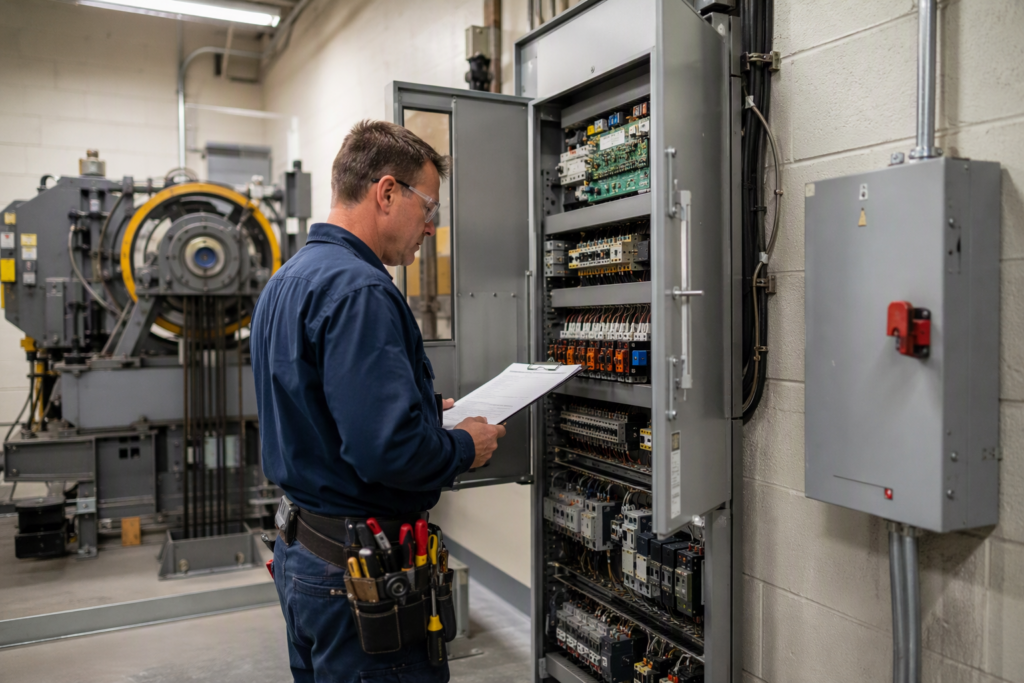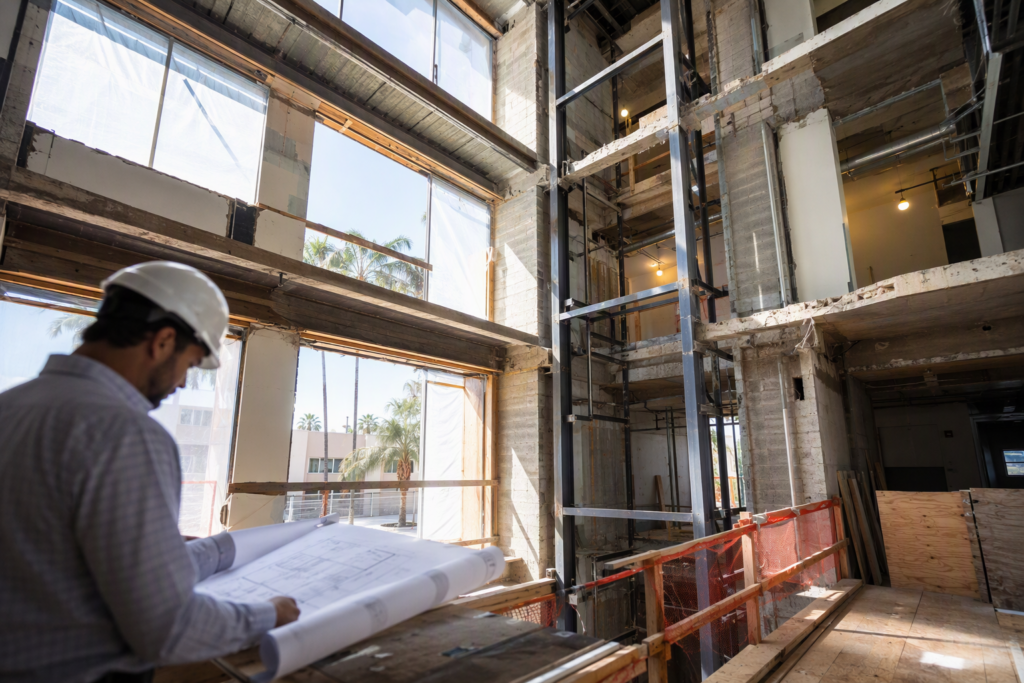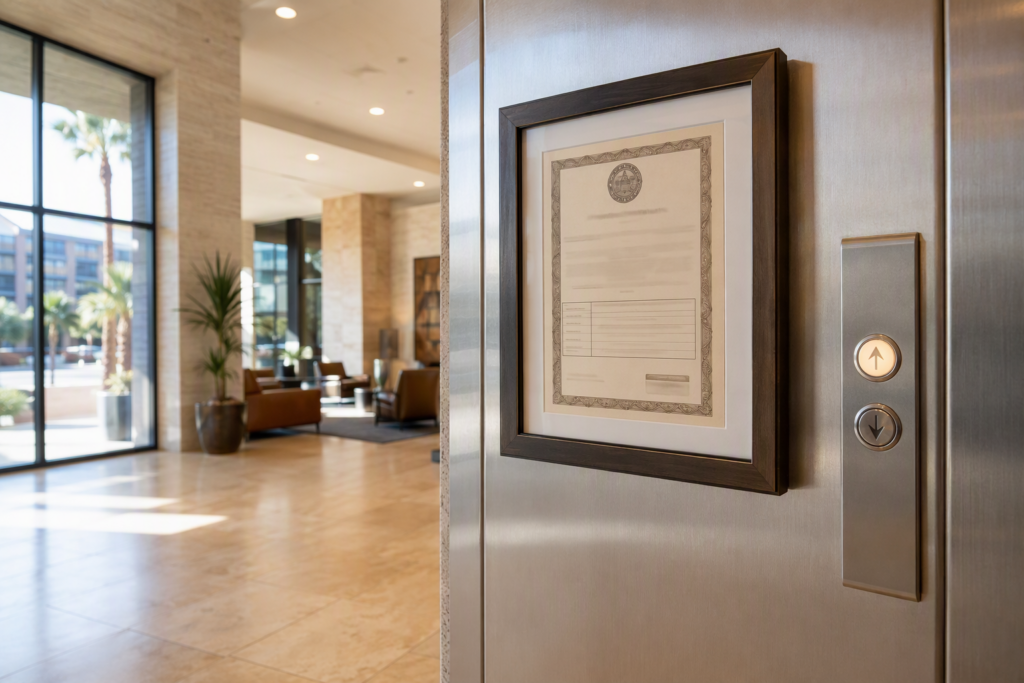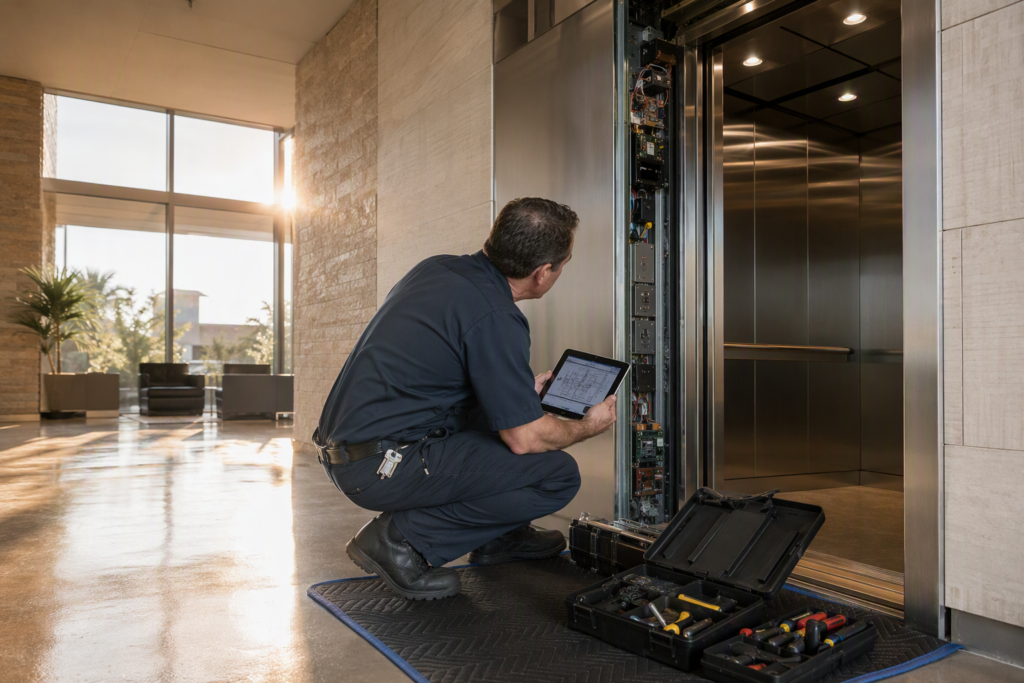
Choosing an elevator service company is one of the most consequential facility decisions a building owner or property manager makes. A poor choice can mean unplanned downtime, compliance violations, liability exposure, and passenger safety risks. Yet most companies’ websites look nearly identical — promising “certified technicians,” “24/7 service,” and “competitive pricing.” This guide cuts through the noise and gives Arizona property managers and building owners a structured, criteria-driven framework to make the right call.
Why Do All Elevator Service Companies Seem the Same?
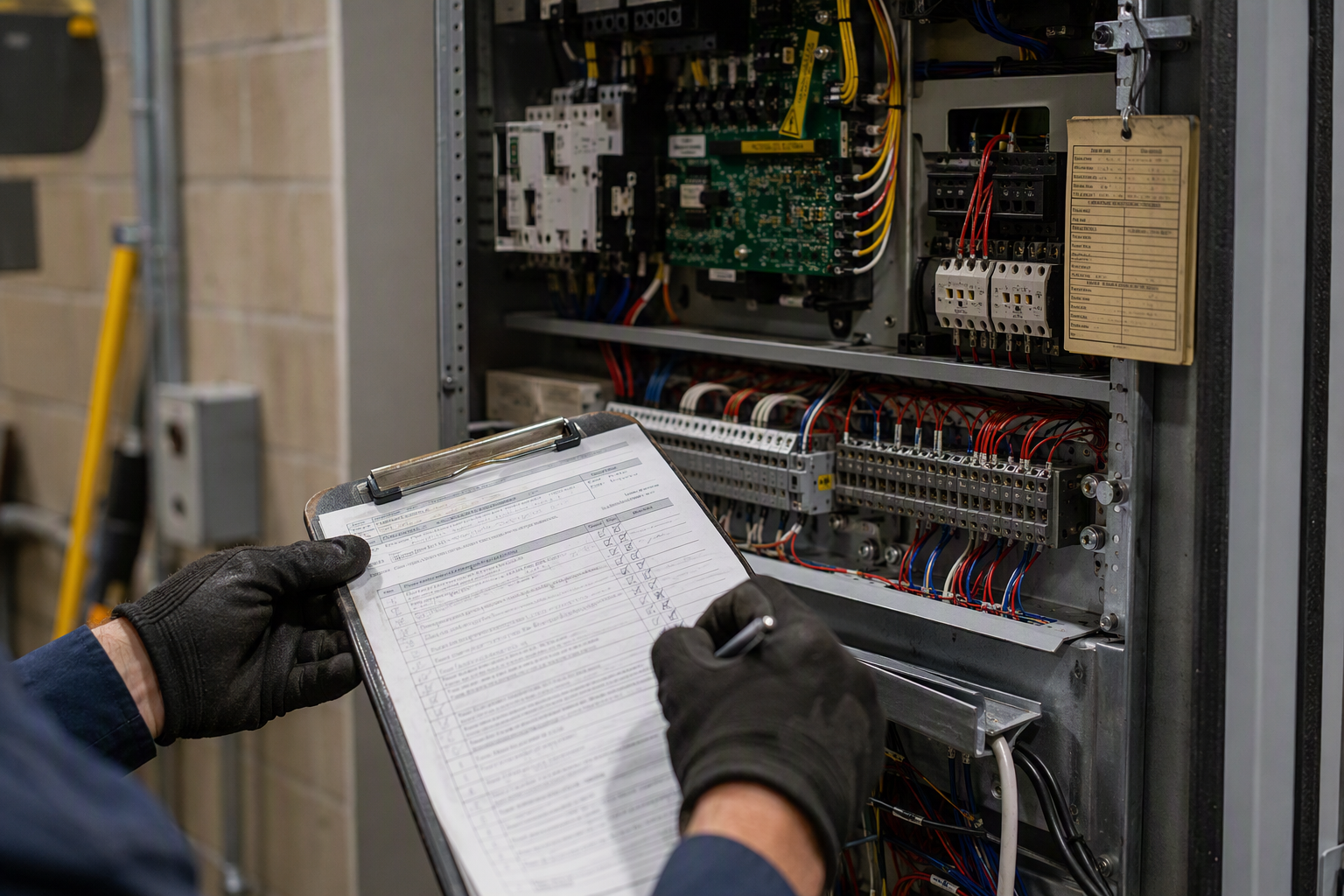
The elevator service industry is dominated by similar marketing language precisely because the core deliverables — maintenance, inspection, repair, and modernization — are genuinely similar in scope. What differs dramatically is how each company executes those deliverables. The uniformity of marketing is not a reflection of uniform quality. It is a signal that buyers must dig deeper than brochures and sales calls to find the real distinctions.
The questions a company cannot answer confidently — or refuses to answer at all — reveal far more than the ones it answers smoothly.
What Are the Most Important Criteria for Evaluating an Elevator Company?
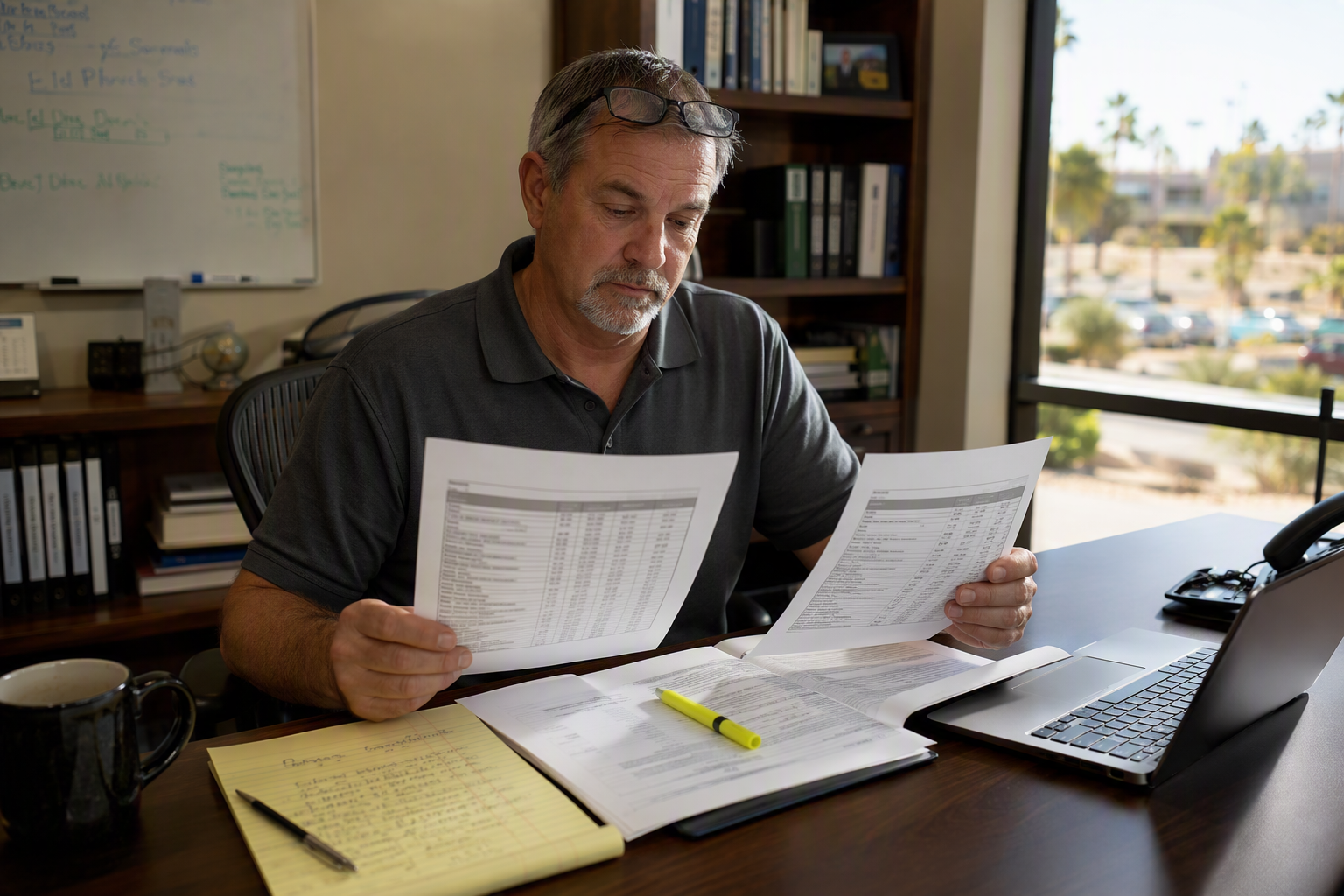
| Criterion | Why It Matters | What to Look For | Red Flag |
|---|---|---|---|
| Arizona Licensing & Compliance Knowledge | Arizona regulates elevator work; non-compliant servicing creates liability | Verifiable Arizona licensure; familiarity with AHJ requirements | Vague answers about local licensing; relies solely on manufacturer credentials |
| ASME Code Alignment | ASME A17.1/A17.3 governs elevator safety and inspection intervals | Documented maintenance plans referencing current code editions | Company cannot name which code edition guides their work |
| ADA Compliance Awareness | ADA requirements affect elevator dimensions, controls, and accessibility | Proactive audit recommendations during assessments | No mention of ADA during initial consultation |
| Contract Transparency | Hidden exclusions drive up real costs | Itemized scope; clear exclusions list; defined callback policy | Bundled pricing with no line-item breakdown |
| Local Parts Availability | Parts delays = extended downtime | Regional supplier relationships; local parts inventory | All parts shipped from out of state with no timeline guarantee |
| Modernization Capability | Aging equipment requires phased upgrades, not just maintenance | In-house modernization team; documented project timelines | Company sub-contracts all modernization work |
| References and Verifiable Track Record | Past performance predicts future reliability | Property-type-specific references in Arizona | References are generic, out of state, or unavailable |
| Independence vs. Manufacturer Alignment | Manufacturer-tied companies may push unnecessary proprietary parts | Ability to service multiple brands and recommend cost-effective alternatives | Insists only OEM parts can be used when code allows alternatives |
What Questions Should You Ask Before Signing a Maintenance Contract?
- Are you licensed to perform elevator work in Arizona? Verify this independently — do not rely solely on the company’s verbal assurance.
- Which edition of ASME A17.1 and A17.3 guides your maintenance and inspection protocols? A qualified company will answer without hesitation.
- Who is the Authority Having Jurisdiction (AHJ) for my building, and how do you coordinate with them? In Arizona, elevator inspections involve state and local AHJ oversight — a competent company knows the process.
- What is explicitly excluded from this maintenance agreement? Get exclusions in writing, not verbal promises.
- How do you handle emergency calls and parts sourcing in the Phoenix metro or statewide? Ask about the specific process, not a generic promise.
- Do you perform your own modernization work or subcontract it? Subcontracting is not automatically bad, but you deserve transparency.
- Can you provide references from comparable Arizona properties — same building type, similar elevator model? Generic references are nearly useless for due diligence.
- How do you document completed maintenance visits? Digital logs accessible to building owners are the professional standard.
How Do Elevator Maintenance Contract Types Compare?
| Contract Type | What’s Included | Best For | Key Pros | Key Cons |
|---|---|---|---|---|
| Oil & Grease (Basic) | Lubrication and minor adjustments only | Very new equipment under manufacturer warranty | Lower upfront cost | Most repairs billed separately; can become expensive quickly |
| Examination & Lubrication | Routine inspection, lubrication, minor adjustments | Low-traffic, newer equipment | Moderate coverage; predictable baseline | Major components still excluded; repair costs unpredictable |
| Full Maintenance | Labor, parts, routine inspections, most repairs | High-traffic buildings; older equipment | Predictable budgeting; comprehensive coverage | Higher monthly cost; read exclusions carefully |
| Modernization + Maintenance Bundle | Phased upgrades combined with ongoing service | Buildings with aging systems needing code compliance updates | Single vendor accountability; phased cost management | Lock-in risk; requires strong contract exit provisions |
What Are the Biggest Red Flags When Comparing Elevator Companies?
- Pressure to sign immediately. Legitimate elevator service agreements warrant careful review. Urgency tactics are a negotiation strategy, not a service quality indicator.
- No written scope of work. If a company cannot produce a detailed, itemized contract, assume the gaps will cost you later.
- Inability to explain code compliance. Any company servicing elevators in Arizona should be fluent in ASME A17.1/A17.3 and the applicable Arizona AHJ process.
- No references from local Arizona properties. Elevator requirements, climate factors (heat cycles, dust), and AHJ relationships are Arizona-specific. Out-of-state experience does not directly transfer.
- Vague callbacks and escalation language. Phrases like “we’ll get to it as soon as possible” with no defined process should be documented and questioned.
- No OSHA safety protocol documentation. Technicians working in elevator pits and hoistways operate under OSHA General Industry standards. A company that cannot speak to its safety protocols presents both liability and quality concerns.
- Proprietary lock-in language. Some manufacturers’ service arms include clauses that void warranties if another licensed company services the equipment. Understand this before signing.
How Does Local Arizona Expertise Affect Elevator Service Quality?
Arizona’s climate presents specific operational challenges that out-of-state or nationally-focused companies may underestimate. Extreme heat cycles affect hydraulic fluid viscosity, cab cooling systems, and electronic control boards in ways that are distinct from moderate-climate environments. A service provider with deep Arizona experience will incorporate climate-appropriate maintenance schedules and parts specifications rather than applying a generic national protocol.
Additionally, elevator inspection and permitting in Arizona involves coordination with state agencies and local AHJs that vary by municipality. A company without established relationships in Arizona’s regulatory environment will face delays that directly translate to longer unit downtime for building owners.
Arizona Elevator Solutions is an independent, Arizona-based certified elevator service company. As a locally operated provider, Arizona Elevator Solutions brings familiarity with Arizona’s AHJ landscape, climate-specific maintenance practices, and the regulatory framework governing elevator work in the state — without the overhead structure of a national manufacturer-tied service organization.
What Is the Difference Between an Independent Elevator Company and a Manufacturer Service Arm?
| Factor | Independent Company (e.g., Arizona Elevator Solutions) | Manufacturer Service Arm |
|---|---|---|
| Equipment Served | Multi-brand capability | Primarily own-brand equipment |
| Parts Sourcing | Flexible; can source from multiple suppliers | Often required to use OEM parts; can increase cost |
| Pricing Structure | Competitive; not tied to corporate pricing tiers | Can be less negotiable; standardized national pricing |
| Local Responsiveness | Decision-making and scheduling at local level | Regional dispatch may add layers; local flexibility varies |
| Contract Flexibility | Typically more negotiable terms | Often standardized; less room for customization |
| Proprietary Lock-in Risk | Low | Moderate to High depending on contract terms |
| Multi-Brand Knowledge | Strong — services diverse equipment portfolios | Deep on own brand; variable on others |
How Should You Evaluate Elevator Company Proposals Side by Side?
- Standardize the scope before collecting quotes. Create a written elevator specification document listing your equipment make, model, age, usage volume, and known issues. Require every company to quote against the same document.
- Request itemized pricing, not bundled totals. Bundled pricing makes apples-to-apples comparison impossible and obscures what is and is not included.
- Compare exclusions, not just inclusions. The cheapest full-maintenance contract is often cheap because it excludes the most expensive components. Read every exclusion clause.
- Ask each company to cite the specific ASME code version guiding their maintenance intervals. Variation in answers reveals who is current and who is working from outdated standards.
- Request a sample maintenance log. Reviewing what a company actually documents versus what it promises to document reveals operational professionalism.
- Check Arizona licensing independently. Do not take a company’s word for its licensure status — verify with the appropriate Arizona state agency.
- Score references by property type and location. A reference from a comparable Arizona property — same building class, similar elevator age — carries far more weight than a generic testimonial.
- Evaluate communication quality throughout the sales process. How a company handles questions, delays, and follow-up during the proposal phase is a reliable preview of how it will handle service issues.
What Role Does ASME Compliance Play in Choosing an Elevator Company?
The ASME A17.1 Safety Code for Elevators and Escalators and ASME A17.3 Safety Code for Existing Elevators and Escalators establish the foundational safety and maintenance requirements that govern elevator servicing in Arizona. Any elevator service company operating in Arizona should demonstrate working knowledge of these standards.
When evaluating companies, ask specifically which edition of ASME A17.1 and A17.3 their maintenance protocols reference. A company that cannot answer or that references a significantly outdated edition raises a legitimate compliance concern. Compliance with current ASME standards is not optional — it is the baseline expectation for any professional elevator service provider.
ADA requirements also apply to elevator accessibility features and should be reviewed during any assessment or modernization discussion, particularly for buildings undergoing renovation or experiencing passenger complaints about accessibility.
When Should a Building Owner Consider Switching Elevator Service Companies?
Contract renewal periods are the natural evaluation point, but certain conditions warrant reviewing the relationship sooner:
- Repeated unresolved maintenance issues or the same component failing multiple times
- Failure to produce documentation of completed maintenance visits on request
- Inability to explain how the company’s work aligns with current ASME standards
- Inspection citations that the current provider failed to anticipate or flag
- Parts delays that exceed what the provider initially represented
- Unexplained billing for items that should fall within the maintenance contract scope
- Communication breakdowns — particularly around OSHA-relevant safety incidents
Switching providers does require careful contract review for exit clauses and transition planning, but staying with a non-performing vendor out of inertia is a risk to tenant safety and building owner liability.
What Is the True Cost of Choosing the Wrong Elevator Service Company?
| Scenario | Short-Term Appearance | Likely Long-Term Reality |
|---|---|---|
| Lowest-bid basic contract | Lower monthly payment | Frequent repair invoices outside contract scope; higher total cost of ownership |
| Manufacturer-tied service only | Familiar brand name; warranty alignment | Proprietary parts premium; limited flexibility as equipment ages out of warranty |
| Non-compliant provider | Lower cost; fewer “unnecessary” services | Inspection failures; AHJ citations; potential liability in incident investigation |
| Out-of-state provider without Arizona AHJ knowledge | Potentially lower overhead pricing | Inspection coordination delays; missed Arizona-specific requirements; extended downtime |
| Criteria-based selection (licensed, ASME-compliant, local, transparent contract) | Moderate upfront contract cost | Predictable maintenance costs; fewer emergency repairs; compliance maintained; lower liability exposure |
How Do You Verify That an Elevator Company Is Legitimate and Qualified?
- Confirm Arizona state licensure through the relevant Arizona state licensing authority — do not rely on a company’s own statement.
- Ask for proof of insurance including general liability and workers’ compensation. Request certificates directly from the insurer if possible.
- Request technician qualification documentation. Ask what training and certification pathways technicians have completed, without requiring the company to name individuals.
- Review their inspection coordination process. A legitimate company will have a defined, documented process for coordinating with Arizona AHJs.
- Check for OSHA compliance practices. Ask for a copy of the company’s safety program documentation. Refusal to provide this is a meaningful red flag.
- Search for complaint history. Check the Arizona Registrar of Contractors and the Better Business Bureau for formal complaints and resolution history.
- Verify references directly. Call provided references — do not rely on written testimonials that cannot be independently verified.
Why Do Elevator Maintenance Contracts Vary So Much in Price?
Price variation in elevator maintenance contracts reflects several legitimate factors — and several illegitimate ones. Legitimate drivers of price variation include equipment age and complexity, building traffic volume, contract scope (exclusions vs. inclusions), parts pricing structures, and local labor market rates. Illegitimate or concerning drivers include hidden exclusions that reduce actual coverage, artificially low introductory rates that escalate sharply at renewal, and inflated margins on parts that are billed outside the maintenance agreement.
The most reliable way to understand true contract value is to compare total cost of ownership over the contract term — factoring in what each company includes and excludes — rather than comparing monthly fees in isolation.
Ready to Make an Informed Decision? Start Here.
Arizona Elevator Solutions serves building owners and property managers throughout Arizona as an independent, certified elevator service provider. The company offers equipment assessments, maintenance agreements, modernization services, and code compliance guidance tailored to Arizona’s regulatory environment — without manufacturer lock-in or national pricing structures.
Before signing any elevator service contract, an independent assessment of your current equipment condition, compliance status, and contract terms can reveal gaps that save significant cost and liability exposure over time.
Contact Arizona Elevator Solutions for a free elevator assessment: 480-557-7600
Get an honest, criteria-based evaluation of your building’s elevator service needs — and the questions you should be asking every vendor on your list.
Need elevator service you can rely on? Arizona Elevator Solutions is ready to help.