Emergency Elevator Repair in Phoenix, AZ: Complete FAQ Guide
If your elevator just stopped working in the middle of a Phoenix business day — or worse, at 2 a.m. — you need fast, accurate answers. After 15+ years maintaining and repairing elevators across the Phoenix metro area, our team has seen every failure mode imaginable: stuck cars between floors, overheated motors in 115°F Arizona summers, door safety sensor failures, hydraulic fluid leaks, and control board burnouts. This guide answers the most critical questions building owners, property managers, and facilities directors ask when an elevator emergency hits. Read what applies to your situation and act accordingly.
1. What counts as a true elevator emergency requiring immediate repair?
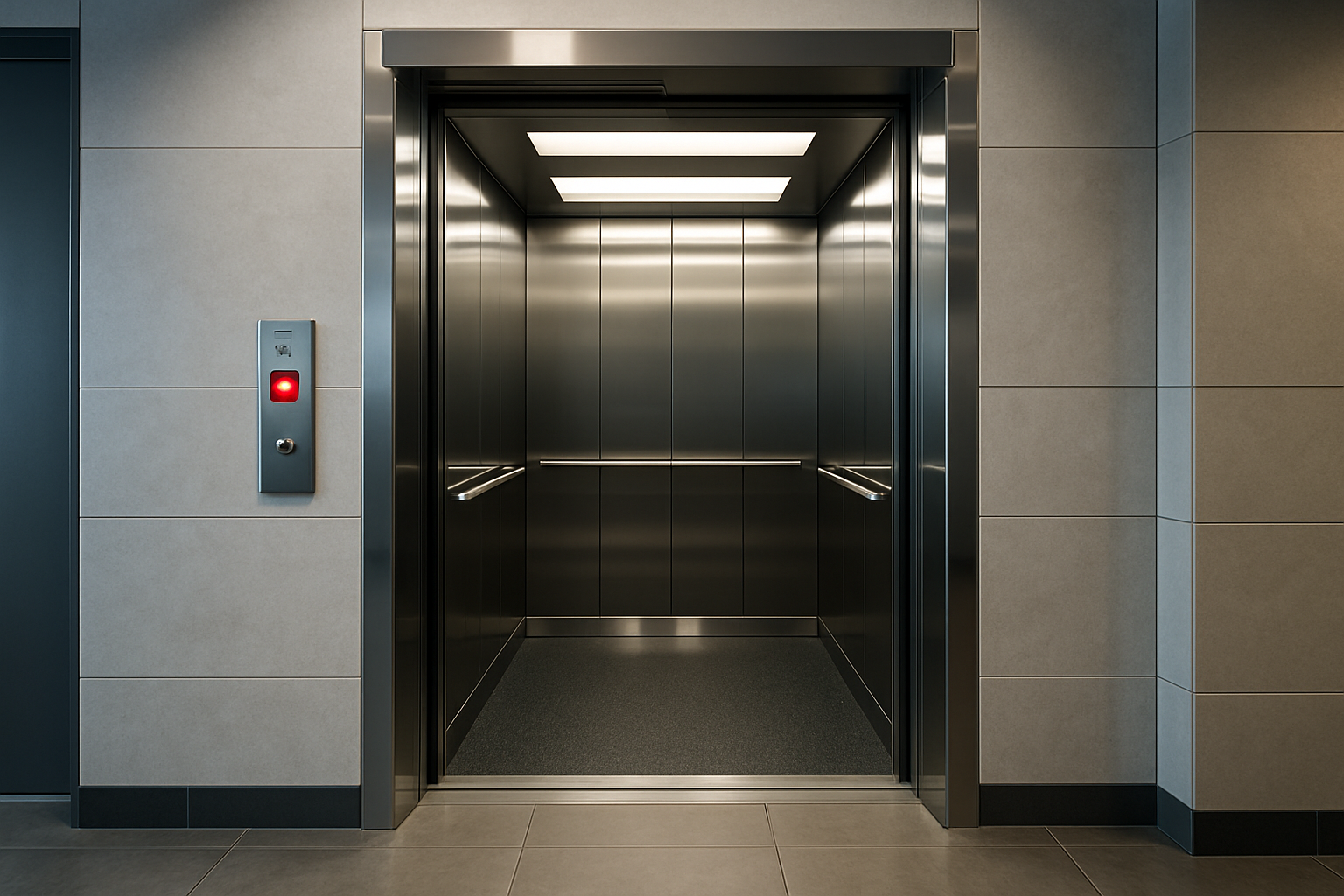
An elevator emergency includes any situation where a passenger is trapped, a safety system has failed, the elevator moves uncontrollably, or the unit poses an imminent hazard to building occupants.
Under the ASME A17.1-2022 Safety Code for Elevators and Escalators, any condition that compromises the safety of passengers or bystanders constitutes an emergency requiring the elevator to be taken out of service immediately and a qualified technician dispatched.
Specific conditions that qualify as emergencies include: passengers trapped in the cab, door interlocks failing to engage, safeties that have tripped (indicating a free-fall detection event), hydraulic fluid leaks near ignition sources, smoke or burning smells from the machine room, and elevator cars leveling more than 1.5 inches above or below the floor landing. In Phoenix’s extreme summer heat, motor overheating and hydraulic fluid expansion failures are especially common and can escalate from nuisance shutdowns to true safety emergencies within hours if not addressed.
2. How fast can emergency elevator repair arrive in Phoenix?
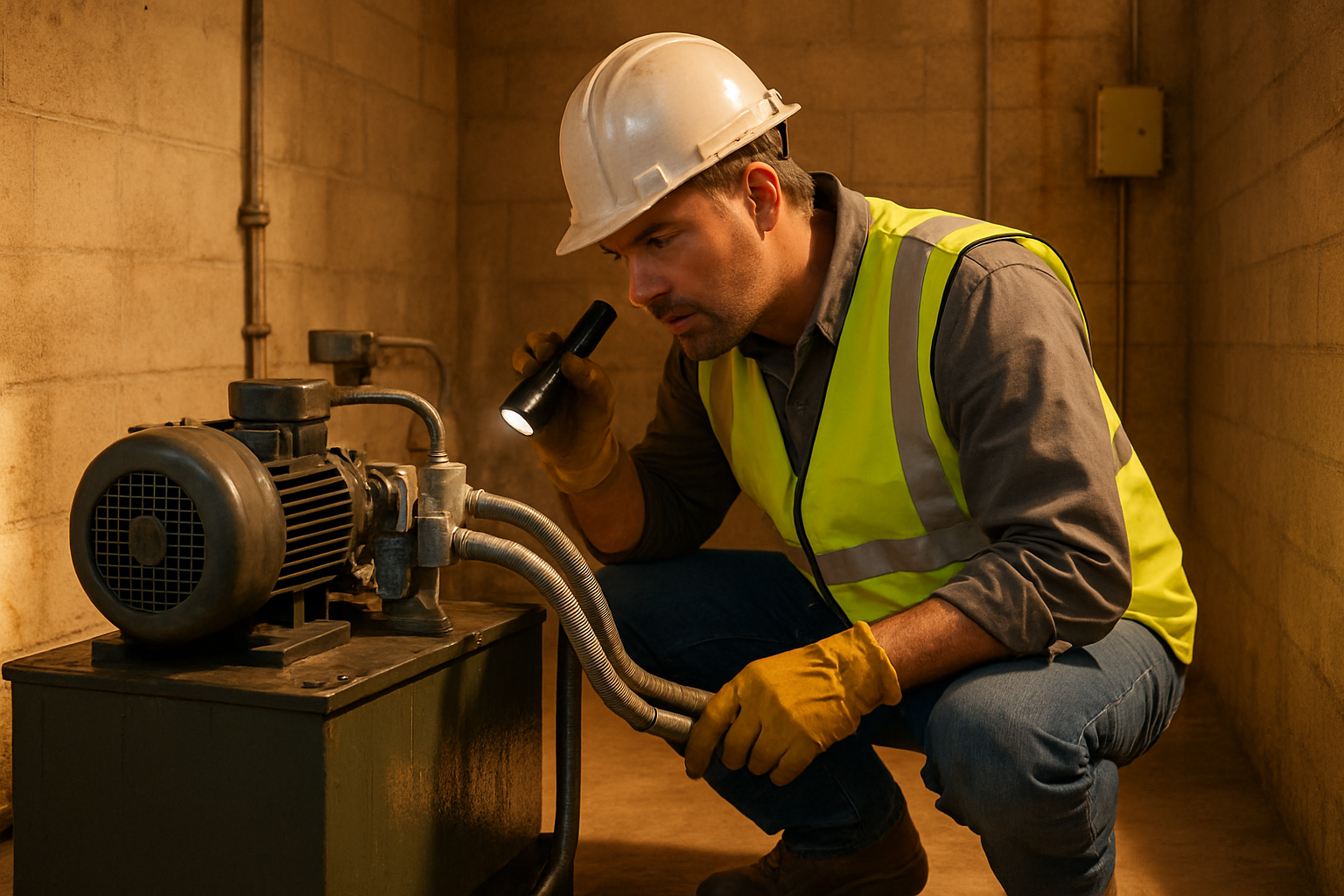
Most certified elevator service companies serving Phoenix, including Arizona Elevator Solutions, can dispatch a technician within 2–4 hours for emergency calls, with many situations resolved the same day.
Response time depends on your location within the Phoenix metro, time of day, and the technician’s current dispatch queue. Companies with dedicated on-call technicians stationed across Phoenix, Scottsdale, Mesa, and Tempe can respond faster than firms that cover multiple states from a single dispatch hub. Always confirm before signing a service contract whether the provider has Phoenix-based technicians on 24-hour rotation.
For passenger entrapment specifically, ASME A17.1-2022 Section 2.27.3 requires that a qualified elevator technician or trained emergency personnel respond to release trapped passengers as quickly as possible. In practice, this means your building’s emergency response procedure should include both 911 (for fire department extraction if needed) and your elevator service contractor’s emergency line.
3. What are the most common elevator emergency failures in Phoenix?
Phoenix’s desert climate creates failure patterns that differ significantly from national averages, with heat-related hydraulic system failures, door sensor malfunctions caused by dust intrusion, and control board damage from power surges topping the list of emergency repair calls.
The most frequently encountered emergency failure types Arizona Elevator Solutions responds to across the Phoenix metro include:
- Hydraulic fluid overexpansion: When machine room temperatures exceed 100°F — common June through September in Phoenix — hydraulic fluid expands beyond system tolerances, triggering thermal shutdowns or causing relief valve failures that require emergency fluid servicing.
- Door interlock failures: Dust and particulate common in Arizona’s haboob season infiltrates door operator components, causing interlock contacts to fail intermittently. An elevator with a faulty door interlock must be taken out of service under ASME A17.1-2022 Rule 2.12.6.
- Control board and drive burnouts: Arizona’s monsoon season brings rapid voltage fluctuations that can damage variable frequency drives (VFDs) and logic controllers, particularly in older traction elevator installations.
- Motor overheating: High ambient temperatures reduce motor cooling efficiency, accelerating winding insulation breakdown — especially in elevators with machine rooms that lack adequate HVAC.
- Rope and sheave wear acceleration: Extreme temperature cycling causes steel hoist ropes to expand and contract repeatedly, accelerating fatigue and increasing the frequency of emergency rope inspections.
4. How much does emergency elevator repair cost in Phoenix?
Emergency elevator repair in Phoenix typically ranges from $500 to $5,000+ depending on the failure type, parts required, time of call, and whether the work falls under an existing maintenance contract — with after-hours and weekend calls carrying premium labor surcharges.
Cost variables that most directly affect your invoice include:
- Labor rate and time of dispatch: Standard business-hours labor for a certified IUEC elevator mechanic in the Phoenix market generally runs higher than national averages due to regional demand. After-hours, weekend, and holiday emergency dispatches typically carry a surcharge ranging from 1.5x to 2x the standard rate. Confirm these multipliers with your service provider before an emergency occurs.
- Parts availability: Common consumables — door rollers, interlock contacts, hydraulic seals — are typically stocked on Phoenix-area service trucks, keeping parts costs predictable. Proprietary control boards for older Otis, Schindler, KONE, or ThyssenKrupp installations may require expedited freight from regional distribution centers, adding both part cost and delay.
- Scope of failure: A single tripped thermal overload reset may resolve in under an hour. A hydraulic cylinder replacement or full control system swap is a multi-day engagement with costs that can exceed $15,000 for complex commercial installations.
- Maintenance contract status: Buildings with active full-maintenance agreements through Arizona Elevator Solutions or another qualified contractor often have emergency labor costs partially or fully covered, depending on contract tier. Per-call customers pay full emergency rates without the buffer of a maintenance relationship.
Request an itemized estimate before authorizing non-emergency repair work, and ask specifically whether the quoted price includes ADOSH permit and inspection fees if the scope of repair triggers a required reinspection under Arizona Administrative Code Title 20, Chapter 5.
5. Does emergency elevator repair in Phoenix require an ADOSH inspection before returning to service?
Whether your elevator requires an ADOSH inspection before returning to service after emergency repair depends on the scope of work performed — repairs classified as major alterations under ASME A17.1-2022 and Arizona Administrative Code R20-5-401 require a state inspection and new certificate of operation before the elevator can be legally returned to passenger service.
Arizona’s elevator program is administered by the Arizona Division of Occupational Safety and Health (ADOSH), which enforces the ASME A17.1-2022 code statewide. Under Arizona Administrative Code Title 20, Chapter 5, the following repair categories typically trigger a mandatory reinspection:
- Replacement of the hydraulic cylinder or power unit
- Replacement or major modification of the control system
- Replacement of hoist ropes or governor ropes
- Any structural alteration to the hoistway or machine room
- Installation of new or replacement safety devices
Routine emergency repairs — resetting a thermal overload, replacing door rollers, clearing a sensor fault — generally do not require a state reinspection and can be returned to service by the qualified elevator mechanic on-site once the condition is corrected and tested per ASME A17.1-2022 procedures.
Arizona Elevator Solutions files all required ADOSH permits and coordinates inspection scheduling on your behalf as part of every qualifying repair engagement, preventing inadvertent code violations that could expose building owners to stop-work orders or civil liability.
6. How do I choose the right emergency elevator repair vendor in Phoenix?
The right emergency elevator repair vendor in Phoenix holds current ADOSH contractor registration, employs IUEC-certified mechanics with Phoenix-based dispatch, carries adequate general liability and workers’ compensation insurance, and can provide documented response time guarantees in writing — not just verbal assurances.
Use this checklist when evaluating vendors before an emergency occurs:
- ADOSH contractor registration: Arizona law requires elevator contractors to be registered with ADOSH before performing elevator work in the state. Verify registration status directly through the Arizona Industrial Commission before awarding any contract.
- IUEC mechanic certification: Technicians should hold current certification from the International Union of Elevator Constructors (IUEC) or equivalent demonstrated competency. Ask vendors for proof of mechanic certifications, not just company-level credentials.
- Phoenix-local dispatch: A vendor with technicians physically based in Phoenix, Scottsdale, Mesa, or Tempe will consistently outperform regional or national companies dispatching from out-of-state hubs on response time — the single most critical variable in a life-safety emergency.
- Insurance minimums: At minimum, require $1 million per occurrence general liability and statutory workers’ compensation. For high-rise commercial properties, $2 million or higher is advisable. Request certificates of insurance naming your building ownership entity as an additional insured.
- Documented SLA: Any credible emergency service provider should commit to a maximum response time in writing. Verbal guarantees are unenforceable. Arizona Elevator Solutions provides written emergency response time commitments in all service agreements.
- Manufacturer-agnostic capability: Phoenix’s elevator inventory includes units from Otis, Schindler, KONE, ThyssenKrupp, Dover, and numerous independent manufacturers. Confirm your vendor can service your specific equipment, not just a preferred brand.
7. What should building owners do immediately when an elevator emergency occurs in Phoenix?
When an elevator emergency occurs, take the unit out of service immediately, call 911 if any passenger is trapped, contact your elevator service contractor’s 24-hour emergency line, post clear out-of-service signage on all floors, and document the failure with photos and a written log before the technician arrives.
Step-by-step immediate actions for Phoenix building owners and property managers:
- If a passenger is trapped: Call 911 immediately. Phoenix Fire Department units are trained in elevator rescue. Simultaneously call your elevator contractor’s emergency line. Do not attempt to manually open doors or assist passengers from outside the cab without trained guidance — improper extraction attempts have caused serious injuries.
- Take the elevator out of service: If the elevator is not already shut down, use the machine room disconnect or in-cab stop switch to remove power. Place the elevator on independent service if available. This prevents additional passengers from entering a compromised car.
- Post signage on all floors: Arizona landlord-tenant law and ADA accessibility requirements create documentation expectations when a vertical transportation unit serving disabled tenants is out of service. Post clear out-of-service notices on every floor landing and notify affected tenants in writing if the outage extends beyond 24 hours.
- Document the failure: Photograph the machine room, control panel, any visible damage, and the cab interior if safely accessible. Note the exact time of failure, any alarms or error codes displayed, and conditions leading up to the failure (power surge, unusual noise, prior slow operation). This documentation supports insurance claims and ADOSH reporting if required.
- Contact Arizona Elevator Solutions: Reach our 24/7 emergency dispatch at the number on your service agreement. Provide your building address, elevator type (hydraulic or traction), the nature of the emergency, and whether any person is currently in the cab.
8. How long does emergency elevator repair typically take in Phoenix?
Most emergency elevator repairs in Phoenix are resolved within 2–8 hours of technician arrival for common failure types; complex repairs involving major components like hydraulic cylinders, control systems, or hoist ropes may require 1–5 business days depending on parts availability and whether an ADOSH inspection is required before return to service.
Typical repair timelines by failure category:
- Door interlock reset or sensor replacement: 1–3 hours on-site. Parts are typically stocked on service trucks.
- Thermal overload reset and motor inspection: 1–4 hours. If the motor has sustained winding damage, timeline extends to motor replacement lead time.
- Hydraulic fluid servicing or seal replacement: 2–6 hours. Cylinder replacement is a 2–5 day engagement requiring ADOSH inspection before return to service.
- Control board or VFD replacement: 4–24 hours depending on parts availability. Proprietary boards for older proprietary systems may require 3–10 business day lead times if not in regional inventory.
- Hoist rope replacement (traction elevators): Typically 1–2 full days of shutdown plus ADOSH reinspection scheduling, which adds variable time depending on inspector availability in the Phoenix district.
Arizona Elevator Solutions maintains a Phoenix-area parts inventory optimized for the most common elevator models operating across Maricopa County, reducing the frequency of extended parts delays for standard emergency repairs.
Need elevator service you can rely on? Arizona Elevator Solutions is ready to help.