Elevator Service in Phoenix, AZ | Arizona Elevator Solutions
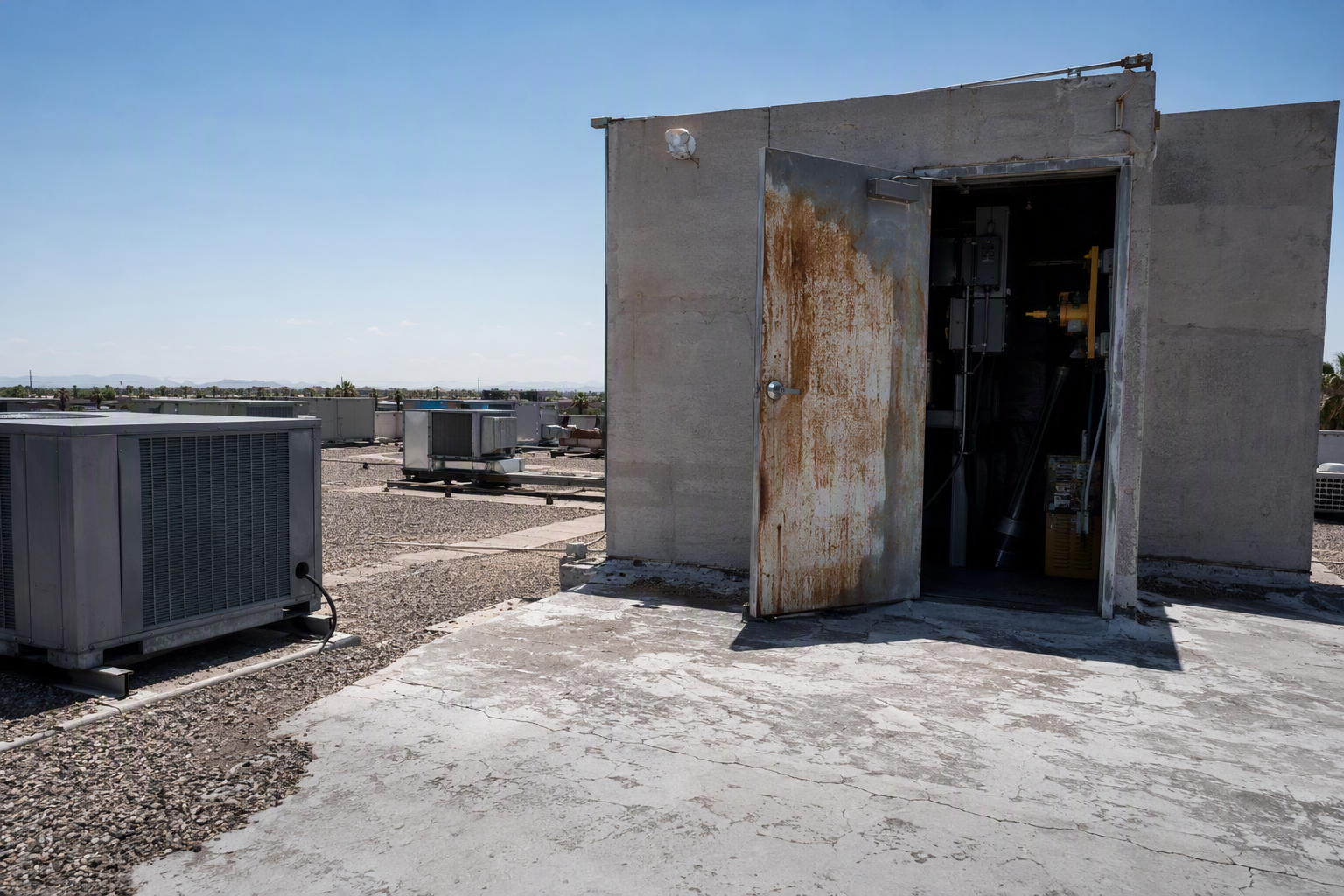
Phoenix summers are among the most demanding environments any elevator system will ever face. Sustained triple-digit temperatures, intense solar gain on rooftop machine rooms, and low humidity combine to stress components that are engineered for far milder conditions. Arizona Elevator Solutions provides certified elevator maintenance, inspection, and repair services across the Phoenix metro and throughout Arizona, helping building owners stay safe, compliant, and operational before the heat arrives.
How Does Extreme Heat in Arizona Affect Elevator Performance?
Heat affects virtually every subsystem in a modern elevator. Understanding where the risks concentrate helps building owners prioritize pre-summer maintenance spending.
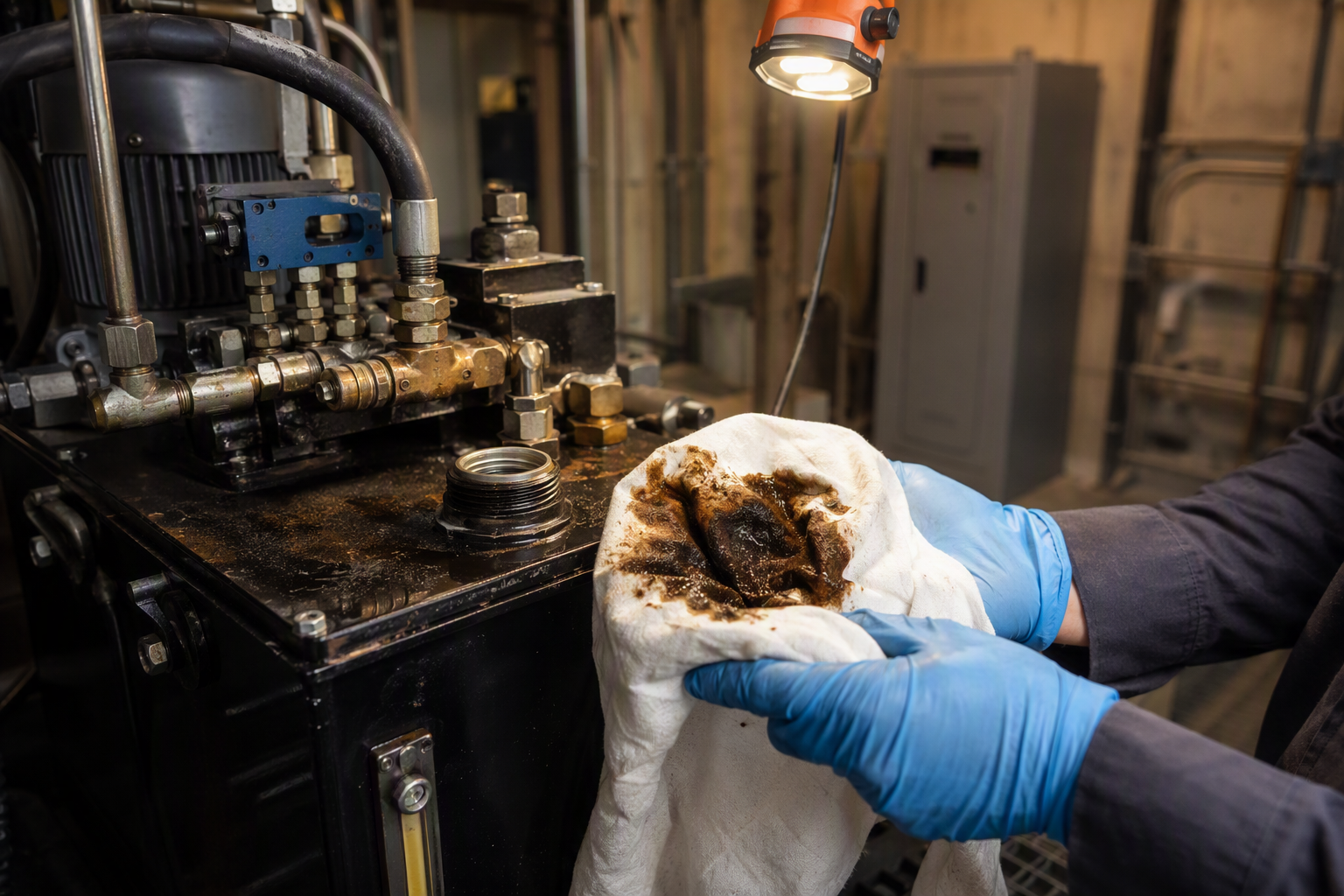
- Hydraulic fluid degradation: High ambient temperatures cause hydraulic fluid viscosity to drop, reducing the precision of valve control and increasing the risk of erratic leveling or slow starts. Prolonged heat exposure can also accelerate fluid oxidation, contaminating the system over time.
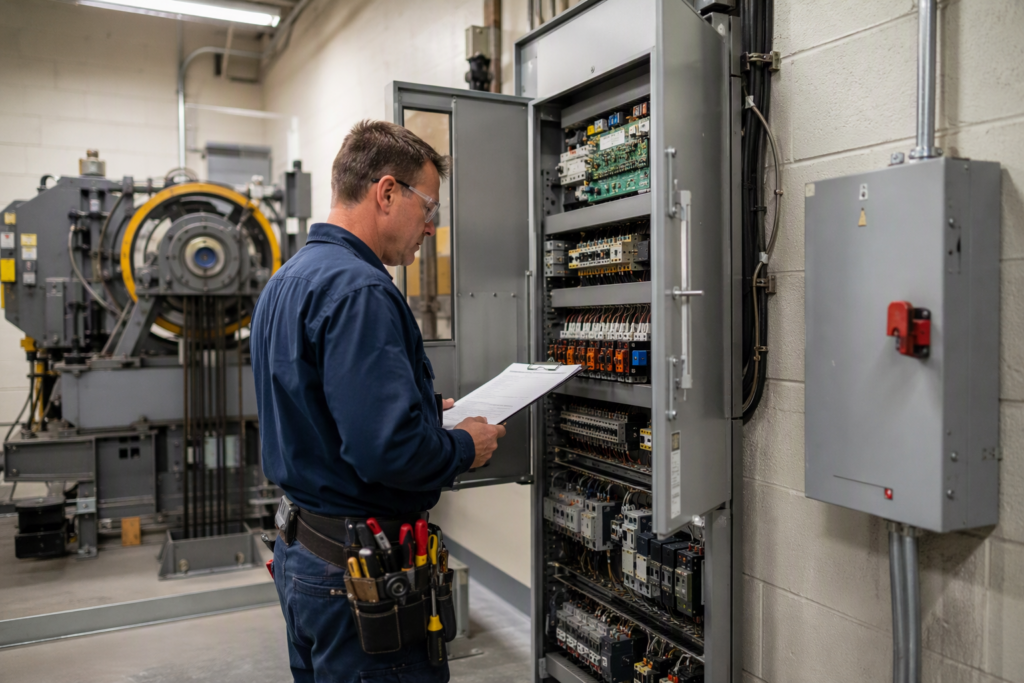
- Machine room overheating: Elevator machine rooms in Phoenix can reach temperatures well above the manufacturer-specified operating range when HVAC or ventilation fails. Overheated controllers and drive units trigger thermal shutdowns, taking the elevator out of service without warning.
- Electrical component stress: Circuit boards, relay contacts, and motor windings are rated for specific temperature ranges. Sustained heat shortens insulation life and increases the probability of intermittent faults that are difficult to diagnose.
- Door operator wear: Expansion and contraction of door tracks and sill grooves in extreme heat can cause misalignment, leading to nuisance door faults or, in severe cases, entrapment risks.
- Rope and belt fatigue: Traction elevator hoist ropes and governor cables experience accelerated lubrication burn-off in high-heat environments, increasing friction and wear at sheaves.
- Battery and backup power: Emergency lighting and battery-lowering systems degrade faster at elevated temperatures, potentially affecting code-required emergency operation.
What Arizona Codes and Standards Govern Elevator Maintenance?
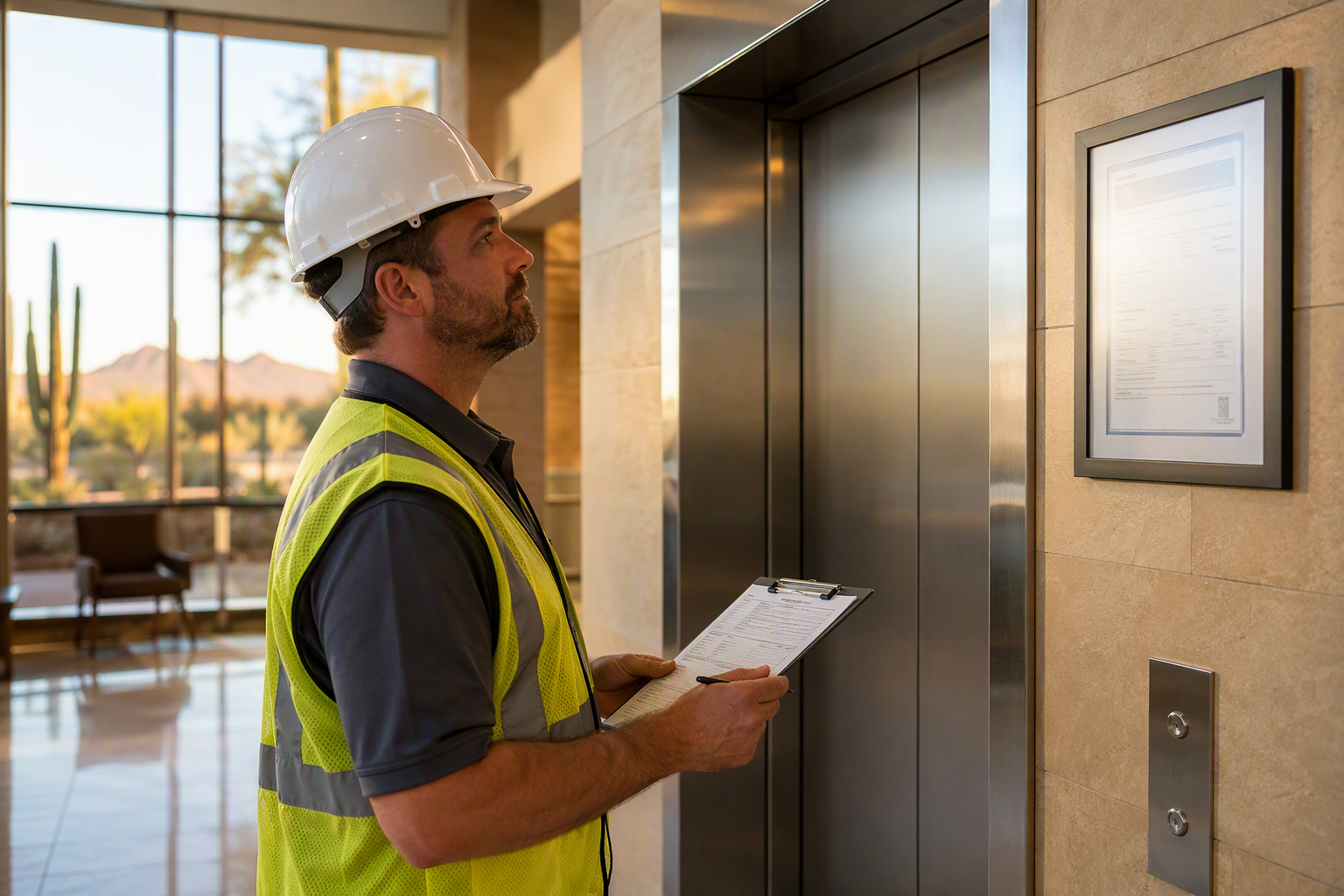
Elevator safety in Arizona is governed by a combination of federal and state-level requirements. The foundational technical standard is the ASME A17.1 Safety Code for Elevators and Escalators, which establishes design, installation, and maintenance requirements, and ASME A17.3, which applies to existing installations. Arizona has adopted these codes at the state level, and the Arizona Department of Occupational Safety and Health (ADOSH) serves as the authority having jurisdiction (AHJ) for elevator safety inspections across most of the state.
ADOSH requires periodic inspections of elevators by a qualified elevator inspector holding appropriate certification under Arizona statutes. Building owners are responsible for ensuring their equipment is maintained in a safe operating condition between inspections. Accessibility requirements for public accommodations are additionally governed by the Americans with Disabilities Act (ADA), which applies to most commercial elevator installations in Arizona.
Workplace safety obligations for elevator maintenance personnel fall under OSHA standards at the federal level, as Arizona operates its own State Plan under federal OSHA approval through ADOSH, which enforces equivalent or more stringent standards in Arizona workplaces.
What Pre-Summer Maintenance Steps Should Arizona Building Owners Take?
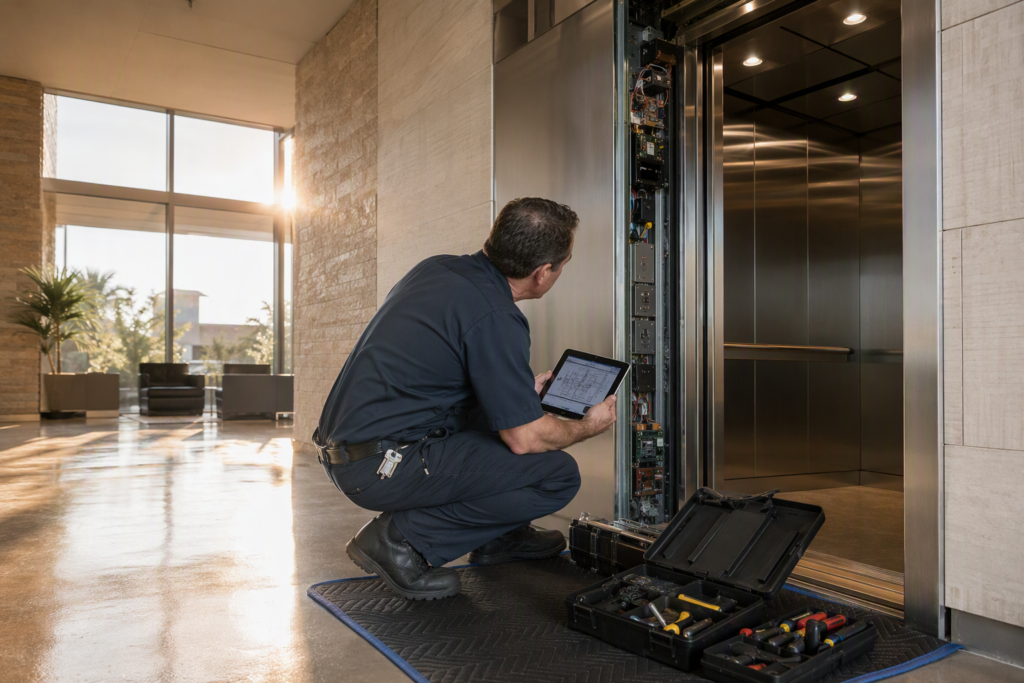
A structured pre-summer maintenance protocol reduces the risk of heat-related shutdowns during the months when elevator demand is highest and service disruption is most costly.
- Inspect and service the machine room HVAC or ventilation system. Confirm that cooling equipment is functional, clean, and sized to maintain the manufacturer’s required ambient temperature range. Replace filters and clear any ductwork obstructions before temperatures climb.
- Test and change hydraulic fluid. Have a qualified technician sample and assess hydraulic fluid condition. Replace fluid that is oxidized, contaminated, or outside the viscosity specification for summer operating temperatures. Verify that the hydraulic power unit is leak-free.
- Lubricate hoist ropes, guide rails, and sheaves. Apply manufacturer-approved lubricants rated for high-temperature performance. Inspect ropes for broken wires, kinking, or unusual wear patterns per ASME A17.1 requirements.
- Test the door operator system. Clean and align door tracks and sills. Verify safety edge and light curtain sensitivity. Adjust door timing to account for seasonal rail expansion.
- Test emergency systems. Confirm that battery-powered lowering, emergency lighting, and alarm communication systems function correctly. Replace batteries that show reduced capacity — heat degrades battery performance faster than any other factor.
- Inspect and clean the controller and drive cabinet. Remove dust accumulation from cooling vents and internal components. Verify that cabinet cooling fans operate correctly. Inspect wiring for insulation cracking or discoloration that may indicate prior overheating.
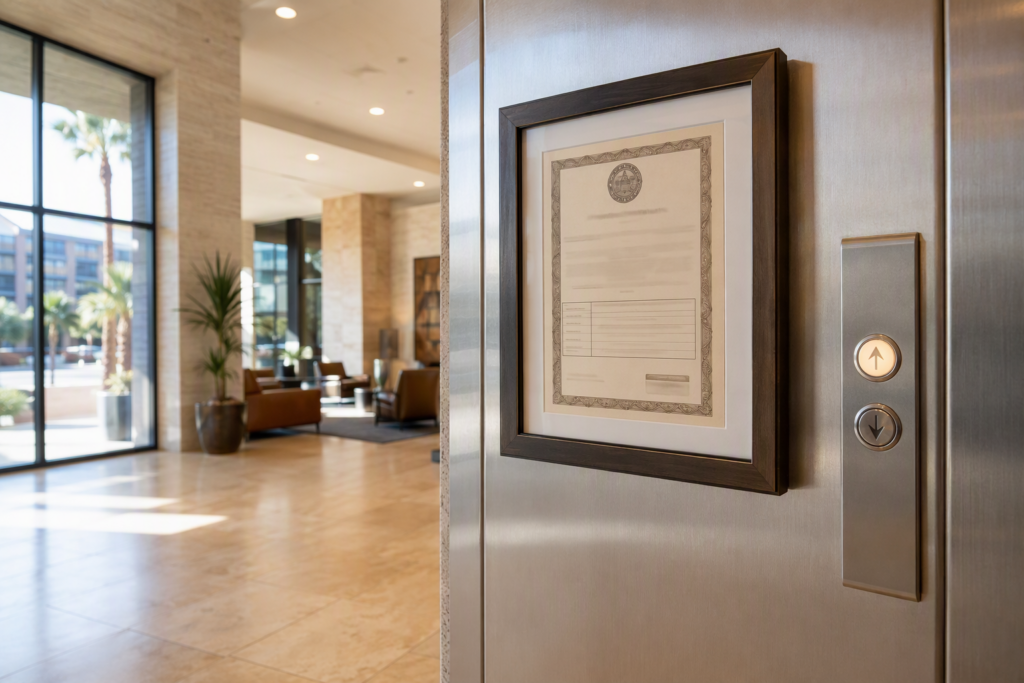
- Review and update the maintenance log. Confirm that all maintenance activities are documented as required under ASME A17.1 and that the current ADOSH inspection certificate is posted in the elevator car.
- Schedule a full category inspection if one is due. Coordinate with a licensed elevator inspection company to complete any required periodic inspection before summer building load increases.
How Often Should Elevators Be Inspected in Arizona?
Under Arizona’s adoption of ASME A17.1 and A17.3, elevators are subject to periodic inspections at intervals defined by the code and enforced by ADOSH. The specific inspection category and interval depend on equipment type and use classification. Building owners should confirm their current inspection status directly with ADOSH or through their licensed elevator service provider. Maintenance visits between formal inspections are the building owner’s responsibility and are not a substitute for the required periodic code inspection.
What Are the Signs That Heat Has Already Damaged My Elevator?
Building managers and facility staff should be alert to the following indicators of heat-related stress:
- Unexpected shutdowns or thermal fault codes displayed on the controller
- Rough, slow, or jerky starts on hydraulic units, particularly after the system has been idle during cooler overnight hours
- Burning or electrical odors near the machine room or controller cabinet
- Door faults, slow door operation, or doors that reverse without obstruction
- Emergency lighting that is dim or fails to illuminate during a test
- Visible hydraulic fluid staining around the power unit or cylinder area
Any of these symptoms warrants a professional service call before continuing normal elevator operation.
Does Heat Affect Compliance With the ADA?
Heat-related failures can create ADA compliance issues when elevator outages leave people with disabilities without accessible vertical transportation in a facility that is required to provide it. Building owners have an ongoing obligation under the ADA to maintain accessible features in working order. Proactive summer maintenance reduces the risk of extended outages that could trigger complaints or enforcement action.
Does Arizona Elevator Solutions Offer Emergency Elevator Service in Phoenix?
Arizona Elevator Solutions provides emergency elevator service across Phoenix and throughout Arizona. When an elevator goes out of service unexpectedly — particularly during a summer heat event — building owners can contact the Arizona Elevator Solutions team for urgent support. Emergency availability is offered to help minimize disruption and address safety concerns as quickly as operationally possible. Contact Arizona Elevator Solutions directly for information about current service availability for your location.
What Markets Does Arizona Elevator Solutions Serve?
Arizona Elevator Solutions serves commercial, residential, government, healthcare, and industrial elevator customers across Phoenix, Scottsdale, Tempe, Mesa, Chandler, Glendale, Peoria, and communities throughout the greater Phoenix metro area and statewide. Local technicians are familiar with the specific heat and environmental conditions that Arizona buildings face, and service protocols are calibrated accordingly — not adapted from programs designed for more temperate climates.
Schedule a Free Consultation
Do not wait until a heat-related shutdown disrupts your building operations. Arizona Elevator Solutions is ready to assess your elevator system, develop a pre-summer maintenance plan, and ensure your equipment is prepared for another Arizona summer. Contact the team today to get started.
Call Arizona Elevator Solutions: 480-557-7600
Arizona Elevator Solutions — Serving Phoenix, AZ and communities throughout Arizona with certified elevator maintenance, inspection, and repair services.
Need elevator service you can rely on? Arizona Elevator Solutions is ready to help.