Elevator Code Violations in Phoenix, AZ | Arizona Elevator Solutions
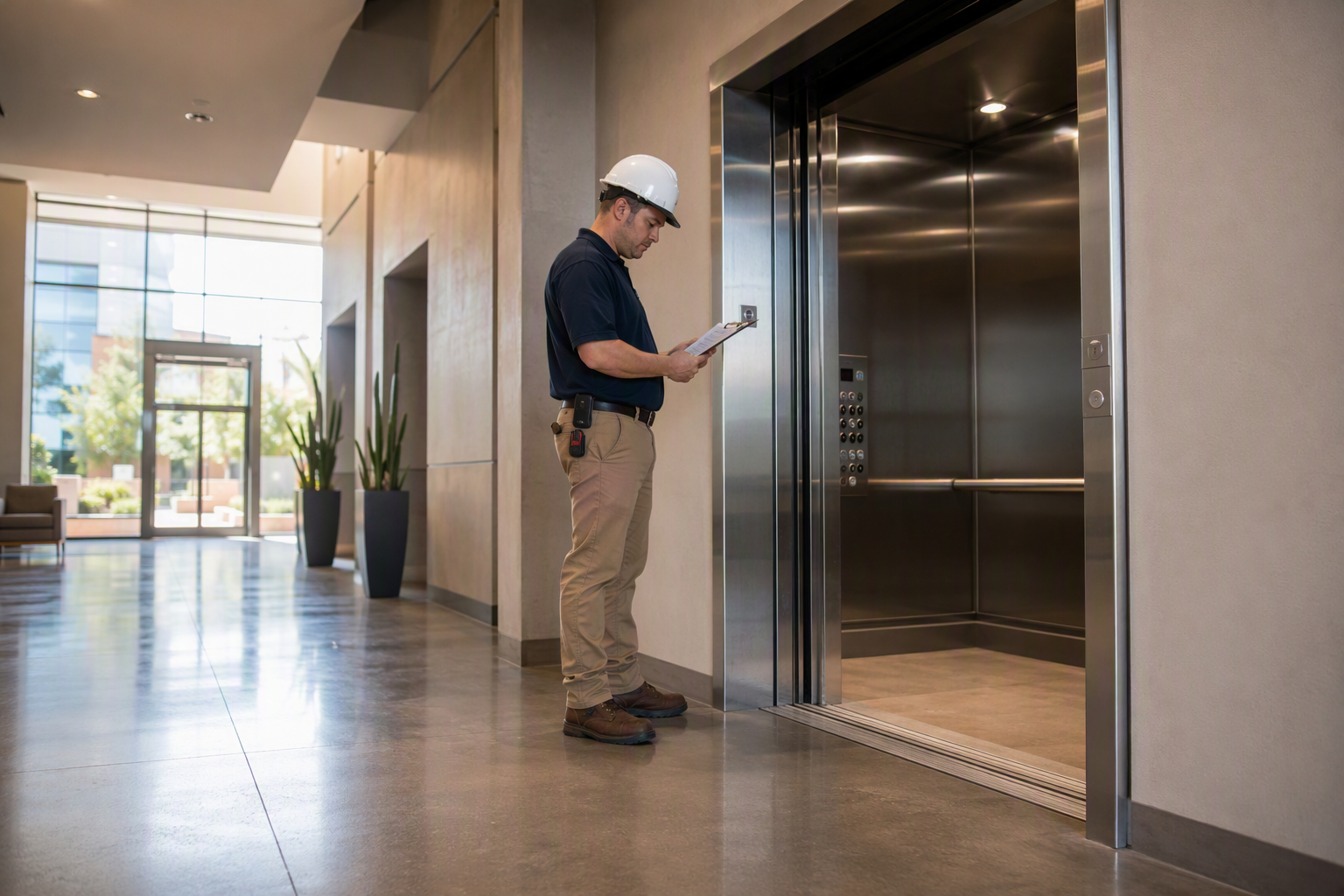
Arizona building owners and facility managers face real consequences when elevators fail inspection — from mandatory shutdowns to costly fines. Understanding which code violations appear most frequently during Arizona elevator inspections, and knowing the correct path to fix them, helps property owners stay compliant, protect occupants, and avoid disruption. Arizona Elevator Solutions provides certified elevator inspection and repair services throughout Phoenix and across the state of Arizona, helping clients navigate exactly these challenges.
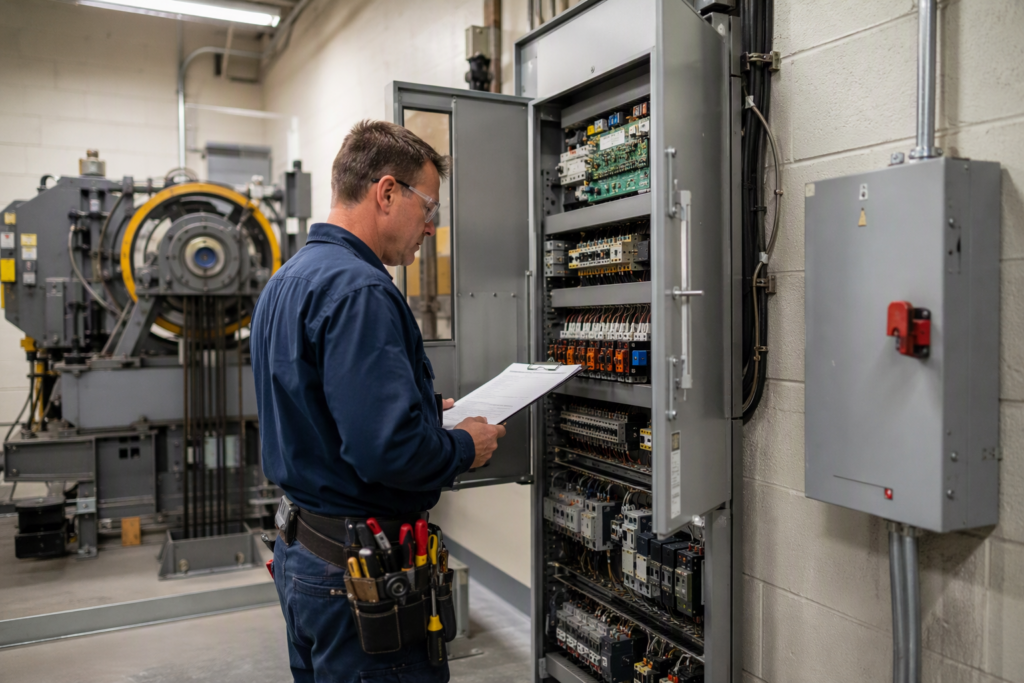
Arizona has adopted the ASME A17.1 Safety Code for Elevators and Escalators as its foundational standard for new and existing elevator installations. Existing installations are also governed by ASME A17.3, Safety Code for Existing Elevators and Escalators. Arizona’s State Elevator Safety Program, administered through the Industrial Commission of Arizona (ICA), enforces these standards statewide and requires periodic inspections by licensed inspectors.
—
What Are the Most Frequently Cited Elevator Code Violations in Arizona?
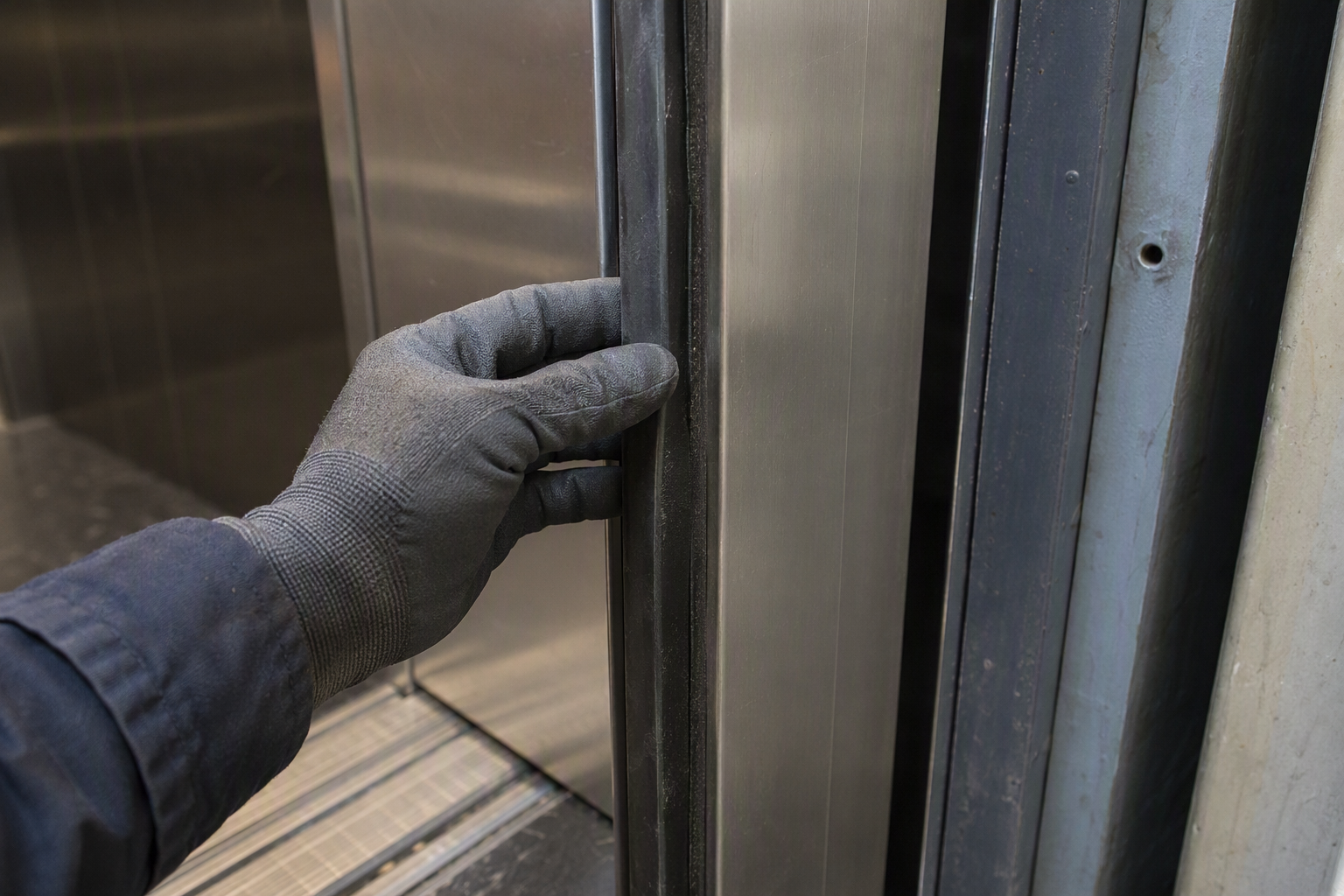
During Arizona elevator inspections, certain deficiencies appear with notable regularity. Understanding these patterns helps building owners prioritize maintenance budgets and corrective action plans.
- Defective or missing door safety devices: Elevator door reopening devices — including light curtains and safety edges — are required to detect obstructions and reverse door movement. Worn, misaligned, or non-functional devices are among the most cited violations.
- Inadequate cab lighting: Elevator interiors must maintain minimum lighting levels. Burned-out fixtures, missing emergency lighting, or lighting that fails to activate on power loss are common deficiencies.
- Non-functional emergency communication systems: Every elevator cab must be equipped with a two-way communication system capable of connecting occupants with emergency assistance. Systems that are disconnected, malfunctioning, or routing to an unmonitored line are frequently flagged.
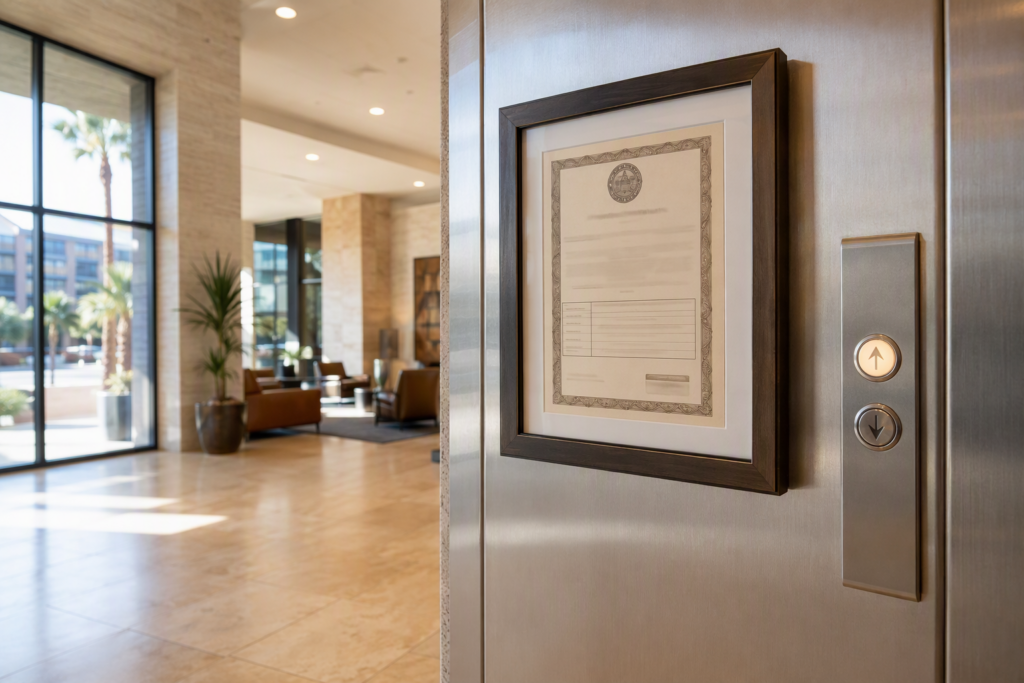
- Expired or missing inspection certificates: Arizona requires that valid inspection certificates be posted in the elevator cab. Missing, expired, or improperly displayed certificates are a direct violation.
- Overdue or incomplete maintenance records: Documentation of required maintenance activities must be kept current and available for inspector review. Gaps in maintenance logs often signal deferred servicing.
- Oil and hydraulic fluid leaks: Hydraulic elevator systems with visible fluid leaks are flagged for both environmental and safety reasons.
- Worn or damaged hoistway components: Guide rails, buffers, and compensation equipment that show excessive wear or physical damage are cited under ASME A17.1 and A17.3 standards.
- Non-compliant pit conditions: Elevator pits must meet specific requirements for lighting, ladder access, stop switches, and water intrusion. Flooded, inadequately lit, or improperly equipped pits are common findings.
—
Which Arizona Agency Oversees Elevator Inspections and Enforcement?
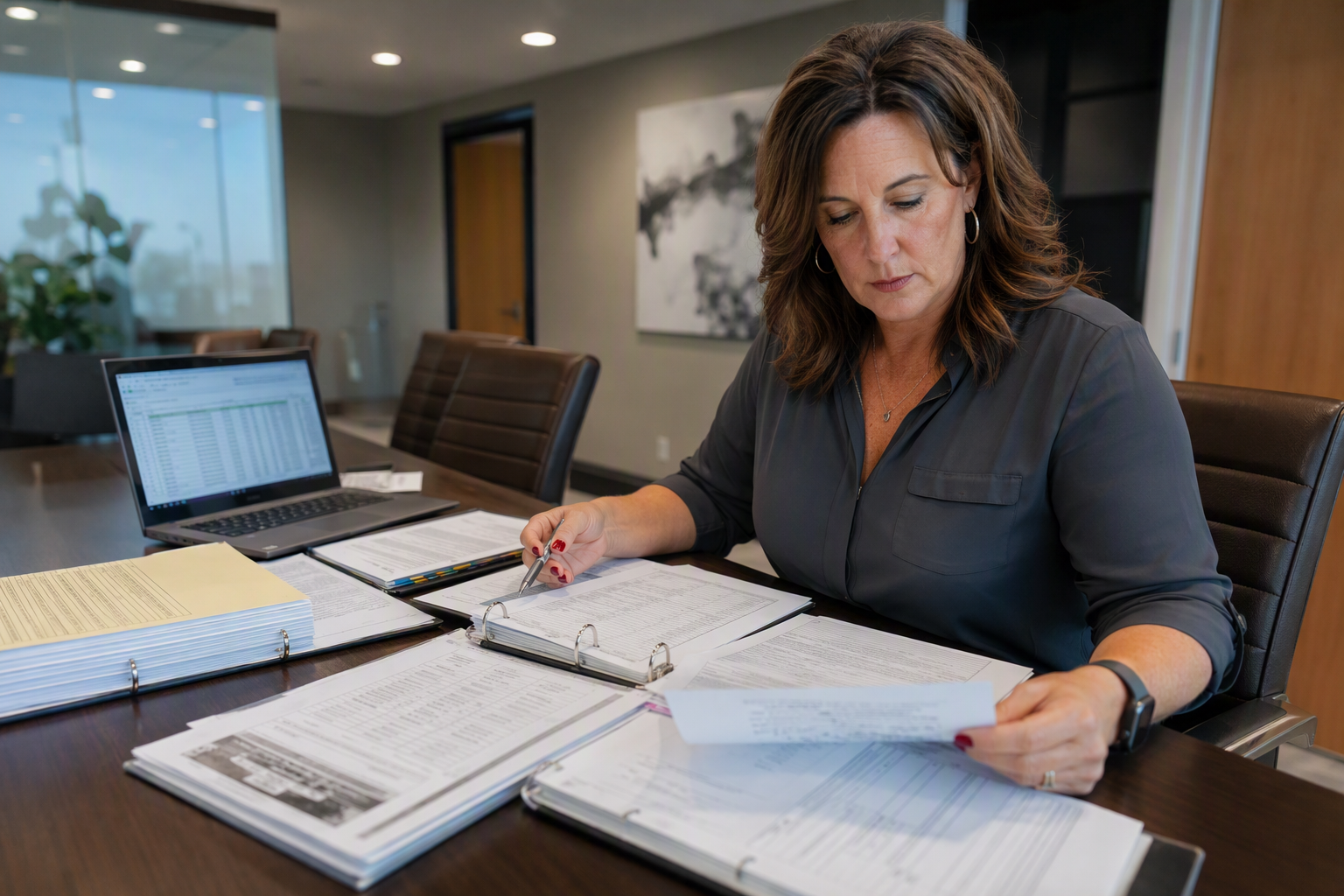
The Industrial Commission of Arizona (ICA) — through its Elevator Safety Unit — is the authority having jurisdiction (AHJ) for elevator inspections across Arizona, including Phoenix. The ICA licenses elevator inspectors, issues certificates of operation, and enforces compliance with ASME standards as adopted by Arizona statute. Building owners who receive a violation notice from the ICA must respond within the timeframe specified in the notice or risk mandatory shutdown orders.
In addition to state inspections, properties subject to federal accessibility requirements must also align with Americans with Disabilities Act (ADA) standards, which govern elevator accessibility features including control panel height, floor indicators, audible signals, and Braille markings.
—
How Do I Fix Common Elevator Code Violations Found During an Arizona Inspection?
- Obtain the full inspection report: Request the written inspection report from the ICA or your licensed inspector. Each cited item will include a code reference and a deadline for correction.
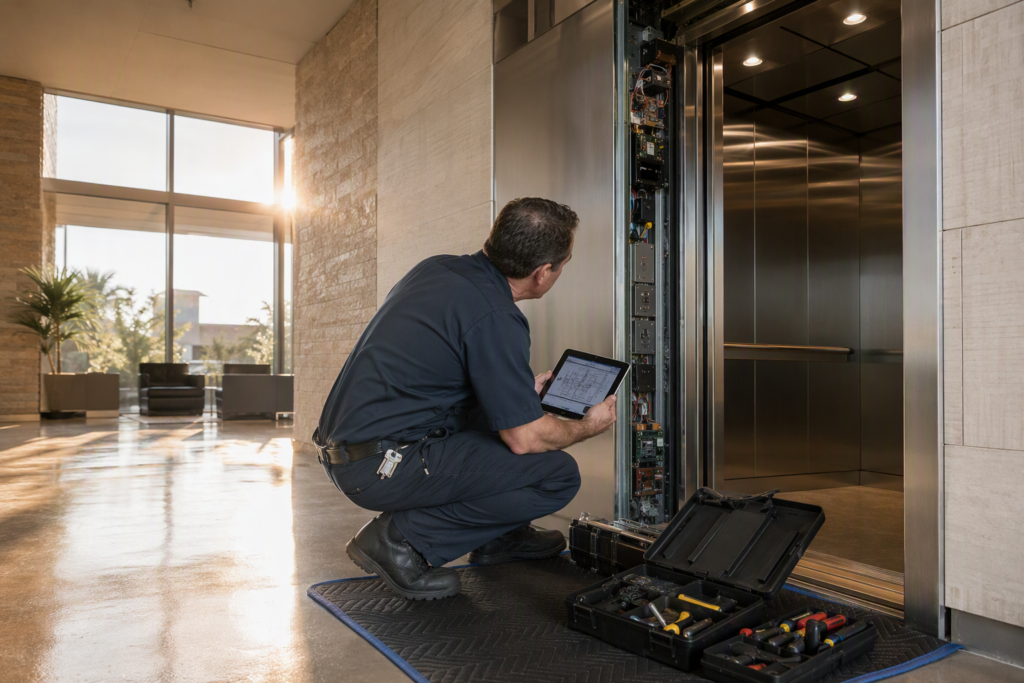
- Contact a licensed elevator service company: Only licensed elevator mechanics and contractors may perform corrective work on elevators in Arizona. Engage a qualified service provider promptly after receiving violation notices.
- Prioritize safety-critical violations: Violations involving door safety devices, emergency communication, and structural components typically require immediate attention to avoid shutdown orders.
- Schedule corrective repairs: Work with your elevator service provider to schedule and complete all required repairs, parts replacements, or system upgrades.
- Update maintenance documentation: Ensure that all corrective work is properly logged in the maintenance record book and that inspection certificates are current and posted in the cab.
- Request a follow-up inspection: Once corrections are complete, coordinate with the ICA or a licensed third-party inspector to verify compliance and close out the violation.
- Establish a preventive maintenance plan: Recurring violations are often the result of deferred maintenance. A structured preventive maintenance agreement helps avoid future inspection failures.
—
What Happens If an Elevator Fails Inspection in Arizona?
When an elevator fails a periodic inspection in Arizona, the ICA may issue a correction order specifying which violations must be remediated and by what date. If violations are serious enough to pose an immediate safety risk, the ICA has authority to order the elevator taken out of service until corrections are made and the unit passes a follow-up inspection. Operating an elevator under a shutdown order can result in civil penalties. Building owners are responsible for ensuring that out-of-service elevators are properly barricaded and that tenants, residents, or guests are notified of the service interruption.
—
How Often Are Elevators Required to Be Inspected in Arizona?
Under Arizona’s elevator safety program, elevators are subject to periodic inspections on intervals established by the ICA in accordance with the ASME standards Arizona has adopted. The specific inspection frequency can vary based on elevator type and use classification. Building owners should consult directly with the ICA or a licensed elevator service provider to confirm the applicable inspection schedule for their specific equipment. Staying ahead of inspection deadlines — rather than reacting after a violation — is the most effective compliance strategy.
—
Are ADA Accessibility Violations Cited During Arizona Elevator Inspections?
ADA compliance is a separate but related layer of elevator regulation. While the ICA’s inspection program focuses primarily on mechanical safety under ASME standards, building owners are independently responsible for ensuring that elevators serving public accommodations, commercial facilities, and multi-family housing meet ADA accessibility requirements. Common ADA-related elevator deficiencies include:
- Control buttons mounted outside the required reach range
- Missing or worn Braille designations on control panels
- Non-functional audible floor announcement systems
- Inadequate cab dimensions for wheelchair access
- Door timing that does not allow sufficient dwell time for individuals with mobility limitations
ADA violations can give rise to federal complaints and civil litigation independent of the state inspection process. A comprehensive elevator audit should address both ASME safety compliance and ADA accessibility simultaneously.
—
What Should I Look for When Choosing an Elevator Service Company in Phoenix?
When selecting an elevator service provider in Arizona, building owners should verify that the company holds the appropriate state licensing required by the ICA, employs mechanics with recognized industry credentials, and carries adequate liability insurance. A provider with demonstrated familiarity with Arizona’s adopted code editions and the ICA’s inspection and enforcement processes is better positioned to identify violations before inspectors do and to prepare documentation that satisfies ICA requirements. Experience serving the Phoenix metropolitan area — including commercial office buildings, multi-family residential properties, healthcare facilities, hotels, and mixed-use developments — is a meaningful indicator of relevant local expertise.
—
Can Elevator Code Violations Affect My Property Insurance or Liability Exposure?
Unresolved elevator code violations can have meaningful implications beyond regulatory penalties. Commercial property insurers increasingly scrutinize elevator maintenance records as part of underwriting and renewal processes. An elevator that operates with known, uncorrected violations and is involved in an incident may create significant liability exposure for the building owner. Maintaining a clean inspection record and documented preventive maintenance history demonstrates due diligence and can support more favorable insurance outcomes. Arizona building owners are encouraged to treat elevator compliance as an ongoing operational priority rather than a periodic event.
—
Does Arizona Elevator Solutions Serve Areas Beyond Phoenix?
Arizona Elevator Solutions provides elevator inspection, maintenance, repair, and code compliance services throughout the state of Arizona. In addition to Phoenix, the company serves the greater Maricopa County area, Tucson, Scottsdale, Tempe, Mesa, Chandler, Gilbert, Glendale, and communities across Arizona. Whether a property is a high-rise in downtown Phoenix or a mid-size commercial building in a suburban market, Arizona Elevator Solutions brings knowledge of Arizona’s elevator regulatory environment and ASME-based compliance requirements to every engagement.
—
Schedule a Free Consultation with Arizona Elevator Solutions
If your elevator has received a violation notice, is approaching its next inspection, or has not been evaluated recently, Arizona Elevator Solutions is ready to help. The team provides comprehensive code compliance assessments, corrective repair services, and preventive maintenance programs tailored to Arizona building owners and facility managers.
Contact Arizona Elevator Solutions today to schedule your free consultation:
480-557-7600
Arizona Elevator Solutions — Serving Phoenix, AZ and communities throughout Arizona with certified elevator safety and compliance expertise.
Need elevator service you can rely on? Arizona Elevator Solutions is ready to help.