Elevator Service in Phoenix, AZ | Arizona Elevator Solutions
Office buildings in Phoenix and across Arizona that operate passenger elevators carry a defined set of compliance obligations. These obligations span initial installation approval, periodic state inspections, ongoing preventive maintenance, and federal accessibility requirements. Understanding each layer of compliance helps building owners and property managers avoid violations, protect occupants, and maintain uninterrupted elevator service.
What State Agency Oversees Elevator Compliance in Arizona?
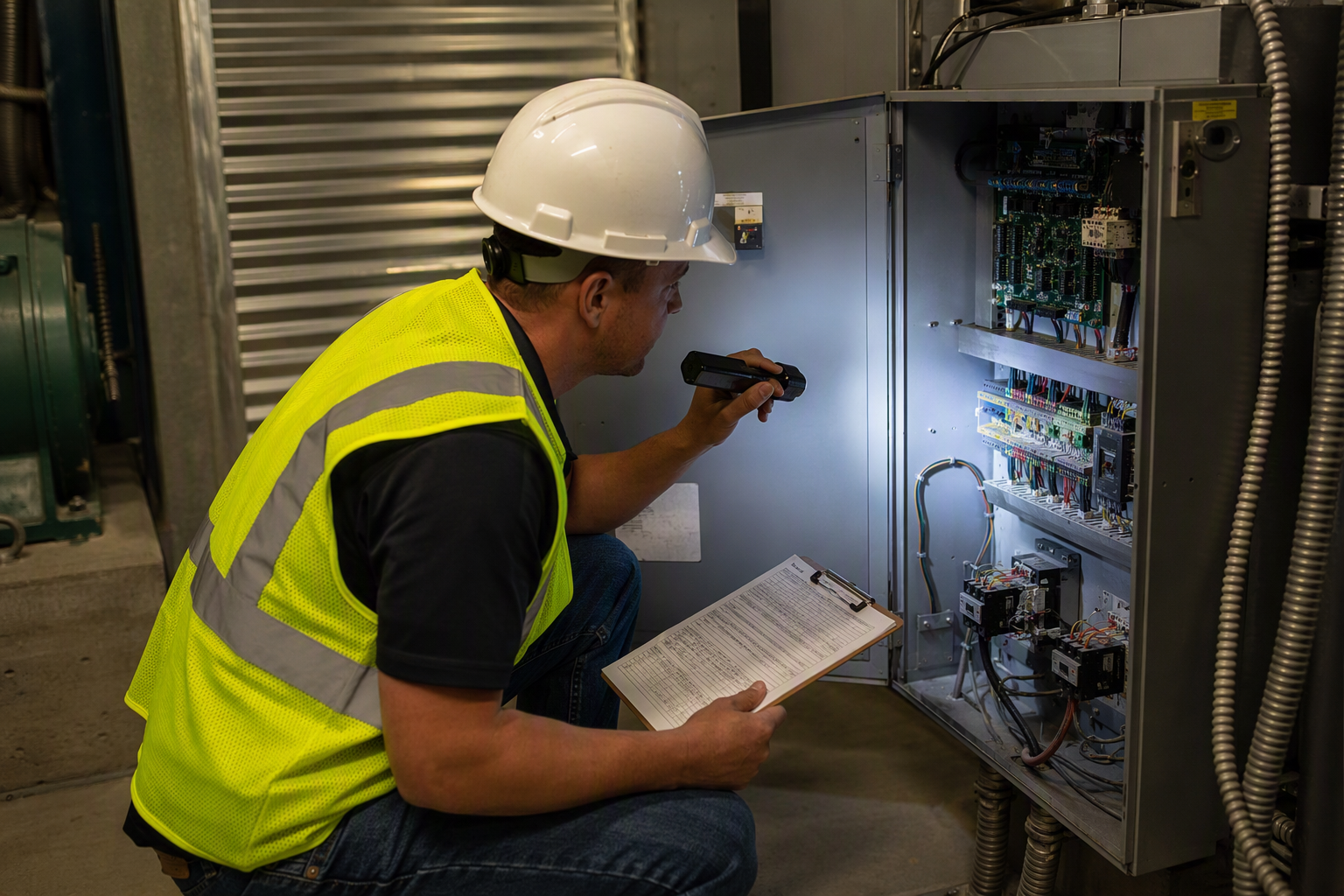
In Arizona, elevator safety is regulated by the Arizona Division of Occupational Safety and Health (ADOSH), which operates under the Industrial Commission of Arizona. ADOSH enforces the state’s elevator safety rules, issues certificates of operation, and conducts periodic inspections of conveyances — a category that includes passenger elevators, freight elevators, escalators, and platform lifts.
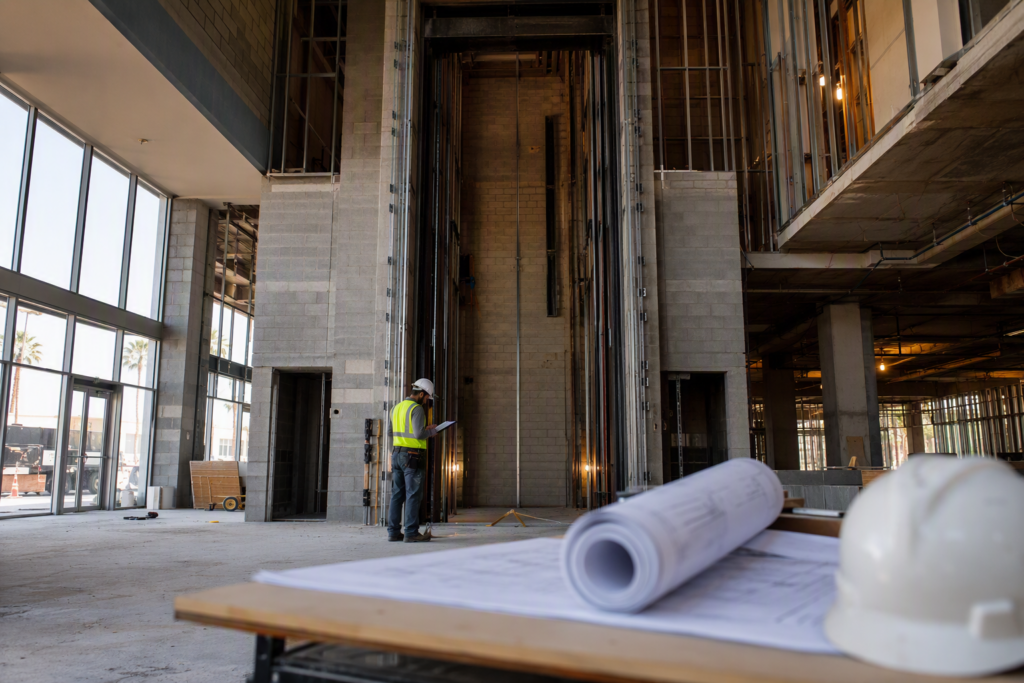
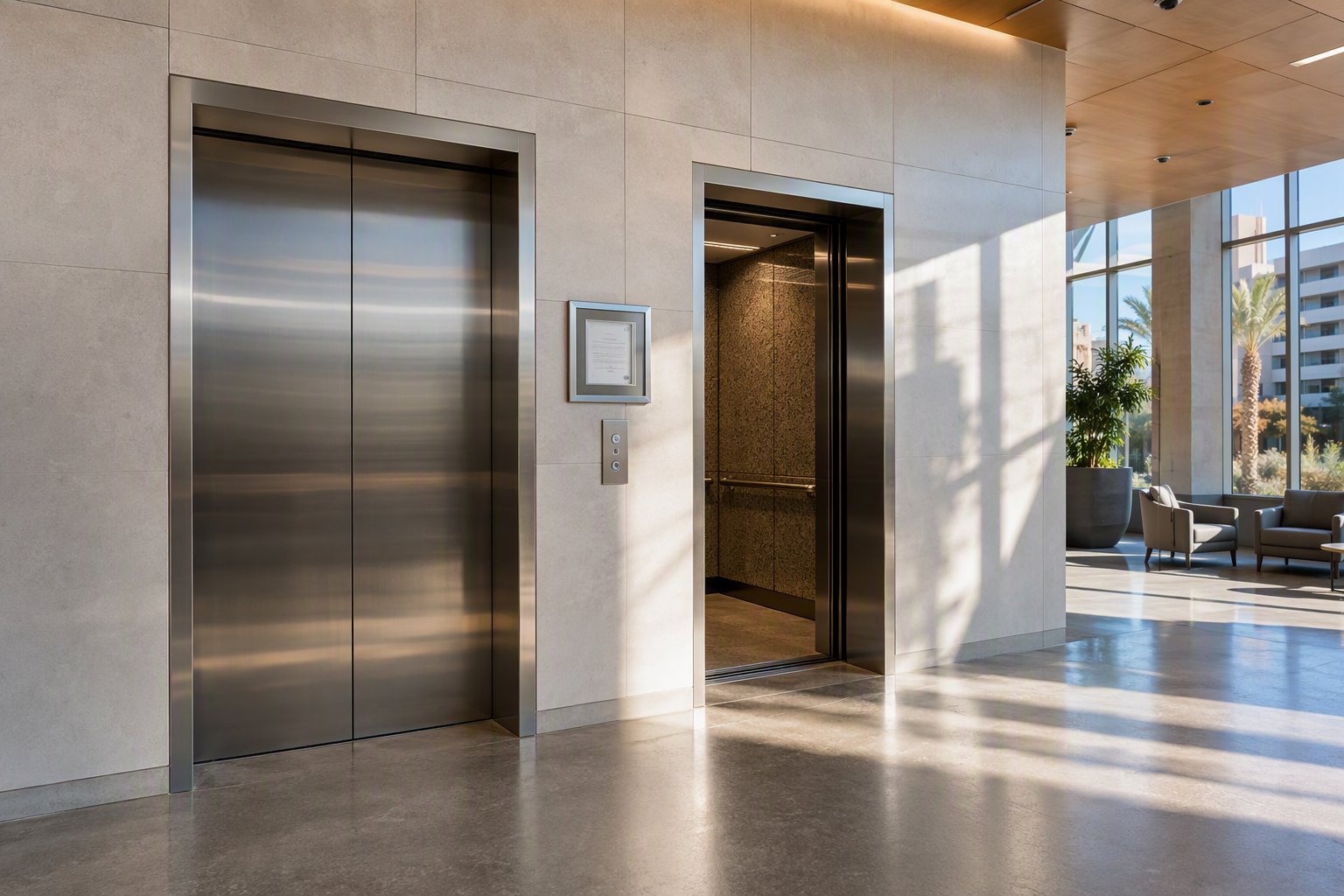
Before any new elevator in a Phoenix office building is placed into service, ADOSH or a state-licensed third-party inspector must inspect and approve the installation. The building owner is then issued a certificate of operation, which must be kept current and is typically posted inside or near the elevator cab. Operating an elevator without a valid certificate is a compliance violation that can result in mandatory shutdown.
Which Elevator Safety Code Applies to Arizona Office Buildings?

Arizona adopts the ASME A17.1 Safety Code for Elevators and Escalators as the technical foundation for elevator construction, installation, alteration, and maintenance. As of 2026, building officials and inspectors reference current adopted editions of this code when evaluating compliance.
The ASME A17.1 code governs critical technical requirements including:
- Hoistway and machine room construction standards
- Safety device requirements (governors, buffers, safeties)
- Electrical and control system specifications
- Door operation and interlock requirements
- Emergency lighting and communication systems within the cab
- Maintenance, repair, and testing intervals
When an office building undergoes renovation or a major alteration to an existing elevator, the altered components must meet current code requirements at the time of the alteration, even if the original installation predates the current edition.
How Often Must Elevators in Arizona Office Buildings Be Inspected?
Arizona requires periodic inspections of elevators to maintain a valid certificate of operation. The ASME A17.1 Safety Code for Elevators and Escalators provides the framework for inspection categories, which ADOSH applies in practice. Inspections generally fall into two types:
- Periodic inspections: Routine visual and operational inspections conducted at intervals established by state rule.
- Periodic tests: More comprehensive tests of safety devices, governors, buffers, and other critical systems, conducted at longer intervals defined by the adopted code.
Building owners and property managers are responsible for scheduling inspections, maintaining documentation, and ensuring the elevator is ready and accessible for the inspector. Failure to complete a required inspection by its due date can result in an expired certificate and a directive to remove the elevator from service.
What ADA Accessibility Requirements Apply to Office Building Elevators?
The Americans with Disabilities Act (ADA) requires that elevators in most multi-story office buildings be accessible to individuals with disabilities. The ADA Standards for Accessible Design — which draw from ADA Accessibility Guidelines — specify requirements for:
- Minimum cab dimensions to accommodate wheelchair users
- Accessible call button placement and height
- Raised and Braille floor designations on hoistway jambs and car control panels
- Audible and visual signals indicating car arrival and direction of travel
- Automatic door reopening devices that respond to obstruction
- Leveling accuracy to ensure flush landings with each floor
The ADA also applies to alterations — any time a significant modification is made to an elevator in a commercial office building, the altered elements must meet current ADA standards. Building owners who are uncertain about their ADA compliance status should have a qualified elevator service company conduct a compliance assessment.
What Are the Ongoing Maintenance Obligations for Office Building Elevators?
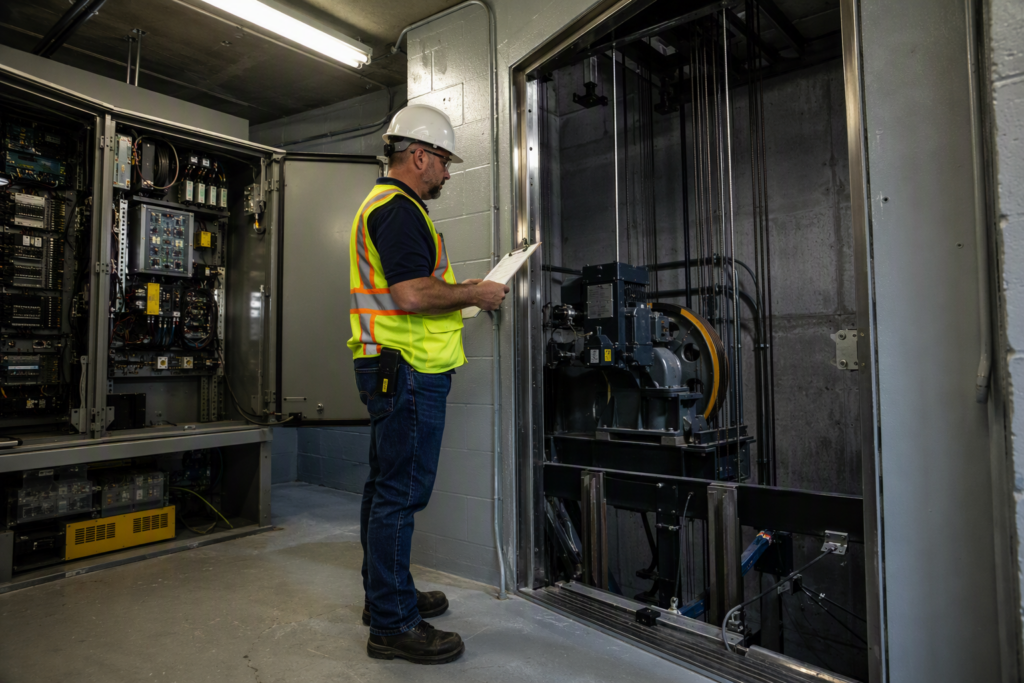
Under the ASME A17.1 Safety Code for Elevators and Escalators, building owners are obligated to maintain their elevators in a safe operating condition at all times, not merely at the point of inspection. This means a documented, ongoing maintenance program is a code requirement — not an optional service.
A compliant maintenance program for an Arizona office building elevator typically includes:
- Regular lubrication of mechanical components
- Inspection and adjustment of door operators and safety edges
- Testing of safeties, governors, and emergency stop functions
- Review and testing of emergency communication systems
- Documentation of all maintenance tasks and findings
OSHA standards may also apply to elevator-related work performed by service technicians, particularly in areas such as lockout/tagout procedures and machine room safety, adding an additional compliance dimension for building operators managing contracted elevator service.
What Happens If an Office Building Elevator Fails an Inspection?
When an elevator fails an Arizona ADOSH inspection, the inspector issues a written notice of violation or order to correct. Depending on the severity of the deficiency, the elevator may be allowed to remain in service pending correction, or it may be ordered out of service immediately until the violation is remedied.
Building owners should follow this process upon receiving a failed inspection notice:
- Review the inspection report carefully to identify all cited deficiencies.
- Contact a licensed elevator service company promptly to evaluate the scope of required repairs.
- Obtain a written repair proposal and confirm the work addresses each cited item.
- Schedule repairs and document all work performed with invoices and technician records.
- Request a re-inspection from ADOSH or the authorized third-party inspector once repairs are complete.
- Retain all inspection reports and repair records as part of the building’s elevator compliance file.
Timely response is important. Delays in addressing violations extend the period of non-compliance and may increase exposure to penalties or liability.
How Should Office Building Owners Choose an Elevator Service Company in Arizona?
Selecting a qualified elevator service provider is a compliance decision as much as an operational one. Building owners in Phoenix and surrounding Arizona communities should evaluate service companies based on several factors:
- State licensing: Arizona requires elevator mechanics and contractors to hold appropriate licenses through ADOSH or the relevant licensing authority. Verification of licensure is a basic due-diligence step.
- Familiarity with ADOSH requirements: A company with deep experience in Arizona’s specific inspection and documentation requirements reduces compliance risk.
- Scope of services: The ability to handle routine maintenance, modernization, emergency repairs, and inspection preparation under one service relationship simplifies coordination.
- Documentation practices: A provider that delivers thorough maintenance logs and inspection-ready records supports the building owner’s compliance obligations.
- Emergency availability: Office buildings require a service provider who can respond when elevators malfunction outside of business hours — confirm how the company handles after-hours service calls.
Arizona Elevator Solutions serves commercial office buildings throughout the Phoenix metro area and broader Arizona markets, providing maintenance programs, compliance assessments, modernization services, and emergency repair support tailored to the specific regulatory environment Arizona building owners navigate.
Does Elevator Compliance Affect Commercial Property Insurance or Liability?
Maintaining a current certificate of operation and a documented maintenance program does more than satisfy regulatory requirements — it also supports a building owner’s position in the event of an insurance claim or personal injury litigation. Insurers writing commercial property and general liability policies often require evidence of current elevator inspection certificates and may conduct their own audits of maintenance records.
A lapse in compliance — such as an expired certificate or a gap in maintenance documentation — can create exposure that extends beyond a regulatory fine. Building owners are well-served by treating elevator compliance as part of their broader risk management program rather than a standalone regulatory burden.
Schedule a Free Consultation
Arizona Elevator Solutions works with Phoenix-area office building owners and property managers to assess compliance gaps, establish maintenance programs aligned with ADOSH requirements and the ASME A17.1 Safety Code for Elevators and Escalators, and prepare elevators for periodic state inspections.
To discuss your building’s elevator compliance obligations or to schedule a site assessment, contact Arizona Elevator Solutions at 480-319-7157.
Need elevator service you can rely on? Arizona Elevator Solutions is ready to help.