Elevator Modernization Cost in Arizona: A Complete FAQ Guide
Elevator modernization is one of the most significant capital investments a building owner or property manager can make. Whether managing a commercial high-rise in Phoenix, a mid-rise residential building in Scottsdale, a medical facility in Tucson, or a mixed-use property in Mesa, understanding what drives modernization costs — and what compliance obligations apply — is essential to budgeting accurately and avoiding costly surprises. This FAQ hub page covers every major dimension of elevator modernization cost and scope in Arizona.
What does elevator modernization typically cost in Arizona?
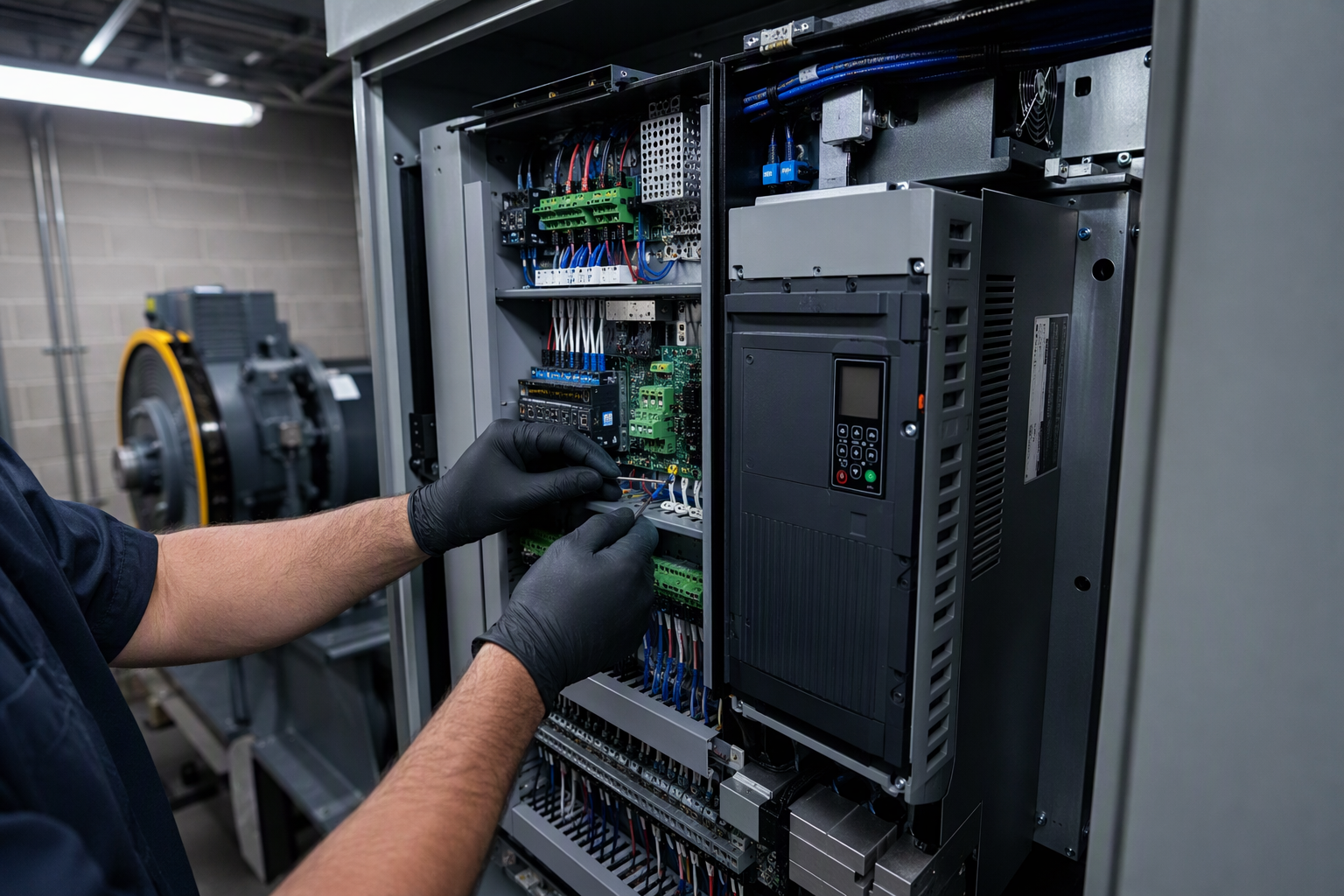
Elevator modernization in Arizona varies widely depending on the scope of work, and no single price applies to every project — costs range from targeted component replacements to full system replacements that approach the price of new elevator installation.
Modernization is not a single service — it is a spectrum. At the lower end, a partial modernization might address only the control system or cab interior. At the upper end, a full modernization replaces the machine, controller, safety components, cab, and all electrical wiring. Because Arizona’s climate — with extreme heat cycling in Phoenix, Scottsdale, and Mesa — accelerates wear on mechanical and electrical components, many properties find that partial modernizations completed earlier ultimately cost more than a comprehensive approach would have. A qualified elevator contractor will assess the current system condition and provide a detailed scope of work before any cost figure is meaningful.
What factors most significantly affect the price of elevator modernization?
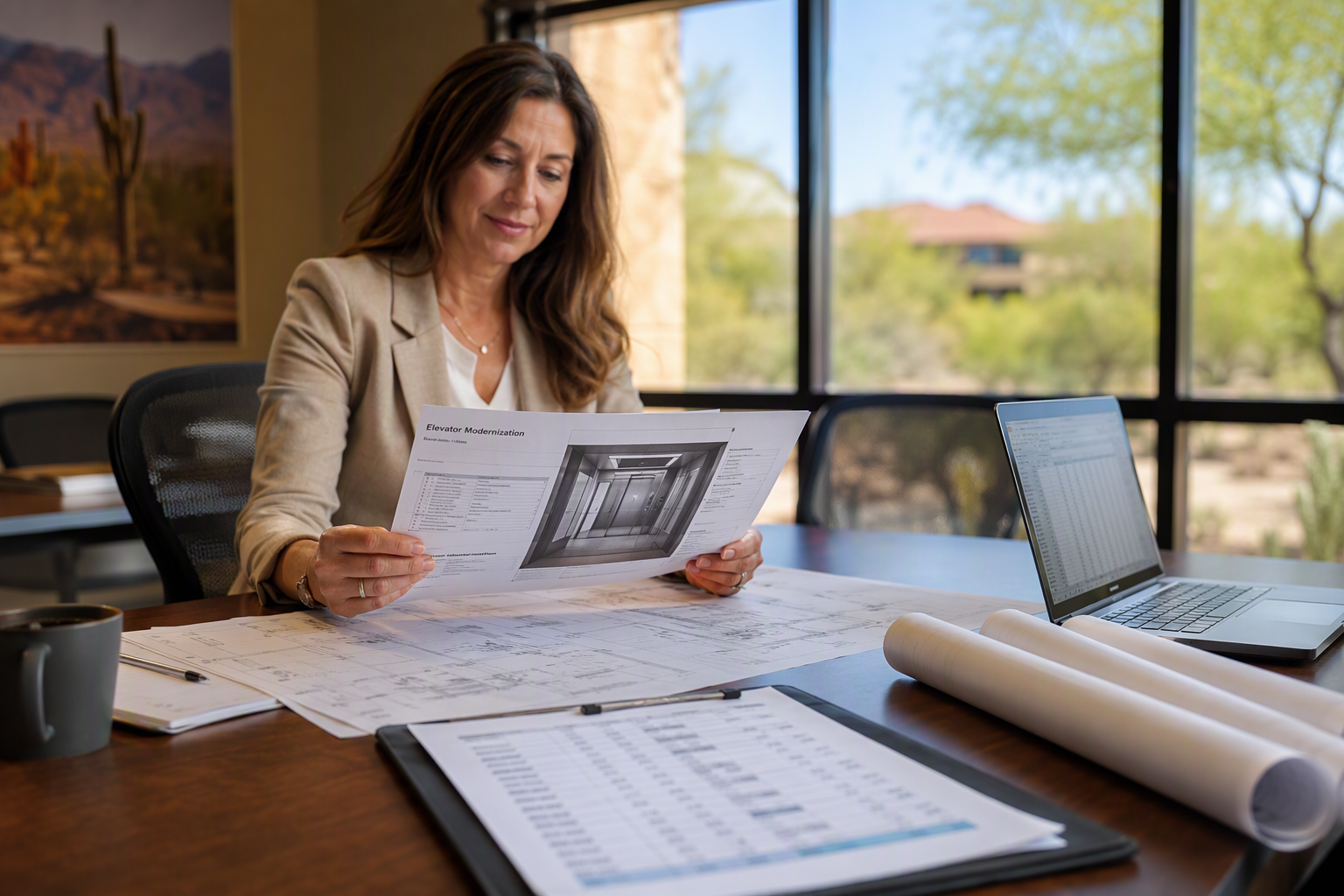
The primary cost drivers are elevator type and configuration, age of the existing system, number of floors served, the scope of compliance upgrades required, equipment manufacturer decisions, and local permitting requirements in Arizona.
Each of these factors compounds the others. An older traction elevator in a 12-story Phoenix office building that requires full ADA cab upgrades, new controller technology, machine room modifications, and updated safety devices will cost substantially more than replacing the controller on a 3-stop hydraulic elevator in a Mesa retail center. Understanding each factor individually helps building owners prioritize scope and sequence modernization work strategically.
What is the difference between a partial and a full elevator modernization?
A partial modernization targets specific components — such as the controller, cab interior, or door operator — while a full modernization replaces the majority or entirety of the elevator’s mechanical, electrical, and safety systems.
Partial modernizations are appropriate when a system is otherwise in sound condition but has specific failing or obsolete components. Common partial modernization projects include controller replacements (often triggered by obsolete parts availability), cab interior refurbishment for aesthetic or ADA compliance reasons, door operator replacements to improve reliability and meet code requirements, and hydraulic unit replacements for single-cylinder hydraulic elevators. Full modernizations are typically warranted when a system is beyond its useful service life, when parts are no longer available from any source, or when the cost of ongoing maintenance has become unsustainable. Arizona Elevator Solutions conducts detailed assessments to determine which approach best fits the condition and long-term goals of each specific elevator system.
How does elevator type affect modernization cost?
Elevator type — hydraulic, geared traction, gearless traction, or machine-room-less (MRL) — fundamentally shapes the scope and cost of modernization because each technology has distinct components, code requirements, and replacement pathways.
| Elevator Type | Common Applications in Arizona | Typical Modernization Scope Drivers | Key Code Considerations |
|---|---|---|---|
| Hydraulic (single-cylinder) | Low-rise commercial, retail, residential (2–5 stops) | Tank and unit replacement, single-bottom cylinder leak remediation, controller upgrade | ASME A17.1 hydraulic unit requirements; single-bottom cylinder phase-out provisions |
| Hydraulic (roped) | Mid-rise commercial (4–7 stops) | Controller, pump unit, rope and sheave condition | ASME A17.1; underground cylinder inspection requirements |
| Geared Traction | Mid-rise office, hotels (5–15 stops) | Machine, controller, motor, brake, governor, ropes | ASME A17.1 and A17.3 retrofits; safety device upgrades |
| Gearless Traction | High-rise commercial, hospitals (10+ stops) | Motor and drive, controller, ropes, sheaves, safety systems | ASME A17.1 and A17.3; seismic considerations per applicable code editions |
| Machine-Room-Less (MRL) | Newer mid-rise construction | Controller, drive, rope replacement; limited machine access complications | ASME A17.1 MRL-specific provisions |
How does building height and number of stops affect modernization cost?
Each additional floor served by an elevator increases the length of hoist ropes or hydraulic piping, the complexity of the controller’s landing logic, and the quantity of landing fixtures and door equipment that must be replaced or upgraded.
A 3-stop elevator in a Mesa medical office building requires a fraction of the wiring, call buttons, indicators, and door operators that a 20-stop high-rise elevator in downtown Phoenix demands. In addition, taller buildings with higher-speed elevators require more sophisticated drive and control technology, which carries a higher equipment cost. Multi-elevator installations where modernization must be phased to keep at least one unit in service also add project management complexity and cost. When multiple elevators in a bank are modernized simultaneously, some economies of scale in mobilization and permitting costs may be realized.
What Arizona-specific code and compliance requirements affect modernization scope and cost?
Arizona elevator modernization projects must comply with the ASME A17.3 Safety Code for Existing Elevators and Escalators as adopted by the state, as well as applicable ADA accessibility requirements, and must be permitted and inspected through Arizona’s elevator safety program.
Arizona administers elevator safety through the Industrial Commission of Arizona (ICA), which oversees elevator permits, inspections, and licensing for contractors and inspectors operating in the state. Any modernization project that triggers a permit — which most meaningful scope of work will — requires plan review, a pre-inspection, and a final acceptance inspection before the elevator can return to service. Failure to permit modernization work is a serious compliance violation that can result in shutdown orders. The ASME A17.3 standard specifically addresses existing elevators and defines what safety upgrades are required when alterations are made, meaning that even a partial modernization can trigger the requirement to bring other systems into conformance with current safety codes. ADA compliance requirements for cab dimensions, door timing, control panel height, and auditory and visual indicators must also be addressed during any modernization that affects the cab or landing equipment.
Does Arizona require a permit and inspection for elevator modernization?
Yes — elevator modernization work in Arizona requires permits issued through the Industrial Commission of Arizona, and the elevator cannot be returned to public service until a licensed inspector has issued a certificate of inspection.
The permitting process begins with submitting plans and specifications to the authority having jurisdiction (AHJ), which in most Arizona jurisdictions is the Industrial Commission of Arizona. The permit fee, plan review timeline, and inspection scheduling all contribute to the overall project cost and timeline. Building owners in Phoenix, Tucson, Scottsdale, and Mesa should budget for permit fees and factor inspection lead times into their project schedules. Arizona Elevator Solutions manages the permitting and inspection process on behalf of clients, ensuring that documentation is accurate, complete, and submitted correctly to avoid delays.
How do ADA requirements affect elevator modernization costs in Arizona?
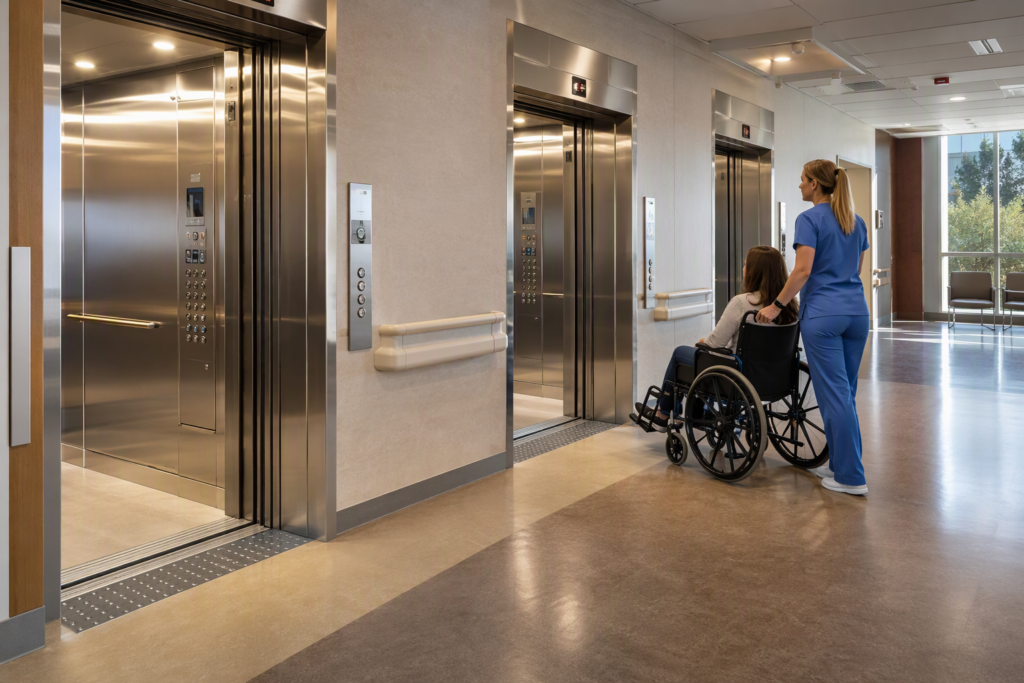
ADA requirements under the Americans with Disabilities Act mandate specific cab dimensions, door timing, control heights, Braille designations, and auditory signals, and any modernization project is an opportunity — and often a legal obligation — to achieve or restore full ADA compliance.
For many older elevators in Arizona, the cab interior does not meet current ADA dimensional or fixture requirements. When a modernization touches the cab, building owners should address all ADA deficiencies simultaneously, as this avoids the cost of reopening the cab for a second project later. Common ADA-driven modernization costs include new control panels at compliant heights with Braille designations, door reopening devices with compliant detection zones, leveling accuracy improvements to achieve flush landings, and visual and auditory floor indicators. Properties that serve the public or are subject to Title II or Title III of the ADA should consult with their attorney and elevator contractor to understand their specific obligations, which depend on building type, renovation history, and barrier removal feasibility.
What components are typically replaced during a full elevator modernization?
A full modernization generally replaces the controller, motor and drive system, hoist machine (for traction elevators), governor and safety devices, door operators and equipment, cab interior, hoist ropes or hydraulic unit, and all wiring and landing fixtures.
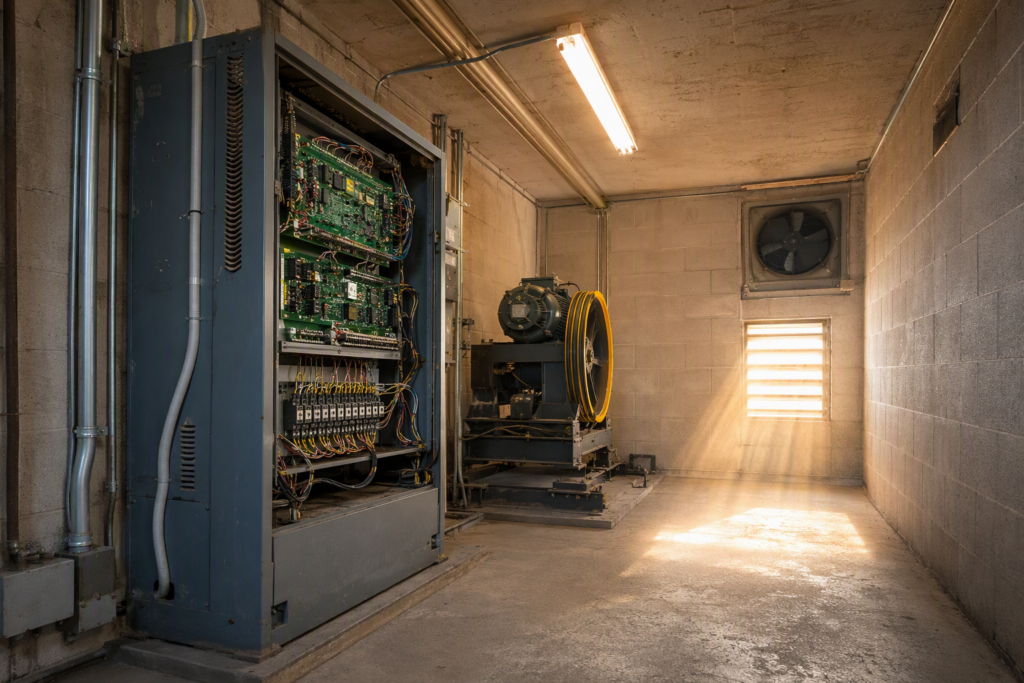
Each component category carries its own cost implications. The controller and drive system represent a significant share of the investment in most modernizations, as modern microprocessor-based controllers with variable-frequency drives offer substantially improved performance, diagnostics, and energy efficiency compared to older relay-logic systems. Hoist machine replacement for geared traction elevators requires careful coordination with machine room space constraints, which can be particularly relevant in older Phoenix commercial buildings where machine rooms were built to minimum dimensions. Cab interiors vary enormously in cost depending on finish selections — from functional compliance-focused refurbishment to full luxury cab design. All wiring replacement is labor-intensive but essential for long-term reliability.
How long does elevator modernization take in Arizona?
The timeline for elevator modernization in Arizona depends on scope, equipment lead times, permit review duration, and whether the building can tolerate elevator downtime — a full modernization may take several weeks to several months from contract execution to final inspection.
Equipment procurement is often the longest single variable in the modernization timeline. Custom components for older or unusual elevator configurations may have significant lead times. Arizona’s permit review process through the Industrial Commission adds time between project award and construction start. For occupied buildings — hospitals in Tucson, senior living facilities in Scottsdale, high-traffic office buildings in Phoenix — the schedule must be coordinated carefully to minimize service disruption. Arizona Elevator Solutions works with building owners and property managers to develop modernization schedules that minimize operational impact while meeting project milestones.
What is the process for completing an elevator modernization in Arizona?
Elevator modernization follows a structured sequence from assessment through final inspection, and skipping steps creates compliance risk and cost overruns.
- Conduct an elevator condition assessment: A licensed elevator contractor inspects the existing system, identifies deficiencies, codes gaps, and remaining useful life of all components.
- Define the scope of work: Based on the assessment, the contractor and building owner agree on whether partial or full modernization is warranted, and specify all components to be replaced or retained.
- Obtain a detailed proposal: The contractor provides a written scope of work and cost proposal, including equipment specifications and lead times.
- Execute the contract and order equipment: Once the contract is signed, equipment is ordered. Custom or specialized components may have extended lead times.
- Submit permit application: The contractor submits plans, specifications, and permit application to the Industrial Commission of Arizona (or the applicable local AHJ).
- Receive plan approval: The AHJ reviews and approves the submitted plans before field work begins.
- Complete the modernization installation: Licensed elevator mechanics perform the installation per the approved plans and ASME A17.1 requirements.
- Conduct a pre-inspection or witness test: The contractor performs internal testing and prepares for the official inspection.
- Schedule and pass the final inspection: A licensed elevator inspector from the ICA or an approved third-party inspection agency witnesses the final acceptance tests.
- Receive certificate of inspection and return elevator to service: Upon passing inspection, the certificate is issued and the elevator is returned to full public service.
How does the age of an elevator affect the modernization decision and cost?
Older elevators typically require broader modernization scope because more systems are simultaneously at or past their useful service life, parts availability has diminished, and the gap between existing conditions and current code requirements is greater.
An elevator installed in the 1970s or 1980s in a Phoenix or Tucson commercial building likely has relay-logic controls, DC motors, and wiring that are no longer maintainable with available parts. When a single component fails on such a system, the repair may require custom fabrication or may simply be impossible without broader system replacement. The ASME A17.3 code specifically addresses existing installations and establishes what must be upgraded when alterations are performed. Building owners with very old elevators often find that an honest condition assessment reveals that modernization is not merely a quality-of-life improvement but a near-term operational necessity.
Can elevator modernization improve energy efficiency, and does that affect the cost-benefit analysis?
Yes — modernization to variable-frequency drives (VFDs), LED cab lighting, and regenerative drive technology can meaningfully reduce elevator energy consumption, improving the long-term cost-benefit profile of the modernization investment.
Older traction elevators with DC motors and older hydraulic systems with fixed-speed pump units consume substantially more energy than modern equivalents. Variable-frequency drives modulate motor speed to match actual demand, reducing peak energy draw during starts and stops. Regenerative drives capture kinetic energy during descent and return it to the building’s electrical system. LED cab and pit lighting replaces energy-intensive incandescent and fluorescent fixtures. In Phoenix and Scottsdale, where commercial electricity costs are a meaningful operational expense, these efficiency gains contribute to the financial justification for modernization investment. Building owners should ask their elevator contractor to quantify anticipated energy savings as part of the modernization proposal evaluation.
How should property managers compare elevator modernization proposals in Arizona?
Comparing modernization proposals requires evaluating scope equivalency, equipment specifications, warranty terms, contractor licensing and insurance, and experience with the specific elevator type — not price alone.
A lower proposal price may reflect a narrower scope of work, lower-quality equipment specifications, or exclusions that will generate change orders during the project. Property managers should request that each bidding contractor provide a line-item scope of work identifying every component to be replaced and every component to be retained, the specific equipment manufacturer and model proposed for major components, warranty terms for both parts and labor, and confirmation that the contractor and all mechanics are licensed under Arizona’s elevator licensing requirements. Arizona Elevator Solutions provides detailed, transparent proposals that allow property managers in Phoenix, Scottsdale, Mesa, and Tucson to make fully informed comparisons.
What warranties should building owners expect from an elevator modernization contractor in Arizona?
A reputable elevator modernization contractor should provide separate warranties covering equipment and parts from the manufacturer and labor from the installing contractor, with terms and exclusions clearly defined in writing before contract execution.
Equipment warranties vary by manufacturer and component type. Controllers and drive systems typically carry manufacturer warranties, while cab interiors may have different coverage terms. Labor warranties from the installing contractor cover defects in the installation itself. Building owners should clarify what actions void the warranty — for example, whether allowing a different contractor to perform maintenance during the warranty period constitutes a void. Post-modernization maintenance agreements are an important consideration, as newly modernized elevators benefit from consistent preventive maintenance to protect the investment and maintain compliance with ongoing inspection requirements under Arizona law.
What safety code upgrades are required when an Arizona elevator is modernized?
Under the ASME A17.3 Safety Code for Existing Elevators and Escalators, certain safety upgrades become mandatory when alterations are made to an existing elevator, including requirements related to door reopening devices, car safety systems, and electrical protection.
ASME A17.3 defines the safety requirements that apply to existing elevator installations and specifies which upgrades must be incorporated when alterations are performed. This is a critical concept for Arizona building owners: undertaking a partial modernization can trigger mandatory safety upgrades to components that were not originally part of the project scope, expanding the required work and associated cost. This is not a contractor upsell — it is a legal requirement that must be satisfied to pass the final inspection. Understanding these trigger requirements before finalizing a modernization scope helps building owners budget accurately and avoid mid-project surprises.
How does elevator modernization affect ongoing maintenance costs?
A properly modernized elevator typically requires less corrective maintenance than an aging system, because new components have greater reliability, modern diagnostic systems allow proactive intervention, and parts availability is no longer a limiting factor.
One of the most compelling practical arguments for modernization is the reduction in unplanned service calls, entrapments, and emergency repairs that characterize aging elevator systems. Older relay-logic controllers lack the diagnostic capability of modern microprocessor systems, making troubleshooting slower and more labor-intensive. Obsolete components may require extended lead times when they fail, leaving elevators out of service for unacceptable periods. For properties in Tucson or Phoenix where elevator downtime directly affects tenant satisfaction or patient access, the maintenance cost reduction from modernization represents a real operational benefit alongside the compliance and safety improvements.
What questions should building owners ask before hiring an elevator modernization contractor in Arizona?
Building owners should ask prospective contractors about their licensing status under Arizona law, their specific experience with the elevator type being modernized, their approach to permitting and inspection, and the completeness of their scope of work before committing to any contract.
Specific questions worth asking include: Is your company and are all installing mechanics licensed by the Industrial Commission of Arizona? Have you modernized this specific type and brand of elevator before? How do you handle scope changes discovered during the project? Who manages the permit application and inspection scheduling? What is your process if the equipment delivery is delayed? What does your post-modernization maintenance offering look like? How do you handle warranty claims? The answers to these questions reveal the depth of a contractor’s operational process and their transparency as a business partner. Arizona Elevator Solutions encourages building owners to ask these questions of every contractor they evaluate.
Are there financing or phasing options for elevator modernization in Arizona?
Some building owners choose to phase modernization work across multiple budget cycles, replacing the most critical or code-deficient components first and completing remaining scope in subsequent phases, though this approach must be carefully coordinated to avoid triggering unintended compliance requirements.
Phased modernization can be a practical approach for condominium associations, nonprofit facilities, or older commercial properties working within capital budget constraints. However, phasing must be planned carefully with a licensed elevator contractor, because work performed in phase one may trigger ASME A17.3 upgrade requirements that affect the scope and cost of later phases. Additionally, some components — particularly controllers and electrical systems — do not phase well, as mixing old and new control logic creates reliability and diagnostic complications. A well-designed phasing plan, developed with input from a knowledgeable contractor, can achieve budget flexibility without creating false economies.
How often will a modernized elevator need to be inspected in Arizona?
Following modernization and final acceptance inspection, an Arizona elevator returns to the standard periodic inspection cycle administered by the Industrial Commission of Arizona, which requires regular inspections to maintain the certificate of inspection required for legal operation.
The Industrial Commission of Arizona administers the ongoing inspection program for all elevators in the state. Building owners are responsible for ensuring that their elevators are inspected on the required schedule and that valid certificates of inspection are maintained and posted. Following modernization, the elevator will be issued a new certificate upon passing the final acceptance inspection, and the regular inspection cycle resumes from that point. Owners who enter a comprehensive maintenance agreement with a qualified elevator contractor — such as Arizona Elevator Solutions — benefit from professional oversight of inspection scheduling, required tests, and documentation to ensure continuous compliance in Phoenix, Tucson, Scottsdale, and Mesa properties.
Get a Professional Elevator Modernization Assessment in Arizona
Understanding the true scope and cost of elevator modernization requires an in-person assessment by a licensed elevator professional who can evaluate the current system condition, identify code compliance gaps, and develop a detailed scope of work tailored to the specific elevator type, building configuration, and operational requirements.
Arizona Elevator Solutions serves commercial, residential, medical, and institutional property owners throughout Phoenix, Tucson, Scottsdale, and Mesa, providing comprehensive elevator modernization services backed by licensed mechanics, transparent proposals, and full permitting support through the Industrial Commission of Arizona.
Contact Arizona Elevator Solutions for a free elevator assessment: 480-319-7157
Need elevator service you can rely on? Arizona Elevator Solutions is ready to help.