
Elevator Upgrades and Repairs Senior Living and Assisted Living Facilities Should Prioritize for Safety and Liability Compliance
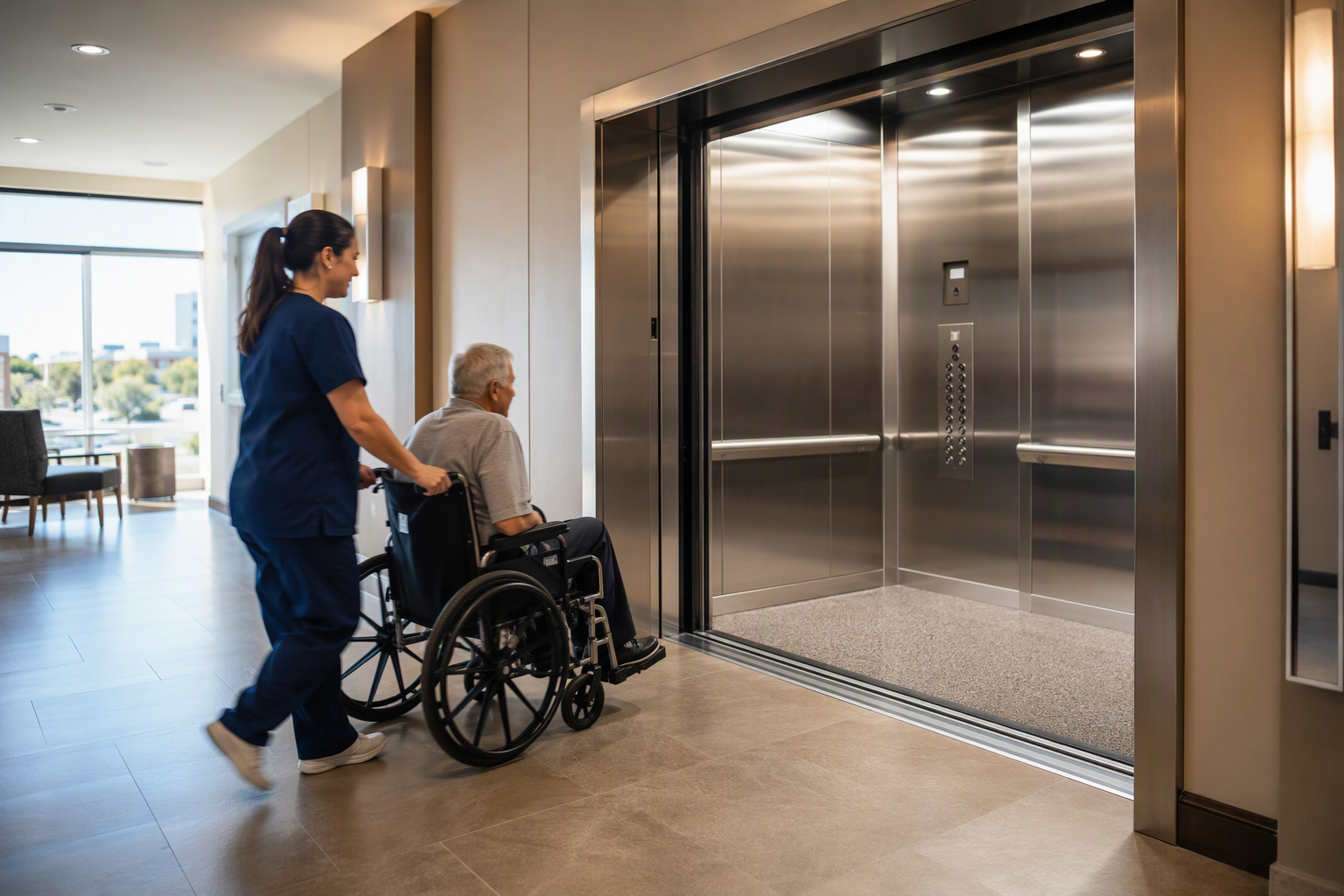
Senior living and assisted living facilities in Phoenix, Tucson, Scottsdale, and Mesa operate elevators that carry some of the most vulnerable riders imaginable — residents with limited mobility, cognitive impairment, and medical dependencies. An elevator malfunction in this environment is not merely an inconvenience; it is a potential life-safety event and a significant liability exposure. Facility administrators and risk managers who understand which upgrades and repairs are legally required — and which ones proactively reduce liability — are far better positioned to protect residents and pass inspections without disruption.
Arizona Elevator Solutions works with healthcare and senior living properties across Arizona to assess compliance gaps, recommend prioritized upgrades, and coordinate inspections with the Industrial Commission of Arizona (ICA), Elevator Division — the state agency that administers elevator safety under A.R.S. §§ 23-491 through 23-491.16.
What Are the Core Legal Requirements Arizona Senior Living Facilities Must Meet?
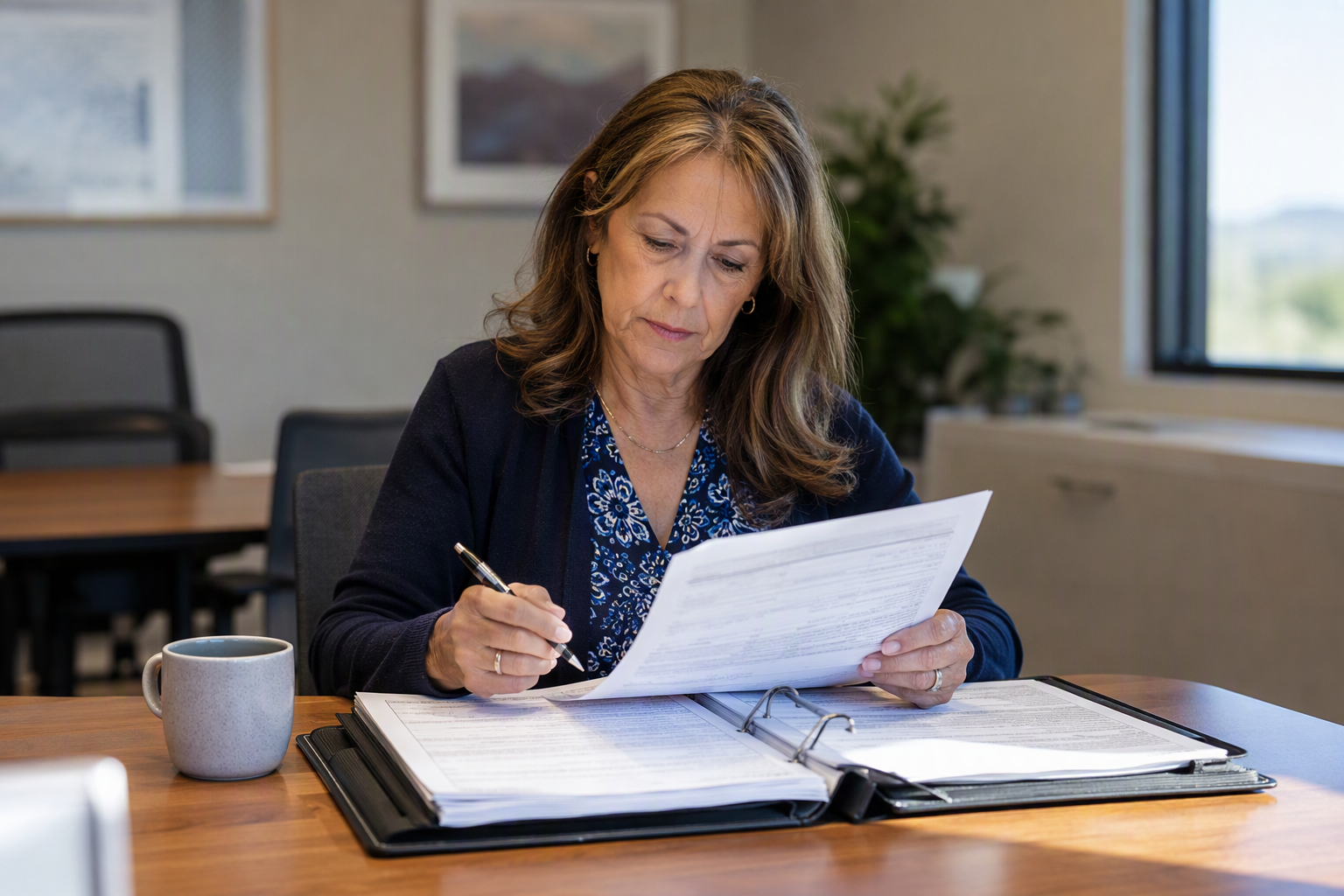
Arizona elevator law is grounded in A.R.S. §§ 23-491 through 23-491.16 and implemented through Arizona Administrative Code R20-5-502 through R20-5-515. For equipment installed, repaired, or altered on or after January 1, 2023, the adopted standard is the ASME A17.1/CSA B44, 2019 edition — the benchmark safety code for elevators and escalators. Federal requirements under the Americans with Disabilities Act (ADA) also apply to public accommodations and commercial facilities, including senior living communities.
Key legal obligations for Arizona facility owners include:
- Obtaining an annual certificate of inspection — no conveyance may operate without one.
- Keeping the state certificate at the same location as the conveyance and making it available on request.
- Posting the state serial number or certificate in or close to the conveyance in an easily accessible location.
- Notifying the ICA Elevator Division at least 90 days before any installation, relocation, or alteration.
- Reporting any accident that injures a person or disables a conveyance to the state within 24 hours.
- Ensuring firefighters’ emergency operation uses the Arizona Firefighters Service (AZFS) key — not a generic firefighters’ key.
Within the City of Phoenix, the Phoenix Elevator Section (Planning and Development Department) handles local inspections. For facilities in Tucson, Scottsdale, Mesa, and other Arizona jurisdictions, the ICA Elevator Division manages compliance directly.
Which Elevator Upgrades Are the Highest Priority for Senior Living Safety?
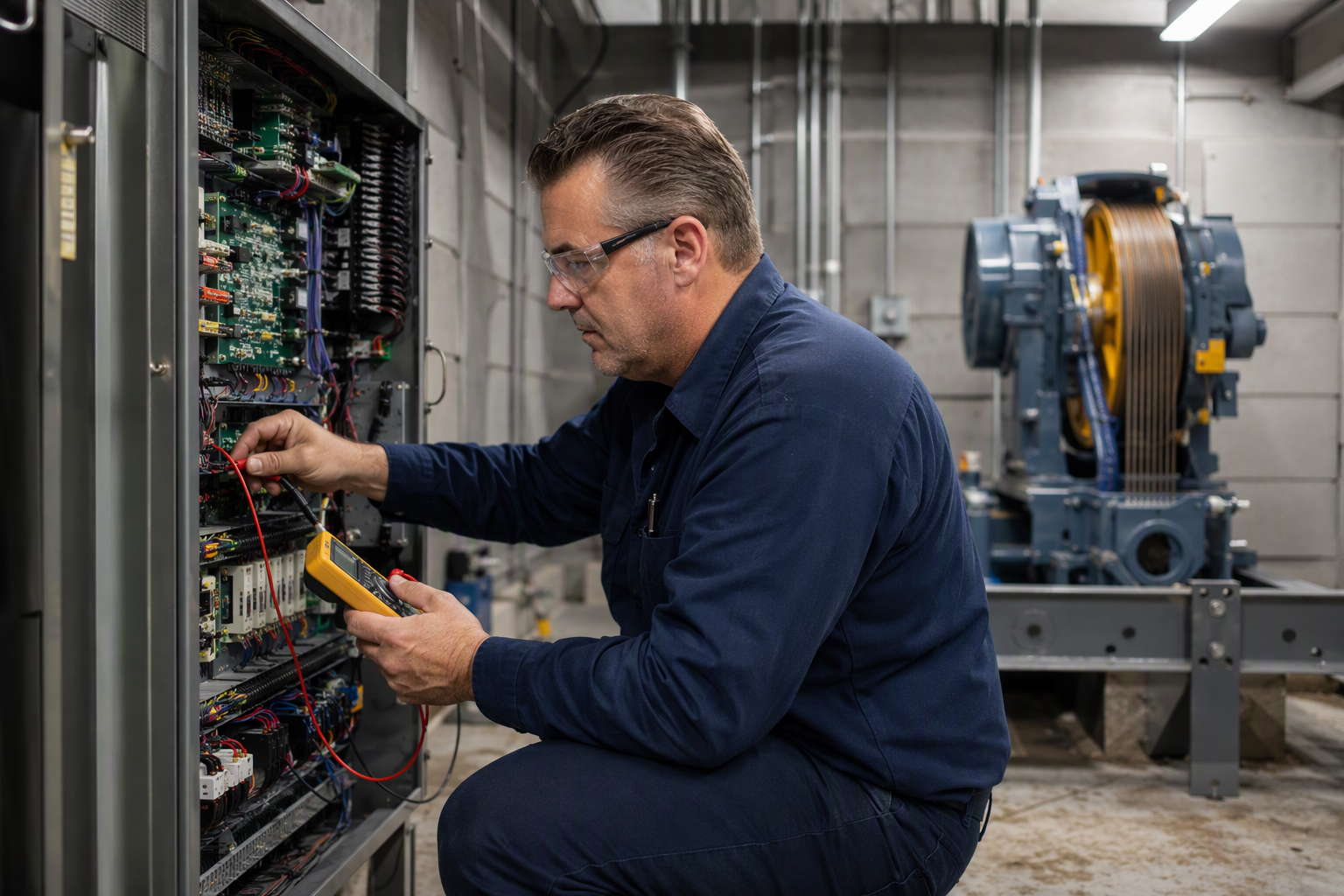
Not every upgrade carries equal weight in a regulatory or liability context. The following categories represent the areas where inspection failures, resident injuries, and litigation most commonly intersect in senior living environments.
1. Door Safety Systems
Automatic door reopening devices must function reliably. In facilities serving residents with walkers, wheelchairs, and slower gait, door timing and force limitations are critical. Door edges, light curtains, and pressure-sensitive reopening systems should be inspected and tested as a top priority. Worn door operators, misaligned tracks, or degraded sensors represent both a code deficiency and a direct injury risk.
2. Emergency Communication Systems
ASME A17.1 requires a two-way communication system in the elevator cab that connects to a location staffed when the building is occupied. For senior living facilities — where a trapped resident may have limited ability to call for help independently — this requirement is especially consequential. Systems must be tested during annual inspections and should be integrated with the facility’s emergency response protocol.
3. Firefighters’ Emergency Operation (AZFS Key Compliance)
Arizona requires that conveyances with firefighters’ emergency operation use the Arizona Firefighters Service (AZFS) key. Facilities that have not verified AZFS key compatibility — particularly those that underwent construction or modification before this requirement was clearly defined — may be operating out of compliance. This is a commonly cited deficiency during inspections.
4. ADA Accessibility Compliance
Under the Americans with Disabilities Act, elevator controls, floor indicators, door widths, leveling accuracy, and audible/visual signals must meet accessibility standards. In senior living settings, these are not optional enhancements — they are legal requirements for facilities serving residents with disabilities. Control panel height, Braille/raised character labeling, and landing accuracy (within one-half inch of the floor level) are frequent inspection points.
5. Leveling and Landing Accuracy
Imprecise leveling creates a trip hazard at the threshold — a hazard magnified for residents using mobility aids. Maintaining leveling accuracy within the tolerances established by ASME A17.1 is one of the most effective mechanical upgrades a facility can make to reduce fall-related liability.
6. Platform Lifts and Stairway Chairlifts
Arizona requires that platform lifts and stairway chairlifts installed, repaired, or altered on or after January 1, 2023 comply with ASME A18.1-2020. Senior living facilities that rely on these devices for accessibility should confirm their equipment meets this standard — particularly following any recent servicing.
What Does an Annual Elevator Inspection Cover in Arizona?
Arizona law requires each conveyance to be inspected annually, and no elevator may operate without a current state-issued certificate of inspection. Inspections cover mechanical components, electrical systems, safety devices, emergency operation systems, cab condition, signage, and communication equipment. Arizona facility owners may engage a private elevator inspector authorized by the ICA — but that inspector may not inspect any conveyance the inspector, their employer, or a company they own has serviced. The legal obligations of the owner remain unchanged regardless of who conducts the inspection.
How Should a Facility Respond If an Elevator Accident or Breakdown Occurs?
- Ensure the safety of all persons involved, including notifying emergency services if anyone is injured or trapped.
- Take the elevator out of service immediately and prevent further use by other residents or staff.
- Notify the Industrial Commission of Arizona Elevator Division within 24 hours of any accident that injures a person or disables a conveyance — this is a statutory requirement under Arizona law.
- Contact a licensed elevator contractor (holding an Arizona Registrar of Contractors R-12 or C-12 classification) to assess the equipment before it is returned to service.
- Document all conditions, actions taken, and communications as part of the facility’s incident record.
- Cooperate fully with any state or local inspection that follows the incident report.
What Is the Liability Risk of Deferred Elevator Maintenance in a Senior Living Setting?
Deferring elevator maintenance in a senior living facility creates layered liability exposure. Residents injured in elevator incidents — whether from door strikes, falls at misleveled thresholds, or entrapments — may have claims against the facility as the equipment owner and operator. Arizona law places the legal obligation for safe operation squarely on the owner. Operating without a current certificate of inspection, failing to report accidents, or knowingly allowing deficient equipment to remain in service can each constitute a separate violation under A.R.S. §§ 23-491 through 23-491.16. Proactive maintenance and timely upgrades are the most defensible risk management posture a facility can adopt.
How Do Modernization Projects Differ from Standard Repairs in a Compliance Context?
In Arizona, any installation, relocation, or alteration of a conveyance requires the owner to notify the ICA Elevator Division at least 90 days in advance. A modernization project — replacing the controller, upgrading the drive system, or modifying cab dimensions — constitutes an alteration and triggers compliance with ASME A17.1-2019 for the affected components. Standard maintenance and repairs that do not alter the performance or design of the equipment carry a different compliance threshold, but any work involving safety-critical systems should be performed by a contractor holding the appropriate Arizona Registrar of Contractors license classification (R-12 or C-12).
Are There Specific Code Requirements for Elevators in Memory Care or Skilled Nursing Units?
ASME A17.1 and ADA standards apply to elevators in all areas of a senior living facility, including memory care and skilled nursing wings. However, these specialized units introduce additional operational considerations: door hold-open times may need adjustment for cognitively impaired residents, emergency communication testing protocols may need to account for residents who cannot verbally communicate, and key-operated features may require additional staff training. Facility managers should discuss these operational nuances with their elevator service provider when scheduling maintenance and inspections.
What Should Facilities Know About Private Elevator Inspectors in Arizona?
Arizona allows facility owners to hire private elevator inspectors authorized by the ICA to perform initial or annual inspections. These inspectors must register with the ICA every year and demonstrate at least eight hours of approved continuing education. One important restriction applies: a private inspector may not inspect any conveyance owned, operated, or last serviced by the inspector, a company the inspector owns, or the inspector’s employer. Hiring a private inspector does not transfer legal responsibility from the facility owner — the owner remains fully accountable under Arizona statute.
What Routine Maintenance Tasks Have the Highest Impact on Resident Safety?
Between annual inspections, the maintenance tasks that most directly reduce risk in a senior living environment include:
- Door operator lubrication, adjustment, and reopening device testing
- Leveling accuracy checks and calibration
- Emergency lighting and communication system functional tests
- AZFS key operation verification for firefighters’ emergency service
- Controller and electrical connection inspection
- Cab interior condition review — flooring, handrails, and threshold condition
- Platform lift and chairlift mechanical and safety device inspection (per ASME A18.1-2020 for qualifying equipment)
Arizona Elevator Solutions recommends that senior living facilities establish a documented maintenance schedule that aligns with their annual inspection calendar and retains records of all service performed.
Questions Your Inspector Will Ask
Senior living facility managers should be prepared to answer the following during an annual or follow-up inspection:
- Is the current state certificate of inspection posted at or near the conveyance? Arizona law requires it to be in an easily accessible location.
- Is the state serial number displayed on or near the conveyance? The serial number tag must be fixed to the controller or mainline disconnect and visible to inspectors.
- Is the certificate available for review on request? The owner must keep it at the same location as the conveyance.
- Has the facility notified the ICA Elevator Division of any alterations or modifications in the past 12 months? Unreported alterations can trigger compliance violations.
- Is the emergency two-way communication system functional and connected to a staffed location? The inspector will test this directly.
- Does the firefighters’ emergency operation use the AZFS key? Non-compliant key operation is a documented deficiency.
- Has any incident, entrapment, or injury been reported to the ICA Elevator Division within 24 hours of occurrence? Unreported incidents are a statutory violation.
- When was the last maintenance performed, and are records available? A documented service history demonstrates proactive compliance.
- Has any work been performed by a contractor holding an Arizona ROC R-12 or C-12 license classification?
- Do platform lifts or chairlifts on the property comply with ASME A18.1-2020 if installed, repaired, or altered on or after January 1, 2023?
How Does Modernizing an Aging Elevator Compare to Continued Repairs on Older Equipment?
Arizona law allows lawfully installed older conveyances to remain in use unless the ICA Elevator Division’s elevator chief determines the continued use constitutes a hazard to life, health, or property. This means that older equipment is not automatically disqualified — but it does mean that ongoing repair costs, escalating deficiency citations, and liability exposure must be weighed against the long-term value of modernization. Arizona Elevator Solutions can assess the current condition and compliance posture of aging equipment and help facility managers make an informed, documented decision about whether repair or modernization better serves their residents and their liability risk profile.
What Should a Facility Do Before Scheduling an Elevator Upgrade Project?
- Conduct a baseline compliance assessment of all conveyances on the property, including platform lifts and chairlifts.
- Identify any open deficiencies from the most recent inspection certificate or report.
- Confirm that the planned scope of work constitutes an alteration requiring 90-day advance notice to the ICA Elevator Division.
- Verify that the selected contractor holds an Arizona Registrar of Contractors R-12 or C-12 license classification.
- Confirm that post-modification inspection requirements will be met before the conveyance is returned to service.
- Plan for temporary accessibility accommodations for residents during any period of elevator unavailability.
Arizona Elevator Solutions serves senior living and assisted living facilities throughout Phoenix, Tucson, Scottsdale, and Mesa, providing compliance assessments, modernization planning, and coordination support for annual inspections with the ICA Elevator Division. Facilities in Phoenix should also be aware that the Phoenix Elevator Section (Planning and Development Department) handles local jurisdiction inspections within city limits.
Elevator safety in a senior living environment is not a background operational concern — it is a front-line resident safety and liability management priority. Facilities that treat it as such, with documented maintenance, timely upgrades, and proactive inspector preparation, are substantially better positioned both legally and operationally.
Schedule a Free Elevator Assessment for Your Facility
Contact Arizona Elevator Solutions for a free elevator assessment to identify compliance gaps, prioritize upgrades, and prepare your Phoenix, Tucson, Scottsdale, or Mesa senior living facility for its next inspection.
Call us today: 480-557-7600
Need elevator service you can rely on? Arizona Elevator Solutions is ready to help.






