Elevator Service in Phoenix, AZ | Arizona Elevator Solutions
For building owners and property managers across the Phoenix metropolitan area, elevator maintenance is not simply a compliance obligation — it is a direct investment in asset value, tenant satisfaction, and long-term operational savings. Arizona Elevator Solutions provides certified elevator maintenance services designed to deliver a clear return on investment for commercial, residential, and industrial properties throughout Phoenix and surrounding communities.
What Is Elevator Maintenance ROI and Why Does It Matter in Phoenix?
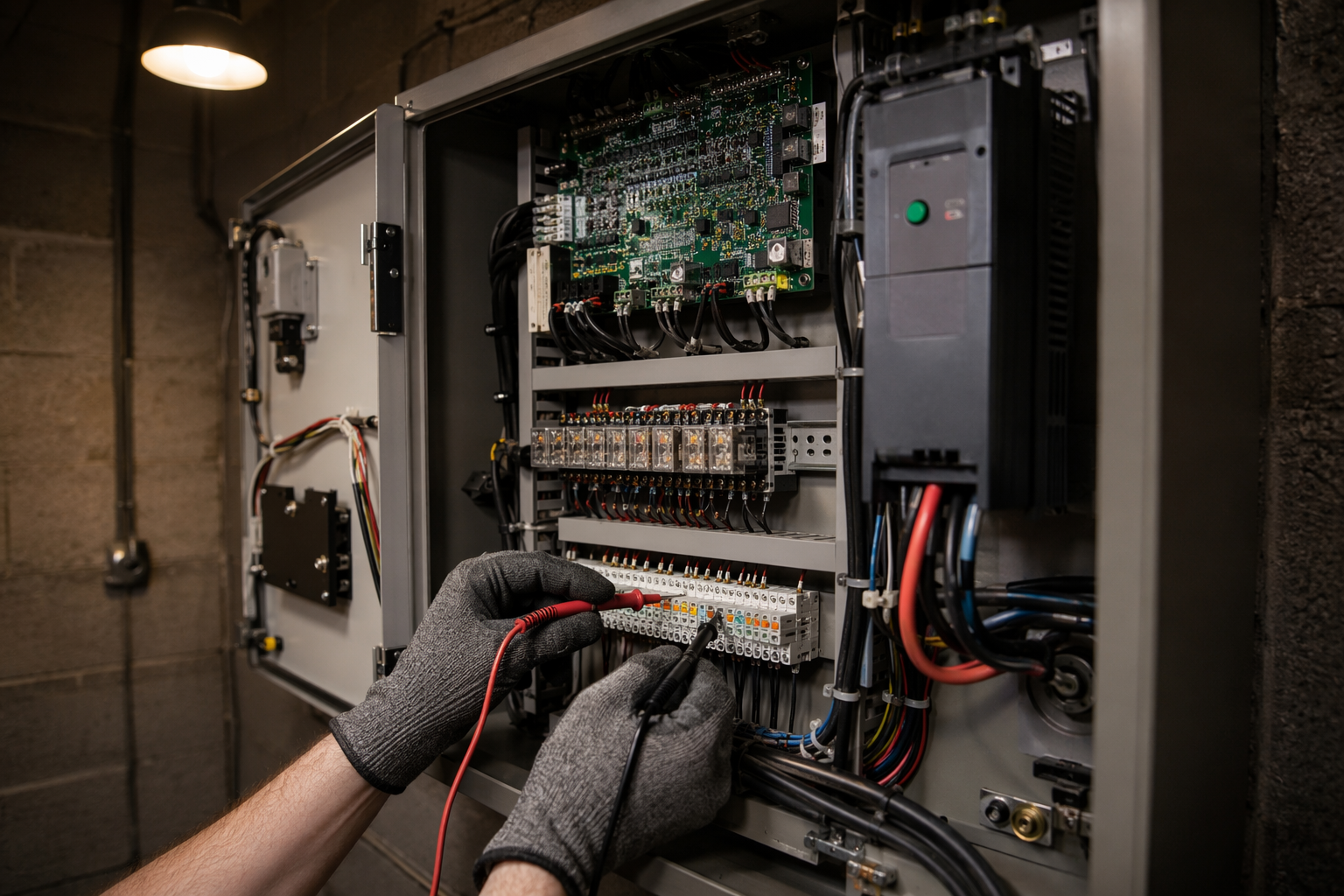
Return on investment (ROI) in elevator maintenance refers to the financial and operational value gained from a structured, preventive service program compared to the costs of deferred maintenance or emergency repairs. In Phoenix, where extreme summer heat places additional thermal stress on elevator mechanical and electrical components, consistent maintenance is especially critical.
When elevator systems are serviced on a regular schedule, building owners benefit from reduced downtime, lower repair costs over time, and extended equipment lifespan. Unplanned outages disrupt tenants, damage property reputation, and can trigger expensive emergency service calls. A proactive maintenance contract translates those avoided costs into measurable savings — and that is the core of elevator maintenance ROI.
What Arizona Elevator Codes Apply to Maintenance in 2026?
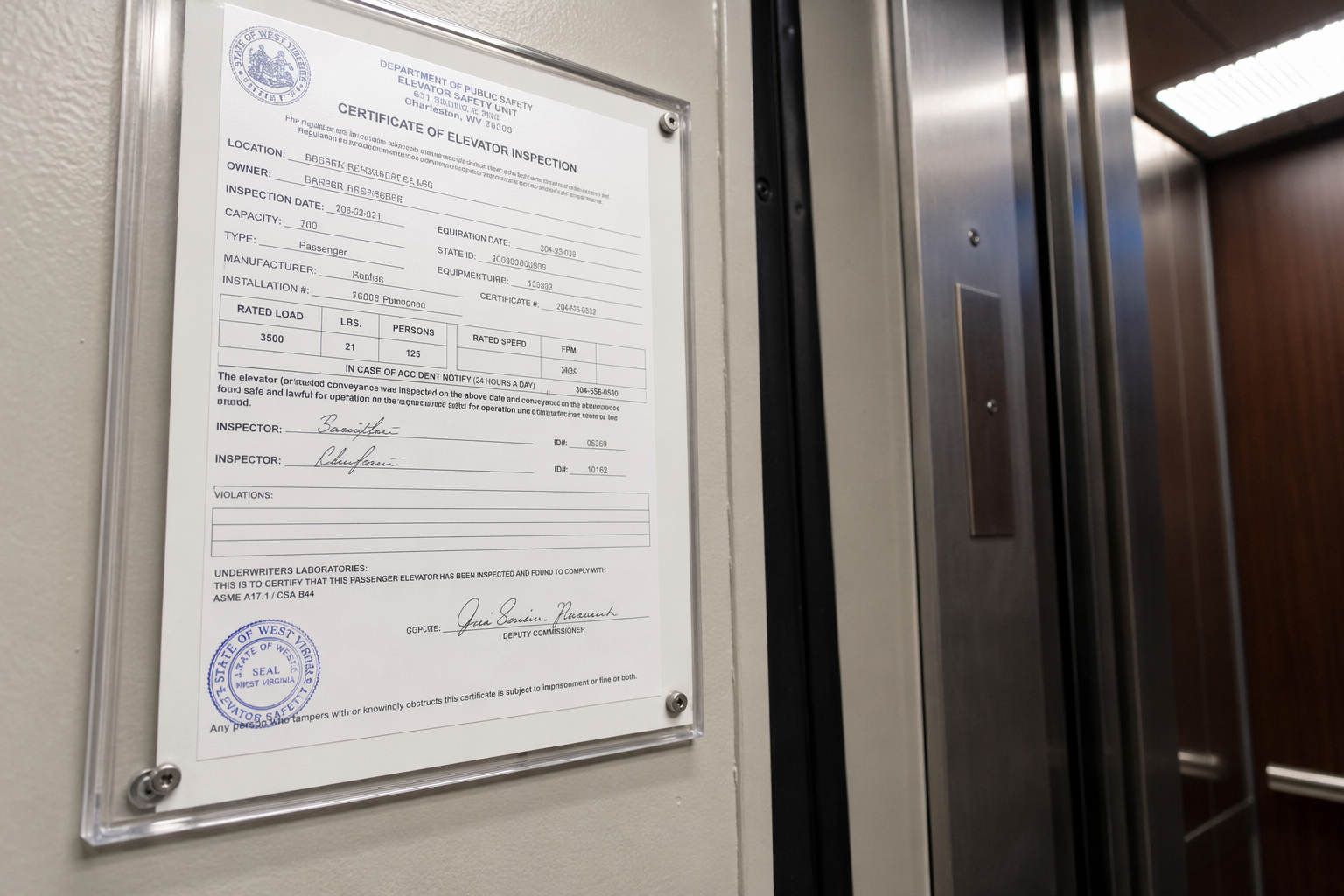
Arizona elevator safety is governed at the state level through the Arizona Department of Occupational Safety and Health (ADOSH), which enforces compliance with the ASME A17.1 Safety Code for Elevators and Escalators — the primary national standard for elevator construction, installation, operation, inspection, testing, and maintenance.
Under ASME A17.1, elevators are required to undergo periodic inspections and tests at defined intervals to remain in legal operation. Building owners in Phoenix who fail to maintain current inspection certificates risk fines, forced shutdowns, and increased liability exposure. Compliance with ADA accessibility standards is also an ongoing obligation for public-use elevators, and maintenance programs should address ADA-related components such as door operation, leveling accuracy, and control accessibility.
Workplace safety requirements from OSHA further apply to elevator service technicians and building operators, reinforcing the importance of working with a qualified, safety-focused maintenance provider.
How Does Preventive Maintenance Reduce Long-Term Elevator Costs?
Preventive maintenance addresses mechanical wear, lubrication, adjustment, and component inspection before failures occur. This approach reduces the frequency and severity of breakdowns, which are typically far more expensive to resolve than routine service visits. In Phoenix’s climate, this is particularly relevant because heat accelerates wear on hydraulic fluids, motor insulation, and electronic control systems.
Key cost-reduction mechanisms of a preventive maintenance program include:
- Extended equipment lifespan: Consistent lubrication and adjustment reduce mechanical wear on cables, sheaves, guide rails, and door operators.
- Avoided emergency repair premiums: Emergency calls carry higher labor costs and parts procurement urgency — preventive maintenance reduces their frequency.
- Deferred modernization: Well-maintained legacy equipment can remain reliable and code-compliant for a longer period, delaying the capital expenditure of a full modernization project.
- Reduced liability exposure: Documented, regular maintenance creates a compliance record that protects building owners in the event of an incident or regulatory audit.
- Energy efficiency: Properly adjusted motors, door operators, and lighting systems consume less energy, contributing to lower operating costs over time.
What Does an Elevator Maintenance Contract Typically Cover?
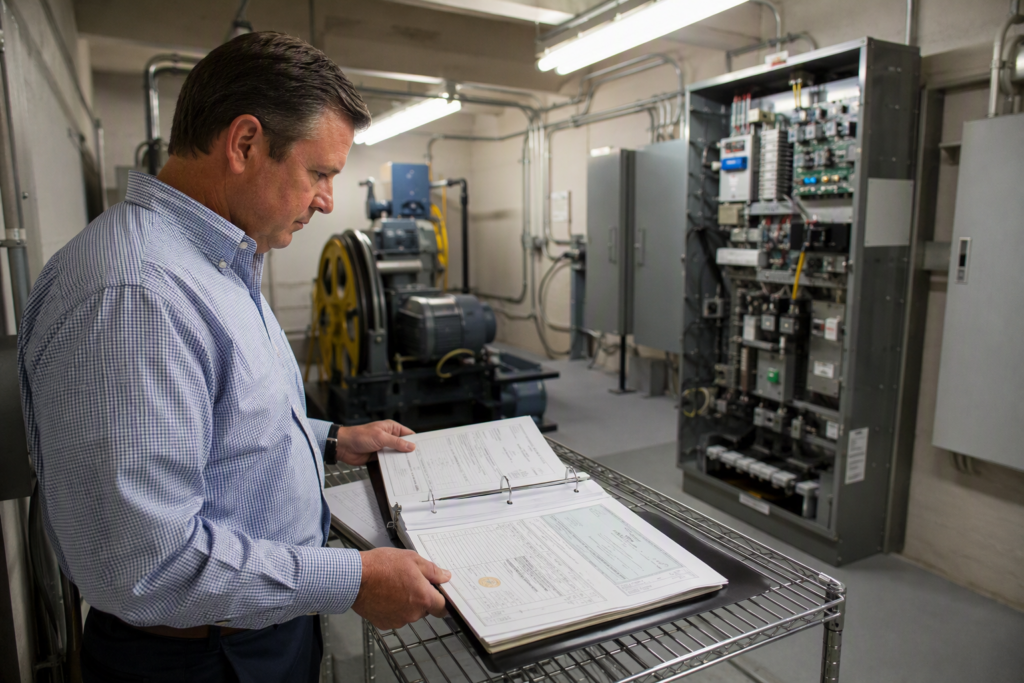
A comprehensive elevator maintenance contract with Arizona Elevator Solutions covers routine preventive service visits, lubrication of moving components, inspection and adjustment of safety devices, testing of emergency systems, and documentation for compliance purposes. Contracts are structured to align with the inspection and testing intervals required under ASME A17.1 and Arizona state requirements.
Building owners should evaluate maintenance agreements based on the scope of covered components, the inclusion of parts and labor, callback provisions for service between scheduled visits, and the provider’s familiarity with the specific elevator make and model installed in their building. Arizona Elevator Solutions serves a wide range of elevator types including traction, hydraulic, and MRL (machine-room-less) systems across Phoenix-area properties.
When Should a Building Owner Consider Elevator Modernization vs. Continued Maintenance?
The decision between continued maintenance and full modernization is a significant financial consideration for Phoenix property owners. Modernization becomes a stronger ROI choice when maintenance costs are rising steeply year over year, parts for aging equipment are difficult to source, or the system no longer meets current code or ADA requirements without costly workarounds.
Conversely, a well-maintained system that still meets compliance standards and operates reliably may justify continued investment in preventive service rather than immediate capital expenditure on modernization. Arizona Elevator Solutions provides assessments to help building owners understand the current condition of their equipment and model the cost trajectory of both paths — allowing for data-informed decisions rather than reactive ones.
How Does Elevator Downtime Affect Property Value and Tenant Retention in Phoenix?
In Phoenix’s competitive commercial real estate and multi-family housing markets, elevator reliability directly influences tenant satisfaction and lease renewal decisions. An elevator that experiences repeated outages signals poor building management and reduces the perceived value of the property. For high-rise office buildings, hotels, senior living communities, and multi-story residential properties, elevator availability is a non-negotiable amenity.
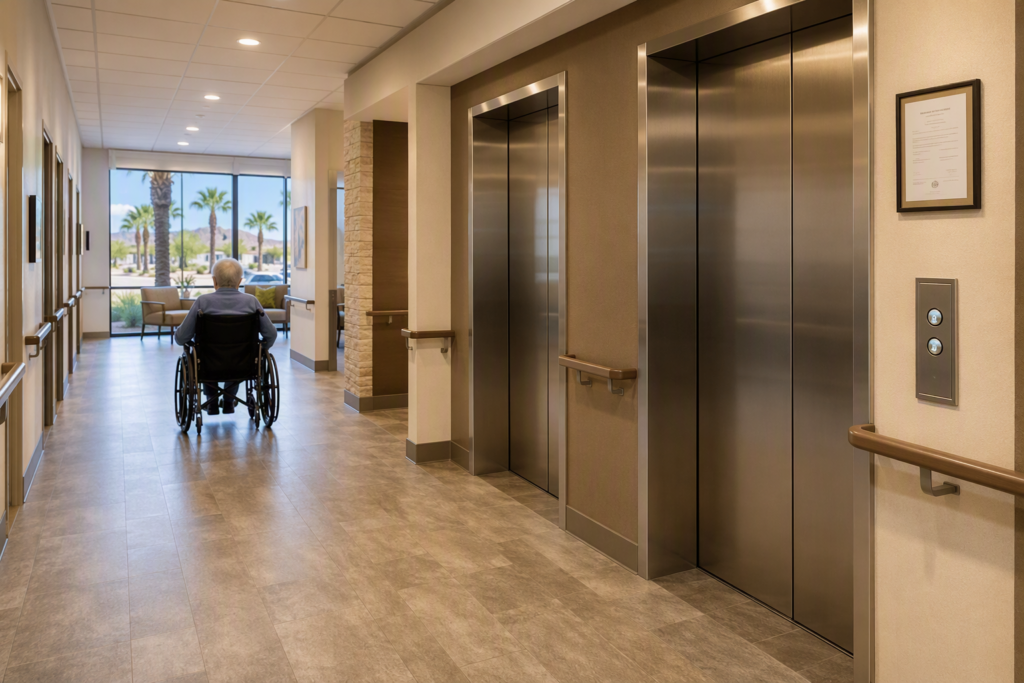
Prolonged downtime in buildings serving elderly residents or individuals with disabilities also creates serious ADA compliance exposure. Maintaining elevator availability is therefore both a financial and a legal obligation for many Phoenix property categories.
What Should Building Owners Do When an Elevator Fails or Becomes Non-Compliant?
When an elevator experiences a failure or receives a notice of non-compliance from an Arizona state inspector, building owners should follow a structured response to minimize risk and restore service efficiently:
- Secure the elevator immediately — take the unit out of service and post clear signage to prevent unauthorized use.
- Contact a qualified elevator service provider — notify your maintenance contractor or a certified service company to assess the failure.
- Document the condition — photograph any visible damage, collect the inspection notice, and record the date and circumstances of the failure.
- Notify building occupants and management — communicate the outage transparently, particularly where ADA-dependent individuals may be affected.
- Coordinate with the inspection authority — work with ADOSH and your service provider to understand what corrective action is required before the unit can return to service.
- Obtain written documentation of all repairs — maintain a complete service record for compliance purposes and insurance documentation.
Arizona Elevator Solutions provides emergency service support to Phoenix-area clients and works to restore code-compliant operation as efficiently as possible.
Which Markets and Property Types Does Arizona Elevator Solutions Serve in Phoenix?
Arizona Elevator Solutions serves a broad range of property types across the Phoenix metropolitan area, including commercial office buildings, retail centers, multi-family residential properties, senior living and assisted care communities, hotels and hospitality properties, healthcare and medical facilities, government and municipal buildings, and industrial facilities. The Phoenix service area includes surrounding communities throughout the Valley.
This cross-sector experience means Arizona Elevator Solutions’ technicians are familiar with the diverse equipment configurations, usage demands, and compliance requirements that differ between property types — enabling maintenance programs that are appropriately scoped for each client’s specific risk and operational profile.
How Do Building Owners Choose the Right Elevator Maintenance Partner in Phoenix?
Selecting an elevator maintenance provider is a long-term decision with significant financial implications. Building owners in Phoenix should evaluate prospective partners on the following criteria:
- Demonstrated familiarity with Arizona elevator codes and ADOSH inspection requirements
- Experience servicing the specific elevator make and model in the building
- Transparent maintenance contract terms that clearly define covered scope, callback provisions, and parts responsibilities
- Local presence and availability to support both scheduled service and unplanned service needs
- Documented compliance record-keeping practices that protect building owners during audits or inspections
- A proactive communication approach that keeps building managers informed of equipment condition and upcoming requirements
Arizona Elevator Solutions was established to serve Phoenix-area property owners with exactly this standard of professional, locally knowledgeable elevator maintenance and service.
Schedule Your Free Elevator Consultation in Phoenix
Building owners and property managers in Phoenix who want to understand the ROI potential of a structured elevator maintenance program are encouraged to connect with Arizona Elevator Solutions directly. A free consultation can include a review of current equipment condition, applicable compliance requirements, and maintenance program options aligned with the property’s operational and financial goals.
Call Arizona Elevator Solutions today at 480-319-7157 to schedule a Free Consultation.
Serving Phoenix, Scottsdale, Tempe, Mesa, Chandler, Gilbert, Glendale, and communities throughout the greater Valley — Arizona Elevator Solutions is the local partner Phoenix building owners trust for compliant, cost-effective elevator maintenance.
Need elevator service you can rely on? Arizona Elevator Solutions is ready to help.