Elevator Service in Mesa, AZ | Arizona Elevator Solutions
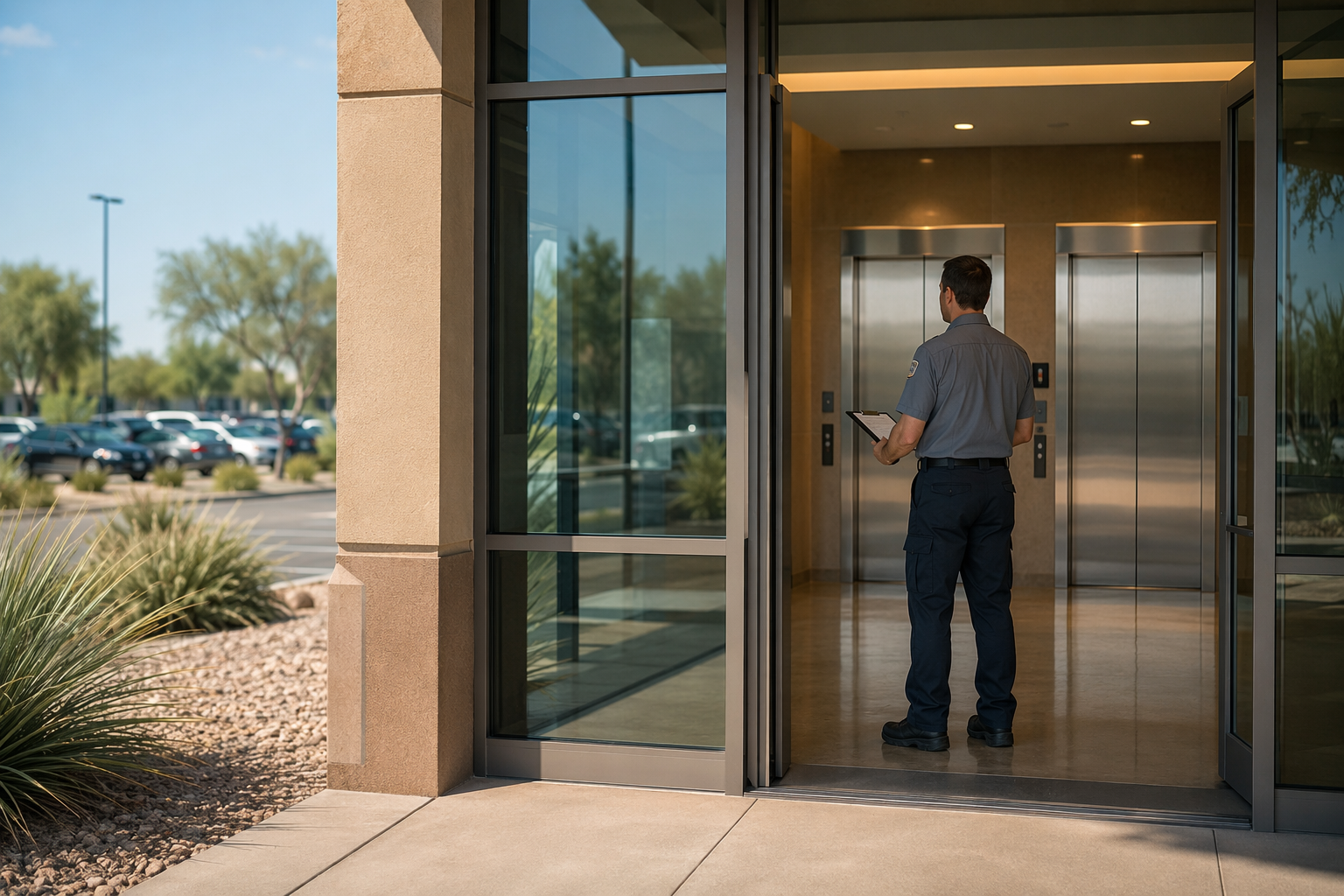
Elevator service in Mesa, AZ encompasses scheduled maintenance, safety inspections required under Arizona state code, component repair, and system modernization. Property owners and facility managers throughout Mesa rely on certified elevator service companies to keep vertical transportation operating safely, efficiently, and in full compliance with applicable codes. Arizona Elevator Solutions serves the Mesa market with a commitment to code-compliant work and responsive support.
What Does Elevator Service in Mesa, AZ Include?
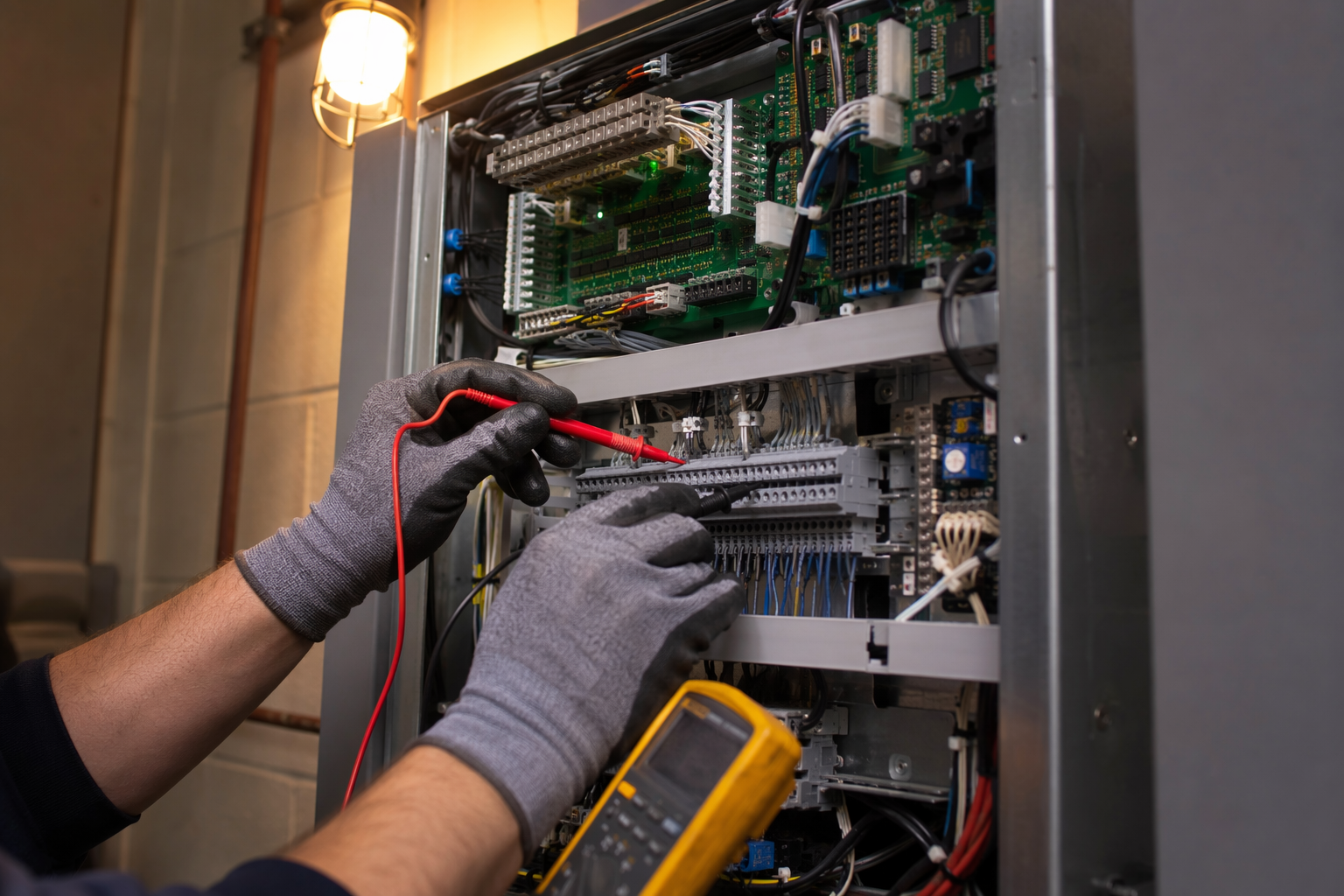
Professional elevator service in Mesa covers a broad range of work designed to protect building occupants and extend equipment lifespan. A complete service program typically addresses:
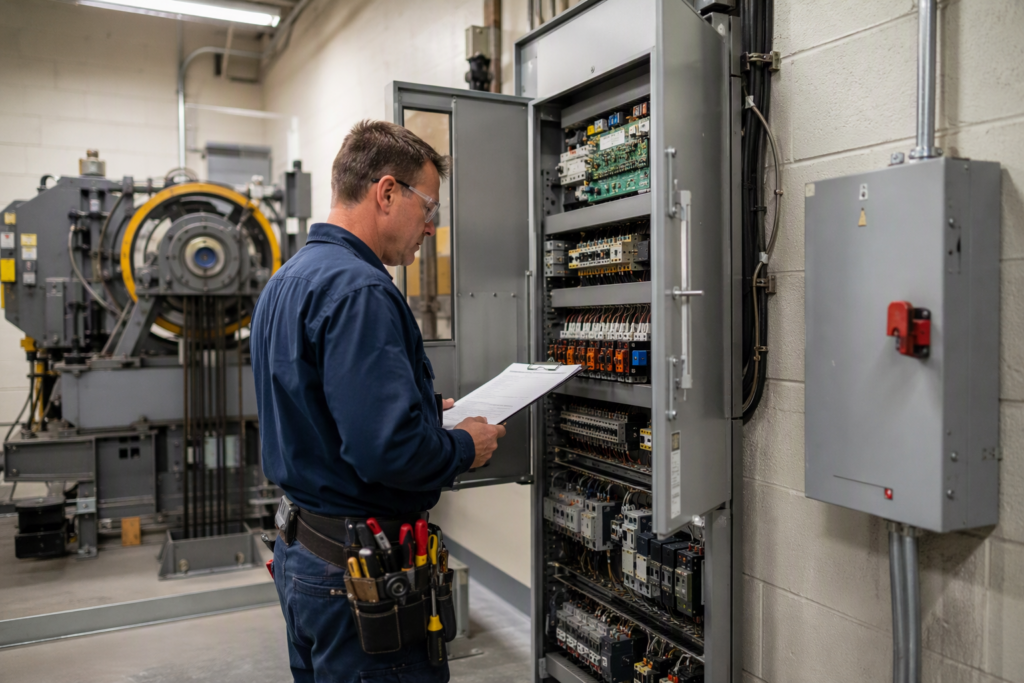
- Preventive maintenance — systematic inspection and lubrication of mechanical and electrical components to reduce wear and prevent failures
- Safety inspections — periodic examinations required by the Arizona Department of Occupational Safety and Health (ADOSH) and aligned with ASME A17.1 Safety Code for Elevators and Escalators
- Component repair — replacement of cables, controllers, door operators, hydraulic cylinders, and other worn or failed parts
- Modernization — upgrading aging systems with current controls, cab interiors, and energy-efficient drives
- ADA compliance review — evaluating and improving accessibility features in accordance with Americans with Disabilities Act requirements
- Emergency repair support — responding when equipment failures affect building operations or trap passengers
What Are Arizona’s Elevator Code Requirements for Mesa Properties?
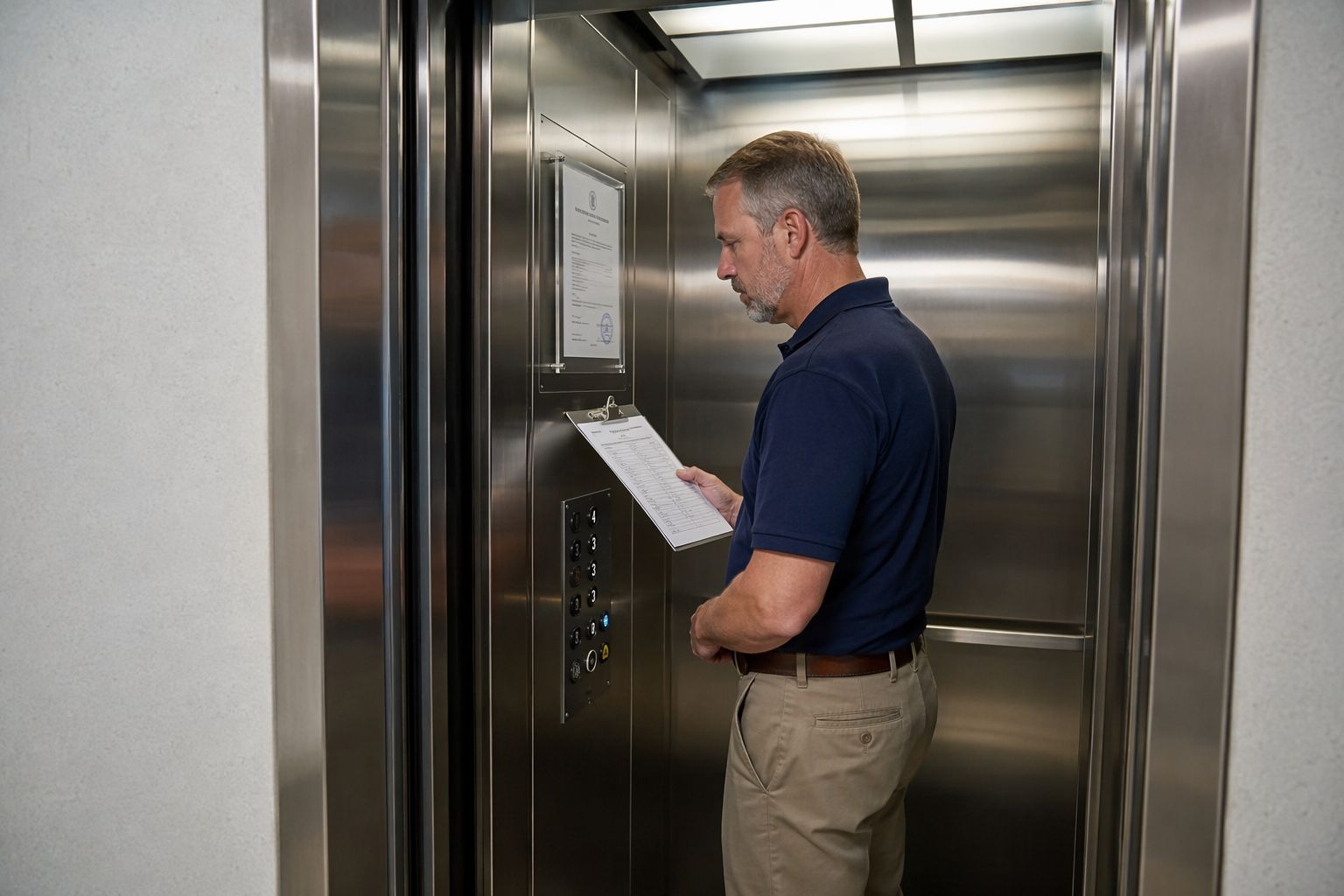
Elevator installations and ongoing service in Mesa, AZ fall under the jurisdiction of the Arizona Department of Occupational Safety and Health (ADOSH), which administers the state’s elevator safety program. Arizona adopts the ASME A17.1 Safety Code for Elevators and Escalators as the foundational technical standard governing construction, alteration, and maintenance of elevators and escalators statewide.
Key compliance obligations for Mesa property owners include:
- Annual inspections — ADOSH requires periodic inspections by a licensed elevator inspector; certificates of operation must be current and posted in the elevator cab
- Witnessing of tests — certain safety tests, including governor and safety device tests, must be witnessed by an authorized inspector at code-specified intervals
- Hydraulic elevator testing — given Arizona’s climate and the prevalence of hydraulic units in the region, hydraulic cylinder integrity and oil containment are subject to specific inspection protocols
- ADA compliance — elevators serving the public must meet accessibility standards under the ADA, including proper cab dimensions, door timing, and tactile controls
- Workplace safety — technicians performing elevator work must follow OSHA standards covering construction and general industry safety applicable to elevator service environments
In 2026, Arizona properties should confirm their service provider is working to the current adopted edition of ASME A17.1 and that all required inspection certificates are up to date.
What Types of Elevators Are Commonly Serviced in Mesa?
Mesa’s diverse commercial, multifamily, and public-sector building stock means elevator service providers encounter a wide variety of equipment. Common systems serviced throughout the city include:
- Hydraulic elevators — widely used in low-to-mid-rise commercial buildings and multifamily properties; require attention to cylinder condition, hydraulic fluid integrity, and pump unit performance, particularly given Mesa’s high ambient temperatures
- Traction elevators — found in taller office buildings, hospitals, and hotels; include geared and gearless machine room configurations as well as machine-room-less (MRL) designs
- Commercial dumbwaiters and service lifts — present in restaurants, healthcare facilities, and warehouses
- Vertical platform lifts (VPLs) — used for ADA-accessible access at entrances and between short floor changes
- Escalators and moving walks — found in Mesa retail centers and transit facilities
How Does Mesa’s Climate Affect Elevator Maintenance Needs?
Mesa’s desert climate — characterized by extreme summer heat, monsoon humidity surges, and dust — creates specific maintenance considerations that differ from service requirements in cooler, wetter regions. Hydraulic fluid viscosity is affected by sustained high temperatures, which can accelerate wear on seals and pump components. Dust infiltration into machine rooms and control panels requires more frequent cleaning intervals. Thermal expansion of building structures can affect door alignment and require more frequent door adjustment work. A service program tailored to the Sonoran Desert environment accounts for these factors rather than applying a one-size-fits-all maintenance schedule.
What Should Mesa Property Managers Do When an Elevator Breaks Down?
- Check for trapped passengers first. If anyone is inside the stalled cab, communicate with them calmly through the intercom or door. Do not attempt to force doors open or facilitate self-rescue — wait for qualified technicians.
- Take the elevator out of service. Post the elevator as out of service and prevent further use to avoid additional calls to a potentially unsafe unit.
- Contact your elevator service provider. Reach your maintenance contractor directly. Arizona Elevator Solutions can be reached at 480-557-7600 for repair dispatch.
- Document the conditions. Note the floor where the cab stopped, any error codes displayed, and what the elevator was doing when it failed. This information helps technicians diagnose the problem efficiently.
- Notify ADOSH if required. Certain incidents — including injuries or entrapments — may trigger mandatory reporting obligations under Arizona elevator regulations. Consult your service provider and legal counsel on reporting requirements.
- Request a written repair report. After the service call, obtain documentation of what was found, what was repaired, and any recommended follow-up work to maintain safe operation.
How Do Elevator Modernization Projects Work in Mesa?
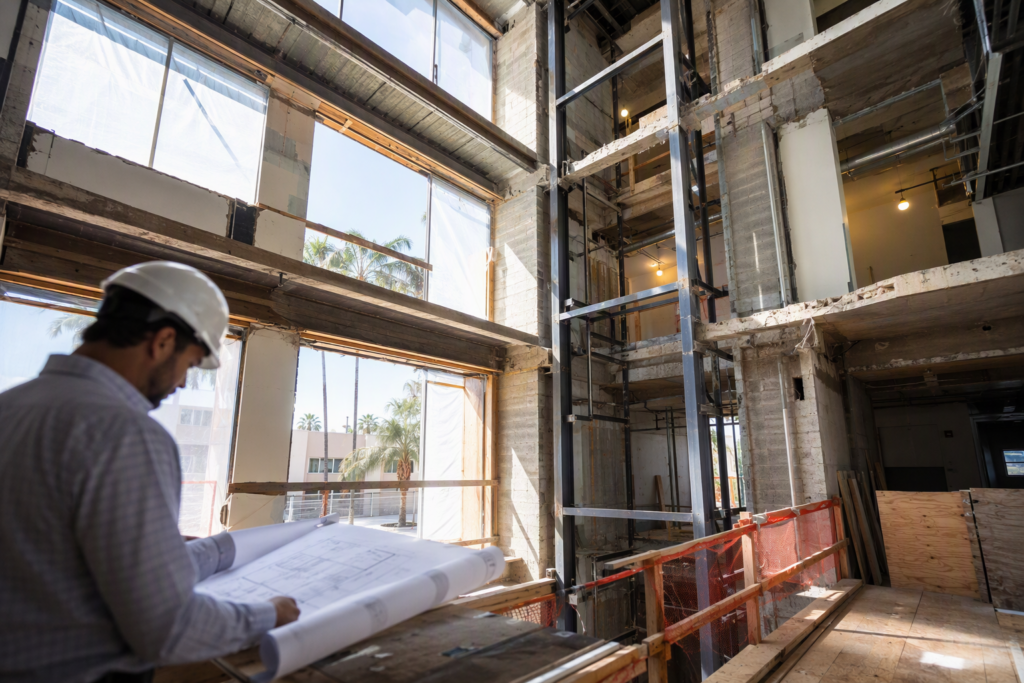
Modernization replaces aging or obsolete elevator components — typically controls, door operators, cab interiors, and drive systems — while retaining the existing hoistway and structural elements. The process in Mesa generally follows these stages:
- Assessment — a qualified technician evaluates the existing equipment, identifies code deficiencies, and documents the condition of components
- Scope development — the service provider prepares a specification defining which components will be replaced and what code upgrades are required to bring the unit into compliance with the current adopted edition of ASME A17.1
- Permitting — alteration permits are submitted to ADOSH before work begins; modernization work cannot proceed without appropriate authorization
- Installation — replacement components are installed, wiring updated, and new controls commissioned
- Inspection and acceptance — a licensed inspector witnesses required tests and issues an updated certificate of operation before the elevator returns to service
Modernization timelines vary based on equipment age, parts availability, and the complexity of required code upgrades. Property owners benefit from planning modernization well in advance to minimize building disruption.
What Markets Does Arizona Elevator Solutions Serve in the Mesa Area?
Arizona Elevator Solutions provides elevator service across Mesa’s varied property types, including:
- Class A and Class B commercial office buildings throughout downtown Mesa and the Fiesta District corridor
- Multifamily residential communities, including senior living and independent living properties
- Healthcare facilities, medical office buildings, and outpatient surgery centers
- Retail centers, hospitality properties, and mixed-use developments
- Government and municipal buildings, including public libraries, courthouses, and community centers
- Educational institutions, including community college campuses and private school facilities
- Industrial and warehouse properties requiring service or freight elevator support
How Should Property Owners Compare Elevator Service Providers in Mesa?
Selecting an elevator service company is a long-term decision that affects building safety, regulatory compliance, and operational continuity. When evaluating providers, Mesa property owners and managers should consider:
- Licensing and compliance — confirm the company holds appropriate Arizona contractor credentials and that its technicians hold relevant industry qualifications
- Familiarity with local code — providers should demonstrate working knowledge of ADOSH requirements and the current adopted edition of ASME A17.1
- Scope of services — a full-service provider covering maintenance, repair, modernization, and code consulting reduces the need to coordinate multiple vendors
- Contract transparency — review maintenance agreements carefully for included versus excluded services, parts coverage terms, and escalation provisions
- Local presence — providers based in or consistently working throughout the Mesa and greater Phoenix metro area are better positioned to understand regional code enforcement practices and equipment conditions common to the desert environment
- References — request references from similar property types in the Mesa area and follow up directly with those contacts
Schedule a Free Consultation
Arizona Elevator Solutions is ready to help Mesa property owners and facility managers evaluate their elevator service needs, address compliance gaps, or plan a modernization project. Contact the team today to schedule a no-obligation consultation.
Call Arizona Elevator Solutions: 480-557-7600
Serving Mesa, Phoenix, Scottsdale, Tempe, Chandler, Gilbert, and communities throughout the greater Phoenix metropolitan area.
Need elevator service you can rely on? Arizona Elevator Solutions is ready to help.