Elevator Service in Phoenix, AZ | Arizona Elevator Solutions
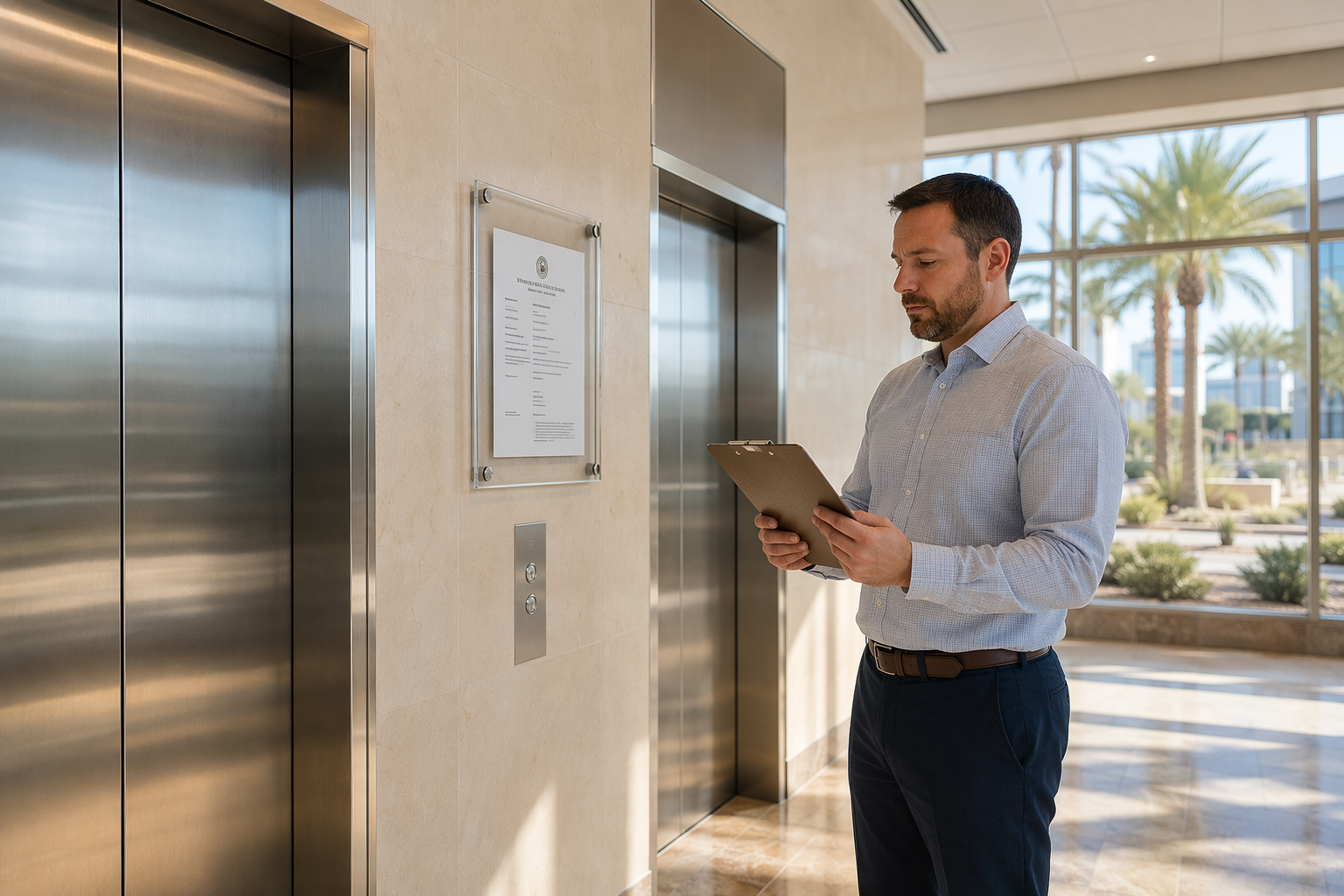
Switching elevator maintenance providers can feel overwhelming, but for Phoenix-area building owners, the process is more straightforward than it appears. Whether the current provider is underperforming, unresponsive, or simply no longer the right fit, making a change is a legitimate business decision — and one that directly affects tenant safety, building compliance, and operational reliability. This guide covers everything property managers and building owners in Phoenix, AZ need to know before, during, and after making the switch.
What Are the Legal Requirements for Elevator Maintenance in Arizona?
Arizona requires elevators to meet the standards set forth in the ASME A17.1 Safety Code for Elevators and Escalators, which establishes baseline safety requirements for construction, installation, operation, inspection, testing, maintenance, alteration, and repair of elevators and escalators. In Arizona, vertical transportation equipment is regulated at the state level through the Arizona Department of Occupational Safety and Health (ADOSH), which operates under OSHA guidelines for public and commercial buildings.
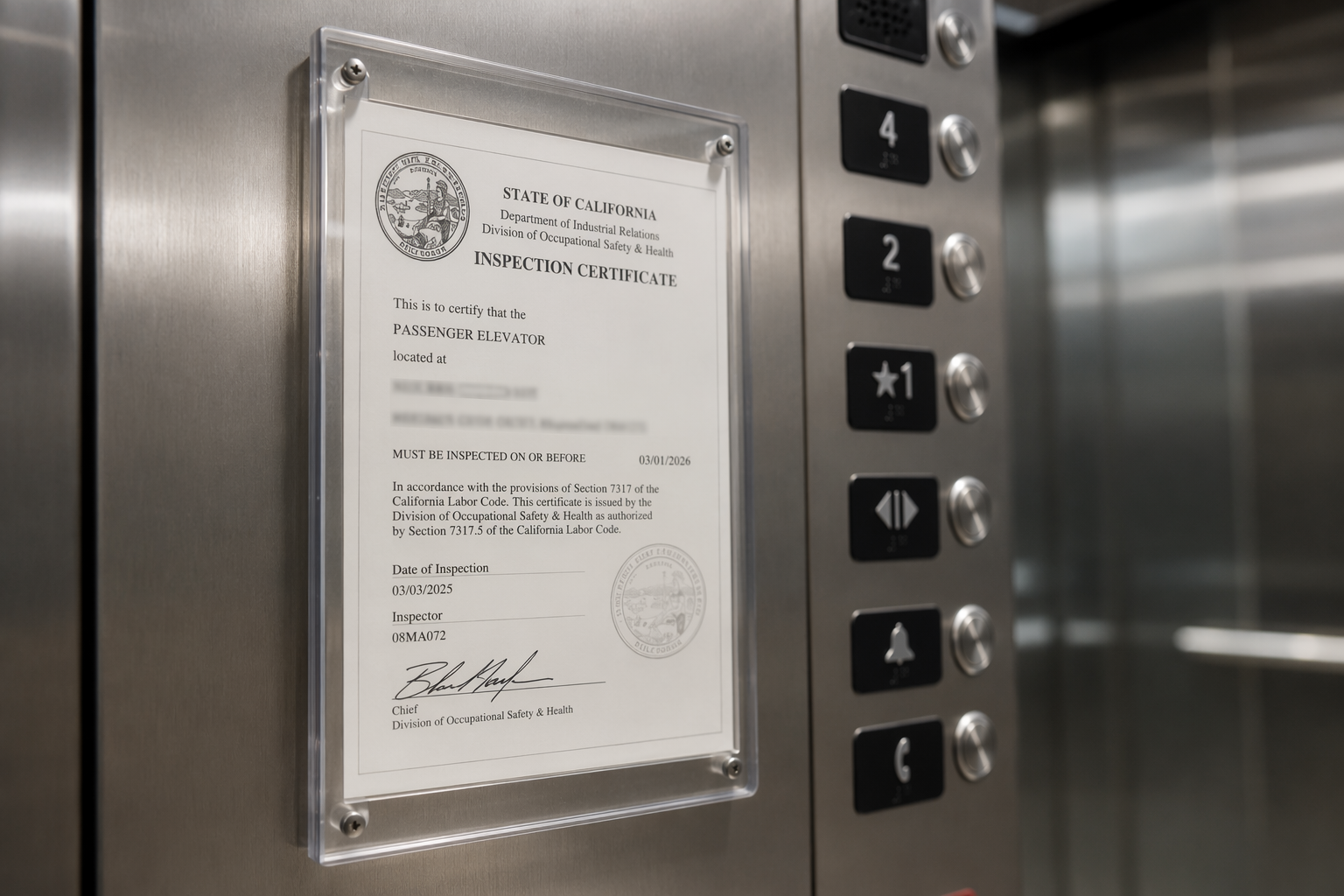
Elevators in Phoenix must maintain current inspection certificates, and those certificates must be posted in the elevator cab as required by state code. When switching maintenance providers, it is critical that the incoming company has full access to existing inspection records, prior service logs, and any outstanding violation notices issued by ADOSH. Gaps in documentation can create compliance exposure for the building owner.
Buildings that serve the public must also remain compliant with ADA (Americans with Disabilities Act) accessibility standards, which affect elevator cab dimensions, control panel heights, door timing, and audible/visual signals. A qualified maintenance provider should audit ADA compliance as part of any transition inspection.
How Do You Review Your Current Elevator Maintenance Contract Before Switching?

Before initiating any transition, building owners should carefully review the existing maintenance agreement. Key contract elements to examine include:
- Notice period: Most elevator maintenance contracts require written notice of termination — commonly 30, 60, or 90 days. Missing this window can trigger automatic renewal or financial penalties.
- Proprietary parts clauses: Some contracts tie the building owner to a specific vendor through proprietary components or software. Understanding this exposure in advance is essential.
- Service records ownership: Confirm that maintenance logs, inspection reports, and equipment histories belong to the building owner, not the contractor.
- Cancellation fees: Review whether early termination carries financial penalties and factor that into the timing of a switch.
Legal counsel familiar with commercial service agreements can help interpret ambiguous contract language before notice is submitted.
What Is the Step-by-Step Process for Switching Elevator Maintenance Companies in Phoenix?
- Audit current service performance. Document recurring issues, response concerns, missed maintenance visits, and any open inspection violations. This establishes a factual basis for the transition decision.
- Review and understand your existing contract. Identify notice requirements, proprietary parts clauses, cancellation terms, and record ownership provisions before submitting any notice.
- Request all service documentation. Formally request complete maintenance logs, inspection certificates, repair histories, and any ADOSH correspondence from the current provider.
- Submit written notice of termination. Deliver termination notice according to the contract’s specified method (certified mail, email, or written notice) and retain proof of delivery.
- Schedule a transition inspection with the incoming provider. The new maintenance company should conduct a full equipment assessment — including mechanical condition, code compliance status, and ADA conformance — before assuming responsibility.
- Verify credentials and Arizona compliance standing. Confirm that the incoming provider is authorized to perform elevator work in Arizona and carries appropriate insurance coverage.
- Transfer service records to the new provider. Ensure that all historical documentation is in the hands of the new maintenance company before the effective transition date.
- Confirm active inspection status with ADOSH. Verify that the elevator’s current inspection certificate remains valid through the transition period and schedule any overdue inspections promptly.
How Long Does It Take to Switch Elevator Maintenance Providers?
The timeline for switching elevator maintenance companies in Phoenix varies depending on the terms of the existing contract and the complexity of the equipment involved. Contract notice periods are typically the primary driver — once notice is properly submitted, the transition period gives both parties time to transfer documentation and for the incoming provider to complete a transition inspection. In most cases, a well-planned switch can be completed within the notice period without any lapse in service coverage or compliance standing.
Will Switching Providers Create a Compliance Gap for My Phoenix Building?
A compliance gap is one of the most common concerns building owners raise — and it is preventable with proper planning. Arizona requires that elevators maintain valid inspection certificates at all times. If a building transitions between providers while an inspection is overdue, or if the incoming company is not given adequate lead time to schedule required testing, a lapse can occur.
Arizona Elevator Solutions conducts a thorough transition inspection at the outset of every new service relationship. This inspection identifies any open compliance issues under ASME A17.1 standards, documents current equipment condition, and establishes a clear baseline for ongoing maintenance. Building owners are provided with a written summary of findings so that no item is left unaddressed at changeover.
What Should You Look for When Comparing Elevator Maintenance Companies in Phoenix, AZ?
When evaluating elevator maintenance providers in Phoenix, building owners should assess the following factors:
- Local market knowledge: Providers with established experience in the Phoenix metro area — including familiarity with ADOSH inspection processes and local building types — are better positioned to respond effectively.
- Equipment familiarity: Arizona’s building stock includes a wide range of elevator types across commercial towers, multifamily residential communities, medical facilities, hospitality properties, and industrial buildings. A provider’s ability to service the specific equipment installed matters significantly.
- Emergency availability: Elevator outages affect tenant safety and building operations. Prospective providers should clearly communicate how after-hours and emergency service requests are handled.
- Transparency in service reporting: Building owners benefit from providers who document service visits thoroughly and make records accessible.
- ADA compliance support: Given ongoing ADA obligations for public-facing buildings, a maintenance partner who can identify and flag accessibility concerns adds meaningful value.
- Communication and responsiveness: Consistent, clear communication between the service provider and property management is a strong indicator of a healthy long-term service relationship.
Which Phoenix-Area Markets Does Arizona Elevator Solutions Serve?
Arizona Elevator Solutions provides elevator maintenance, repair, and modernization services across the greater Phoenix metropolitan area. Service areas include Phoenix, Scottsdale, Tempe, Mesa, Chandler, Gilbert, Glendale, Peoria, Surprise, and surrounding communities throughout Maricopa County. The company serves a broad range of property types, including commercial office buildings, multifamily residential and HOA properties, medical and healthcare facilities, hospitality and hotel properties, retail centers, and industrial facilities.
This regional focus means Arizona Elevator Solutions operates with direct familiarity with Arizona’s regulatory environment, the equipment profiles common to Phoenix-area buildings, and the practical demands of property management in the desert Southwest.
What Happens to Elevator Equipment During a Provider Transition?
One concern that arises frequently during provider transitions is whether the outgoing company may restrict access to proprietary components or software. Some manufacturers and maintenance companies use proprietary diagnostic tools or parts that can complicate a transition. Building owners should clarify this issue during the contract review phase and, if necessary, consult with the incoming provider about alternative solutions or equipment modernization options that restore full vendor independence.
During the transition period itself, elevator equipment should remain fully operational and maintained under the outgoing contract until the effective termination date. The incoming provider’s transition inspection creates a clear, documented baseline so that responsibility is transferred cleanly and any pre-existing issues are identified before they become the new provider’s liability.
Is 2026 a Good Time to Evaluate Elevator Maintenance Contracts in Arizona?
For Phoenix-area building owners, 2026 is a practical moment to review elevator service agreements. Code requirements under ASME A17.1 are updated on a regular cycle, and buildings that have not undergone recent modernization assessments may have emerging compliance considerations. Additionally, Phoenix’s continued commercial and multifamily development growth means that the elevator service market has expanded — giving building owners more options and leverage when negotiating service agreements than may have existed in prior years.
Ready to Make the Switch? Schedule a Free Consultation with Arizona Elevator Solutions
Arizona Elevator Solutions works with Phoenix-area building owners and property managers to make elevator provider transitions smooth, compliant, and fully documented. From contract review guidance to transition inspections and ongoing maintenance, the team is ready to support every step of the process.
Call today to schedule your free consultation: 480-319-7157
Need elevator service you can rely on? Arizona Elevator Solutions is ready to help.