Elevator Service in Phoenix, AZ | Arizona Elevator Solutions
When a Phoenix property owner evaluates elevator service options, the fundamental question is straightforward: should the building rely on the Original Equipment Manufacturer (OEM) that installed the unit, or engage a certified independent elevator service company? In Arizona, both paths must satisfy the same regulatory requirements, but they differ considerably in scope, flexibility, and long-term cost management. Understanding those differences helps building managers make confident, compliant decisions.
—
What Is the Difference Between an Elevator Service Company and an OEM Manufacturer?
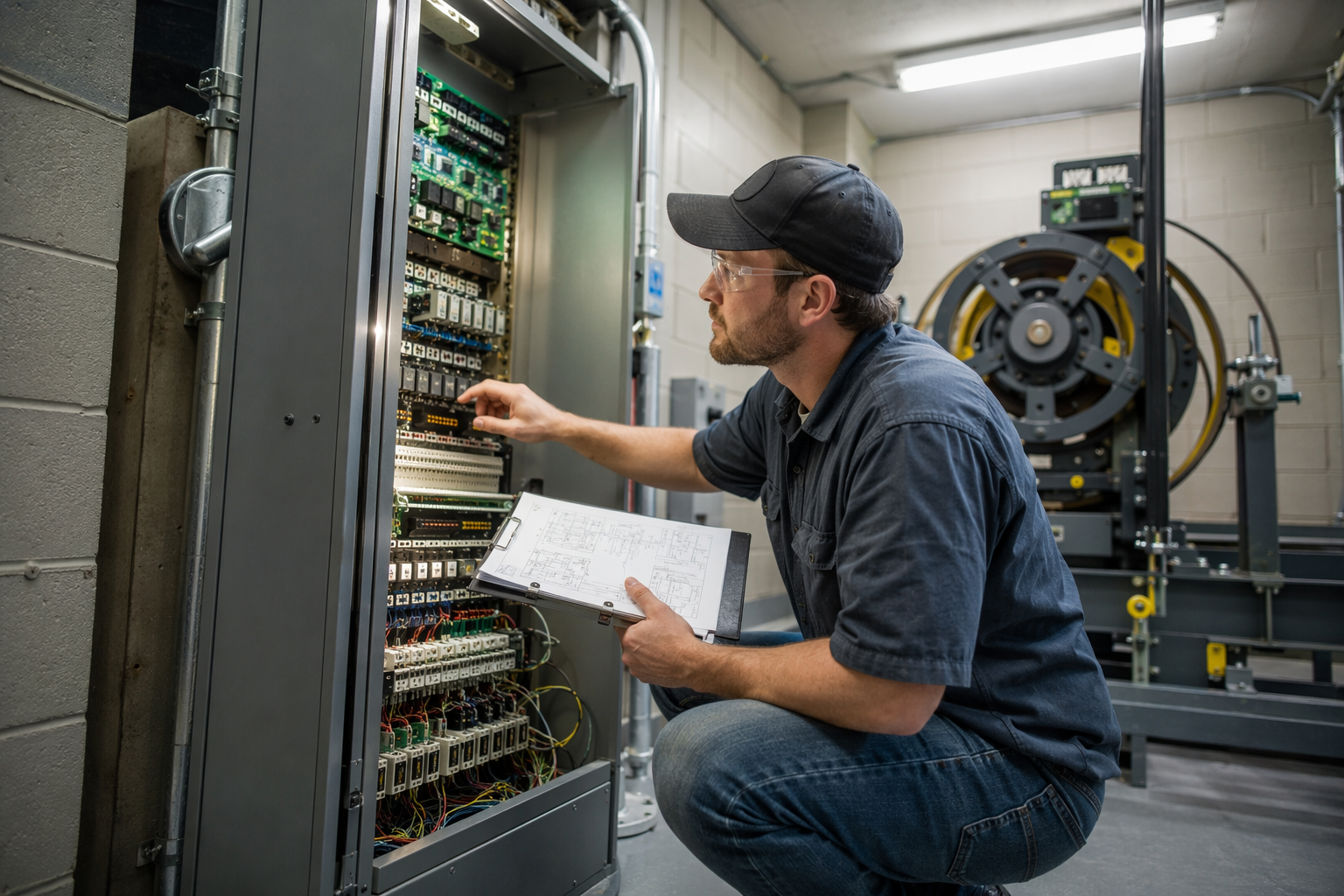
An OEM manufacturer designs, builds, and sells elevator equipment under a proprietary brand. When an OEM also provides maintenance, that service is typically tied to its own product lines, using proprietary parts and diagnostic systems that outside vendors cannot easily access. An independent elevator service company, by contrast, is trained and equipped to work across multiple brands and drive types—hydraulic, traction, MRL (machine-room-less), and more. For Phoenix buildings that house elevators from different eras or different manufacturers, an independent provider can manage the entire vertical transportation portfolio under one service agreement.
—
What Arizona Elevator Regulations Apply Regardless of Who Does the Work?

Whether a building chooses an OEM or an independent service company, Arizona law governs the work. The Arizona Department of Occupational Safety and Health (ADOSH) enforces elevator safety under rules aligned with the ASME A17.1 Safety Code for Elevators and Escalators. In 2026, that standard continues to define inspection intervals, safety device requirements, and equipment performance thresholds that every service provider operating in Phoenix must meet.
Additionally, elevators serving the public must comply with accessibility requirements under the Americans with Disabilities Act (ADA), including cab dimensions, door timing, and control reach ranges. Technicians performing elevator work in Arizona must hold current state licensure, and all inspections must be performed by a licensed elevator inspector. These requirements apply equally to OEM technicians and independent service personnel—the credential standard does not change based on who employs the mechanic.
Workplace safety on job sites is further governed by standards from OSHA, including confined space and lockout/tagout protocols relevant to elevator machine rooms and pit work.
—
Does an OEM Service Contract Guarantee Better Quality Than an Independent Company?
Not necessarily. OEM service agreements offer familiarity with proprietary systems, but that advantage diminishes as equipment ages. Older units may no longer be a priority for OEM service resources, and proprietary parts can carry a significant cost premium. Independent elevator service companies invest in multi-brand training and maintain broad parts inventories precisely to close that gap. For Phoenix building owners managing aging equipment or older hydraulic systems common in mid-century commercial buildings, an independent provider often delivers equivalent—or more attentive—service without the markup on proprietary components.
—
What Types of Phoenix Properties Benefit Most from an Independent Elevator Service Company?
Arizona Elevator Solutions serves a wide range of property types across the Phoenix metropolitan area, including:
- Commercial office buildings in downtown Phoenix and the Camelback Corridor
- Multi-family residential communities including high-rises and mid-rise condominiums
- Healthcare facilities such as medical office buildings and outpatient surgery centers
- Retail and mixed-use developments throughout the Valley
- Government and municipal facilities requiring strict compliance documentation
- Hospitality properties including hotels and resort communities
- Industrial and warehouse facilities using freight and service lifts
Buildings with elevators from multiple manufacturers—common in properties that have undergone renovations or ownership changes—benefit especially from a single independent service partner who can maintain the full inventory without juggling multiple OEM contracts.
—
How Should a Phoenix Building Manager Evaluate an Elevator Service Agreement?
When comparing service agreements from an OEM or an independent provider, building managers should assess the following factors systematically:
- Scope of covered equipment: Confirm whether the agreement covers all elevator brands on the property, not just one manufacturer’s units.
- Parts sourcing and pricing: Understand whether parts are sourced at OEM list price or through competitive supply channels, and whether markups are capped.
- Inspection and documentation: Verify that the provider coordinates with Arizona-licensed inspectors and maintains records required for ADOSH compliance.
- Preventive maintenance schedule: Review what tasks are performed and at what frequency, aligned with ASME A17.1 recommendations.
- Emergency availability: Confirm that the provider offers around-the-clock emergency response for entrapments and safety-critical failures—an expectation for any reputable service company operating in Phoenix.
- Modernization capabilities: Assess whether the provider can manage controller upgrades, cab renovations, and code-compliance retrofits as the equipment ages.
- Contract flexibility: Evaluate notice periods, renewal terms, and the ability to add or remove units as the portfolio changes.
—
What Happens During a Compliance Inspection in Arizona?
Arizona-licensed inspectors examine elevator equipment against the adopted edition of the ASME A17.1 Safety Code for Elevators and Escalators. Inspections typically cover safety devices such as governor and safeties on traction units, pressure relief valves on hydraulic systems, door interlocks, emergency lighting, and firefighters’ service operation. A building that fails inspection receives a deficiency notice, and the elevator may be taken out of service until corrections are made. An experienced independent service company maintains inspection-ready documentation and performs pre-inspection audits to reduce the likelihood of unplanned downtime.
—
Can an Independent Elevator Company Handle Modernization Projects as Well as Routine Maintenance?
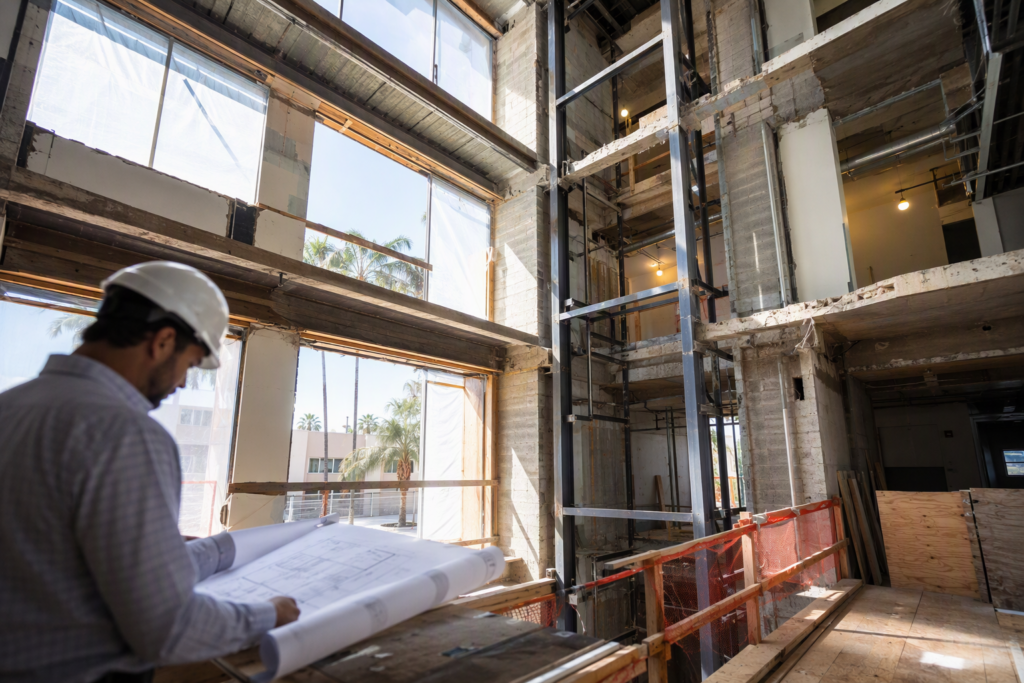
Yes. Modernization is a core offering for qualified independent elevator service companies, and it is often where the distinction from OEM service becomes most apparent. An OEM modernization proposal will almost always specify proprietary controls and components, locking the building into that manufacturer’s ecosystem for the next service cycle. An independent company can design modernization scopes using open-architecture controls and interoperable components, which broadens future vendor options and can reduce long-term parts costs. In Phoenix, where commercial and residential construction has grown steadily and elevator fleets vary widely in age and brand, modernization flexibility is a practical advantage.
Modernization projects must comply with current ASME A17.1 requirements and applicable ADA accessibility standards at the time of alteration. Arizona Elevator Solutions coordinates permitting, licensed inspection, and ADOSH documentation as part of every modernization engagement.
—
What Should a Phoenix Building Owner Do Immediately After an Elevator Entrapment or Failure?
- Contact emergency services if anyone is injured or the situation is life-threatening. Dial 911 first in any medical emergency.
- Communicate with any trapped passengers through the elevator’s two-way communication system to confirm their condition and reassure them help is on the way.
- Do not attempt a self-rescue or ask untrained personnel to open elevator doors manually—this creates serious fall and mechanical hazards.
- Contact your licensed elevator service company’s emergency line to dispatch a trained mechanic for passenger retrieval and equipment assessment.
- Take the elevator out of service by placing the unit on independent service mode or posting signage until the cause of the failure is identified.
- Document the incident with date, time, cab number, and a description of the malfunction for your ADOSH records and insurance file.
- Obtain a written report from the service technician before returning the elevator to normal operation.
—
Why Choose Arizona Elevator Solutions as Your Phoenix Elevator Service Partner?
Arizona Elevator Solutions is a locally based, certified elevator service company serving the Phoenix metropolitan area and surrounding communities throughout the Valley. The company’s expertise spans preventive maintenance, repair, code compliance, modernization, and emergency response across a wide range of elevator brands and drive types. Because Arizona Elevator Solutions operates independently of any single manufacturer, clients receive service recommendations based on what best fits the equipment and the building—not on what drives proprietary parts sales.
Local presence matters in Phoenix. The city’s heat, dust conditions, and continued growth create unique demands on elevator equipment that a regionally rooted service company understands from consistent, on-the-ground experience. Arizona Elevator Solutions works with property managers, facility directors, HOA boards, healthcare administrators, and commercial real estate professionals across the Valley to keep vertical transportation safe, compliant, and running.
—
Need elevator service you can rely on? Arizona Elevator Solutions is ready to help.