Elevator Maintenance Contract Pricing for Healthcare Facilities in Arizona
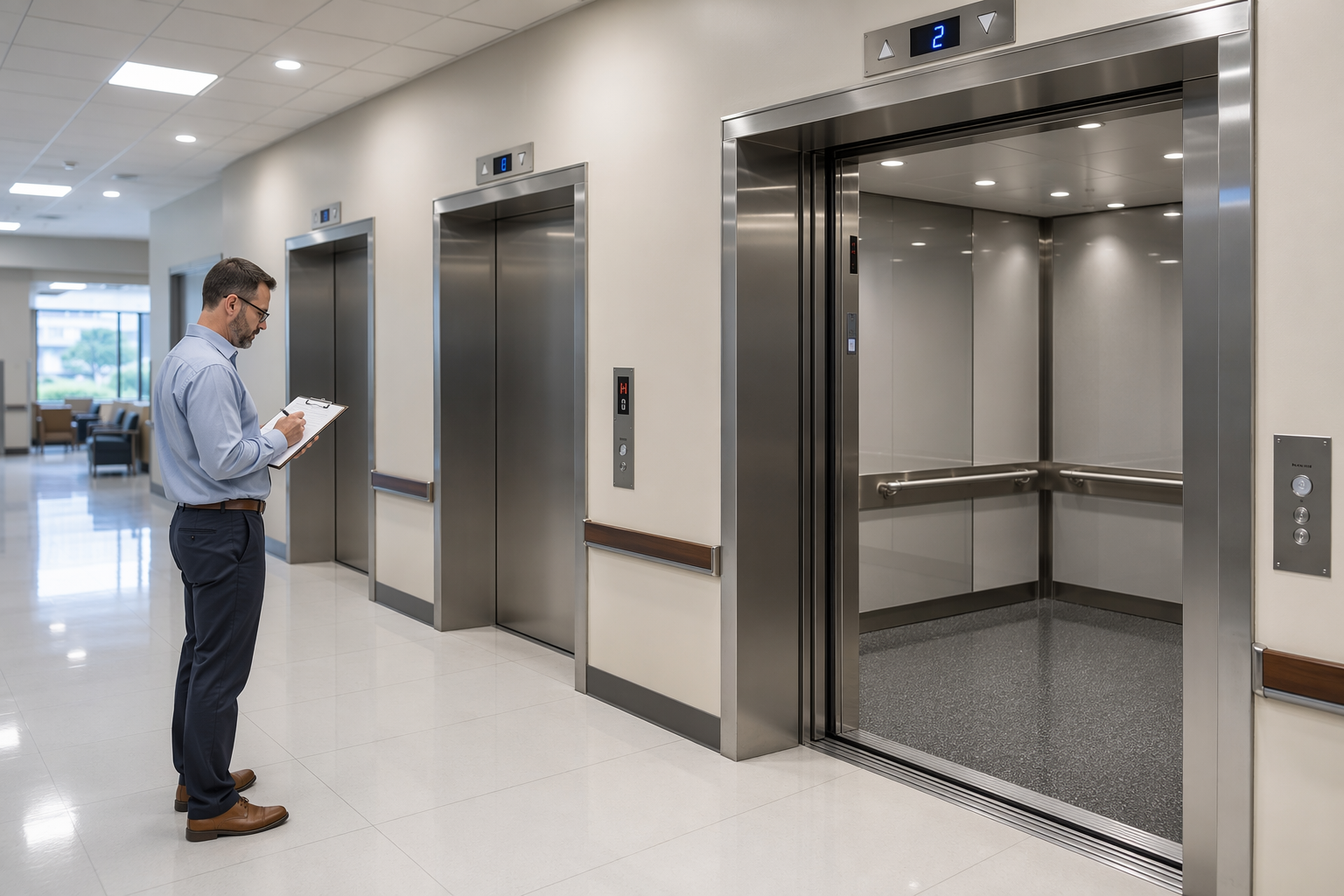
Healthcare facilities — hospitals, outpatient surgery centers, medical office buildings, skilled nursing facilities, and rehabilitation clinics — depend on elevators to transport patients, medical staff, equipment, and pharmaceuticals safely and continuously. An elevator failure in a healthcare environment is not a mere inconvenience; it can disrupt patient care workflows and create serious safety and liability concerns. That is why understanding elevator maintenance contract pricing in the healthcare vertical means looking beyond a basic cost-per-unit figure and examining the full scope of compliance, equipment complexity, and risk management involved.
Arizona Elevator Solutions works with healthcare facilities across Phoenix, Tucson, Scottsdale, and Mesa to develop maintenance contracts structured around the unique regulatory and operational demands of medical environments.
What Factors Determine Elevator Maintenance Contract Pricing for Hospitals and Medical Facilities?

Pricing for a healthcare elevator maintenance contract is shaped by several interconnected variables:
- Number and type of units: A single-car hydraulic lift in a small medical office carries a different service scope than a fleet of traction elevators in a multi-story hospital tower. Larger portfolios typically allow for volume-based contract structuring.
- Equipment age and complexity: Older equipment may require more frequent parts sourcing and modernization assessments. Advanced microprocessor-controlled dispatching systems require technicians trained on that specific platform.
- Inspection and testing frequency: Arizona follows the ASME A17.1 Safety Code for Elevators and Escalators for periodic testing intervals. Healthcare facilities may also be subject to additional inspections tied to Joint Commission surveys or state health department licensing reviews.
- Hours of coverage: Hospitals operate around the clock. Contracts that include after-hours call coverage reflect a higher service scope than standard business-hours-only agreements.
- Scope of inclusions: Full-maintenance contracts (covering parts, labor, and testing) are priced differently from limited-maintenance or labor-only agreements. Healthcare risk profiles generally favor comprehensive coverage.
- Accessibility compliance obligations: Compliance with ADA accessibility requirements — including door timing, cab leveling accuracy, and tactile controls — must be maintained continuously, which influences both service scope and pricing.
What Compliance Standards Apply to Elevator Maintenance in Arizona Healthcare Facilities?
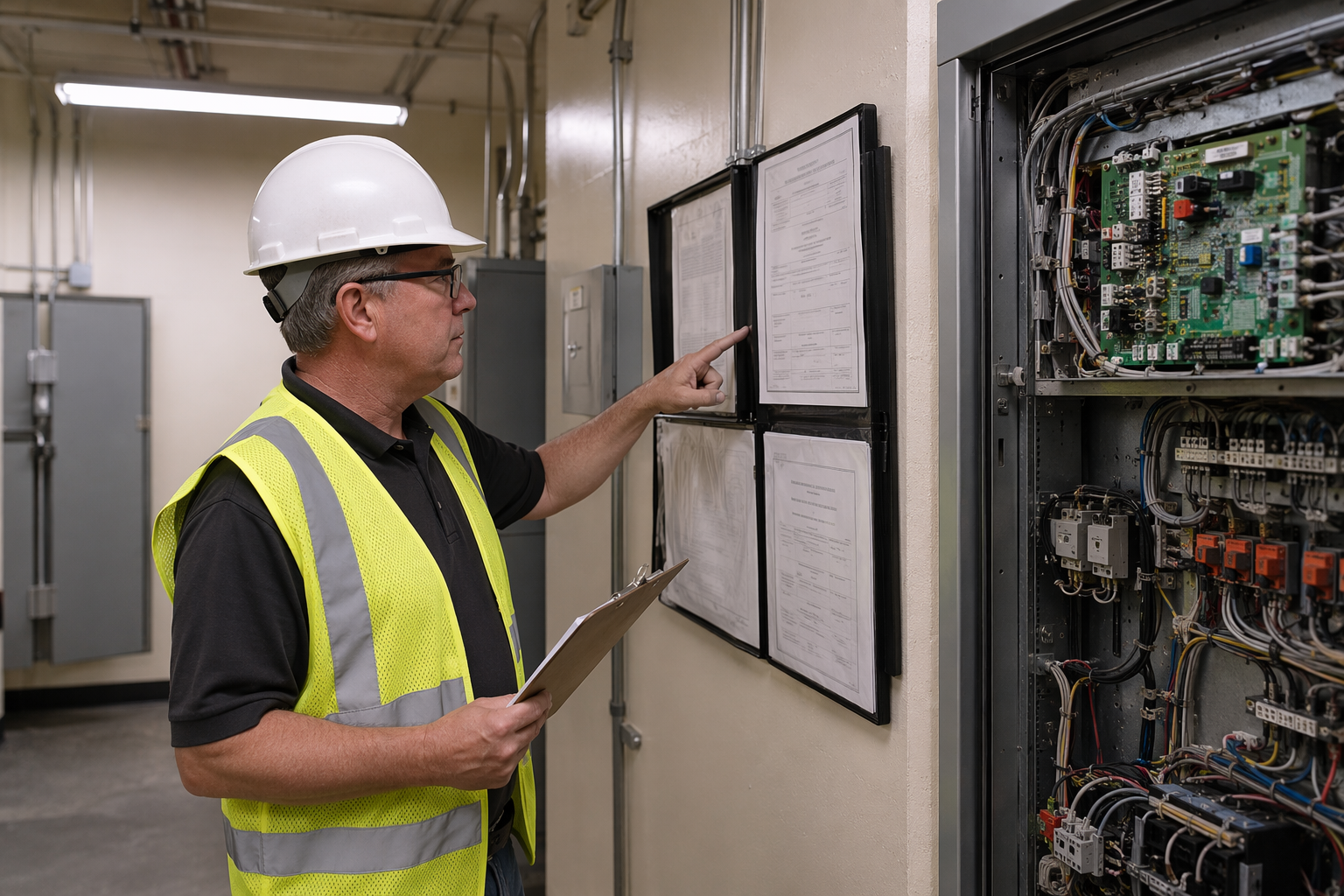
Healthcare elevator maintenance in Arizona intersects multiple regulatory frameworks:
- ASME A17.1 Safety Code for Elevators and Escalators: This is the foundational code governing elevator construction, maintenance, inspection, and testing across the United States, including Arizona. It specifies required maintenance records, inspection intervals, and safety device testing protocols. The 2019 and 2022 editions of this code contain provisions that maintenance contractors must follow to keep equipment in compliant condition.
- Americans with Disabilities Act (ADA): Elevators in healthcare facilities must maintain compliant door-open timing, cab leveling within a specified tolerance, audible and visual floor indicators, and accessible controls. Maintenance contracts must include provisions that preserve ADA-compliant operation as components wear.
- The Joint Commission (TJC) Environment of Care Standards: Hospitals and accredited healthcare organizations subject to Joint Commission review must demonstrate that vertical transportation equipment is included in a formal preventive maintenance program with documented inspection records.
- Arizona State Elevator Safety Program: Arizona requires periodic third-party inspections by licensed inspectors. A properly structured maintenance contract ensures the facility is prepared for these inspections at all times — not just during scheduled review windows.
- OSHA General Industry Standards: Where elevator equipment is used in areas with clinical hazards — including exposure risks during biohazard transport — OSHA’s general duty requirements may apply to service protocols.
What Is Included in a Full-Maintenance Contract for Healthcare Elevators?
A full-maintenance contract for a healthcare elevator typically covers:
- Scheduled preventive maintenance visits aligned with ASME A17.1 intervals
- All labor associated with repairs identified during routine service
- Parts and components (subject to agreed exclusions for major modernization work)
- State-required periodic testing and inspection coordination
- ADA compliance checks integrated into routine maintenance visits
- Documentation and maintenance logs maintained for regulatory review
- Emergency callback coverage as specified in the contract terms
Facilities should carefully review the exclusion clauses in any full-maintenance proposal. Major drive system replacements, cab refurbishments, and code-mandated modernizations are commonly excluded and priced separately.
How Should a Healthcare Facility Compare Elevator Maintenance Contract Proposals?
Evaluating proposals on price alone is a common error in healthcare procurement. A lower monthly rate may reflect a narrower scope, less frequent preventive visits, or labor-only coverage that leaves the facility responsible for parts costs. When comparing proposals, healthcare facility managers should evaluate:
- Exact number of preventive maintenance visits per year and their documented duration
- Whether parts are included and, if so, which categories are excluded
- How after-hours callbacks are handled and whether they are included or billed separately
- Whether the contractor coordinates state inspection scheduling and prepares the equipment accordingly
- Documentation practices and how records are delivered to facility management for accreditation files
- The contractor’s demonstrated familiarity with healthcare-specific operational constraints, such as infection control protocols during service visits
Arizona Elevator Solutions structures proposals for healthcare clients to clearly delineate what is and is not included, allowing apples-to-apples comparison with competing bids.
How Does Elevator Downtime Affect Healthcare Facilities Differently Than Other Verticals?
In a commercial office building, an elevator outage is a disruption. In a hospital or skilled nursing facility, it can affect patient transport, medication delivery, surgical scheduling, and emergency response logistics. Healthcare facilities that operate above a single story rely on elevators as critical infrastructure, not a convenience amenity. This operational reality makes preventive maintenance frequency and equipment reliability the primary evaluation criteria for contract selection — with pricing evaluated in that context.
A maintenance program that identifies and corrects developing failures before they cause downtime delivers compounding value that cannot be captured in a simple per-unit monthly cost comparison.
What Are the Elevator Maintenance Requirements Specific to Hospitals in Phoenix, Tucson, Scottsdale, and Mesa?
All four Arizona markets fall under the Arizona Department of Occupational Safety and Health (ADOSH) elevator safety jurisdiction, which adopts ASME A17.1 as its technical standard. Hospitals and healthcare campuses in these markets share the same foundational inspection and maintenance obligations but may differ in the number of units, equipment vintage, and whether facilities are single-site or part of a multi-campus health system.
Large hospital campuses in Phoenix may operate diverse elevator fleets — high-rise traction elevators, low-rise hydraulic lifts, dumbwaiters for pharmacy and dietary transport, and dedicated service elevators. Multi-site health systems in the Tucson and Scottsdale markets may benefit from portfolio-level contract structures that standardize maintenance documentation across locations for accreditation purposes.
Arizona Elevator Solutions serves healthcare clients across all four of these markets and is positioned to assess both single-facility and multi-campus elevator maintenance needs.
What Should a Healthcare Facility Do Before Signing an Elevator Maintenance Contract?
- Conduct a pre-contract equipment assessment. A qualified technician should evaluate the current condition of all units, identify any deferred maintenance, and document existing deficiencies before the contract term begins. This prevents disputes over pre-existing issues.
- Review current inspection records and violation history. Obtain copies of the most recent state inspection certificates and any open violations. A new maintenance provider should acknowledge and address open items in the contract scope.
- Confirm the contractor’s familiarity with healthcare-specific protocols. Service technicians entering a healthcare facility must follow infection prevention and control requirements — masking, floor coverings, and coordination with facility management during sensitive operational hours.
- Verify documentation deliverables. Confirm that maintenance logs, parts replacement records, and inspection certifications will be provided in a format suitable for Joint Commission or state licensing review.
- Understand the contract exit terms. Multi-year contracts often include early termination clauses. Healthcare facilities planning capital projects, renovations, or equipment replacement should evaluate how contract terms interact with planned capital work.
- Clarify modernization and code-upgrade responsibilities. As Arizona adopts updated editions of ASME A17.1, equipment may require modifications. Understand how the contract addresses required upgrades versus optional improvements.
Questions Your Inspector Will Ask
When a state elevator inspector or Joint Commission surveyor reviews elevator compliance at a healthcare facility, the following questions are commonly raised. A properly maintained elevator program — supported by a compliant maintenance contract — should have documented answers ready:
- Are current elevator certificates of operation posted in or adjacent to each cab?
- Can you provide maintenance logs showing the dates, scope, and technician sign-off for all preventive maintenance visits in the past twelve months?
- Have all required periodic tests (including five-year hydraulic and traction full-load tests per ASME A17.1) been completed on schedule?
- Are door reopening devices and door timing tested and within ADA-compliant parameters?
- Is cab leveling within the tolerance required for wheelchair and gurney accessibility under ADA guidelines?
- Are emergency lighting, communication systems, and firefighters’ service features functional and tested?
- Is there a written preventive maintenance contract in place with a licensed elevator contractor?
- Have any open violations from the most recent state inspection been corrected and documented?
- Are dumbwaiters and material lifts used for pharmaceutical or dietary transport included in the maintenance program?
Is a Multi-Year Elevator Maintenance Contract Right for a Healthcare Facility?
Multi-year contracts offer predictable budgeting, which aligns well with healthcare capital planning cycles. They may also unlock more favorable pricing structures on a per-unit basis over the contract term. However, healthcare facilities should weigh these benefits against planned equipment replacements, campus expansion projects, or regulatory changes that could affect the scope of service required.
A facility undergoing a tower addition or emergency department expansion may find that elevator equipment changes mid-contract require renegotiation. Contract language should address how pricing and scope adjust when units are added, temporarily taken out of service for renovation, or permanently decommissioned.
How Does Arizona Elevator Solutions Approach Healthcare Elevator Maintenance Contracts?
Arizona Elevator Solutions approaches healthcare accounts as compliance-sensitive environments requiring documentation rigor, operational awareness, and equipment expertise that goes beyond standard commercial elevator service. Proposals are built around a thorough assessment of existing equipment, current compliance status, and the facility’s specific accreditation obligations — not a generic rate sheet applied uniformly across verticals.
Healthcare clients in the Phoenix, Tucson, Scottsdale, and Mesa markets can expect maintenance contract proposals that clearly address inspection coordination, documentation deliverables, and the regulatory touchpoints most likely to appear in Joint Commission surveys or state licensing reviews. Arizona Elevator Solutions is certified to service elevators in Arizona and structures its healthcare contracts to support the facility’s broader compliance program.
Get a Free Elevator Assessment for Your Healthcare Facility
Understanding the true cost and scope of elevator maintenance in a healthcare environment starts with an accurate picture of your current equipment condition and compliance status. Contact Arizona Elevator Solutions for a free elevator assessment and a contract proposal tailored to your facility’s operational and regulatory requirements in Phoenix, Tucson, Scottsdale, or Mesa.
Contact Arizona Elevator Solutions for a free elevator assessment: 480-557-7600
Need elevator service you can rely on? Arizona Elevator Solutions is ready to help.