How Much Does a New Elevator Installation Cost for a Commercial Building?
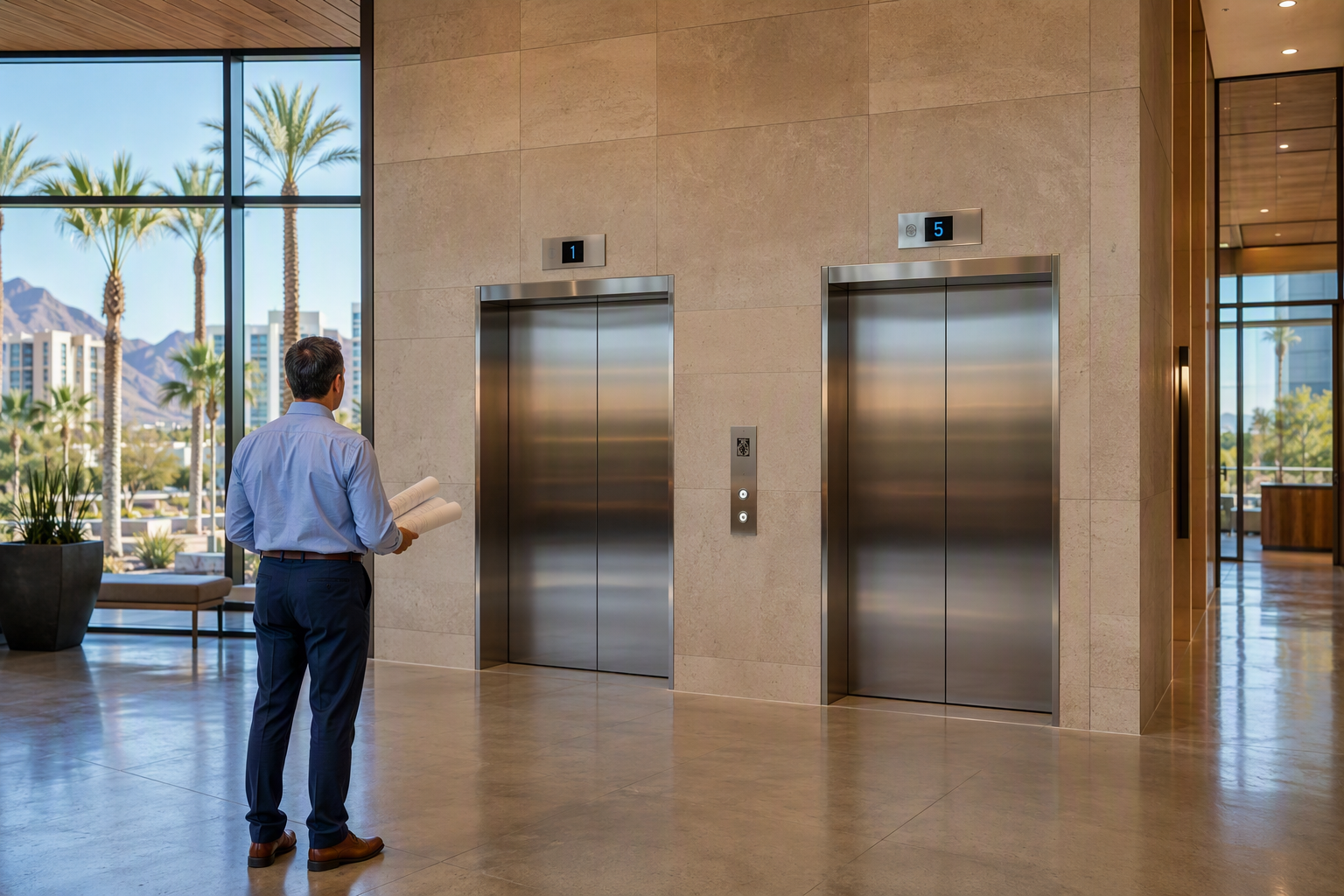
Commercial elevator installation is one of the most significant capital investments a building owner or developer will make. The final number depends on a constellation of factors — code compliance requirements, equipment type, hoistway construction, local permitting, and ongoing modernization needs. This page breaks down every major cost driver, answers the most common questions buyers ask, and explains what the installation process actually involves from contract to certificate of occupancy.
What Are the Primary Cost Drivers for Commercial Elevator Installation?
No two commercial elevator projects are identical, but the same core variables consistently shape the final budget:
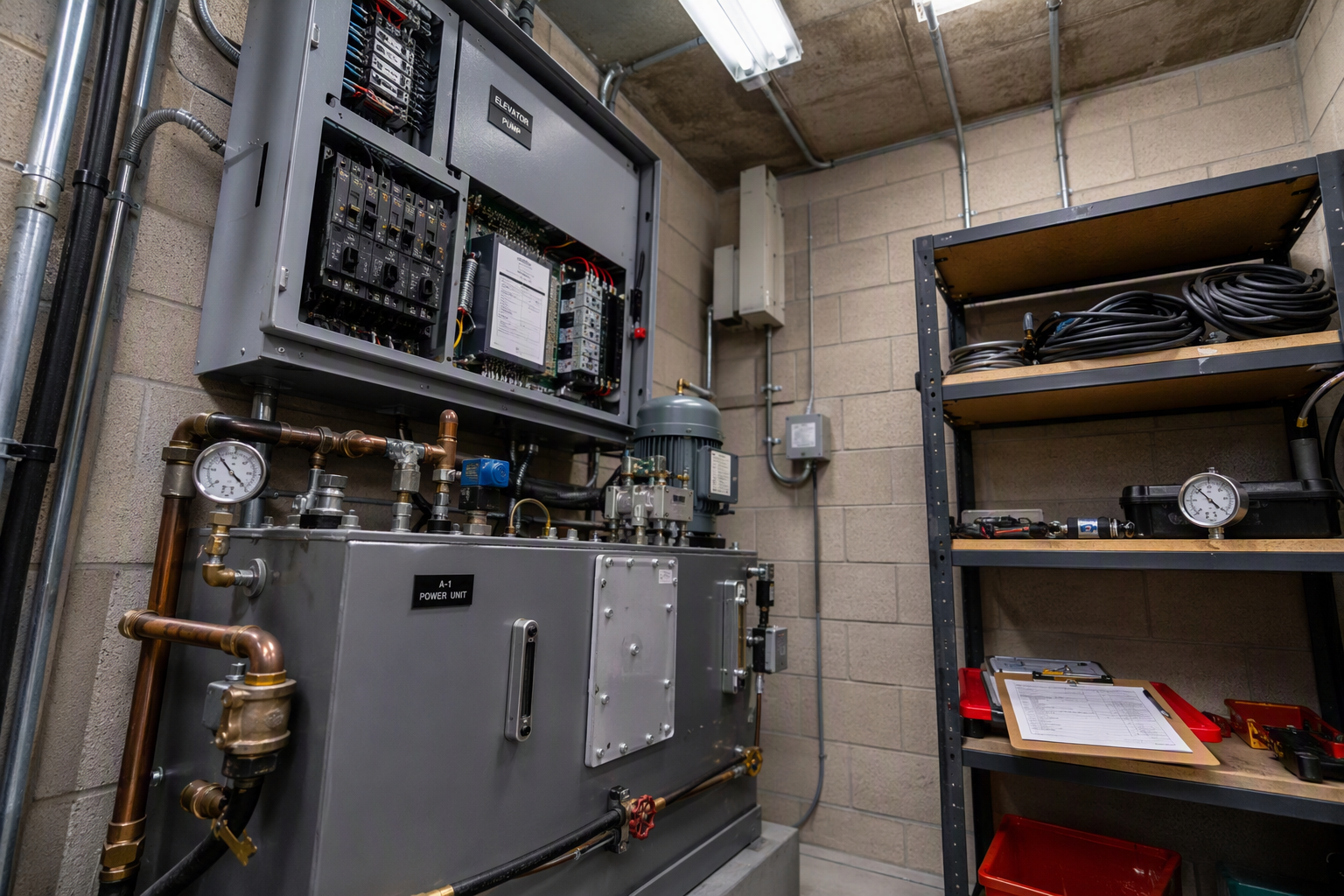
- Elevator type: Hydraulic elevators, machine-room-less (MRL) traction elevators, and geared or gearless traction systems all carry different equipment and installation cost profiles. Hydraulic units are typically less expensive upfront but involve fluid systems and a machine room pit; traction systems require overhead clearance and are generally preferred for taller buildings.
- Number of stops and travel distance: Each additional floor adds cab travel distance, more hoistway structure, additional door operators, and more wiring — all of which increase material and labor costs proportionally.
- Hoistway construction: If the building does not already have a dedicated elevator shaft, constructing one — including structural steel, concrete, or masonry — is often the single largest cost component. Retrofitting an existing building almost always costs more than new construction.
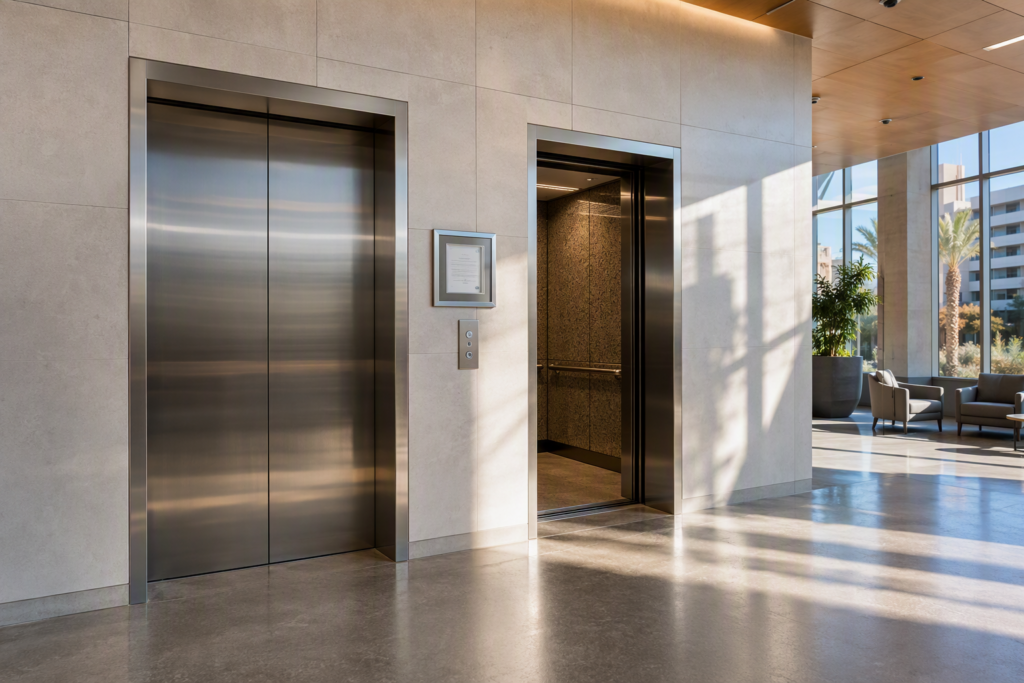
- Cab size and finish: A standard commercial cab (meeting ADA minimum requirements) costs significantly less to outfit than a premium lobby-grade cab with stainless steel, custom flooring, and designer lighting.
- Capacity rating: The rated load (expressed in pounds) affects the drive system, counterweight, and structural requirements. Higher-capacity freight elevators cost considerably more than standard passenger units.
- Local permitting and inspection fees: Arizona, like all states, requires permits and third-party or state inspections before a new elevator may be placed into service. These fees vary by jurisdiction and project complexity.
- Labor market conditions: Elevator constructors are members of a specialized trade. Local union agreements, prevailing wage requirements, and regional labor availability all affect installation labor costs.
Arizona Elevator Solutions works with building owners, general contractors, and architects across Arizona to provide transparent, data-driven cost assessments that account for all of these variables before a contract is signed.
What Types of Commercial Elevators Are Available and How Do They Differ in Cost?
Understanding elevator types is essential before evaluating any quote:
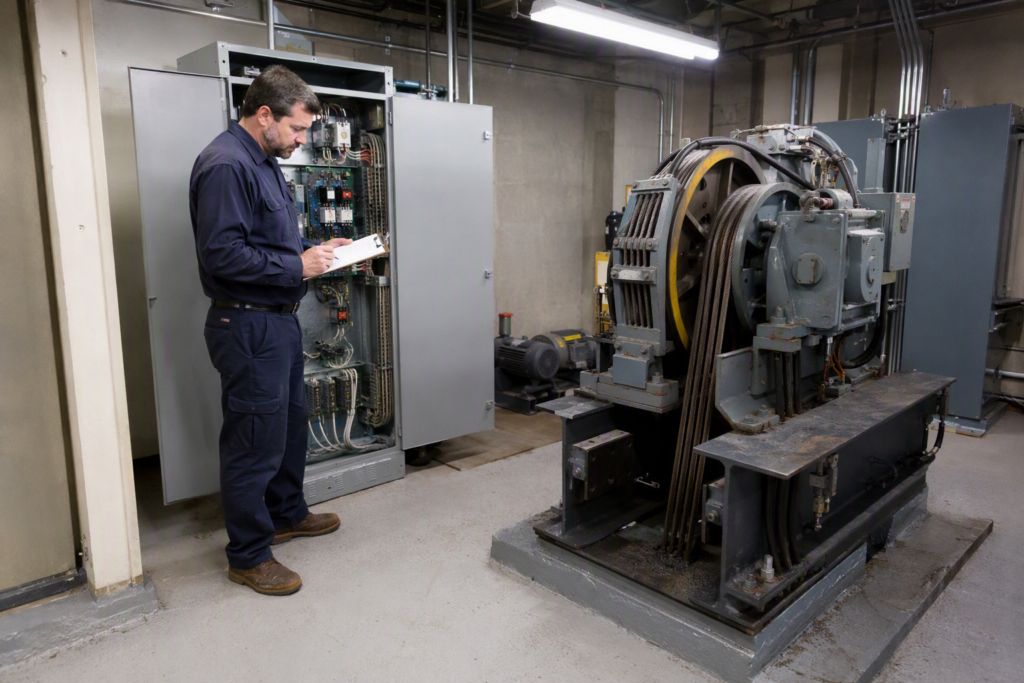
- Hydraulic elevators use a fluid-driven piston to raise and lower the cab. They are well-suited for buildings of roughly two to five stories, require a machine room at or near pit level, and generally carry lower upfront equipment costs. However, they can be less energy-efficient over time and involve environmental considerations around hydraulic fluid containment.
- Machine-room-less (MRL) traction elevators house the drive machinery within the hoistway itself, eliminating the need for a dedicated machine room. They are increasingly popular for mid-rise commercial projects because of their reduced footprint and competitive operating efficiency.
- Geared traction elevators use a gearbox between the motor and the sheave and are common in mid-rise buildings. They represent a mid-range option in terms of equipment cost and performance.
- Gearless traction elevators are the standard for high-rise, high-speed applications. The absence of a gearbox improves ride quality and efficiency but increases equipment and installation costs.
- Limited-use / limited-application (LU/LA) elevators are a code-defined category under ASME A17.1 Safety Code for Elevators and Escalators designed for smaller buildings with lower traffic volumes. They are often used as ADA-compliant access solutions in historic buildings or small commercial properties where a full commercial elevator is cost-prohibitive.
What Does ADA Compliance Add to Installation Cost?
Any new commercial elevator installed in the United States must satisfy accessibility requirements under the Americans with Disabilities Act (ADA). These requirements cover minimum cab dimensions, door clear width, call button height and placement, audible and visual signals, Braille markings, and leveling accuracy — among other specifications.
ADA compliance is not optional and should not be treated as an add-on line item. It is an integral part of the design and specification process. In practice, designing to ADA standards from the outset is far less expensive than retrofitting a non-compliant installation. Specifying ADA-compliant door widths, panel layouts, and cab dimensions during the design phase adds minimal incremental cost compared to corrective work after installation.
Failure to comply with ADA can expose building owners to federal civil rights complaints, litigation, and mandatory retrofits — costs that dwarf the original compliance investment.
What ASME and Safety Code Requirements Apply to New Installations?
All new commercial elevator installations in the United States are governed by the ASME A17.1 Safety Code for Elevators and Escalators, which establishes mandatory requirements for design, construction, installation, operation, inspection, testing, maintenance, and repair. Arizona adopts this code through its state elevator safety program, and local jurisdictions may impose additional requirements.
Key code-driven cost considerations include:
- Pit depth and overhead clearance: ASME A17.1 specifies minimum pit depths and overhead clearances that must be built into the hoistway. These dimensions are non-negotiable and affect structural construction costs.
- Fire service operation: Commercial elevators must be equipped with Phase I and Phase II fire service features, requiring dedicated wiring, key switches, and integration with the building’s fire alarm system.
- Seismic requirements: Arizona’s varied seismic zones require that elevator installations in applicable areas include seismic switches and other protective hardware per code.
- Inspection and testing before occupancy: A state-licensed elevator inspector must witness acceptance testing before the elevator may be used. This inspection is a code requirement, not an optional service.
Workplace safety during installation is also governed by OSHA standards, which apply to the contractor’s installation crew throughout the project.
What Is the Typical Timeline for a New Commercial Elevator Installation?
Commercial elevator installation timelines vary considerably. A straightforward hydraulic installation in a new-construction building with a pre-built hoistway can be completed more quickly than a complex traction installation in a retrofit project. Broadly, the process moves through these phases:
- Needs assessment and specification: The building owner or project team defines the application, traffic patterns, building height, and budget parameters. A qualified elevator contractor prepares a specification or reviews architect-prepared specifications.
- Permit application: Drawings and calculations are submitted to the applicable Arizona jurisdiction for review and permit issuance. Review times vary by jurisdiction and project complexity.
- Equipment manufacturing and lead time: Commercial elevator equipment is typically built to order. Lead times can range from several weeks to several months depending on the manufacturer, equipment type, and supply chain conditions.
- Hoistway construction (if applicable): For retrofit projects, hoistway construction must be substantially complete before elevator installation begins. This phase is coordinated with the general contractor.
- Elevator installation: The elevator contractor installs the rail system, drive equipment, cab, doors, wiring, and control systems. This phase can span several weeks to several months depending on project complexity.
- Acceptance testing and inspection: The contractor performs pre-inspection testing, followed by a formal inspection by a state-licensed elevator inspector as required under Arizona’s elevator safety program.
- Certificate of occupancy / operation permit: Upon passing inspection, the jurisdiction issues an operating certificate, and the elevator may be placed into service.
Supply chain disruptions, permitting delays, and coordination with other trades are the most common sources of schedule extension in commercial elevator projects.
How Does Building Type Affect Installation Cost?
The intended use of a building shapes almost every aspect of elevator specification and cost:
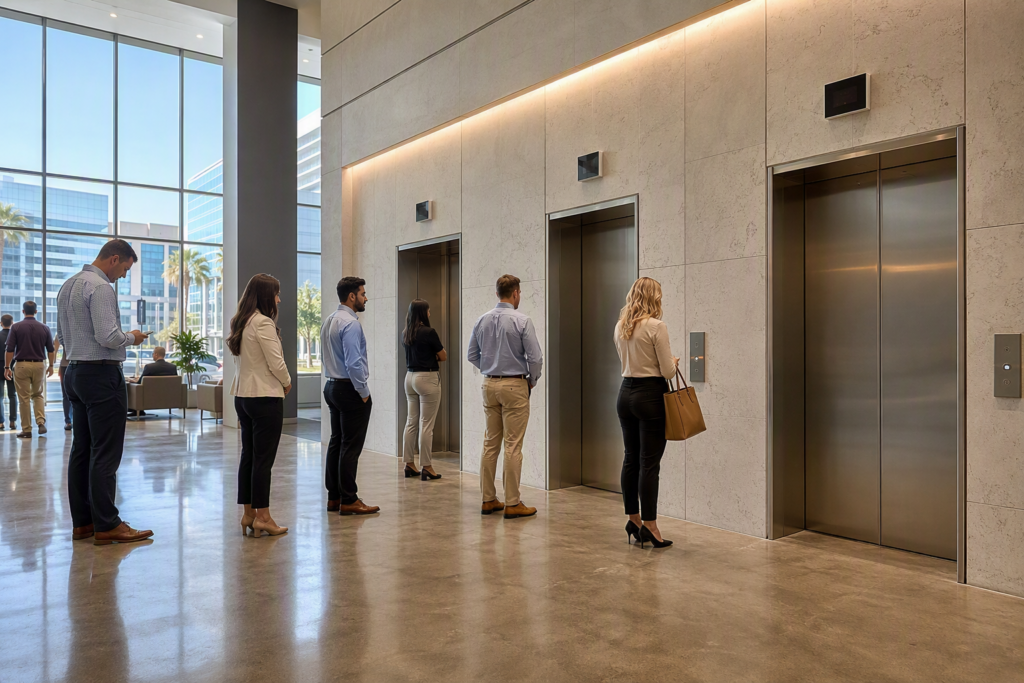
- Office buildings prioritize passenger capacity, speed, and aesthetic finish. High-traffic lobbies often require multiple elevators operating as a group, adding control system complexity and cost.
- Medical and healthcare facilities require larger cabs to accommodate beds and medical equipment, wider doors, and specific code compliance for hospital-use elevators, all of which elevate both equipment and installation costs.
- Retail and mixed-use buildings may require both passenger and service elevators, as well as escalators, multiplying project scope.
- Industrial and warehouse facilities typically need freight elevators with very high capacity ratings, reinforced flooring, and heavy-duty door systems.
- Historic buildings present unique challenges around hoistway construction within existing structures, often requiring structural engineering analysis and creative solutions that add cost compared to new construction.
What Are the Ongoing Costs After Installation?
Purchase and installation price is only one component of total cost of ownership. Building owners should account for:
- Maintenance contracts: Commercial elevators require regular preventive maintenance by qualified technicians. Maintenance contracts vary in scope — from basic lubrication and adjustment to full coverage that includes parts and emergency service.
- Annual inspections: Arizona law requires periodic inspections of elevators in service. Inspection fees and any required corrective work are recurring costs.
- Energy consumption: Elevator type and modernization level significantly affect operating energy costs over the life of the installation. Traction elevators with regenerative drives can return energy to the building’s electrical system.
- Modernization and upgrades: Code changes, wear, and technology advancement will eventually require control system modernization, cab refurbishment, or component replacement.
- Insurance: Elevator liability coverage is a standard component of commercial property insurance, and the type and age of equipment can affect premiums.
How Should a Building Owner Compare Elevator Installation Quotes?
Not all quotes are equivalent, and comparing them on price alone is a common and costly mistake. When evaluating proposals, building owners should verify:
- Whether the quote includes hoistway construction or assumes a completed shaft
- The specific equipment manufacturer and model being quoted
- Whether the quoted cab finish meets ADA requirements and the building’s design intent
- Whether permits and inspection fees are included or excluded
- The contractor’s licensing status under Arizona’s elevator safety program
- Warranty terms for both equipment and labor
- Whether the quote includes a maintenance agreement period post-installation
- The projected installation timeline and milestone schedule
Arizona Elevator Solutions provides itemized, transparent proposals that make direct comparison straightforward, helping building owners understand exactly what is and is not included in each line item.
What Questions Should Be Asked Before Signing an Elevator Installation Contract?
Before executing a contract, building owners and project managers should obtain clear written answers to:
- Is the contractor licensed to perform elevator work in the applicable Arizona jurisdiction?
- Who is responsible for permit applications and inspection coordination?
- What is the equipment lead time and how does it affect the project schedule?
- What site conditions or hoistway dimensions must be met before installation begins?
- How are change orders handled, and what typically triggers them?
- What happens if the installation fails its first inspection?
- What does the warranty cover, and for how long?
- Who should be contacted for emergency service after installation is complete?
How Do 2025–2026 Industry Trends Affect Commercial Elevator Costs?
Several forces are shaping commercial elevator costs heading into 2026:
- Supply chain normalization: Global elevator component supply chains, which experienced significant disruption in recent years, are gradually stabilizing, but lead times for certain specialized components remain longer than pre-pandemic norms in some product categories.
- Energy efficiency expectations: Building codes and sustainability certifications (such as LEED) are increasingly incentivizing or requiring energy-efficient elevator technologies, nudging specifications toward regenerative drive traction systems even in mid-rise applications where hydraulic systems once dominated.
- Digital and predictive maintenance integration: Newer elevator control systems include remote monitoring and diagnostic capabilities, which are becoming standard features. Building owners and facility managers increasingly expect this technology, and it is being factored into baseline specifications rather than treated as a premium add-on.
- Labor market dynamics: Elevator constructors remain a highly skilled and specialized trade. Demand for qualified installation technicians continues to influence labor costs in competitive construction markets, including Arizona’s growing metro areas.
- Code adoption cycles: Jurisdictions periodically adopt updated editions of ASME A17.1 and related standards. Building owners planning projects in 2025 or 2026 should confirm with their contractor which edition is currently adopted in their jurisdiction, as code transitions can affect design requirements and associated costs.
Does New Elevator Installation Require OSHA Compliance During Construction?
Yes. The installation phase of a commercial elevator project is a construction activity, and OSHA standards apply to the contractor’s workforce throughout. This includes fall protection in and around the hoistway, proper housekeeping and material handling, lockout/tagout procedures during electrical work, and scaffolding requirements. A reputable elevator contractor maintains a documented safety program that satisfies these requirements as a baseline condition of their operations.
Building owners and general contractors share responsibility for ensuring that subcontractors working on their site comply with applicable OSHA standards. This is typically addressed in the construction contract and through site safety orientations.
Can an Existing Building Be Retrofitted with a New Elevator, and Does It Cost More?
Retrofitting an existing commercial building with a new elevator is entirely feasible and is a common project type — particularly as older buildings are renovated to meet ADA accessibility requirements or to improve marketability and tenant satisfaction. However, retrofit projects almost universally cost more than equivalent new-construction installations for several reasons:
- Creating a hoistway in an occupied or structurally complete building typically requires demolition and complex structural modifications
- Working in a finished building imposes greater constraints on the work environment and often increases labor hours
- Existing utilities, HVAC systems, and structural elements may need to be relocated to accommodate the hoistway
- Phasing work to maintain building occupancy during construction adds coordination complexity and cost
Despite higher initial costs, accessibility retrofits often generate substantial return through expanded tenant base, regulatory compliance, and property value appreciation.
How Can Arizona Elevator Solutions Help With a New Installation Project?
Arizona Elevator Solutions serves commercial building owners, developers, property managers, and general contractors throughout Arizona. The team approaches every new installation inquiry with a structured assessment process: evaluating building type, travel requirements, code applicability, hoistway conditions, and budget parameters before a specification is developed. This methodology reduces the risk of cost surprises during construction and ensures that the installed system meets both code requirements and the building’s long-term operational needs.
Arizona Elevator Solutions also provides guidance on equipment selection, manufacturer comparison, and maintenance planning — recognizing that the best installation decision considers total cost of ownership, not just the initial capital outlay.
Get an Accurate Cost Assessment for Your Project
Commercial elevator installation costs are highly project-specific. The only reliable way to establish a budget is through a thorough site assessment conducted by a qualified elevator professional. Contact Arizona Elevator Solutions for a free elevator assessment and get the data-driven guidance needed to plan your project with confidence.
Call Arizona Elevator Solutions: 480-319-7157
Need elevator service you can rely on? Arizona Elevator Solutions is ready to help.