How to Troubleshoot Common Elevator Problems Before Calling a Technician
Elevator problems are disruptive, but not every malfunction requires an immediate service call. Understanding the most common causes of elevator malfunctions — and knowing which checks are safe for building staff to perform — can save time, reduce downtime, and help building managers communicate more clearly with their service provider when a technician is needed. This guide covers the most frequent elevator issues encountered in Arizona commercial and residential buildings, safe troubleshooting steps, compliance considerations under federal standards, and when to step back and call a certified elevator technician.
What Are the Most Common Elevator Problems Building Staff Encounter?
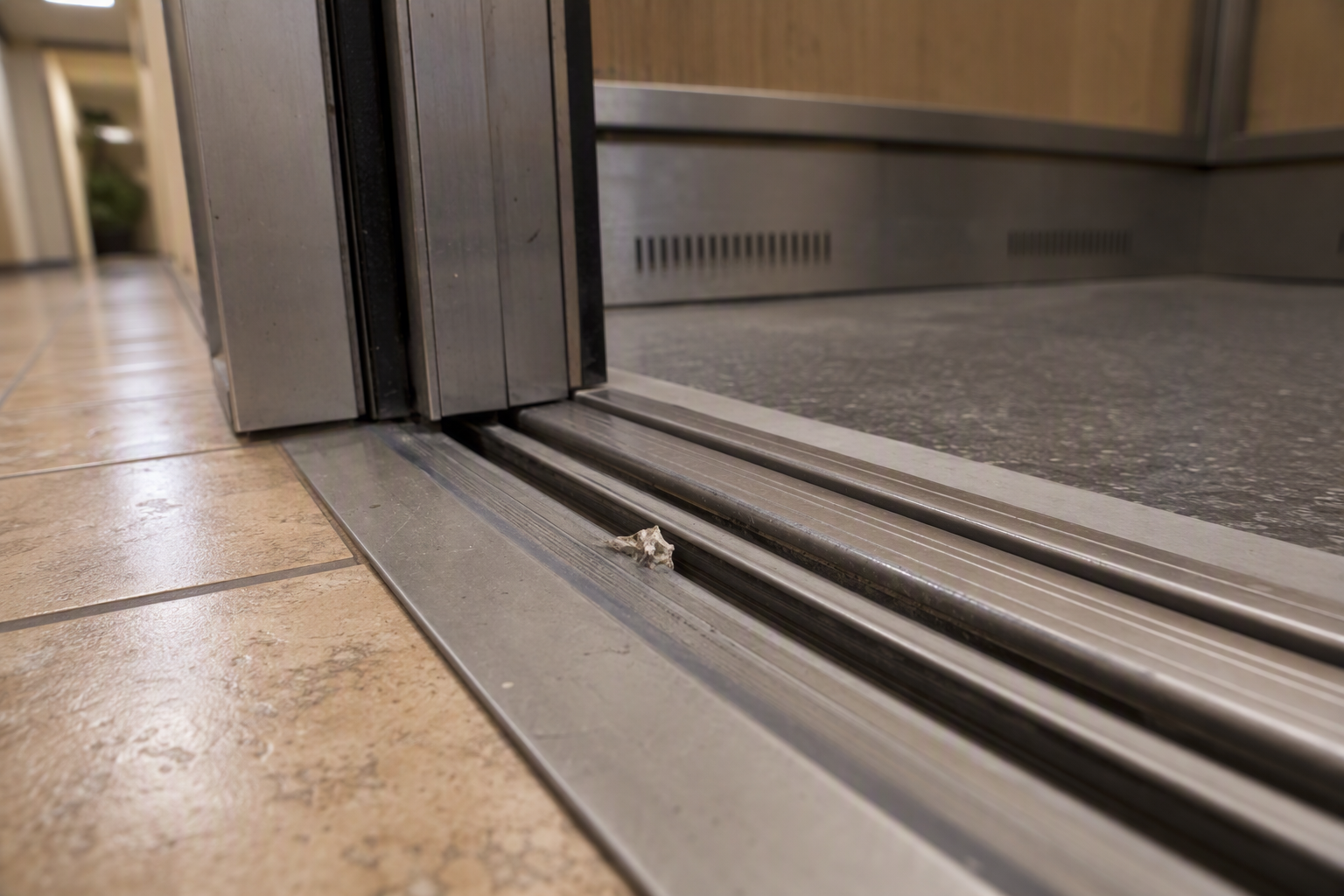
Across commercial office buildings, multifamily residential properties, and healthcare facilities throughout Arizona, elevator service disruptions tend to cluster around a predictable set of issues. The most frequently reported problems include:
- Doors that won’t open or close fully — often caused by obstructions in the door sill, a misaligned door sensor, or wear on the door clutch mechanism.
- The elevator not responding to calls — frequently traced to a tripped circuit breaker, an active independent service switch, or fire service mode engagement.
- Unusual noises during travel — such as grinding, squealing, or banging, which can indicate worn guide shoes, low lubrication, or rope issues.
- The car stopping between floors or leveling incorrectly — a leveling problem creates a trip hazard and may indicate issues with the leveling sensors or hydraulic fluid levels.
- Illuminated alarm or emergency indicators — these can range from phone line faults to genuine entrapment situations.
- Flickering or failed cab lighting — typically a simple lamp or LED replacement, but requires proper access.
- Slow door operation — can result from door operator wear or incorrect speed settings.
Understanding which of these issues falls within building staff competency — and which requires a licensed elevator technician — is the foundation of effective troubleshooting.
What Safety Rules Must Be Followed Before Any Troubleshooting?
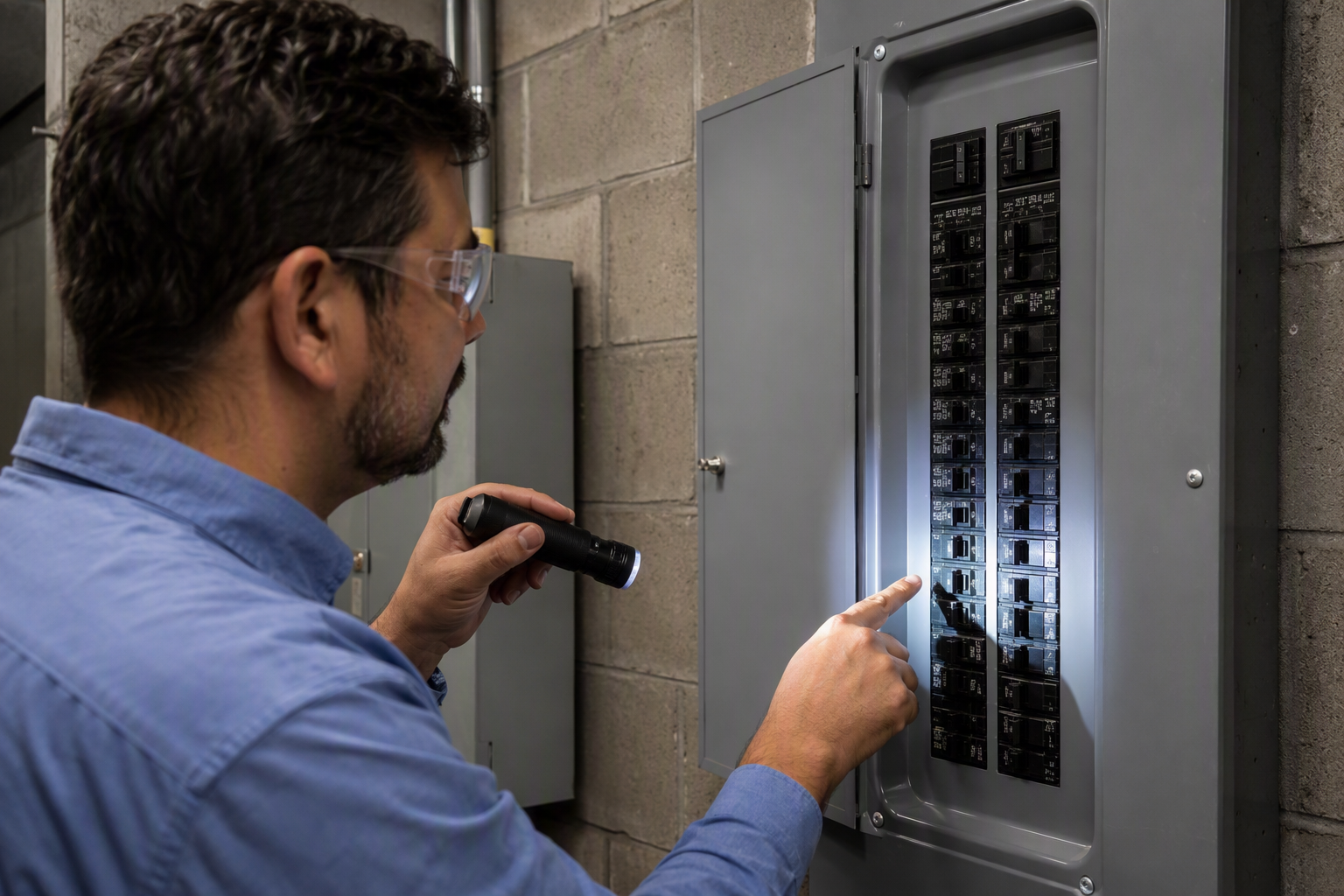
Before any building staff member investigates an elevator issue, certain non-negotiable safety rules apply. The ASME A17.1 Safety Code for Elevators and Escalators establishes the safety framework that governs elevator maintenance and operation in Arizona. Under this code, only trained and qualified personnel are authorized to perform maintenance, adjustments, or repairs on elevator equipment.
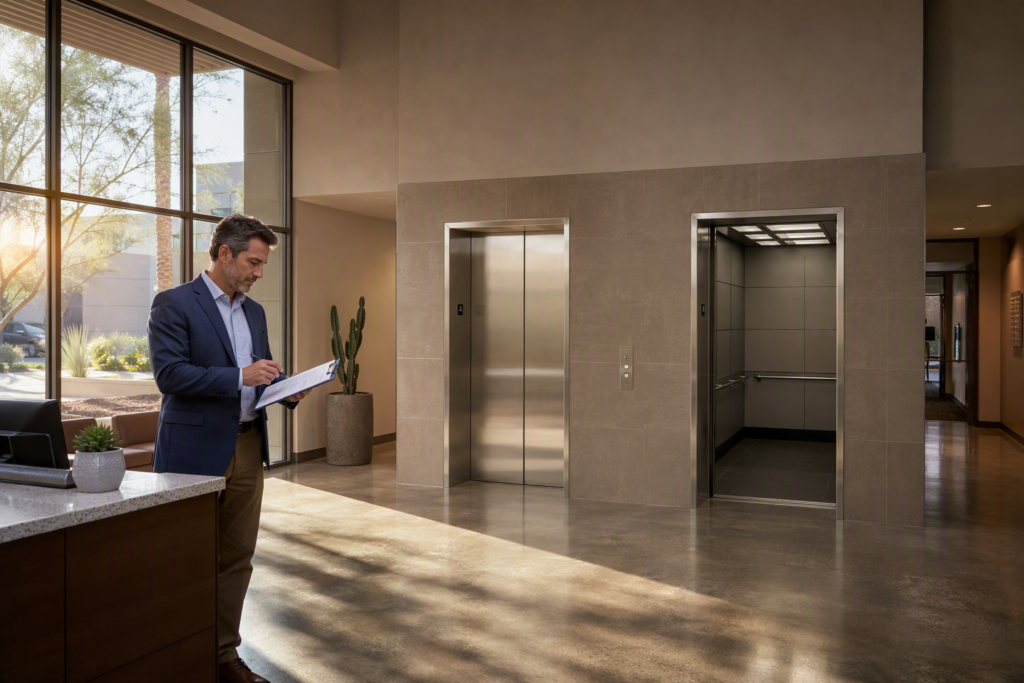
Building staff — who are not licensed elevator mechanics — should limit their actions to the following safe observations and non-invasive checks:
- Visual inspection of the lobby and cab area for obvious obstructions.
- Checking electrical panels for tripped breakers in designated elevator service panels.
- Reviewing the elevator’s service key switches accessible from the lobby panel.
- Communicating with any occupants and initiating emergency protocols if someone is trapped.
Under no circumstances should untrained staff open machine room doors, attempt to manually move a stalled car, override safety devices, or access the pit or top-of-car without proper authorization and training. These areas carry serious hazards including electrical shock, moving mechanical parts, and fall risks governed by OSHA standards.
What Should You Do Immediately If a Passenger Is Trapped?
- Stay calm and communicate with the trapped passenger through the intercom or door. Reassure them that help is on the way and that they are safe.
- Verify the emergency phone is active — the ADA requires a two-way emergency communication system in every elevator cab accessible to people with disabilities. Confirm the system is connecting properly.
- Call 911 if the passenger is experiencing a medical emergency or if the entrapment cannot be resolved quickly.
- Contact your licensed elevator service provider immediately — do not attempt to open doors manually or force the car to move.
- Document the time, floor location, and number of passengers trapped for the responding technician and for incident reporting.
- Do not allow bystanders to attempt rescue — impromptu rescue attempts create additional injury risk.
- Keep the lobby area clear around the affected elevator to give technicians and emergency responders unobstructed access.
Passenger entrapment is always a situation that requires a licensed technician. Arizona Elevator Solutions treats entrapment calls as priority service situations.
How Do You Troubleshoot an Elevator That Won’t Move?
- Check the main circuit breaker panel for the elevator. Locate the elevator-dedicated breaker — typically labeled in the main electrical room — and verify it has not tripped. Reset a tripped breaker only once; if it trips again, call a technician immediately as repeated tripping indicates an underlying fault.
- Inspect all landing doors on every floor. A single door that is not fully closed and latched will prevent the elevator from operating — this is a fundamental safety interlock required by ASME A17.1. Walk each floor and ensure no landing door is ajar.
- Check the independent service switch in the car operating panel or main lobby panel. If this switch is in the “on” position, the elevator will only respond to in-car controls. Return it to normal operation if staff inadvertently engaged it.
- Verify fire service mode status. In Arizona, elevators connected to the building’s fire alarm system will automatically recall to the main floor and cease normal operation when a fire signal is triggered. Check with building security or the fire alarm panel to confirm no active alarm signal is present.
- Inspect the pit for water intrusion if the building has experienced recent rain or flooding. Water in the pit activates a safety switch that shuts down the elevator. Do not enter the pit — observe from the pit access door at floor level.
- Review the machine room for obvious issues such as oil leaks (hydraulic systems), unusual heat, or burned smells — report these to a technician rather than attempting to address them.
How Do You Troubleshoot Elevator Door Problems?
- Clear the door sill track — the metal groove at the bottom of the door opening frequently collects debris, gum, and dirt that prevents the door from traveling fully. Use a brush or vacuum to clean the sill; do not use water or liquid cleaners near the sill without understanding the drainage path.
- Check for physical obstructions in the door opening zone — a small piece of debris lodged in the safety edge or light curtain beam will cause the doors to reverse repeatedly.
- Test the door hold-open time — if doors are closing too quickly, the door timing may need adjustment by a technician. Do not attempt to adjust door operator settings without proper training.
- Observe the door edges for visible damage, bending, or misalignment. Damaged door panels prevent the door interlocks from engaging correctly and require professional repair.
- Note whether the problem occurs at one floor or all floors — a problem isolated to one floor typically points to a landing door issue; a problem occurring at all floors often indicates a car door or door operator fault.
What Do Unusual Elevator Noises Indicate?
Noise changes in elevator operation are meaningful diagnostic signals. Building staff should document unusual sounds and report them to the service provider — attempting to investigate the source inside the machine room, pit, or hoistway is not appropriate for untrained personnel.
| Noise Type | Likely Location | Possible Cause | Staff Action |
|---|---|---|---|
| Grinding or scraping | Hoistway during travel | Worn guide shoes, debris on guide rails | Report to technician; note which direction of travel |
| Banging at stops | Car at landings | Leveling sensor issue, counterweight buffer contact | Report; document which floors affected |
| Squealing during door operation | Door operator | Worn door rollers or lack of lubrication | Report; note frequency of occurrence |
| Humming or buzzing | Machine room or controller | Motor, transformer, or contactor issue | Do not enter machine room; call technician |
| Intermittent clicking | Car operating panel | Relay or contact wear in controller | Report; note if correlated with specific commands |
Note: This table reflects common industry diagnostic associations based on elevator mechanical principles. Individual elevator noise diagnoses require on-site evaluation by a qualified technician.
How Do You Troubleshoot Elevator Leveling Problems?
A car that stops above or below the floor level — creating a step between the cab floor and the landing — is both a trip hazard and a potential ADA accessibility concern. The ADA requires that accessible elevator entrances be on an accessible route, and poor leveling can compromise this requirement.
Building staff can take the following safe steps:
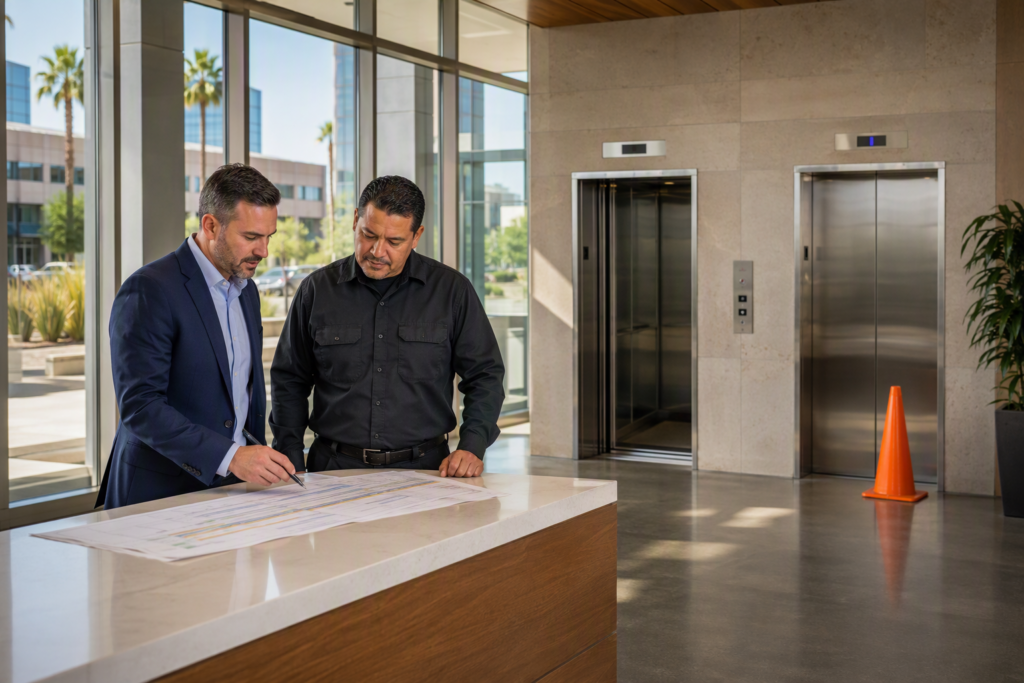
- Place a visible caution marker at the affected landing immediately to prevent trip injuries.
- Take the elevator out of service if leveling is consistently more than a slight variation — use the independent service switch or contact your service provider to discuss whether the elevator should remain operational.
- Document the floors where poor leveling occurs and whether the car consistently lands high, consistently lands low, or varies between trips.
- Report to your elevator service provider with documentation — leveling issues in hydraulic elevators can indicate fluid level or valve problems, while traction elevator leveling issues may indicate sensor or drive system adjustments are needed.
What Is Fire Service Mode and How Does It Affect Troubleshooting?
Fire service operation is a mandatory safety feature governed by ASME A17.1. When a building’s fire alarm system activates, elevators are required to recall automatically to a designated floor (Phase I Emergency Recall) and remove themselves from normal passenger service. During a false alarm or a post-alarm reset, building staff frequently encounter elevators that appear unresponsive and do not understand why.
Key points for troubleshooting fire service mode:
- Once the fire alarm is reset by authorized personnel, the elevator should return to normal service automatically — but this can take several minutes depending on the controller.
- If the elevator does not return to normal service after confirmed alarm reset, contact your elevator service provider — the fire service relay or associated wiring may have a fault.
- Phase II in-car fire service (allowing firefighters to manually control the car) requires a special key. Building staff should not engage Phase II unless trained and directed by fire department personnel.
- Annual fire service testing is required as part of elevator inspection — Arizona Elevator Solutions can confirm proper fire recall function during scheduled maintenance visits.
What Elevator Problems Should Never Be Self-Diagnosed or Self-Repaired?
Certain elevator conditions fall entirely outside the scope of building staff troubleshooting and require immediate contact with a licensed elevator technician or emergency services:
- Any passenger entrapment situation — no exceptions.
- Smoke, burning smell, or visible sparks from the elevator cab, machine room, or hoistway — evacuate and call 911.
- Hydraulic fluid leaks — visible oil around the elevator or in the pit indicates a potentially serious hydraulic system fault.
- Safety device activation — if the governor, safeties, or buffer have activated (typically evidenced by the car stopping abruptly and not moving), the elevator must be inspected before returning to service.
- Structural damage to the cab or doors — including forced door openings, vandalism, or impact damage.
- Electrical faults beyond a single obvious tripped breaker — repeated breaker trips, burning smells from panels, or visible wire damage require a technician.
- Failure of the emergency communication system — a non-functional emergency phone is both a safety issue and an ADA compliance concern that must be addressed promptly.
How Does Arizona’s Elevator Inspection Requirement Relate to Troubleshooting?
Elevators in Arizona are subject to periodic safety inspections by authorized inspectors. Staying current on required inspections serves a direct troubleshooting benefit: inspectors document observed deficiencies, worn components, and code compliance issues that can predict future failures. Building managers who review their inspection reports carefully gain advance warning of components likely to cause the exact problems discussed in this guide.
The ASME A17.3 Safety Code for Existing Elevators and Escalators provides the framework for the ongoing maintenance and safety requirements applicable to elevators already in service. Arizona Elevator Solutions works within this framework to help building owners understand inspection findings and prioritize maintenance that prevents avoidable service disruptions.
What Are the 2025–2026 Trends in Elevator Troubleshooting Technology?
The elevator industry is moving steadily toward remote monitoring and predictive maintenance as the primary troubleshooting paradigm for 2025 and 2026. Rather than reactive service calls triggered after a failure, modern elevator controllers increasingly integrate sensors that transmit real-time operational data — door cycle counts, motor temperature, leveling accuracy, and call response times — to service providers.
This shift has several practical implications for Arizona building managers:
- Remote diagnostics allow technicians to identify the likely cause of a fault before arriving on site, reducing diagnostic time and improving first-visit resolution rates.
- Predictive maintenance alerts notify service providers when a component’s performance is trending toward failure — often allowing scheduled replacement before a breakdown occurs.
- Reduced reliance on staff troubleshooting for connected elevators — the monitoring system effectively performs the first tier of observation automatically.
- Cybersecurity considerations are growing alongside connectivity — building managers should understand how elevator monitoring systems interface with building networks.
Arizona Elevator Solutions stays current with remote monitoring capabilities and can advise building owners on whether their existing equipment supports connectivity upgrades or whether modernization makes sense for their operational profile.
When Should You Call an Elevator Technician Versus Troubleshoot Yourself?
| Situation | Safe for Building Staff? | Action |
|---|---|---|
| Tripped circuit breaker (first occurrence) | Yes | Reset once; monitor; call if it trips again |
| Debris in door sill | Yes | Clear sill; test door operation |
| Independent service switch engaged accidentally | Yes | Return switch to normal; test operation |
| Fire service mode active after alarm reset | Observation only | Wait for auto-reset; call if elevator doesn’t restore |
| Passenger entrapment | No | Call 911 and elevator service immediately |
| Unusual grinding or banging noises | Observation and documentation only | Document and call technician; consider taking out of service |
| Leveling inconsistency creating a step | Observation and caution placement only | Post caution, consider taking out of service, call technician |
| Smoke, burning smell, or sparks | No | Evacuate, call 911 immediately |
| Failed emergency phone | No | Take elevator out of service; call technician promptly |
| Hydraulic fluid visible in pit or lobby | No | Take out of service; call technician |
How Can Arizona Elevator Solutions Help with Ongoing Elevator Reliability?
Arizona Elevator Solutions provides elevator maintenance, inspection support, and modernization services to commercial and residential building owners throughout Arizona. As a data-driven service provider, the team approaches maintenance planning by analyzing equipment history, inspection findings, and component lifecycle data to help building managers anticipate issues rather than react to them.
Proactive maintenance programs designed around ASME A17.1 Safety Code for Elevators and Escalators and ASME A17.3 requirements help Arizona buildings maintain compliance while reducing the frequency of the disruptive service interruptions described in this guide. When building staff understand the limits of safe self-troubleshooting — and have a reliable service partner for everything beyond those limits — elevator downtime and associated liability risks decrease significantly.
For Arizona building owners managing multiple elevators or aging equipment, regular maintenance agreements also provide documented service records that support compliance with Arizona inspection requirements and demonstrate due diligence in the event of an incident.
Frequently Asked Questions: Elevator Troubleshooting
Can building maintenance staff legally perform elevator repairs in Arizona?
No. In Arizona, elevator maintenance and repair work must be performed by licensed elevator mechanics. Building staff may perform safe, non-invasive observations such as checking circuit breakers, inspecting door sills for debris, and confirming switch positions — but any adjustment, repair, or component replacement falls under the licensed technician requirement established through Arizona’s elevator safety program. Attempting unauthorized repairs also creates significant liability exposure for building owners.
How long can an elevator legally remain out of service before a repair is required?
Arizona does not establish a single universal maximum out-of-service duration — the obligation is to maintain elevators in safe operating condition as required by applicable codes. However, ADA-covered facilities face an additional consideration: if an elevator is the only accessible means of vertical access, extended outages may create ADA compliance exposure. Building owners should contact their elevator service provider and legal counsel when facing extended outages in ADA-covered properties.
What should be documented every time an elevator problem occurs?
Effective documentation includes: the date and time of the incident, the specific elevator unit, the floor or floors involved, a description of what the elevator did or failed to do, whether any passengers were present or affected, any staff actions taken, and the name of the technician or service company contacted. This log supports insurance claims, inspection records, and demonstrates a responsible maintenance program.
How often should elevator preventive maintenance be performed?
Maintenance frequency varies by elevator type, age, usage intensity, and the requirements of the maintenance contract and applicable codes. The ASME A17.1 Safety Code for Elevators and Escalators establishes maintenance requirements that form the basis for service intervals. High-traffic commercial elevators typically benefit from more frequent service visits than low-use residential units. Arizona Elevator Solutions can assess the appropriate maintenance cadence for a specific installation.
Does a tripped circuit breaker always mean an electrical fault in the elevator?
Not necessarily. A single tripped breaker can result from a momentary power surge unrelated to the elevator itself. Resetting the breaker once and monitoring for recurrence is a reasonable first step. However, if the breaker trips again shortly after reset, or if the breaker trips repeatedly over time, this indicates a persistent fault that requires evaluation by a licensed elevator technician — not continued resets.
What is the most common reason elevator doors malfunction?
Qualitatively, door sill contamination and sensor obstruction are among the most frequent causes of door malfunctions reported in commercial buildings. The door sill track accumulates debris over time, and even small obstructions in the light curtain beam can cause repeated door reversals. Regular housekeeping attention to the sill area is one of the simplest preventive measures building staff can take.
Are elevator emergency phones required to work 24 hours a day?
Yes. The ADA requires that two-way communication systems in elevators function at all times and be accessible to individuals with disabilities. Emergency phone functionality should be tested as part of routine maintenance and immediately repaired if found non-functional during staff observation. A non-functional emergency phone is both a safety risk and a compliance violation.
What is the difference between ASME A17.1 and ASME A17.3 for troubleshooting purposes?
The ASME A17.1 Safety Code for Elevators and Escalators governs new elevator installations and establishes the foundational safety requirements for design, construction, and operation. The ASME A17.3 Safety Code for Existing Elevators and Escalators addresses elevators already in service and specifies the requirements for ongoing maintenance and safety upgrades on older equipment. For troubleshooting purposes, A17.3 is particularly relevant because it defines what maintenance standards apply to the existing equipment in most Arizona buildings.
Should an elevator be taken out of service during an active investigation of a problem?
Yes, when there is any doubt about safety. If an elevator is producing unusual noises, experiencing leveling issues that create a step, showing visible damage, or behaving unpredictably, the conservative and appropriate action is to take it out of service and contact a licensed technician before returning it to passenger use. Building owners and managers have a duty of care to occupants that warrants erring on the side of caution.
How does Arizona’s climate affect elevator maintenance and troubleshooting?
Arizona’s heat, low humidity, and dust environment create specific maintenance considerations. High ambient temperatures in machine rooms and hoistways can accelerate wear on motor insulation, hydraulic fluid degradation, and electronic controller components. Dust infiltration into mechanical components and door tracks is more pronounced in desert environments. Building managers should ensure machine room ventilation is functioning properly and that door sill cleaning is part of regular housekeeping — two qualitative factors that are especially relevant in Arizona’s climate compared to more temperate regions.
Get a Free Elevator Assessment from Arizona Elevator Solutions
Whether a building’s elevator is experiencing recurring problems, approaching an inspection deadline, or simply overdue for a professional review, Arizona Elevator Solutions provides thorough, data-informed assessments for Arizona property owners and managers. The team helps identify the root causes of service disruptions, evaluate compliance with applicable codes, and develop a maintenance strategy that fits the building’s operational needs.
Contact Arizona Elevator Solutions for a free elevator assessment: 480-319-7157
Need elevator service you can rely on? Arizona Elevator Solutions is ready to help.