Elevator Service in Phoenix, AZ | Arizona Elevator Solutions
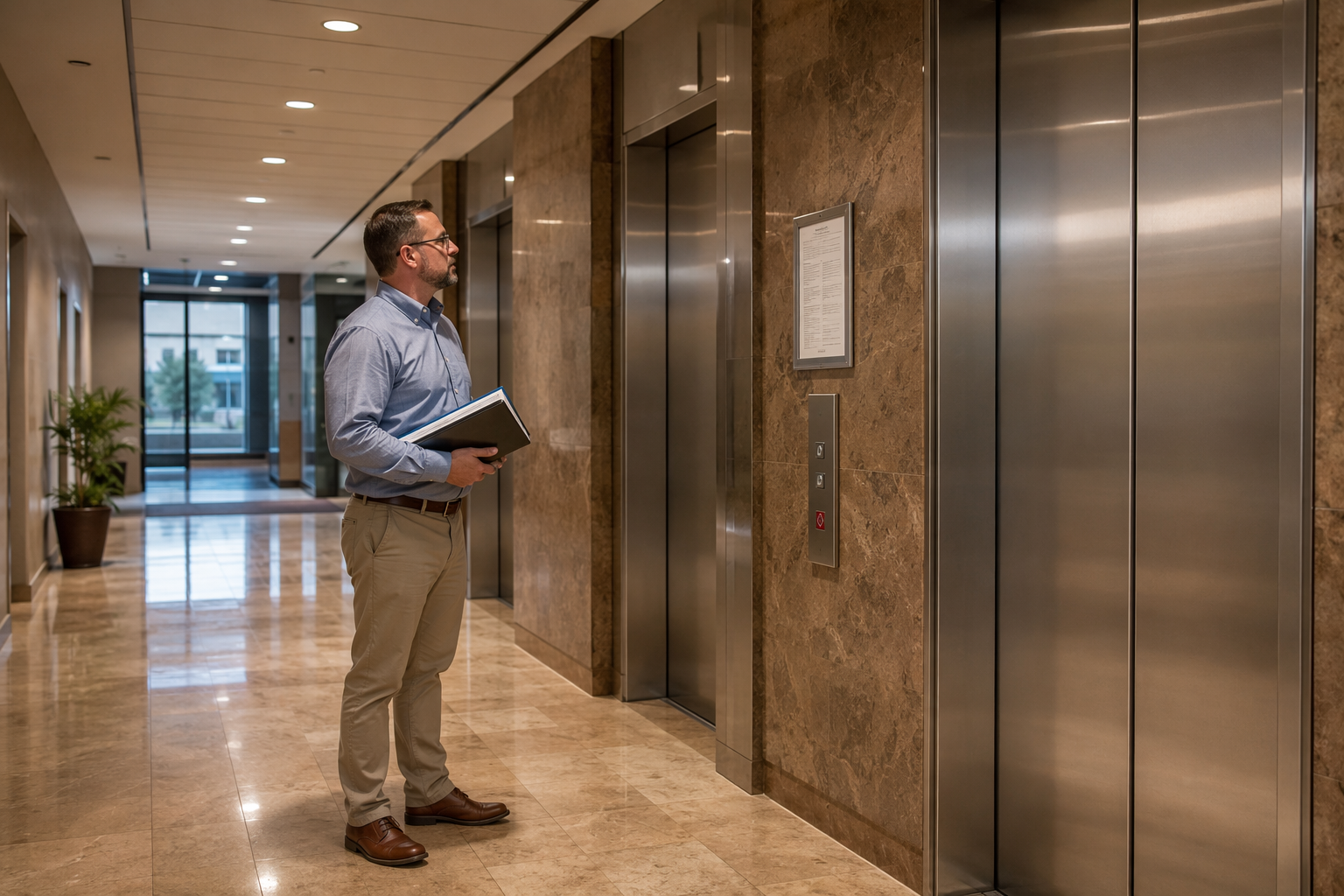
Arizona Elevator Solutions is a certified elevator service company serving Phoenix, AZ and the surrounding metropolitan area. The team provides maintenance, inspection, modernization, and repair services for commercial, residential, and industrial elevator systems — all performed in alignment with ASME A17.1 Safety Code for Elevators and Escalators and applicable Arizona regulations.
For Phoenix building owners, property managers, and facilities directors, understanding ASME A17.1 is not optional — it is the foundation of legal elevator operation and occupant safety. This guide explains what the code requires, how Arizona enforces it, and what compliance means for your property in 2026.
—
What Is ASME A17.1 and Why Does It Apply to Phoenix Buildings?
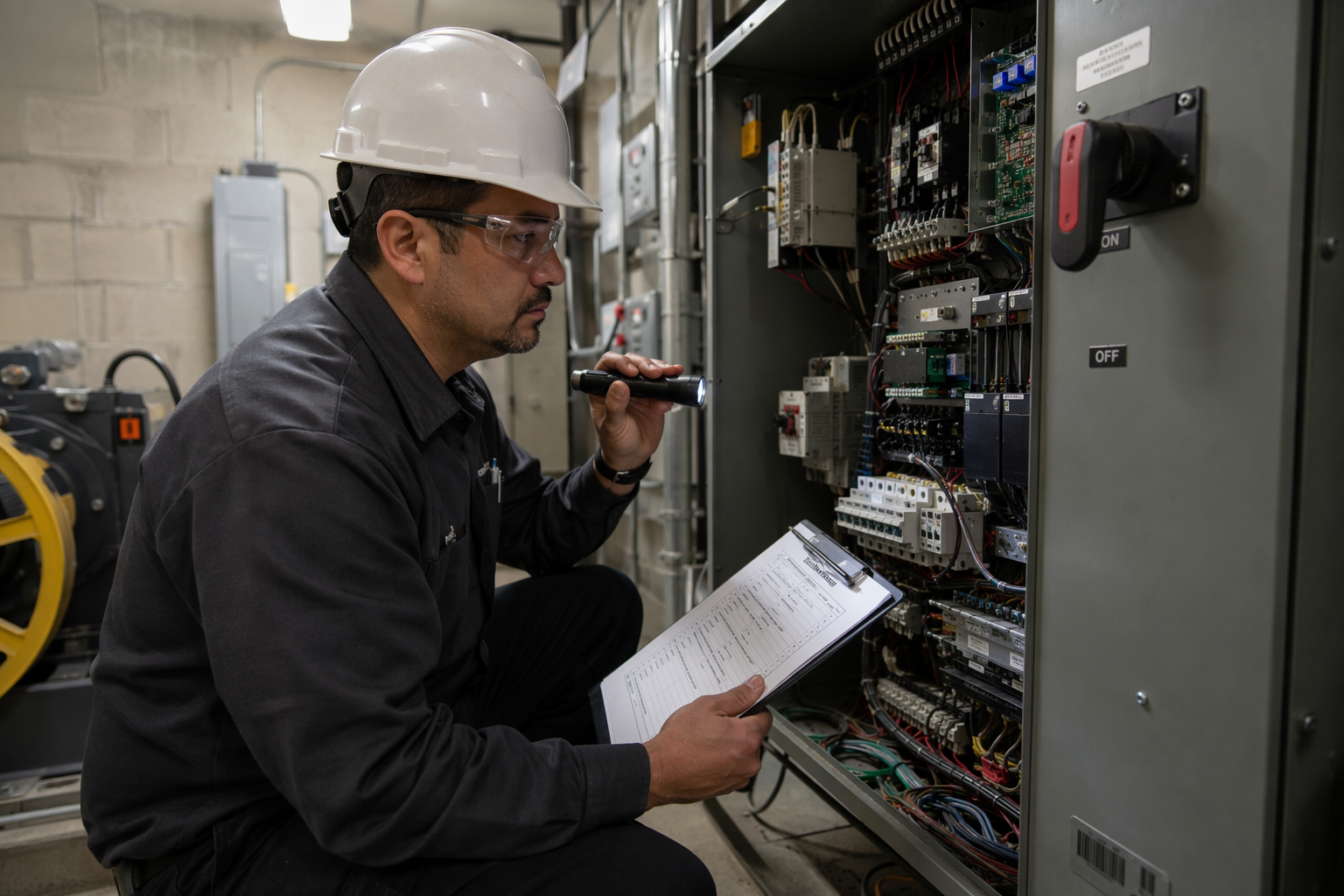
ASME A17.1, the Safety Code for Elevators and Escalators, is developed and maintained by the American Society of Mechanical Engineers. It sets minimum safety requirements for the design, construction, installation, operation, inspection, testing, maintenance, alteration, and repair of elevators and related conveyances in the United States and Canada.
Arizona adopts ASME A17.1 as the baseline standard for elevator regulation statewide. The Arizona Department of Occupational Safety and Health (ADOSH), operating under OSHA authority, oversees elevator safety enforcement in Arizona. In Phoenix, the city’s Development Services Department also plays a role in permitting new elevator installations and alterations.
Any elevator operating in a Phoenix commercial building, multifamily residence, or public facility is subject to ASME A17.1 requirements. Non-compliance can result in failed inspections, mandatory shutdowns, liability exposure, and fines.
—
What Are the Key Requirements of ASME A17.1?
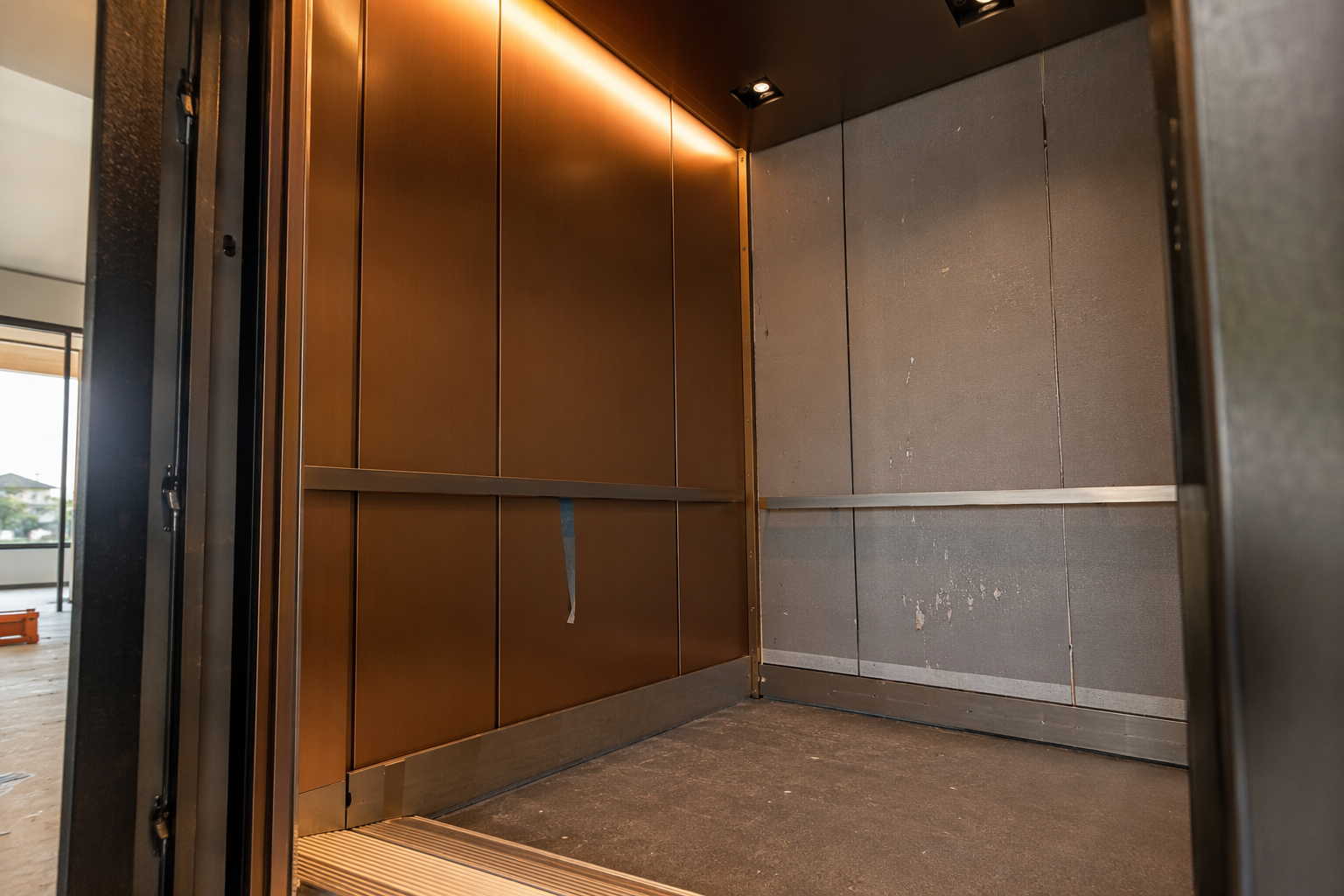
The code covers a broad scope of elevator safety topics. Key areas relevant to Phoenix building owners include:
- Design and installation standards: Structural, mechanical, and electrical requirements for new elevator systems, including hoistway construction, machine room conditions, and safety device specifications.
- Periodic inspections and tests: The code establishes required inspection intervals and test types. Routine inspections and periodic tests — including full-load safety tests — must be performed by qualified inspectors and documented with certificates of operation.
- Maintenance requirements: Building owners are required to maintain elevators in safe operating condition. A written maintenance control program (MCP) is required under current editions of ASME A17.1, outlining tasks, intervals, and record-keeping.
- Alterations and modernizations: Any significant change to an existing elevator must comply with code requirements in effect at the time of alteration. This includes upgrades to controls, cab finishes, drive systems, and safety devices.
- Emergency operations: The code specifies requirements for firefighters’ emergency operation (Phase I and Phase II), door reopening devices, and other life-safety features critical in a high-rise environment like downtown Phoenix.
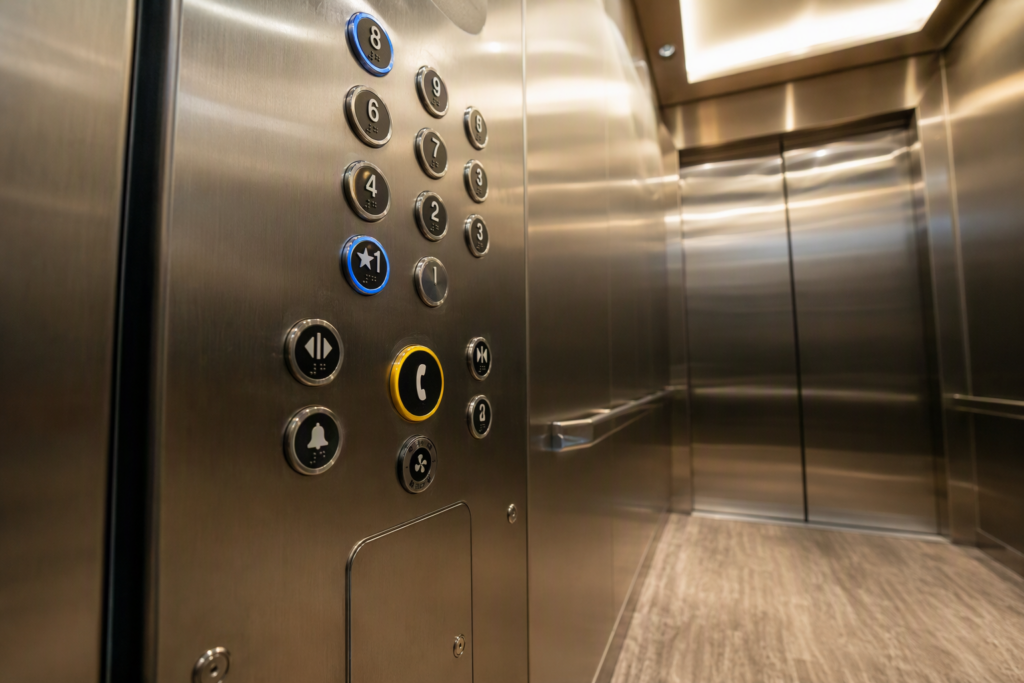
- Accessibility: ASME A17.1 works in conjunction with ADA accessibility standards, which govern cab dimensions, control heights, and audible signals for buildings open to the public.
—
How Does Arizona Enforce ASME A17.1 Compliance?
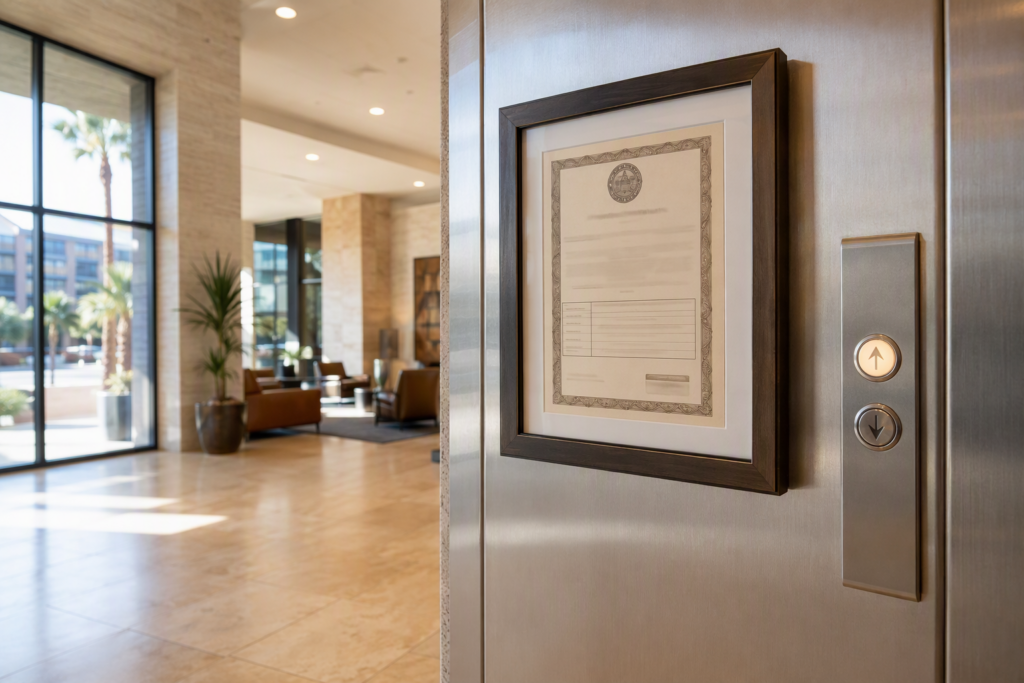
In Arizona, elevator safety inspections are administered through ADOSH, which operates the state’s Elevator Safety Program. Building owners in Phoenix must obtain a certificate of operation for each elevator, renewed periodically following a passing inspection. Inspections are conducted by state-licensed inspectors, and the certificate must be posted inside the elevator cab.
When an elevator fails inspection, ADOSH may issue an order to remove the unit from service until deficiencies are corrected and a follow-up inspection is passed. Arizona also requires that major alterations and new installations receive a permit before work begins, with a final inspection before the elevator returns to service.
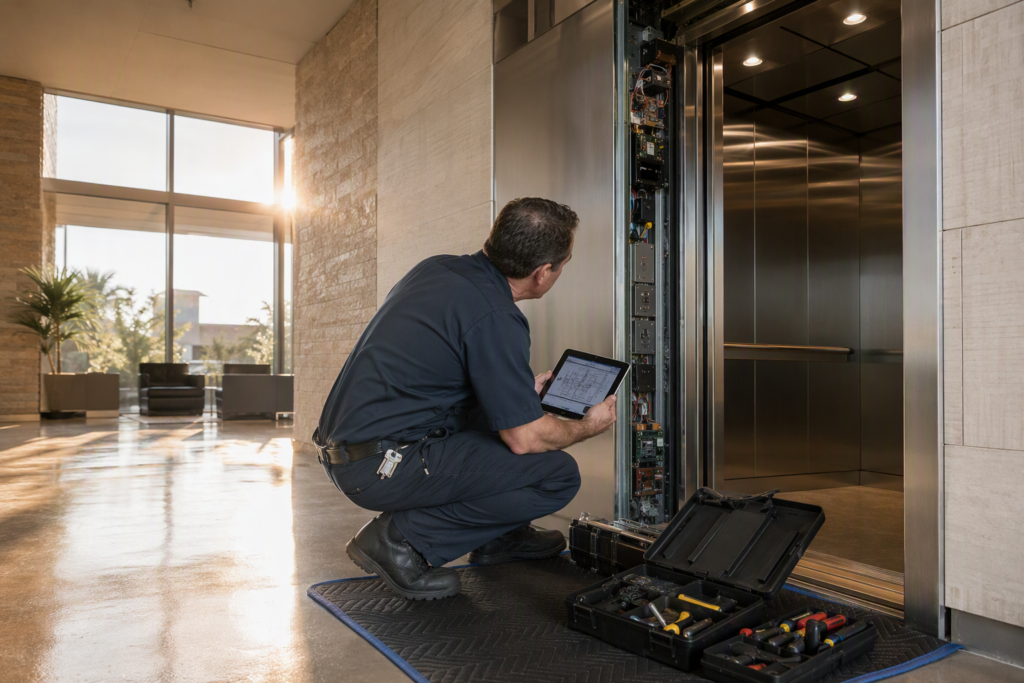
Arizona Elevator Solutions works with Phoenix property teams to prepare for state inspections, resolve deficiencies, and ensure documentation — including maintenance logs and test records — is current and audit-ready.
—
What Is a Maintenance Control Program (MCP) and Is It Required in Arizona?
A Maintenance Control Program, or MCP, is a written document required under current editions of ASME A17.1 that specifies the tasks, intervals, and procedures for maintaining a specific elevator system. The MCP must be tailored to the equipment — not a generic checklist — and must be kept on-site and available for inspection.
Arizona’s adoption of ASME A17.1 means MCP compliance is part of the regulatory framework. Building owners who lack a current, equipment-specific MCP are at risk during state inspections. Arizona Elevator Solutions helps Phoenix building owners develop and maintain compliant MCPs as part of a full-service maintenance agreement.
—
What Should a Phoenix Building Owner Do When an Elevator Fails Inspection?
- Take the elevator out of service immediately if ADOSH issues a removal order or if the inspector identifies a condition that poses an imminent safety hazard.
- Obtain the written inspection report from the inspector, which will itemize all deficiencies and the applicable ASME A17.1 code sections that were violated.
- Contact a licensed elevator service company — such as Arizona Elevator Solutions — to evaluate each deficiency and provide a repair scope.
- Schedule and complete all required repairs, ensuring the work is performed by qualified personnel and that parts meet code specifications.
- Request a follow-up inspection through ADOSH once repairs are complete and documented.
- Update maintenance records and the MCP to reflect the corrective work performed.
- Post the renewed certificate of operation in the elevator cab once ADOSH issues it following a successful re-inspection.
—
How Does ASME A17.1 Interact With ADA Requirements for Phoenix Buildings?
ASME A17.1 addresses the mechanical and operational safety of elevator systems, while the Americans with Disabilities Act governs accessibility for users with disabilities. In Phoenix, public-facing buildings — including offices, retail centers, hotels, and multifamily housing covered under the Fair Housing Act — must meet both sets of requirements.
Common ADA-related elevator issues in the Phoenix market include outdated control panel heights, missing or non-functional audible floor announcements, insufficient cab dimensions, and non-compliant door timing. When a Phoenix building undergoes elevator modernization, both ASME A17.1 and ADA standards must be evaluated together to avoid compliance gaps.
—
What Does Elevator Modernization Involve Under ASME A17.1?
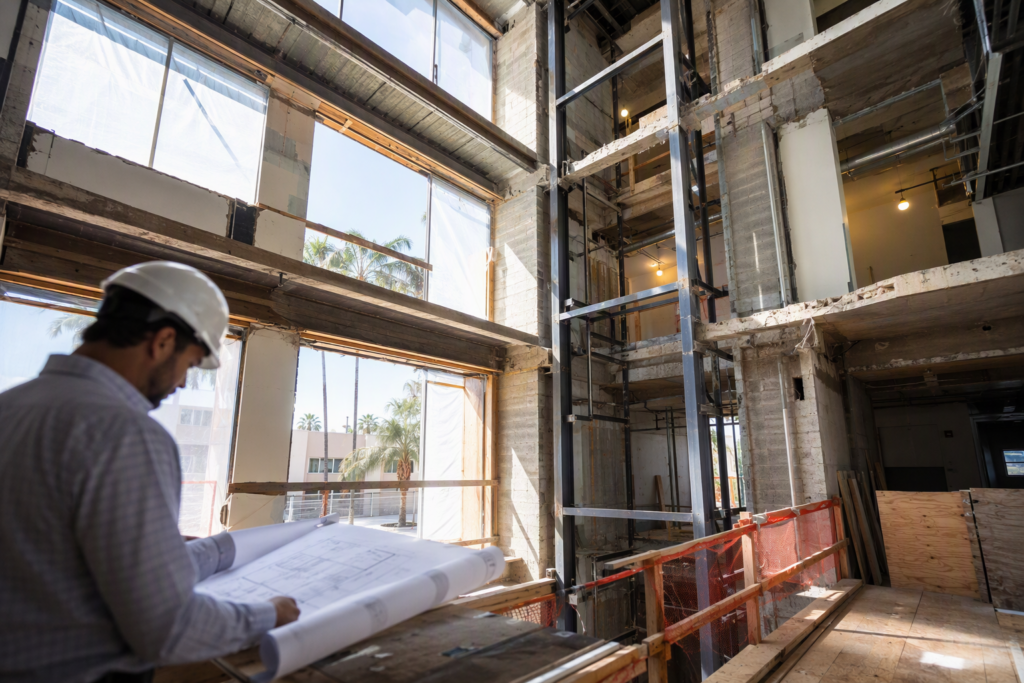
Modernization refers to upgrading major components of an existing elevator system — such as controls, drive systems, cab interiors, door operators, or safety devices. Under ASME A17.1, any alteration that meets the definition of a major alteration triggers code compliance requirements for the affected systems.
In Phoenix, modernization projects require a permit from the appropriate jurisdiction and a final inspection before the elevator returns to service. Common drivers of modernization in the Phoenix market include aging hydraulic systems, obsolete relay-logic controls, energy efficiency goals, and the need to bring older equipment into current code compliance.
Arizona Elevator Solutions evaluates existing equipment, develops modernization scopes, manages permitting with local Phoenix and Maricopa County authorities, and performs the installation work — providing building owners with a single point of accountability through project completion.
—
What Markets Does Arizona Elevator Solutions Serve in the Phoenix Area?
Arizona Elevator Solutions provides elevator maintenance, inspection preparation, repair, and modernization services across the Phoenix metropolitan area, including Scottsdale, Tempe, Mesa, Chandler, Gilbert, Glendale, Peoria, and surrounding communities. The team serves a wide range of building types, including:
- Commercial office buildings and high-rises in downtown Phoenix and Midtown
- Multifamily residential communities and senior living facilities
- Healthcare facilities, medical office buildings, and hospitals
- Retail centers, hotels, and hospitality properties
- Industrial and warehouse facilities with freight elevator systems
- Government and municipal buildings requiring ADA and ASME compliance
Emergency elevator service is available when systems go out of service unexpectedly — Arizona Elevator Solutions maintains availability to respond to urgent service needs for contract clients across the Phoenix area.
—
How Can Building Owners Stay Ahead of ASME A17.1 Changes?
ASME A17.1 is updated on a regular publishing cycle. Arizona adopts new code editions through a state rulemaking process, which means the version currently enforced in Phoenix may differ from the most recently published ASME edition. In 2026, building owners should work with a knowledgeable local elevator contractor to understand which code edition applies to their equipment and what, if any, retroactive requirements affect their systems.
Proactive maintenance agreements, annual third-party inspections, and regular equipment assessments are the most reliable ways to stay compliant and avoid costly emergency repairs or forced outages. Arizona Elevator Solutions provides ongoing compliance support to help Phoenix property teams track regulatory changes and respond before deficiencies become violations.
—
Schedule a Free Consultation
Arizona Elevator Solutions helps Phoenix building owners navigate ASME A17.1 compliance, prepare for state inspections, and keep elevator systems operating safely and legally. Whether the need is a maintenance program, a modernization assessment, or urgent repair support, the team is ready to help.
Contact Arizona Elevator Solutions today to schedule a free consultation:
📞 480-557-7600
Serving Phoenix, Scottsdale, Tempe, Mesa, Chandler, Glendale, and the greater Maricopa County area — Arizona Elevator Solutions is the local expert for ASME A17.1 elevator compliance in Arizona.
Need elevator service you can rely on? Arizona Elevator Solutions is ready to help.