Why Commercial Elevators Unexpectedly Shut Down: Common Causes, Emergency Repair Responsibilities, and What Building Owners Should Do First
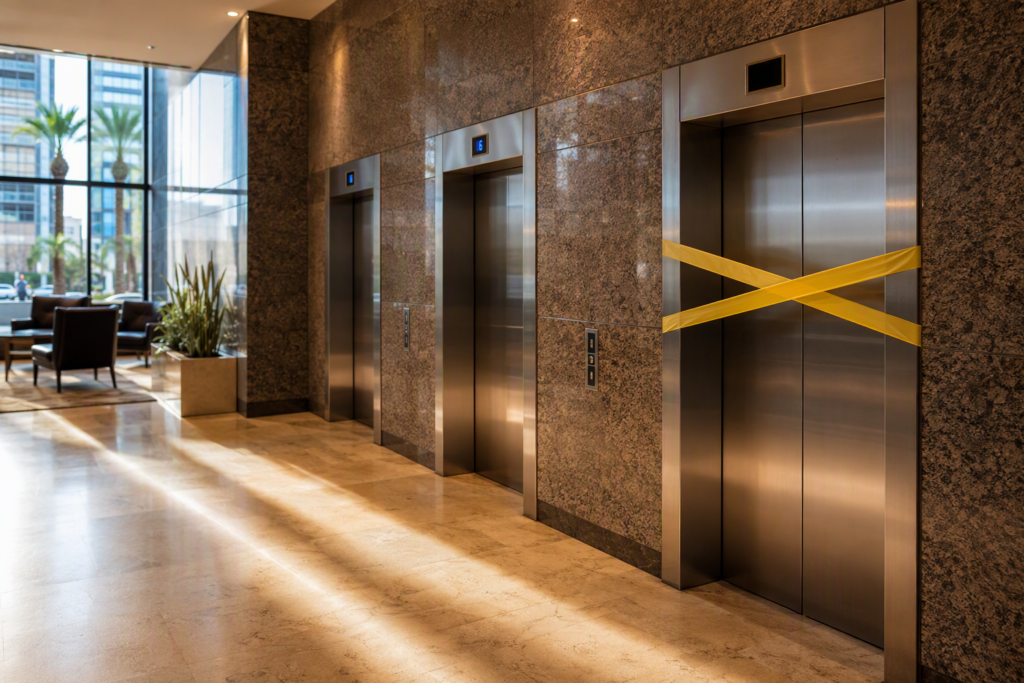
Direct Answer: Elevators go out of service unexpectedly due to safety device trips, mechanical failures, power disruptions, failed inspections, or code violations — and in a commercial building, the property owner or building operator bears primary legal responsibility for arranging and funding emergency repairs under Arizona law and ASME A17.1 Safety Code for Elevators and […]
Common Commercial Elevator Repairs vs. Modernization: How to Diagnose the Problem and Decide Which Path Makes Sense
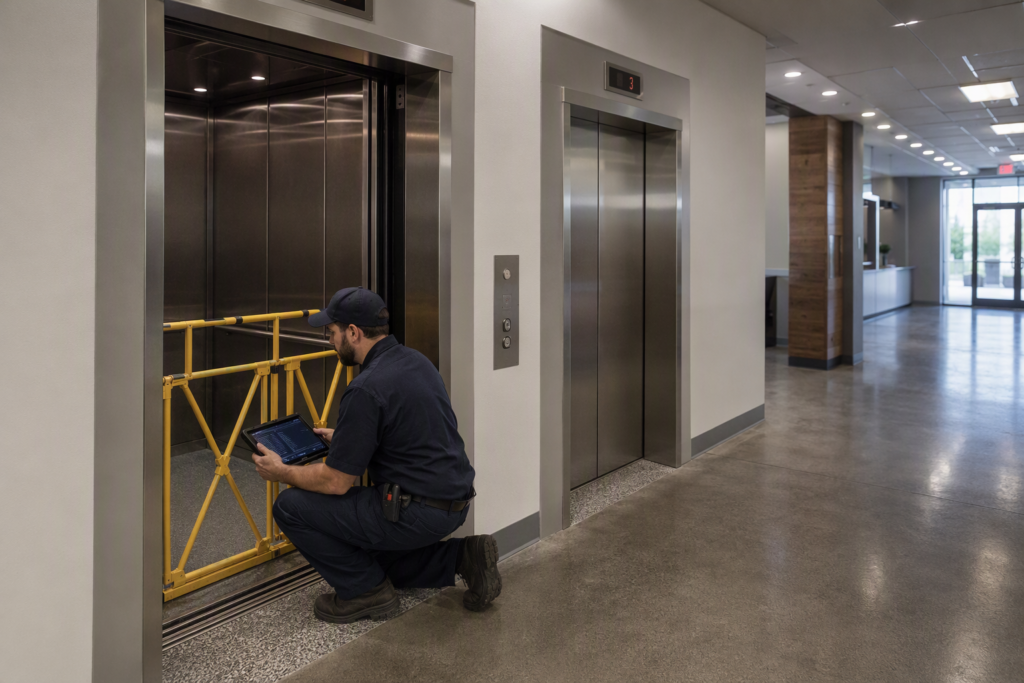
Quick Answer: Most commercial elevator problems — door malfunctions, worn components, nuisance shutdowns — qualify as repairs, but when multiple systems fail repeatedly, equipment age makes parts obsolete, or compliance with current codes becomes impossible without wholesale upgrades, modernization is the more cost-effective and legally sound path. A licensed elevator technician evaluates a door system […]
Elevator Requirements for Senior Living and Assisted Living Facilities: Code Compliance, Accessibility Upgrades, and What Older Buildings Must Address
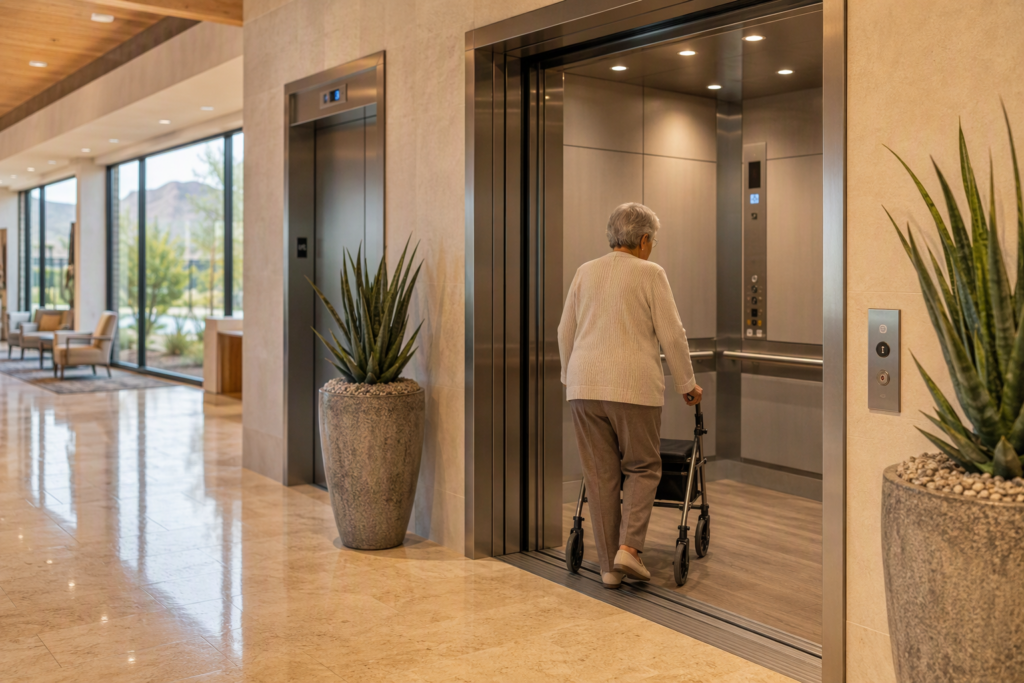
Elevator Requirements for Senior Living and Assisted Living Facilities in Arizona Quick Answer: Senior living and assisted living facilities in Arizona must meet ASME A17.1-2019 safety requirements, ADA accessibility standards, and state oversight under A.R.S. §§ 23-491 through 23-491.16; older buildings typically need cab dimension upgrades, door-timing modifications, emergency communication improvements, and modernized controls to […]
Common Elevator Problems in Office Buildings: How to Diagnose the Issue and Decide Between Repair and Modernization
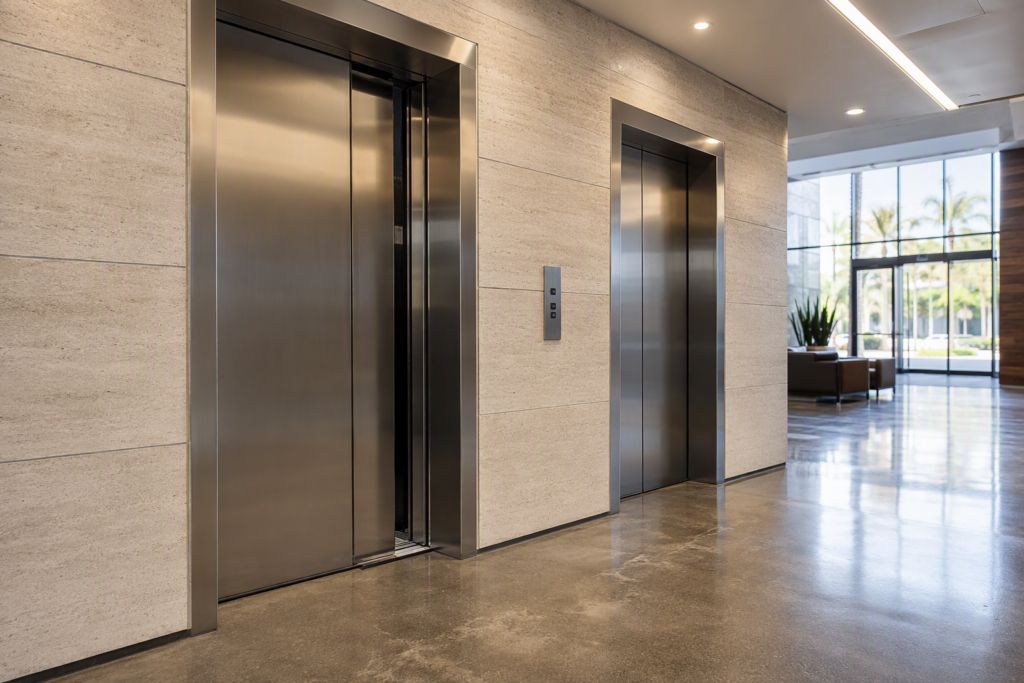
Most Common Elevator Problems in Commercial Office Buildings | Arizona Elevator Solutions Most Common Elevator Problems in Commercial Office Buildings: Repair vs. Modernization Guide Direct Answer: The most common elevator problems in commercial office buildings include door malfunctions, leveling failures, control system faults, excessive noise and vibration, and hydraulic fluid issues — and whether you […]
Elevator Safety and Compliance Priorities for Senior Living Facilities: What Operators Need to Address First
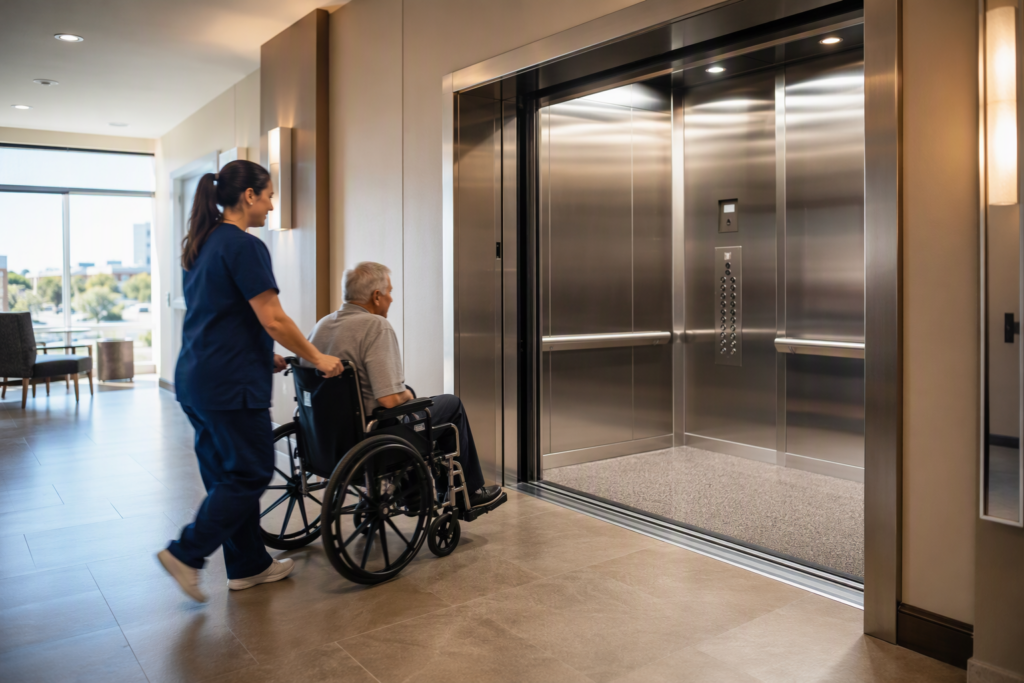
Elevator Upgrades and Repairs Senior Living and Assisted Living Facilities Should Prioritize for Safety and Liability Compliance Quick Answer: Senior living and assisted living facilities in Arizona should prioritize door safety upgrades, emergency communication systems, firefighters’ emergency operation compliance, ADA accessibility retrofits, and annual certificate of inspection renewal to meet current safety and liability standards […]
How Many Elevators Does Your Building Actually Need? Code Requirements, Capacity Rules, and Planning Benchmarks by Building Type
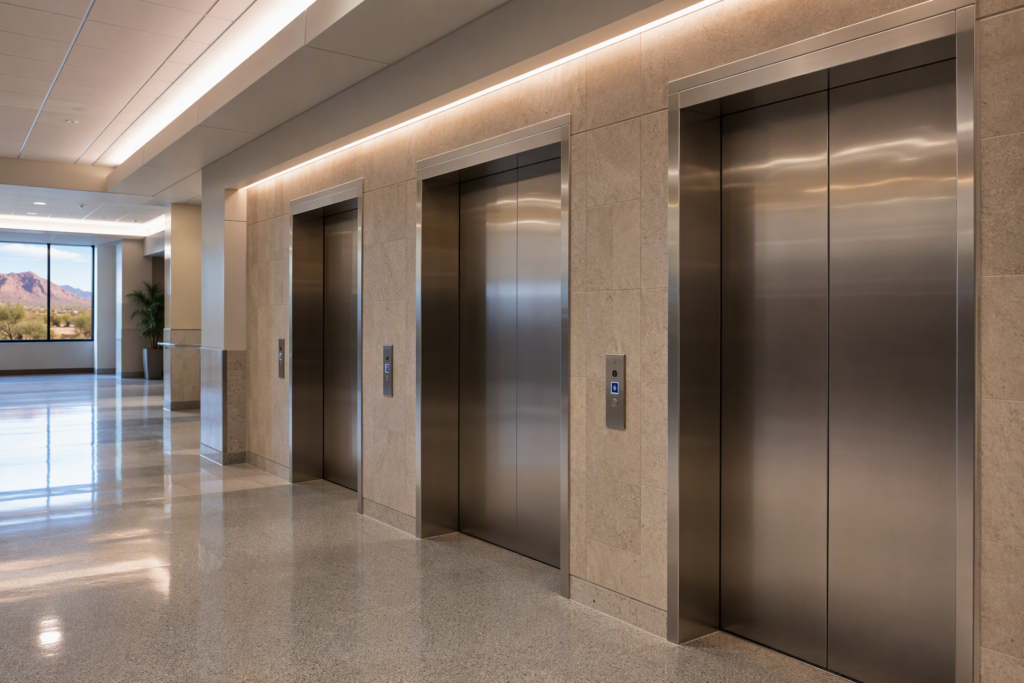
How Many Elevators Does My Healthcare Building Need? Code Requirements & Capacity Rules Quick Answer: The number and capacity of elevators required in a healthcare building is determined by a combination of federal accessibility law, ASME A17.1 safety code, facility-specific building codes, occupant load, bed count, floor area, and the building’s functional program — and […]
Elevator Maintenance Contract Red Flags: What to Negotiate, What to Reject, and What Vendors Bury in the Fine Print
Elevator Maintenance Contract Red Flags: What to Negotiate, What to Reject | Arizona Elevator Solutions Direct Answer: Before signing an elevator maintenance contract, verify that it specifies covered components in writing, defines response time commitments, includes a parts exclusion list, allows third-party inspection, and does not contain automatic renewal or proprietary lock-in clauses — push […]
Elevator Repair vs. Modernization vs. Full Replacement: How to Compare Options, Costs, and Long-Term ROI
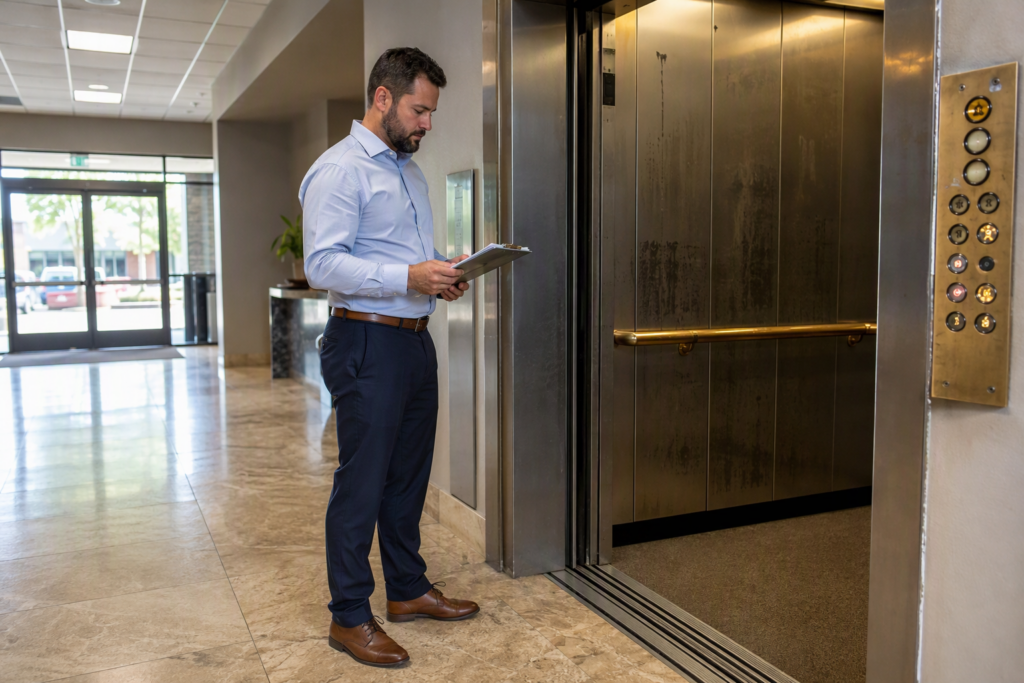
Elevator Service in Phoenix, AZ | Arizona Elevator Solutions Quick Answer: When evaluating an aging elevator in Phoenix, AZ, building owners should weigh the unit’s remaining service life, the cost and frequency of ongoing repairs, current compliance status under Arizona’s adopted ASME A17.1-2019 Safety Code for Elevators and Escalators, and whether a targeted modernization or […]
Elevator Risk Management for Senior Living Facilities: Maintenance Standards, Liability Exposure, and How to Protect Residents and Your Property
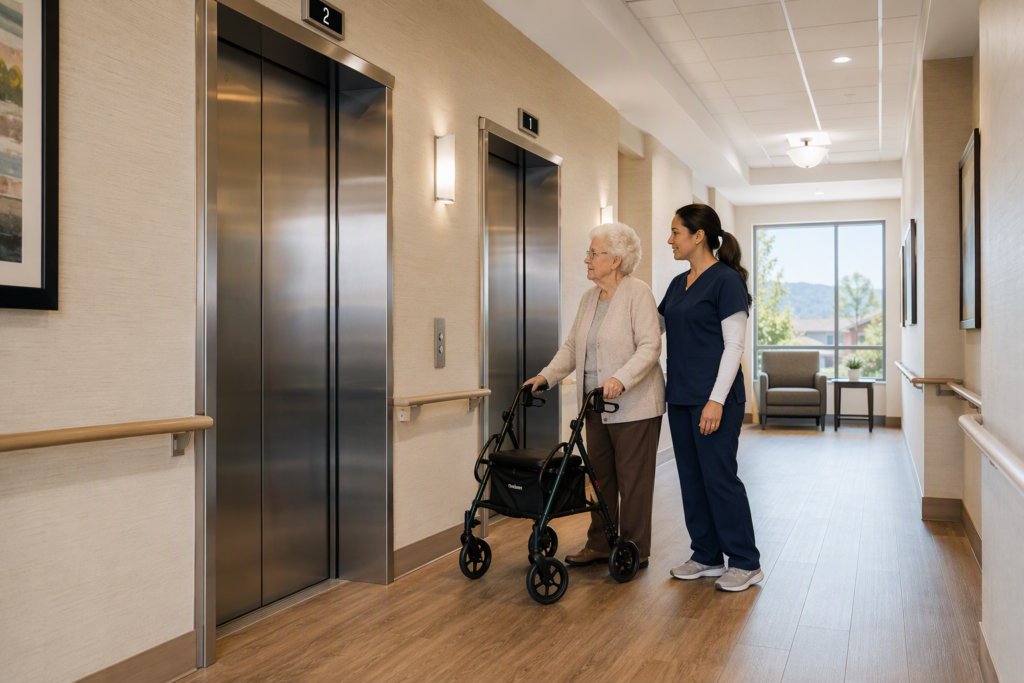
Elevator Maintenance and Liability Risks for Senior Living and Assisted Living Facilities in Arizona Direct Answer: Senior living and assisted living facilities in Arizona face significant elevator liability exposure from missed annual inspections, ADA non-compliance, inadequate maintenance records, and failure to report accidents — risks that are reduced through a structured preventive maintenance program, strict […]
Full Maintenance vs. Oil and Grease Elevator Contracts: What Each Covers, What It Costs, and How to Choose the Right One
Elevator Service in Phoenix, AZ | Arizona Elevator Solutions Quick Answer: A full maintenance elevator contract covers all labor, parts, and routine servicing needed to keep your elevator code-compliant and operational, while an oil and grease contract covers only basic lubrication and minor adjustments — making the right choice dependent on your equipment age, budget, […]