
Best Elevator Maintenance Company Tucson: Complete FAQ Guide
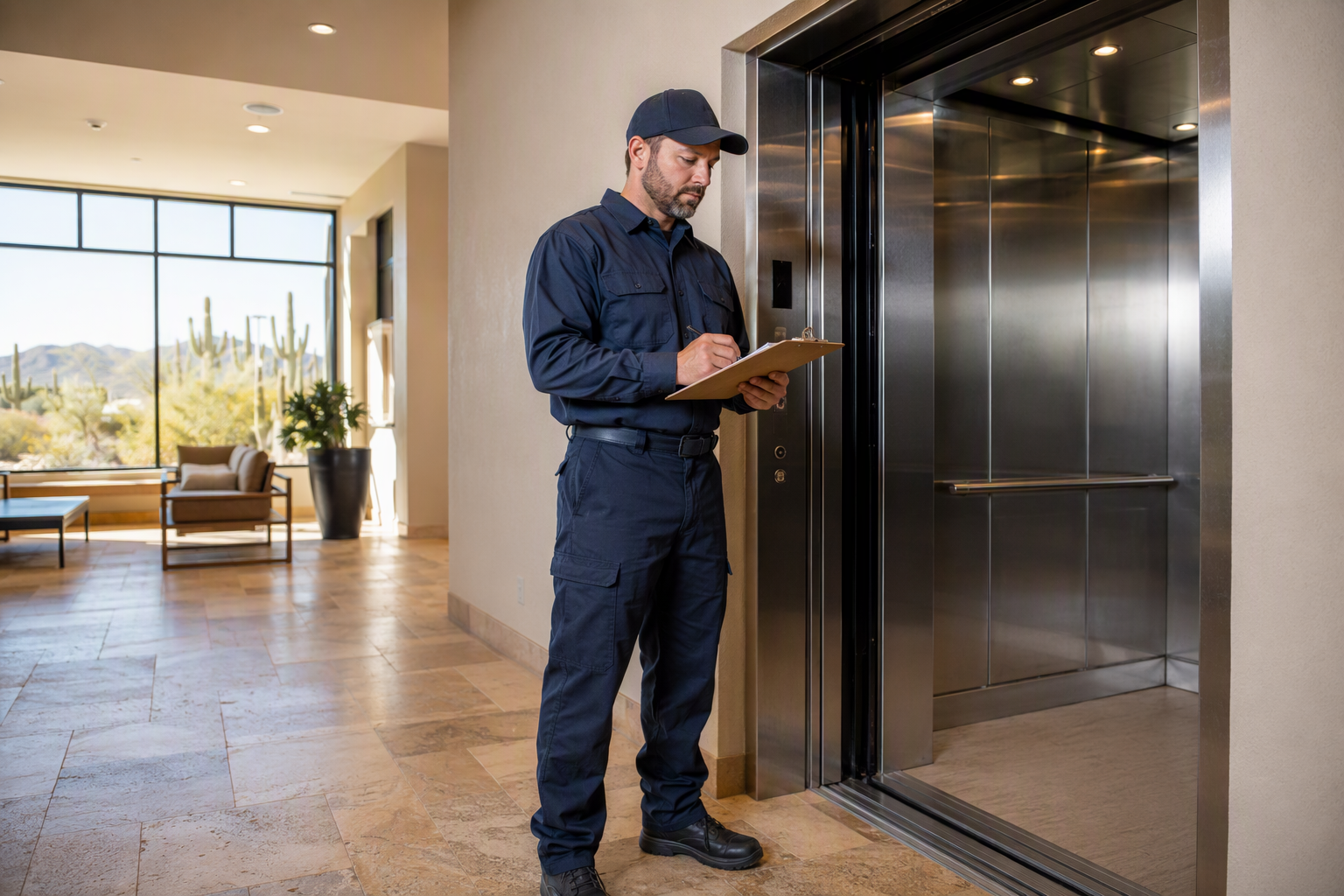
Finding a reliable elevator maintenance company in Tucson requires understanding local regulations, code compliance standards, and what separates a capable service provider from a truly exceptional one. This comprehensive FAQ guide addresses the most important questions building owners, property managers, and facilities directors ask when evaluating elevator maintenance providers in the Tucson area.
What makes an elevator maintenance company the best choice in Tucson, AZ?
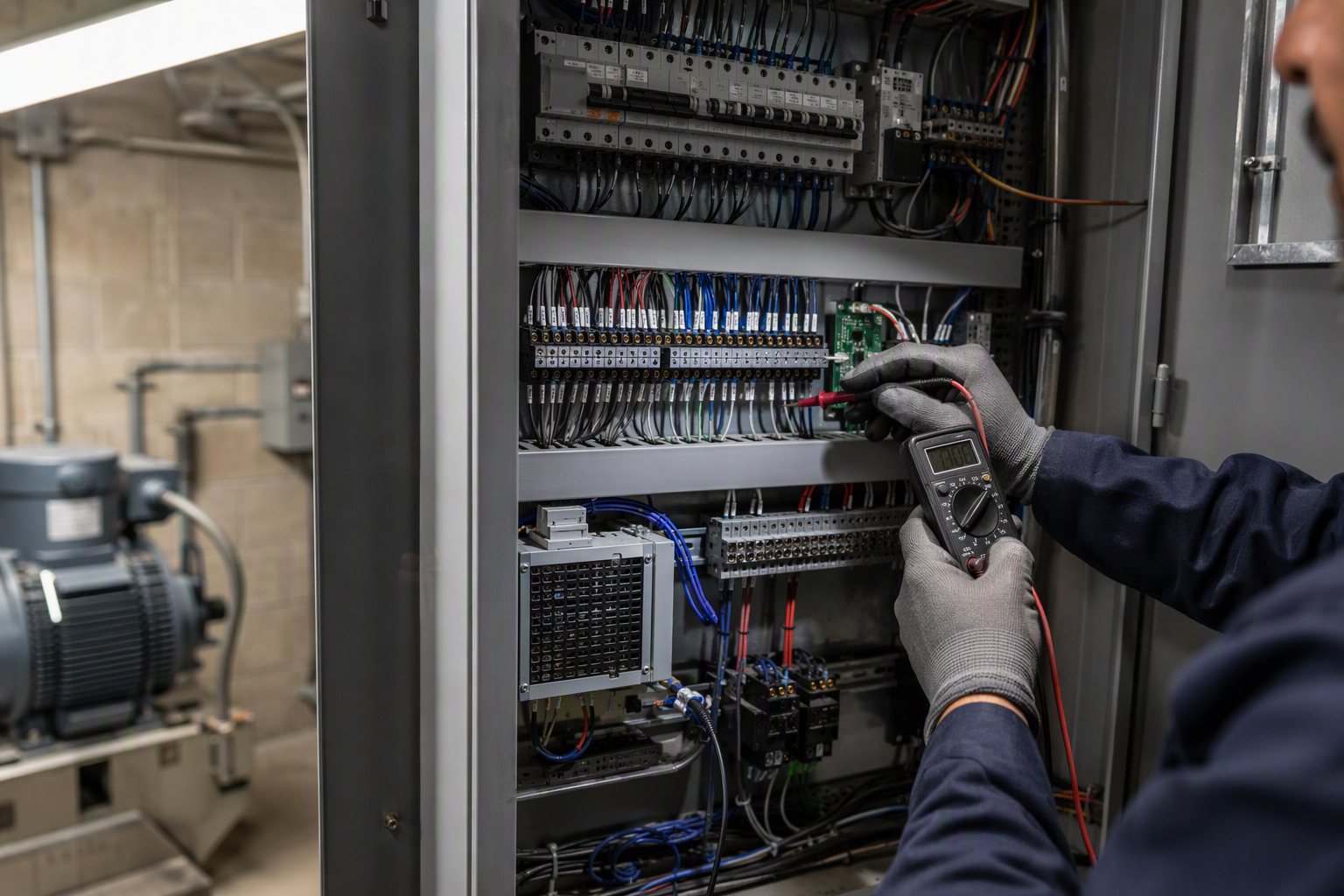
The best elevator maintenance company in Tucson combines certified technical expertise, full compliance with Arizona state regulations and federal codes, transparent service documentation, and a demonstrated track record of keeping elevator systems safe and operational.
In practice, the differentiating factors include whether a company follows ASME A17.1 Safety Code for Elevators and Escalators for new installations and the companion ASME A17.3 Standard for Existing Installations for legacy equipment, whether their technicians are trained to current code editions, and whether the company maintains detailed service records that satisfy Arizona authorities having jurisdiction (AHJ).
Arizona Elevator Solutions operates specifically in Tucson, Phoenix, Scottsdale, and Mesa, giving the company deep familiarity with local AHJ requirements, building stock, and the unique demands of elevator systems operating in extreme desert heat conditions.
What elevator codes and standards apply to buildings in Tucson, Arizona?
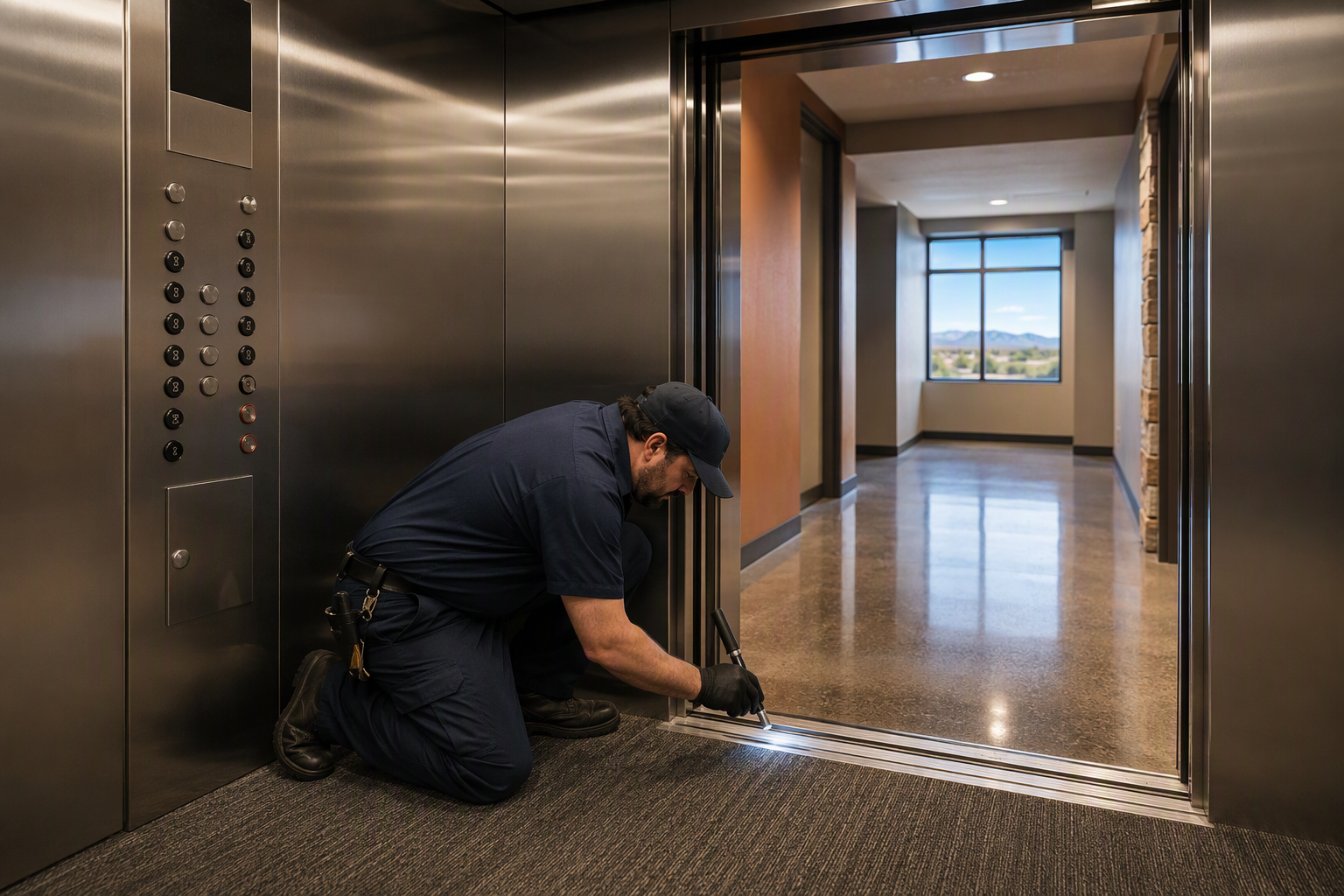
Tucson elevator systems are governed by federal standards including the ASME A17.1 Safety Code for Elevators and Escalators, the ADA accessibility requirements, and Arizona state statutes administered through the Arizona Department of Occupational Safety and Health (ADOSH).
ASME A17.1 is the primary safety code that governs the design, construction, installation, and operation of new elevator equipment. ASME A17.3, the companion retroactive standard, establishes minimum safety requirements for existing elevators already in service. In Arizona, the Industrial Commission of Arizona through ADOSH is the state agency responsible for elevator safety enforcement, conducting inspections, and issuing operating permits.
The Americans with Disabilities Act (ADA) imposes additional accessibility obligations on buildings open to the public, requiring that elevators meet specific dimensional, control, and signage standards to remain compliant. Facilities that receive federal funding or are classified as places of public accommodation face particularly rigorous ADA scrutiny.
Building owners in Tucson should also be aware that OSHA regulations govern elevator-related workplace safety, which affects how maintenance technicians must be protected during service work. Details are available at OSHA.gov.
How often do elevators in Tucson need to be inspected?
Arizona-regulated elevator systems are generally required to undergo periodic inspections by a qualified elevator inspector, with operating permits renewed through ADOSH based on inspection outcomes and applicable code schedules.
The ASME A17.1 code framework outlines inspection and test intervals based on elevator type and usage category. Periodic inspections typically occur annually, while certain safety tests — such as full-load safety tests and governor tests — follow longer intervals specified in the code. Building owners should confirm the specific inspection schedule that applies to their equipment class directly with their maintenance provider and the Arizona AHJ.
Proactive owners do not wait for mandatory inspection dates to address issues. Regular preventive maintenance visits, conducted according to the maintenance control program (MCP) required by ASME A17.1, help ensure that equipment is ready for inspection and that minor issues are identified before they become code violations or service disruptions.
What is included in a professional elevator maintenance agreement?
A comprehensive elevator maintenance agreement should cover scheduled preventive maintenance visits, lubrication and adjustment of all major components, safety device testing, documentation of all service activities, and a clear process for addressing identified deficiencies.
Under the ASME A17.1 code, elevator owners are required to have a written Maintenance Control Program (MCP) that documents the tasks, intervals, and procedures for maintaining the specific equipment installed. A reputable maintenance company will provide or help develop this MCP and use it as the basis for all service activities.
Key components that should be addressed in any maintenance agreement include: machine room equipment (motors, controllers, and drives), hoistway components (rails, cables/belts, and buffers), car and landing equipment (doors, door operators, interlocks, and sills), safety devices (governors, safeties, and buffers), and cab interior systems (lighting, ventilation, and emergency communications).
Arizona Elevator Solutions structures its maintenance programs around the specific code requirements and equipment configurations found in Tucson-area buildings, ensuring the MCP reflects real-world conditions rather than a generic template.
What questions should a Tucson building owner ask before hiring an elevator maintenance company?
Building owners should ask about the company’s familiarity with Arizona AHJ requirements, their process for maintaining a compliant Maintenance Control Program, how they document service visits, and what happens when a safety-critical deficiency is identified.
A rigorous evaluation should include the following questions:
- Is the company registered and in good standing with the Arizona Industrial Commission / ADOSH to perform elevator work in Tucson?
- Does the company provide a written Maintenance Control Program that meets current ASME A17.1 requirements?
- How are service visit records documented, and does the building owner receive copies?
- What is the process when a safety violation or out-of-compliance condition is discovered during a maintenance visit?
- Does the company have specific experience with the equipment manufacturer and model installed in the building?
- How does the company handle emergency situations requiring immediate shutdown of an elevator system?
- Can the company provide verifiable references from similar property types in the Tucson market?
What is the difference between elevator maintenance and elevator repair?
Elevator maintenance is the scheduled, ongoing program of inspections, adjustments, lubrication, and testing designed to prevent failures, while elevator repair addresses specific malfunctions or failed components that require parts replacement or unscheduled intervention.
ASME A17.1 distinguishes between maintenance activities (performed as part of the MCP) and alterations or replacements (which may trigger additional code compliance requirements). When a repair involves replacing a major component — such as a hydraulic power unit, drive system, or control panel — it may constitute an alteration under the code, requiring additional permits and inspections.
Building owners benefit most when maintenance and repair services are handled by the same provider, because the maintenance technician’s familiarity with the specific system history allows for faster diagnosis and more targeted repairs. Fragmented service arrangements, where one company maintains and another repairs, can lead to gaps in documentation and accountability.
How does Tucson’s desert climate affect elevator systems and maintenance schedules?
The extreme heat, monsoon humidity cycles, and dust conditions common in Tucson create accelerated wear on hydraulic seals, electronic components, and ventilation systems, making climate-adapted maintenance schedules critically important.
Machine rooms in Tucson buildings can reach temperatures that stress variable frequency drives, motor insulation, and controller components beyond manufacturer design parameters if cooling systems are inadequate. Hydraulic elevator systems are particularly sensitive to high ambient temperatures, as elevated fluid temperatures reduce viscosity and accelerate seal degradation.
Monsoon season introduces humidity spikes that affect control panel corrosion, motor windings, and hoistway environmental conditions. Dust infiltration — a consistent challenge across the desert Southwest — can compromise door operator sensors, safety device linkages, and ventilation systems if not addressed through frequent cleaning protocols.
A maintenance provider without specific experience in Tucson’s operating environment may apply a standard maintenance template that underestimates these regional stressors. Arizona Elevator Solutions has structured its maintenance programs with these desert-specific conditions in mind.
What are the legal consequences for Tucson building owners who neglect elevator maintenance?
Neglecting required elevator maintenance in Arizona can result in operating permit revocation, mandatory shutdown of equipment by ADOSH, civil liability exposure in the event of an injury, and potential criminal liability for knowing violations of safety codes.
ADOSH has the authority to issue cease-and-desist orders for elevators operating without a valid permit or with known safety violations. An elevator that injures a passenger due to a documented maintenance failure creates significant tort liability for building owners, particularly when maintenance records demonstrate that deficiencies were identified but not corrected.
ADA violations carry separate federal enforcement exposure. The ADA allows private rights of action, meaning tenants, visitors, or employees with disabilities can bring civil complaints when elevator accessibility features are persistently out of service or non-compliant.
Maintaining a current, documented maintenance program is not only a safety best practice — it is a meaningful layer of legal protection for property owners and managers.
How do hydraulic and traction elevator maintenance requirements differ?
Hydraulic and traction elevators have distinct mechanical systems requiring different maintenance protocols, with hydraulic systems requiring fluid monitoring and seal inspections while traction systems require hoist rope or belt tension checks and counterweight alignment verification.
| Maintenance Factor | Hydraulic Elevator | Traction Elevator (Cable) | Traction Elevator (Belt/MRL) |
|---|---|---|---|
| Primary wear components | Hydraulic cylinder, seals, pump, fluid | Hoist ropes, sheaves, brake | Flat belts, sheaves, brake |
| Machine room requirement | Yes (typically) | Yes (traditional) | No (MRL systems) |
| Heat sensitivity (Tucson climate) | High — fluid viscosity affected | Moderate — motor cooling critical | Moderate — drive cooling critical |
| Key fluid/lubrication task | Hydraulic fluid monitoring and changes | Rope lubrication and tension | Belt inspection (no lubrication) |
| Common Arizona code test | Pressure test, relief valve test | Governor/safety test, load test | Governor/safety test, load test |
| Environmental spill risk | Yes — hydraulic fluid | Low | Low |
Hydraulic elevators common in low-rise Tucson commercial buildings require particular attention to underground cylinder integrity and fluid containment, especially in light of environmental regulations governing subsurface contamination. Traction systems, more prevalent in mid- and high-rise buildings, require precise rope or belt tension management to maintain ride quality and prevent premature component wear.
What is an elevator Maintenance Control Program (MCP) and why is it required?
A Maintenance Control Program (MCP) is a mandatory written document required by ASME A17.1 that specifies all maintenance tasks, test procedures, intervals, and the qualifications required to perform each task for a specific elevator installation.
The MCP requirement was formalized in the ASME A17.1 Safety Code for Elevators and Escalators to create accountability and traceability in elevator maintenance practices. Prior to this requirement, maintenance was often performed informally without standardized documentation, making it difficult for inspectors or investigators to determine whether proper care had been taken.
The MCP must be kept on-site and made available to the AHJ upon request. It is not a generic document — it must reflect the specific equipment installed, the manufacturer’s recommendations, and any special local conditions. Building owners who switch maintenance providers should ensure a current, equipment-specific MCP transfers with the service contract.
What should happen immediately if an elevator traps passengers in Tucson?
A passenger entrapment in a Tucson elevator requires an immediate, structured response that prioritizes passenger safety, coordinates with emergency services, and ensures that no unauthorized rescue attempts are made.
- Establish voice contact with trapped passengers using the elevator’s required emergency two-way communication system.
- Reassure passengers that help is on the way and instruct them to remain calm and away from the doors.
- Call 911 if passengers report a medical emergency or if contact cannot be maintained.
- Contact the elevator maintenance company’s emergency service line to dispatch a qualified technician.
- Do not attempt to manually open hoistway doors or pry car doors — unauthorized rescue creates serious injury risk and potential code violations.
- Keep a staff member in communication with trapped passengers until the technician or fire department arrives.
- Document the incident fully, including time of entrapment, duration, conditions reported, and the responding technician’s findings.
- Report the incident to ADOSH as required if the entrapment involved an injury or safety device failure.
How can Tucson building owners verify that an elevator maintenance company is properly registered in Arizona?
Building owners can verify elevator contractor registration status through the Arizona Industrial Commission, which administers elevator safety oversight in Arizona through ADOSH.
Before executing a maintenance contract, it is advisable to request documentation of the company’s registration status with the Arizona Industrial Commission and to confirm that any technicians performing work hold applicable qualifications under Arizona’s regulatory framework. The Arizona Industrial Commission’s elevator safety division can be contacted directly to confirm whether a company is in good standing.
A contractor’s willingness to provide this documentation voluntarily — rather than only when pressed — is itself a quality signal. Companies with nothing to hide make compliance verification straightforward for prospective clients.
How does ADA compliance affect elevator maintenance obligations in Tucson?
ADA compliance imposes ongoing operational obligations on elevator owners, meaning that accessibility features must remain functional — not just installed — and that maintenance programs must address these features explicitly.
Under the ADA, covered facilities with multiple floors and elevators must ensure that those elevators are accessible to people with disabilities. This means that Braille and tactile signage must be legible and intact, audible floor announcements must function, door timing must meet accessibility standards, and cab leveling must be within tolerances that allow safe access for wheelchair users.
Maintenance visits should include explicit checks of all ADA-relevant features. When accessibility components are found deficient, they should be prioritized — not simply logged — because ADA non-compliance creates immediate legal exposure that does not benefit from the grace periods sometimes associated with other code deficiencies.
What is the typical scope of an elevator modernization versus ongoing maintenance?
Elevator modernization involves replacing major systems or components — such as controls, drive systems, or cab interiors — to extend equipment life and bring systems to current code, while ongoing maintenance preserves and optimizes the existing installation.
Maintenance programs naturally reach a threshold where the cost of keeping aging equipment functional and compliant exceeds the cost of targeted modernization. Common modernization triggers include obsolete control systems for which replacement parts are no longer available, hydraulic cylinders approaching the end of their safe service life, and drive systems that cannot efficiently support modern variable voltage variable frequency (VVVF) controls.
Under ASME A17.3, alterations to existing elevators must bring the affected systems into compliance with applicable current code requirements. A maintenance company that also performs modernization work — such as Arizona Elevator Solutions — is well-positioned to advise when continued maintenance is the right economic decision and when a modernization investment will deliver better long-term value.
What role does elevator maintenance play in commercial property insurance coverage in Arizona?
Commercial property and general liability insurers in Arizona increasingly require documented elevator maintenance programs as a condition of coverage, and gaps in maintenance records can complicate or void claims related to elevator incidents.
Insurance underwriters assess elevator-related risk based on equipment age, usage volume, maintenance history, and compliance status. Properties with well-documented MCPs, current operating permits, and clean inspection histories generally present more favorable risk profiles.
In the event of a passenger injury claim, the maintenance record becomes a central piece of evidence. If records are absent or incomplete, insurers may pursue contribution claims against building owners on the grounds that inadequate maintenance contributed to the loss. Thorough, consistent documentation is therefore both a safety and risk management tool.
How are elevator maintenance companies in Tucson evaluated and compared?
Evaluation criteria for Tucson elevator maintenance companies should include code compliance track record, documentation practices, equipment-specific expertise, familiarity with Arizona AHJ requirements, and the quality and completeness of their written Maintenance Control Programs.
Peer reviews and references from property managers of similar building types in the Tucson area provide the most relevant performance data. Key questions to ask references include: How consistently were scheduled maintenance visits completed on time? Were service reports detailed and accurate? How were unexpected deficiencies handled? Was the company responsive when issues arose between scheduled visits?
Price alone is a poor evaluation criterion. A lower-cost provider who generates incomplete documentation, defers safety-related repairs, or lacks familiarity with Arizona-specific code requirements creates downstream costs — in liability exposure, emergency repairs, and failed inspections — that far exceed any initial savings.
What documentation should building owners receive after each elevator maintenance visit in Tucson?
After each maintenance visit, building owners should receive a written service report identifying all tasks performed, components inspected, adjustments made, deficiencies noted, and any recommended follow-up actions with associated priority levels.
Best-practice documentation includes the date and duration of the visit, the specific elevator unit(s) serviced, the technician’s credentials, a task-by-task record aligned with the MCP, meter readings or measurement data where applicable, and a clear distinction between items corrected during the visit and items requiring return visits or parts orders.
These records should be retained for the life of the elevator or for a minimum period consistent with applicable statute of limitations for personal injury claims in Arizona — whichever is longer. Digital documentation systems that provide building owners with immediate access to service records are now standard practice among quality providers and should be expected as part of any professional maintenance agreement.
What are common signs that an elevator in a Tucson building needs maintenance attention between scheduled visits?
Indicators of developing elevator problems between scheduled maintenance visits include unusual noises during operation, inconsistent floor leveling, sluggish or erratic door operation, cab lighting or ventilation failures, and any activation of the emergency phone system during normal operation.
Building staff should be trained to recognize and report these warning signs promptly. A floor leveling problem — where the cab stops more than a fraction of an inch above or below the floor landing — is not merely a nuisance; it is a trip hazard and an ADA compliance issue that can generate injury liability.
Unusual sounds such as grinding, squealing, or rhythmic thumping during car travel often indicate lubrication deficiencies, rope/belt wear, or guide rail issues that worsen with continued operation. Addressing these promptly through a service call costs significantly less than allowing the condition to progress to a component failure.
How should Tucson property managers prepare for a state elevator inspection?
Preparation for an Arizona ADOSH elevator inspection involves ensuring the MCP is current and accessible on-site, that all recent service records are organized and available, that the machine room is clean and accessible, and that any previously identified deficiencies have been corrected and documented.
- Confirm that the current operating permit is posted in the elevator cab as required.
- Locate and organize the Maintenance Control Program and all service records from the current permit period.
- Ensure the machine room is clean, properly lit, and free of stored materials that do not belong in elevator equipment spaces.
- Verify that fire extinguishers and other machine room safety equipment are current and accessible.
- Confirm that all emergency communication systems are functional by testing the two-way phone in each cab.
- Review any deficiency notices from the previous inspection and confirm corrective actions are documented.
- Notify your maintenance provider of the inspection date so they can address any open items before the inspector arrives.
Why is local experience in Tucson important when choosing an elevator maintenance company?
Local experience matters because Tucson’s specific building stock, climate conditions, AHJ relationships, and permit processes differ meaningfully from other markets, and a company without genuine local presence may lack the contextual knowledge to serve clients effectively.
The Tucson commercial real estate market includes a significant concentration of low- and mid-rise buildings with hydraulic elevator systems, many of which were installed during periods of accelerated growth and are now approaching mid-life modernization decisions. A maintenance provider with deep local experience understands the common equipment configurations, the history of how local inspectors have interpreted code requirements, and the specific environmental stressors that affect equipment longevity in this market.
Arizona Elevator Solutions serves Tucson as part of its core Arizona market — alongside Phoenix, Scottsdale, and Mesa — bringing cohesive operational knowledge across the state’s major metropolitan areas rather than operating as an out-of-state provider with limited local infrastructure.
What should a Tucson building owner expect during a free elevator assessment?
A professional free elevator assessment should include a visual and operational inspection of the cab, doors, machine room, and accessible hoistway components, a review of current maintenance records and permit status, and a written summary of findings with prioritized recommendations.
The assessment is an opportunity for both the building owner and the service provider to establish whether the current maintenance program is adequate, whether the equipment is in compliance with applicable codes, and whether there are near-term capital needs — such as component replacements or modernization — that should be factored into the property’s maintenance budget.
Building owners who have not had an independent assessment performed recently — particularly those who have relied on a single provider for an extended period without competitive evaluation — often discover during an assessment that documentation is incomplete, that deferred maintenance items have accumulated, or that the MCP does not accurately reflect the current installation. An assessment from Arizona Elevator Solutions gives Tucson property owners an objective baseline from which to make informed maintenance and capital planning decisions.
Get a Professional Elevator Assessment for Your Tucson Property
Arizona Elevator Solutions provides certified elevator maintenance, inspection preparation, and modernization services for commercial and residential properties throughout Tucson and the greater Arizona market. Whether your building has a single hydraulic elevator or a multi-unit traction system, a professional assessment is the first step toward documented compliance, reduced liability exposure, and optimized equipment performance.
Contact Arizona Elevator Solutions for a free elevator assessment: 480-557-7600
Serving Tucson, Phoenix, Scottsdale, Mesa, and surrounding Arizona communities.
Need elevator service you can rely on? Arizona Elevator Solutions is ready to help.






