
Most Common Elevator Problems in Commercial Office Buildings: Repair vs. Modernization Guide
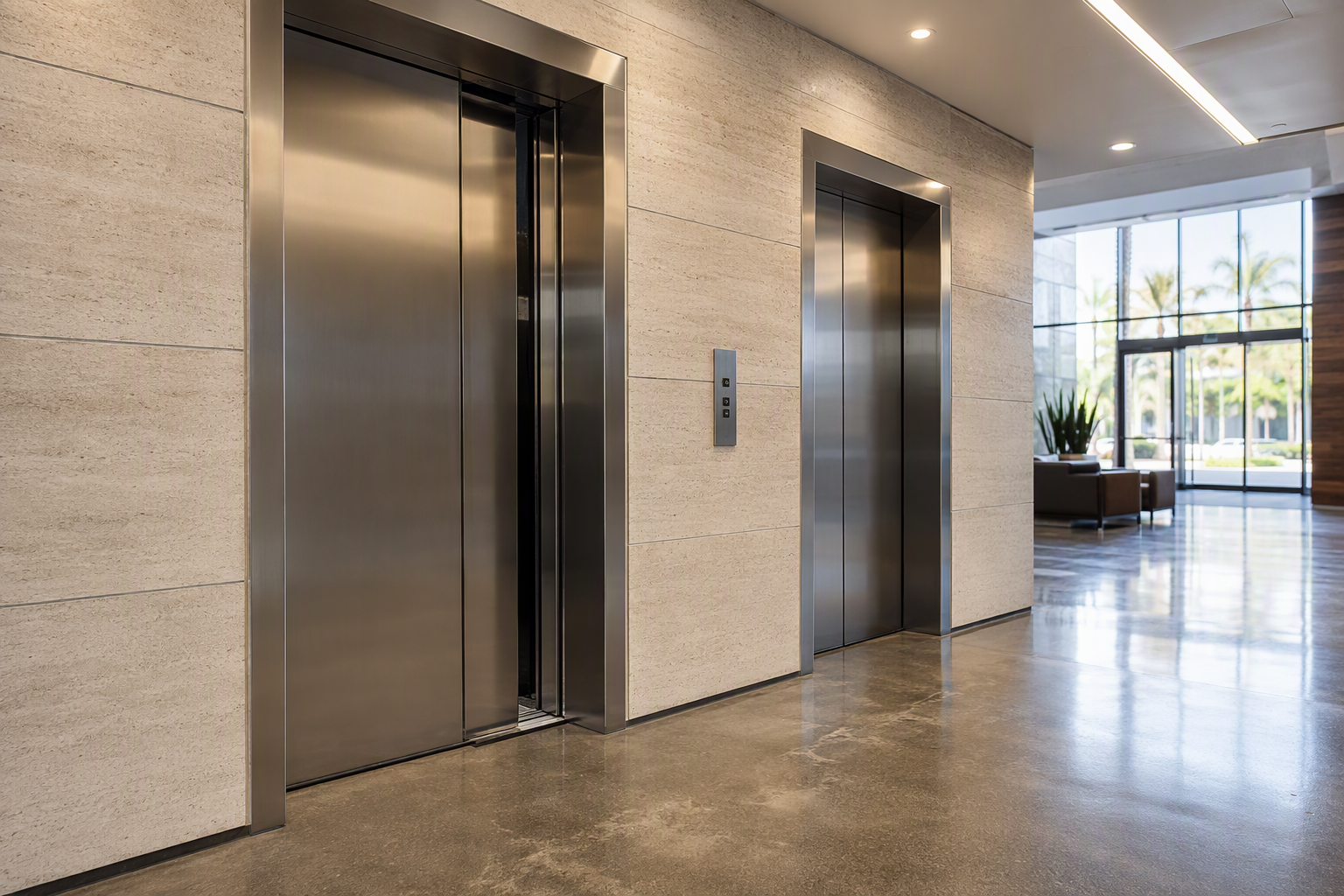
Commercial office building owners and property managers in Arizona face a recurring challenge: when an elevator starts acting up, is the right move a targeted repair, or has the equipment reached the point where modernization is the more cost-effective and code-compliant path forward? The answer is not always obvious, but it is always consequential. A malfunctioning elevator disrupts tenant productivity, creates liability exposure, and — if left unaddressed — can violate Arizona’s mandatory annual inspection and certification requirements. This guide covers the full landscape of common elevator problems, the diagnostic signals that separate a repair call from a modernization project, and what Arizona law and federal standards require of commercial property owners.
What Are the Most Common Elevator Problems in Commercial Office Buildings?

Understanding the failure modes that appear most frequently in commercial elevator systems helps property managers respond quickly and prioritize maintenance spending wisely. The following problems account for the overwhelming majority of service calls and complaints in office building elevator operations.
1. Door Malfunctions
Door-related failures are widely regarded by elevator service professionals as the single most frequent source of elevator complaints and callbacks in commercial settings. Problems include doors that open and close too slowly, fail to open or close completely, reverse unexpectedly, or sensor systems that detect obstructions incorrectly. Door malfunctions create both safety hazards and significant passenger inconvenience. Worn door operator motors, misaligned door tracks, and degraded safety edge or light curtain sensors are common mechanical causes.
2. Leveling and Floor Alignment Failures
When an elevator car stops more than an inch or two above or below the floor landing, it creates a trip-and-fall hazard for passengers. Leveling failures in hydraulic elevators are often linked to fluid leaks, worn seals, or valve problems. In traction elevators, the causes typically include worn brake components, motor drive issues, or deteriorating rope and sheave systems. Persistent leveling problems are a signal that core mechanical components are nearing the end of serviceable life.
3. Control System and Electronic Faults
Older relay-based control systems — common in office buildings constructed before the 1990s — are increasingly difficult to maintain because replacement parts are scarce or no longer manufactured. Modern solid-state and microprocessor-based controls are more reliable and energy-efficient, but they require technicians with current training. Electronic faults can manifest as erratic car movement, failure to respond to call buttons, incorrect floor stopping, or complete system shutdowns.
4. Excessive Noise and Vibration
Unusual sounds — grinding, squealing, banging, or rumbling — during elevator travel are diagnostic indicators, not nuisances to simply accept. In traction elevators, noise often traces back to worn wire ropes, dry or damaged guide rails, deteriorating roller guides, or issues with the motor and gearbox. In hydraulic systems, cavitation in the pump unit or degraded hydraulic fluid frequently produces noise. Vibration complaints that tenants notice directly in the cab usually point to roller guide wear or rail surface irregularities.
5. Hydraulic Fluid Leaks
Hydraulic elevators in low- and mid-rise commercial office buildings are particularly susceptible to fluid leaks as seals and cylinders age. Beyond the mechanical failure implications, hydraulic fluid leaks raise environmental concerns, particularly for older single-bottom cylinders that may be installed in direct contact with soil. Modernization programs for aging hydraulic systems increasingly replace single-bottom cylinders with safer PVC-lined or above-ground hydraulic alternatives.
6. Slow or Inconsistent Performance
An elevator that runs noticeably slower than its rated speed, or that varies in speed between runs, signals wear in the drive system. For hydraulic elevators, this often relates to pump capacity or valve condition. For traction elevators, drive unit wear or incorrect controller settings are typical culprits. Slow performance in a busy commercial office building creates congestion during peak hours and degrades tenant satisfaction.
7. Entrapments and Emergency System Failures
Any incident in which passengers become trapped between floors is a serious safety event. Frequent entrapments indicate systemic mechanical or electrical problems that go beyond routine maintenance. Arizona law under A.R.S. §§ 23-491 through 23-491.16 requires that owners notify the Industrial Commission of Arizona’s Elevator Division within 24 hours of any accident that injures a person or disables a conveyance. Emergency lighting, communication systems, and automatic rescue operation devices must function reliably — failures in any of these systems can constitute code violations.
How Do I Know If My Elevator Needs Repair or Full Modernization?
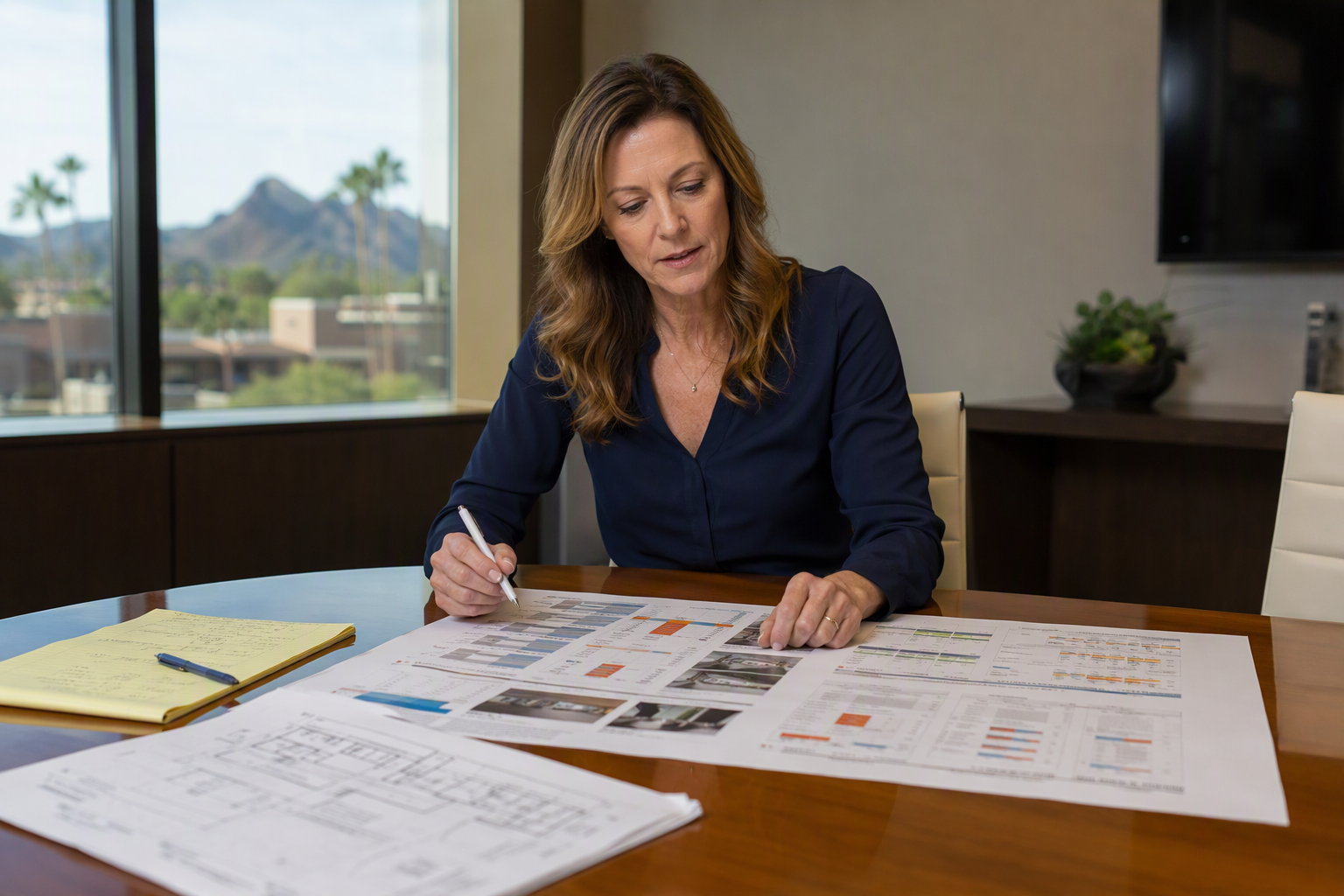
The repair-versus-modernization decision involves evaluating several intersecting factors: the age and mechanical condition of the equipment, the frequency and cost of recent repairs, the regulatory compliance posture of the system, and the long-term cost trajectory of each option.
Key Signals That Repair Is the Right Call
- The failure is isolated to a single, well-defined component (a door operator motor, a specific relay, a worn buffer).
- Replacement parts for the affected component are readily available and reasonably priced.
- The overall system is relatively modern and has not experienced a pattern of recurring failures.
- The equipment passed its most recent annual inspection without significant deficiency citations.
- The building’s anticipated use or ownership timeline is relatively short.
Key Signals That Modernization Deserves Serious Consideration
- The elevator is more than 20–25 years old and has never undergone a significant upgrade.
- Repair costs are accelerating — what was a manageable annual maintenance budget has grown significantly due to repeated callbacks and parts sourcing difficulty.
- The control system is relay-based or uses obsolete proprietary electronics with no parts supply.
- The elevator fails to meet current ADA accessibility requirements, including door width, cab dimensions, control panel height, or audible and visual floor indicators.
- The system does not comply with ASME A17.1 Safety Code for Elevators and Escalators in its current edition, as adopted in Arizona (ASME A17.1-2019, effective January 9, 2023 for equipment installed, repaired, or altered on or after January 1, 2023).
- The hydraulic system uses an older single-bottom cylinder with environmental risk.
- Energy consumption from an aging system is noticeably impacting building operating costs.
- The building is undergoing a significant renovation, lease-up, or repositioning that requires a code-compliant, modern elevator to attract or retain tenants.
What Does Arizona Law Require for Commercial Elevator Maintenance and Inspection?
Arizona commercial property owners operate under a clear regulatory framework administered by the Industrial Commission of Arizona’s Elevator Division (formerly known as the ADOSH Elevator Safety Section until September 12, 2026, when the agency was reorganized under Laws 2026, Ch. 73). The governing statute is A.R.S. §§ 23-491 through 23-491.16, and the administrative rules are found at Arizona Administrative Code R20-5-502 through R20-5-515.
The core compliance obligations for Arizona commercial elevator owners include:
- Annual inspection and certification: Every conveyance must be inspected before it first goes into service, after any modification or alteration, and annually thereafter. No conveyance may legally operate in Arizona without a current annual certificate of inspection.
- Certificate posting: The state certificate must be kept at the same location as the conveyance and the state serial number or certificate must be posted in or close to the conveyance in an easily accessible location.
- Advance notice of alterations: Arizona owners must notify the state at least 90 days before installing, relocating, or altering a conveyance — this is critical for any modernization project timeline.
- Accident reporting: Owners must notify the Elevator Division within 24 hours of any accident that injures a person or disables a conveyance.
- Applicable code edition: Equipment installed, repaired, or altered on or after January 1, 2023 must comply with ASME A17.1-2019.
- Firefighters’ emergency operation: Arizona conveyances with firefighters’ emergency operation must use the Arizona Firefighters Service (AZFS) key.
- Private inspectors: Arizona owners may hire a private elevator inspector authorized by the Industrial Commission of Arizona. Private inspectors must register with the commission every year and demonstrate at least eight hours of approved continuing education annually.
Within the City of Phoenix, the City of Phoenix Elevator Section (Planning and Development Department) handles inspections for elevators, escalators, moving walks, dumbwaiters, and chair lifts. The state’s Elevator Division handles equipment outside Phoenix.
Elevator contractors performing installation and repair work in Arizona must hold an R-12 (residential) or C-12 (commercial) elevator license classification from the Arizona Registrar of Contractors. Note that the ROC issues contractor licenses but does not issue the annual certificate of inspection — that authority rests with the Industrial Commission of Arizona’s Elevator Division.
What Federal Standards Apply to Commercial Elevator Safety?
Beyond Arizona-specific regulations, commercial elevator owners must be aware of two primary federal frameworks:
- ASME A17.1/CSA B44 Safety Code for Elevators and Escalators: The national safety code that governs design, installation, inspection, testing, maintenance, and repair of elevators. Arizona has adopted the 2019 edition for equipment installed, repaired, or altered on or after January 1, 2023. ASME A17.3 addresses safety requirements for existing installations.
- Americans with Disabilities Act (ADA): Requires that elevators in commercial facilities with more than one floor be accessible to people with disabilities. ADA standards cover door width, cab dimensions, control panel height, Braille and tactile markings, audible and visual signals, and leveling tolerances. Buildings undergoing renovations may trigger an obligation to bring elevator accessibility into compliance.
- OSHA: Occupational Safety and Health Administration standards address elevator safety from the perspective of construction workers and maintenance personnel who work on and around elevator equipment.
What Is the Typical Process for Getting an Elevator Assessed in Arizona?
- Document the symptoms. Before the assessment visit, compile a log of observed problems — dates, times, descriptions of the malfunction, whether the issue is intermittent or consistent, and any tenant complaints or incident reports.
- Locate the current certificate of inspection. Confirm that the elevator has a valid annual certificate posted and on file. If the certificate has lapsed, operating the elevator may be a violation under Arizona law.
- Engage a licensed elevator contractor. Contact a contractor holding an R-12 or C-12 license from the Arizona Registrar of Contractors to perform a comprehensive mechanical and electrical evaluation.
- Review inspection findings against current code. The assessment should compare the elevator’s current condition against ASME A17.1-2019 (for any recent repairs or alterations) and identify any deficiencies relative to ASME A17.3 for existing installations.
- Evaluate ADA compliance. Confirm that cab dimensions, door operation, controls, and signaling systems meet ADA requirements, particularly if any renovation has occurred.
- Obtain a written recommendation. Request a documented recommendation that distinguishes between items requiring immediate repair, items that should be addressed in the near term, and a modernization cost-benefit analysis if the equipment is aging.
- File required notices if modernization is planned. If the assessment leads to a decision to alter or modernize the elevator, notify the Industrial Commission of Arizona’s Elevator Division at least 90 days in advance, as required by Arizona law.
- Schedule the annual inspection or re-inspection. After any repair or modernization, the elevator must be inspected before returning to service.
How Does Elevator Age Affect the Repair vs. Modernization Decision?
Equipment age is one of the most reliable indicators of where a commercial elevator sits on the repair-versus-modernization spectrum. Elevators installed decades ago were designed to the code editions and performance expectations of their time. As the gap between the original installation date and current code editions widens, the frequency and cost of maintaining compliance with each new requirement grows. Relay-based control systems from the 1960s through 1980s were engineered without the computational capacity to support modern safety features, energy management, or destination dispatch capabilities. When a control system reaches end-of-life, a full modernization of the controls — and often the drive system — becomes unavoidable.
Hydraulic systems installed in the 1970s and 1980s may have single-bottom cylinders buried in the ground. Environmental standards and best practices for hydraulic elevator systems have evolved substantially since those installations. A comprehensive modernization for such a system typically involves replacing the cylinder and upgrading the hydraulic power unit, control system, cab interior, and door operator simultaneously, because the cost of mobilization makes addressing each component separately inefficient.
What Are the 2025–2026 Trends in Commercial Elevator Modernization?
The commercial elevator modernization landscape in 2025 and 2026 is shaped by several intersecting forces that Arizona commercial property owners should understand qualitatively, even where precise industry-wide statistics are not available from verifiable public sources.
Energy efficiency as a modernization driver: Modernized traction elevator systems using regenerative drives return energy to the building’s electrical grid during descents and deceleration. As commercial building owners face increasing pressure to reduce energy consumption and improve sustainability scores, elevator modernization projects that include drive system upgrades are increasingly justified on energy grounds alone, independent of pure mechanical necessity.
Destination dispatch and smart building integration: New-construction commercial office buildings increasingly incorporate destination dispatch systems that reduce wait times and improve traffic flow. Older buildings seeking to remain competitive in the leasing market are evaluating whether their elevator infrastructure can support or be upgraded to accommodate smart building management systems.
Parts availability pressures: Supply chain dynamics continue to affect the availability of parts for older, proprietary elevator control systems. The practical difficulty and cost of sourcing components for legacy systems is increasingly tipping the repair-versus-modernization calculation toward modernization, even for buildings that might otherwise prefer targeted repairs.
Increased regulatory scrutiny: The reorganization of Arizona’s elevator safety administration under the Industrial Commission of Arizona’s Elevator Division reflects a broader national trend toward more structured enforcement of elevator safety and inspection compliance. Building owners should anticipate continued attention to annual certification compliance.
How Does Arizona Elevator Solutions Approach the Repair vs. Modernization Question?
Arizona Elevator Solutions approaches the repair-versus-modernization evaluation as a data-driven process rather than a predetermined recommendation. The team reviews the equipment’s inspection history, current mechanical condition, parts availability, compliance status under Arizona Administrative Code R20-5-502 through R20-5-515 and applicable ASME standards, and the building owner’s operational and financial objectives. The goal is to provide a clear, documented analysis that supports a decision the building owner can defend to stakeholders — not to default to the higher-revenue recommendation. Arizona Elevator Solutions serves commercial property owners across Arizona and is familiar with the specific regulatory requirements of both the Industrial Commission of Arizona’s Elevator Division and the City of Phoenix Elevator Section.
What Happens If a Commercial Elevator Fails Its Annual Inspection in Arizona?
If an elevator fails to receive a passing inspection and a valid annual certificate of inspection is not issued or renewed, the elevator cannot legally operate in Arizona. The Industrial Commission of Arizona’s Elevator Division has authority under A.R.S. §§ 23-491 through 23-491.16 to enforce compliance. Building owners who operate a conveyance without a valid certificate are in violation of Arizona law. The practical consequence for a commercial office building is a potentially lengthy period of elevator outage while deficiencies are corrected, re-inspected, and certified. For a multi-story office building with a single elevator, this can constitute a serious operational and tenant-relations crisis — and, depending on circumstances, may also raise ADA accessibility concerns about building access for individuals with disabilities.
This underscores why proactive maintenance and timely repair — rather than deferred maintenance until an inspection failure — is both the safer and more cost-effective approach for Arizona commercial property owners.
What Is the Difference Between Repair, Modernization, and Alteration Under Arizona Rules?
These three terms have distinct regulatory meanings in Arizona’s elevator framework:
- Repair generally refers to restoring equipment to its original condition or specification using like-for-like replacement parts, without changing the performance or safety characteristics of the system. Most routine maintenance and service work falls into this category.
- Alteration under Arizona Administrative Code R20-5-502 through R20-5-515 involves changing, replacing, or adding components in a way that affects the operation or safety of the conveyance beyond simple repair. Alterations require advance notification to the Elevator Division at least 90 days before work begins and trigger inspection before the conveyance returns to service.
- Modernization is an industry term (not a distinct statutory category) describing a comprehensive alteration that upgrades major systems — typically the controls, drive, cab, and door systems — to bring an aging elevator to current standards. A modernization project almost always constitutes an alteration under Arizona law, triggering the 90-day notice requirement and mandatory pre-return-to-service inspection.
Property managers should confirm with their licensed elevator contractor and, if necessary, with the Industrial Commission of Arizona’s Elevator Division or the City of Phoenix Elevator Section (for Phoenix properties), exactly which planned work scope triggers alteration notification requirements.
How Long Does a Commercial Elevator Modernization Typically Take?
Modernization timelines vary based on the scope of work, the number of elevator units being upgraded, parts lead times (which can be significant for custom cab components or specialty drive equipment), and permitting and inspection scheduling. A control system and drive modernization on a single traction elevator in a commercial office building may take several weeks of active installation time, but total project duration from contract execution through final inspection and certification can extend to several months when procurement lead times are included. Building owners planning a modernization should account for this timeline in lease negotiations, tenant communications, and operational planning — and should file the required 90-day advance notice with Arizona’s Elevator Division early in the planning process.
Does ADA Require Elevators in All Commercial Office Buildings?
Under the Americans with Disabilities Act, elevators are generally required in commercial facilities with more than one story unless the building meets specific exemptions (such as buildings with fewer than three stories or fewer than 3,000 square feet per story, with some exceptions for certain occupancy types). However, once an elevator is present, it must be accessible. When a building undergoes renovations that affect areas of primary function, path-of-travel requirements under the ADA may obligate the owner to bring the elevator into compliance with current accessibility standards as part of the renovation project. Commercial office building owners in Arizona should review their ADA compliance posture whenever elevator modernization or significant building renovation is under consideration.
What Should Be Included in a Commercial Elevator Maintenance Contract in Arizona?
A well-structured elevator maintenance contract for a commercial office building should address the following qualitatively, regardless of the specific pricing or terms negotiated:
- Clear scope of preventive maintenance tasks and frequency.
- Parts coverage — specifying which components are included versus billed separately.
- Callback and response protocols for out-of-service conditions.
- Entrapment response procedures and communications with building staff.
- Documentation and reporting of maintenance activities, which supports the building owner’s compliance record for annual inspections.
- Coordination with the annual inspection process, including scheduling support for state-authorized inspector visits.
- Provisions for modernization recommendations — the contract should not create a financial disincentive for the contractor to recommend modernization when it is genuinely in the owner’s interest.
Arizona Elevator Solutions works with commercial property owners to evaluate existing maintenance agreements and identify gaps that could create compliance risk or unexpected cost exposure.
What Is the Role of the Arizona Registrar of Contractors in Elevator Work?
The Arizona Registrar of Contractors (ROC) licenses elevator contractors under the R-12 (residential elevator) and C-12 (commercial elevator) classifications. These licenses authorize the holder to install and repair elevators, dumbwaiters, escalators, and moving walks in Arizona. Verifying that any elevator contractor working on a commercial office building holds a current ROC license in the appropriate classification is an important due diligence step for property owners. The ROC license is separate from and in addition to compliance with the Industrial Commission of Arizona’s Elevator Division inspection and certification requirements — the ROC does not issue certificates of inspection.
Summary: Repair or Modernization — A Practical Decision Framework
The repair-versus-modernization decision for commercial office building elevators in Arizona ultimately comes down to a clear-eyed assessment of five factors:
- Failure pattern: Is the problem isolated or systemic? Recurring, multi-system failures across an aging elevator are a modernization signal.
- Parts and support availability: Can the components needed for repair be sourced reliably and at reasonable cost? Obsolete systems with no parts supply force the modernization decision.
- Regulatory compliance: Does the elevator meet current ASME A17.1-2019 requirements (for altered or repaired systems in Arizona), ADA accessibility standards, and Arizona state certification requirements? Non-compliance is not optional.
- Cost trajectory: Is the repair cost per year trending upward sharply? Compare the projected multi-year repair cost against a modernization investment with a defined useful life extension.
- Building objectives: Is the building being repositioned, sold, or renovated in a way that raises tenant expectations or ADA path-of-travel obligations? Modernization may be strategically necessary independent of the mechanical condition.
Arizona Elevator Solutions provides commercial property owners with the diagnostic assessment, regulatory knowledge, and objective analysis needed to make this decision with confidence — not guesswork.
Need elevator service you can rely on? Arizona Elevator Solutions is ready to help.






