What Elevator Upgrades or Repairs Should You Prioritize Before Your Fiscal Year 2027 Capital Budget Is Finalized?
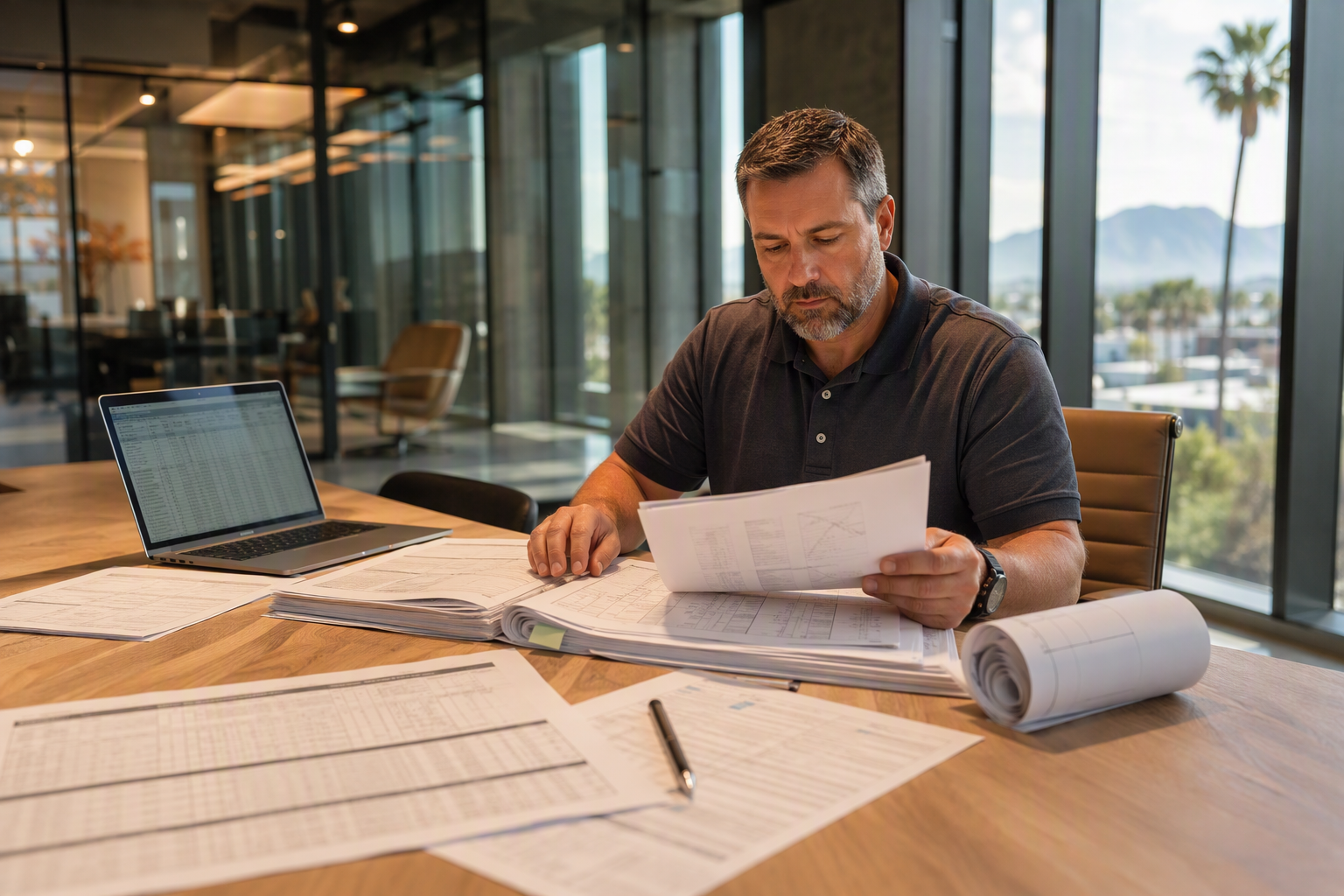
Capital planning for vertical transportation is one of the most consequential decisions a facility manager, property owner, or procurement officer makes each budget cycle. Elevators that fall behind on compliance, maintenance, or modernization cost more to operate, expose building owners to liability, and ultimately disrupt occupants at the worst possible time. The sections below walk through every dimension of that decision — from code mandates to component lifecycles to vendor selection — so that your FY2027 budget request is defensible, prioritized, and complete.
Why Does Elevator Budget Prioritization Matter for FY2027?
The window between now and the close of FY2027 budget cycles is the right time to assess elevator assets because lead times for major modernization components — controllers, hydraulic power units, traction machines — have extended in recent years due to supply-chain dynamics affecting the broader building-systems industry. Procuring engineering assessments and locking in contractor pricing during the planning phase, rather than after budget approval, typically results in more competitive bids and fewer change orders.
Additionally, code adoption timelines at the state and local level mean that requirements issued in recent editions of the ASME A17.1 Safety Code for Elevators and Escalators may become locally enforceable by or during the FY2027 period, depending on Arizona’s adoption schedule. Building owners who identify those requirements now can budget for them rather than being surprised by a compliance notice mid-year.
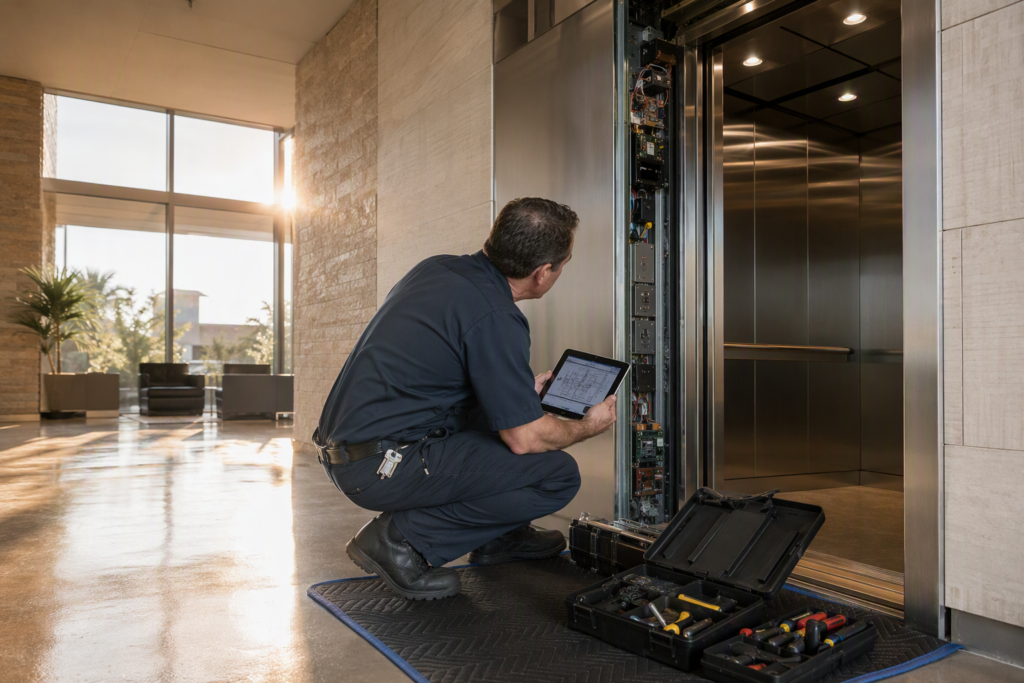
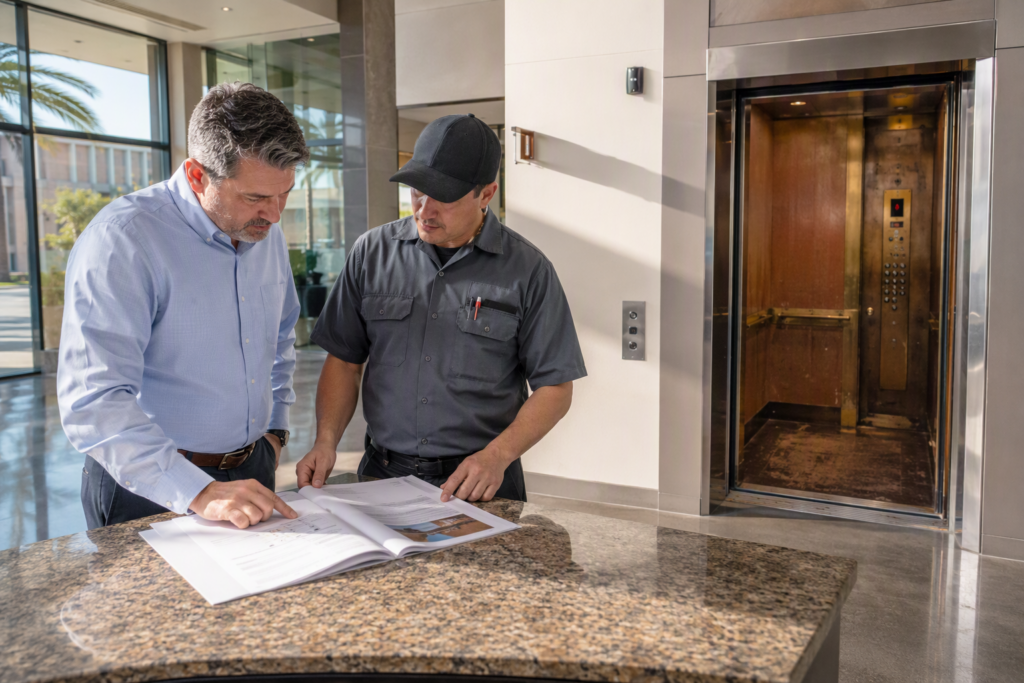
Arizona Elevator Solutions works with facility teams across the state to conduct structured condition assessments that translate equipment age, inspection history, and local code requirements into a ranked capital action list — the starting point for any credible budget request.
What Is the Single Highest Priority Before Any Budget Is Approved?
The single highest capital priority is any deficiency documented as an imminent hazard or out-of-service condition in your most recent state or third-party inspection report. Under the ASME A17.1 Safety Code for Elevators and Escalators, certain violations require the elevator to be removed from service until corrected. These are not discretionary — they carry potential liability for injury, regulatory fines, and in some jurisdictions, personal liability for building management.
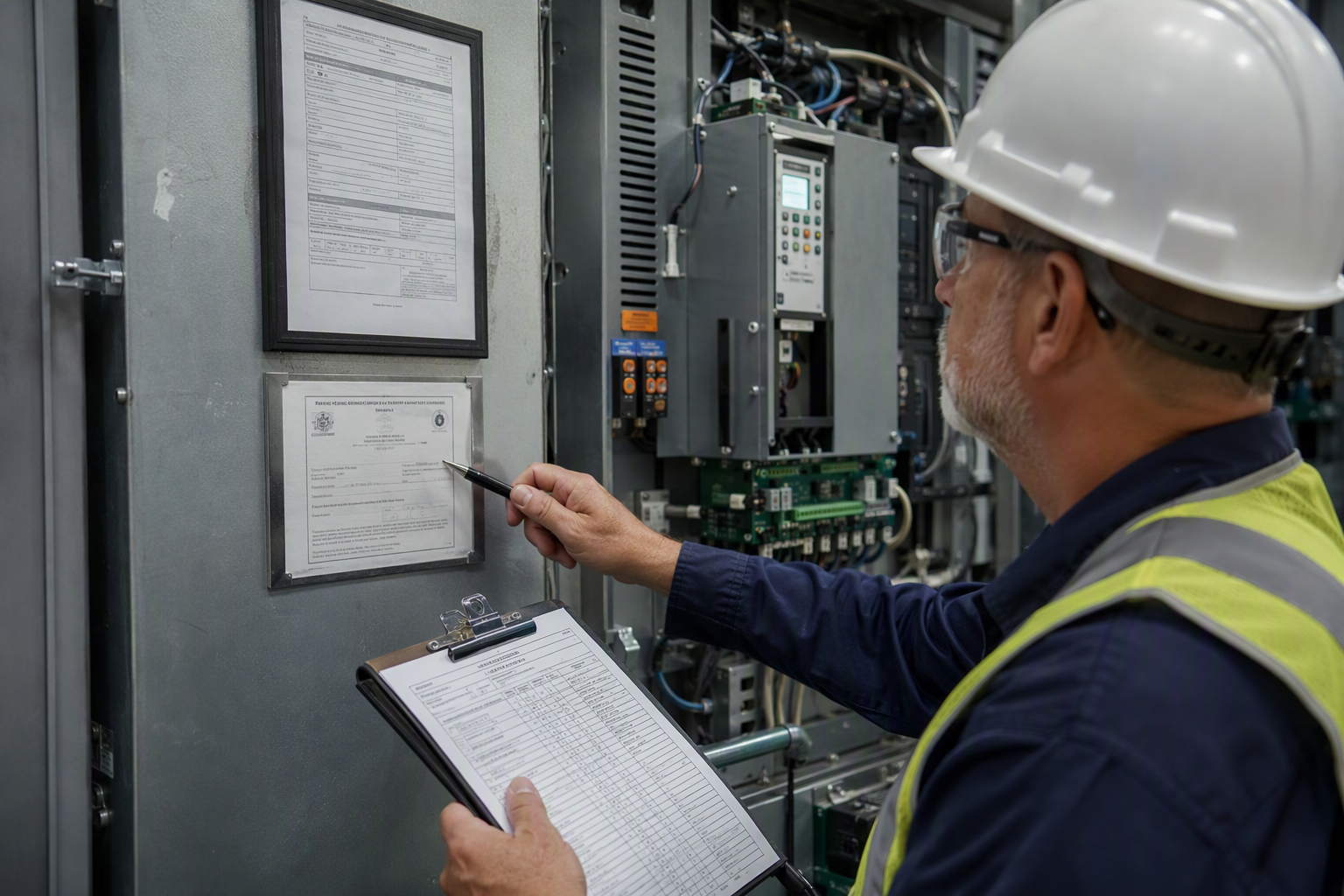
If your inspection certificate has lapsed or your building has not had a third-party condition assessment in the past two years, obtaining one before budget submission is the necessary first step. A written assessment gives procurement and finance teams the documented justification regulators and auditors expect.
Which Elevator Systems Have the Greatest Impact on Safety and Compliance?
The following systems are most commonly cited in inspection reports and carry the highest compliance and liability weight. Budgeting for these areas first is the industry standard approach recommended by elevator consultants and reflected in ASME A17.1 maintenance and inspection requirements:
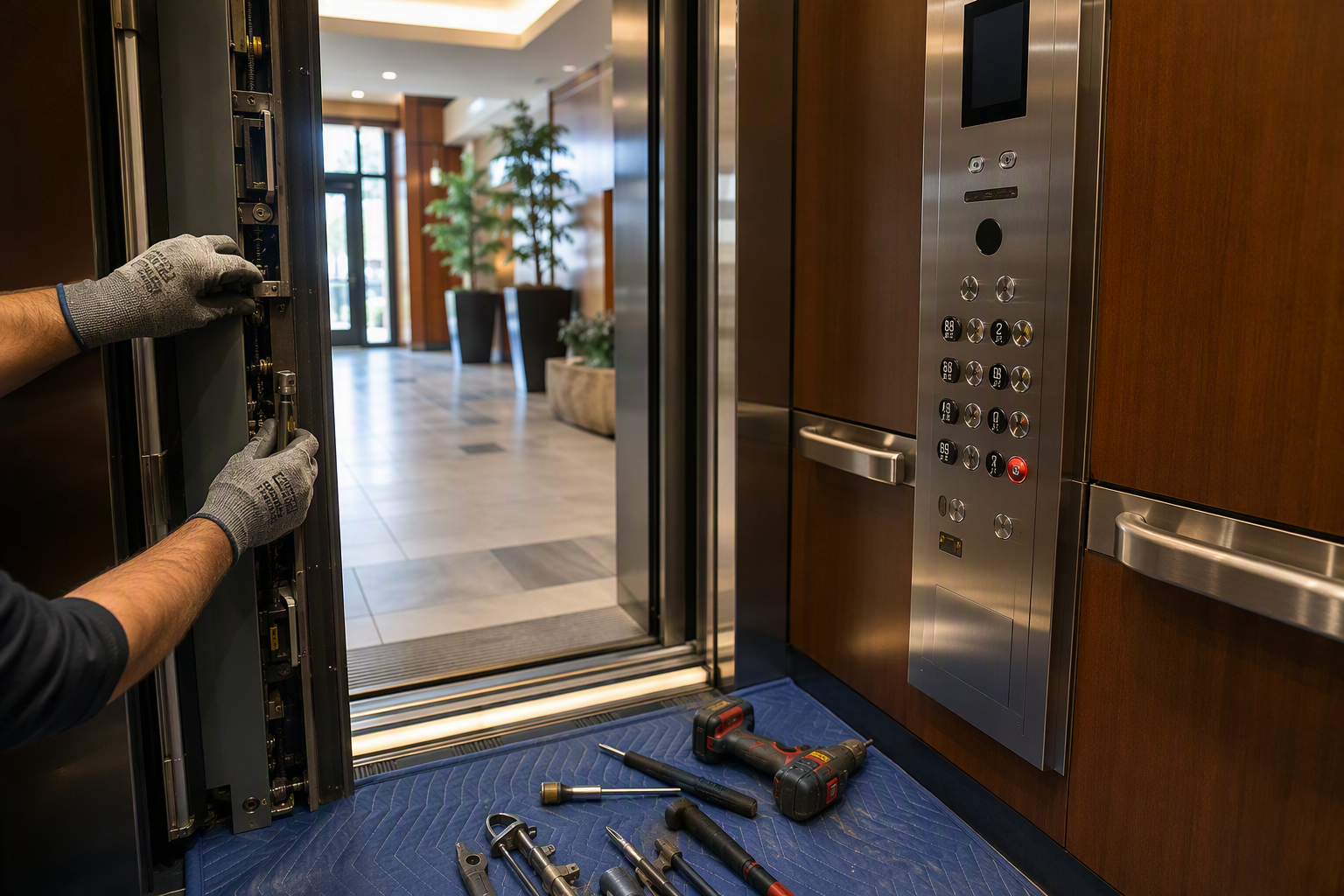
- Door systems and interlocks: Door-related incidents are among the most frequently cited safety issues in elevator inspection reports nationally. Door operators, gibs, closers, and interlock assemblies wear with use and require regular adjustment and eventual replacement.
- Control systems and safeties: Older relay-logic controllers lack the diagnostic capability and code-compliant safety circuits required by modern editions of ASME A17.1. Modernizing to solid-state or microprocessor controllers improves both safety and energy efficiency.
- Overspeed governors and buffers: These life-safety components require periodic testing per ASME A17.1 intervals. If testing is overdue or components are beyond service life, this is a budget-mandatory item.
- Hydraulic systems: Older hydraulic units with single-bottom cylinders may be subject to replacement requirements under environmental and safety rules; single-bottom cylinders without secondary containment present both environmental and structural risk.
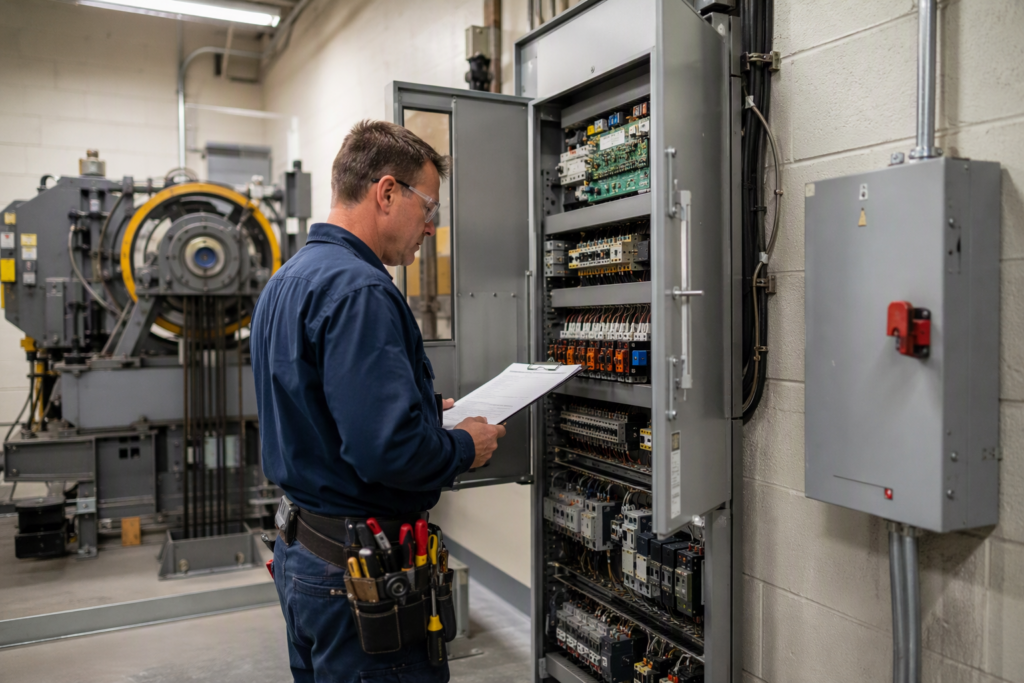
- Machine room and pit conditions: Flooding, excessive heat, inadequate lighting, and missing or deteriorated fire protection in machine rooms are all code-cited conditions under ASME A17.1.
What ADA-Related Elevator Requirements Should Be on the FY2027 Budget List?
The Americans with Disabilities Act (ADA) establishes accessibility requirements for passenger elevators in facilities subject to the Act. Common budget items arising from ADA compliance include:
- Cab size and door width compliance for wheelchair access
- Accessible control panel height, button size, and Braille/tactile marking requirements
- Visual and audible floor indicators and door-open/close signals
- Emergency communication systems that are accessible to individuals with hearing impairments
- Leveling accuracy — the elevator must stop within a tolerance that allows safe and easy wheelchair entry and exit
Facilities that have undergone recent renovation or change of use should verify ADA elevator compliance as part of any broader accessibility audit. The ADA.gov resource library provides the applicable standards documents for reference. Budget requests for ADA remediation should include both the physical modification scope and any required permit and inspection fees.
How Should Building Owners Prioritize Between Full Modernization and Targeted Repairs?
The decision between full modernization and targeted repair depends on three factors that should be evaluated before a budget number is chosen:
- Equipment age and remaining useful life: Elevator industry guidance generally treats equipment that has reached or exceeded its expected service life as a candidate for full modernization rather than continued repair. Repeatedly repairing components on an aging system often costs more over a five-year horizon than a single modernization project.
- Inspection deficiency severity: If a unit has multiple cited deficiencies across control, mechanical, and cab systems simultaneously, the combined cost of targeted repairs may approach or exceed the cost of a full modernization — at which point modernization delivers substantially more value per dollar.
- Operational criticality: In high-traffic buildings, hospitals, or senior living facilities, the cost of unplanned downtime and occupant impact must be weighed. A planned modernization with a defined outage window is almost always preferable to a series of emergency repairs that create unpredictable service interruptions.
Arizona Elevator Solutions conducts condition assessments that explicitly address this repair-versus-modernize question, providing facility managers with documentation they can present to finance committees and boards.
What Are the Most Common Elevator Components That Fail Unexpectedly?
While individual failure rates vary by usage, building environment, and maintenance history, the components most frequently associated with unplanned outages in commercial elevators include:
- Door operators and rollers: High-cycle components that wear steadily and can fail without warning if not inspected regularly
- Hoist ropes and sheaves: Subject to wear, fatigue, and environmental corrosion; replacement is required when wear criteria defined in ASME A17.1 are met
- Selector and leveling systems: Older mechanical selectors are prone to drift that causes landing accuracy issues and passenger trips
- Hydraulic pump units: Seal wear, valve degradation, and motor issues are common in units beyond 15–20 years of service
- Controller boards and relay banks: Older relay controllers are subject to component failure for which replacement parts are increasingly difficult to source
Proactively budgeting for replacement of high-wear components based on age and usage data — rather than waiting for failure — is the approach consistent with OSHA general duty requirements for maintaining safe workplace equipment and is standard practice in facilities management.
What Industry Trends in 2025–2026 Are Affecting Elevator Capital Planning?
Several qualitative trends are shaping elevator capital decisions heading into FY2027:
Longer component lead times: Supply-chain pressures that affected building systems broadly have not fully resolved for elevator components. Controllers, traction machines, and hydraulic power units from major manufacturers may require longer order lead times than historical norms. Budgeting early and engaging contractors during the planning phase — rather than after budget approval — helps avoid project delays.
Energy efficiency as a secondary budget driver: Regenerative drive systems and LED cab lighting packages are increasingly cost-competitive on a lifecycle basis. Facility sustainability programs and energy benchmarking requirements in some jurisdictions are making energy-efficient elevator modernization components a more visible line item in capital requests.
Code edition adoption cycles: Arizona’s adoption of updated editions of ASME A17.1 creates a rolling compliance obligation. Requirements that are adopted locally after budget approval become unbudgeted mandates — a scenario that consistently catches facilities off guard. Tracking the state adoption timeline during budget planning is a risk-mitigation practice.
Remote monitoring and predictive maintenance: IoT-enabled monitoring systems are becoming a standard add-on in modernization contracts. While not a standalone capital priority, budgeting for monitoring integration during a modernization project is typically more cost-effective than retrofitting it later.
What Does a Comprehensive Elevator Capital Budget Request Include?
A defensible elevator capital budget submission for FY2027 should contain the following elements:
- Condition assessment report: A documented, dated inspection or assessment by a qualified elevator contractor or third-party consultant, identifying all deficiencies and their severity classification
- Compliance status summary: A clear statement of which deficiencies relate to ASME A17.1, ADA, or state/local code requirements — these carry mandatory remediation timelines
- Prioritized action list: Items ranked by safety/compliance necessity, then operational risk, then lifecycle optimization
- Scope-of-work documentation: Contractor-prepared specifications or preliminary scopes for each line item, sufficient for finance to understand what is being purchased
- Comparative options where applicable: For major items, a brief repair-vs.-modernize comparison showing five-year cost implications
- Timeline and phasing plan: Particularly important for multi-unit buildings where sequential outages must be managed around occupant operations
How Do You Compare Elevator Service Vendors Before Budget Finalization?
Vendor selection for elevator modernization or major repair should not be treated as a commodity procurement. The qualitative factors that separate competent vendors from problematic ones include:
- Familiarity with local Arizona inspection authority requirements and permit processes
- Ability to provide written scope documentation and not just verbal quotes
- Track record with similar equipment types — hydraulic, traction, MRL — in comparable building types
- Transparency about component sourcing and lead times given current supply conditions
- Willingness to participate in the budget planning process before contract execution, providing pre-bid documentation for finance purposes
Arizona Elevator Solutions provides written condition assessments and preliminary scopes specifically designed to support the capital budget process — not simply to generate a repair ticket.
What Should Arizona Building Owners Know About Local Inspection Requirements?
In Arizona, elevator inspections are regulated at the state level with requirements aligned to the ASME A17.1 Safety Code for Elevators and Escalators. Routine periodic inspections are required at intervals specified by the applicable code edition adopted by the state. Buildings with lapsed certificates or open inspection violations face potential enforcement action, including mandatory shutdown orders.
Before budget submission, building owners should verify:
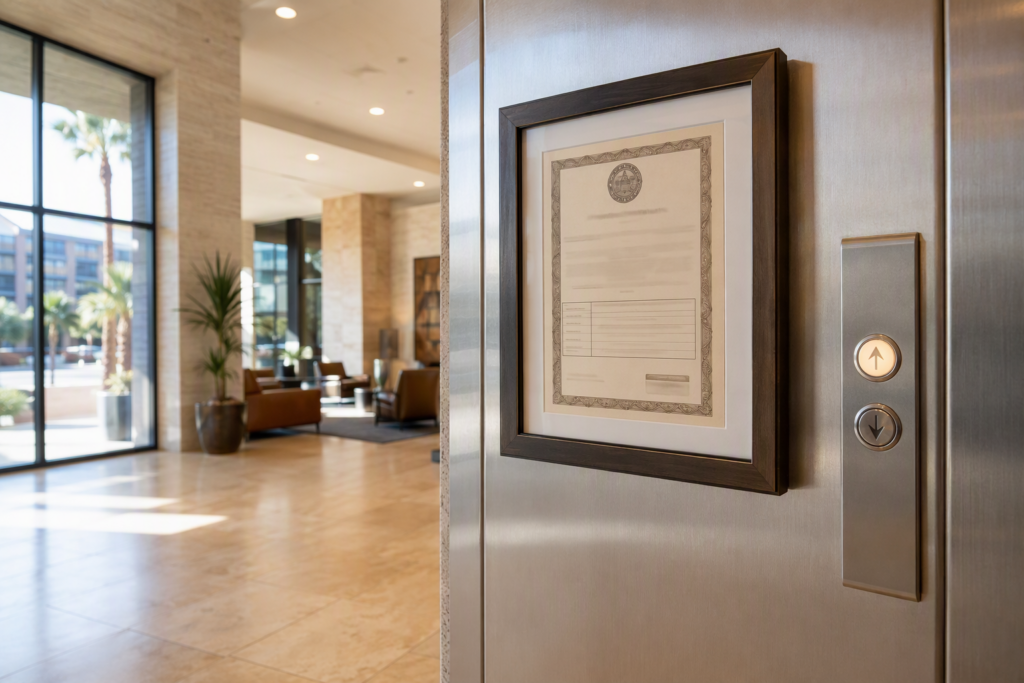
- That current inspection certificates are valid and posted as required
- That any open violation notices have been addressed or are included in the budget request as mandatory items
- That the next scheduled inspection date is known and that any anticipated deficiencies are proactively addressed rather than discovered at inspection
Operating elevators in Arizona without a valid inspection certificate is a compliance violation. The cost of expedited repairs under enforcement pressure is consistently higher than proactively budgeted work.
What Is the Right Timeline for Starting the Budget Planning Process?
For a FY2027 capital budget, the planning process should ideally begin no later than Q3 of calendar year 2026. This allows sufficient time to:
- Commission a condition assessment and receive the written report
- Obtain preliminary scopes and pre-bid pricing from qualified contractors
- Run the repair-vs.-modernize analysis on major items
- Prepare the budget justification package for finance or board review
- Accommodate any rounds of internal revision before budget submission deadlines
Facilities that begin this process after budget submission deadlines have passed typically end up either underfunding elevator needs or requesting emergency supplemental appropriations — both of which create unnecessary friction with finance leadership.
Are There Elevator Upgrades That Reduce Long-Term Operating Costs?
Several modernization investments have a documented qualitative impact on operating cost reduction, even when precise ROI figures vary by building and usage:
- Microprocessor controller upgrades: Provide diagnostic data that reduces diagnostic labor time during service calls and enables predictive maintenance scheduling
- Variable frequency drives (VFDs): Reduce motor energy consumption compared to older single-speed or two-speed systems; regenerative VFDs can return energy to the building electrical system
- LED cab and machine room lighting: Reduces ongoing energy cost and maintenance frequency compared to fluorescent and incandescent systems
- Door system modernization: Reduces the frequency and cost of door-related service calls, which represent a disproportionate share of elevator service callbacks in aging equipment
These items are typically lower capital cost than full modernizations and can often be justified on lifecycle cost grounds even when full modernization is not yet warranted.
What Questions Should Facility Managers Ask an Elevator Contractor Before Budget Submission?
Before accepting any preliminary scope or budget number from a contractor, facility managers should ask:
- What specific code sections or inspection findings drive each recommended action item?
- What is the expected lead time for major components given current supply conditions?
- Is this scope based on a physical inspection of the equipment, or a general estimate?
- What are the options if the budget is approved at less than the full requested amount — which items can be phased?
- What permits, inspections, and inspection fees are included in the scope?
- What is the warranty coverage on parts and labor for the proposed work?
Arizona Elevator Solutions prepares budget-support documentation that directly answers these questions in written form, giving facility managers the materials they need to present to internal decision-makers confidently.
Sourced Data Reference Table
| Standard / Authority | Relevance to Capital Planning | Source |
|---|---|---|
| ASME A17.1 Safety Code for Elevators and Escalators | Governs inspection intervals, safety component testing, maintenance requirements, and equipment standards | ASME Codes & Standards |
| Americans with Disabilities Act (ADA) | Establishes accessibility requirements for elevator cab dimensions, controls, signage, and communication systems | ADA.gov |
| OSHA General Duty Clause | Requires employers to maintain workplace equipment — including elevators — free from recognized hazards | OSHA.gov |
Summary: The Right Prioritization Order for FY2027 Elevator Capital Budgets
Based on compliance requirements, liability exposure, and lifecycle cost logic, the recommended prioritization hierarchy for FY2027 elevator capital items is:
- Mandatory compliance deficiencies — anything flagged as an imminent hazard or out-of-service condition under ASME A17.1 or cited by your state inspection authority
- ADA accessibility gaps — non-compliant controls, dimensions, or communication systems under the ADA
- End-of-life safety components — governors, buffers, hoist ropes, and hydraulic systems approaching or beyond service life
- Control system modernization — relay-logic controllers with limited diagnostic capability and sourcing challenges
- Door system rehabilitation or replacement — the highest-frequency source of service calls in aging equipment
- Energy efficiency upgrades — VFDs, regenerative drives, LED lighting with lifecycle cost justification
- Cab and finish modernization — occupant experience improvements that support property value and tenant retention
Get a Data-Driven Assessment Before Your Budget Is Finalized
Arizona Elevator Solutions provides written elevator condition assessments designed specifically to support capital budget planning. The assessment documents inspection status, compliance gaps, component condition, and a prioritized action list — everything a finance team or board needs to approve a well-justified elevator capital request for FY2027.
Contact Arizona Elevator Solutions for a free elevator assessment: 480-557-7600
Need elevator service you can rely on? Arizona Elevator Solutions is ready to help.