Elevator Service in Phoenix, AZ | Arizona Elevator Solutions
Phoenix summers push ambient temperatures well above 110°F, creating conditions that no elevator manufacturer designs for in a temperate-climate spec sheet. Hydraulic systems overheat. Control boards cycle excessively. Machine room temperatures can climb to levels that trigger thermal shutdowns. Understanding how Arizona’s climate stresses elevator components — and what maintenance schedule is appropriate — protects building owners from unexpected downtime, liability exposure, and costly emergency repairs.
Arizona Elevator Solutions is a certified elevator service company serving Phoenix and the broader Valley of the Sun. The guidance below draws on Arizona-specific regulatory requirements, applicable national codes, and the real-world demands of desert elevator operation.
—
How Does Extreme Heat Affect Elevator Hydraulic Systems?
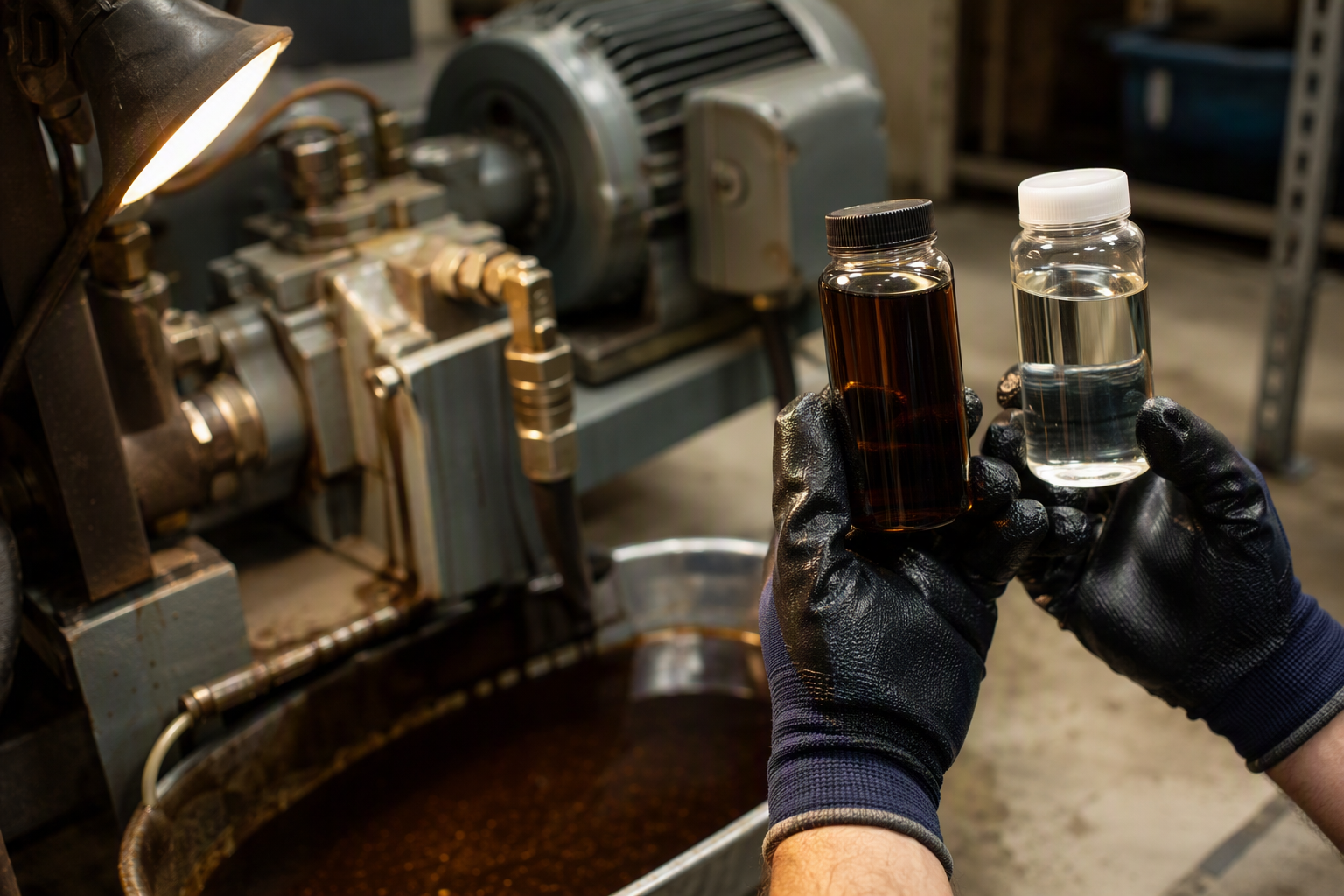
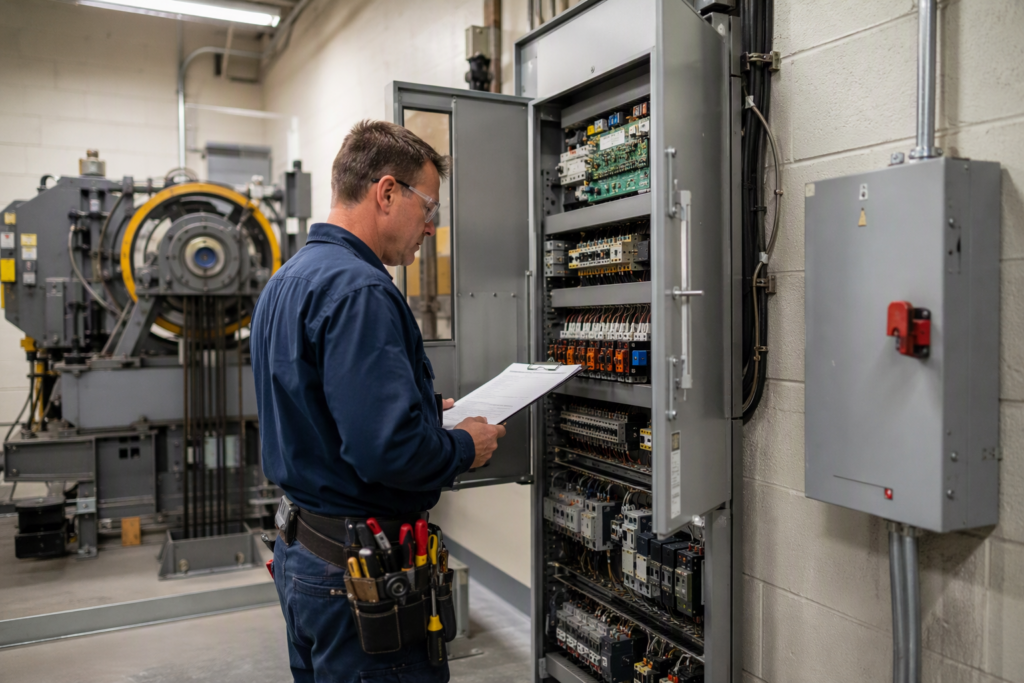
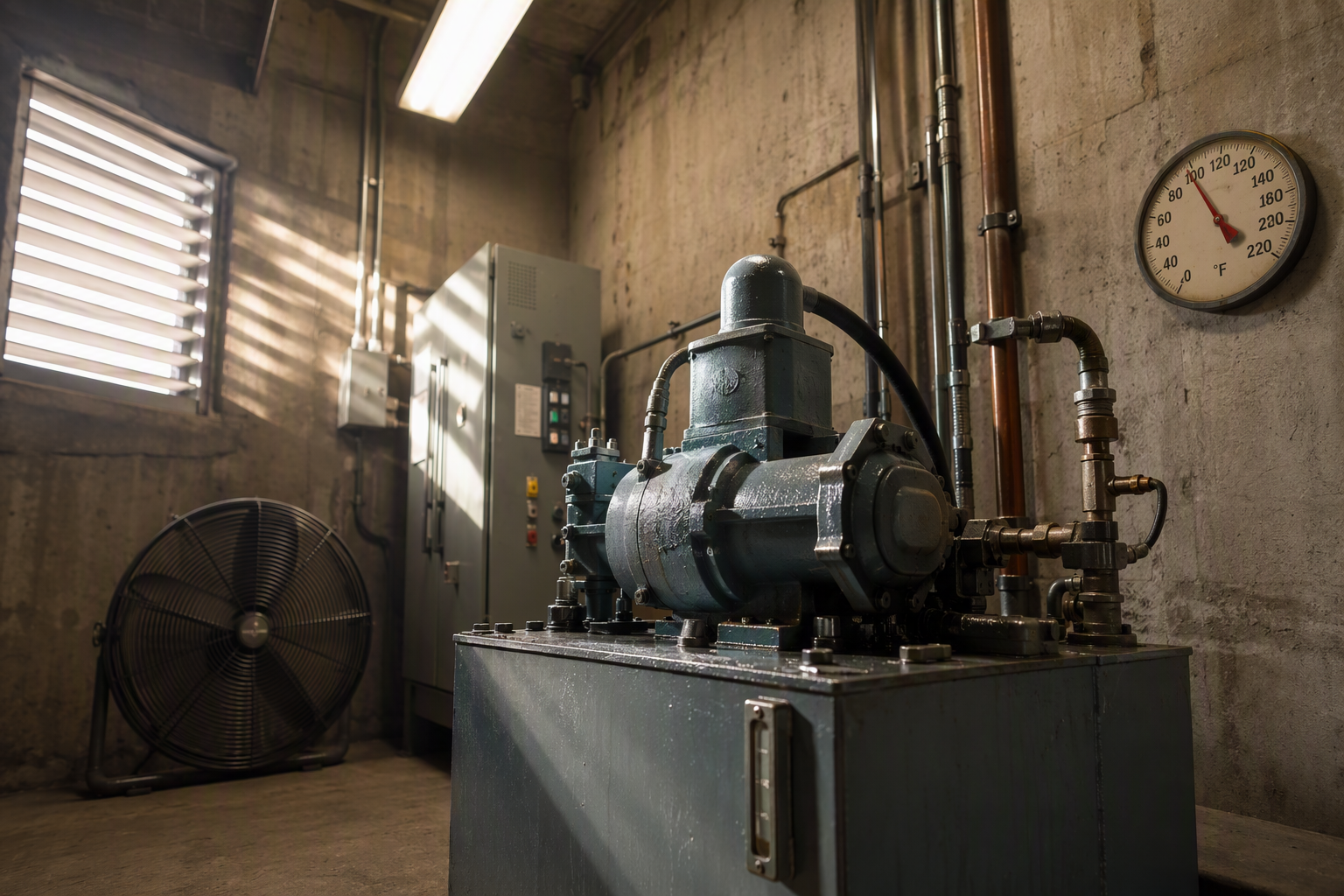
Hydraulic elevators are among the most heat-sensitive systems in any commercial or residential building. Hydraulic fluid has an optimal operating viscosity range; when ambient and machine room temperatures spike, fluid thins, loses its cushioning properties, and accelerates wear on pump seals, piston packings, and valve bodies. Overheated fluid also oxidizes faster, shortening its usable life well beyond what manufacturers recommend in cooler climates.
In Phoenix, machine rooms in non-climate-controlled spaces routinely exceed safe operating temperatures during June through September. The practical consequences include:
- Thermal cutout trips that halt service mid-ride
- Sluggish door operation caused by viscosity fluctuation
- Premature pump motor failure from continuous overload
- Increased hydraulic fluid leaks at seals stressed by heat cycling
Proactive fluid analysis and more frequent fluid changes — adjusted to Arizona’s climate demands rather than a generic national schedule — are a core part of a responsible summer maintenance plan.
—
What Arizona Elevator Code Requirements Apply to Machine Room Temperatures?
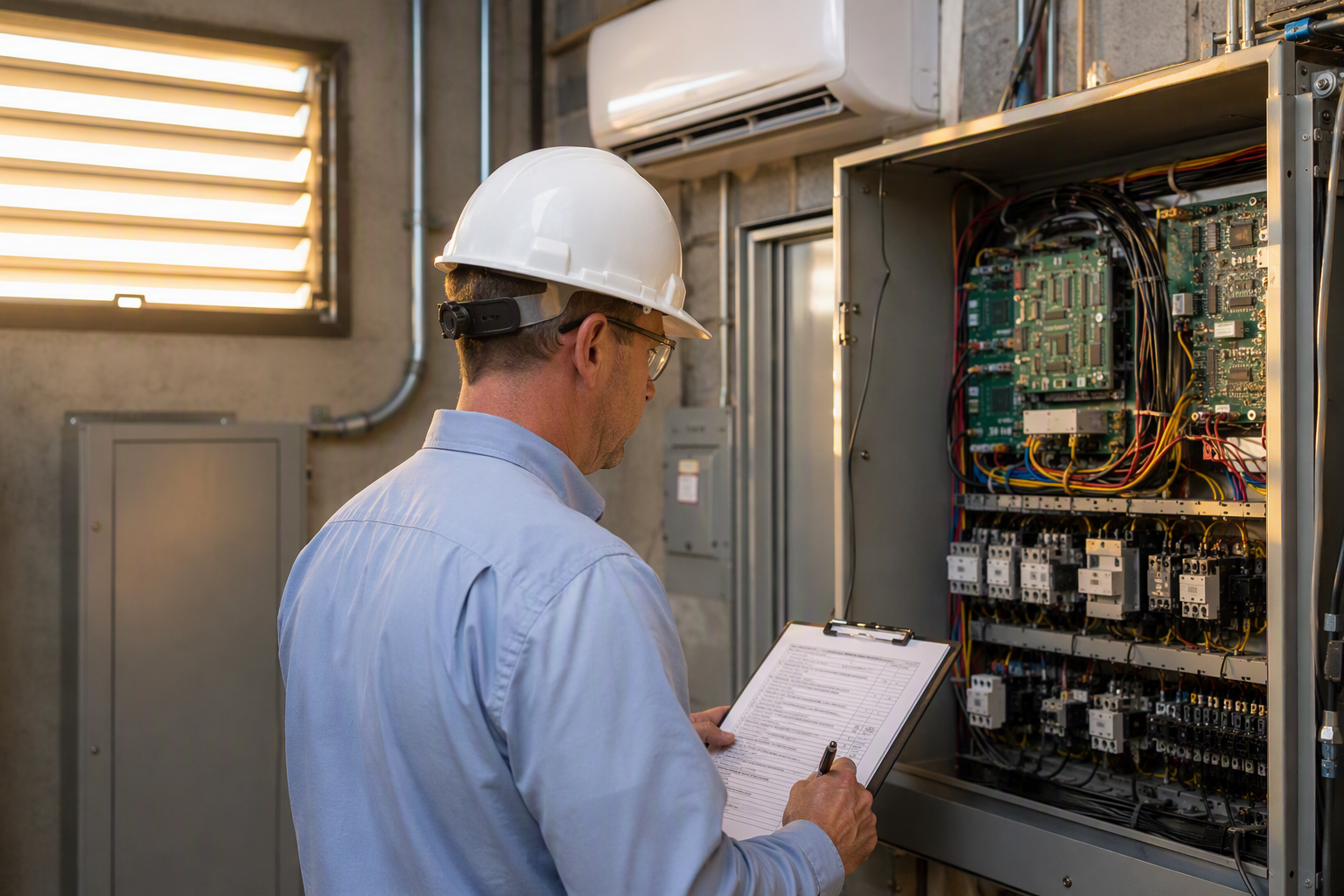
The national baseline is the ASME A17.1 Safety Code for Elevators and Escalators, which specifies that machine rooms must be maintained within temperature ranges suitable for the equipment installed. In Arizona, this requirement takes on particular urgency because passive ventilation adequate in cooler states is often insufficient during summer months.
Arizona adopts and enforces a state elevator safety program through the Industrial Commission of Arizona (ICA), which aligns with ASME A17.1 as its technical foundation. Building owners are responsible for ensuring machine rooms meet the environmental requirements of their installed equipment — meaning if a manufacturer’s specification caps the ambient temperature at a given threshold, keeping the machine room cooler than that threshold is a code compliance obligation, not merely a best practice.
The 2025 edition of ASME A17.1 reinforces ventilation and environmental control requirements that Arizona inspectors reference during annual and periodic inspections. Failure to maintain compliant machine room conditions can result in inspection violations, mandatory shutdowns, and liability exposure under applicable ADA and building accessibility rules if an elevator serving a required accessible route is taken out of service.
—
Which Elevator Components Fail Most Often During Arizona Summers?
Certain components carry a disproportionate share of heat-related failure risk in desert climates:
- Motor and drive systems: Traction elevator motors and variable-frequency drives generate heat internally; when the machine room is already hot, thermal margins disappear quickly.
- Control boards and microprocessors: Solid-state electronics degrade faster when exposed to sustained high temperatures, leading to erratic behavior, false fault codes, and outright board failure.
- Door operator components: Door operator motors and clutch mechanisms are exposed to hoistway air, which in an unconditioned Phoenix building can be extremely hot. Door cycle times slow, sensors misread, and mechanical wear accelerates.
- Lubricants and greases: Guide rail lubrication, sheave bearings, and governor components use lubricants that can migrate, dry out, or degrade at elevated temperatures, increasing friction and wear.
- Hydraulic seals and packings: As noted above, heat cycling causes seal materials to harden and crack over time, increasing the risk of hydraulic fluid loss.
—
What Maintenance Schedule Should Arizona Building Owners Follow?
National maintenance guidelines are built around average climatic conditions. Arizona building owners should discuss with their elevator service provider a maintenance frequency that reflects actual summer operating conditions. Generally, this means:
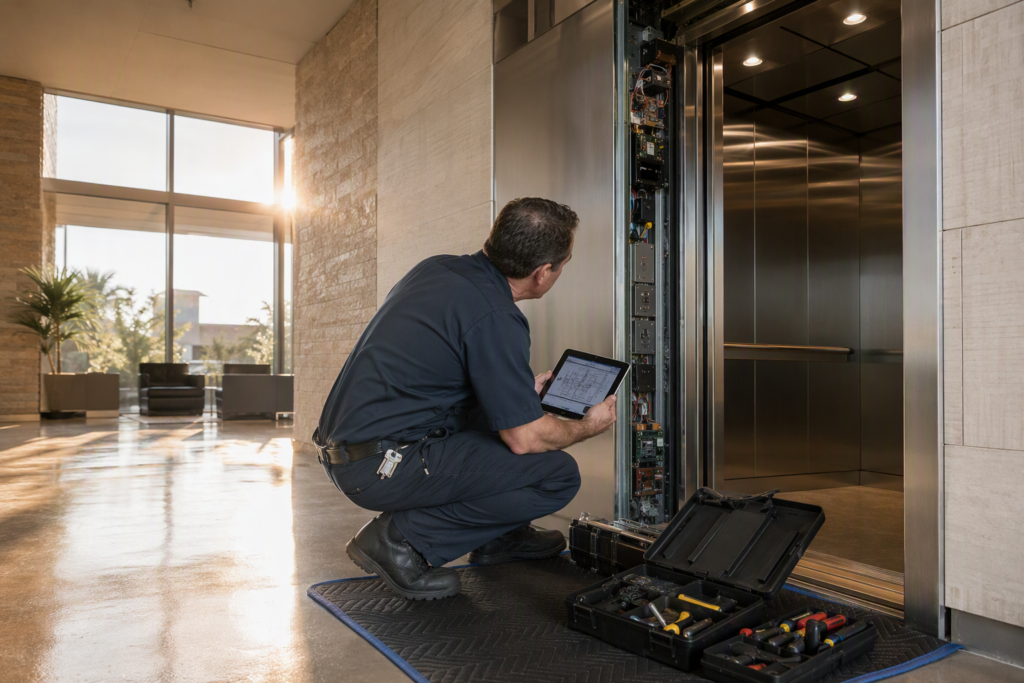
- Increasing inspection touchpoints during peak summer months rather than relying solely on annual or semi-annual visits
- Scheduling hydraulic fluid analysis before and after summer to capture degradation
- Verifying machine room cooling equipment (dedicated HVAC, ventilation fans, or split systems) is operational before temperatures peak in late spring
- Checking lubricant levels and quality more frequently, as heat accelerates consumption and degradation
- Inspecting door operator components and adjusting tension and timing as heat affects mechanical tolerances
Arizona Elevator Solutions offers maintenance programs calibrated to desert operating conditions, not generic national templates.
—
What Should I Do Immediately If My Elevator Shuts Down During an Arizona Summer?
- Confirm no passengers are trapped. If anyone is inside the cab, contact emergency services (911) immediately. Passenger entrapment in a hot, non-ventilated cab is a medical emergency in summer conditions.
- Do not attempt to reset the elevator repeatedly. Repeated manual resets of a thermally tripped system can cause further damage to motor windings and drive components.
- Check the machine room temperature. If accessible and safe to do so, confirm whether a thermal overload condition is visible on the control panel or drive display.
- Ventilate the machine room if safely possible. Opening access panels or bringing in portable ventilation can help bring temperatures down before a technician arrives.
- Contact your elevator service provider. Arizona Elevator Solutions provides emergency service support for situations like these — contact the team at 480-557-7600.
- Document the event. Note the time, any fault codes displayed, and the machine room temperature if readable. This information supports faster diagnosis.
- Post the elevator out of service. Clearly indicate to building occupants that the elevator is temporarily unavailable and ensure accessible route alternatives are communicated.
—
Does Arizona Have Specific Elevator Inspection Requirements Beyond National Standards?
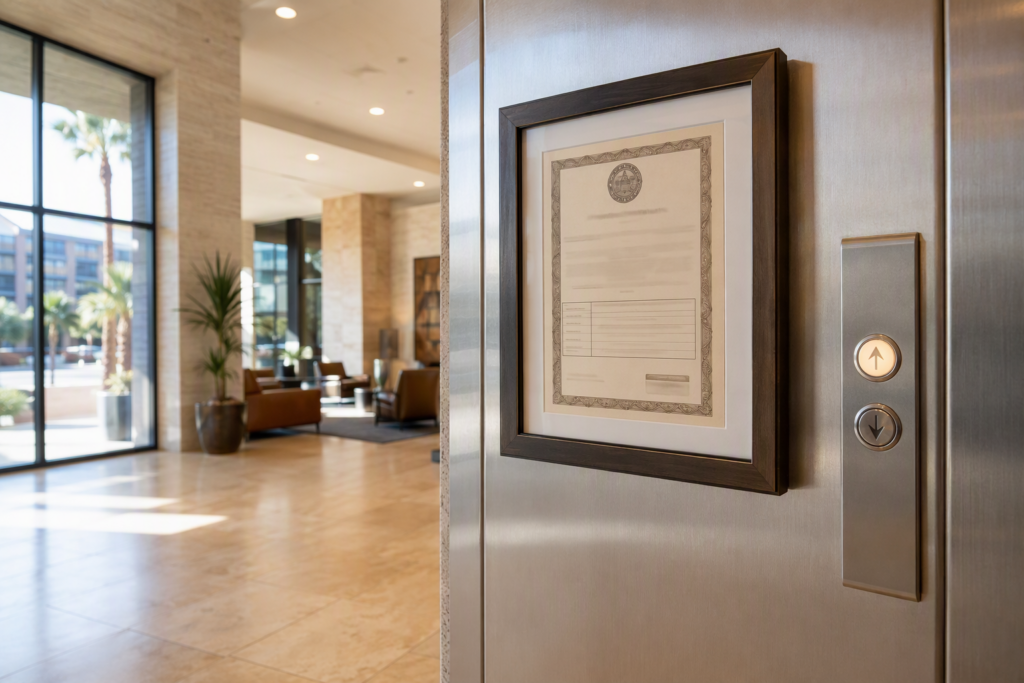
Yes. Arizona’s elevator safety program, administered by the Industrial Commission of Arizona, mandates periodic inspections for most elevators in public or commercial use. These inspections verify compliance with ASME A17.1 as adopted by the state. Building owners must maintain current certificates of inspection, which are typically posted in or near the elevator cab.
Elevator contractors performing work in Arizona are required to hold appropriate state licensure. Arizona Elevator Solutions operates in compliance with applicable Arizona contractor licensing requirements. When selecting any elevator service provider, building owners should verify current state licensure status through the Industrial Commission of Arizona.
Workplace safety obligations under OSHA also apply to elevator maintenance technicians and should be considered when evaluating service providers’ safety programs and compliance posture.
—
How Do Traction Elevators Compare to Hydraulic Elevators in Arizona Heat?
Both traction and hydraulic elevators face heat-related challenges in Arizona, but the failure modes differ. Traction elevators — which use steel ropes, counterweights, and electric motors — are more vulnerable to drive and motor heat buildup and to rope and sheave lubrication issues. Hydraulic elevators are more vulnerable to fluid-related failures, seal degradation, and pump overload.
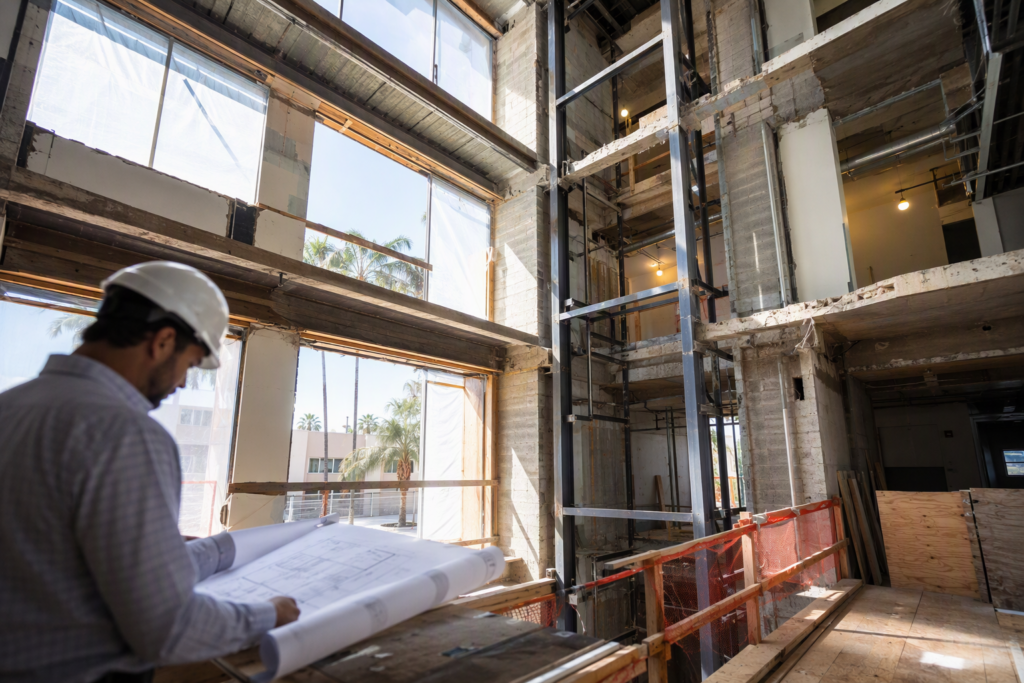
Neither type is inherently superior in Arizona’s climate; both require maintenance programs adapted to local conditions. The choice of elevator type for new construction or modernization in the Phoenix area should account for machine room cooling costs, building height, and usage patterns — all factors an elevator consultant can evaluate on a project-specific basis.
—
What Markets Does Arizona Elevator Solutions Serve?
Arizona Elevator Solutions provides elevator installation, maintenance, repair, and modernization services across the Phoenix metropolitan area and throughout Arizona. The company serves commercial office buildings, multi-family residential properties, healthcare facilities, hospitality properties, retail centers, and government buildings. Serving the full range of elevator types — hydraulic, traction, MRL (machine-room-less), and limited-use/limited-application (LULA) — the team brings deep familiarity with the specific demands of Arizona’s desert climate and regulatory environment.
—
Schedule a Free Consultation
Arizona summers are hard on elevators. A maintenance program built around Phoenix’s actual climate — not a national average — is the most reliable way to prevent unplanned downtime, protect building occupants, and stay ahead of code requirements.
Contact Arizona Elevator Solutions today to schedule a free consultation and discuss a summer-ready maintenance plan for your property.
Call: 480-557-7600
Need elevator service you can rely on? Arizona Elevator Solutions is ready to help.