Elevator Modernization Cost: Complete FAQ Guide for Arizona Building Owners
Elevator modernization is one of the most significant capital investments a building owner or property manager will make. Understanding what drives the cost — from outdated hydraulic controls to ADA compliance upgrades and everything in between — is essential for budgeting accurately and avoiding costly surprises. This comprehensive FAQ covers every major question surrounding elevator modernization cost, scope, timeline, and compliance requirements, with particular focus on properties in Phoenix, Tucson, Scottsdale, and Mesa, AZ.
What Is Elevator Modernization and Why Does It Matter?
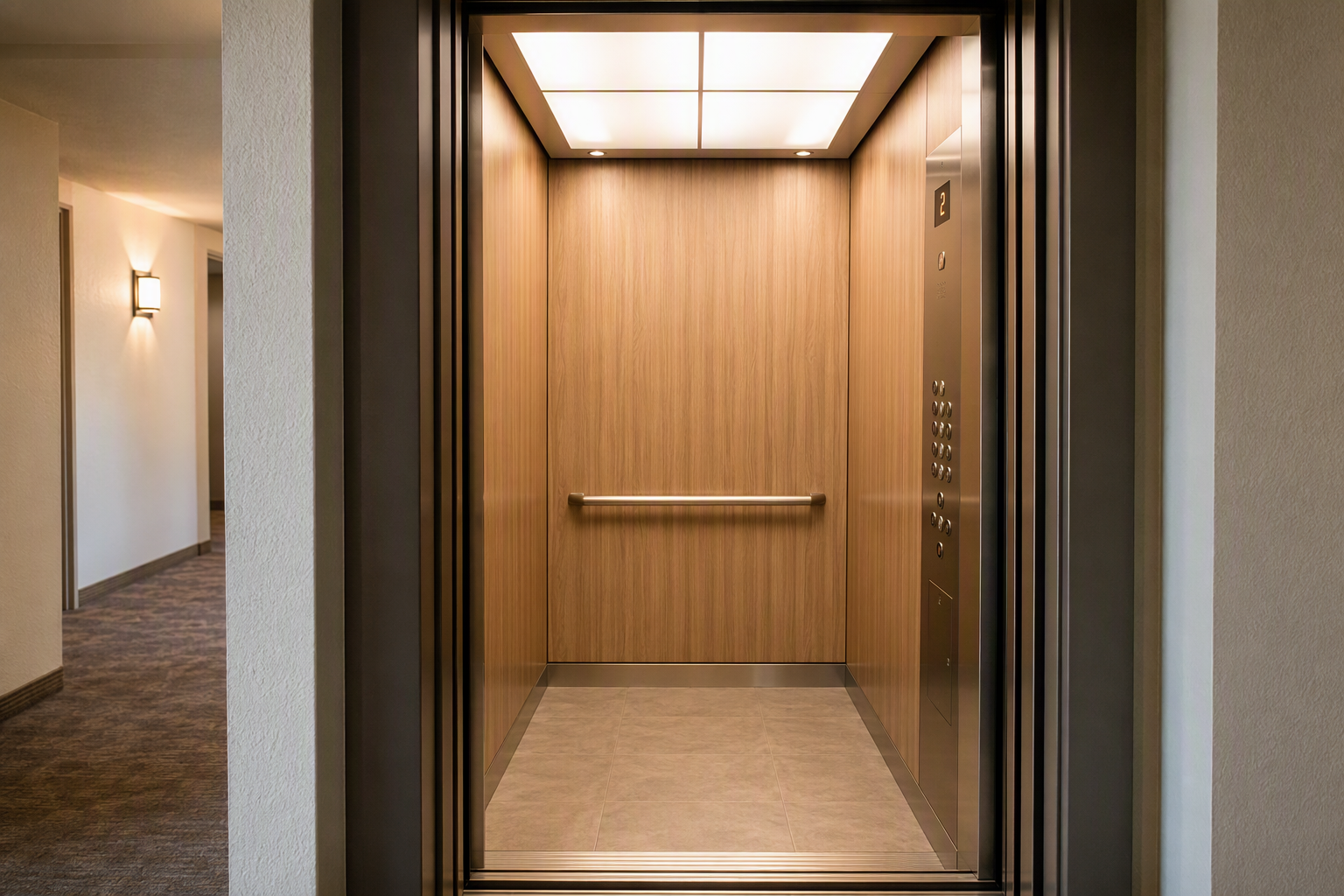
Elevator modernization is the process of replacing or upgrading outdated elevator components — including controls, drive systems, cab interiors, door operators, and safety devices — to improve reliability, safety, energy efficiency, and code compliance without necessarily replacing the entire elevator structure.
Unlike a full elevator replacement, modernization preserves the existing hoistway and often the structural cab shell while swapping out the mechanical, electrical, and safety systems that have degraded over time. As elevator technology advances rapidly, systems installed two or three decades ago may lack the safety features, energy efficiency, and accessibility compliance now required under codes such as the ASME A17.1 Safety Code for Elevators and Escalators and the Americans with Disabilities Act (ADA). Modernization also reduces recurring maintenance costs, minimizes downtime, and extends the useful life of the vertical transportation asset by many years.
What Factors Most Significantly Affect Elevator Modernization Cost?
The total cost of elevator modernization is shaped by a combination of the elevator’s drive type, age, number of floors served, current code compliance status, interior finish selections, and the local regulatory environment.
The following factors have the greatest impact on final pricing:
- Drive type: Hydraulic elevators and traction elevators carry different modernization paths and cost profiles. Hydraulic systems may require fluid containment upgrades, new power units, or conversion considerations. Traction systems often require motor controller replacements and rope upgrades.
- Number of stops and floors served: Each additional floor adds wiring, landing fixtures, door operators, and labor — all of which increase cost.
- Age and condition of the existing equipment: Older systems may require more extensive dismantling, hazardous material handling (older wiring insulation, for example), and broader component replacement.
- Scope of modernization: A partial modernization targeting controls only differs greatly in cost from a full modernization that includes controls, cab interior, door systems, lighting, and safety devices.
- ADA and code compliance requirements: Bringing an elevator into full compliance with the ADA and current editions of the ASME A17.1 Safety Code for Elevators and Escalators can add significant cost, particularly for older installations that were never fully compliant.
- Local permit and inspection fees: Arizona requires permits and inspections through the Arizona Department of Occupational Safety and Health (ADOSH), and fee structures vary by jurisdiction across Phoenix, Tucson, Scottsdale, and Mesa.
- Cab finish and interior upgrades: Custom flooring, lighting fixtures, handrails, wall panels, and ceiling designs range from economical standard packages to high-end custom finishes.
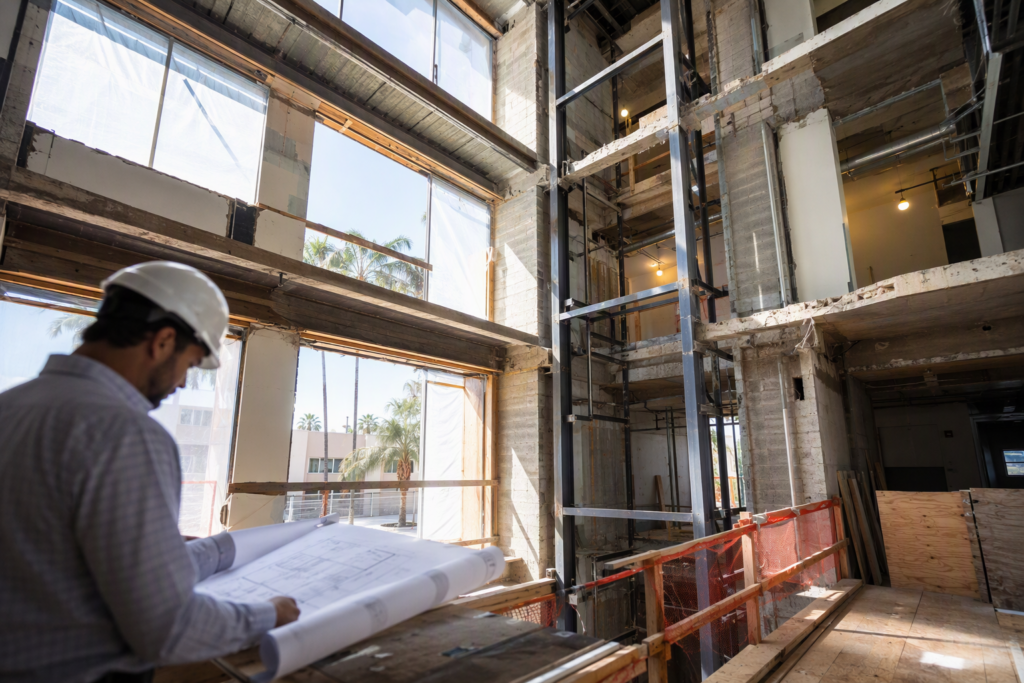
- Building access and logistics: Hoistway access challenges, occupied buildings requiring off-hours work, and complex rigging situations all affect labor costs.
What Are the Main Types of Elevator Modernization Projects?
Elevator modernization projects fall into several distinct categories based on scope, and each carries a different cost range and disruption profile.
| Modernization Type | Typical Scope | Relative Cost Level | Common Drivers |
|---|---|---|---|
| Controls-Only Modernization | Replace relay logic or older microprocessor controls with modern solid-state controllers | Lower | Unreliable operation, parts obsolescence |
| Drive System Modernization | Replace motor, drive unit, or power unit | Moderate | Energy inefficiency, fluid leaks (hydraulic), motor failure risk |
| Door Operator Modernization | Replace door operators, hangers, sills, and detection systems | Lower–Moderate | Door-related incidents, nuisance callbacks, code compliance |
| Full Cab Renovation | Interior walls, flooring, lighting, ceiling, handrails, signage | Moderate–Higher | Aesthetics, ADA signage, tenant expectations |
| Full System Modernization | Controls, drive, cab interior, doors, safety devices, fixtures | Higher | Aging infrastructure, comprehensive code compliance |
| ADA Compliance Package | Call buttons, Braille signage, audible signals, leveling accuracy | Lower–Moderate | Accessibility complaints, legal risk, lease requirements |
How Do Hydraulic and Traction Elevator Modernization Costs Compare?
Hydraulic and traction elevators follow different modernization pathways, and their cost profiles reflect the distinct mechanical systems, safety requirements, and available upgrade options for each type.
Hydraulic elevators are common in low-rise buildings across Phoenix and the broader Arizona market. Their modernization often centers on replacing the power unit (pump, motor, valve), upgrading the cylinder or adding a cylinder liner, and installing new controls. Older in-ground hydraulic systems may also require single-bottom cylinder replacement or environmental containment work to address fluid leak risks — a consideration that can meaningfully affect project scope.
Traction elevators, found in mid- and high-rise buildings, typically require motor controller replacement, new hoist machine components, updated rope or belt systems (including potential conversion to flat-belt MRL technology), and landing system upgrades. Because traction systems serve more floors on average, wiring runs are longer and fixture counts are higher, which contributes to greater total labor cost on larger projects.
Building owners should request a site-specific assessment from a qualified elevator company rather than relying on general estimates, as the condition of existing equipment is the single greatest variable in any modernization budget.
What Does an ADA Compliance Upgrade Add to Modernization Cost?
ADA compliance upgrades can be a stand-alone project or bundled into a broader modernization, and the cost impact depends on how far the existing installation deviates from current ADA requirements.
Common ADA-related scope items include: installing raised and Braille characters on hall call and cab control buttons, adding audible signals and floor-number announcements, correcting cab leveling accuracy to within specified tolerances so the cab floor aligns with the landing floor for wheelchair accessibility, adjusting door timing and reopening sensitivity, and verifying that cab dimensions meet minimum clear floor space requirements. When these items are addressed as part of a full modernization, the incremental cost is typically lower than if they are tackled as isolated retrofits, because much of the associated labor is already mobilized.
What Safety Codes Govern Elevator Modernization in Arizona?
Elevator modernization in Arizona is governed primarily by the ASME A17.1 Safety Code for Elevators and Escalators, state administrative rules enforced through ADOSH, and federal accessibility requirements under the Americans with Disabilities Act (ADA).
Arizona adopts the ASME A17.1 code by reference, meaning that modernization projects must comply with the edition of the code in effect at the time of permit issuance, unless the authority having jurisdiction specifies otherwise. The 2019 edition of ASME A17.1/CSA B44 was widely adopted across many U.S. jurisdictions, and building owners should confirm with their local Arizona jurisdiction — whether Phoenix, Tucson, Scottsdale, or Mesa — which edition currently applies to their project. Workplace safety obligations for elevator technicians performing the work are additionally governed by OSHA standards. Non-compliance with any of these codes at the time of the required post-modernization inspection can result in failed inspections, required re-work, and added cost.
How Long Does an Elevator Modernization Project Typically Take?
Project duration for elevator modernization depends on scope, parts lead times, permit processing speed, and building access constraints, with targeted upgrades often completable in days and full system modernizations taking several weeks to months.
A controls-only modernization on a single elevator may be completed in one to two weeks once parts arrive on-site. A full modernization of a multi-stop traction elevator — encompassing controls, drive, cab interior, and all safety devices — may require four to eight weeks or longer depending on parts procurement and inspection scheduling. Arizona building owners should factor in permit review timelines with their local jurisdiction, as the ADOSH permit process adds lead time before work can begin. Buildings with multiple elevators should also discuss phasing strategies with their modernization contractor to maintain at least one car in service during the project.
What Is the Step-by-Step Process for an Elevator Modernization Project?
Understanding the standard sequence of a modernization project helps building owners plan effectively, coordinate with tenants, and avoid schedule surprises.
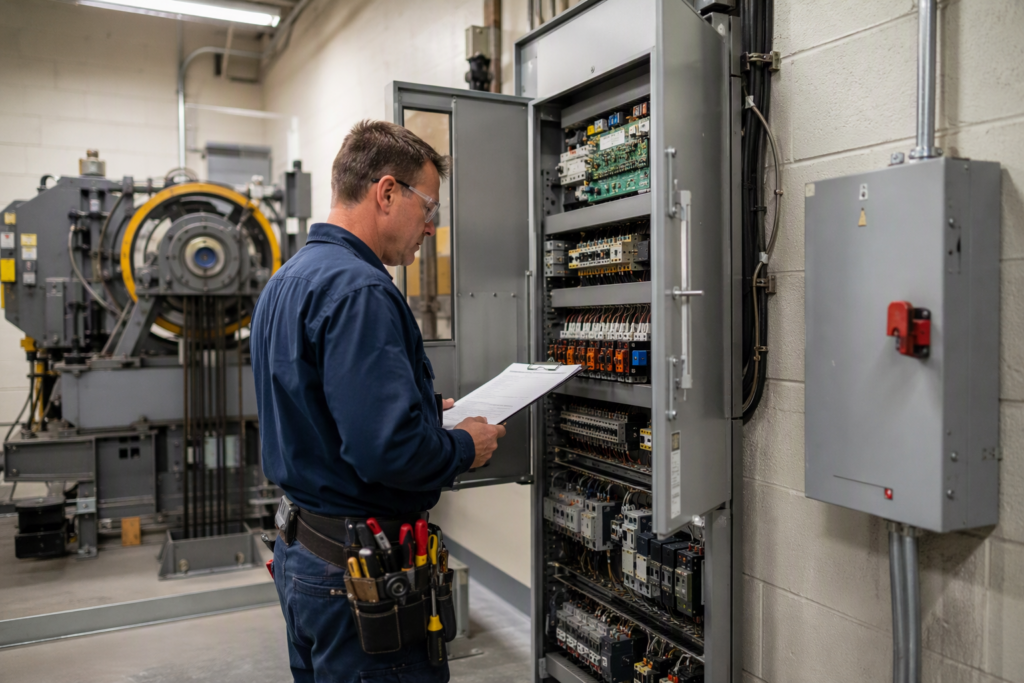
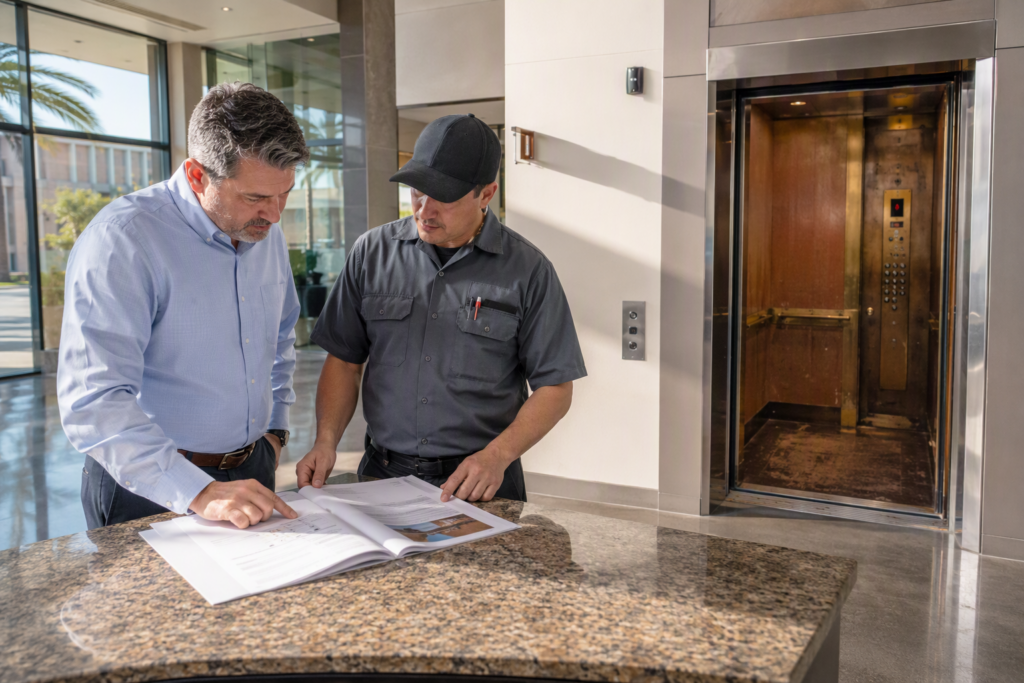
- Site Assessment and Equipment Survey: A qualified elevator technician inspects the existing equipment, identifies code deficiencies, documents component conditions, and gathers the specifications needed to scope the project accurately.
- Scope Development and Proposal: Based on the assessment, the elevator company prepares a detailed scope of work outlining which components will be replaced or retained, what code upgrades are required, and what the project will deliver.
- Contract Execution: The building owner and elevator contractor finalize the agreement, including project milestones, payment schedule, and communication protocols for tenant notification.
- Permit Application: The elevator contractor submits permit drawings and documentation to the applicable Arizona authority having jurisdiction (ADOSH and/or local building department) and obtains approval before work begins.
- Parts Procurement: New controls, drive components, fixtures, cab materials, and specialty items are ordered. Lead times vary by manufacturer and component type.
- Site Preparation: The hoistway and machine room are prepared, old equipment is de-energized and removed, and the work area is secured in compliance with OSHA safety requirements.
- Installation: New components are installed in sequence — typically controls and drive systems first, followed by landing fixtures, door operators, and cab interior finishes.
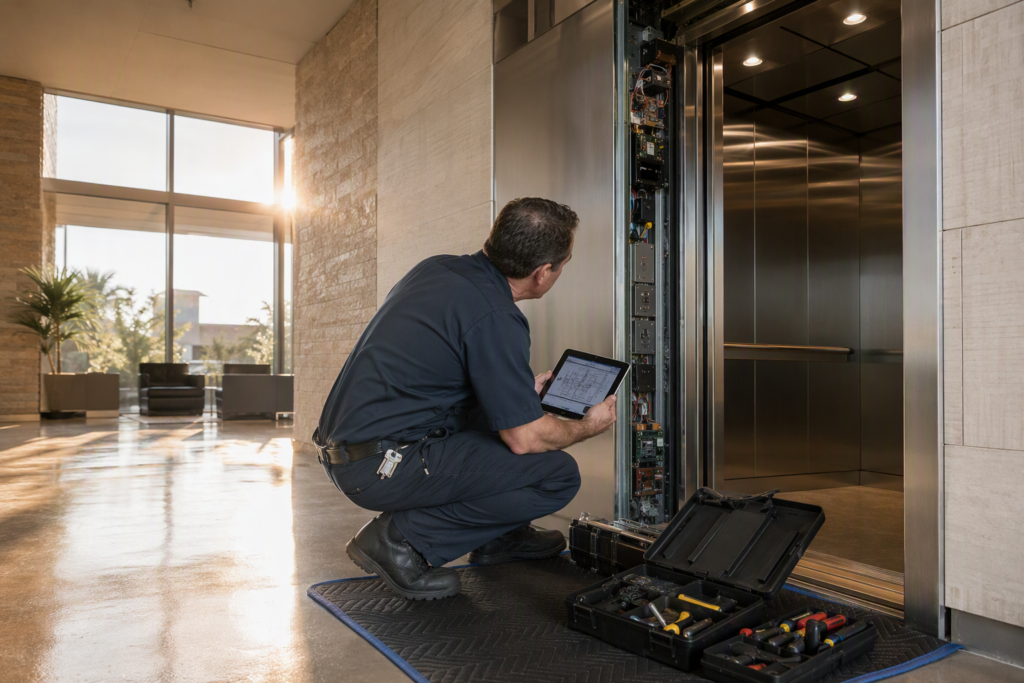
- Testing and Adjustment: The modernized elevator undergoes a full functional test by the installing technicians, including safety device tests, leveling accuracy verification, and door performance testing.
- State Inspection: An ADOSH-certified elevator inspector performs the required acceptance inspection. Any items requiring correction must be addressed before the elevator is returned to service.
- Return to Service and Documentation: The elevator is returned to normal operation, and all as-built documentation, test records, and permits are provided to the building owner for their maintenance files.
Can a Building Remain Operational During Elevator Modernization?
In most cases, buildings can remain operational during elevator modernization, provided that access needs are carefully managed and, where multiple elevators exist, a phased modernization schedule keeps at least one car available.
For single-elevator buildings — common in low-rise commercial properties across Scottsdale and Mesa — building owners must plan for a period of elevator unavailability. ADA obligations should be considered during this period: if the elevator is the only accessible means of reaching upper floors, the building owner may need to implement temporary accommodations. Arizona Elevator Solutions works with property managers in Phoenix, Tucson, Scottsdale, and Mesa to develop project schedules that minimize tenant disruption, including off-hours and weekend work where appropriate.
How Does Obsolete Parts Availability Affect Modernization Decisions?
When replacement parts for an aging elevator control system or drive component are no longer manufactured or stocked by suppliers, the cost and frequency of breakdowns escalates significantly, often making modernization more economical than continued maintenance.
Relay-logic control panels from earlier decades, for example, may require custom fabrication of replacement parts or sourcing from specialty vendors at premium prices — when parts can be found at all. A single unplanned outage waiting on a back-ordered component can mean elevator unavailability for weeks, which carries its own operational and liability cost for the building owner. The decision to modernize is frequently driven not by a single failure event but by the recognition that parts obsolescence has fundamentally changed the cost-benefit equation of maintaining the existing system.
What Is the Difference Between Partial and Full Elevator Modernization?
Partial modernization targets specific subsystems — such as controls alone or door operators alone — while full modernization addresses all major components simultaneously, and the right choice depends on the equipment’s age, overall condition, and remaining useful life of non-modernized components.
Partial modernization offers a lower upfront investment and can address the most urgent reliability or compliance issue quickly. However, if the remaining components are also near end of useful life, a second mobilization and permitting cycle within a few years may cost more in total than a comprehensive modernization done at one time. A thorough site assessment helps building owners understand the condition of every major subsystem so they can make an informed strategic decision rather than simply reacting to the most visible failure.
Does Elevator Modernization Improve Energy Efficiency?
Modern elevator controls, variable voltage variable frequency (VVVF) drives, LED lighting, and standby power management features can meaningfully reduce the energy consumption of an elevator system compared to older technology.
Older single-speed AC motors and relay-logic controls are significantly less energy-efficient than contemporary VVVF drive systems, which adjust motor speed precisely to load and demand rather than running at a fixed speed. LED cab and hoistway lighting consumes a fraction of the energy used by older fluorescent or incandescent fixtures. For building owners in Phoenix and across Arizona where cooling loads are already a significant operating expense, reducing elevator-related heat generation in the machine room can have secondary HVAC benefits as well. Energy efficiency gains are a legitimate long-term financial consideration alongside direct modernization costs.
What Permits and Inspections Are Required for Elevator Modernization in Arizona?
Arizona requires a permit from the authority having jurisdiction — typically ADOSH for the elevator inspection program — before elevator modernization work begins, followed by a mandatory acceptance inspection before the modernized elevator can be returned to public service.
The elevator contractor is responsible for submitting engineered drawings, equipment specifications, and applicable code compliance documentation as part of the permit application. Once work is complete, the ADOSH-certified inspector reviews the installation against the applicable edition of the ASME A17.1 Safety Code for Elevators and Escalators and conducts physical tests. In some municipalities within the Phoenix metro area, local building department coordination is also required. Permit fees vary by jurisdiction and project scope. Failure to obtain a permit before beginning modernization work is a code violation that can result in removal and reinstallation of work at the building owner’s expense — making proper permit management a critical project management responsibility.
How Should Building Owners Evaluate and Compare Elevator Modernization Proposals?
Comparing elevator modernization proposals requires looking beyond the bottom-line price to evaluate scope completeness, brand of major components, warranty terms, permit responsibility, post-modernization maintenance provisions, and the contractor’s demonstrated compliance expertise.
A low-bid proposal that excludes permit fees, uses non-OEM or generic control components, or carries minimal warranty coverage may cost significantly more over its service life than a higher-bid proposal with comprehensive scope and quality components. Building owners should request itemized proposals that clearly identify which components are being replaced, which are being retained, what brands and models of major components will be installed, what warranty period applies to parts and labor, and who is responsible for permit acquisition and inspection scheduling. Arizona Elevator Solutions provides detailed written assessments and proposals to building owners throughout Phoenix, Tucson, Scottsdale, and Mesa, enabling accurate apples-to-apples comparison of modernization options.
What Warranties Should Be Expected on a Modernized Elevator?
A comprehensive elevator modernization project should carry a parts warranty from the manufacturer and a workmanship warranty from the installing contractor, with warranty periods and coverage scope varying by component type and contractor.
Major electronic control systems and drive components typically carry manufacturer warranties, while the installing contractor provides a separate warranty on the labor and installation quality. Building owners should confirm in writing what is covered, what voids the warranty, whether the warranty is transferable in the event of a property sale, and what the process is for warranty service calls. Ongoing maintenance service agreements often include provisions that protect installed equipment and maintain warranty validity — making the relationship between the modernization contractor and the post-modernization service provider an important consideration.
How Does Elevator Modernization Affect Property Value and Tenant Satisfaction?
A modernized elevator system contributes to property value by reducing operational risk, demonstrating code compliance, improving tenant experience through faster and more reliable service, and positioning the building competitively in its market.
For commercial office buildings, retail centers, and multi-family residential properties across the Phoenix metropolitan area, elevator reliability is a material factor in tenant retention and lease negotiation. Frequent elevator outages generate tenant complaints, damage property reputation, and in some cases trigger lease termination clauses. A modern, compliant, aesthetically updated elevator system signals to tenants and prospective buyers alike that building infrastructure has been maintained responsibly — a consideration that supports both occupancy rates and asset valuation.
What Financing or Capital Planning Approaches Are Common for Elevator Modernization?
Building owners commonly fund elevator modernization through capital reserve accounts, operating budget allocations, equipment financing arrangements, or as a negotiated component of tenant improvement allowances in commercial leases.
Condominium associations and HOAs in Scottsdale, Mesa, and greater Phoenix frequently plan elevator modernization through long-range reserve studies that allocate funds over time in advance of the expected modernization cycle. Commercial property owners may finance modernization equipment through lenders who specialize in building systems upgrades, spreading the capital outlay over a multi-year term. In some commercial transactions, elevator modernization is included in a tenant improvement package negotiated with an anchor tenant, effectively sharing the cost within the lease economics. Regardless of funding approach, beginning the budgeting process well in advance of the equipment’s expected end of life avoids reactive, crisis-driven spending at higher cost.
When Is Full Elevator Replacement More Appropriate Than Modernization?
Full elevator replacement may be more appropriate than modernization when the existing hoistway structure is inadequate, the pit or overhead dimensions do not meet current code minimums, or when the cost of bringing all systems into compliance approaches or exceeds the cost of new equipment.
In cases where a hydraulic elevator has a single-bottom in-ground cylinder in poor condition, or where the hoistway was built to older dimensional standards that cannot accommodate modern equipment, modernization options may be technically limited. A qualified elevator company can identify these structural constraints during the site assessment phase. In other cases, a building owner may choose replacement over modernization for strategic reasons — such as converting a hydraulic system to a machine-room-less (MRL) traction system to gain energy efficiency and eliminate the machine room footprint. These decisions require the technical judgment that comes from a thorough, experienced site assessment.
What Questions Should Building Owners Ask Before Hiring an Elevator Modernization Contractor?
Before hiring an elevator modernization contractor, building owners should ask targeted questions about licensing, code expertise, component sourcing, project management approach, and post-modernization support to evaluate whether the contractor is genuinely qualified for the scope of work.
Key questions to ask include: Is the contractor licensed to perform elevator work in Arizona and familiar with ADOSH permit requirements? Who will serve as the lead technician on the project, and what is their background with this type of equipment? What brands of controls and drive components does the contractor recommend, and why? How will the project be managed if unexpected conditions are discovered during disassembly? What does the post-modernization maintenance agreement include, and what is the process for warranty service? Arizona Elevator Solutions serves building owners across Phoenix, Tucson, Scottsdale, and Mesa with transparent, technically detailed proposals and clear project communication throughout the modernization process.
How Often Should a Modernized Elevator Be Inspected After the Project Is Complete?
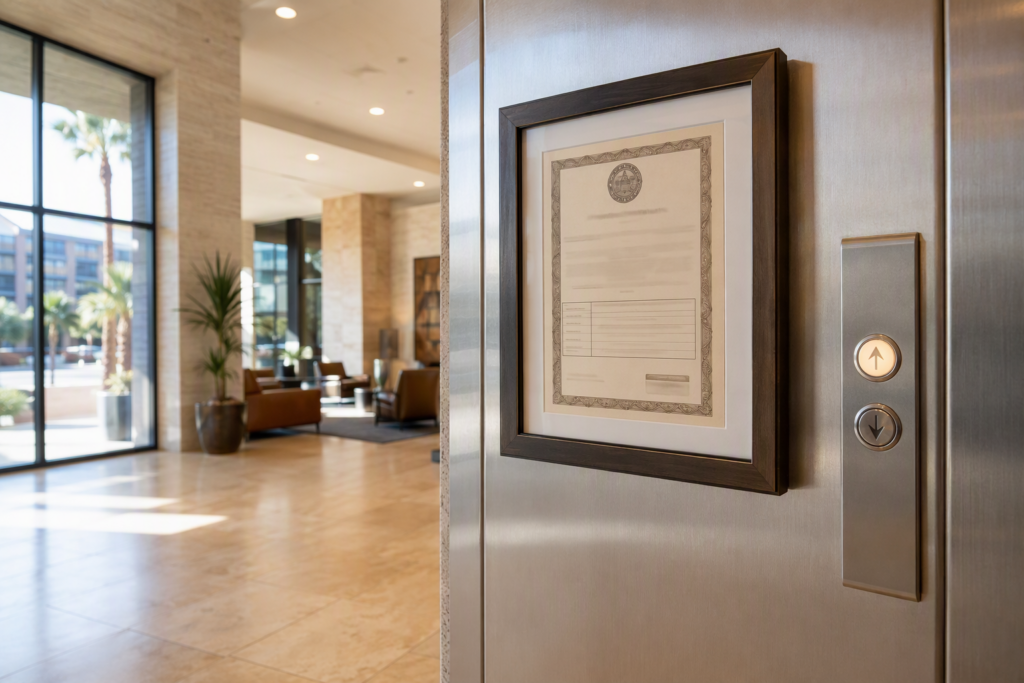
After a modernized elevator passes its post-installation acceptance inspection, it reverts to the standard periodic inspection schedule required by the ASME A17.1 Safety Code for Elevators and Escalators and Arizona state regulations, which generally require annual inspections for most elevator types.
The ASME A17.1 code and its companion standard establish inspection and test intervals based on elevator type and use. Arizona building owners should maintain current certificates of inspection, keep maintenance logs current, and ensure that any deficiencies noted during routine inspections are addressed promptly. A well-maintained modernized elevator that receives regular preventive maintenance will typically deliver many years of reliable, code-compliant service before the next significant upgrade is required. Working with a qualified elevator maintenance provider after modernization is essential to protecting the investment and sustaining code compliance.
How Can Arizona Building Owners Get an Accurate Modernization Cost Estimate?
An accurate elevator modernization cost estimate requires an in-person site assessment by a qualified elevator professional who can evaluate the actual condition of the equipment, identify code compliance gaps, and develop a scope of work matched to the building’s specific needs.
Online estimates and general price ranges are useful for initial budgeting orientation, but they cannot substitute for a professional assessment that accounts for the specific drive type, age, condition, number of stops, local jurisdiction requirements, and interior finish expectations of a particular elevator. Variables that are invisible without a site visit — such as deteriorated wiring, undersized machine room equipment, or non-compliant pit depth — can significantly affect project scope and cost. Arizona Elevator Solutions offers comprehensive elevator assessments for building owners throughout Phoenix, Tucson, Scottsdale, and Mesa, providing detailed findings and clearly scoped modernization proposals so owners can plan and budget with confidence.
Get a Professional Elevator Modernization Assessment
Understanding your elevator’s condition, compliance status, and modernization options starts with a qualified site assessment. Whether your building is in Phoenix, Tucson, Scottsdale, or Mesa, the right modernization scope and budget can only be determined by an experienced professional who has evaluated your specific equipment in person.
Contact Arizona Elevator Solutions for a free elevator assessment. Call us today at 480-557-7600 to schedule your site visit and receive a detailed, transparent modernization proposal tailored to your building’s needs.
Need elevator service you can rely on? Arizona Elevator Solutions is ready to help.