
Common Elevator Problems in Senior Living and Assisted Living Buildings — And How to Keep Elevators Reliable for Residents
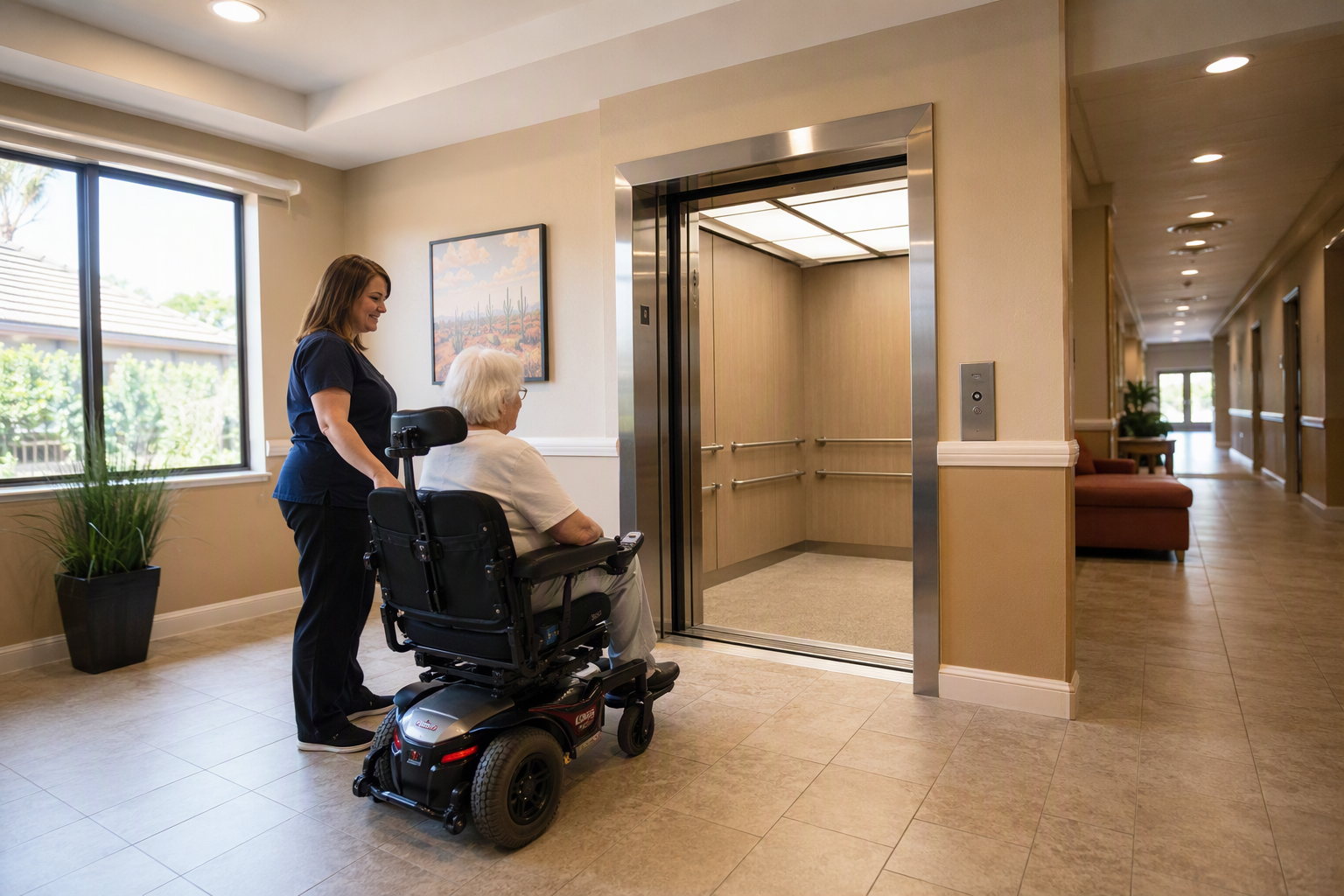
For residents in senior living and assisted living communities across Phoenix, Tucson, Scottsdale, and Mesa, an elevator is not a convenience — it is a lifeline. When a lift fails, mobility-impaired residents may be unable to reach dining rooms, medical appointments, common areas, or their own units. Understanding the most frequent failure points and the compliance requirements that govern elevator safety in Arizona is essential for any building owner or facility manager serving this vulnerable population.
What Are the Most Common Elevator Problems in Senior and Assisted Living Buildings?
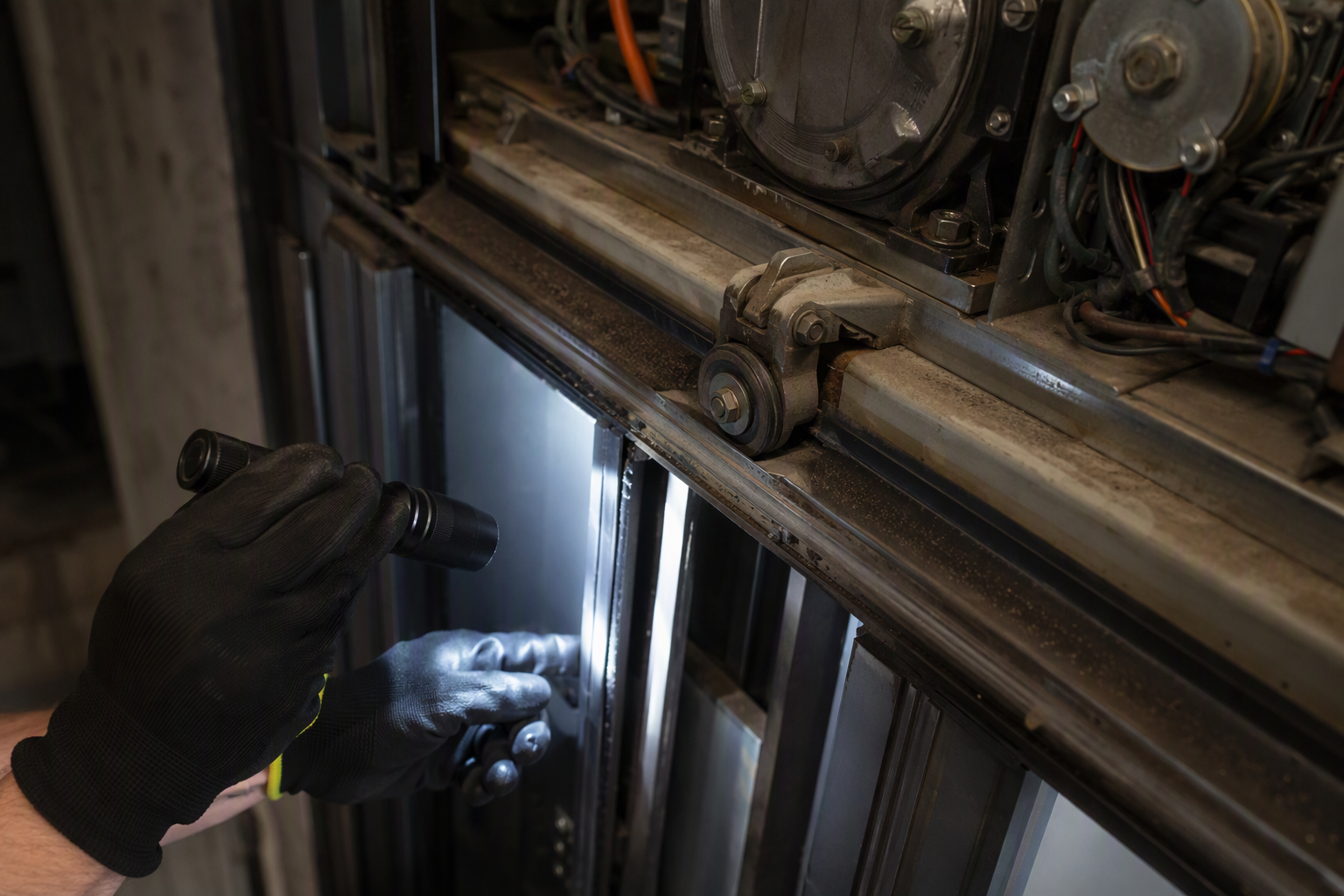
Several failure categories appear repeatedly in care-focused residential properties:
- Door operator failures: Malfunctioning door sensors, worn rollers, and misaligned tracks cause doors to close too slowly, too forcefully, or not at all. For residents using walkers, wheelchairs, or scooters, a door that closes too quickly poses a direct injury risk.
- Floor leveling issues: An elevator car that stops an inch or more above or below the landing creates a tripping hazard that is especially dangerous for elderly residents with limited mobility or balance challenges.
- Aging control systems: Older hydraulic and traction elevators in assisted living buildings often run on obsolete controllers with discontinued parts, making repairs slower and unplanned outages longer.
- Hydraulic fluid leaks: Deteriorating cylinder seals in hydraulic elevators cause slow descent, rough rides, and — in older units — environmental contamination risks.
- Worn or broken safety components: Frayed hoist ropes, degraded buffers, and failing governor systems are found more frequently in properties where maintenance has been deferred.
- Emergency communication failures: Inoperative in-car phones or intercoms leave residents — particularly those with cognitive impairment — unable to call for help during an entrapment.
- Lighting and signage deficiencies: Dim car interiors, unreadable floor indicators, and missing tactile call buttons create accessibility barriers that violate ADA requirements.
- Firefighters’ emergency operation malfunctions: Arizona requires conveyances with firefighters’ emergency operation to use the Arizona Firefighters Service (AZFS) key. A key switch or recall system that does not function correctly is a life-safety code violation.
Why Are Senior Living Buildings at Higher Elevator Risk Than Other Properties?
Care facilities place elevators under extraordinary demand. Elevators in these buildings carry not only residents and staff but also food carts, laundry equipment, medication carts, and medical transport equipment such as stretchers and wheelchairs — all day, every day. High cycle counts accelerate wear on doors, rollers, ropes, and drive systems. At the same time, budget pressures in senior care operations sometimes lead to deferred maintenance, compounding wear into early equipment failure.
Arizona Elevator Solutions works with senior living operators across the Phoenix metro and Tucson regions to establish proactive maintenance schedules specifically calibrated to the high-utilization environment of a care community.
What Arizona Regulations Apply to Elevators in Assisted Living Buildings?
Arizona’s elevator safety requirements are governed by A.R.S. §§ 23-491 through 23-491.16, the Safety Conditions for Elevators and Similar Conveyances, as amended by Laws 2026, Ch. 73. Since September 12, 2026, these statutes are administered by the Industrial Commission of Arizona (ICA), Elevator Division — formerly known as the ADOSH Elevator Safety Section.
Key obligations for assisted living building owners under Arizona law include:
- Every conveyance must be inspected before it first goes into service, after any modification or alteration, and annually thereafter.
- No conveyance may operate in Arizona without a current annual certificate of inspection issued by the state.
- The certificate must be kept at the same location as the conveyance and made available on request.
- The state serial number or certificate must be posted in or near the conveyance in an easily accessible location.
- Owners must notify the state at least 90 days before installing, relocating, or altering a conveyance.
- Owners must notify the state within 24 hours of any accident that injures a person or disables a conveyance.
- Equipment installed, repaired, or altered on or after January 1, 2023 must comply with the ASME A17.1/CSA B44, 2019 edition under Arizona Administrative Code R20-5-502 through R20-5-515.
- Platform lifts and stairway chairlifts installed, repaired, or altered on or after January 1, 2023 must comply with ASME A18.1-2020.
- Conveyances with firefighters’ emergency operation must use the Arizona Firefighters Service (AZFS) key.
Facilities located within the City of Phoenix fall under the additional jurisdiction of the City of Phoenix Elevator Section (Planning and Development Department), which inspects elevators, escalators, moving walks, dumbwaiters, and chair lifts within city limits. The state’s ICA Elevator Division handles equipment outside Phoenix.
Elevator work must be performed by contractors holding the appropriate R-12 or C-12 license from the Arizona Registrar of Contractors, which authorizes the installation and repair of elevators, dumbwaiters, escalators, and moving walks.
What ADA Requirements Must Senior Living Elevators Meet?
The Americans with Disabilities Act (ADA) sets accessibility standards that are particularly critical in senior living environments. Applicable requirements include:
- Call buttons at accessible heights with raised and Braille characters
- Car controls with tactile and Braille designations positioned within reach ranges for seated users
- Visual and audible floor indicators
- Door reopening devices that respond to obstruction without physical contact
- Sufficient car dimensions to accommodate wheelchairs and mobility aids
- Illumination levels adequate for low-vision users
ADA compliance is not a one-time installation checklist — aging buttons, faded signage, and worn reopening sensors can create deficiencies over time. Regular assessments help building operators catch accessibility gaps before they become complaint triggers or litigation risks.
How Often Should Elevators in Assisted Living Facilities Be Serviced?
Arizona law requires annual inspection and certification for all conveyances. However, in high-utilization environments like senior living buildings, annual inspection alone is not sufficient to prevent unplanned outages. A comprehensive maintenance contract typically includes monthly or quarterly visits to lubricate components, test safety devices, inspect door operators, check leveling accuracy, and review emergency communication systems.
Arizona Elevator Solutions provides maintenance programs designed around the specific demands of senior care properties, where any unplanned outage can directly affect resident care and safety.
What Should a Senior Living Operator Do Immediately After an Elevator Malfunction?
- Ensure resident safety first. If anyone is entrapped, contact emergency services immediately. Do not attempt a manual rescue without trained personnel.
- Take the unit out of service. Post clear, visible signage at every landing indicating the elevator is out of service.
- Notify your elevator service provider. Prompt contact allows technicians to diagnose and address the failure quickly.
- Notify the state within 24 hours if a person was injured or the conveyance was disabled. Arizona law requires this notification to the ICA Elevator Division under A.R.S. § 23-491 et seq.
- Document the incident. Record the time, nature of the malfunction, any residents involved, and actions taken. This documentation supports both regulatory compliance and risk management.
- Implement a temporary mobility plan. For multi-story assisted living facilities, have a protocol in place for residents who cannot use stairs, including ground-floor meal service and staff assistance.
- Do not return the elevator to service until it is inspected and cleared. After a disabling event, restarting the elevator without professional clearance may violate Arizona’s requirements and create additional liability.
What Modernization Options Improve Reliability in Senior Living Elevators?
Older elevators in assisted living facilities can be upgraded without full replacement. Common modernization work includes:
- Controller replacement: Modern microprocessor-based controllers improve reliability, reduce downtime from obsolete parts, and support remote diagnostics.
- Door operator upgrades: New door systems with advanced reopening sensors dramatically reduce door-related incidents — the most frequent source of elevator malfunctions in care facilities.
- Machine room-less (MRL) conversion: Where structurally feasible, MRL systems offer improved energy efficiency and a smaller mechanical footprint.
- Emergency lighting and communication upgrades: Replacing aging in-car phones with modern, monitored emergency communication systems and upgrading interior lighting supports both life safety and ADA compliance.
- Leveling system calibration and drive upgrades: Precision leveling hardware reduces the floor-gap tripping hazard that poses particular risk to elderly residents.
Any alteration or modernization work in Arizona triggers notification requirements and must comply with the ASME A17.1-2019 standard for equipment repaired or altered on or after January 1, 2023.
How Can Building Managers Keep Track of Elevator Compliance Documentation?
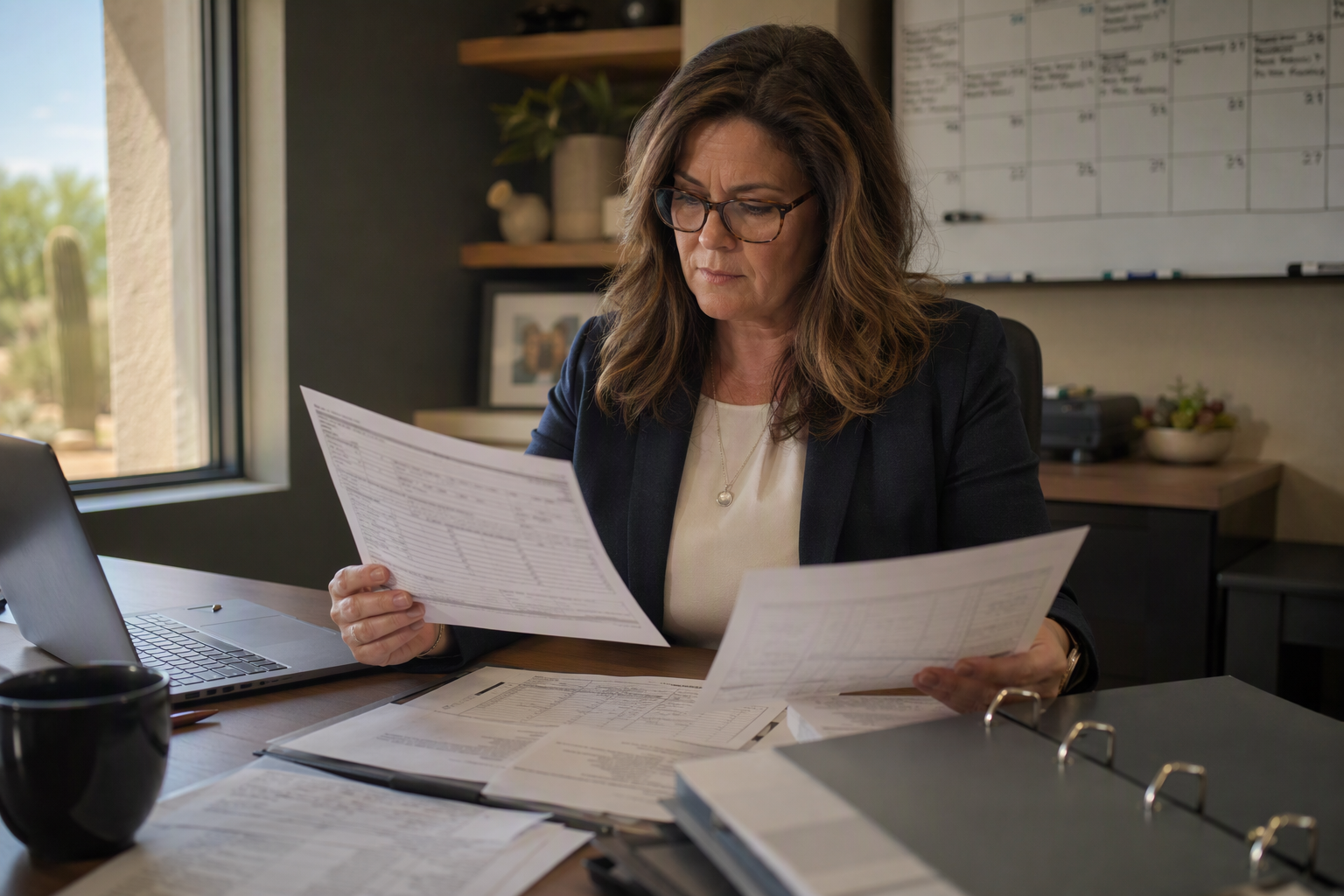
Arizona’s requirements create several documentation obligations that facility managers should actively track:
- Current annual certificate of inspection kept on-site and posted in or near the elevator
- State serial number tag fixed to the controller or mainline disconnect
- Maintenance logs recording all service visits, repairs, and parts replaced
- Records of any incidents reported to the ICA Elevator Division
- Alteration notification filings submitted at least 90 days before any planned work
Arizona Elevator Solutions helps healthcare and senior living clients build a compliance documentation system that keeps all required records organized and accessible — both for state inspectors and for internal risk management purposes.
Can a Private Inspector Be Used for Annual Elevator Inspections in Arizona?
Yes. Arizona owners may hire a private elevator inspector authorized by the Industrial Commission of Arizona to perform initial or annual inspections. However, Arizona law specifies that:
- Private inspectors must register with the ICA annually and demonstrate at least eight hours of approved continuing education.
- A private inspector may not inspect a conveyance owned, operated, or last serviced by the inspector, a company the inspector owns, or the inspector’s employer.
- Using a private inspector does not relieve the owner or operator of their legal obligations under Arizona law.
Questions Your Inspector Will Ask
When an ICA Elevator Division inspector — or a City of Phoenix Elevator Section inspector for Phoenix facilities — visits a senior living property, they are likely to ask or verify the following:
- Is the current annual certificate of inspection posted in or near the elevator?
- Is the state serial number tag affixed to the controller or mainline disconnect?
- Have all alterations or modifications been reported to the state at least 90 days in advance?
- Is the firefighters’ emergency operation system functional and equipped with the Arizona Firefighters Service (AZFS) key?
- Do door reopening devices respond correctly to obstruction?
- Is the in-car emergency communication system operational?
- Is the car level within acceptable tolerance at each landing?
- Are all required ADA-compliant controls and signage in place and legible?
- Have any accidents or disabling events been reported to the state within the required 24-hour window?
- Were all recent repairs performed by a contractor holding an R-12 or C-12 license from the Arizona Registrar of Contractors?
What Makes Elevator Reliability Different in Senior Care Versus Commercial Buildings?
In a commercial office building, an elevator outage is an inconvenience. In a senior living or assisted living community, it can prevent a resident from reaching meals, therapies, or emergency medical care. Reliability standards must therefore be higher, and the response to any malfunction must be faster and more carefully coordinated with facility staff.
Building operators in Phoenix, Scottsdale, Mesa, and Tucson who serve elderly or mobility-impaired residents should treat elevator maintenance not as a facilities task but as a component of resident care — with the same planning rigor applied to medical equipment, emergency protocols, and staffing.
Arizona Elevator Solutions understands the operational reality of senior care environments and structures its service approach accordingly, supporting facility managers with the documentation, scheduling, and technical expertise needed to keep conveyances running safely and reliably for the people who depend on them most.
Schedule Your Free Elevator Assessment Today
Elevator reliability in a senior living or assisted living building is a resident safety issue, not just a maintenance checkbox. Whether your property is in Phoenix, Tucson, Scottsdale, or Mesa, the compliance requirements under Arizona law — and the real-world stakes for your residents — demand a proactive approach.
Contact Arizona Elevator Solutions for a free elevator assessment at 480-557-7600. A qualified team member will review your current equipment condition, compliance documentation, and maintenance program to identify gaps before they become outages, violations, or injuries.
Need elevator service you can rely on? Arizona Elevator Solutions is ready to help.






