How to Evaluate an Elevator Service Company: The Complete FAQ Guide
Choosing the right elevator service company is one of the most consequential decisions a building owner or facilities manager can make. A poorly qualified vendor can expose a property to safety violations, regulatory penalties, equipment failure, and serious liability. This comprehensive FAQ guide covers every dimension of evaluating an elevator service provider—from licensing and compliance to contract terms, local regulations, and vendor comparison benchmarks.
What are the first things to check when evaluating an elevator service company?
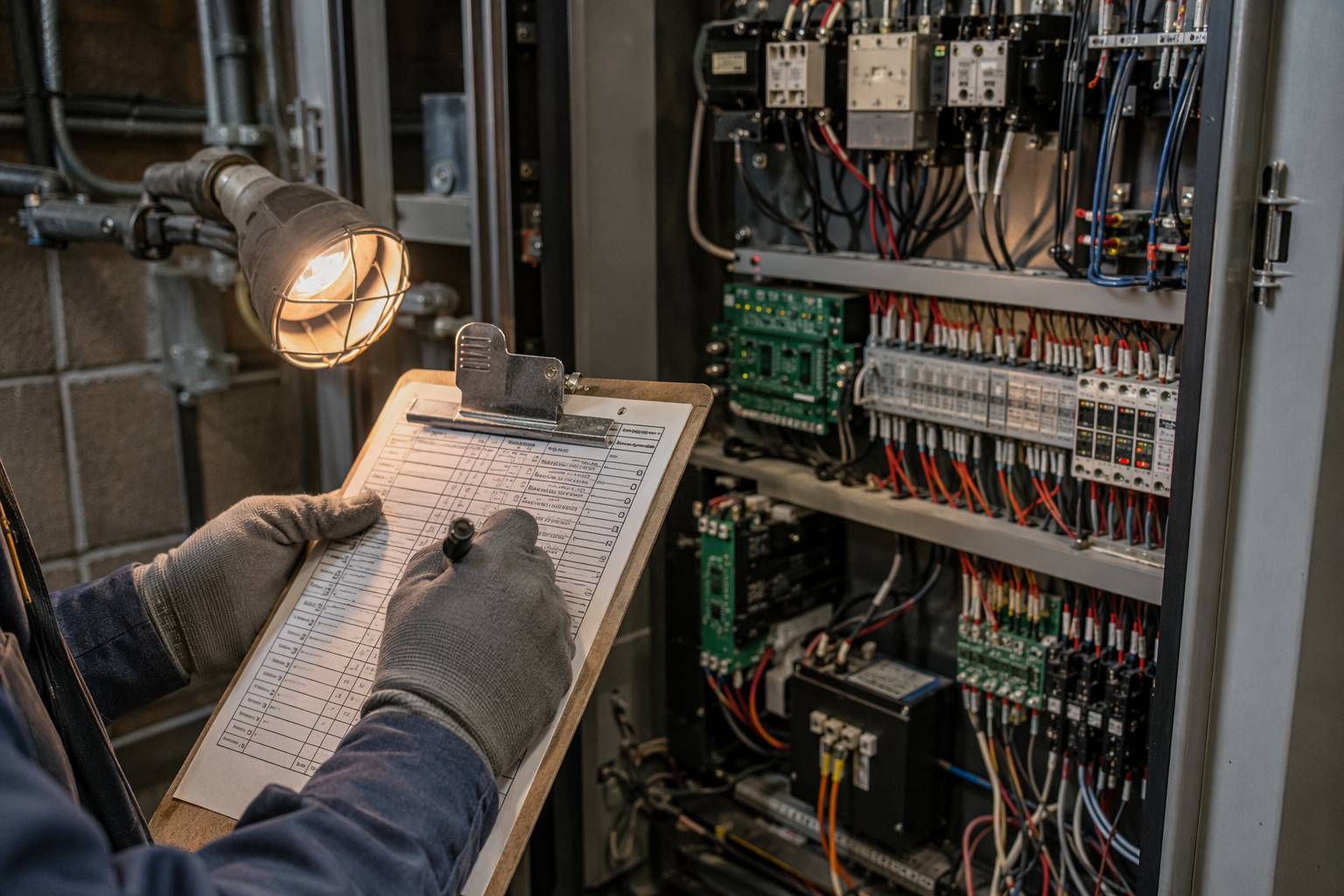
The first things to verify are state licensing, liability insurance, and adherence to the ASME A17.1 Safety Code for Elevators and Escalators as the foundational technical standard.
Before reviewing any service proposal, building owners should confirm that the company holds a valid Arizona contractor’s license issued by the Arizona Registrar of Contractors. In Arizona, elevator work falls under a specialty contractor classification, and performing elevator maintenance or installation without the appropriate license is a violation of state law. Alongside licensing, the company must carry general liability insurance and workers’ compensation coverage—request certificates of insurance with your property listed as an additional insured.
From there, the evaluation expands to technical competence, documentation practices, and alignment with applicable codes. Starting with these foundational checks eliminates unqualified vendors early in the process.
Why does ASME A17.1 compliance matter when selecting an elevator service provider?
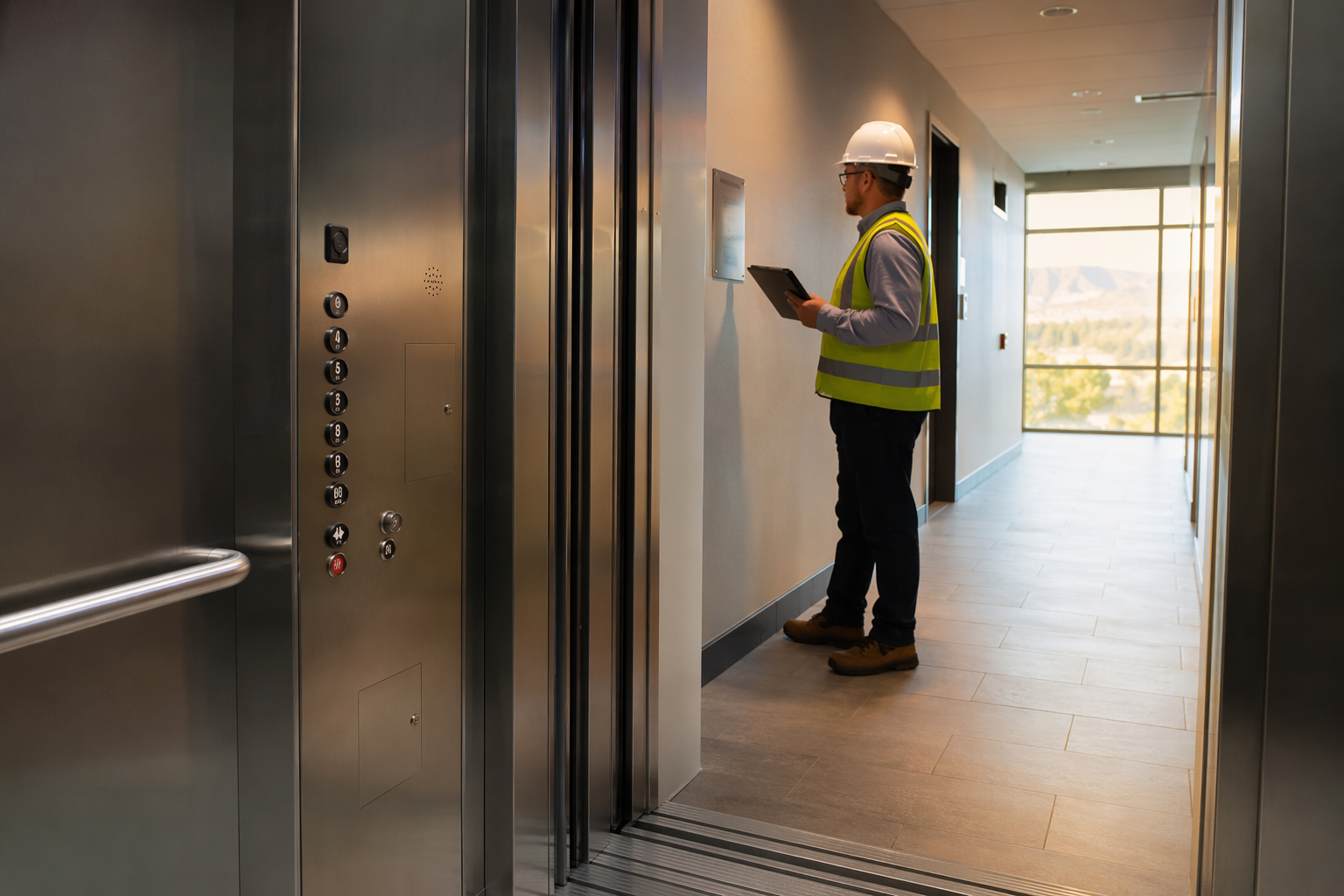
The ASME A17.1 Safety Code for Elevators and Escalators is the primary national safety standard governing elevator design, installation, operation, and maintenance in the United States, and a service provider’s fluency with it is a direct indicator of technical competence.
ASME A17.1 establishes mandatory requirements for inspection intervals, safety device testing, maintenance procedures, and equipment performance. Arizona has adopted this code as part of its state elevator safety program, meaning compliance is not optional—it is a legal requirement. When evaluating a vendor, ask specifically whether their maintenance procedures are written to conform to ASME A17.1 requirements, and request documentation showing how they record and track code-required tests such as governor and safety tests and pressure relief valve inspections.
A company that cannot articulate how its practices align with ASME A17.1 represents a compliance risk for your property.
What role does ADA compliance play in elevator service evaluation?
Under the Americans with Disabilities Act (ADA), elevators in multi-story commercial buildings must meet specific accessibility requirements, and the service company you choose must be capable of maintaining and repairing equipment to those standards.
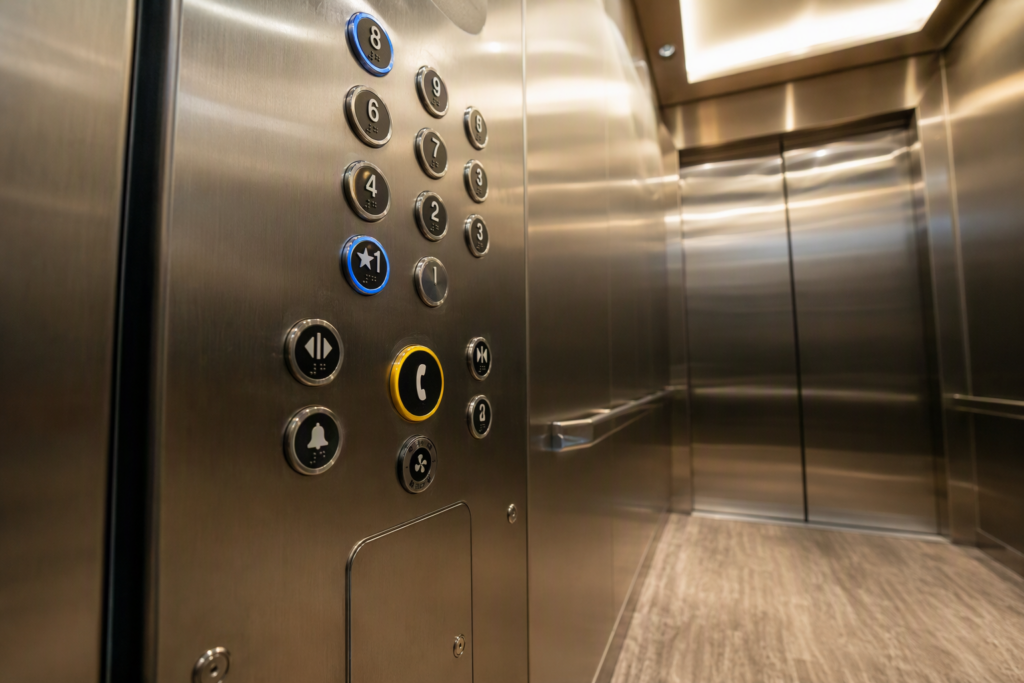
ADA requirements for elevators address cab dimensions, door timing, control panel height and labeling, floor designation signage with Braille, and auditory signals. A qualified service provider should conduct periodic accessibility audits alongside routine maintenance to confirm that all ADA-required features remain functional. This is particularly important after any component replacement, since substituting a non-compliant part—even inadvertently—can trigger an ADA violation.
Building owners in Phoenix, Scottsdale, Tucson, and Mesa should confirm that any prospective service company includes ADA compliance checks as a documented part of their preventive maintenance program.
How should building owners verify a technician’s qualifications?
Building owners should ask for evidence of industry certification through recognized programs such as the National Elevator Industry Educational Program (NEIEP) or equivalent, which validates that technicians have completed structured training aligned with ASME and related codes.
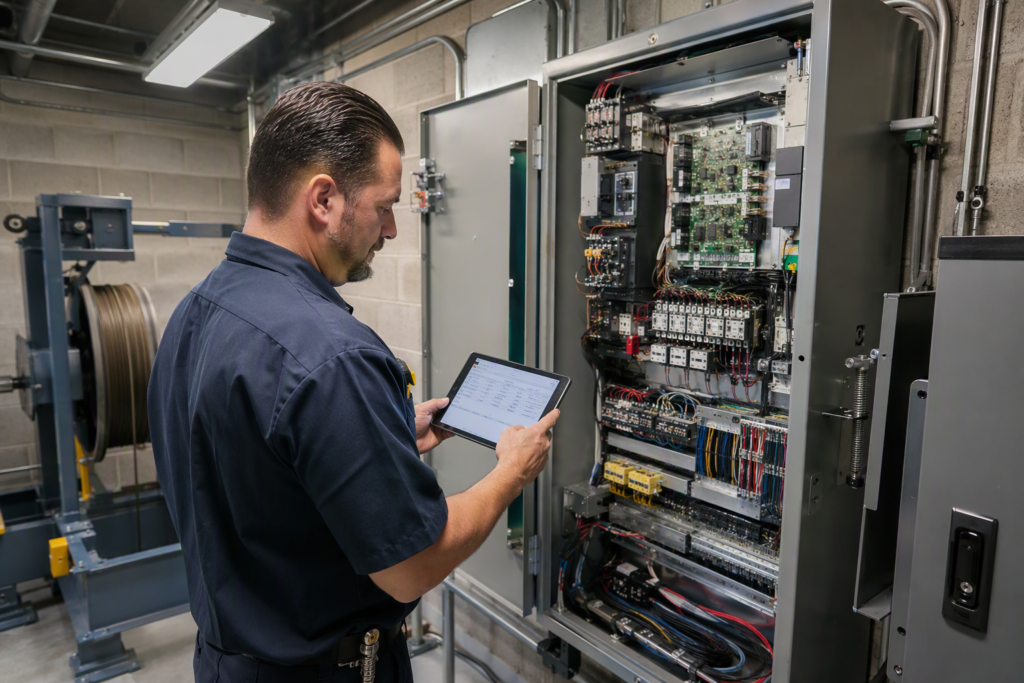
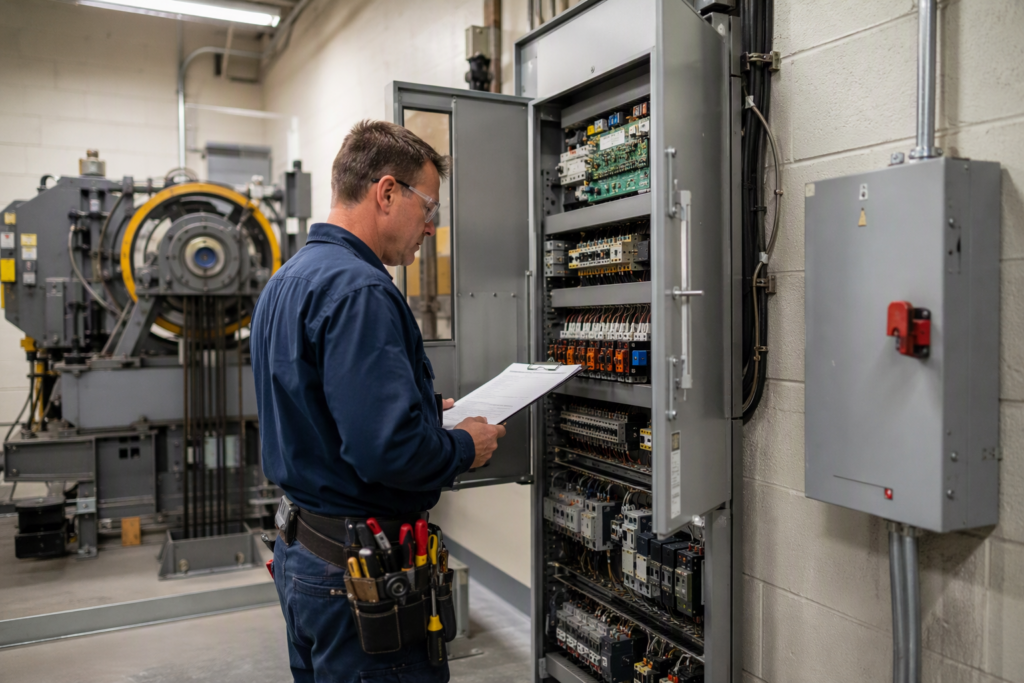
Elevator maintenance is a highly specialized trade. Technicians should be able to demonstrate competency in hydraulic systems, traction drive systems, control logic, safety circuits, and code-required testing procedures. In Arizona, the elevator industry is regulated at the state level, and technicians working on elevator equipment are required to operate under appropriate licensing frameworks.
When interviewing a service company, ask directly: What training programs do your technicians complete? How do they stay current with code updates? A reputable company will have clear, verifiable answers and be willing to share documentation of ongoing training.
What questions should be asked about a company’s inspection and maintenance documentation?
Ask whether the company provides written maintenance logs for every service visit, digital recordkeeping accessible to the building owner, and formal inspection reports that cross-reference specific ASME A17.1 code sections.
Documentation is the paper trail that protects building owners during regulatory inspections and liability claims. A thorough maintenance record should include the date and time of service, the name of the technician, a description of tasks performed, any parts replaced (with part numbers), observations about equipment condition, and any code-relevant findings. Vague or incomplete records are a red flag.
Additionally, Arizona requires periodic third-party inspections by a licensed elevator inspector. A qualified service company should coordinate these inspections proactively, not reactively, and retain copies of all inspection certificates as part of the building’s elevator file.
How do you compare elevator service contracts to identify the best value?
Compare contracts on five core dimensions: scope of covered services, parts and labor inclusions, callback response provisions, escalation terms, and contract exit conditions.
| Contract Feature | Full-Service / Comprehensive | Maintenance-Only | Oil & Grease (Basic) |
|---|---|---|---|
| Routine Preventive Maintenance | Included | Included | Limited |
| Parts Replacement | Included (most parts) | Not included | Not included |
| Labor for Repairs | Included | Included | Not included |
| Code-Required Testing | Included | May be extra | Not included |
| Emergency Callback Coverage | 24/7 typically included | Business hours only | Extra charge |
| ADA Compliance Checks | Included | Not always included | Not included |
| Best Suited For | High-traffic commercial buildings | Lower-use properties | Very low-use, low-budget |
Oil-and-grease contracts are frequently marketed as cost-effective, but they leave building owners exposed to significant repair costs and compliance gaps. For most commercial properties in the Phoenix metropolitan area and across Arizona, a full-service contract provides the most predictable cost structure and the strongest compliance posture. Arizona Elevator Solutions offers contract options structured to align with each property’s usage profile and regulatory obligations.
What does a comprehensive preventive maintenance program look like?
A comprehensive preventive maintenance program includes scheduled lubrication, adjustment, and inspection of all major mechanical and electrical components at intervals defined by the ASME A17.1 Safety Code for Elevators and Escalators and the manufacturer’s specifications.
Key elements of a thorough PM program include:
- Inspection and lubrication of guide rails, sheaves, and bearings
- Testing of door operators, safety edges, and interlocks
- Examination of buffers, governor, and safety devices
- Review of machine room conditions (temperature, humidity, cleanliness)
- Testing of emergency lighting, alarm, and communication systems
- Hydraulic fluid level and condition checks (for hydraulic elevators)
- Controller and electrical connection inspection
- Ride quality assessment and leveling adjustment
In Arizona’s desert climate, specific attention must also be paid to dust infiltration into machine rooms and hoistways, and to heat-related stress on hydraulic fluid and electronic components during the summer months.
How does Arizona’s climate affect elevator maintenance requirements?
Arizona’s extreme heat, low humidity, and pervasive dust create maintenance challenges that require a service provider with direct regional experience—particularly in Phoenix, Scottsdale, Mesa, and Tucson where summer temperatures routinely exceed 110°F.
Hydraulic elevator fluid degrades faster in high-heat environments, requiring more frequent fluid condition monitoring. Electronic control systems are sensitive to temperature extremes, and machine rooms without adequate cooling can experience accelerated component wear. Dust from desert conditions can clog safety sensors, contaminate lubrication points, and interfere with door operation. A service provider new to the Arizona market may apply maintenance schedules calibrated for temperate climates that are inadequate for local conditions.
Arizona Elevator Solutions operates exclusively in the Arizona market, with service protocols specifically developed to address the regional environmental factors that affect elevator performance and longevity.
What should building owners look for in a company’s emergency response capabilities?
Building owners should ask specific questions about after-hours dispatch procedures, technician availability, and how the company handles entrapments—verifying that responses meet the requirements outlined under OSHA and local authority having jurisdiction (AHJ) guidelines.
Elevator entrapments are not merely an inconvenience—they are a safety event with regulatory implications. A qualified service company should have a clearly documented emergency response protocol that includes a dedicated emergency contact number, a defined dispatch process, and procedures for communicating with trapped passengers. Ask the company to walk through exactly what happens from the moment an emergency call is received to the moment the situation is resolved.
Also confirm that the company’s emergency technicians carry the same equipment and have the same competency as their scheduled maintenance personnel—emergency calls are not the time to discover that only junior technicians are available after hours.
How can building owners assess a company’s reputation and track record?
Reputation should be assessed through a combination of verifiable references from comparable properties, review of any regulatory disciplinary history, and direct conversations with current clients—not solely through testimonials on the company’s own website.
Ask the company to provide three to five references from building owners or property managers with similar elevator types and usage levels. Contact those references with structured questions: How responsive is the company to emergency calls? How complete and accurate is their documentation? Have they identified code issues proactively? Were there any surprises in billing or contract terms?
Additionally, check the Arizona Registrar of Contractors database for any complaint history or disciplinary actions. A company with a clean regulatory record and verifiable client references is meaningfully different from one that relies on marketing alone.
What are the warning signs of an underqualified elevator service company?
Key red flags include vague or missing maintenance documentation, an inability to cite specific code references, pressure to sign long-term contracts before a site assessment, and resistance to providing proof of licensing or insurance.
Additional warning signs to watch for:
- Technicians who cannot explain the basis for their recommendations in code terms
- Service proposals that do not distinguish between different elevator types (hydraulic vs. traction)
- No written emergency response protocol
- Inconsistency between what is said verbally and what appears in the written contract
- Lack of familiarity with Arizona-specific regulatory requirements
- No process for tracking or notifying building owners of upcoming code-required tests
These warning signs individually may be explainable, but when multiple appear together, they indicate a systemic quality problem that will manifest as compliance failures, equipment breakdowns, or both.
How do you evaluate whether a company handles modernization and upgrades properly?
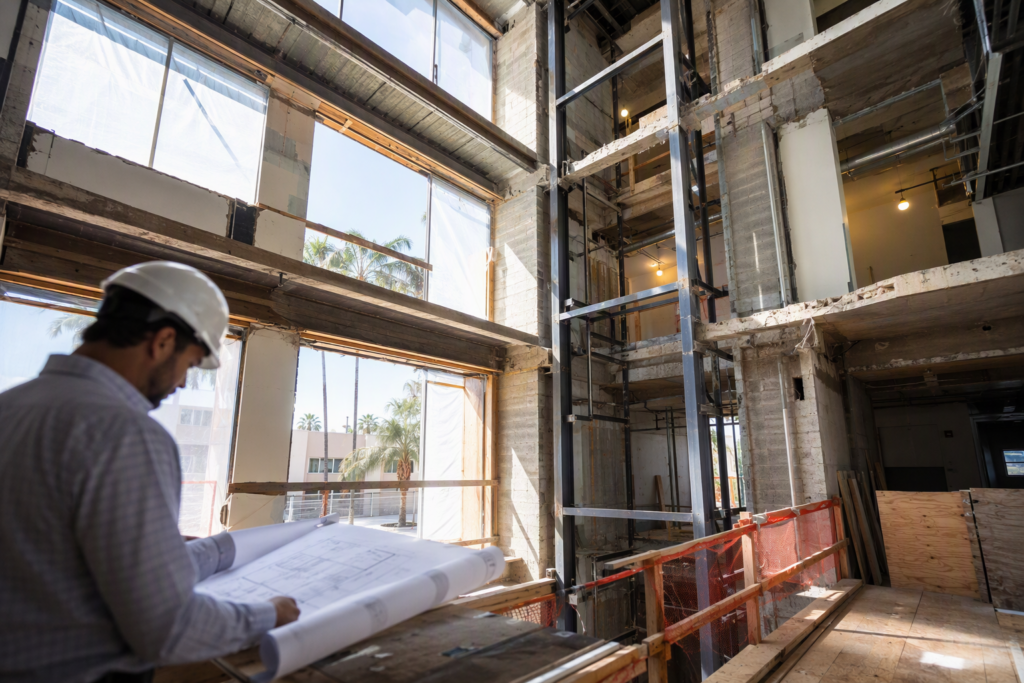
Evaluate modernization competency by asking for documentation of completed projects, confirmation that proposed upgrades comply with the current edition of ASME A17.1, and evidence that the company works with the local AHJ through the permit and inspection process.
Elevator modernization—whether replacing a controller, upgrading a cab, or converting a hydraulic system—triggers code compliance review under the current adopted standard. In Arizona, modernization work must be permitted, inspected, and approved. A company that performs modernization work without proper permitting exposes the building owner to serious regulatory risk, including orders to cease use of the elevator until compliance is achieved.
When evaluating modernization proposals, also examine whether the company is recommending upgrades that genuinely improve safety and performance or simply upselling components. A trustworthy vendor will explain the code basis and operational benefit for each proposed scope item.
What is the process for conducting a thorough elevator assessment before signing a service contract?
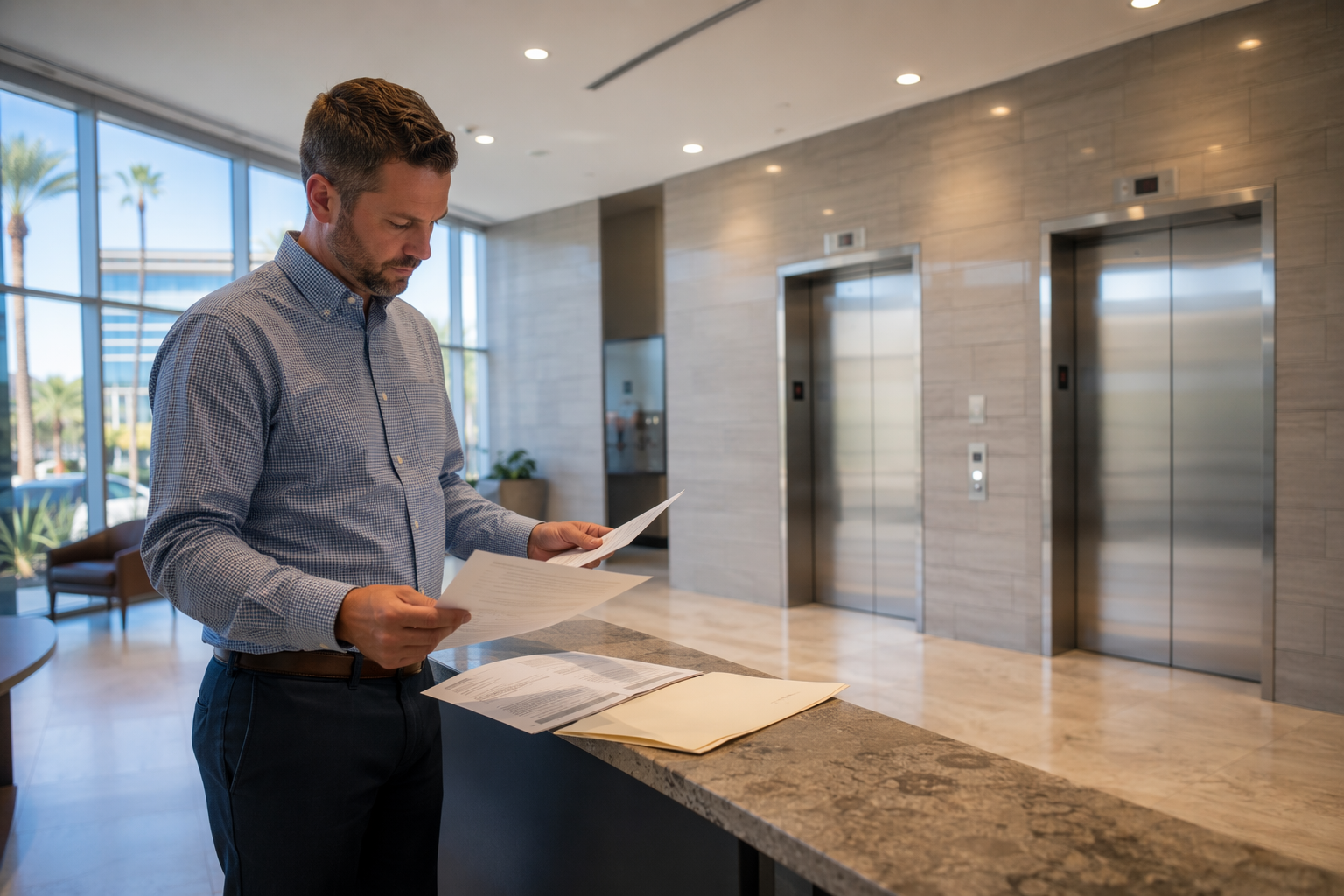
A thorough pre-contract elevator assessment should follow a structured protocol that results in a written condition report before any service agreement is executed.
- Request a site visit: The prospective service company should inspect the elevator in person, not quote remotely from a description.
- Review existing maintenance records: Ask the company to evaluate the current state of documentation and identify any gaps.
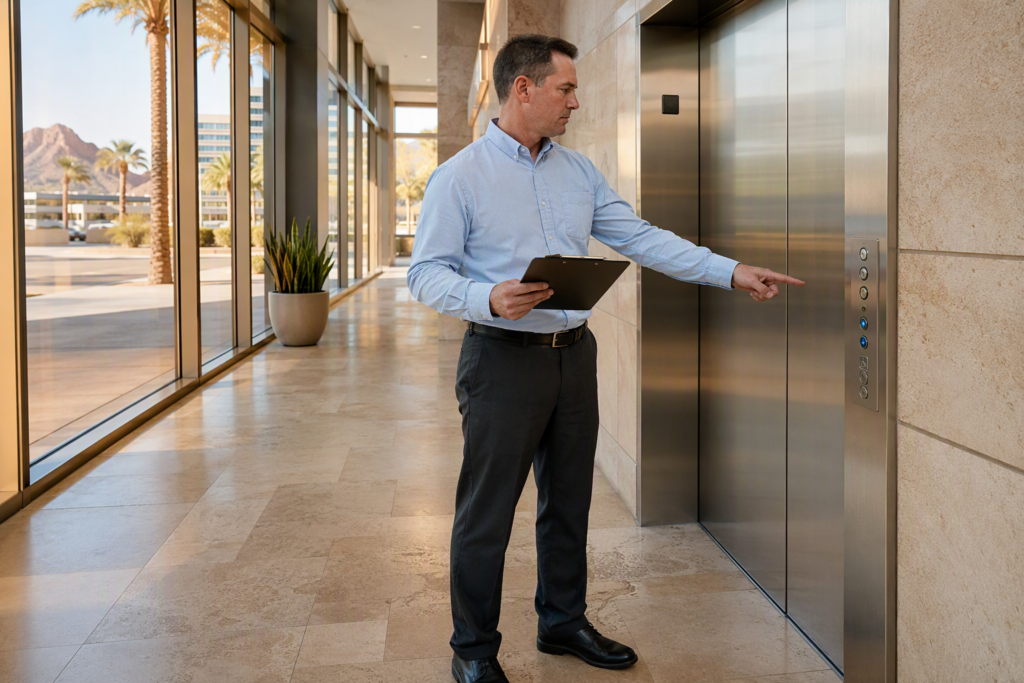
- Assess equipment age and condition: The technician should evaluate all major systems—machine, controller, door system, cab, and safety devices—against their expected service life and current code requirements.
- Identify deferred maintenance items: Any outstanding maintenance needs should be documented separately from the proposed ongoing service scope.
- Confirm code compliance status: The assessment should note whether any existing conditions represent code deficiencies under the current adopted edition of ASME A17.1.
- Receive a written summary report: The findings should be delivered in writing, not just discussed verbally.
- Compare reports across vendors: Request assessments from multiple qualified companies and compare findings—significant discrepancies in what different companies identify warrant closer scrutiny of each.
Arizona Elevator Solutions provides written elevator assessments as part of its client onboarding process, giving building owners a documented baseline of equipment condition and compliance status.
How should multi-elevator properties evaluate service scalability and coordination?
For properties with multiple elevators—such as high-rises, hospitals, or large mixed-use developments—the service company must demonstrate the capacity to manage coordinated maintenance scheduling, fleet-level documentation, and simultaneous emergency response without compromising service quality on any unit.
Multi-elevator properties face unique challenges: maintenance must be scheduled to avoid taking all units offline simultaneously, documentation must be organized at both the individual unit and portfolio level, and emergency dispatch must account for the possibility of multiple concurrent incidents. Ask prospective vendors how they manage scheduling logistics for multi-unit properties, what technology platforms they use for work order and documentation management, and how they handle situations where multiple units experience issues at the same time.
Commercial property managers overseeing portfolios across Phoenix, Mesa, Scottsdale, or Tucson should treat scalability as a core evaluation criterion, not an afterthought.
What cost factors should be understood before comparing service proposals?
Before comparing price points across proposals, building owners must ensure that each proposal covers an identical scope—differences in what is included can make a lower-priced contract more expensive in total cost of ownership.
Cost factors to clarify in any proposal include:
- Whether code-required tests (five-year tests, governor tests, etc.) are included or billed separately
- Whether parts are covered and whether there are per-part caps or exclusions
- Whether emergency/callback visits are included or billed at an hourly rate
- Whether the contract price is fixed for the term or subject to annual escalation clauses
- What happens to pricing if a major component (e.g., hydraulic pump, controller board) fails
A comprehensive contract that covers parts, labor, code testing, and emergency calls will have a higher base cost than a maintenance-only contract, but the total financial exposure over the contract term is often lower and more predictable.
How should building owners evaluate a company’s familiarity with local Arizona regulations?
Evaluate local regulatory knowledge by asking the company to explain Arizona’s elevator inspection program, the role of the Arizona Department of Occupational Safety and Health (ADOSH) in elevator oversight, and how they coordinate with the local authority having jurisdiction for permits and inspections.
Arizona operates its own state elevator safety program under the OSHA-approved State Plan framework, with ADOSH administering elevator safety oversight. This means Arizona has specific permitting, inspection, and licensing requirements that differ in procedural detail from states operating under federal OSHA jurisdiction. A service company that cannot demonstrate fluency with ADOSH procedures, permit processes in Maricopa and Pima counties, and the coordination requirements for third-party inspections is not adequately prepared to manage compliance for an Arizona property.
What technology and reporting tools should a modern elevator service company offer?
A modern elevator service company should offer digital maintenance logs accessible to the building owner, electronic notification of upcoming code-required tests, and clear reporting dashboards that allow facilities managers to track equipment status across their portfolio.
Technology adoption in the elevator service industry has advanced considerably. Remote monitoring systems can detect anomalies in door operation, drive performance, and safety circuit status before they result in shutdowns. Building owners should ask prospective service companies whether they offer remote monitoring capabilities, how alerts are communicated, and whether the building owner receives direct notification or only the service company. Transparency in reporting is a strong indicator of a vendor’s overall operating philosophy—companies that keep data to themselves create dependency rather than partnership.
How important is local presence when evaluating an elevator service company in Arizona?
Local presence is a material factor in service quality because it directly affects response time, familiarity with local code enforcement practices, and understanding of the environmental conditions specific to Arizona’s geography and climate.
A nationally headquartered company with a regional office may have strong brand recognition but limited local operational density, meaning that technicians are covering large geographic areas and emergency response times can be extended. For properties in Phoenix, Scottsdale, Mesa, and Tucson, a service provider with dedicated local operations is better positioned to deliver consistent, timely service. Arizona Elevator Solutions is a locally operated company with a service footprint specifically built around the Arizona markets it serves, bringing regional knowledge that out-of-state vendors cannot replicate.
What contract exit and dispute resolution terms should be reviewed carefully?
Review termination clauses, auto-renewal provisions, dispute resolution mechanisms, and any “proprietary parts” language that could prevent a building owner from switching vendors or obtaining competitive parts pricing.
Some elevator service contracts contain clauses that make it difficult or expensive to exit—including multi-year auto-renewal terms with short cancellation windows, substantial early termination penalties, and provisions stating that the company’s proprietary tools or software are required to service the equipment. These terms can effectively lock a building owner into a relationship with a vendor regardless of service quality. Before signing, have the contract reviewed to confirm that exit provisions are reasonable, that dispute resolution is practical, and that no proprietary restrictions would impair the building owner’s ability to engage a different qualified vendor if needed.
How can building owners verify that a service company handles code violations and deficiency corrections properly?
A qualified service company should have a documented process for categorizing deficiencies by severity, communicating them to the building owner in writing with relevant code citations, and tracking corrective actions through to resolution and re-inspection.
When a code deficiency is identified—whether during routine maintenance or a formal inspection—the service provider’s response reveals a great deal about its operating standards. Ask prospective vendors to walk through their deficiency management process: How is the building owner notified? How quickly are safety-critical items escalated versus deferred maintenance items? How are corrections documented? A company that minimizes or delays reporting deficiencies to avoid triggering repair work is not acting in the building owner’s interest. Arizona Elevator Solutions operates on the principle that transparent deficiency reporting, with clear code citations and prioritized corrective timelines, is fundamental to a trustworthy service relationship.
Ready to Work with a Trusted Arizona Elevator Service Provider?
Evaluating elevator service companies takes time, but the stakes—safety, compliance, and equipment longevity—make the diligence worthwhile. Arizona Elevator Solutions serves commercial and residential property owners throughout Phoenix, Scottsdale, Mesa, and Tucson with certified elevator maintenance, modernization, and compliance services aligned with ASME A17.1, ADA standards, and Arizona state regulations.
Contact Arizona Elevator Solutions for a free elevator assessment: 480-557-7600
Need elevator service you can rely on? Arizona Elevator Solutions is ready to help.