Apartment Building Elevator Maintenance Requirements: A Healthcare-Informed Guide for Arizona Properties
Apartment buildings that house medically vulnerable residents — including senior living communities, assisted living-adjacent residential properties, and housing complexes near healthcare campuses in Phoenix, Tucson, Scottsdale, and Mesa — face elevator maintenance obligations that go beyond standard residential requirements. When a resident depends on an elevator to reach dialysis appointments, manage a mobility-related disability, or receive in-home care on an upper floor, a non-compliant or out-of-service elevator becomes a healthcare continuity issue. This guide covers what property managers and building owners need to know about elevator maintenance requirements, compliance codes, inspection protocols, and how to select a qualified service provider in Arizona.
What Are the Core Legal Requirements for Apartment Elevator Maintenance?
Apartment building elevators in Arizona are governed by a layered set of federal, state, and industry standards. Understanding each layer is essential before scheduling service or responding to an inspection notice.
- ASME A17.1 Safety Code for Elevators and Escalators: This is the foundational industry standard governing the design, construction, operation, inspection, testing, and maintenance of elevators. The 2019 edition (and applicable amendments referenced in 2026 guidance) establishes specific intervals for periodic inspections and required tests. Arizona adopts this code by reference through state administrative rules. See the full standard at ASME Codes & Standards.
- ADA Accessibility Standards: Under the Americans with Disabilities Act, elevators in multi-story apartment buildings accessible to the public or serving common areas must meet specific cab dimensions, door timing, control height, and signage requirements. For buildings serving residents with disabilities or mobility impairments, ADA compliance is both a legal and ethical obligation.
- Arizona Department of Occupational Safety and Health (ADOSH): Arizona operates its own OSHA-approved state plan. Elevator safety in the workplace — including maintenance personnel working on elevator equipment — falls under standards that reference OSHA guidelines. Property managers should ensure contracted elevator technicians operate under safe work practices consistent with these standards.
- Arizona State Elevator Safety Program: Arizona requires elevator conveyances to be registered and inspected by licensed inspectors. Certificates of inspection must be current and displayed in or near the elevator cab.
How Often Does an Apartment Building Elevator Need to Be Inspected?
Under ASME A17.1, elevators are subject to periodic inspections and periodic tests on defined intervals. Periodic inspections typically occur annually, while certain tests — such as safety device tests and governor/rope tests — occur on longer cycles as prescribed by the code. Arizona’s state elevator program schedules inspections accordingly, and building owners are responsible for ensuring their equipment is ready and accessible for those inspections.
For healthcare-adjacent apartment properties in Phoenix, Tucson, Scottsdale, and Mesa, the practical recommendation from qualified service providers is to implement a preventive maintenance program that keeps the elevator inspection-ready at all times — not just in the weeks before a scheduled inspection visit.
What Specific Maintenance Tasks Are Required Under ASME A17.1?
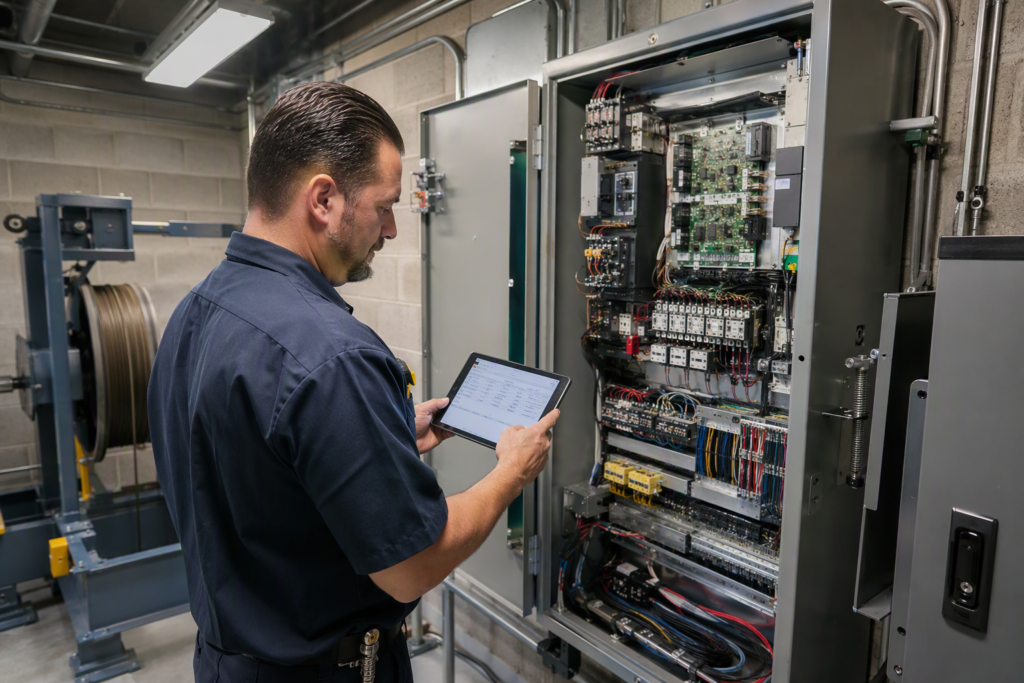
The ASME A17.1 Safety Code for Elevators and Escalators establishes a maintenance, repair, and replacement program (MRRP) requirement. A compliant MRRP for an apartment building elevator must include:
- Documentation of all maintenance tasks performed, their frequency, and the personnel who performed them.
- Regular lubrication of mechanical components including guide rails, roller guides, and sheaves.
- Inspection and adjustment of door operating mechanisms, door safety edges, and door timing.
- Testing and verification of safety devices including the car and counterweight safeties and the governor.
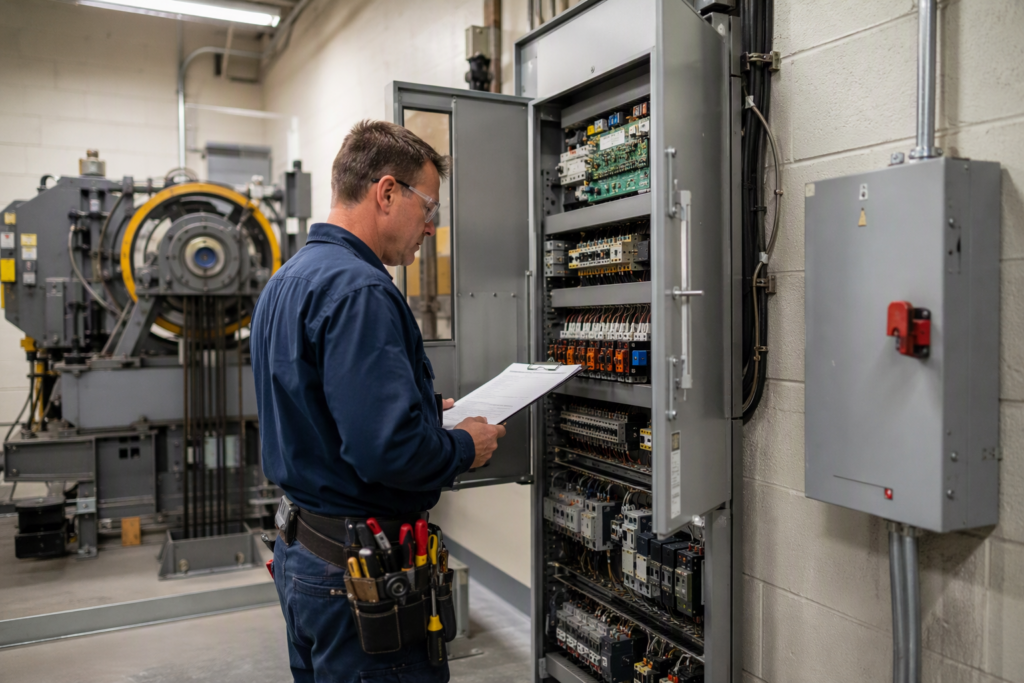
- Inspection of hoistway lighting, machine room conditions, and pit conditions.
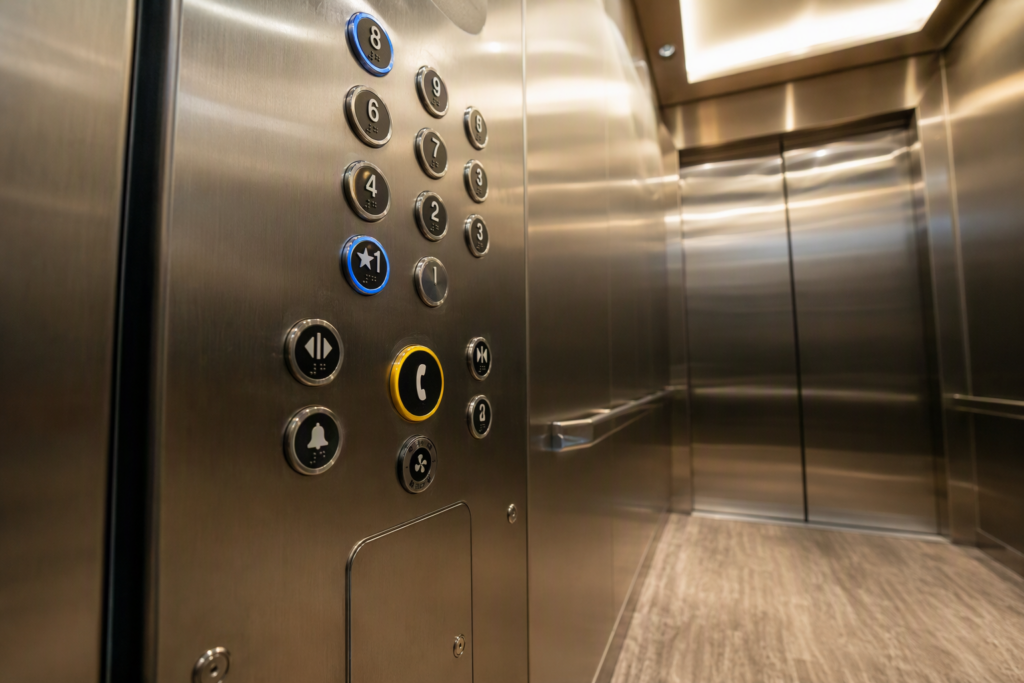
- Verification that all emergency features — including phone communication and lighting — are functional.
- Review and updating of the maintenance logbook kept on site or accessible to inspectors.
- Prompt repair or temporary removal from service of any elevator found to have a safety deficiency.
Arizona Elevator Solutions provides maintenance programs structured around the ASME A17.1 MRRP framework, ensuring that documentation and task schedules meet what Arizona inspectors expect to review.
What ADA Requirements Apply to Apartment Building Elevators Serving Healthcare-Related Residents?
The ADA establishes accessibility standards that are particularly meaningful for apartment buildings serving seniors, residents with disabilities, or individuals managing chronic health conditions. Key ADA elevator requirements include:
- Minimum cab interior dimensions to accommodate wheelchairs and mobility devices.
- Door reopening devices that respond to obstructions without applying force.
- Hall call and car operating panel button placement within accessible reach ranges.
- Visual and audible floor indicators and signals.
- Braille and raised character signage on control panels and hoistway entrances.
- Leveling accuracy: the elevator must land within a defined tolerance of the floor level to prevent tripping hazards — a critical concern for residents using walkers, wheelchairs, or canes.
Maintenance practices directly affect ADA compliance. A door that closes too quickly, a cab that consistently mis-levels, or a call button that requires excessive force can each constitute an ADA deficiency even if the elevator passed its last ASME inspection.
What Happens If an Apartment Building Elevator Fails Inspection in Arizona?
When an Arizona elevator fails inspection, the elevator must be taken out of service until the deficiency is corrected and the unit is re-inspected or a temporary operating permit is issued by the authority having jurisdiction. For apartment buildings where residents rely on the elevator for healthcare access or mobility support, an out-of-service elevator can trigger accommodation requests under fair housing and disability law.
The recommended course of action when an elevator receives a failed inspection notice is:
- Contact a licensed elevator service company immediately to assess the specific deficiencies noted in the inspection report.
- Obtain a written repair scope and timeline from the service provider.
- Notify affected residents, particularly those with known mobility or medical dependencies, and document those notifications.
- Coordinate with the service provider on re-inspection scheduling with the authority having jurisdiction.
- Review the maintenance log to determine whether a gap in preventive maintenance contributed to the failure.
- Update the maintenance program to address the root cause of the deficiency.
How Should Apartment Buildings in Arizona Choose an Elevator Maintenance Provider?
Selecting a qualified elevator maintenance provider for a healthcare-adjacent apartment property involves evaluating several factors beyond price:
- Licensing: Arizona requires elevator contractors and mechanics to hold appropriate state licenses. Verify that any provider operates under current Arizona licensure.
- ASME A17.1 familiarity: The provider should be fluent in the MRRP documentation requirements and able to produce compliant maintenance records on request.
- ADA awareness: Technicians should understand how maintenance practices affect ADA performance metrics like door timing and cab leveling.
- Local presence: A provider with established operations in Phoenix, Tucson, Scottsdale, and Mesa is positioned to respond when issues arise rather than coordinating from a remote dispatch center.
- Transparent documentation: The provider should deliver legible, organized maintenance records that can be presented to inspectors without preparation.
Arizona Elevator Solutions serves apartment building owners and property managers across the Phoenix, Tucson, Scottsdale, and Mesa markets with maintenance programs designed to meet Arizona inspection standards and ADA requirements.
What Are the Consequences of Deferred Elevator Maintenance in a Healthcare-Serving Residential Property?
Deferred maintenance in an apartment elevator serving medically vulnerable residents carries compounding risks:
- Regulatory risk: Missed maintenance intervals can result in failed inspections, fines, and mandatory shutdown orders.
- Liability exposure: If a resident with a documented disability or medical need is injured due to a known equipment deficiency, the property owner’s liability exposure increases substantially.
- Fair housing implications: Failure to maintain an accessible elevator in a building where residents rely on it for disability-related access can trigger fair housing complaints under state and federal law.
- Resident health impact: For residents managing conditions that limit stair use, an elevator outage can disrupt medication pickup, medical appointments, and in-home care visits.
- Emergency egress concerns: While elevators are generally not used for fire egress, fire service and emergency responder access features must be maintained per ASME A17.1 requirements.
What Documentation Should an Apartment Building Keep for Elevator Compliance?
Arizona property managers should maintain the following elevator compliance documentation on site or in readily accessible records:
- Current certificate of inspection issued by the Arizona elevator safety program.
- The ASME A17.1 MRRP maintenance log, including dates, tasks performed, and technician identification.
- Records of all tests performed, including safety tests on required intervals.
- Repair records for any corrective work performed between inspections.
- Documentation of any ADA-related modifications or assessments.
- Emergency service call records and resolution notes.
Arizona Elevator Solutions structures its service programs to produce documentation that satisfies both Arizona state inspection requirements and the ASME A17.1 MRRP framework, reducing administrative burden on property management staff.
Questions Your Inspector Will Ask
When an Arizona elevator inspector arrives at an apartment building, they are likely to raise the following questions. Property managers and building owners should be prepared with clear answers and supporting documentation.
- Is the certificate of inspection current and posted in or near the elevator cab? A lapsed certificate is an immediate compliance issue regardless of the equipment’s mechanical condition.
- Where is the maintenance log, and is it current? Under ASME A17.1 MRRP requirements, maintenance records must be available on site or readily accessible. Gaps in the log raise questions about whether required maintenance was performed.
- When was the last governor/rope test or safety device test performed? These tests occur on longer intervals than annual inspections, and the records must be traceable.
- Is the machine room kept locked, clean, and at appropriate temperatures? Machine room conditions are part of a standard inspection and can affect equipment longevity and safety.
- Is the pit dry and clear of debris? Pit conditions are inspected as part of each periodic inspection.
- Does the emergency phone connect to a live answering point? The emergency communication system must be functional and connect to a location where assistance can be summoned — a critical safety feature for residents who may become trapped.
- Are the door safety devices functioning correctly? Door reopening devices are tested during inspection, and their proper function is especially important for residents with mobility devices.
- Has any repair work been performed since the last inspection, and was it documented? Undocumented repairs or modifications can complicate inspection outcomes.
How Do Maintenance Requirements Differ for Older Elevator Equipment in Arizona Apartment Buildings?
Many apartment buildings in Phoenix, Tucson, Scottsdale, and Mesa were constructed decades ago and may contain hydraulic or traction elevator equipment that predates current code editions. Arizona’s elevator safety program applies code requirements based on the edition in effect at the time of installation for some provisions, while other safety requirements apply retroactively. Property owners with older equipment should work with a qualified service provider to conduct a code compliance assessment that identifies which current requirements apply and whether any retrofits — such as updated door safety devices, emergency lighting, or firefighters’ service features — are required or recommended under current Arizona enforcement practice.
What Should Property Managers Do to Prepare for an Elevator Inspection?
- Confirm the maintenance log is current and all scheduled maintenance tasks are completed and documented.
- Verify the certificate of inspection is posted and has not lapsed.
- Ensure the machine room is accessible, clean, properly lit, and free of stored materials.
- Confirm the pit is dry and clear.
- Test the emergency phone to verify it connects to a live answering point.
- Check that all call buttons, floor indicators, and cab lighting are functional.
- Review records of any repairs performed since the last inspection and confirm they are documented.
- Contact the elevator service provider to conduct a pre-inspection walkthrough if any concerns exist about the equipment’s readiness.
Schedule Your Free Elevator Assessment Today
For apartment buildings serving medically vulnerable residents across Phoenix, Tucson, Scottsdale, and Mesa, elevator compliance is not optional — it is a core component of resident safety and property liability management. Whether a building needs a preventive maintenance program structured around ASME A17.1 requirements, an ADA accessibility review, or support preparing for an upcoming state inspection, Arizona Elevator Solutions is available to assist.
Contact Arizona Elevator Solutions for a free elevator assessment: 480-557-7600
Need elevator service you can rely on? Arizona Elevator Solutions is ready to help.