Elevator Code Compliance Requirements for Schools and Universities in Arizona
Direct Answer: Schools and universities in Arizona must comply with ASME A17.1 Safety Code for Elevators and Escalators, the Americans with Disabilities Act (ADA), and Arizona state elevator safety statutes, requiring annual inspections, routine maintenance, and full accessibility provisions on all vertical transportation equipment serving students, staff, and the public.
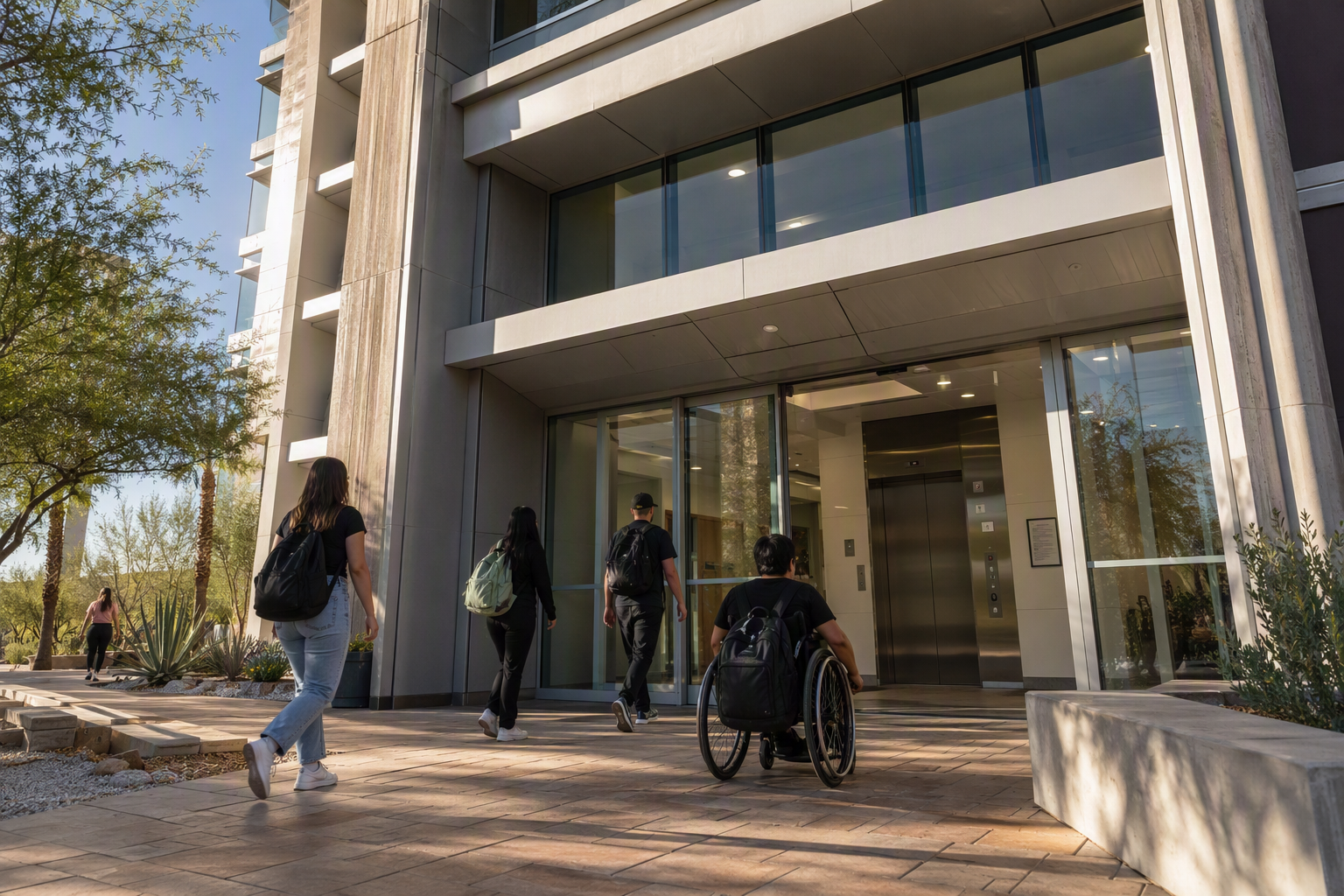
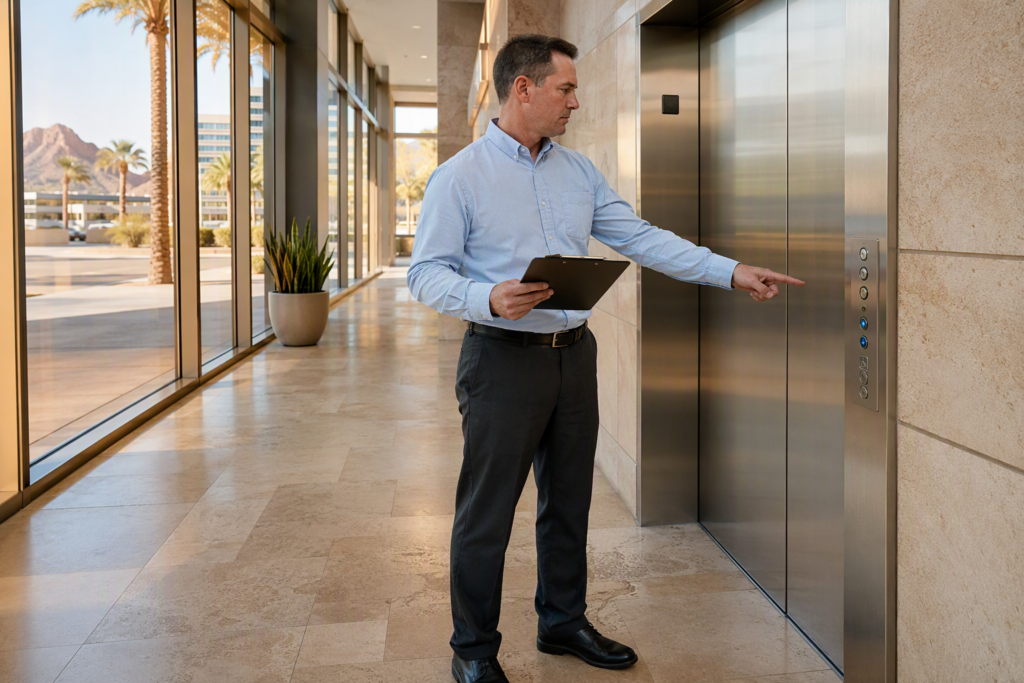
Arizona’s educational institutions — from K–12 schools in Mesa and Phoenix to large research universities in Tucson and Scottsdale — operate elevators in high-traffic, high-accountability environments. A malfunctioning or non-compliant elevator is not simply an inconvenience: it can place students with disabilities at risk, trigger regulatory penalties, and expose institutions to significant liability. Understanding the layered compliance framework that governs educational elevators is the first step toward protecting occupants and maintaining uninterrupted operations.
Arizona Elevator Solutions works with educational facility managers and operations directors across Phoenix, Tucson, Scottsdale, and Mesa to ensure that campus vertical transportation systems meet every applicable standard — from foundational federal codes to Arizona-specific regulatory requirements.
What Federal Codes Govern Elevators in Schools and Universities?
Two federal frameworks anchor elevator compliance for educational facilities in Arizona.
First, the ASME A17.1 Safety Code for Elevators and Escalators establishes the baseline engineering, construction, installation, inspection, testing, and maintenance requirements for virtually all elevator types. Arizona has adopted ASME A17.1 as the foundational technical standard. Educational facilities must ensure that all elevators — passenger, freight, and platform lifts — are installed, inspected, and maintained in accordance with the edition of ASME A17.1 in force at the time of installation, as well as any retroactive safety provisions subsequently adopted by the state.
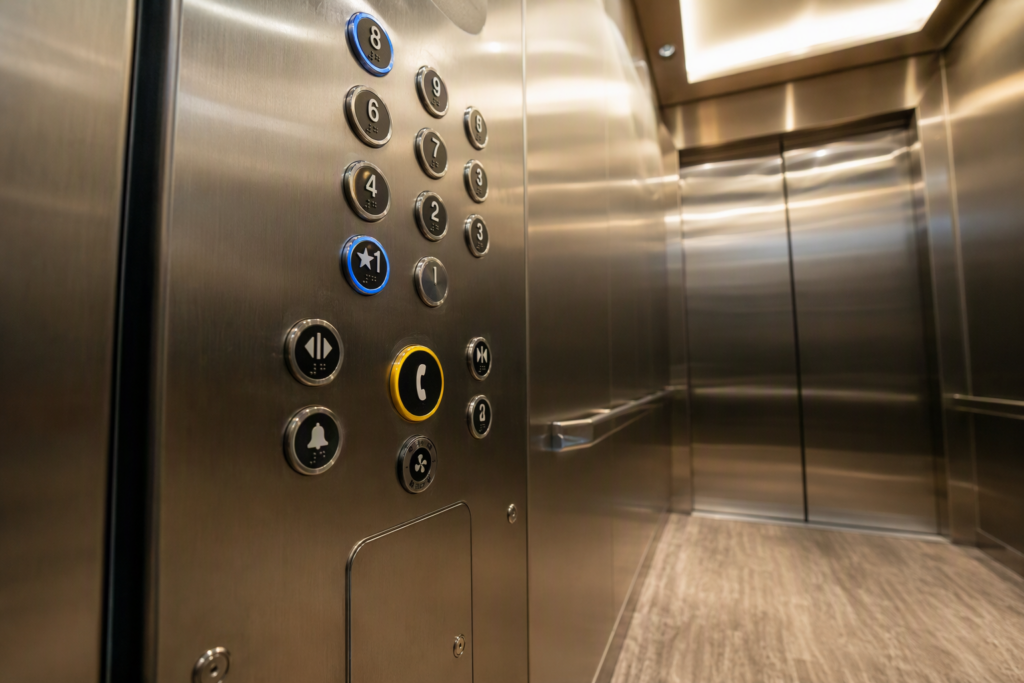
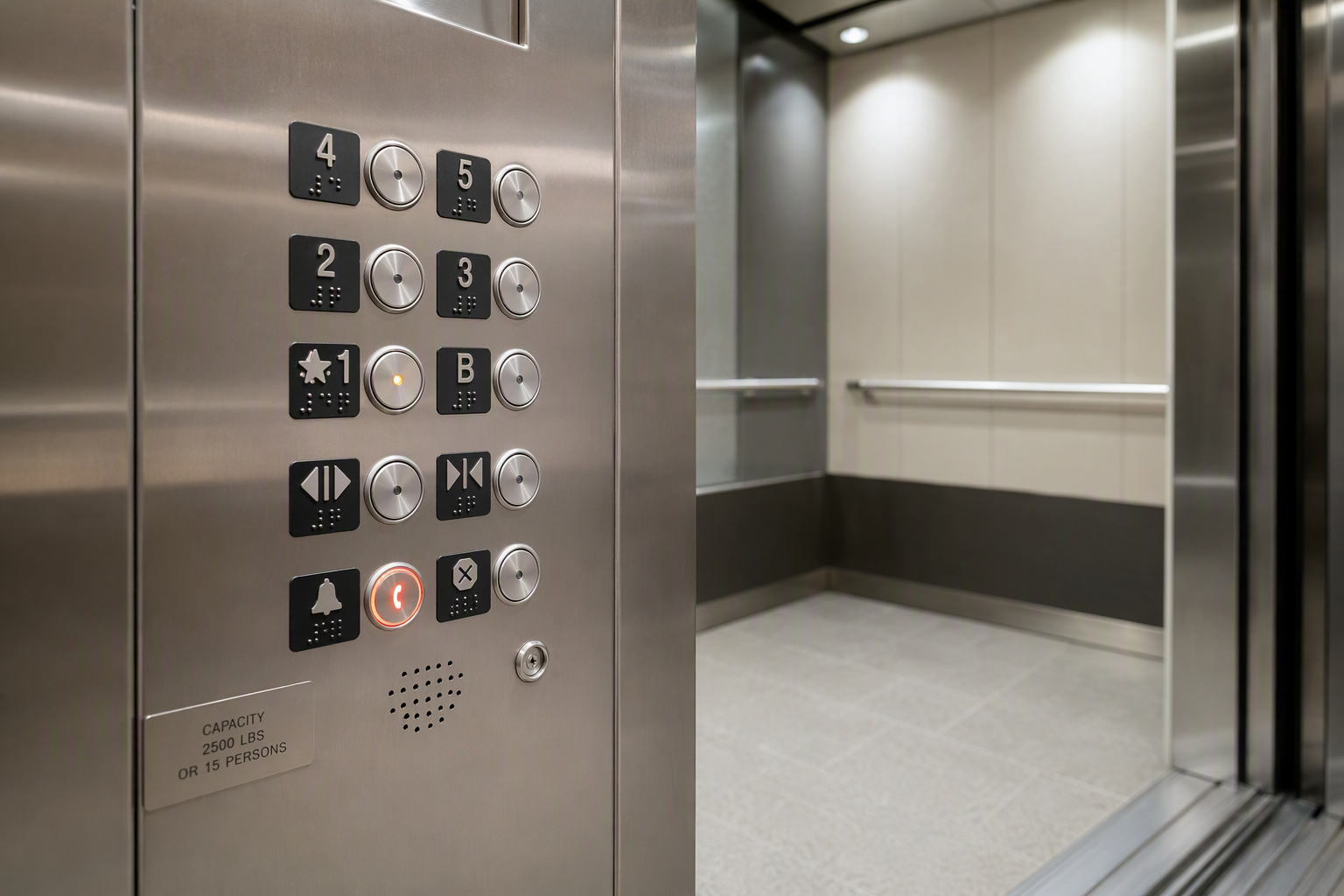
Second, the Americans with Disabilities Act (ADA) mandates that schools and universities providing public accommodations or operating as places of education make vertical transportation accessible to individuals with disabilities. Specific ADA Standards for Accessible Design govern call button height, cab dimensions, door timing, audible and visual floor signals, handrails, and emergency two-way communication systems. Multi-story educational buildings are generally required to have at least one accessible elevator serving all floors used by students, faculty, or visitors.
What Arizona State Requirements Apply to School Elevators?
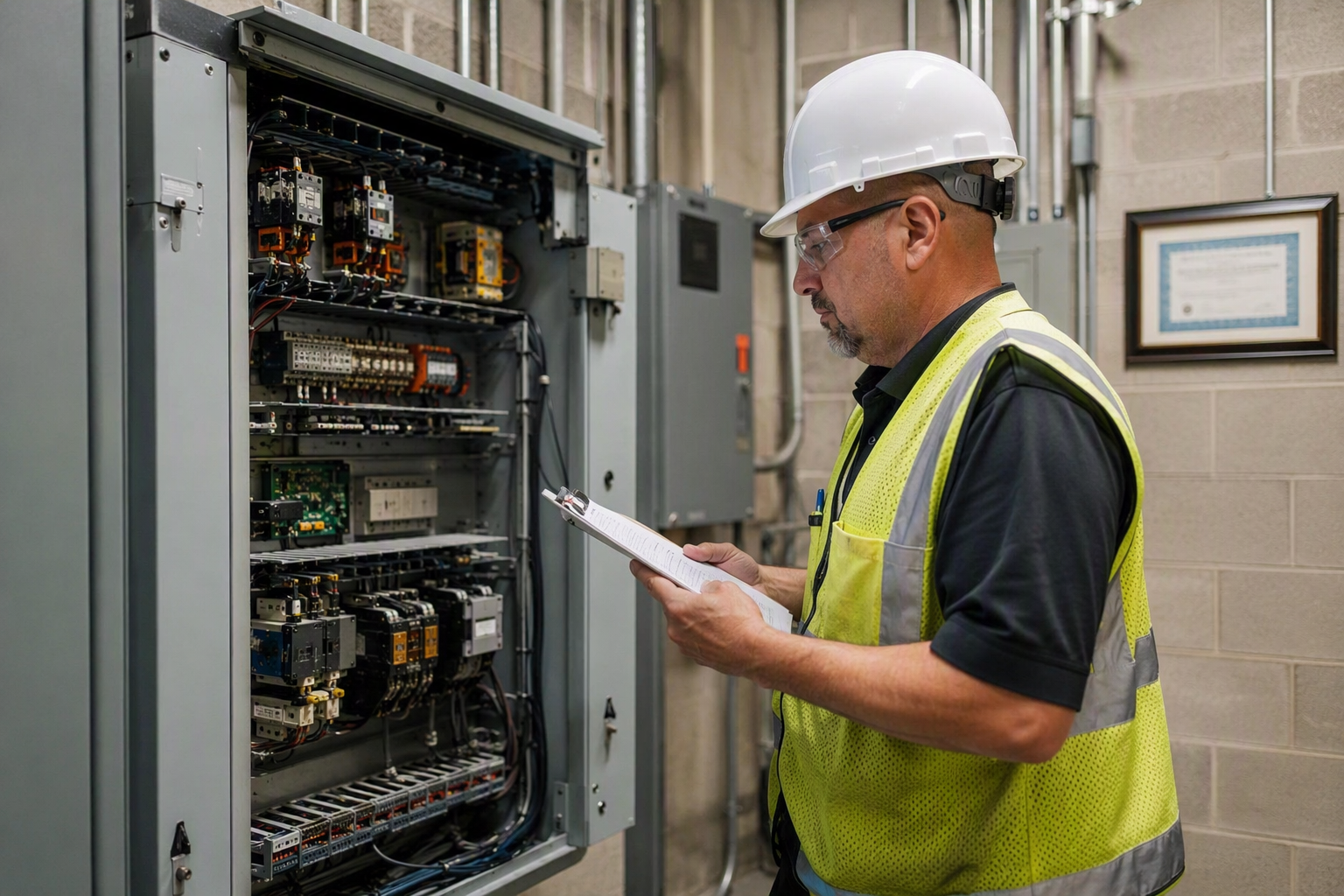
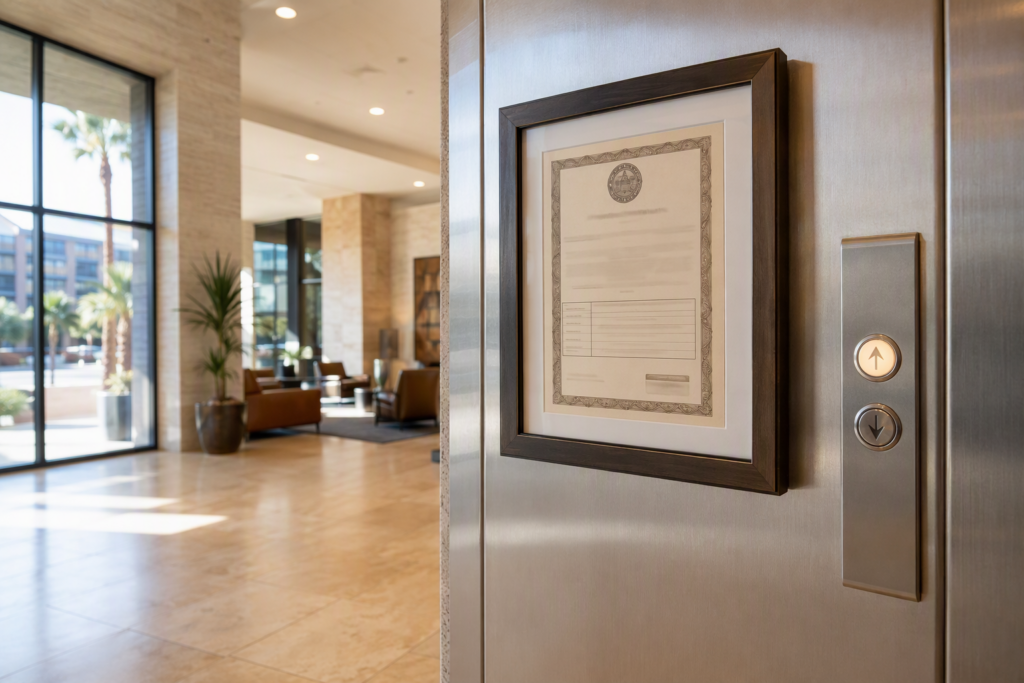
Arizona administers its own elevator safety program through the Arizona Department of Occupational Safety and Health (ADOSH), which operates under federal OSHA guidelines for public-sector employees. Under Arizona statutes, all elevators in public and private educational buildings must be registered with the state, inspected on a regular basis by a licensed elevator inspector, and hold a current certificate of operation that must be posted inside the elevator cab.
Key state-level requirements include:
- Annual safety inspections conducted by a state-licensed inspector or a certified third-party inspector approved by ADOSH.
- Periodic witnessing of load tests and safety device tests as specified by ASME A17.1.
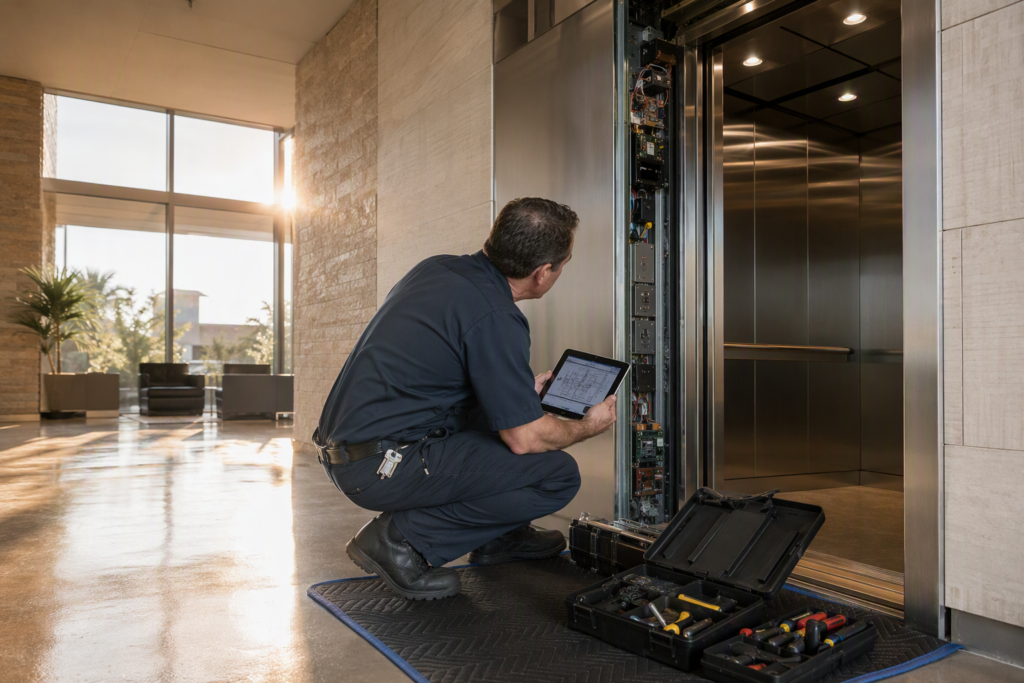
- Maintenance performed by licensed elevator mechanics or a licensed elevator contractor.
- Prompt reporting of accidents, entrapments, or safety-critical failures to the appropriate state authority.
- A valid certificate of operation displayed in each elevator cab at all times.
Educational institutions that own or manage buildings in Phoenix, Tucson, Scottsdale, or Mesa should verify which local municipality may also exercise inspection authority, as some Arizona cities operate concurrent inspection programs alongside the state.
Are There Specific Elevator Requirements for K–12 Schools vs. Colleges and Universities?
The same federal and state technical codes apply across all educational levels; however, practical compliance considerations differ. K–12 schools often operate smaller, lower-rise buildings with platform lifts or limited-use/limited-application (LULA) elevators, each of which carries its own ASME standards subset. Universities typically operate large, multi-tower facilities with high-capacity passenger elevators, freight elevators, and hospital-grade elevators in research medical buildings — each requiring distinct inspection and maintenance protocols.
Community colleges and state universities in Arizona that receive federal funding face additional scrutiny under Section 504 of the Rehabilitation Act and Title II of the ADA, making accessibility compliance non-negotiable rather than aspirational.
How Often Must School Elevators Be Inspected in Arizona?
Under ASME A17.1 and Arizona’s adoption thereof, educational elevators are subject to periodic inspections at intervals defined by the code and state regulation. At minimum, annual routine inspections are required for most elevator types. Certain safety tests — such as car safety, governor, and pressure vessel tests — follow longer intervals specified in the code’s test tables. All inspection and test records must be retained and made available to inspectors upon request.
Arizona Elevator Solutions recommends that educational facility managers calendar all required inspection dates well in advance and coordinate with a licensed elevator service provider to ensure the equipment is in test-ready condition, reducing the risk of failed inspections and the associated corrective action timelines.
What ADA Accessibility Features Are Required on School Elevators?
The ADA Standards for Accessible Design specify detailed requirements for accessible elevators in educational settings, including:
- Call buttons located no higher than 42 inches above the floor, with raised and Braille characters.
- Cab interior dimensions sufficient for wheelchair maneuvering.
- Door reopening devices that detect obstructions without contact.
- Audible and visual floor arrival signals.
- Handrails on at least one wall of the cab.
- Illuminated, raised, and Braille-labeled car operating panel buttons.
- A two-way emergency communication system usable by individuals who are deaf or hard of hearing, such as a visual display or TTY-compatible system.
- Adequate cab lighting levels.
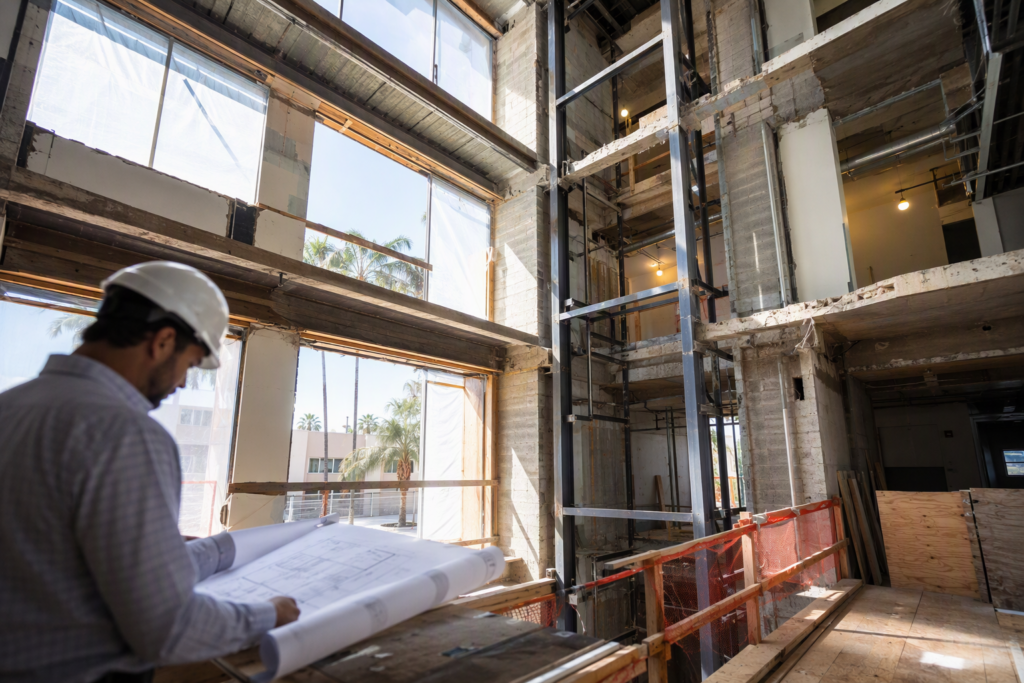
Existing school buildings undergoing alterations are generally required to bring the path of travel — including elevator access — into compliance with current ADA standards to the extent technically and financially feasible.
What Happens If a School Elevator Fails an Inspection?
A failed inspection typically results in a Notice of Non-Compliance issued by the inspecting authority. Depending on the severity of the deficiency, the elevator may be placed out of service immediately (tagged) until corrective repairs are completed and verified. Schools must then arrange for the required repairs through a licensed elevator contractor, followed by a re-inspection before the elevator may return to service.
For institutions serving students with mobility impairments, an out-of-service elevator can trigger an ADA accommodation obligation — requiring the institution to provide alternative accessible means of program access until the elevator is restored.
What Is the Compliance Process Step-by-Step for Arizona Educational Facilities?
- Inventory all vertical transportation equipment on campus, including passenger elevators, freight elevators, platform lifts, and escalators, and confirm each unit is registered with the Arizona state elevator program.
- Obtain and review current certificates of operation for each unit; note expiration dates and any outstanding conditions or violations.
- Schedule a comprehensive maintenance audit with a licensed elevator contractor to assess the physical condition of all equipment against current ASME A17.1 requirements.
- Conduct an ADA accessibility audit of each cab, landing, and call station, documenting any deviations from ADA Standards for Accessible Design.
- Prioritize and schedule corrective work based on the severity of deficiencies — life safety and ADA access items take precedence.
- Complete required periodic tests (governor, car safety, load, pressure) in accordance with ASME A17.1 test intervals, with a licensed inspector witnessing as required.
- File all inspection reports, test certificates, and maintenance logs in a readily accessible record system for each unit.
- Establish a preventive maintenance contract with a licensed elevator service provider to maintain continuous compliance between annual inspections.
What Are Common Elevator Compliance Violations Found in Educational Buildings?
Educational facilities frequently encounter the following deficiencies during inspections:
- Expired certificates of operation not displayed in the cab.
- Non-functional or outdated emergency two-way communication systems that do not meet current ADA or ASME requirements.
- Door reopening devices that fail to meet ADA sensitivity requirements.
- Worn or damaged car operating panels with illegible Braille or missing raised characters.
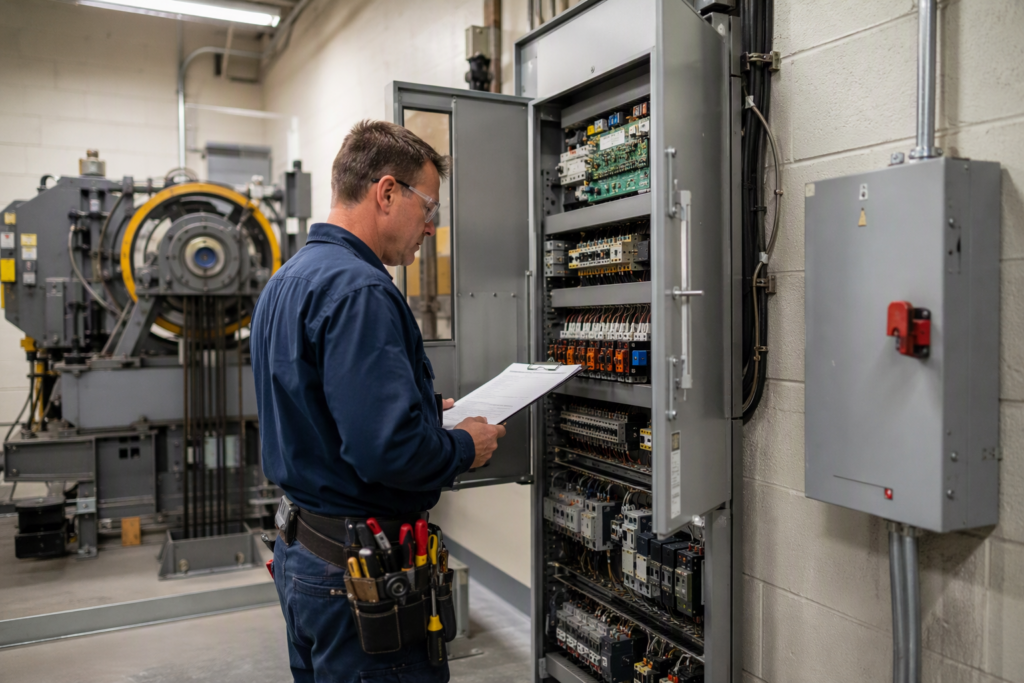
- Inadequate machine room conditions (lighting, ventilation, temperature, access control).
- Overdue safety device tests (governor, buffers, car safeties).
- Lack of documented preventive maintenance records.
Arizona Elevator Solutions conducts detailed compliance assessments that identify these and other deficiencies before a state inspector does, giving educational institutions the time and information needed to address issues proactively.
How Do Universities Handle Elevators in Research or Medical Buildings on Campus?
University research facilities and campus health centers present a more complex compliance environment. Elevators serving laboratory or clinical areas may need to accommodate heavy or oversized equipment and meet additional requirements related to hazardous materials or infection control. While ASME A17.1 and ADA requirements still apply universally, facility managers should coordinate with their elevator service provider and legal counsel to assess whether any additional local fire, health, or building code requirements impose supplemental obligations on elevator equipment in these specialized environments.
How Should Schools Budget and Plan for Elevator Compliance Costs?
Elevator compliance costs for educational institutions typically fall into three categories: routine preventive maintenance, periodic testing and inspection fees, and capital expenditures for modernization or corrective repairs. Because specific pricing varies by equipment type, building configuration, and scope of work, Arizona Elevator Solutions recommends requesting a site-specific assessment rather than relying on generalized estimates. Institutions in Arizona can contact Arizona Elevator Solutions directly to discuss a free elevator assessment that provides a clear picture of current compliance status and near-term investment needs.
Planning on a multi-year capital cycle — aligned with the institution’s facilities master plan — reduces the risk of emergency expenditures caused by deferred maintenance or sudden equipment failures.
Questions Your Inspector Will Ask
When an Arizona state elevator inspector or third-party compliance auditor visits an educational facility, expect questions such as:
- Is the current certificate of operation posted in the elevator cab and within its valid period?
- Can you produce the maintenance log and service records for the past 12 months?
- When was the last governor test, car safety test, and buffer test performed, and are the certificates on file?
- Is the machine room locked, properly lit, adequately ventilated, and free of storage unrelated to elevator equipment?
- Is the emergency two-way communication system functional and does it meet current ADA requirements for users who are deaf or hard of hearing?
- Have any accidents, entrapments, or safety-critical incidents occurred since the last inspection, and were they reported to the state authority?
- Who holds the current elevator maintenance contract, and is the contractor properly licensed in Arizona?
- Are all ADA-required features — call button heights, cab dimensions, floor signals, Braille labeling — present and functional?
- Is there a written emergency evacuation plan for elevator users with disabilities, consistent with the institution’s overall emergency action plan?
Preparing documented answers to each of these questions before an inspection significantly reduces the risk of citations and demonstrates the institution’s commitment to occupant safety and regulatory compliance.
Why Partner with a Certified Elevator Service Provider for Your Arizona Campus?
Navigating the overlapping requirements of ASME A17.1, the ADA, Arizona state elevator regulations, and local municipal requirements demands a service provider with demonstrated expertise in educational and institutional environments. Arizona Elevator Solutions serves educational facilities across Phoenix, Tucson, Scottsdale, and Mesa, providing preventive maintenance, code compliance assessments, modernization planning, and inspection coordination tailored to the operational realities of campus environments — from semester-break service windows to ADA transition planning for aging buildings.
Partnering with a licensed, accountable elevator contractor ensures that compliance is not a reactive exercise but an integrated part of the institution’s ongoing facilities management program.
Contact Arizona Elevator Solutions for a Free Elevator Assessment
Is your school or university elevator program fully compliant with Arizona state requirements, ASME A17.1, and the ADA? Don’t wait for a failed inspection or an accessibility complaint to find out. Contact Arizona Elevator Solutions for a free elevator assessment and get a clear, documented picture of where your campus stands — and what steps are needed to protect your students, staff, and institution.
Call Arizona Elevator Solutions today: 480-557-7600
Serving educational institutions in Phoenix, Tucson, Scottsdale, Mesa, and surrounding Arizona communities.
Need elevator service you can rely on? Arizona Elevator Solutions is ready to help.