Elevator Requirements and Compliance Obligations for Healthcare Facilities in Arizona
For any healthcare facility operating in Phoenix, Tucson, Scottsdale, or Mesa, elevator compliance is not optional — it is a patient safety and regulatory requirement. Vertical transportation in a healthcare setting moves patients on gurneys, transports medical equipment, and provides access for individuals with disabilities around the clock. Understanding the full scope of Arizona’s elevator obligations is the first step toward maintaining a safe, inspection-ready facility.
—
What Federal Elevator Standards Apply to Healthcare Facilities in Arizona?
Two federal frameworks form the foundation of elevator compliance for healthcare facilities throughout Arizona:
- ASME A17.1 Safety Code for Elevators and Escalators: This is the primary mechanical and safety standard governing elevator design, installation, operation, testing, and inspection. Arizona adopts this code through ADOSH, the state agency responsible for elevator enforcement.
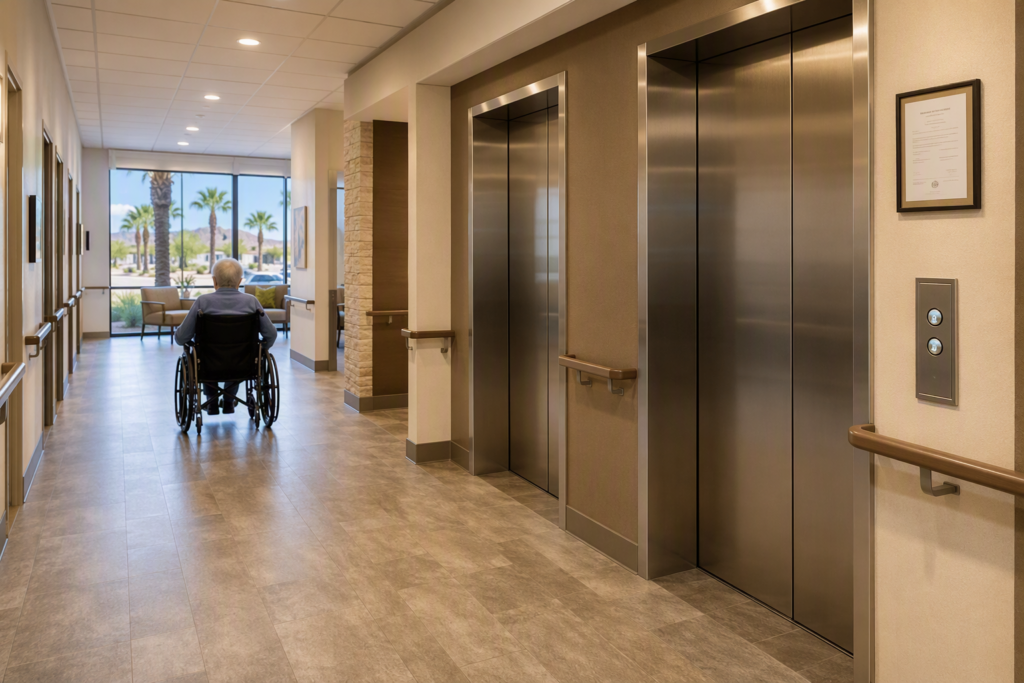
- Americans with Disabilities Act (ADA): The ADA requires that elevators in multi-story healthcare facilities provide accessible routes for individuals with disabilities. This includes specific requirements for door width, cab dimensions, control panel height, Braille and tactile signage, and audible floor announcements.
In addition, healthcare facilities that receive Medicare or Medicaid funding are subject to CMS Conditions of Participation, which include requirements for life safety and building systems — of which elevators are a core component. Arizona Elevator Solutions works with healthcare facility managers across the state to align elevator programs with all applicable layers of federal and state compliance.
—
What Is ADOSH and How Does It Regulate Healthcare Elevators in Arizona?
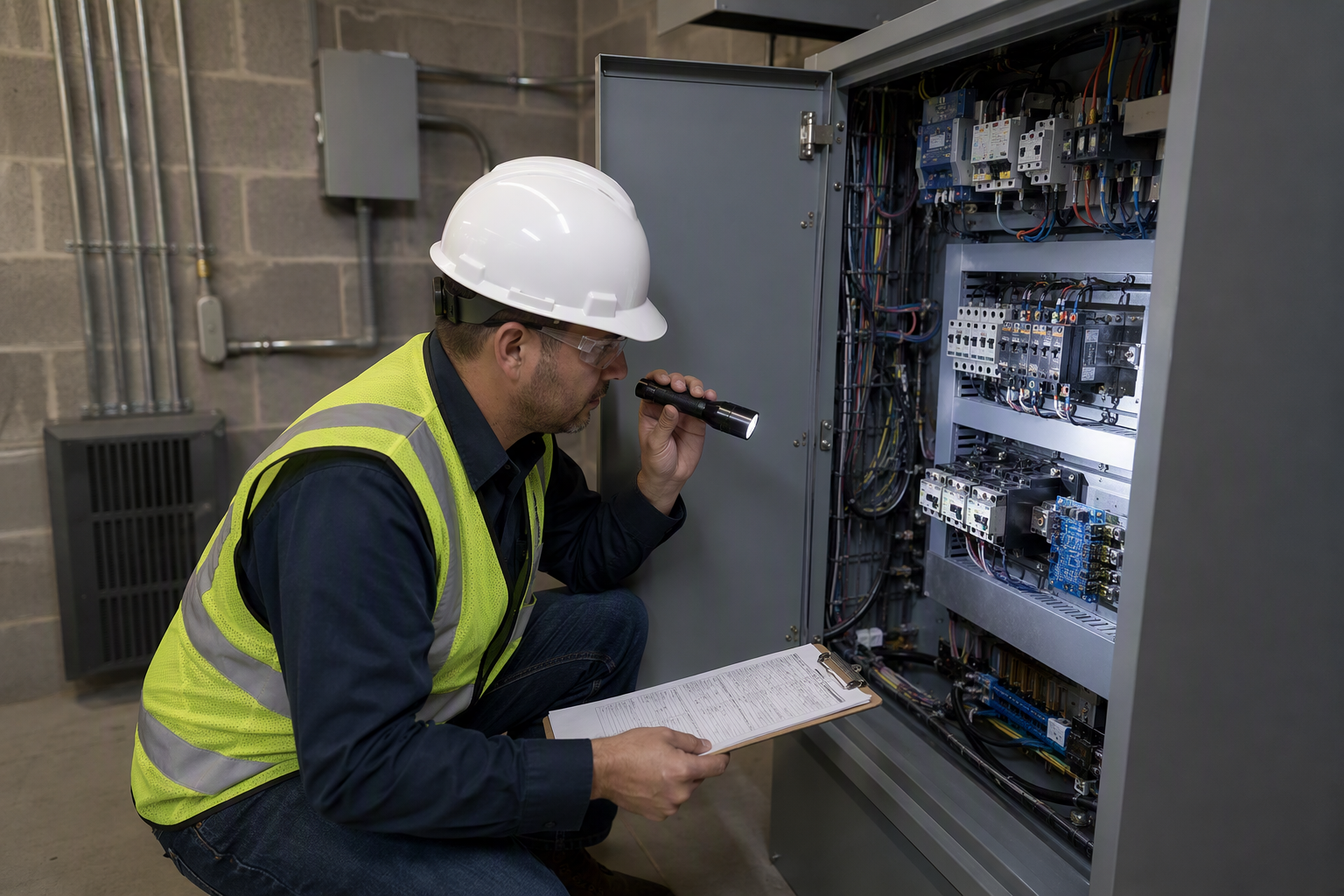
The Arizona Division of Occupational Safety and Health (ADOSH) is the state authority having jurisdiction (AHJ) over elevators in Arizona. ADOSH adopts the ASME A17.1 and ASME A17.3 Safety Code for Existing Elevators and Escalators as the basis for its elevator program. ADOSH:
- Issues certificates of operation for elevators in Arizona
- Schedules and oversees periodic inspections by licensed elevator inspectors
- Enforces corrective action orders when violations are found
- Maintains records of elevator inspection history
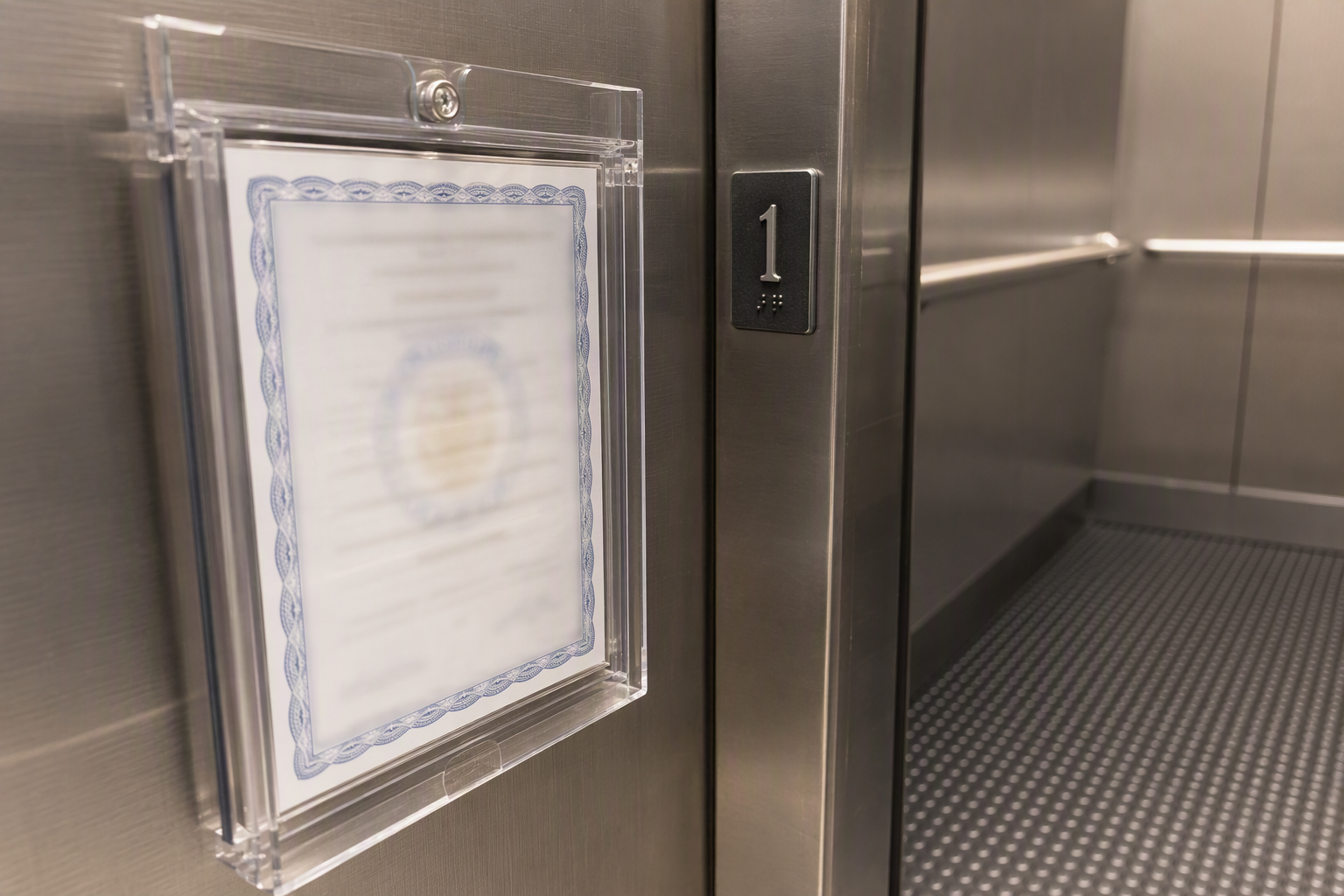
Healthcare facilities must ensure that every elevator has a current, valid Certificate of Operation posted in or near the cab. Allowing a certificate to lapse — even briefly — can create significant regulatory and liability exposure in a healthcare environment.
—
How Often Must Healthcare Facility Elevators Be Inspected in Arizona?
Under Arizona’s ADOSH-administered elevator program, elevators in commercial and healthcare buildings are subject to periodic inspections at intervals defined by the adopted ASME standards. Routine inspections are required annually, while full periodic (Category 1) tests that verify safety device function are also required on a defined schedule under ASME A17.1.
For hydraulic elevators, Category 5 pressure testing is required at longer intervals as specified by ASME A17.1. Healthcare facilities should work with a qualified elevator service company to maintain a testing calendar that ensures no inspection window is missed. Arizona Elevator Solutions helps healthcare clients in Phoenix, Tucson, Scottsdale, and Mesa track and schedule all required tests and inspections to keep certificates current.
—
What ADA Requirements Must Healthcare Elevators Meet?
Healthcare facilities are among the most rigorously ADA-scrutinized building types because they serve patients and visitors who frequently rely on mobility devices, wheelchairs, and powered equipment. Under ADA Standards for Accessible Design, healthcare facility elevators must meet requirements that include:
- Door clear width: Elevator doors must provide a minimum clear opening width sufficient to accommodate standard wheelchairs and medical transport equipment.
- Cab dimensions: The cab interior must meet minimum dimensions to allow a wheelchair user and an attendant to enter, turn, and exit safely.
- Control panel height and reach range: Controls must be mounted within accessible reach range, and all floor buttons must include raised characters and Braille.
- Visual and audible signals: Hall lanterns and in-cab signals must indicate direction of travel; audible announcements of floor numbers are required.
- Emergency two-way communication: Every cab must include a code-compliant, accessible emergency communication device — a critical requirement in a healthcare setting where a patient or visitor may need assistance.
Facilities that fail ADA compliance risk complaints, investigations, and costly retrofits. Proactive assessments by Arizona Elevator Solutions can identify ADA gaps before they become enforcement issues.
—
Are There Special Elevator Requirements for Hospitals Versus Outpatient Clinics in Arizona?
While all commercial elevators in Arizona fall under ADOSH jurisdiction and ASME A17.1, hospitals — particularly those designed for acute patient care — face additional planning requirements driven by building code, fire code, and CMS life safety standards. Key distinctions include:
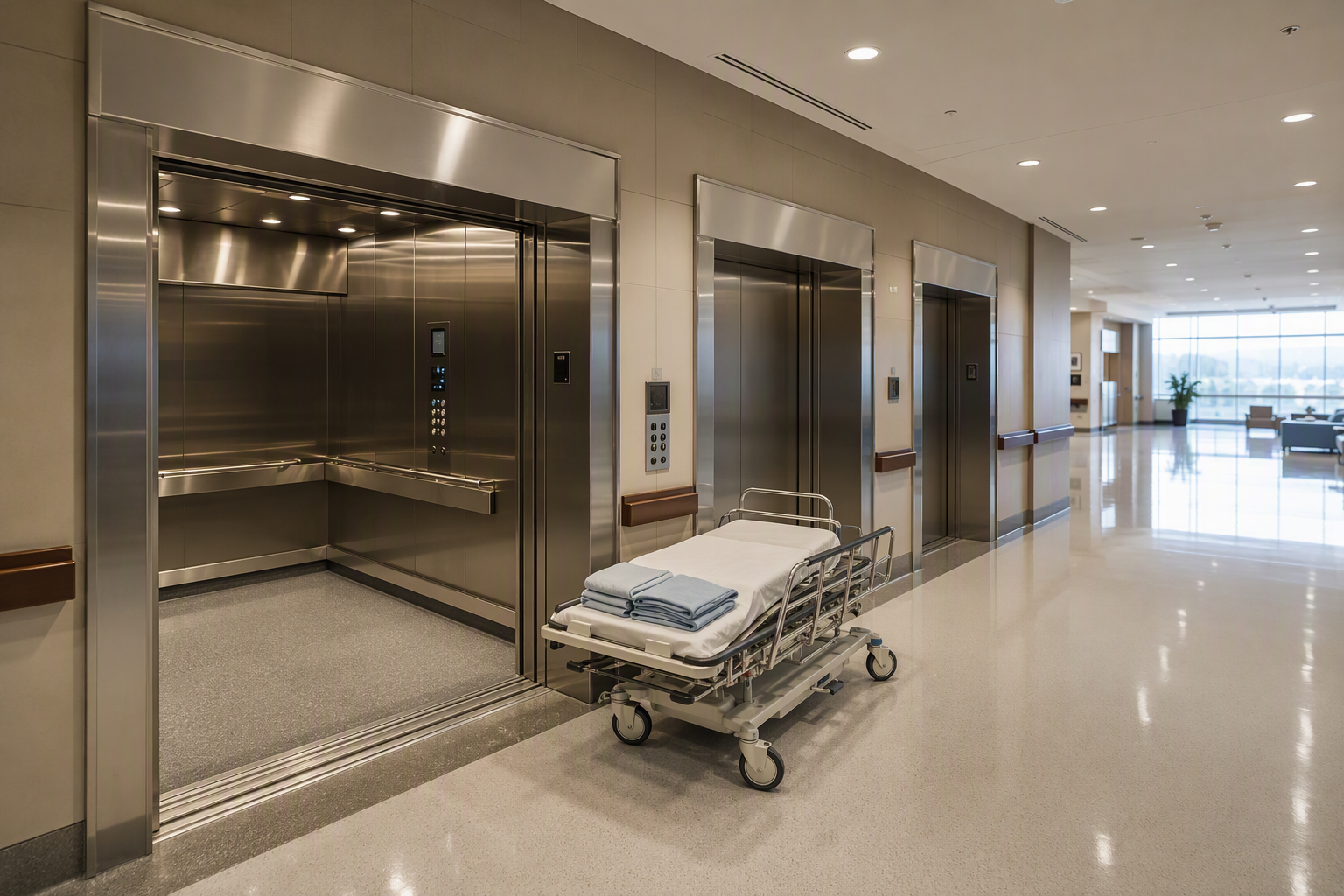
- Gurney or stretcher capacity: Hospitals with inpatient floors typically require at least one elevator in each bank to accommodate a full-size hospital gurney with attendants. This is often driven by the International Building Code as adopted in Arizona, along with CMS facility guidelines.
- Firefighters’ emergency operation: Hospitals must maintain Phase I and Phase II firefighters’ emergency operation on elevators per ASME A17.1, ensuring elevators can be controlled by emergency responders during a fire event.
- Standby power: Many healthcare facilities are required to connect elevators to standby or emergency power systems so that vertical access is maintained during a utility outage — essential in a hospital setting where patient evacuation or transport cannot be interrupted.
- Outpatient clinics: Smaller outpatient or medical office facilities must still meet ADA requirements and ASME A17.1 standards but may have less prescriptive gurney-size mandates depending on occupancy classification and floor count.
—
What Maintenance Obligations Do Arizona Healthcare Facilities Have Between Inspections?
An annual ADOSH inspection is not a substitute for ongoing maintenance. ASME A17.1 requires that elevators be maintained in a safe operating condition at all times. For healthcare facilities, this obligation is amplified by the continuous, high-intensity use elevators experience — often operating around the clock, seven days a week. Maintenance obligations include:
- Keeping a current, signed maintenance contract with a qualified elevator service provider.
- Maintaining a written maintenance log documenting all service visits, lubrication, adjustments, and parts replaced.
- Conducting required periodic tests (Category 1, Category 5 for hydraulic units) within the intervals specified by ASME A17.1 and documenting results.
- Ensuring that any safety device triggering an emergency stop is inspected and cleared by a qualified technician before the elevator returns to service.
- Posting the current Certificate of Operation in the elevator cab or machine room as required by ADOSH.
- Reporting any out-of-service elevator immediately and following ADOSH notification protocols where applicable.
—
What Happens If a Healthcare Facility Elevator Fails an Inspection in Arizona?
When ADOSH determines that an elevator does not meet required standards, the facility receives a written order specifying the violation and a timeline for correction. In cases involving immediate safety hazards, ADOSH has authority to order an elevator taken out of service until the deficiency is resolved. For a healthcare facility, an out-of-service elevator is not merely an inconvenience — it can directly impact patient care, ADA access, and operational continuity.
Corrective actions must be performed by a licensed elevator contractor and may require a follow-up inspection before the elevator is returned to service. Facilities that accumulate unresolved violations risk escalated enforcement action. Partnering with Arizona Elevator Solutions for preventive maintenance significantly reduces the likelihood of inspection failures.
—
What Should Healthcare Facility Managers Do to Prepare for an ADOSH Elevator Inspection?
- Verify that the Certificate of Operation is current and posted in the cab or machine room.
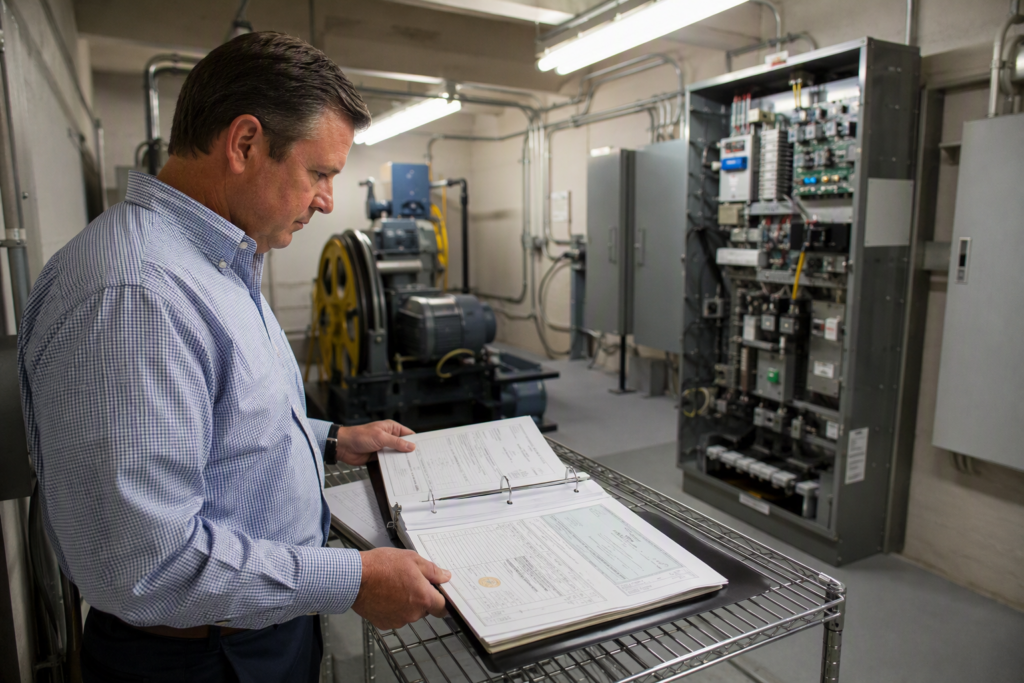
- Locate and organize all maintenance logs and service records for the past inspection cycle.
- Confirm that all required periodic tests (Category 1 and applicable Category 5 tests) have been completed and documented.
- Test emergency lighting, emergency communication, and door reopening devices prior to the inspection date.
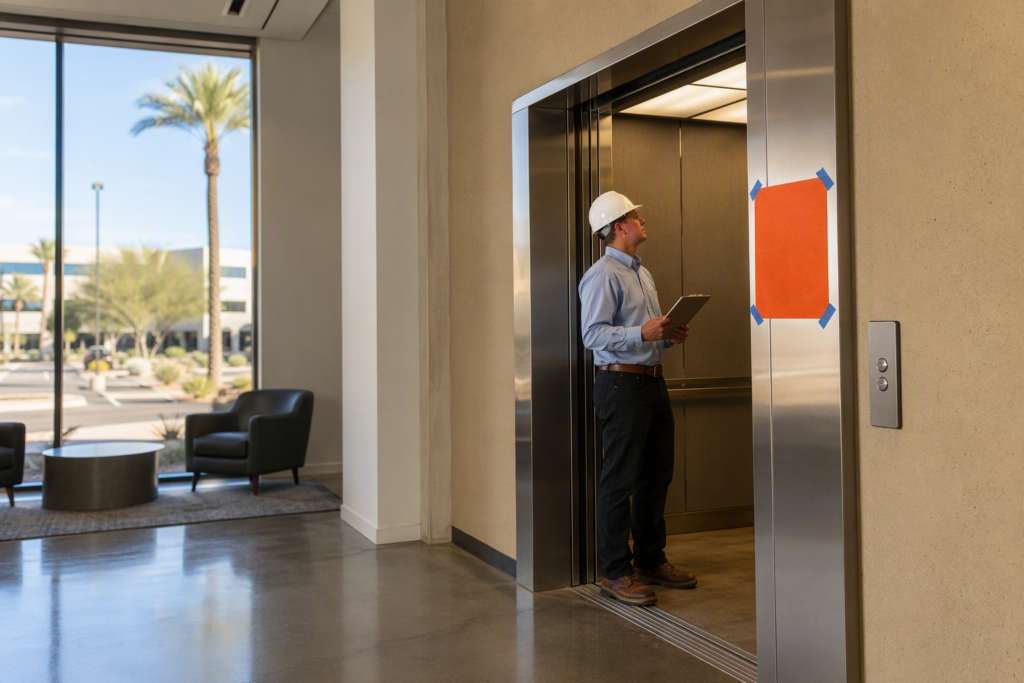
- Walk each elevator cab and machine room to identify any obvious physical deficiencies — lighting, lubrication, worn components, or safety device indicators.
- Ensure firefighters’ emergency operation (Phase I and Phase II) is functional and has been tested.
- Confirm ADA signage, Braille buttons, and audible/visual signals are intact and operational.
- Notify your elevator service provider of the upcoming inspection so a qualified technician is available if questions arise.
—
Questions Your Inspector Will Ask
Arizona healthcare facility managers should be prepared to answer the following questions during an ADOSH elevator inspection or a CMS life safety survey:
- Is your Certificate of Operation current and posted? Inspectors will verify expiration dates immediately.
- Can you provide your maintenance log and service records? Written documentation of all maintenance activity is required.
- When were your Category 1 periodic tests last performed? Inspectors will check test dates against required intervals.
- Has your hydraulic elevator received a Category 5 pressure test within the required period? This test verifies the integrity of the hydraulic cylinder and piping.
- Is firefighters’ emergency operation functional and has it been tested? Phase I and Phase II operation are mandatory safety features in healthcare buildings.
- What is your procedure when an elevator goes out of service? Facilities must demonstrate a documented response protocol.
- Are all ADA-required features — Braille, audible signals, door timing — functioning correctly? CMS surveyors and ADOSH inspectors may both evaluate this.
- Who is your licensed elevator service contractor, and is your contract current? A maintenance contract with a qualified provider is part of the compliance record.
—
How Can Healthcare Facilities in Phoenix, Tucson, Scottsdale, and Mesa Manage Ongoing Elevator Compliance?
The most effective strategy for Arizona healthcare facilities is to treat elevator compliance as a continuous program rather than an annual event. This means maintaining a proactive maintenance schedule, tracking all required test intervals, and working with a service provider who understands the specific demands of healthcare environments.
Arizona Elevator Solutions serves healthcare facilities throughout the Phoenix metro area, Tucson, Scottsdale, and Mesa, providing maintenance, compliance support, and coordination with ADOSH inspection requirements. The team understands that in a healthcare setting, elevator downtime is measured not just in inconvenience but in patient safety and regulatory risk.
Facilities that operate under Joint Commission accreditation or CMS oversight should also be aware that elevator compliance documentation may be reviewed during broader facility surveys, making thorough record-keeping as important as the physical condition of the equipment itself.
—
Get a Free Elevator Compliance Assessment for Your Healthcare Facility
Keeping patients, staff, and visitors safe means keeping your elevators fully compliant with Arizona ADOSH requirements, ASME A17.1 standards, and ADA obligations. Whether your facility is in Phoenix, Tucson, Scottsdale, or Mesa, Arizona Elevator Solutions can evaluate your current compliance status and help you build a program that keeps every elevator inspection-ready.
Contact Arizona Elevator Solutions for a free elevator assessment: 480-319-7157
Need elevator service you can rely on? Arizona Elevator Solutions is ready to help.