Elevator Service in Phoenix, AZ | Arizona Elevator Solutions
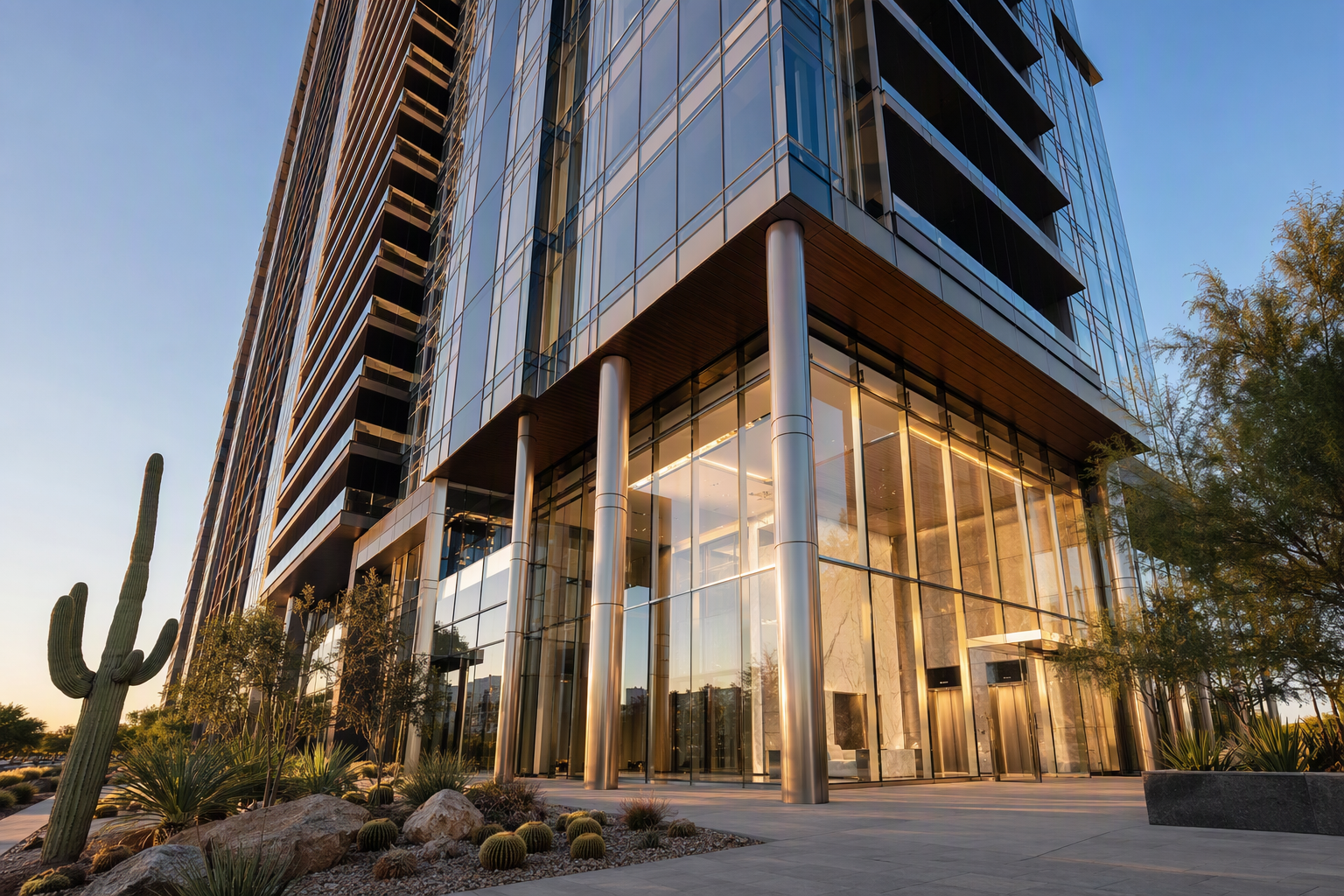
Phoenix, AZ is one of the fastest-growing major cities in the United States, and its skyline reflects that growth — high-rise office towers, luxury residential buildings, medical campuses, hospitality properties, and mixed-use developments all depend on reliable vertical transportation. Finding an elevator company that understands both the technical demands of modern equipment and the regulatory landscape specific to Arizona is essential for any property owner or facility manager in the Valley.
Arizona Elevator Solutions is a certified elevator service company serving Phoenix and communities across Arizona. The team supports building owners through every phase of an elevator’s lifecycle — from initial installation and code compliance through ongoing preventive maintenance, modernization, and emergency service.
What Elevator Services Are Available in Phoenix, AZ?
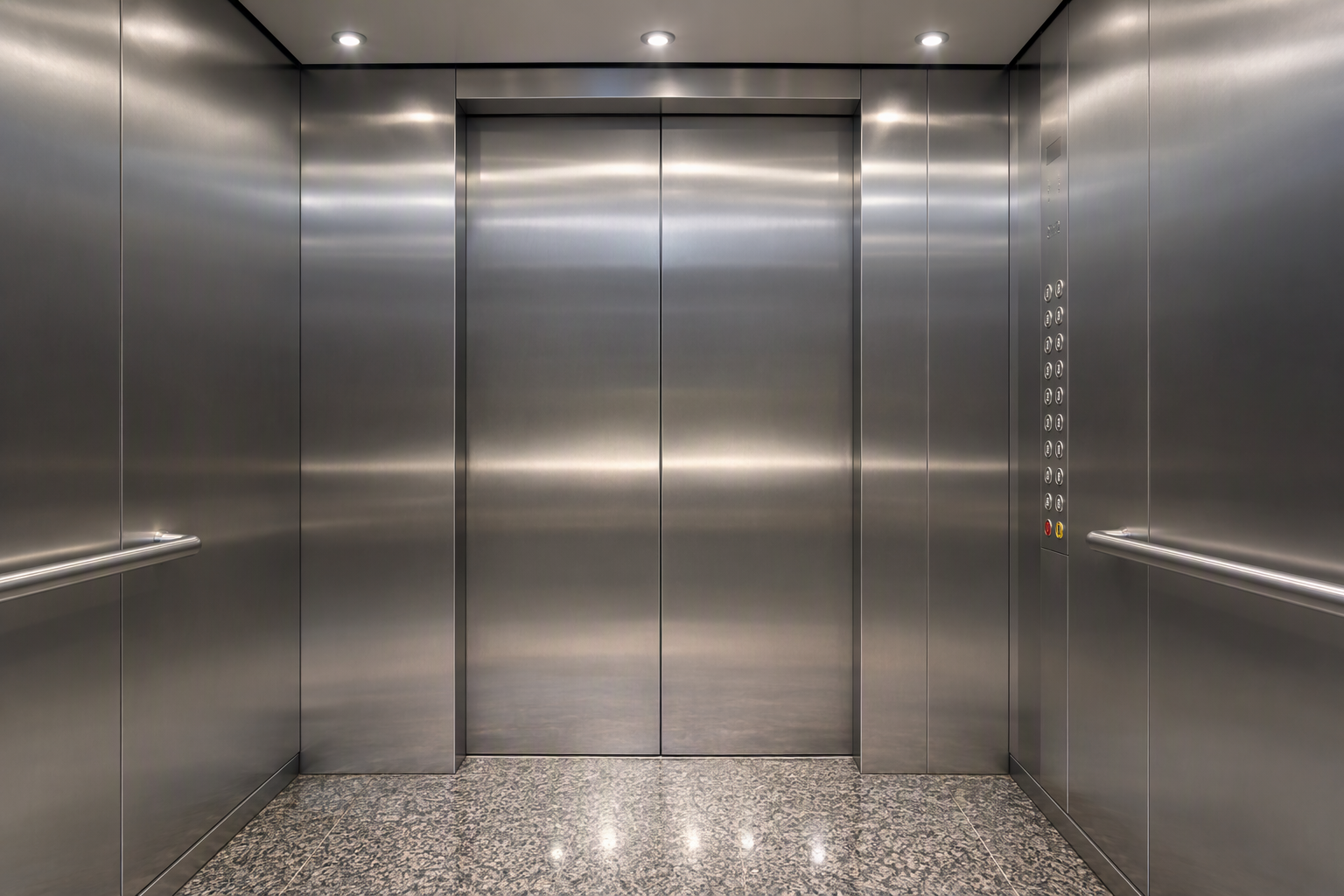
Property owners and facility managers in Phoenix can access a full range of elevator services through Arizona Elevator Solutions, including:
- New elevator installation — Properly permitted, engineered, and installed in compliance with the ASME A17.1/CSA B44 Safety Code for Elevators and Escalators (2019 edition, effective in Arizona for equipment installed on or after January 1, 2023)
- Preventive maintenance programs — Scheduled service to keep equipment operating safely and reliably between required inspections
- Modernization and upgrades — Replacing aging components, control systems, and cab interiors to extend equipment life and improve performance
- Code compliance consulting — Helping owners understand their obligations under Arizona statutes and local Phoenix requirements
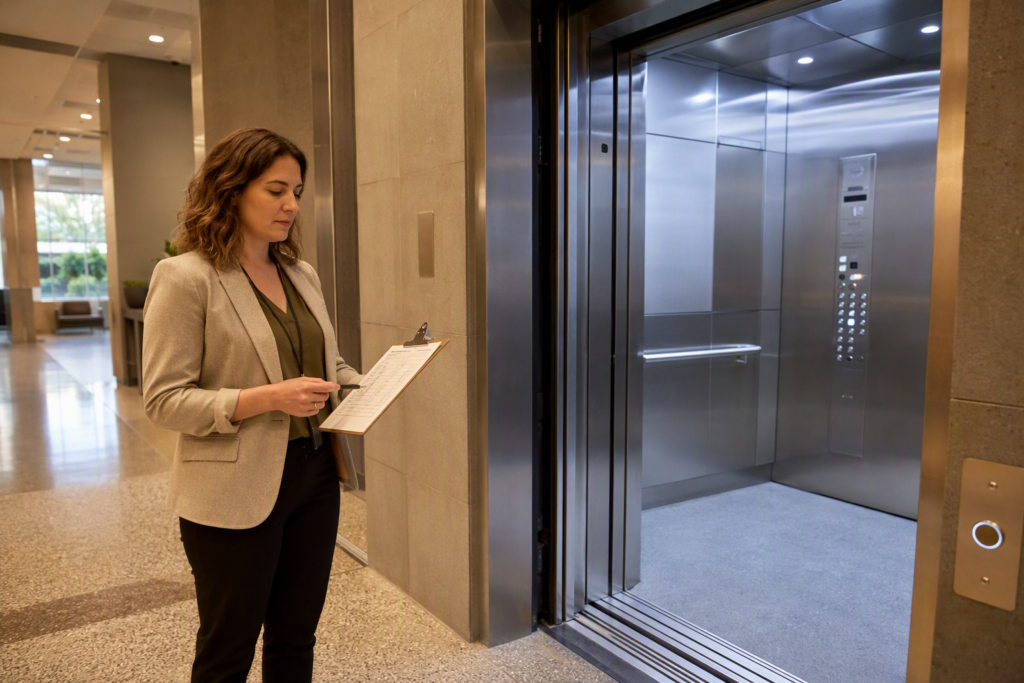
- Inspection coordination — Supporting owners through the inspection process required before a conveyance enters service, after any alteration, and annually thereafter
- Emergency repair service — Available to address unplanned equipment failures and safety concerns
- Accessibility upgrades — Ensuring equipment meets standards under the Americans with Disabilities Act (ADA)
- Platform lifts and stairway chairlifts — Installation and service for equipment that must comply with ASME A18.1-2020 when installed, repaired, or altered on or after January 1, 2023
Who Regulates Elevators in Phoenix, AZ?
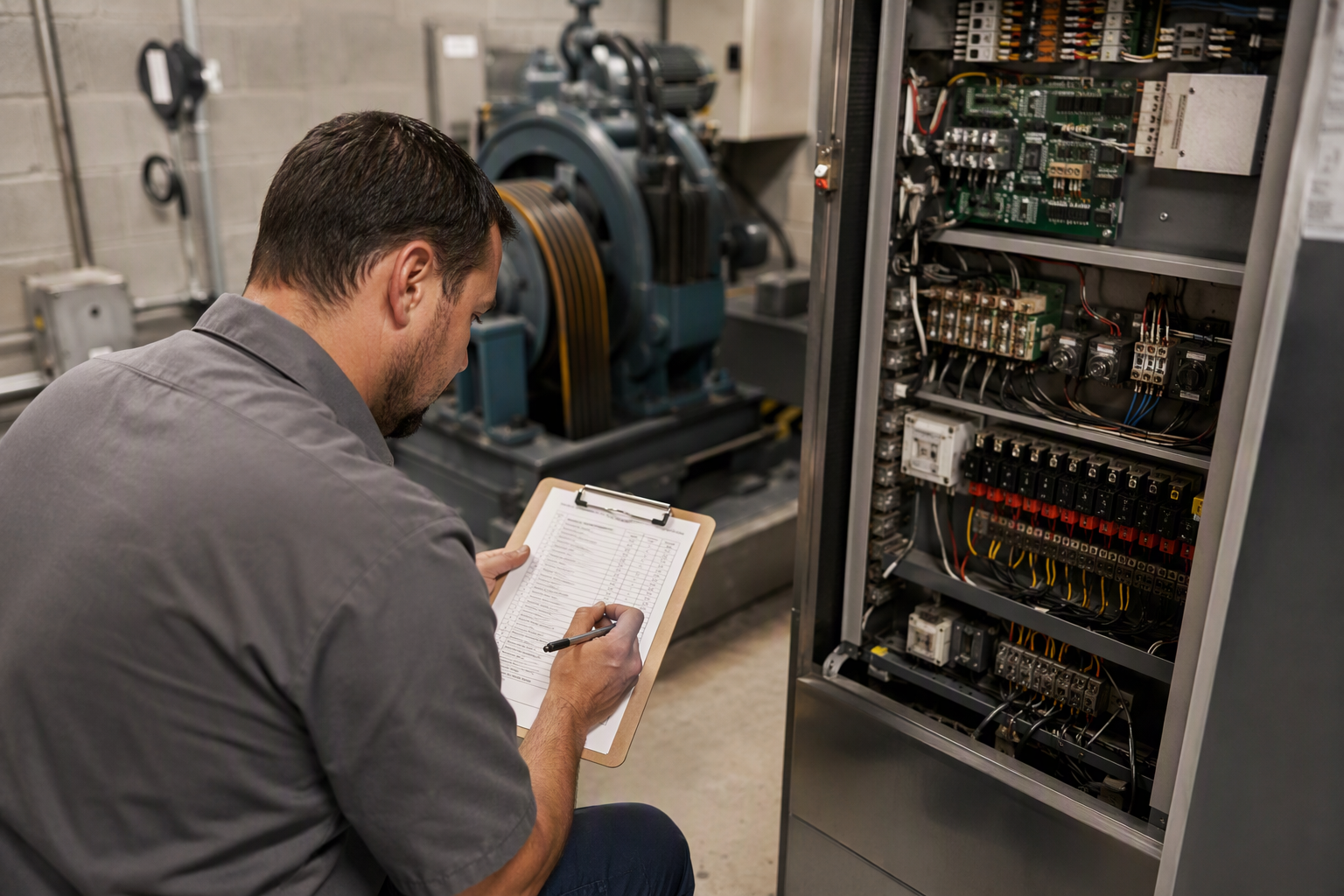
Elevator regulation in Arizona operates at both the state and local levels, and Phoenix property owners must satisfy requirements from both authorities.
State regulator: As of September 12, 2026, elevator safety in Arizona is administered by the Industrial Commission of Arizona (ICA), Elevator Division — formerly known as the ADOSH Elevator Safety Section prior to that date. The division oversees compliance with A.R.S. §§ 23-491 through 23-491.16 (Safety Conditions for Elevators and Similar Conveyances), as amended by Laws 2026, Ch. 73, and with Arizona Administrative Code R20-5-502 through R20-5-515.
Local authority in Phoenix: The City of Phoenix Elevator Section, within the Planning and Development Department, inspects elevators, escalators, moving walks, dumbwaiters, and chair lifts located inside city limits. Equipment located outside Phoenix city limits falls under state jurisdiction.
Contractor licensing: The Arizona Registrar of Contractors (ROC) issues R-12 and C-12 elevator contractor license classifications, which authorize the licensee to install and repair elevators, dumbwaiters, escalators, and moving walks. Note that the ROC licenses contractors but does not issue the annual certificate of inspection — that certificate comes from the state.
What Are Arizona’s Elevator Inspection Requirements?
Arizona law imposes clear inspection obligations on elevator owners and operators. Key requirements include:
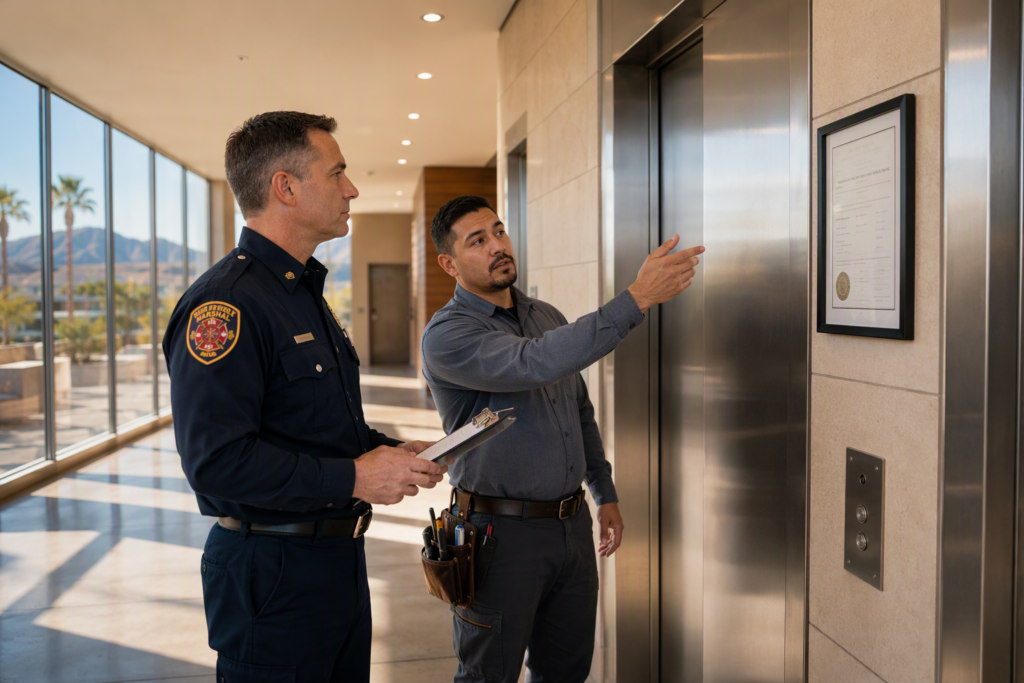
- Every conveyance must be inspected before it first goes into service, after any modification or alteration, and annually thereafter.
- No conveyance may operate in Arizona without an annual certificate of inspection issued by the state.
- The certificate of inspection must be kept at the same location as the conveyance and made available upon request.
- The state serial number or the certificate must be posted in or close to the conveyance in an easily accessible location.
- Every Arizona conveyance is assigned a state serial number, displayed on a tag fixed to the controller or mainline disconnect.
- Owners must notify the state at least 90 days before installing, relocating, or altering a conveyance.
- Owners must notify the state within 24 hours of any accident that injures a person or disables a conveyance.
Arizona owners may hire a private elevator inspector authorized by the Industrial Commission of Arizona to conduct initial or annual inspections. However, using a private inspector does not relieve the owner or operator of their legal obligations. Private inspectors must register with the commission annually and demonstrate at least eight hours of approved continuing education. A private inspector may not inspect equipment that the inspector, a company the inspector owns, or the inspector’s employer owns, operates, or last serviced.
Conveyances equipped with firefighters’ emergency operation must use the Arizona Firefighters Service (AZFS) key.
What Code Standards Apply to Elevators in Phoenix?
Arizona has adopted the ASME A17.1/CSA B44 Safety Code for Elevators and Escalators, 2019 edition, for equipment installed, repaired, or altered on or after January 1, 2023, effective January 9, 2023. This is the governing technical standard for elevator design, installation, maintenance, and inspection across Arizona, including Phoenix.
Platform lifts and stairway chairlifts installed, repaired, or altered on or after January 1, 2023 must comply with ASME A18.1-2020.
Lawfully installed older conveyances may remain in service unless the state’s elevator chief determines that continued use poses a hazard to life, health, or property. Arizona Elevator Solutions helps owners of legacy equipment evaluate their systems and plan modernization strategies that extend equipment life while managing compliance risk.
Federal accessibility requirements under the ADA and workplace safety requirements under OSHA also apply to many Phoenix properties and should be considered alongside state and local code requirements.
What Types of Properties in Phoenix Require Elevator Service?
Vertical transportation equipment is found across a wide range of Phoenix-area property types. Arizona Elevator Solutions serves building owners and facility teams in sectors including:
- Commercial office buildings — High-rises and mid-rise towers throughout downtown Phoenix and suburban business parks
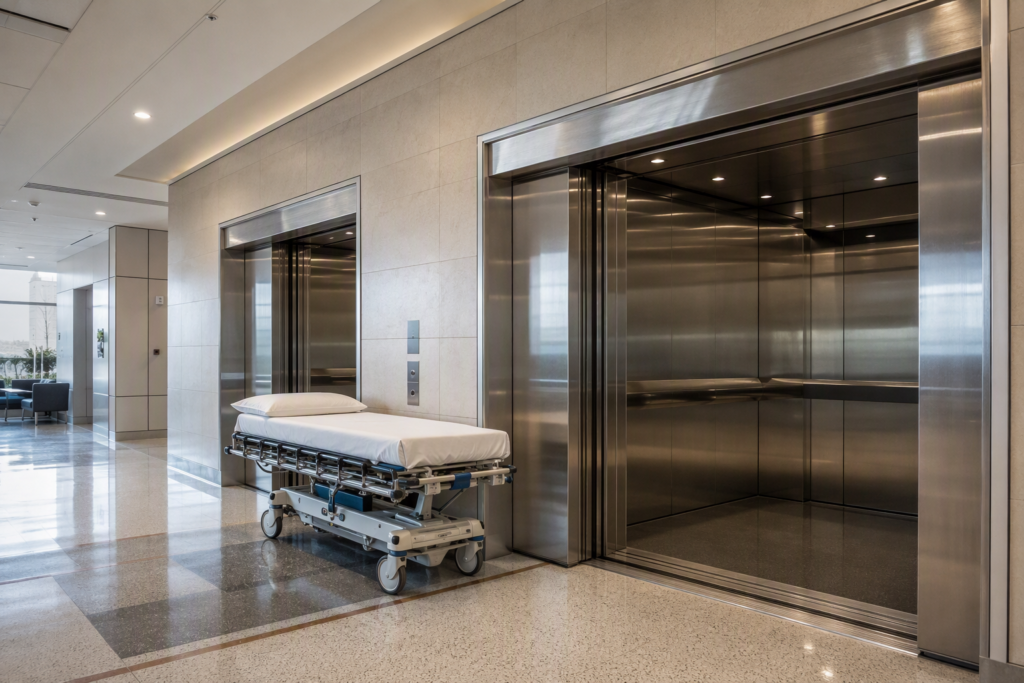
- Healthcare and medical facilities — Hospitals, outpatient centers, and medical office buildings where elevator reliability directly affects patient care
- Multifamily and residential — Luxury apartments, condominiums, senior living communities, and assisted living facilities
- Hospitality — Hotels and resorts that depend on seamless guest experiences
- Retail and mixed-use developments — Shopping centers and urban mixed-use projects with escalators, moving walks, and passenger elevators
- Government and institutional buildings — Public-sector facilities with strict compliance and accessibility obligations
- Industrial and warehouse facilities — Freight elevators and material lifts supporting logistics and manufacturing operations
What Should a Phoenix Building Owner Do After an Elevator Incident?
If an elevator incident occurs on a Phoenix property, the law imposes time-sensitive obligations. The following steps reflect requirements under Arizona law and general best practices for building owners and managers:
- Ensure occupant safety. Immediately address the safety of anyone affected by the incident, including contacting emergency services if there are injuries or a person is trapped.
- Take the equipment out of service. Do not allow the affected conveyance to resume operation until it has been inspected and cleared by a qualified professional.
- Notify the state within 24 hours. Arizona law requires owners to report any accident that injures a person or disables a conveyance to the Industrial Commission of Arizona, Elevator Division within 24 hours.
- Contact your elevator service provider. Engage a qualified elevator company to assess the equipment, identify the cause of the incident, and perform any required repairs.
- Document the incident thoroughly. Preserve records of what occurred, what was observed, and all communications with regulators and service providers.
- Coordinate any required post-incident inspection. Depending on the nature of the incident, an inspection may be required before the conveyance returns to service. Arizona Elevator Solutions can help coordinate this process.
How Does Elevator Modernization Help Phoenix Property Owners Stay Competitive?
Many commercial and multifamily properties in Phoenix operate elevators that were installed years or decades ago. While lawfully installed older equipment may legally remain in service absent a specific hazard determination, aging systems create operational, liability, and competitive risks that modernization can address.
Modernization projects can include control system upgrades, cab interior renovations, door operator replacements, drive system upgrades, and accessibility improvements. Beyond bringing systems closer to current code standards, modernization typically improves energy efficiency, reduces maintenance frequency, and enhances the user experience for tenants, guests, and visitors.
Arizona Elevator Solutions works with Phoenix property owners to assess existing equipment, prioritize improvements, and develop phased modernization plans that align with budget cycles and operational needs.
How Do Phoenix Property Owners Choose the Right Elevator Company?
Selecting an elevator service company in Phoenix involves evaluating several important factors:
- Proper licensing: Confirm the contractor holds the appropriate R-12 or C-12 license classification from the Arizona Registrar of Contractors.
- Familiarity with local requirements: A company that understands both the City of Phoenix Elevator Section’s processes and the Industrial Commission of Arizona’s requirements can navigate the dual-authority environment efficiently.
- Full-lifecycle capability: Companies that handle installation, maintenance, modernization, and emergency response can serve as long-term partners rather than single-transaction vendors.
- Transparent service agreements: Review maintenance contracts carefully, including what is and is not covered, how service calls are dispatched, and how inspection coordination is handled.
- Communication and responsiveness: Elevator equipment affects building operations directly — a service partner should be reachable and communicative when issues arise.
Arizona Elevator Solutions is a locally focused, certified elevator service company with deep familiarity with the Phoenix market and Arizona’s regulatory environment.
Schedule a Free Consultation with Arizona Elevator Solutions
Whether a Phoenix property owner is planning a new installation, navigating an upcoming annual inspection, considering a modernization project, or dealing with an equipment concern, Arizona Elevator Solutions is ready to help.
Contact the team today to schedule a free consultation and discuss the specific needs of your property.
Call Arizona Elevator Solutions: 480-557-7600
Arizona Elevator Solutions — Serving Phoenix and communities throughout Arizona with certified elevator installation, maintenance, modernization, and compliance support.
Need elevator service you can rely on? Arizona Elevator Solutions is ready to help.