Elevator Service in Phoenix, AZ | Arizona Elevator Solutions
Elevator safety code compliance is one of the most consequential responsibilities a Phoenix property owner or facility manager faces. Non-compliant elevators expose occupants to risk, expose owners to liability, and can result in state-ordered shutdowns that disrupt operations. Arizona Elevator Solutions partners with building owners, property managers, HOAs, healthcare facilities, and commercial developers across the Phoenix metro area to navigate every layer of compliance — from initial inspection scheduling to ongoing maintenance programs aligned with current code editions.
What Does Elevator Safety Code Compliance Mean in Arizona?
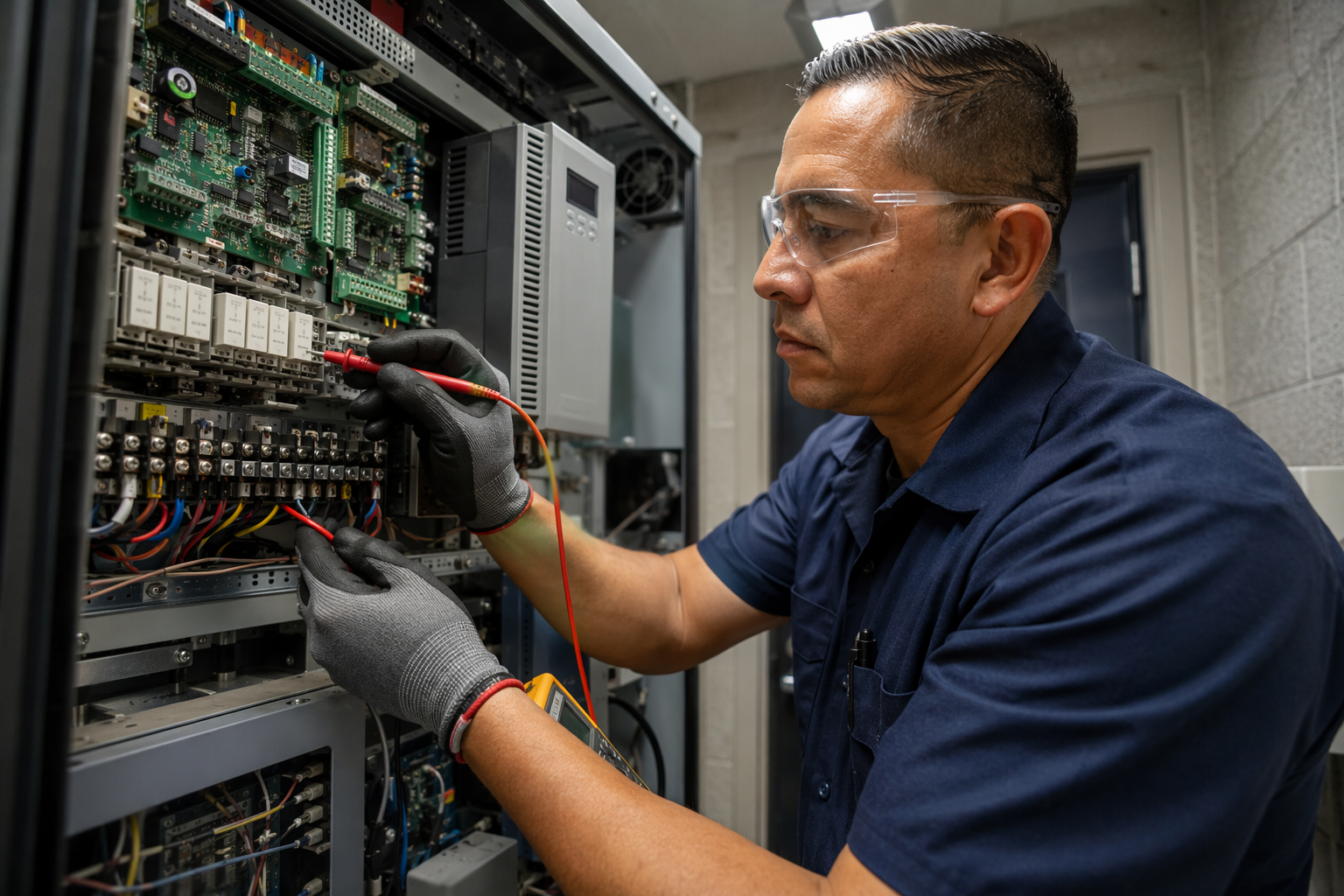
In Arizona, elevator safety compliance means conforming to the standards adopted by the Arizona Department of Occupational Safety and Health (ADOSH), which administers the state’s elevator safety program. Arizona has adopted a version of the ASME A17.1 Safety Code for Elevators and Escalators as the foundational technical standard governing elevator design, installation, alteration, and maintenance in the state.
Compliance encompasses several distinct obligations:
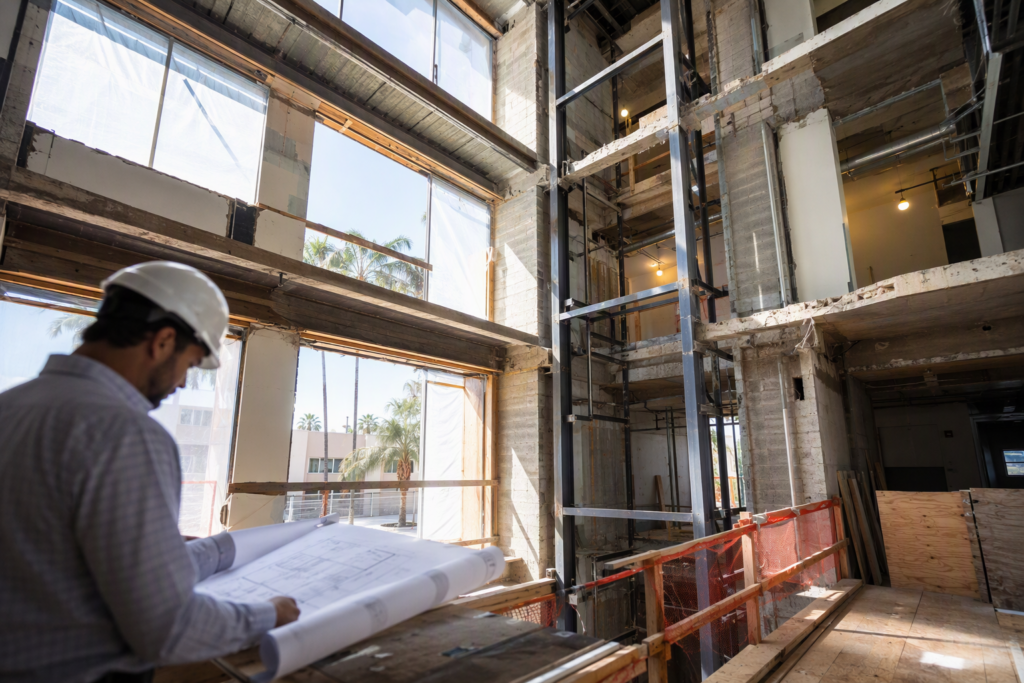
- Permits and plan review before new installations or major alterations begin
- Periodic inspections conducted by state-licensed inspectors at intervals established by ADOSH
- Maintenance documentation demonstrating that qualified personnel are servicing equipment on a schedule consistent with the ASME standard
- Violation correction within timelines specified in any inspection report or compliance order
- Accessibility compliance under the Americans with Disabilities Act (ADA), which applies to elevators serving public accommodations and commercial facilities
Because Arizona enforces these requirements at the state level through ADOSH rather than delegating fully to individual municipalities, Phoenix property owners work within a consistent statewide framework — though local building departments may impose additional requirements during permitting for new construction or renovation projects.
What Is the ASME A17.1 Code and Why Does It Apply to Your Building?
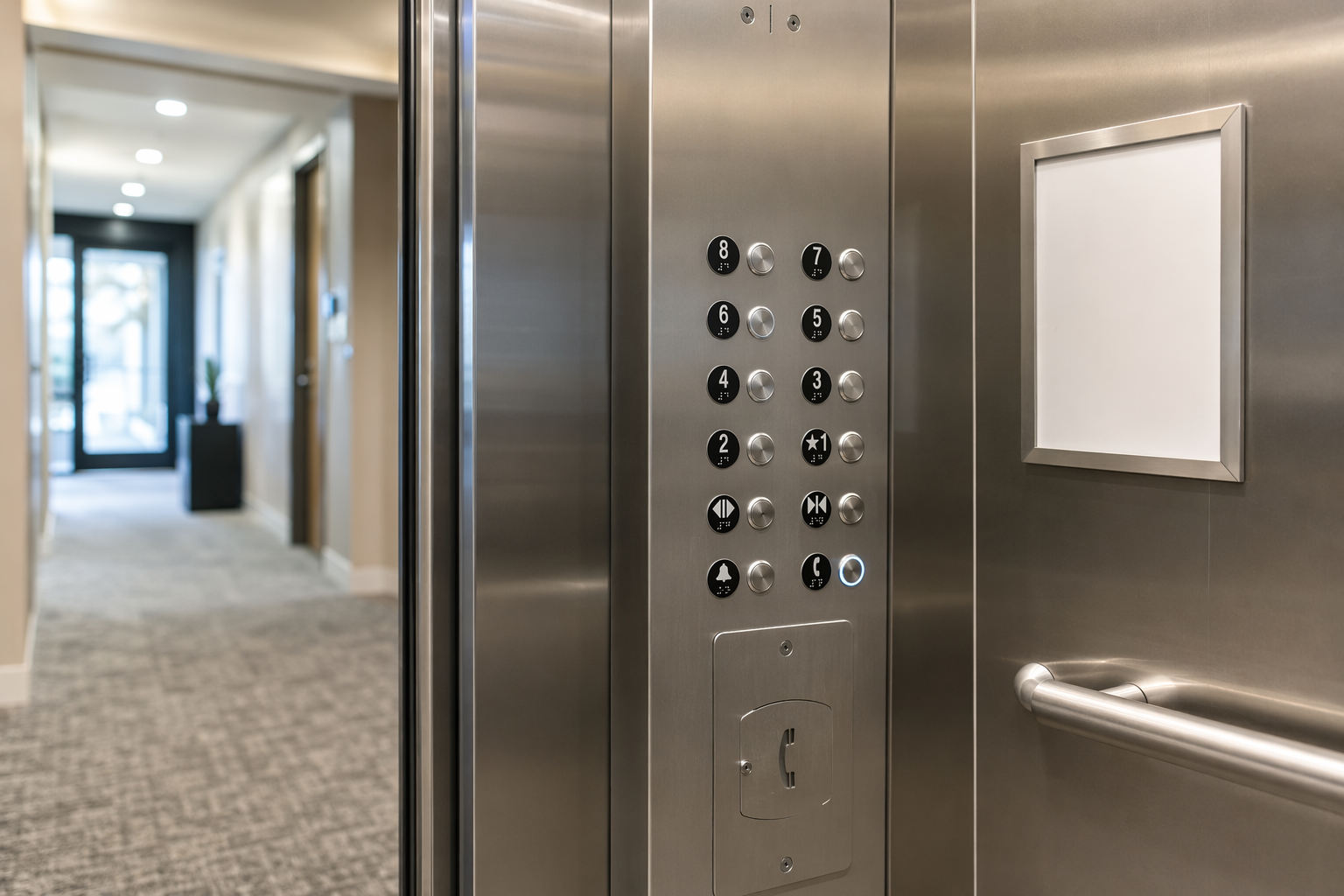
The ASME A17.1 Safety Code for Elevators and Escalators is the primary model code used across the United States and Canada to govern elevator safety. It covers traction elevators, hydraulic elevators, escalators, moving walks, platform lifts, and related conveyance equipment. Arizona’s adoption of this standard means that technical requirements in the code — covering everything from hoistway construction and machine room conditions to car lighting, door operation, and load testing — carry the force of state law.
For 2026, property owners should confirm with their service provider which edition of ASME A17.1 their jurisdiction has adopted, as state adoptions can lag behind the most current published edition. Arizona Elevator Solutions stays current on the adopted edition enforced by ADOSH so clients receive guidance that reflects actual compliance requirements rather than aspirational standards.
Equally important is ASME A17.3, the Safety Code for Existing Elevators and Escalators, which establishes requirements for bringing older equipment into conformance. Many Phoenix buildings with elevators installed decades ago have retrofit obligations under A17.3 that are separate from routine maintenance requirements.
How Often Do Elevators Need to Be Inspected in Arizona?
ADOSH requires periodic inspections of elevators and other conveyances operating in Arizona. Inspection frequency is tied to equipment type and use classification. While the exact intervals are set by state rule and the adopted ASME standard, inspections are generally required on an annual basis for most commercial elevators, with additional testing requirements for specific components such as hydraulic cylinders, safeties, and buffers on longer cycles.
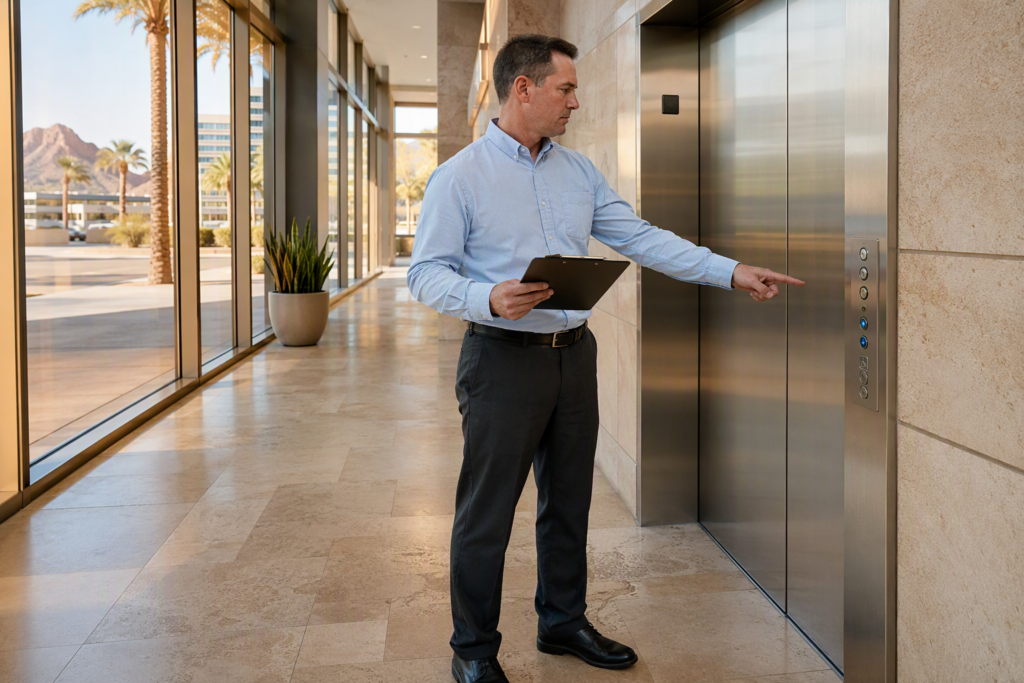
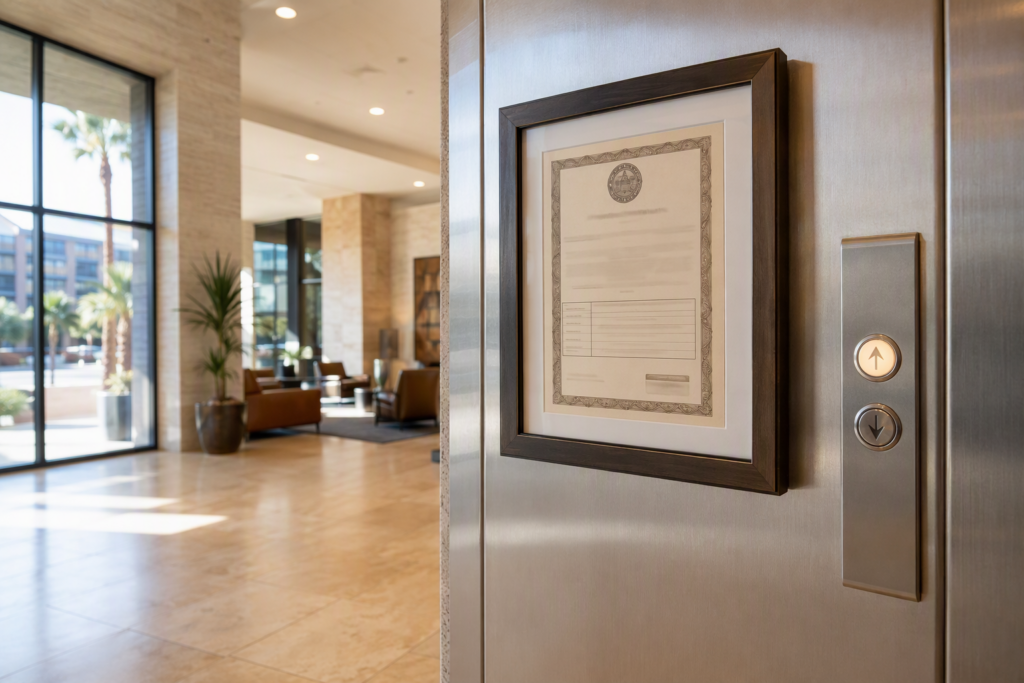
Property owners are responsible for ensuring their equipment is ready for inspection and for scheduling with a licensed inspector. Failing an inspection, or allowing a certificate of operation to lapse, can result in an order to cease operation until deficiencies are corrected. Arizona Elevator Solutions assists clients in preparing equipment for inspection, coordinating with inspectors, and resolving any deficiencies noted in inspection reports.
What Are the ADA Requirements for Elevators in Phoenix Commercial Buildings?
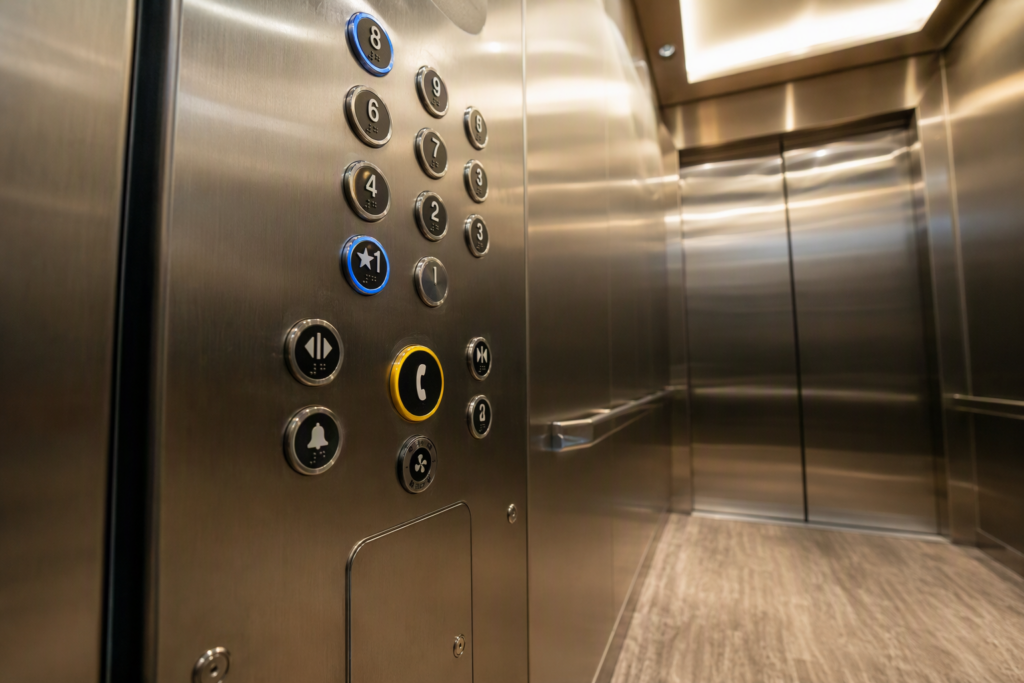
The Americans with Disabilities Act requires that elevators serving public accommodations and commercial facilities meet accessibility standards covering car dimensions, door clear widths, floor surfaces, control panel height and button specifications, audible signals, Braille markings, and more. In Phoenix, these requirements apply to a wide range of properties — office towers, retail centers, medical facilities, hotels, and multi-family residential buildings subject to ADA or the Fair Housing Act.
ADA compliance is distinct from ASME mechanical safety compliance, and a building can pass a state safety inspection while still carrying ADA deficiencies that expose the owner to civil liability. Arizona Elevator Solutions evaluates both dimensions during service visits, noting accessibility concerns alongside mechanical issues so clients have a complete picture of their compliance posture.
What Should a Property Manager Do Immediately After a Failed Elevator Inspection?
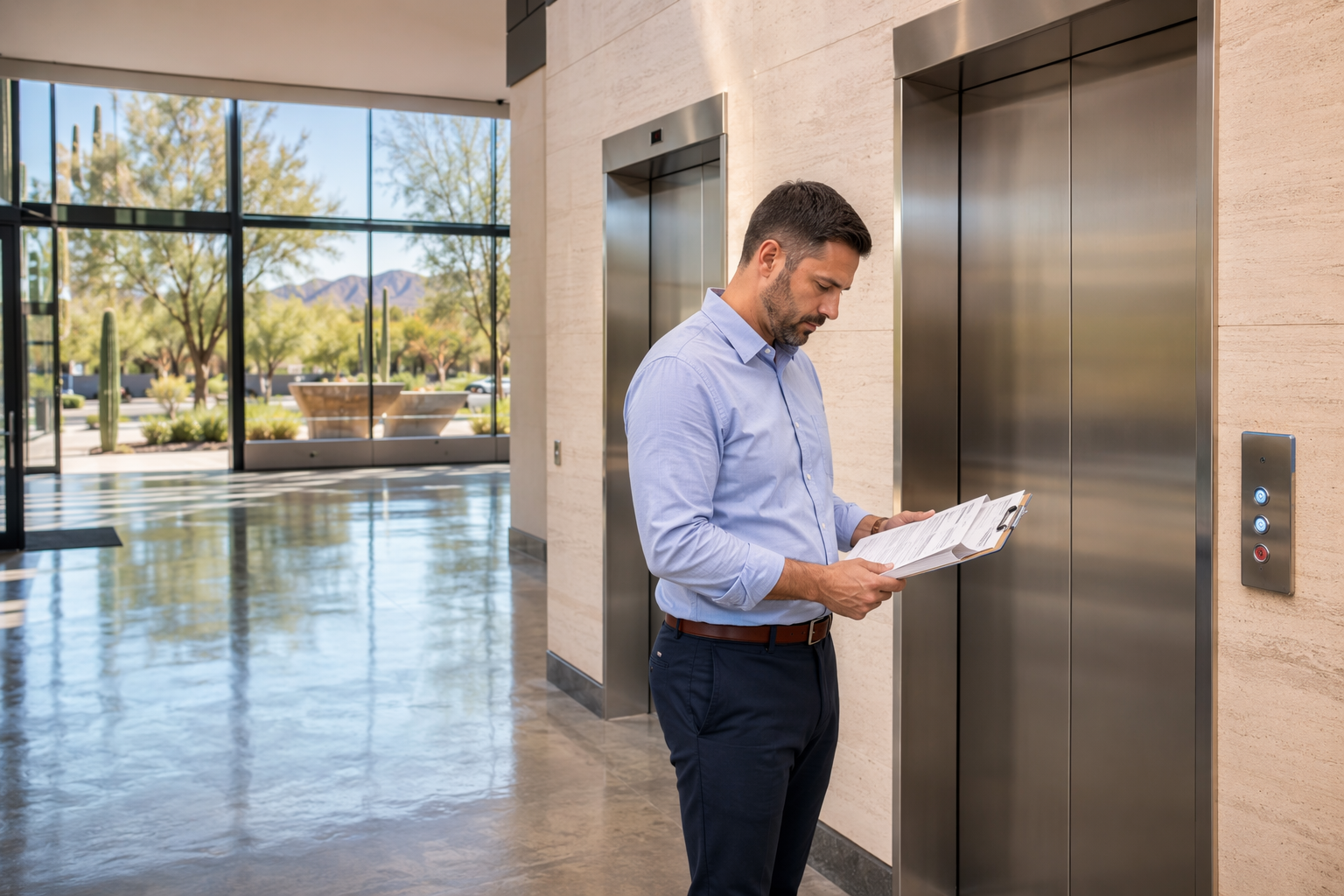
- Review the inspection report carefully. Identify whether deficiencies are classified as immediately dangerous (requiring shutdown) or correctable within a specified timeframe.
- Post required notices. If the elevator must be taken out of service, post clearly visible out-of-service notices at all landings and ensure alternative accessible routes are available.
- Contact a qualified elevator service company. Engage a licensed elevator contractor promptly to assess the cited deficiencies and provide a written scope of corrective work.
- Document all communications. Retain written records of all correspondence with the inspector, the service contractor, and ADOSH regarding the deficiency and planned corrections.
- Schedule corrective work. Prioritize repairs to address all cited violations within the compliance timeframe stated in the report.
- Request a follow-up inspection. Once repairs are complete, coordinate with ADOSH or the authorized inspector for a re-inspection and certificate reinstatement.
- Review your maintenance program. Use the failed inspection as an opportunity to evaluate whether your current service agreement is providing adequate preventive maintenance to avoid recurrence.
Does OSHA Play a Role in Elevator Safety Compliance?
Yes. While ADOSH administers the state elevator safety program for public use elevators, OSHA standards apply to elevators used in construction and to the safety of elevator maintenance and repair workers. Employers who require workers to enter hoistways, machine rooms, or pits have obligations under OSHA’s general industry and construction standards regarding lockout/tagout, fall protection, and confined space entry, among others.
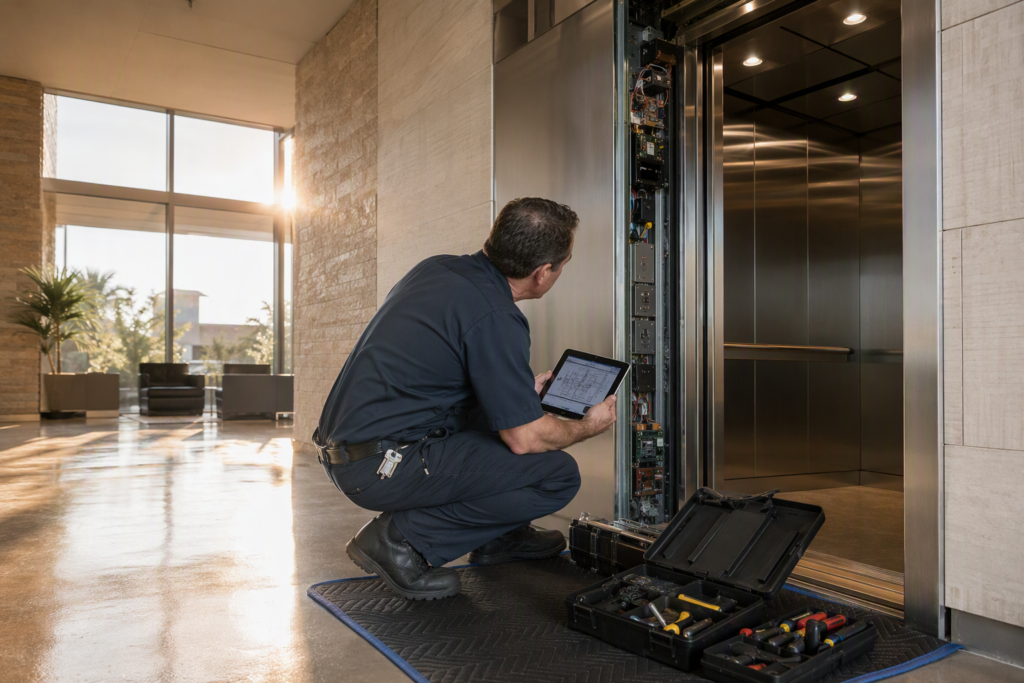
For Phoenix employers managing facilities with elevators, understanding the boundary between the state elevator safety program and OSHA worker safety obligations is important. Arizona Elevator Solutions technicians follow established safety protocols consistent with applicable OSHA requirements when performing service work, protecting both workers and building occupants.
How Does Preventive Maintenance Connect to Code Compliance?
The ASME A17.1 Safety Code for Elevators and Escalators requires that elevators be maintained in a safe operating condition and that maintenance be performed by qualified personnel. This is not merely a best practice — it is a code obligation. A maintenance log demonstrating regular, documented service is evidence of compliance and can be essential when responding to a regulatory inquiry or liability claim.
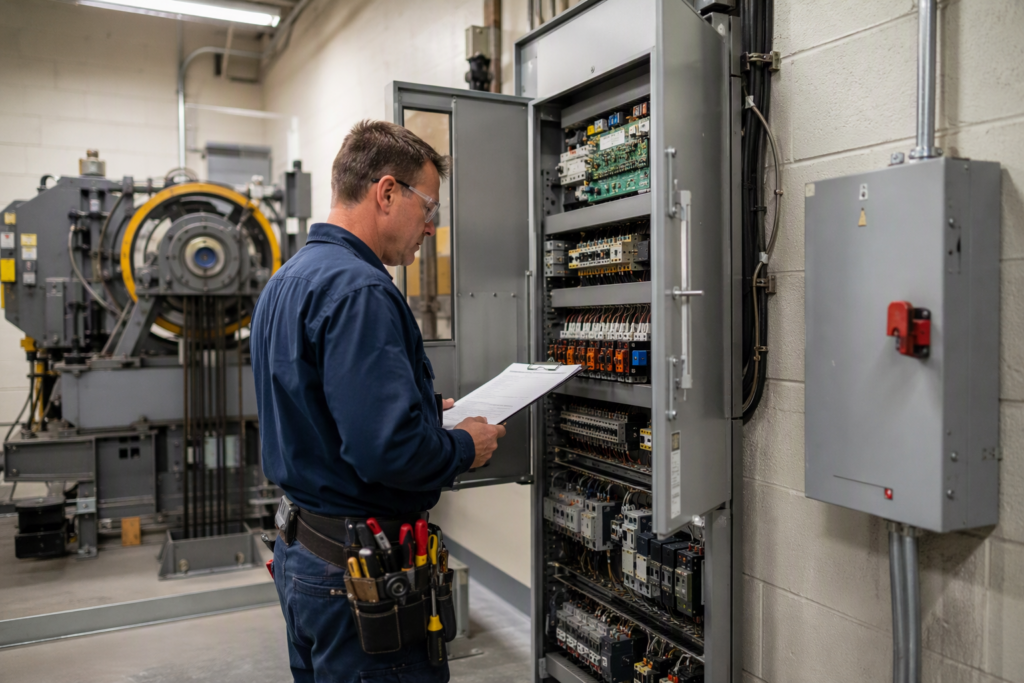
Preventive maintenance programs typically include lubrication, adjustment, and inspection of drive systems, door operators, safety devices, controls, and structural components. Well-maintained equipment is also significantly less likely to generate the kind of mechanical failures that result in inspection deficiencies, emergency callbacks, or passenger incidents.
Arizona Elevator Solutions structures maintenance agreements to align with the requirements of the adopted ASME standard and the operational demands of Phoenix properties — from high-rise office buildings and hospitality properties in downtown Phoenix to medical campuses in Scottsdale and Tempe, and residential communities throughout the Valley.
What Types of Buildings and Markets Does Arizona Elevator Solutions Serve in the Phoenix Area?
Arizona Elevator Solutions provides elevator safety, maintenance, modernization, and compliance services to a broad range of property types across the Phoenix metropolitan area, including:
- Commercial office buildings and mixed-use developments
- Healthcare facilities, medical office buildings, and hospitals
- Hospitality properties and hotels
- Retail centers and shopping properties
- Multi-family residential communities and HOA-managed properties
- Government and municipal facilities
- Educational institutions
- Industrial and warehouse properties requiring freight elevator service
The Phoenix market presents specific environmental factors — extreme summer heat, monsoon humidity cycles, and dust — that can accelerate wear on elevator mechanical and electrical components. Arizona Elevator Solutions brings localized knowledge of how these conditions affect equipment performance and compliance readiness, tailoring service programs accordingly.
When questions arise about compliance status, inspection preparation, or corrective repairs, Arizona Elevator Solutions is available to respond. Emergency service requests are handled with urgency, and the team is reachable around the clock for situations involving equipment that poses an immediate safety concern.
Schedule a Free Consultation
Ensuring elevator safety code compliance in Phoenix protects occupants, limits liability, and keeps operations running without regulatory interruption. Arizona Elevator Solutions works with property owners and managers throughout the Phoenix metro area to achieve and maintain compliance with Arizona’s adopted ASME standards, ADA accessibility requirements, and all applicable ADOSH regulations.
Contact Arizona Elevator Solutions today to schedule a free consultation and compliance assessment for your property.
Call: 480-557-7600
Need elevator service you can rely on? Arizona Elevator Solutions is ready to help.