Multifamily Elevator Modernization for Healthcare-Adjacent Properties in Arizona
For multifamily properties in Phoenix, Tucson, Scottsdale, and Mesa that serve residents with healthcare needs — including senior living communities, assisted living facilities, and medical office-adjacent apartment complexes — elevator modernization is not a cosmetic upgrade. It is a compliance requirement, a safety obligation, and a direct factor in resident quality of life. This page covers everything property managers, building owners, and facility directors need to know about planning and executing a successful elevator modernization project in 2026 and beyond.
What Does Multifamily Elevator Modernization Actually Include?
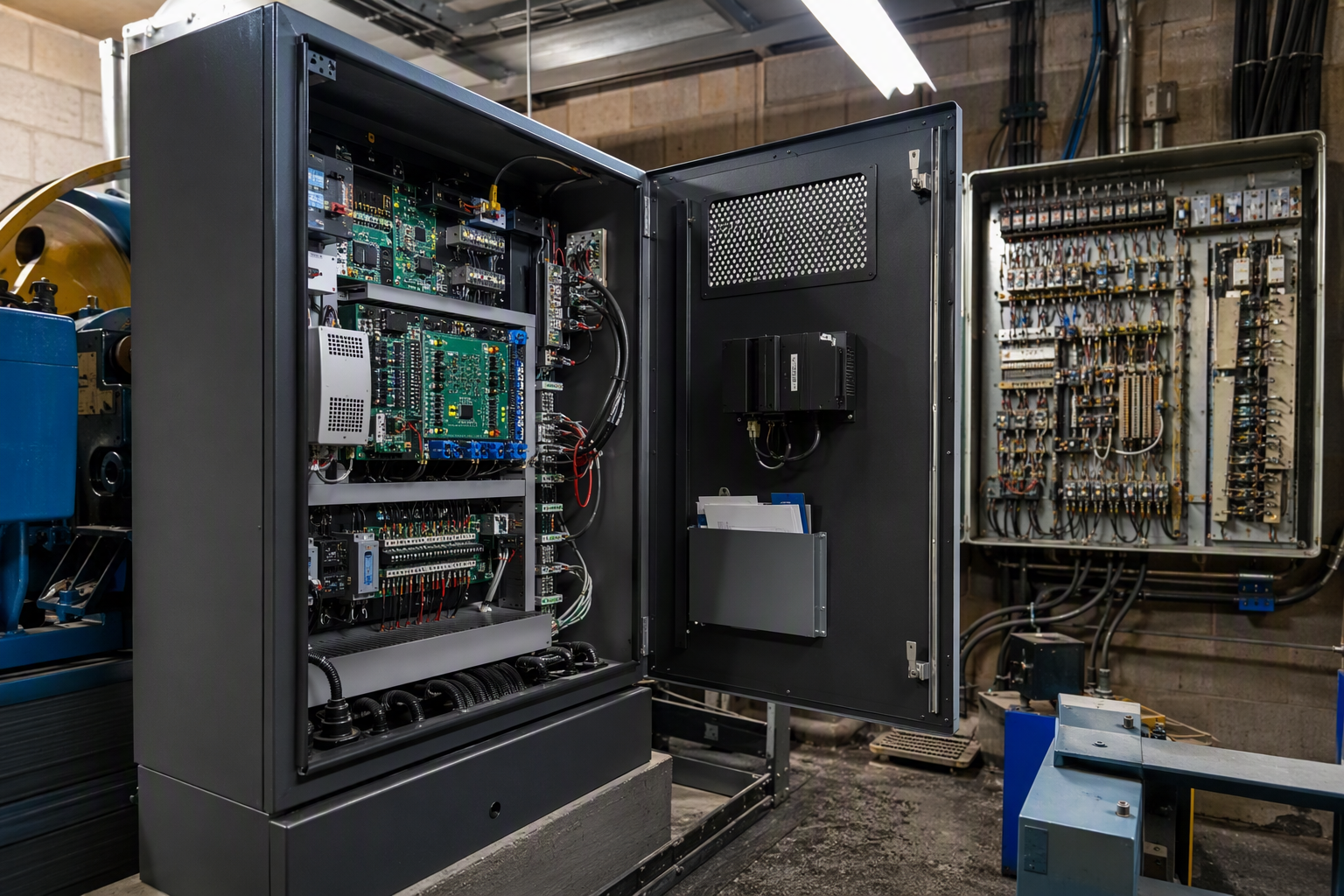
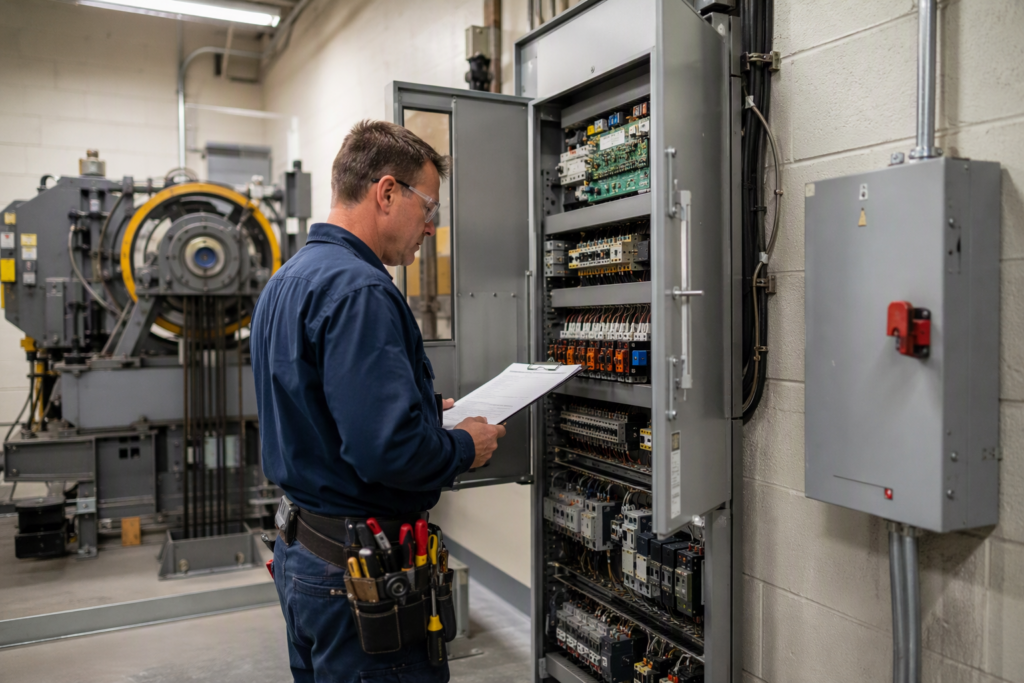
Elevator modernization is the process of replacing or upgrading key components of an existing elevator system without necessarily replacing the entire hoistway structure. In multifamily healthcare-adjacent settings, modernization typically addresses the most critical failure points and compliance gaps in aging systems.
Common modernization components include:
- Control systems: Replacing outdated relay-logic or hydraulic controls with modern microprocessor-based systems that improve reliability and diagnostic capability.
- Drive systems: Upgrading motor-generator sets or older hydraulic pumps to energy-efficient traction or variable-voltage variable-frequency (VVVF) drives.
- Door operators and safety edges: Installing updated door operators with full-door light curtains or safety edges compliant with current ASME A17.1 requirements.
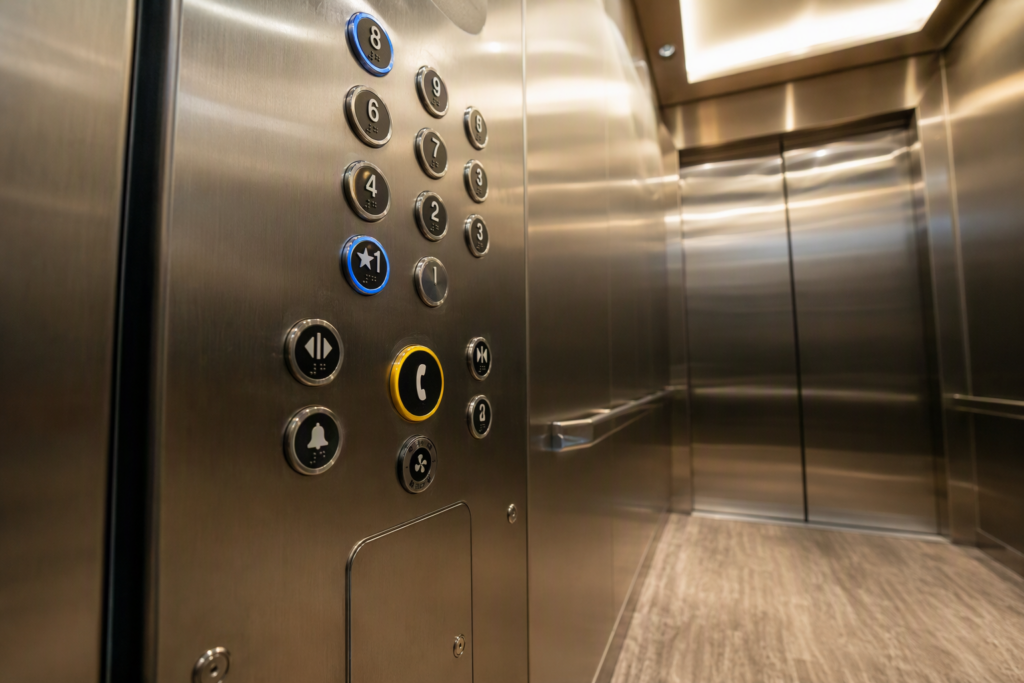
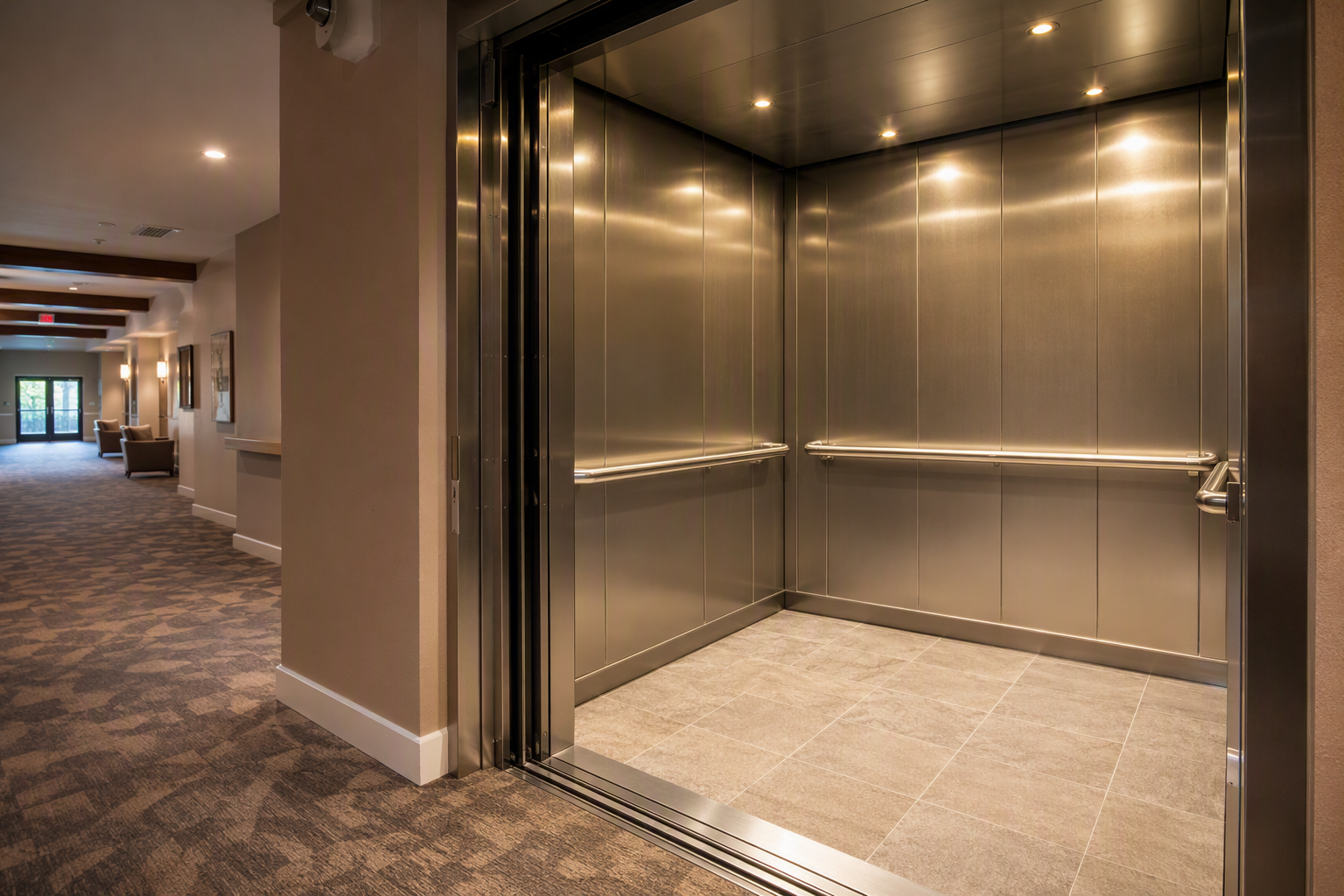
- Cab interiors: Updating flooring, lighting, handrails, and signage for ADA compliance and improved usability for residents who use walkers, wheelchairs, or medical transport equipment.
- Emergency communication systems: Replacing outdated intercoms with two-way communication systems that meet current code and connect reliably to monitoring services.
- Hydraulic fluid and environmental upgrades: Replacing older petroleum-based hydraulic fluid with biodegradable alternatives where applicable, and addressing underground cylinder concerns in older hydraulic units.
Arizona Elevator Solutions provides comprehensive assessments to identify which components require replacement versus those that can be refurbished, helping property owners prioritize investment based on safety, compliance, and budget.
What Compliance Standards Govern Healthcare-Adjacent Multifamily Elevators in Arizona?
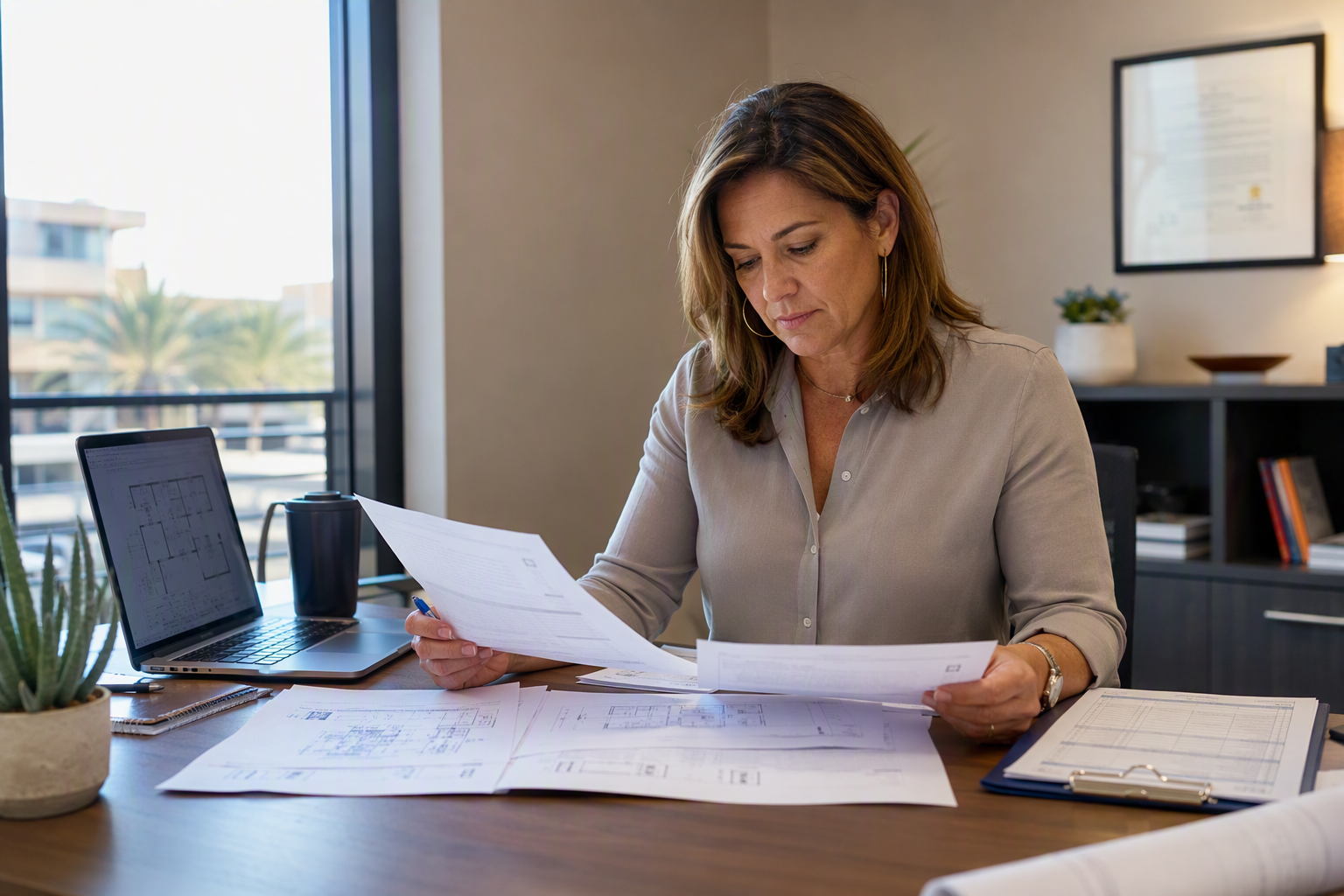
Properties serving residents with medical and mobility needs face a layered compliance environment. Understanding each code layer is essential before beginning any modernization project.
ASME A17.1 Safety Code for Elevators and Escalators
The ASME A17.1 Safety Code for Elevators and Escalators is the foundational standard governing elevator design, installation, inspection, testing, and maintenance across the United States. Arizona adopts this code as the basis for state elevator safety requirements. Modernization projects must bring upgraded components into full compliance with the edition of A17.1 that was in effect at the time of the modernization permit issuance. In 2026, inspectors will reference the most recently adopted edition when reviewing modernization work.
Americans with Disabilities Act (ADA)
The Americans with Disabilities Act establishes accessibility requirements for elevators in multifamily buildings subject to federal accessibility law. Key ADA requirements for elevator cabs include minimum cab dimensions, accessible control panel height and Braille labeling, audible and visual floor indicators, door timing and reopening devices, and leveling accuracy. For residents relying on wheelchairs, scooters, or medical transport chairs, these requirements directly affect daily independence and safety.
Arizona State Elevator Safety Program
Arizona requires elevator permits, inspections, and certificates of operation issued through the state’s elevator safety program. Any modernization work requires a permit prior to beginning work, followed by a state inspection before the elevator returns to service. Arizona Elevator Solutions manages the permit and inspection coordination process as part of its modernization services, reducing administrative burden on property management teams.
Fair Housing Act Accessibility Requirements
Multifamily residential buildings with four or more units built after March 13, 1991, must comply with the Fair Housing Act’s accessibility design requirements. Elevators that serve as the required accessible route must meet specific dimensional and operational standards. Modernization projects present an opportunity to remedy pre-existing Fair Housing Act deficiencies.
OSHA Standards for Worker Safety During Modernization
During modernization, elevator mechanics and contractors are subject to OSHA regulations governing confined space work, electrical safety, and fall protection. Property managers should verify that any contractor performing modernization work operates under a documented safety program aligned with applicable OSHA standards.
How Long Does Elevator Modernization Take in a Multifamily Healthcare Setting?
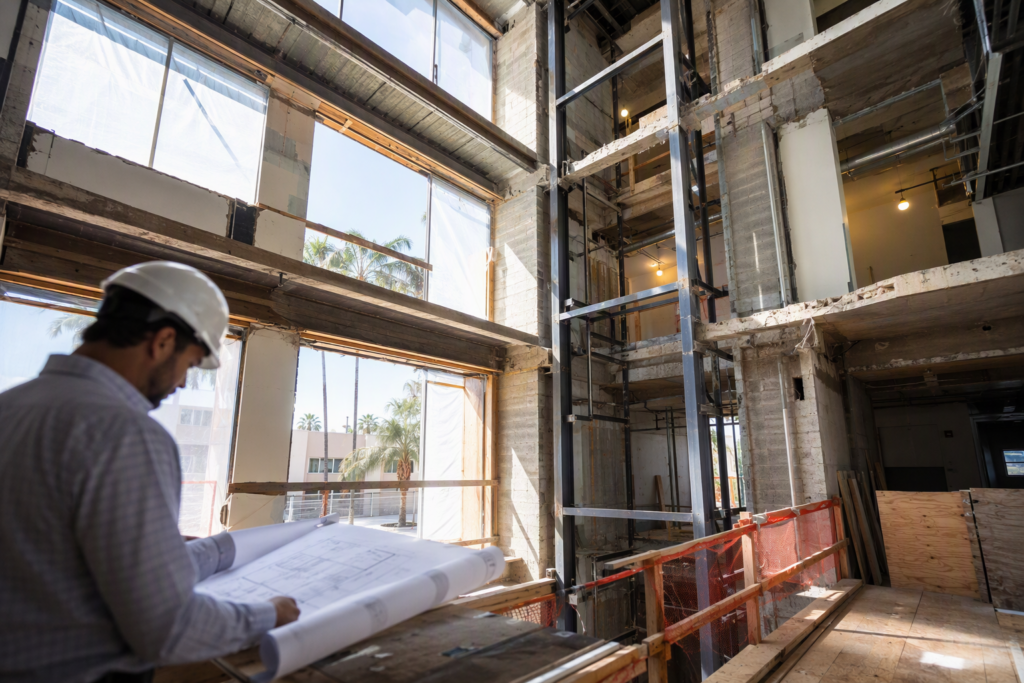
Project duration depends on the scope of work, the number of elevators being modernized, parts availability, and whether the building must maintain continuous elevator service during construction. A partial modernization — such as controls and door operators only — may require significantly less downtime than a full cab and mechanical system replacement.
For buildings that house residents with mobility limitations or medical equipment dependencies, maintaining at least one operational elevator during modernization is often a practical and ethical requirement. Arizona Elevator Solutions works with property management teams to develop phased modernization schedules that minimize service disruption for vulnerable resident populations.
Permit processing timelines in Phoenix, Tucson, Scottsdale, and Mesa vary and should be factored into overall project planning. Engaging an experienced elevator service provider early in the planning process helps ensure permit submissions are complete and accurate, reducing the risk of delays.
What Are the Most Critical Failure Points in Aging Multifamily Elevators?
Older elevator systems in Arizona multifamily properties — particularly those built in the 1970s through 1990s — commonly exhibit predictable failure patterns that become safety concerns in healthcare-adjacent settings:
- Hydraulic cylinder corrosion: Older single-bottom hydraulic cylinders buried underground are susceptible to external corrosion and fluid leakage. Current ASME A17.1 provisions address requirements for cylinder integrity testing.
- Outdated relay logic controls: Relay-based control panels are difficult to service, prone to intermittent faults, and lack the diagnostic capability of modern microprocessor systems.
- Worn door components: Deteriorated door hanger rollers, clutch mechanisms, and safety edge devices are a leading cause of door-related incidents and entrapments.
- Non-compliant leveling: Elevators that do not level accurately to the floor present a tripping hazard, particularly dangerous for residents using mobility aids or being transported on stretchers.
- Failed or inadequate emergency lighting and communication: ASME A17.1 specifies requirements for emergency lighting duration and two-way communication. Older systems frequently fall short of current standards.
Questions Your Inspector Will Ask
Before and after a modernization project, Arizona state elevator inspectors evaluate compliance across a structured set of criteria. Property managers and facility directors should be prepared to address the following:
- Has a valid modernization permit been issued prior to the start of work?
- Does the modernization scope of work specify which edition of ASME A17.1 the upgraded components will comply with?
- Are all new door operators equipped with full-door protection devices meeting current code requirements?
- Does the two-way emergency communication system connect to a continuously monitored location?
- Is the elevator leveling within the tolerance specified by ASME A17.1 for accessible compliance?
- Are control panel button heights, Braille markings, and visual indicators compliant with ADA requirements?
- Has the hydraulic unit (if applicable) been inspected for underground cylinder integrity?
- Are all safety devices, including governors, safeties, and buffers, tested and documented per code intervals?
- Is there a current certificate of operation posted in the elevator cab?
- Has the contractor provided documentation of final acceptance testing performed per ASME A17.1?
How Should a Property Manager Plan a Modernization Project Step by Step?
- Conduct a baseline condition assessment. Engage a qualified elevator service provider to evaluate the current condition of all elevator systems, identify code deficiencies, and document the age and condition of major components.
- Define the scope of modernization. Based on the assessment, determine whether full modernization or targeted component upgrades best address safety, compliance, and budget priorities.
- Develop a resident impact plan. For properties serving residents with healthcare or mobility needs, establish a clear plan for maintaining elevator access during construction, including communication protocols for residents and staff.
- Obtain required permits. Submit all required permit applications to the Arizona state elevator safety program before any modernization work begins.
- Execute the modernization work. Work with the contracted elevator company to complete installation per the approved scope, maintaining documentation at each phase.
- Schedule and pass state inspection. Coordinate the post-modernization inspection with the state elevator safety program. Ensure all test equipment and documentation are available for the inspector.
- Obtain updated certificate of operation. Post the new certificate in the elevator cab and retain copies for the property’s compliance records.
- Establish a preventive maintenance program. Modernized equipment performs best and retains warranty coverage when maintained under a structured, documented maintenance plan.
What Is the Difference Between Modernization and Full Elevator Replacement?
Full elevator replacement involves removing the existing equipment and installing a new system, including potentially modifying the hoistway. This is typically the most disruptive and costly option. Modernization preserves the existing hoistway and structural elements while replacing or upgrading the mechanical, electrical, and interior components that are most subject to wear and code obsolescence.
For most aging multifamily properties in Arizona, modernization provides a cost-effective path to compliance and improved reliability without the structural complexity of full replacement. Arizona Elevator Solutions helps property owners evaluate which approach is appropriate based on the actual condition and configuration of their existing systems.
How Does Elevator Modernization Affect Property Value and Insurance?
A documented, code-compliant modernization project creates a verifiable record that a property’s vertical transportation systems meet current safety and accessibility standards. This documentation can be material to property insurance underwriting, liability exposure assessment, and lender due diligence during refinancing or sale. Properties where elevator systems are visibly outdated or have a history of violations may face elevated scrutiny in these processes.
For healthcare-adjacent multifamily properties, where the resident population may have heightened vulnerability to elevator-related incidents, maintaining current compliance documentation is particularly important.
What Should Multifamily Owners in Phoenix, Tucson, Scottsdale, and Mesa Know About Local Considerations?
Arizona’s climate creates specific wear patterns for elevator systems. Extreme heat accelerates hydraulic fluid degradation and can stress electronic control components in machine rooms that lack adequate temperature management. Dust and particulate intrusion is also a factor in some Arizona markets that can affect door track performance and electronic equipment longevity.
Arizona Elevator Solutions serves multifamily and healthcare-adjacent properties across Phoenix, Tucson, Scottsdale, and Mesa, with familiarity with the permit and inspection processes in each jurisdiction. Local experience with Arizona’s climate conditions informs modernization recommendations that account for long-term performance, not just code compliance at the time of installation.
How Do You Choose the Right Elevator Modernization Contractor?
Not all elevator service companies are equipped to handle the compliance complexity of healthcare-adjacent multifamily modernization. Key factors to evaluate include:
- Demonstrated familiarity with current ASME A17.1 requirements and Arizona state elevator safety program processes.
- Experience managing modernization projects in occupied multifamily buildings, including phased scheduling to maintain service continuity.
- Ability to manage permit submissions, inspection coordination, and documentation on behalf of the property owner.
- Clear written scope of work specifying which components are being replaced, which code edition applies, and what acceptance testing will be performed.
- Documented safety program for on-site work in compliance with applicable OSHA standards.
- References from comparable multifamily or healthcare-adjacent projects in the Arizona market.
Arizona Elevator Solutions is a certified elevator service company serving the Arizona market, with experience supporting multifamily property owners through the full modernization process from initial assessment through final inspection and certificate of operation.
What Ongoing Maintenance Is Required After Modernization?
Modernized elevator systems require structured preventive maintenance to sustain performance, retain equipment warranties, and maintain compliance with ASME A17.1 inspection and testing intervals. Arizona state requirements include periodic inspections and specific tests at defined intervals, which must be documented and available for review. A maintenance agreement with a qualified elevator service provider ensures these requirements are met systematically rather than reactively.
Schedule Your Free Elevator Assessment Today
Contact Arizona Elevator Solutions for a free elevator assessment to evaluate the condition, compliance status, and modernization needs of your multifamily property. Serving Phoenix, Tucson, Scottsdale, and Mesa, Arizona Elevator Solutions helps property owners and facility managers navigate elevator modernization from planning through final certification.
Contact Arizona Elevator Solutions for a free elevator assessment: 480-557-7600
Need elevator service you can rely on? Arizona Elevator Solutions is ready to help.