
Elevator Service in Phoenix, AZ | Arizona Elevator Solutions
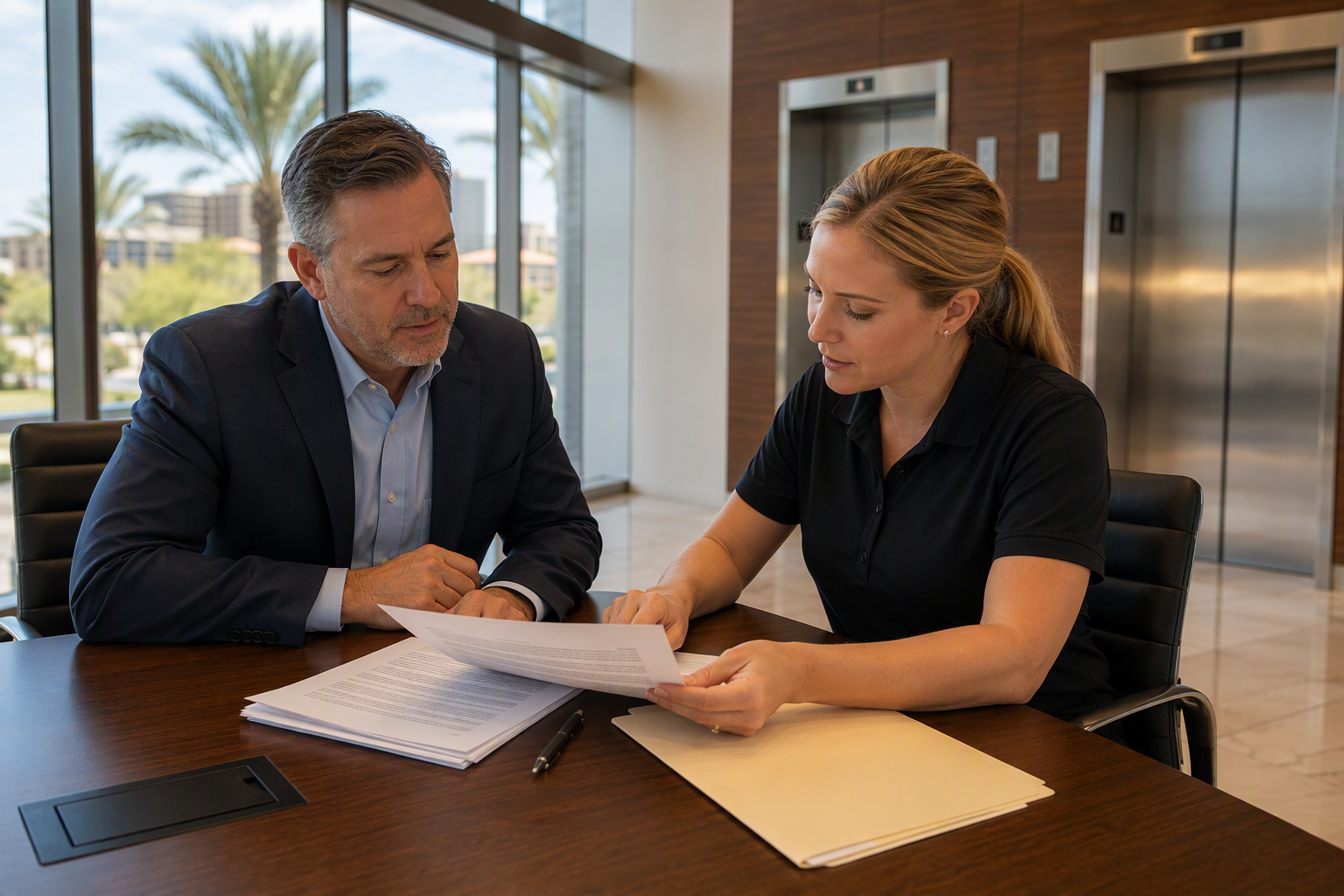
For Phoenix property owners and facility managers, choosing the wrong elevator service contract is a costly mistake. Whether you manage a high-rise on Central Avenue, a medical office in Scottsdale, or a mid-size commercial building in Tempe, understanding the difference between a full maintenance contract and an oil and grease contract is essential for budgeting, safety, and staying current with Arizona elevator regulations. This page breaks down both contract types, explains what Arizona requires, and helps you determine which agreement fits your situation.
—
What Exactly Is a Full Maintenance Elevator Contract?
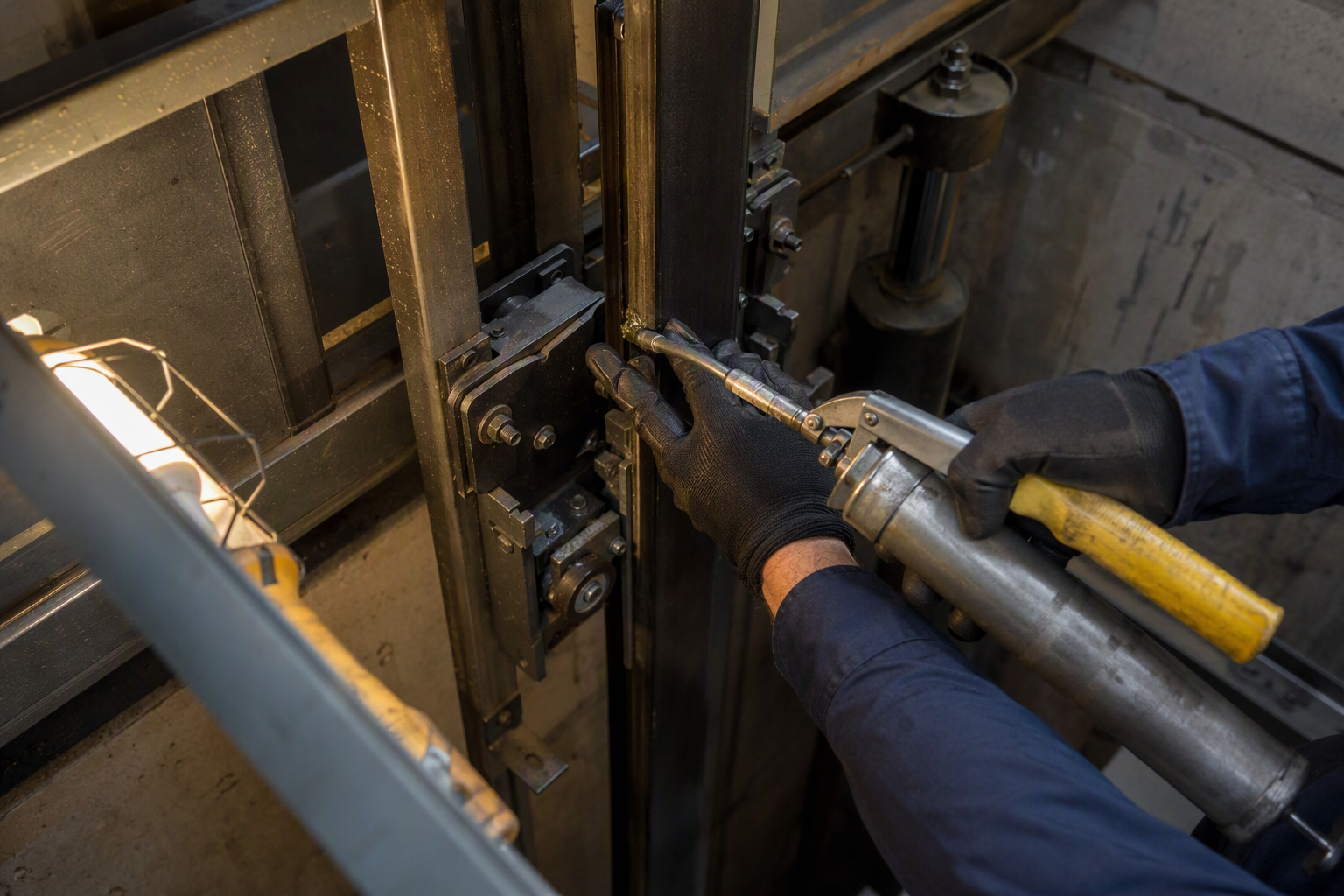
A full maintenance contract — sometimes called a comprehensive maintenance agreement — is the most inclusive service arrangement available for elevator owners. Under this type of contract, the service provider assumes responsibility for:
- All routine preventive maintenance visits
- Labor costs for covered repairs
- Replacement of covered parts that wear or fail during normal use
- Lubrication, cleaning, and adjustment of all mechanical and electrical components
- Callback service when the elevator malfunctions or traps a passenger
- Documentation required to support Arizona inspections and permitting
A full maintenance contract shifts the financial risk of unexpected repairs from the building owner to the elevator contractor. For older equipment or high-traffic installations, this predictability can be significant. The scope of parts and exclusions varies by contractor, so reviewing the specific contract language before signing is critical.
—
What Is an Oil and Grease Elevator Contract?
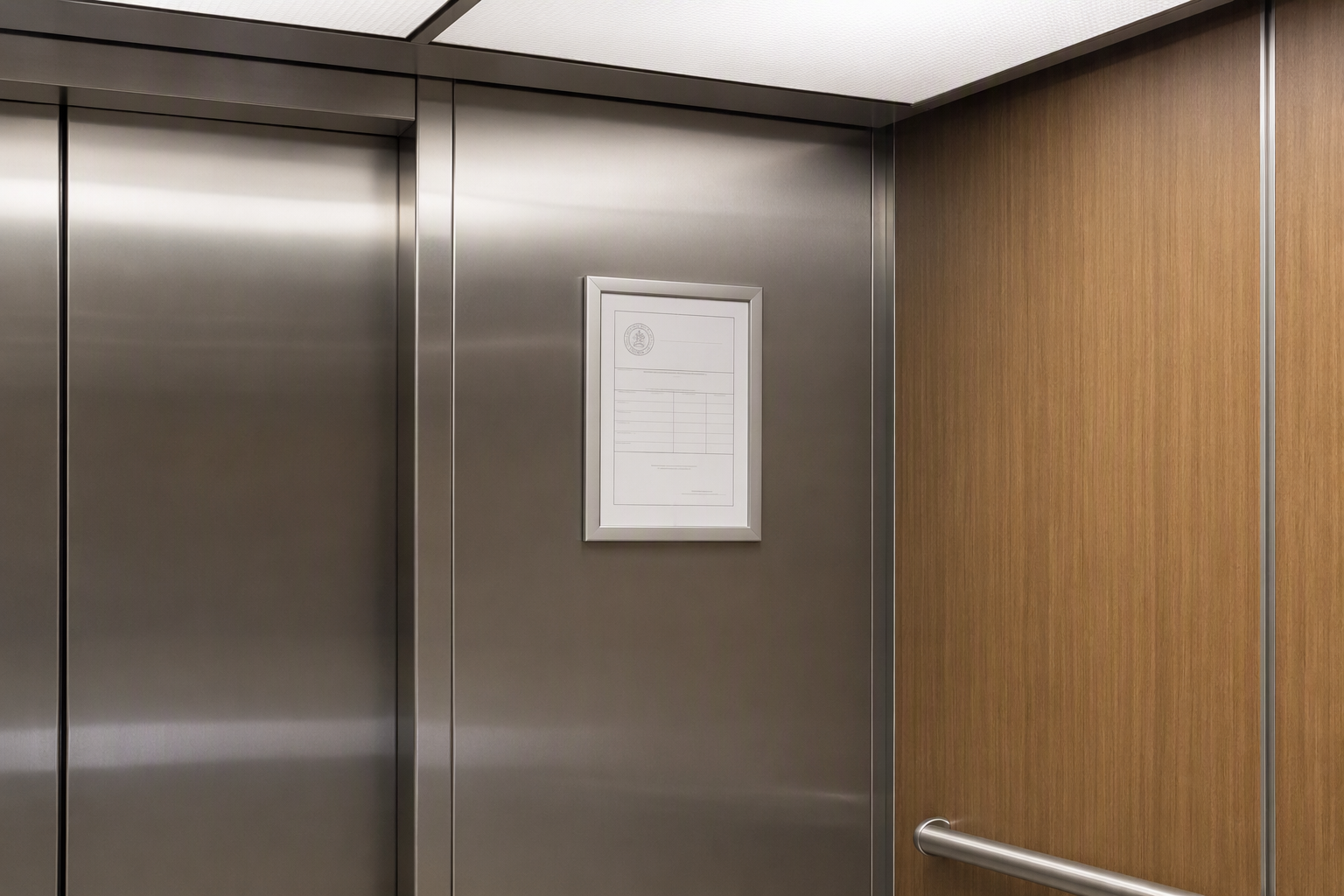
An oil and grease contract — also called a lubrication-only or examination-only agreement — is the most basic service tier available. Under this arrangement, the elevator contractor visits the unit on a scheduled basis to:
- Lubricate moving parts such as guide rails, bearings, and chains
- Perform visual inspections
- Make minor adjustments within a defined scope
- Document the visit for owner records
This contract does not typically include parts, significant labor for repairs, or emergency callback coverage. Any repairs identified during a visit are billed separately at time-and-materials rates. This arrangement places the cost and responsibility of all repairs squarely on the building owner.
—
How Do Arizona Elevator Regulations Affect My Contract Choice?
Arizona elevator safety falls under the jurisdiction of the Arizona Division of Occupational Safety and Health (ADOSH), which enforces elevator installation, inspection, and maintenance standards across the state. Arizona adopts editions of the ASME A17.1 Safety Code for Elevators and Escalators and the ASME A17.3 Safety Code for Existing Elevators and Escalators as the foundational technical standards for elevator safety in the state.
Under Arizona’s regulatory framework, elevators must be periodically inspected and a valid Certificate of Operation must be maintained. Keeping your elevator in a state of good repair is a legal obligation — not an option. This means that regardless of which contract type you select, the building owner remains ultimately responsible for the elevator meeting code requirements.
An oil and grease contract may leave gaps in compliance readiness because repair costs are unbundled. If an inspector identifies deficiencies and the elevator is ordered out of service, repair delays while negotiating costs can create liability and ADA accessibility issues. For guidance on accessibility obligations, see the ADA requirements at ADA.gov.
—
Which Contract Type Is Right for My Building?
The right contract depends on several factors specific to your Phoenix property:
- Equipment age: Older elevators with aging components carry a higher probability of parts failure. A full maintenance contract helps contain those costs and keeps repair timelines short.
- Passenger volume: High-traffic installations in commercial towers, hospitals, hotels, and multi-family residential buildings in the Phoenix metro experience accelerated component wear.
- Budget structure: Property managers who need predictable operating expenses typically prefer full maintenance agreements. Owners with newer equipment under manufacturer warranty and low traffic may find an oil and grease contract acceptable as a starting point.
- Risk tolerance: Time-and-materials repair bills for a major component — a motor controller, hydraulic power unit, or door operator — can be substantial. A full maintenance contract limits that exposure.
- Compliance obligation: Any building subject to ADOSH inspection, ADA requirements, or OSHA workplace safety standards has a strong incentive to maintain continuous, documented service coverage.
For most commercial, medical, hospitality, and multi-family properties in the Phoenix, Scottsdale, Tempe, Mesa, and Chandler markets, a full maintenance contract is the more protective and cost-predictable choice. An oil and grease contract may be appropriate for a low-traffic, well-maintained elevator in a smaller facility where the owner has the capital reserves to absorb repair costs as they arise.
—
What Should I Look for When Comparing Elevator Service Contracts in Arizona?
When evaluating contract proposals from elevator service companies operating in Phoenix and the surrounding Valley, examine the following elements carefully:
- Parts coverage: Does the full maintenance contract specify which parts are included and which are excluded? Exclusion lists matter.
- Callback provisions: Is emergency callback response included? Is there a limit on the number of callbacks per year?
- Modernization carve-outs: Major modernization projects are almost always excluded from both contract types and priced separately.
- Inspection support: Does the contractor assist with ADOSH inspection scheduling and accompany the inspector?
- Documentation: Are maintenance logs provided in a format that supports your compliance records?
- Escalation clauses: Multi-year contracts often include annual price escalation tied to labor indexes. Understand the cap and trigger before signing.
- Termination terms: Know the notice period and any penalties for early termination.
—
What Happens If My Elevator Goes Out of Service Between Scheduled Visits?
Equipment failures between scheduled maintenance visits are a reality for any elevator. What happens next depends entirely on your contract type:
- Under a full maintenance contract, a callback is typically included and the contractor dispatches a technician. Parts required for the repair are generally covered under the agreement.
- Under an oil and grease contract, the owner calls for service and is billed at the contractor’s standard time-and-materials rates for both labor and parts.
Arizona Elevator Solutions provides emergency service coverage to Phoenix-area clients. Building owners and property managers are encouraged to understand what level of after-hours response is included in their specific agreement before a failure occurs.
—
Does My Contract Affect ADA Compliance Obligations?
Yes, indirectly. The Americans with Disabilities Act requires that elevators serving covered facilities remain accessible and operational. A malfunctioning elevator that is out of service for an extended period due to delayed repairs can create ADA compliance exposure for the building owner. A full maintenance contract — by keeping repair timelines shorter and costs pre-negotiated — supports continuous ADA compliance better than an oil and grease arrangement that may introduce delays in authorizing repair work.
—
How Do I Transition from an Oil and Grease Contract to a Full Maintenance Agreement?
Transitioning contract types is straightforward when approached methodically. Follow these steps to make the switch smoothly:
- Review your current contract: Identify your notice period and termination requirements before contacting a new or existing provider.
- Request a full-condition survey: A reputable elevator contractor will perform a survey of your equipment before quoting a full maintenance agreement. This identifies pre-existing deficiencies that may be excluded from the new contract.
- Compare proposals carefully: Obtain multiple proposals and compare parts inclusion lists, callback terms, and escalation clauses side by side.
- Address identified deficiencies: Repair or modernize any items flagged in the survey before the new contract takes effect to start with clean coverage.
- Confirm ADOSH documentation continuity: Ensure there is no gap in your maintenance records that could complicate an upcoming inspection.
- Execute the new agreement with written confirmation of start date: Align the new contract start date with the termination of the previous agreement to avoid overlapping or lapsed coverage.
—
Why Choose Arizona Elevator Solutions for Elevator Service in Phoenix?
Arizona Elevator Solutions is a certified elevator service company serving Phoenix and communities throughout the Valley, including Scottsdale, Tempe, Mesa, Chandler, Gilbert, Glendale, and Peoria. The company’s focus is exclusively on Arizona — meaning every technician, every contract, and every inspection is aligned with ADOSH requirements, ASME standards, and the specific demands of the desert climate that affects elevator hydraulics, electrical systems, and mechanical components in ways unique to this region.
Arizona property owners benefit from working with a locally based team that understands the municipal permitting landscape, maintains relationships with ADOSH inspection contacts, and can respond to the Phoenix market without the delays that affect national companies managing large regional territories.
—
Schedule a Free Consultation
Not sure whether your building needs a full maintenance contract or an oil and grease agreement? Arizona Elevator Solutions offers a no-obligation consultation to review your equipment, usage, and compliance obligations — and provide a straight answer about which contract type fits your situation.
Call Arizona Elevator Solutions today at 480-557-7600 to schedule your free consultation.
Serving Phoenix, Scottsdale, Tempe, Mesa, Chandler, Gilbert, Glendale, Peoria, and communities throughout the greater Phoenix metropolitan area.
Need elevator service you can rely on? Arizona Elevator Solutions is ready to help.






