Elevator Service in Phoenix, AZ | Arizona Elevator Solutions
Elevator downtime is more than an inconvenience — it is a measurable business risk. For commercial property owners, residential high-rises, healthcare facilities, and hospitality venues across the Phoenix metropolitan area, an out-of-service elevator can trigger a cascade of financial and legal consequences. Understanding the true cost of elevator downtime helps building managers make informed decisions about maintenance contracts, inspection schedules, and equipment modernization timelines.
Arizona Elevator Solutions serves property owners, facility managers, and building operators throughout Phoenix and the surrounding communities with certified elevator maintenance, repair, and modernization services. The guidance below covers the full scope of downtime costs, relevant Arizona and federal code obligations, and practical steps to minimize service interruptions.
—
What Are the Primary Financial Costs of Elevator Downtime?
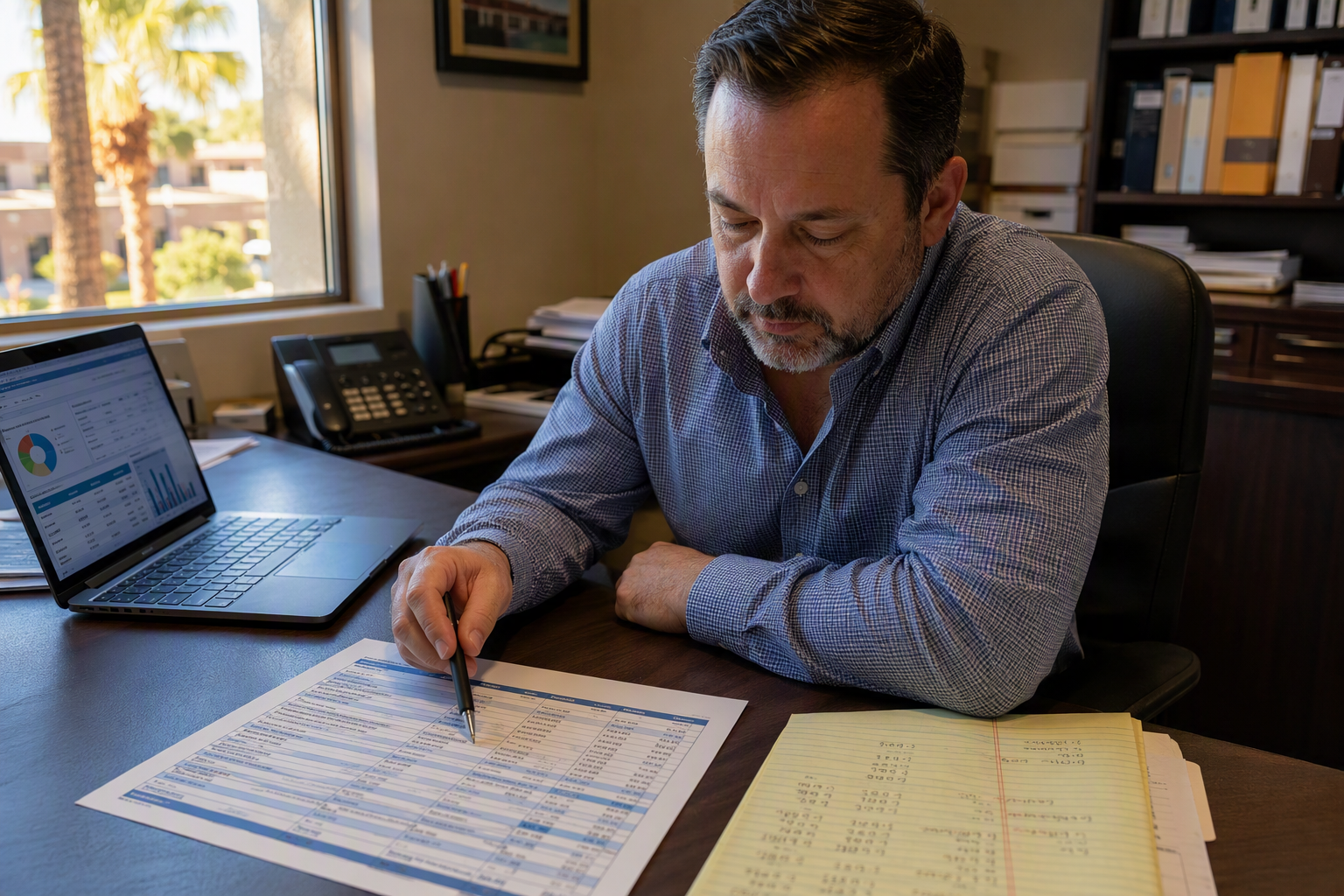
Elevator downtime generates costs in several interconnected categories that building operators should account for in their risk planning:
- Lost tenant productivity and revenue: In multi-story office buildings, a non-functioning elevator reduces access to upper floors, forcing occupants to use stairs or relocate — disrupting daily operations and, in some cases, prompting tenant complaints or lease renegotiations.
- Accessibility liability: Under the Americans with Disabilities Act (ADA), elevators in covered facilities must remain accessible to individuals with disabilities. Extended downtime can create legal exposure for building owners who cannot demonstrate good-faith efforts to restore service promptly.
- Emergency repair premiums: Unplanned breakdown repairs typically cost substantially more than the same repairs performed during scheduled maintenance windows, due to after-hours labor, expedited parts sourcing, and diagnostic time that preventive service eliminates.
- Reputational impact: For hospitality properties, senior living communities, and healthcare facilities in Phoenix, elevator reliability directly affects resident satisfaction scores, guest reviews, and occupancy rates.
- Regulatory fines and re-inspection fees: Arizona-regulated buildings that are found out of compliance during downtime events may face re-inspection fees and administrative penalties from the Arizona Department of Occupational Safety and Health (ADOSH).
What Does Arizona State Law Require for Elevator Inspections and Maintenance?
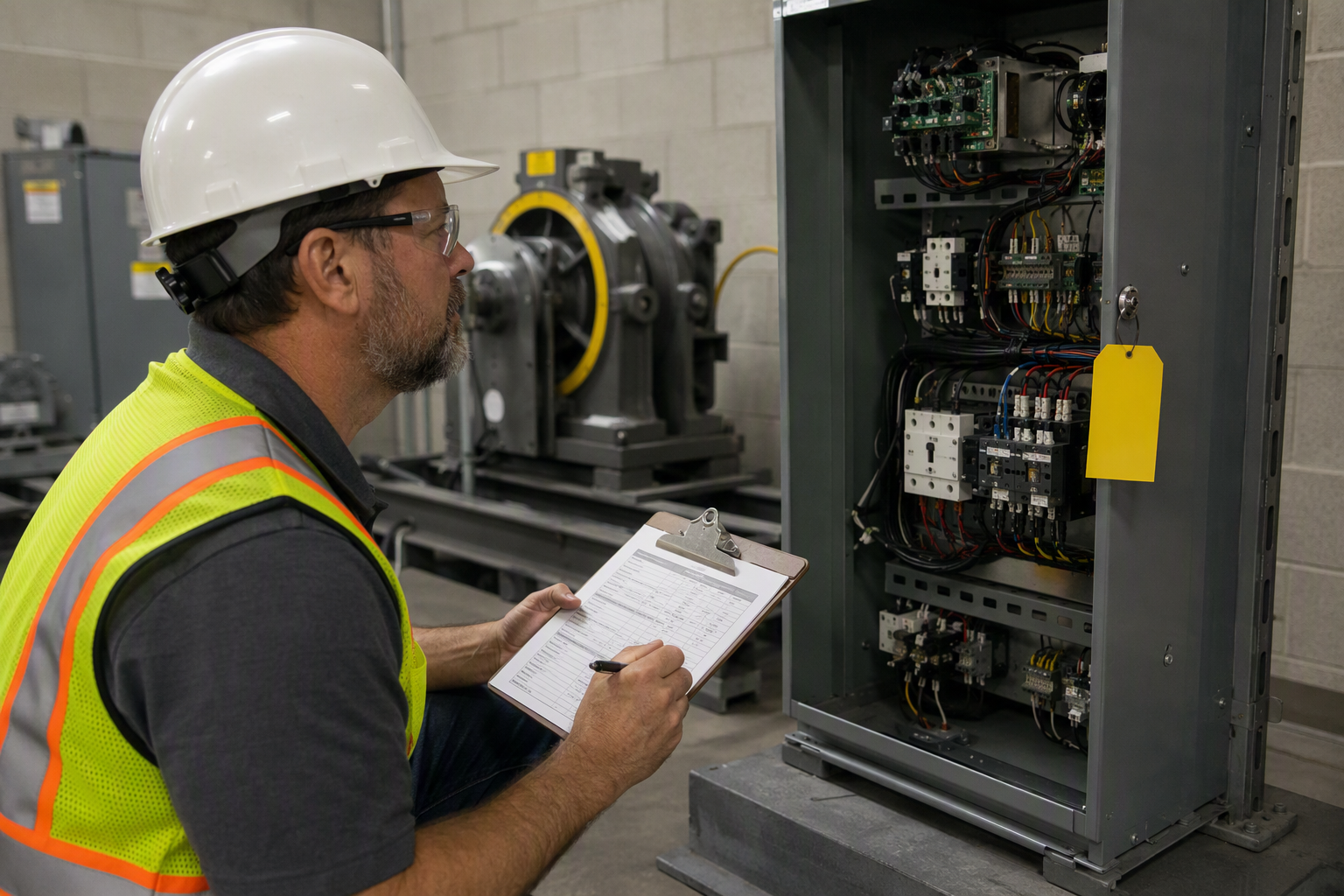
Arizona elevator regulation is administered under the authority of the Occupational Safety and Health framework at the state level through ADOSH, which enforces elevator safety standards for public and commercial buildings. Arizona adopted the ASME A17.1 Safety Code for Elevators and Escalators as the baseline technical standard governing elevator installation, operation, and periodic inspection requirements.
Under this framework, elevators in Arizona must undergo periodic inspections at intervals defined by the applicable edition of ASME A17.1 in effect for the jurisdiction. The 2023 edition of ASME A17.1 (referenced in 2026 compliance planning) establishes inspection and test categories including periodic inspections, five-year full-load safety tests, and category tests for various safety components. Failure to maintain current inspection certificates is itself a compliance violation — and a common contributor to unplanned downtime when regulators require a unit be taken out of service until deficiencies are corrected.
How Does Preventive Maintenance Reduce Elevator Downtime Costs?
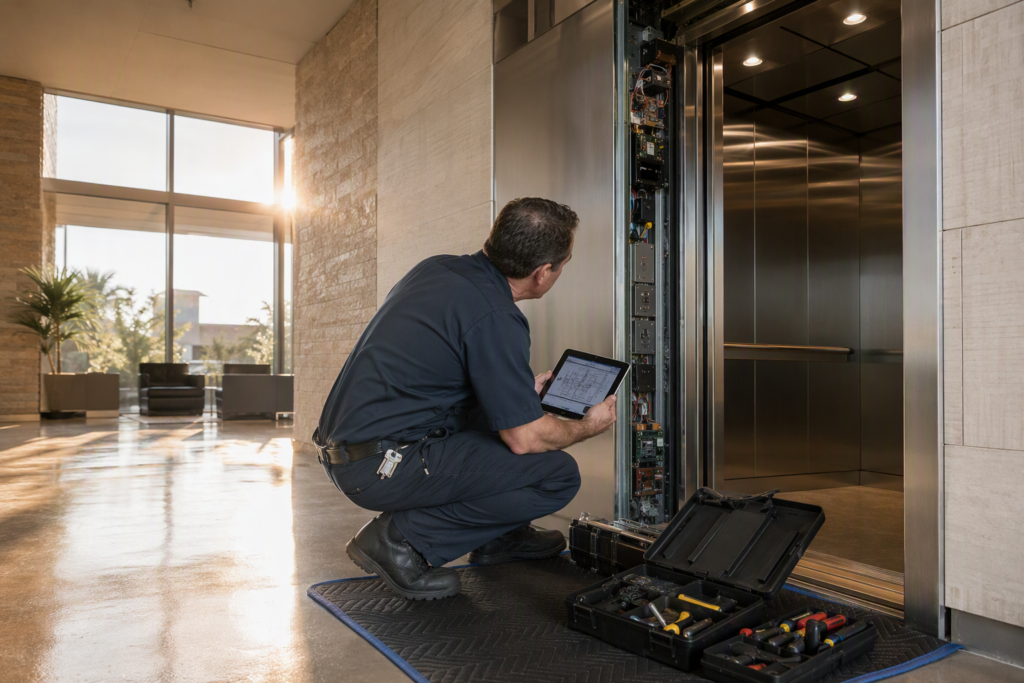
The cost relationship between preventive maintenance and emergency repair is well established in facilities management: proactive servicing identifies worn components, lubrication deficiencies, and control system anomalies before they cause failures. For Phoenix building owners, the desert climate introduces specific maintenance considerations:
- Heat stress on hydraulic systems: Phoenix’s extreme summer temperatures accelerate hydraulic fluid degradation and can affect the viscosity specifications required for safe operation of hydraulic elevators common in low- and mid-rise buildings.
- Dust and particulate contamination: The Sonoran Desert environment increases the frequency with which door tracks, rollers, and mechanical components require cleaning and inspection to maintain safe door operation.
- Monsoon season electrical risks: Arizona’s monsoon season (typically June through September) introduces power surge and moisture exposure risks that can affect elevator control panels and require seasonal inspection protocols.
A structured maintenance contract with a certified elevator service provider addresses these local environmental factors on a scheduled basis, reducing the probability of climate-related failures that generate emergency repair costs.
What Happens Immediately When an Elevator Goes Out of Service?
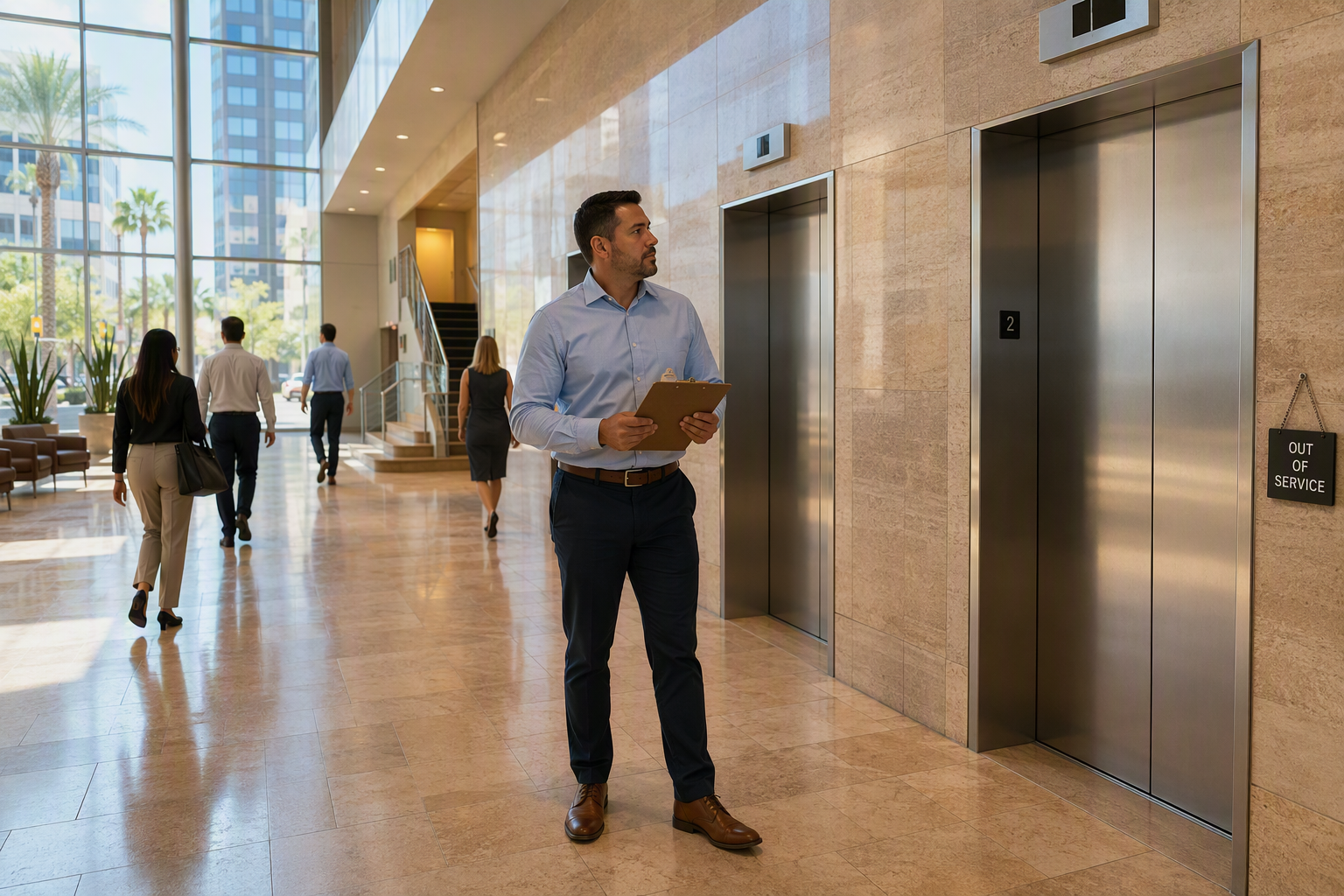
When an elevator fails or is taken out of service in a Phoenix commercial or residential building, building managers should follow a defined response protocol to protect occupants, document the event, and begin the path to restoration:
- Ensure no passengers are trapped. If entrapment has occurred, contact emergency services (911) immediately — only trained personnel should perform passenger rescues.
- Secure the elevator at the nearest landing with doors open, if the unit has been safely stopped. Post clear out-of-service signage at all lobby landings to prevent attempts to call or enter the unit.
- Contact your certified elevator service provider to report the failure and initiate a service call. Provide the unit number, building address, observed symptoms, and whether any passengers were involved.
- Notify building tenants or residents of the outage and expected service timeline as soon as information is available. For ADA-covered facilities, document the notification and any interim accessibility accommodations offered.
- Review your maintenance records to confirm the unit’s current inspection certificate status. If the certificate has lapsed, disclosure to your service provider allows them to coordinate re-inspection as part of the restoration process.
- Document all costs associated with the downtime event — repair invoices, temporary accommodation costs, and any tenant communications — for insurance and financial planning purposes.
How Do Downtime Costs Compare for Different Building Types in Phoenix?
The financial impact of elevator downtime varies significantly by property type and use:
- Healthcare facilities: Hospitals and medical office buildings face the highest downtime risk due to patient mobility requirements, infection control considerations when staff must use alternative routes, and potential patient safety implications.
- Senior living and assisted living communities: Arizona’s large retiree population makes elevator reliability a critical resident care issue. Prolonged outages can affect medication delivery, dining access, and emergency egress planning for mobility-impaired residents.
- Class A commercial office buildings: Downtown Phoenix and Scottsdale office properties with multi-floor tenants experience measurable productivity losses during outages, and elevator reliability is increasingly referenced in tenant satisfaction surveys and lease renewal discussions.
- Hospitality and hotel properties: Guest-facing elevator outages generate immediate negative online reviews and can trigger brand standard violations for flagged properties.
- Residential high-rises: Condominium and apartment communities face HOA or management liability concerns and resident relations challenges that compound over extended downtime periods.
When Should a Building Owner Consider Elevator Modernization Instead of Repair?
Repeated downtime events are often a signal that an elevator unit has reached the point where repair costs are approaching or exceeding the value of modernization. Key indicators that modernization may reduce total cost of ownership include:
- Recurring failures in the same components despite multiple repair cycles
- Parts availability limitations for older proprietary control systems
- Units that no longer meet current ASME A17.1 Safety Code for Elevators and Escalators requirements under the 2026 applicable edition
- Energy consumption levels that exceed what modern variable-frequency drive systems would require
- ADA compliance gaps in cab dimensions, control height, or door timing that cannot be corrected through minor modification
Arizona Elevator Solutions provides modernization assessments for Phoenix-area buildings to help owners evaluate whether continued repair investment or a phased modernization approach better serves long-term financial and compliance goals.
How Can Building Managers Choose the Right Elevator Service Partner in Phoenix?
Selecting an elevator service provider is a long-term decision with direct financial consequences. Building managers in Phoenix should evaluate prospective service partners on the following criteria:
- Certification and licensing: Confirm the provider’s technicians hold current certifications under applicable Arizona licensing requirements and that the company is authorized to perform work on the specific equipment brands installed in the building.
- Transparency in service records: A qualified provider documents all maintenance activities and provides building owners with organized service records that support inspection readiness and insurance documentation.
- Local market knowledge: Providers with established experience in the Phoenix market understand ADOSH inspection processes, the logistical challenges of serving properties across the Valley, and the climate-specific maintenance demands of the Sonoran Desert environment.
- Scope of services: A full-service provider — capable of handling preventive maintenance, code-required testing, repairs, and modernization — reduces coordination complexity and creates continuity of equipment knowledge across service visits.
- Emergency service availability: Confirm that the provider offers emergency service coverage for unplanned failures outside standard business hours, which is essential for minimizing downtime costs when failures occur at night or on weekends.
What Role Does Compliance Play in Controlling Elevator Downtime Costs?
Compliance is not merely a regulatory obligation — it is a cost-control mechanism. Buildings with current inspection certificates, documented maintenance histories, and code-compliant equipment configurations experience fewer forced outages initiated by regulatory action. Under OSHA-aligned Arizona state standards, a lapsed or failed inspection can result in an elevator being placed out of service by order, with the building owner responsible for both the correction costs and re-inspection fees before the unit may return to operation.
Arizona Elevator Solutions assists Phoenix building owners in maintaining compliance calendars, preparing for periodic inspections, and addressing any deficiency notices issued by ADOSH — turning compliance management from a reactive burden into a proactive downtime prevention strategy.
—
Schedule a Free Consultation with Arizona Elevator Solutions
Elevator downtime is a preventable cost. Arizona Elevator Solutions works with commercial property owners, facility managers, and building operators throughout Phoenix and the greater Valley to build maintenance programs that protect occupants, preserve compliance, and control the true financial cost of elevator service interruptions.
Contact Arizona Elevator Solutions today to schedule a free consultation and assess your building’s current elevator maintenance and compliance status.
Call Arizona Elevator Solutions: 480-557-7600
Need elevator service you can rely on? Arizona Elevator Solutions is ready to help.