Elevator Modernization ROI Statistics for Healthcare Facilities
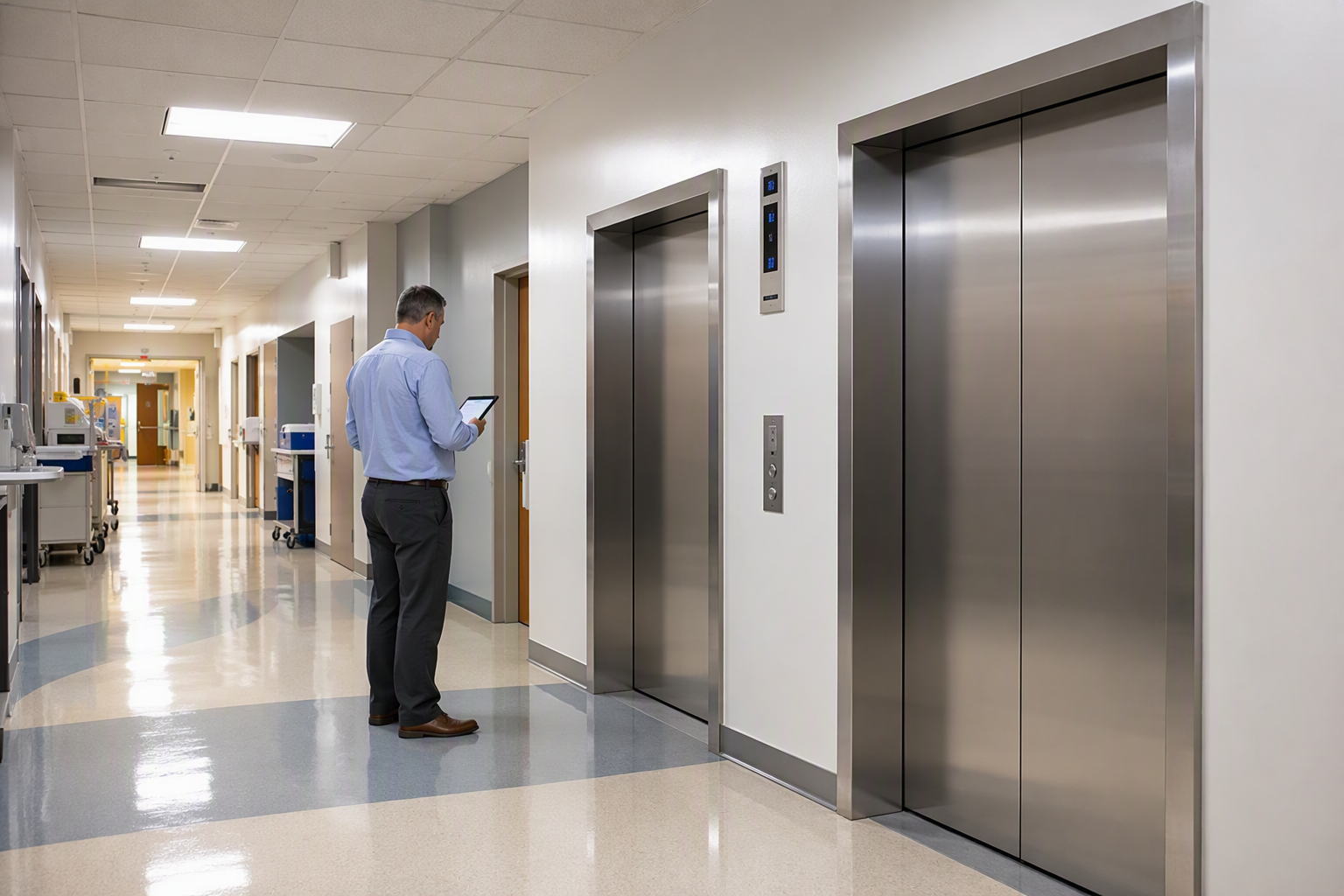
Healthcare facilities depend on elevators more than almost any other building type. Stretchers, wheelchairs, medication carts, and medical equipment move vertically dozens or hundreds of times each day. When an elevator fails in a hospital or outpatient clinic, the consequences extend well beyond inconvenience — they can delay patient care and trigger compliance reviews. Understanding the return on investment from elevator modernization helps healthcare administrators, facility managers, and CFOs make informed capital planning decisions.
Arizona Elevator Solutions works with healthcare facilities across Phoenix, Tucson, Scottsdale, and Mesa to evaluate aging elevator systems, identify modernization candidates, and guide facilities through every stage of an upgrade project.
What Does Elevator Modernization ROI Mean for Hospitals and Clinics?
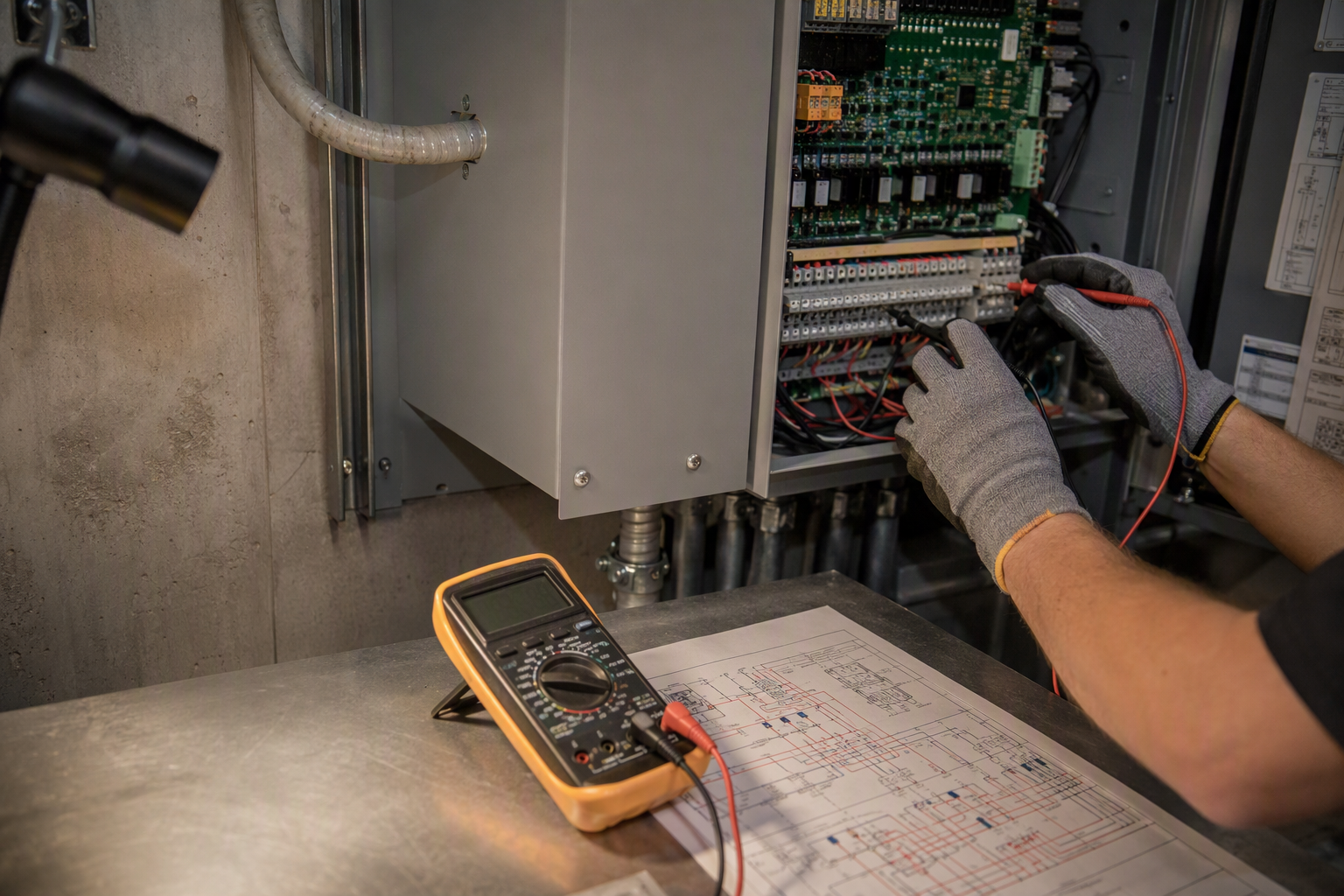
Return on investment in elevator modernization is measured across several dimensions that matter specifically to healthcare environments:
- Reduced unplanned downtime: Aging elevator components — outdated relay logic controls, worn hydraulic cylinders, and deteriorating door operators — generate increasing service calls over time. Modernization replaces failure-prone parts with current technology, reducing the frequency and duration of outages that disrupt patient transport.
- Lower maintenance expenditure: Older systems often require proprietary replacement parts that are difficult to source and expensive. Modern elevator controllers and drive systems use standardized components with broader supply chains, reducing parts costs and service labor hours.
- Energy efficiency gains: Replacing older hydraulic systems or DC drive motors with modern variable-voltage, variable-frequency (VVVF) drive technology reduces electricity consumption. Regenerative drives in traction elevators can return energy to the building’s electrical system during descent cycles.
- Compliance risk reduction: Healthcare facilities in Arizona are subject to state elevator safety inspections and must meet code requirements under ASME A17.1 Safety Code for Elevators and Escalators. Modernization brings legacy equipment into alignment with current editions of the code, reducing the risk of citations and forced shutdowns.
- Patient and staff experience: Smoother, faster, and more reliable vertical transport directly affects patient satisfaction scores and staff workflow efficiency — metrics that healthcare administrators track closely.
What Compliance Requirements Apply to Healthcare Elevator Modernization?

Healthcare facilities face a layered compliance environment that makes elevator modernization both more complex and more urgent than in standard commercial buildings.
ASME A17.1 Safety Code
The ASME A17.1 Safety Code for Elevators and Escalators is the foundational standard governing elevator design, installation, inspection, and alteration in the United States. Arizona adopts and enforces this code through the state’s elevator safety program. When a healthcare facility undertakes a modernization project, the altered elevator must comply with current code requirements applicable to the scope of work performed. Facilities that delay modernization may find that deferred upgrades accumulate into a larger, costlier compliance burden over time.
ADA Accessibility Requirements
The Americans with Disabilities Act (ADA) mandates accessible elevator design in healthcare facilities, including appropriate cab dimensions, accessible control panel heights, audible and visual floor indicators, and door timing that accommodates passengers with mobility impairments. Modernization projects provide the opportunity to bring elevator interiors and controls into full ADA compliance, reducing exposure to accessibility complaints and litigation.
The Joint Commission and CMS Environment of Care Standards
Hospitals seeking or maintaining accreditation from The Joint Commission must comply with Environment of Care standards that address the reliability and safety of building systems, including vertical transportation. The Centers for Medicare & Medicaid Services (CMS) Conditions of Participation also address facility safety. Elevator outages that affect patient transport can surface in survey findings.
OSHA General Duty Standards
Under OSHA General Duty Clause requirements, employers — including hospitals — must provide workplaces free from recognized hazards. Elevators with door safety failures, leveling issues, or outdated safeties present potential OSHA liability in addition to state elevator code exposure.
How Do Healthcare Facilities Evaluate Whether Modernization Is Worth the Cost?
Facility managers and CFOs typically evaluate elevator modernization using a capital planning framework that weighs the cost of the upgrade against the ongoing cost of maintaining aging equipment. Key factors in that analysis include:
- Document current maintenance costs: Compile all service call invoices, parts expenditures, and labor costs for each elevator over the preceding three to five years to establish a baseline.
- Quantify downtime events: Record the number of outages, their duration, and the operational impact — including staff time spent managing patient rerouting and alternative transport.
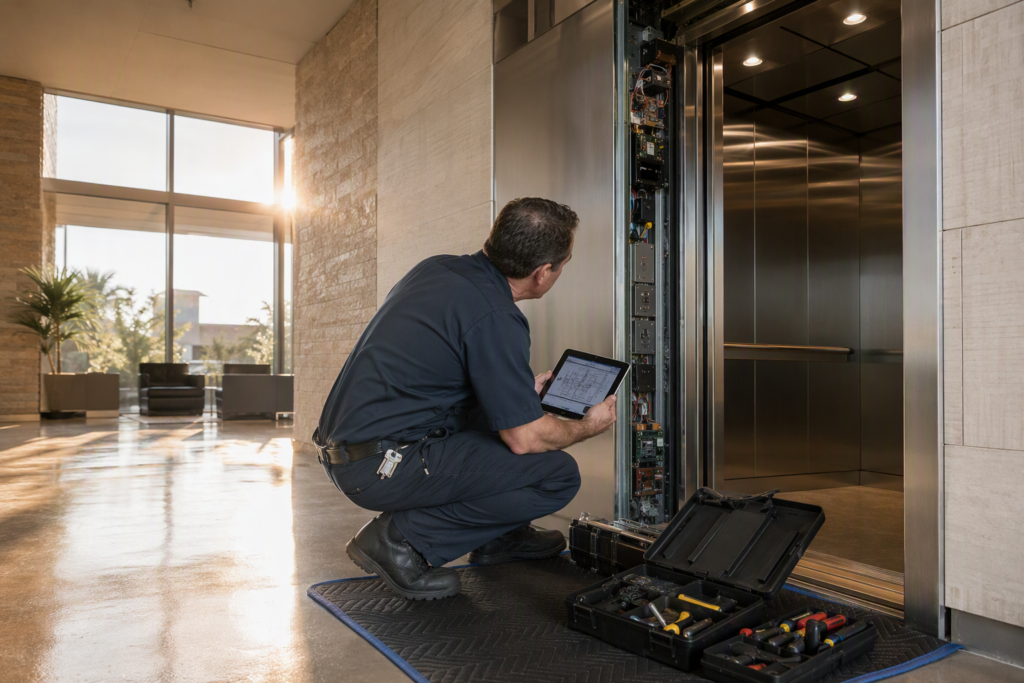
- Obtain a modernization assessment: A qualified elevator contractor evaluates the condition of the machine, controller, door systems, safeties, and cab to identify which components require replacement and at what cost.
- Project post-modernization costs: Estimate expected maintenance costs after modernization based on the equipment being installed and the terms of any new maintenance agreement.
- Estimate energy cost changes: For hydraulic-to-traction conversions or VVVF drive upgrades, calculate the expected reduction in electricity consumption based on the facility’s current utility rates.
- Account for compliance risk: Assign a risk value to the potential cost of a forced shutdown due to a failed inspection or a compliance citation that requires emergency repairs at premium rates.
- Compare total cost of ownership: Present the three-to-ten year total cost of maintaining current equipment versus modernizing, accounting for all categories above.
Arizona Elevator Solutions provides healthcare facilities with structured modernization assessments designed to produce exactly this kind of data-supported analysis.
What Types of Elevator Components Are Typically Modernized in Healthcare Settings?
A full modernization may address all major systems, while a phased approach targets components with the highest failure risk or compliance priority:
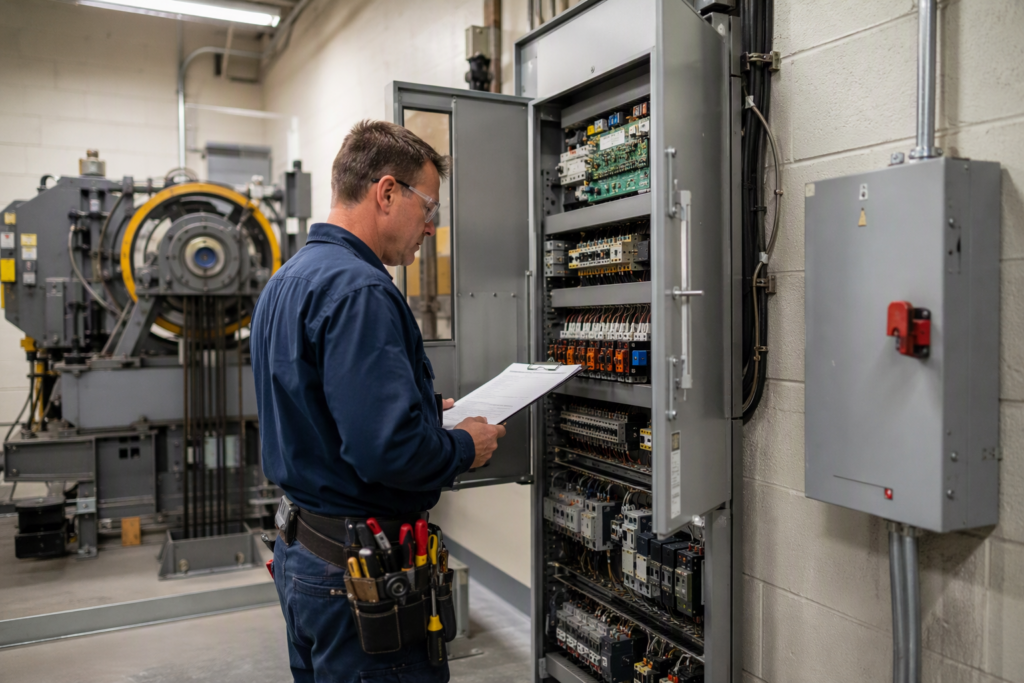
- Controller and drive system: Replacing relay logic or older microprocessor controllers with modern solid-state controllers dramatically improves reliability, diagnostics, and energy efficiency.
- Door operators and safety edges: Door-related incidents represent a significant share of elevator service calls and injuries. Modern door operators with multi-beam light curtains replace outdated safety edges and improve both reliability and passenger safety.
- Hydraulic power unit: Aging hydraulic units may use fluids that present environmental risk and are increasingly regulated. Modern units improve leveling accuracy, reduce energy consumption, and eliminate certain fluid-related liabilities.
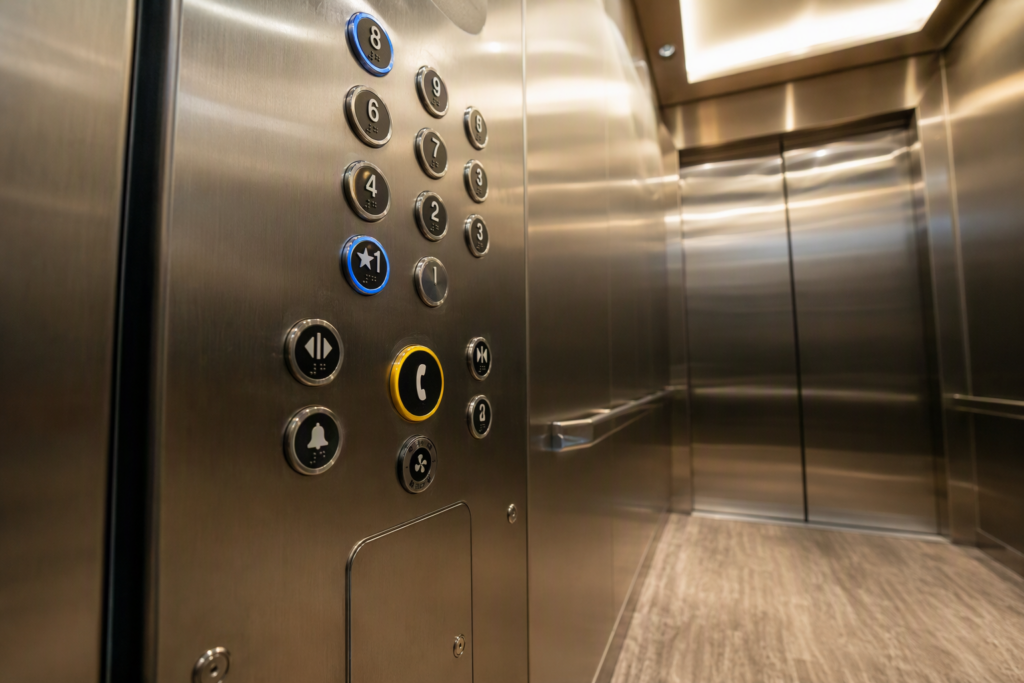
- Cab interior and fixtures: ADA-compliant controls, improved lighting, and larger cab configurations support healthcare-specific transport needs including bariatric stretchers and oversized equipment carts.
- Machine room and pit equipment: Sump pumps, lighting, and pit ladders may need upgrading to meet current ASME A17.1 requirements when other alterations are performed.
How Long Does a Healthcare Elevator Modernization Project Take?
Project duration varies based on the scope of work, the number of elevators being modernized, and the facility’s operational constraints. Key factors affecting timeline include:
- Whether the facility can accept temporary elevator downtime or requires a phased schedule that maintains minimum elevator availability at all times
- Lead times for major components such as controllers, drive systems, and door operators
- Permit review and inspection scheduling with Arizona elevator safety authorities
- Coordination with infection control and patient safety teams for work in active clinical areas
Single-elevator partial modernizations in straightforward configurations may be completed in a matter of weeks. Multi-elevator full modernization programs in large hospital campuses are typically planned over months, with carefully sequenced shutdowns. Arizona Elevator Solutions works with healthcare facility teams to develop schedules that minimize disruption to patient care operations.
What Are the Energy Efficiency Benefits of Modernizing Hospital Elevators?
Energy consumption is a material operating cost for large healthcare campuses. Elevator systems — particularly older hydraulic units and DC traction drives — can be significant contributors to a facility’s overall electricity usage. Modern VVVF drive systems reduce energy draw during acceleration and deceleration cycles. Regenerative drives capture energy during descent and braking, returning it to the building’s electrical system. LED cab lighting reduces ongoing power consumption. Together, these improvements can meaningfully reduce the energy cost attributable to vertical transportation, though specific savings depend on the number of elevators, usage volume, and the baseline efficiency of the equipment being replaced.
How Does Elevator Modernization Affect Patient Safety and Satisfaction Scores?
Patient experience surveys administered through programs such as HCAHPS capture perceptions of hospital quality that influence reimbursement rates under value-based purchasing models. While elevator performance is not a direct survey metric, elevator outages that delay transport to imaging, surgery, or discharge affect the patient experience in ways that surface in overall satisfaction ratings. Staff who spend time managing elevator-related disruptions have less time for direct patient care. Modernized elevators that level accurately, open and close reliably, and respond quickly to calls remove a source of friction from daily clinical operations.
What Questions Should a Healthcare Facility Ask When Selecting an Elevator Modernization Contractor?
Vendor selection is critical in healthcare environments where the consequences of project mismanagement extend into patient care. Questions to ask prospective contractors include:
- Is the contractor licensed to perform elevator work in the State of Arizona?
- Does the contractor have demonstrated experience working in active healthcare environments with infection control and operational continuity requirements?
- What equipment brands and control systems does the contractor install, and what are the long-term parts availability and support implications?
- How does the contractor coordinate with hospital facilities teams, infection control officers, and patient transport departments during construction?
- What warranty terms apply to modernized components, and how are emergency service calls handled after installation?
- Can the contractor provide references from comparable healthcare modernization projects in Arizona?
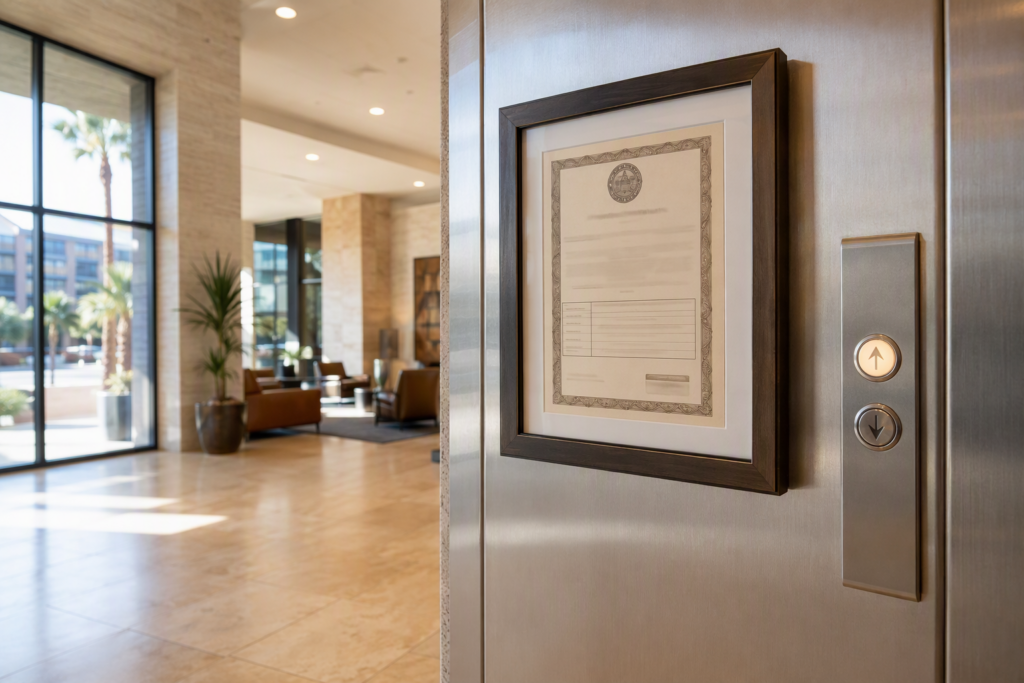
Questions Your Inspector Will Ask
When Arizona elevator safety inspectors evaluate a modernized healthcare elevator, they will examine the work performed against the applicable edition of ASME A17.1 and any specific alteration requirements triggered by the scope of the project. Facility managers should be prepared to address the following:
- What alteration permit was obtained for this modernization work, and is the permit on file?
- Which code edition governs this installation, and has the modernization brought the affected systems into compliance?
- Have all safety devices been tested and certified, including safeties, buffers, and governor systems?
- Do door safety devices meet current requirements, including the type and coverage of the reopening device?
- Has the machine room been maintained in compliance with lighting, clearance, and access requirements?
- Is the pit equipped with required lighting, a stop switch, a ladder, and adequate sump drainage?
- Are emergency communication systems functional and compliant with current ADA requirements for two-way communication?
- Has the elevator been tested at full rated load following modernization?
- Are all maintenance records and test certificates available for inspector review?
Working with a qualified contractor who understands Arizona’s inspection process helps ensure that modernization projects pass inspection on the first attempt, avoiding costly delays and re-inspection fees.
How Should Healthcare Facilities in Arizona Plan a Phased Modernization Program?
Large hospital campuses with multiple elevators rarely modernize all units simultaneously. A phased approach allows facilities to spread capital expenditure over multiple budget cycles while systematically reducing risk. A sound phasing strategy prioritizes elevators based on:
- Age and condition of critical components, especially controllers and door systems
- Service call history and recurring failure patterns
- Compliance status relative to current ASME A17.1 requirements
- Operational criticality — elevators serving surgical suites, emergency departments, or intensive care units warrant higher priority
- Available capital in each budget year
Arizona Elevator Solutions assists healthcare clients in Phoenix, Tucson, Scottsdale, and Mesa in developing multi-year modernization roadmaps that align with capital planning cycles and operational priorities.
Is Hydraulic Elevator Conversion Worth Considering for Healthcare Facilities?
Many mid-century hospital buildings were constructed with hydraulic elevators that have now reached or exceeded typical service life expectations. Converting from hydraulic to machine-room-less (MRL) traction technology — where building conditions permit — can offer advantages in energy efficiency, ride quality, and the elimination of hydraulic fluid environmental liability. However, conversion projects are more complex than controller or door modernizations and require careful structural and architectural analysis. The decision should be made based on a thorough condition assessment and total cost of ownership analysis rather than a blanket preference for either technology.
What Role Does Preventive Maintenance Play After Modernization?
Modernization resets the condition of key elevator systems, but ongoing preventive maintenance is essential to realize the full benefit of that investment. A comprehensive maintenance program for healthcare elevators should include:
- Regular lubrication of mechanical components per manufacturer specifications
- Periodic testing of all safety devices, door safety systems, and emergency communications
- Monitoring of controller diagnostics and drive performance data
- Documentation of all maintenance activities to support inspection compliance
- Prompt response to any reported anomalies before they develop into outages
Pairing a modernization project with a structured maintenance agreement helps healthcare facilities protect their capital investment and maintain the reliability gains achieved through modernization.
Ready to Evaluate Your Healthcare Facility’s Elevator Modernization ROI?
Arizona Elevator Solutions serves hospitals, outpatient clinics, surgical centers, and long-term care facilities across Phoenix, Tucson, Scottsdale, and Mesa. A professional modernization assessment provides the documented, facility-specific information needed to build a credible business case for capital investment in elevator upgrades — from compliance gap analysis to total cost of ownership projections.
Contact Arizona Elevator Solutions for a free elevator assessment: 480-557-7600
Need elevator service you can rely on? Arizona Elevator Solutions is ready to help.