How Often Do Elevators Need to Be Inspected in Arizona — and Who Is Required to Do It?
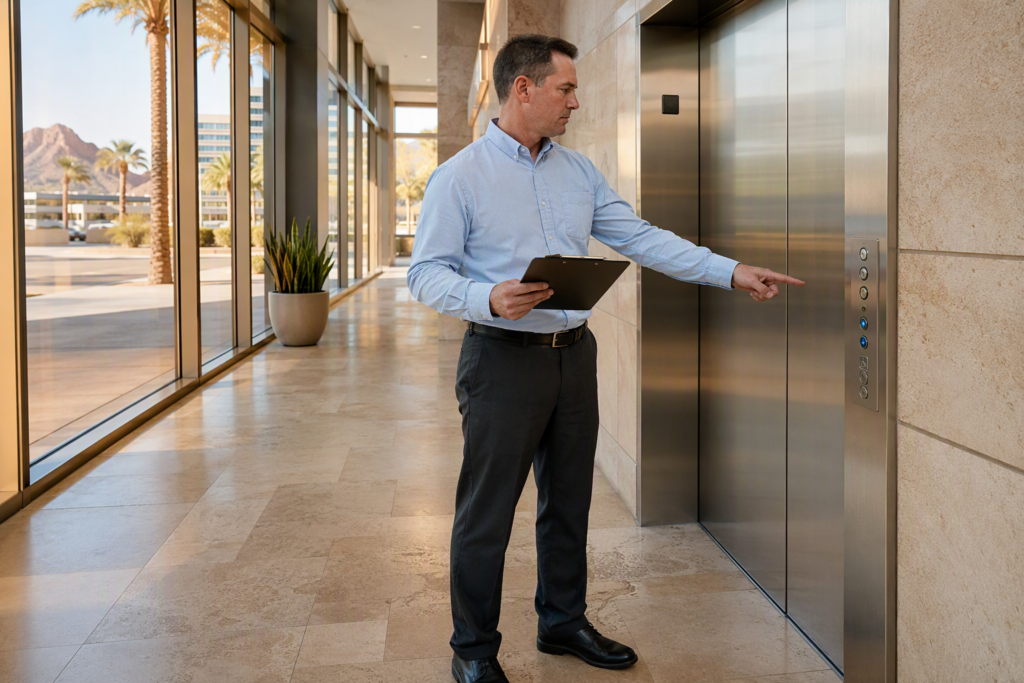
Elevator inspection compliance in Arizona is governed by a combination of state statute, local jurisdiction authority, and nationally recognized safety codes. Building owners, facility managers, and property developers who fail to meet these requirements expose themselves to significant liability, potential fines, and — most critically — preventable safety incidents. This page covers every dimension of Arizona elevator inspection requirements: frequency, responsible parties, the inspection process itself, costs, penalties, and the industry trends shaping compliance in 2025 and 2026.
What Does Arizona Law Say About Elevator Inspection Frequency?
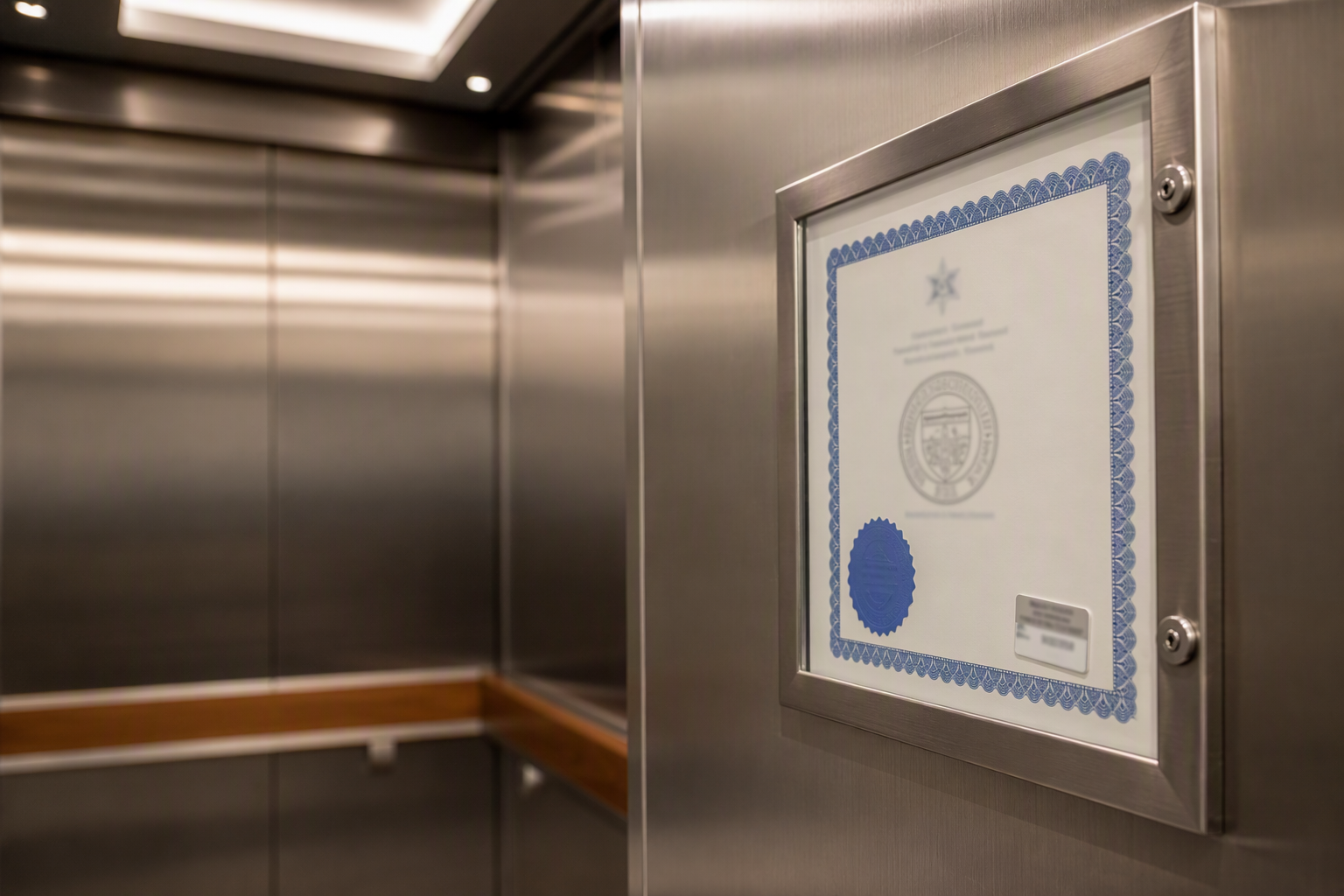
Arizona’s elevator safety framework falls under the Arizona Department of Occupational Safety and Health (ADOSH), which administers the state’s conveyance safety program. Under Arizona’s adopted standards, periodic inspections are required at intervals defined by the ASME A17.1 Safety Code for Elevators and Escalators and its companion inspection standard, ASME A17.2 (Guide for Inspection of Elevators, Escalators, and Moving Walks). These codes establish the baseline for inspection frequency, test types, and inspector qualifications.
For most hydraulic and traction elevators installed in commercial and multi-family residential buildings in Arizona, the standard periodic inspection interval is annual — meaning once every 12 months. However, inspection frequency is not one-size-fits-all. The type of conveyance, its risk classification, its use environment, and the local jurisdiction’s amendments to the base code can all affect how often an elevator must be formally inspected.
| Equipment Type | Periodic Inspection Interval | Source |
|---|---|---|
| Electric Traction Elevator | Annual (12 months) | ASME A17.1 |
| Hydraulic Elevator | Annual (12 months) | ASME A17.1 |
| Escalator / Moving Walk | Annual (12 months) | ASME A17.1 |
| Dumbwaiter | Annual (12 months) | ASME A17.1 |
Note: Local Arizona jurisdictions (such as the City of Phoenix or Maricopa County) may adopt amendments that impose additional requirements or tighter intervals. Always verify the current adopted code edition with the authority having jurisdiction (AHJ) in your municipality.
Who Is Required to Perform Elevator Inspections in Arizona?
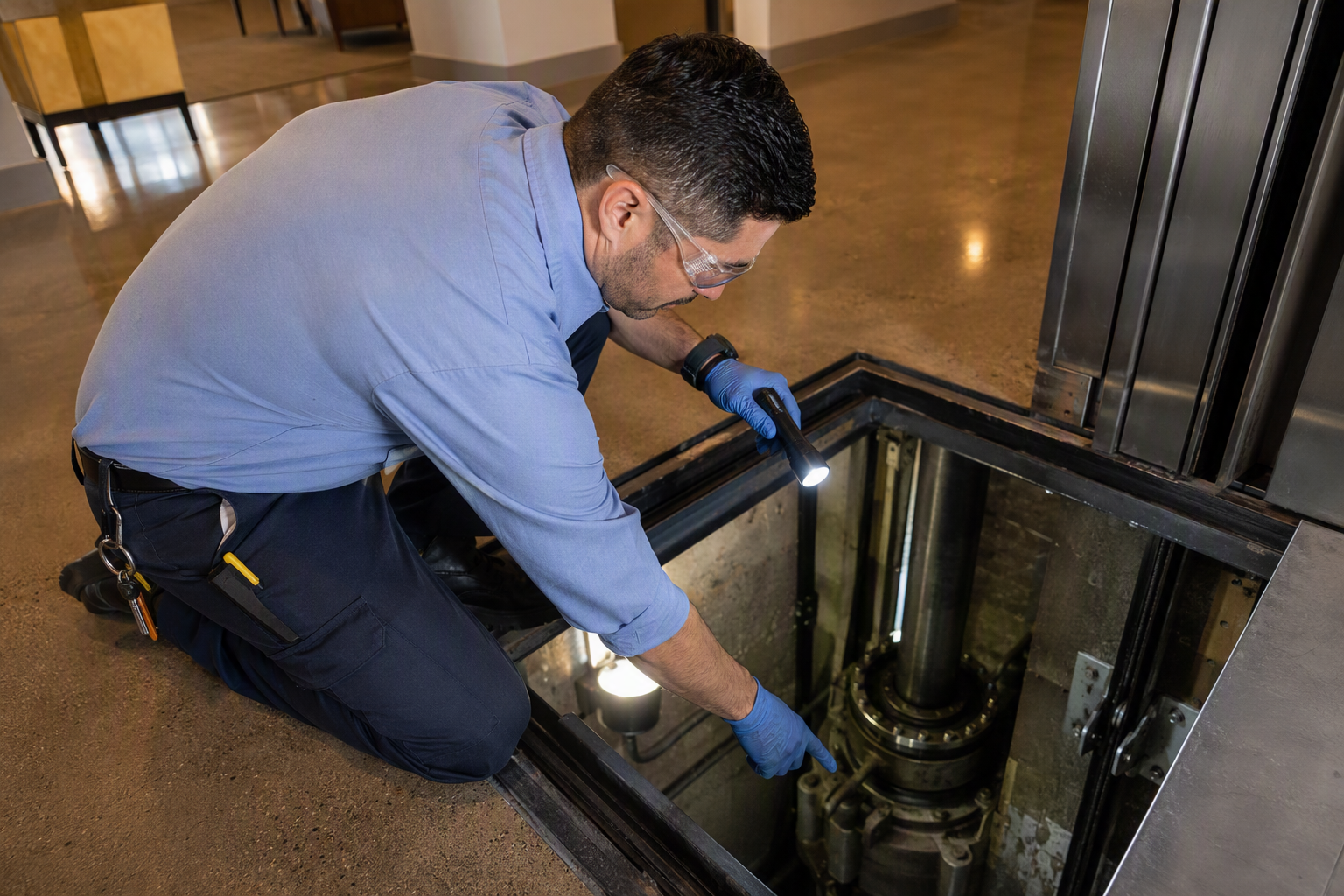
Not just any technician can conduct a legally recognized elevator inspection in Arizona. The state and the ASME A17.1 and A17.2 codes set strict qualifications for who may perform periodic and acceptance inspections.
Inspectors must hold a Qualified Elevator Inspector (QEI) certification, which is administered by the National Elevator Industry Educational Program (NEIEP) and the American Society of Mechanical Engineers. Arizona’s ADOSH program recognizes QEI-certified inspectors as meeting the competency threshold required by the adopted standards.
Inspections may be performed by:
- State inspectors employed by ADOSH — Arizona’s state conveyance safety program employs inspectors who conduct routine periodic inspections of elevators under state jurisdiction.
- Third-party QEI-certified inspectors — In jurisdictions where the state allows or requires owner-arranged inspections, a licensed third-party inspector with active QEI certification may conduct the inspection.
- Authorized city or county inspectors — Some Arizona municipalities operate their own conveyance inspection programs. In those jurisdictions, city-employed inspectors with QEI credentials fulfill the requirement.
Critically, the elevator maintenance technician or company servicing a unit generally cannot serve as the inspector of record for the same unit — the inspection function is intended to be independent of the maintenance function to prevent conflicts of interest.
What Types of Inspections Are Required — and What Is the Difference?
Arizona’s elevator inspection regime includes more than a single annual checkup. The ASME A17.1 Safety Code defines several distinct inspection and test categories:
- Acceptance Inspection and Test: Required before any new elevator or major alteration is placed into service. This confirms the installation meets all code requirements before public use is permitted.
- Periodic Inspection: The standard annual inspection confirming ongoing compliance with safety requirements. This is the inspection most building owners are referring to when they ask “how often does my elevator need to be inspected.”
- Periodic Test: Certain components — such as governor and safety devices, buffers, and pressure relief valves on hydraulic units — require periodic functional testing at intervals specified by ASME A17.1. These test intervals may differ from the annual inspection interval; some tests are required every one to five years depending on the component.
- Witnessing of Periodic Tests: Some tests must be witnessed by a QEI-certified inspector, not merely performed by a maintenance technician.
What Happens During an Arizona Elevator Periodic Inspection?
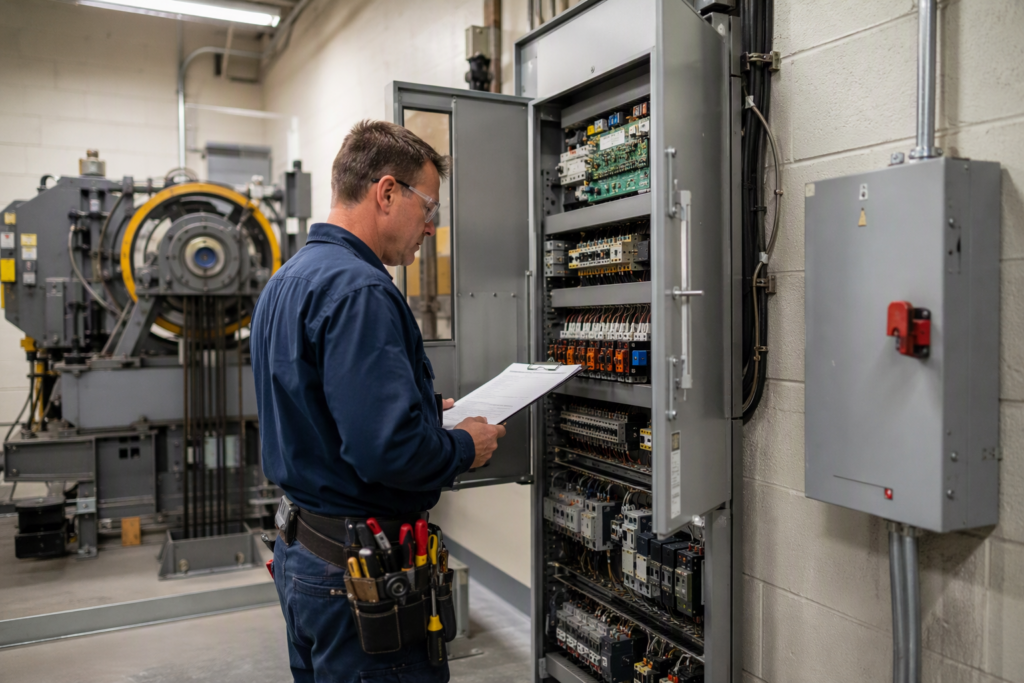
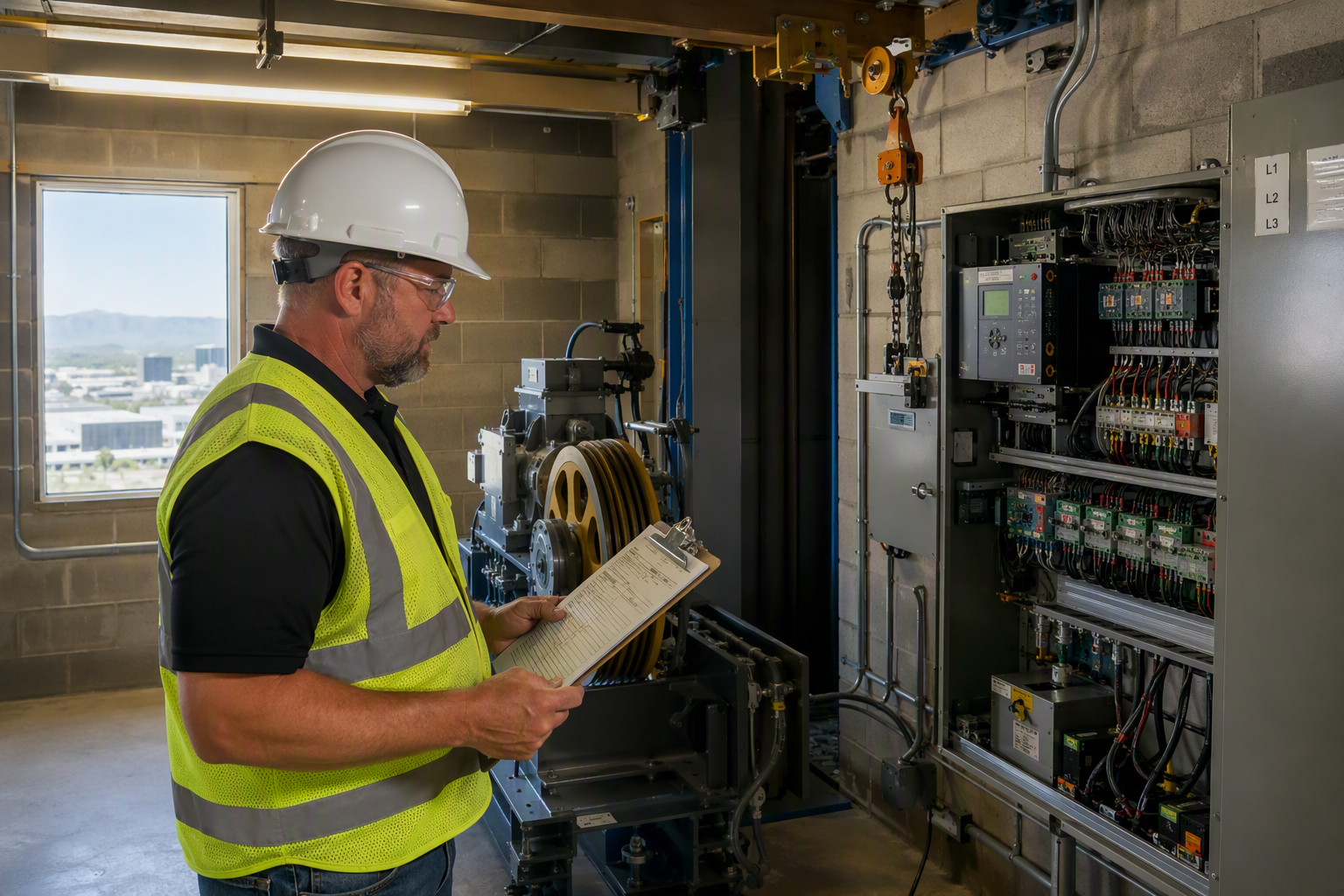
A QEI-certified inspector conducting a periodic inspection in Arizona follows the procedural framework of ASME A17.2 (Guide for Inspection of Elevators, Escalators, and Moving Walks). The inspection encompasses the machine room, hoistway, car interior, pit, and all associated safety equipment. Key elements reviewed include:
- Machine room conditions and clearances
- Drive machine and brake operation
- Governor and safety device condition
- Hoistway enclosure and door interlock systems
- Car and counterweight guide rails
- Hydraulic unit integrity (for hydraulic elevators), including cylinder condition and oil containment
- Emergency lighting and communication systems
- Pit conditions, lighting, stop switches, and sump systems
- Firefighter service and Phase I/Phase II emergency operation
- Capacity and loading markings
Upon completion, the inspector issues a written inspection report. If violations are found, the building owner receives a deficiency notice and a timeline for correction. In serious cases, the elevator may be placed out of service until corrections are made and verified.
What Is the Step-by-Step Process for Scheduling and Completing an Arizona Elevator Inspection?
- Determine your authority having jurisdiction (AHJ). Identify whether your building falls under ADOSH jurisdiction or a local municipality program (e.g., City of Phoenix, Tucson, Scottsdale). Contact the relevant office to confirm current requirements and the applicable code edition.
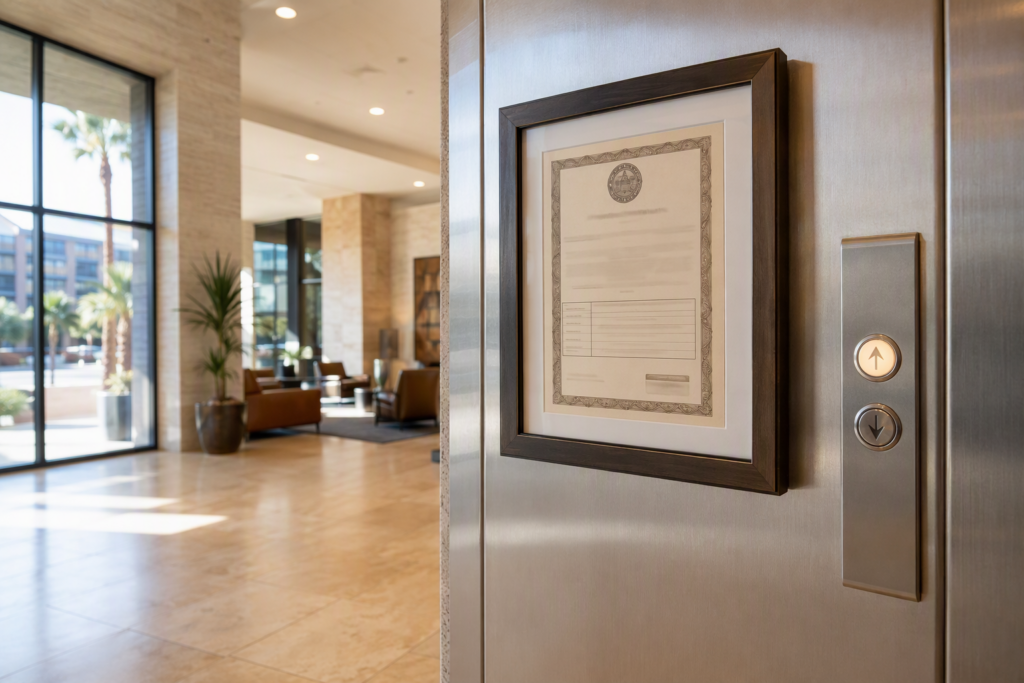
- Confirm your elevator’s inspection due date. Retrieve the current certificate of inspection posted inside the elevator cab. The expiration date tells you when the next periodic inspection must be completed.
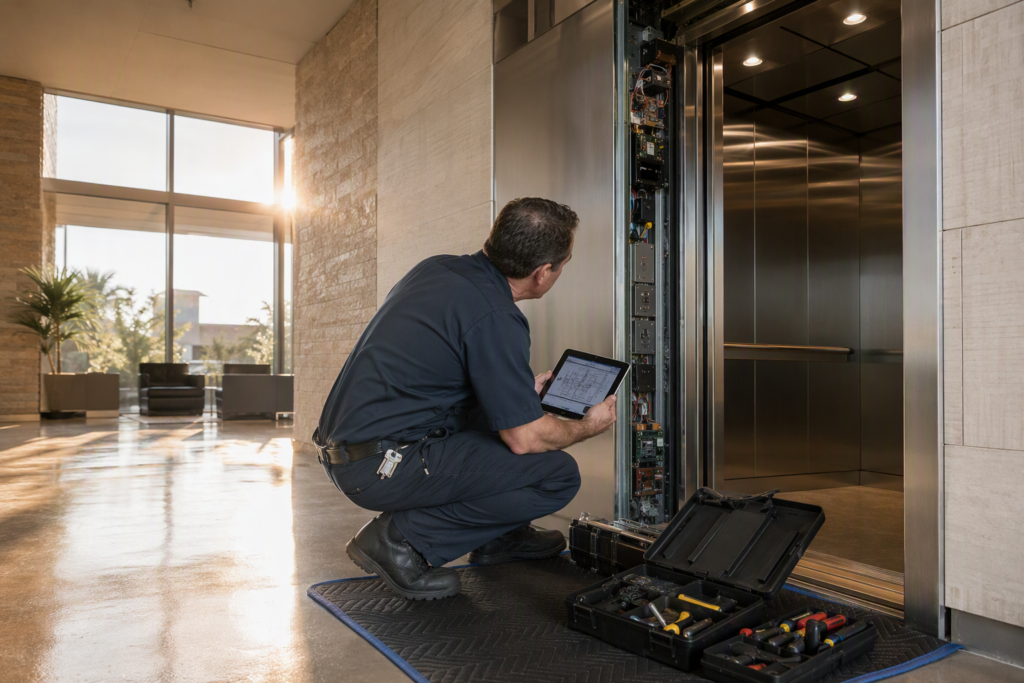
- Engage a licensed elevator maintenance company. Ensure the elevator has been properly maintained and that any known deficiencies have been addressed before the inspection. An elevator in poor mechanical condition is more likely to generate citations.
- Schedule the inspection with your AHJ or an approved third-party QEI inspector. Depending on jurisdiction, you may schedule through ADOSH directly or arrange an owner-procured inspection with a QEI-certified third party.
- Prepare the machine room and pit for access. Clear any storage from the machine room and pit area, confirm lighting is functional, and ensure the maintenance logbook is available for the inspector’s review.
- Be present or have a knowledgeable representative on-site. The inspector will need elevator access and may have questions about recent maintenance or modifications.
- Review the inspection report upon completion. If deficiencies are noted, obtain written quotes for corrective work and establish a remediation timeline that meets the AHJ’s deadline.
- Complete required repairs and request re-inspection if required. Certain violations require a follow-up inspection to confirm correction before a new certificate is issued.
- Post the updated certificate of inspection in the elevator cab. Arizona law requires the current inspection certificate to be displayed inside the elevator at all times.
Who Is Responsible for Ensuring an Elevator Gets Inspected — the Building Owner or the Elevator Company?
Under Arizona law and the adopted ASME standards, the building owner or property manager holds legal responsibility for ensuring the elevator is inspected on schedule and that a valid certificate of inspection is maintained. This obligation does not transfer to the elevator maintenance contractor, although a reputable maintenance provider will typically track inspection due dates on behalf of the client and coordinate scheduling as part of their service relationship.
Building owners who delegate inspection tracking entirely to a third party without independent verification accept the risk that lapses go unnoticed. Arizona Elevator Solutions provides clients with proactive compliance tracking support as part of its service approach, helping property teams stay ahead of inspection deadlines rather than reacting to expired certificates.
What Are the Penalties for Operating an Elevator Without a Valid Inspection Certificate in Arizona?
Operating a conveyance without a current certificate of inspection in Arizona is a violation of state conveyance safety statutes enforced by ADOSH. Consequences can include:
- Written violation notices and mandatory correction orders
- Civil penalties assessed by ADOSH for each day of continued non-compliance
- Mandatory shutdown of the elevator until compliance is restored
- Increased liability exposure in the event of a passenger injury during the non-compliant period
- Insurance complications, as many commercial property policies require current certificates to maintain coverage for elevator-related claims
Penalties are assessed on a per-violation, per-day basis, meaning that an extended lapse in certification can accumulate significant financial exposure beyond the cost of the inspection itself.
Does the ADA Affect Elevator Inspection Requirements in Arizona?
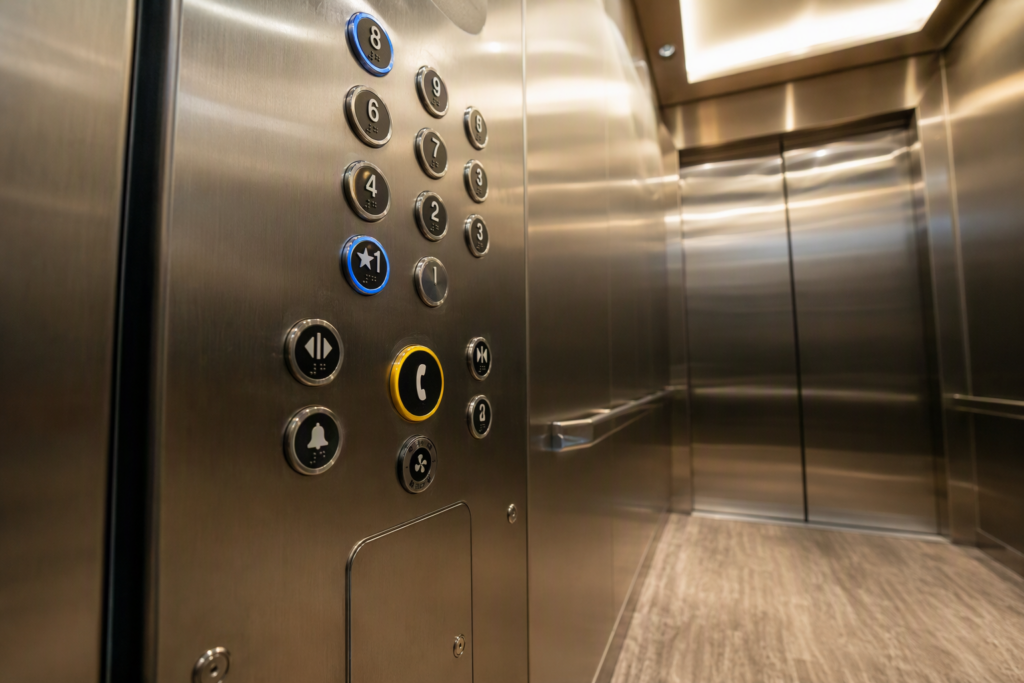
The Americans with Disabilities Act (ADA) establishes accessibility requirements for elevator features — including cab dimensions, control panel height, audible and visual signals, and door timing — but it does not independently mandate inspection intervals. However, ADA compliance is a component that inspectors evaluate and that can generate deficiency citations during periodic inspections when an elevator’s accessible features are found to be inoperable or non-compliant. Building owners should treat ADA conformance as an ongoing maintenance obligation, not a one-time installation checklist.
How Much Does an Elevator Inspection Cost in Arizona?
Inspection fees in Arizona vary based on several qualitative factors rather than a single statewide published rate:
- Jurisdiction fees: ADOSH and local municipality programs charge permit and inspection fees that differ by location and equipment type. These are set by each AHJ and are subject to change with budget cycles.
- Equipment type and complexity: A standard hydraulic elevator in a two-story building involves a different scope of inspection than a high-rise traction elevator with multiple cars and advanced control systems.
- Third-party inspector rates: Where owner-arranged third-party inspections are permitted, private QEI inspectors set their own fees based on scope, travel, and market rates.
- Remediation costs: If the inspection reveals deficiencies, the cost of bringing the elevator into compliance — ranging from minor adjustments to significant component repairs — can substantially exceed the inspection fee itself.
Building owners are advised to obtain the current fee schedule directly from their AHJ and to budget for the possibility of corrective work following any periodic inspection.
What Are the Industry Trends Affecting Elevator Inspections in Arizona for 2025–2026?
Several qualitative trends are shaping how elevator inspection and compliance are approached across Arizona in 2025 and into 2026:
- Remote monitoring and predictive maintenance integration: More building owners and elevator service providers are deploying IoT-connected monitoring systems that track elevator performance data between inspections. While these systems do not replace the mandated periodic inspection, they are increasingly being used to identify developing issues before they become inspection failures or safety events.
- Code edition transitions: ASME periodically publishes new editions of A17.1 and A17.2. Arizona jurisdictions adopt updated code editions on varying timelines, and the transition to newer editions can introduce revised inspection requirements. Facility managers should confirm which edition is currently adopted by their AHJ.
- Inspector workforce constraints: The QEI-certified inspector workforce is a specialized labor pool. Scheduling lead times for inspections have become a concern in some Arizona markets, making it important for building owners to schedule inspections well in advance of certificate expiration rather than waiting until the final weeks.
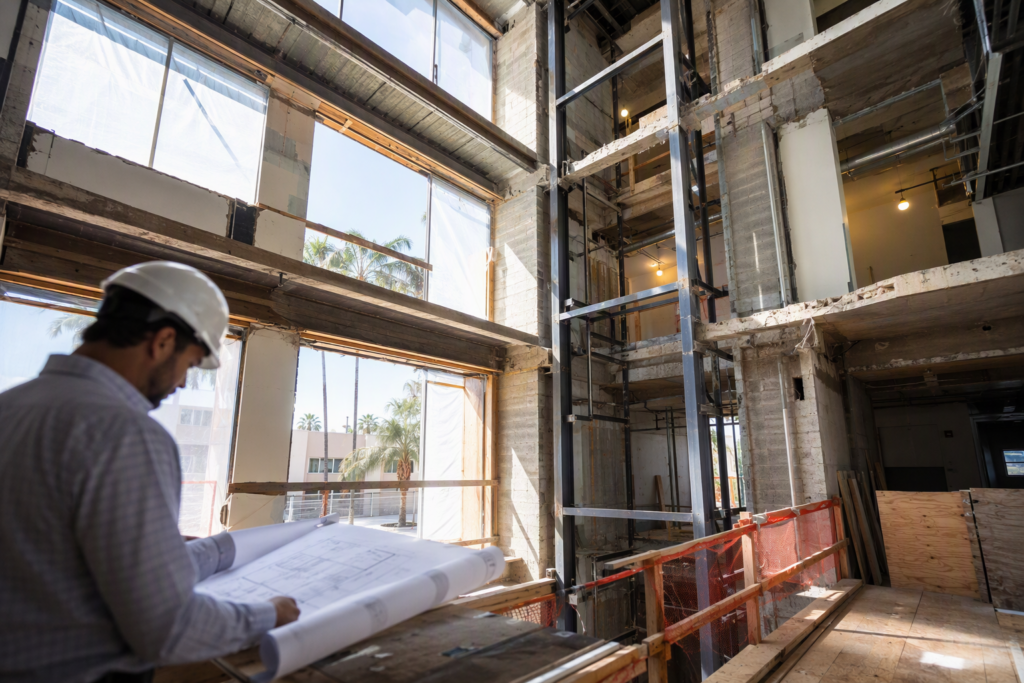
- Modernization-triggered acceptance inspections: Arizona is experiencing a significant wave of elevator modernization projects as older hydraulic and traction units reach end-of-life. Each modernization that constitutes an “alteration” under ASME A17.1 triggers a new acceptance inspection requirement — adding inspection volume to an already constrained market.
- Seismic requirements: Arizona is not considered a high seismic zone in the way that coastal states are, but updated code editions increasingly address seismic provisions, and these may become relevant for newer installations or major alterations.
What Is the Difference Between an Elevator Inspection and Elevator Maintenance in Arizona?
These two functions are legally and operationally distinct:
- Inspection is a compliance verification activity conducted by an independent QEI-certified inspector. It produces an official finding that the elevator does or does not meet the requirements of the adopted code, and results in either certificate issuance or a deficiency notice.
- Maintenance is the ongoing technical work performed by licensed elevator mechanics to keep the equipment in safe, functional condition. This includes lubrication, adjustments, component replacement, cleaning, and functional testing performed by the service contractor.
A well-maintained elevator is far more likely to pass its periodic inspection without deficiency citations. Building owners who defer or reduce maintenance to cut costs often encounter higher inspection failure rates and the compounded cost of deferred repairs.
Does Arizona Require Elevator Inspections for Residential Home Elevators?
Residential elevators installed in single-family homes occupy a different regulatory position than commercial elevators. Under ASME A17.1, residential elevators are addressed under specific rules that differ from commercial conveyance requirements. Whether a private residence elevator falls under ADOSH jurisdiction or is subject to periodic inspection requirements depends on local ordinance. Many single-family home elevators in Arizona are subject to permit and acceptance inspection at time of installation but are not subject to mandatory annual periodic inspections in the same way commercial elevators are. Building owners with residential elevators should confirm the applicable requirements with their local building department.
How Can Arizona Elevator Solutions Help Building Owners Meet Their Inspection Obligations?
Arizona Elevator Solutions approaches elevator compliance as a data-driven discipline. Rather than treating inspections as a reactive obligation, the company works with building owners and facility managers to maintain a proactive compliance calendar, coordinate with the appropriate authority having jurisdiction, and ensure that preventive maintenance activity is aligned with the inspection requirements of the ASME A17.1 Safety Code for Elevators and Escalators.
Arizona Elevator Solutions serves commercial property owners, multi-family residential operators, healthcare facilities, hospitality properties, and industrial clients across Arizona — providing maintenance, modernization, and compliance support that helps buildings maintain current certificates of inspection without gaps.
Quick Reference: Arizona Elevator Inspection — Key Facts at a Glance
| Question | Answer | Authority |
|---|---|---|
| How often must most elevators be inspected? | Annually (once every 12 months) | ASME A17.1 |
| Who may conduct an inspection? | QEI-certified inspector (ADOSH, municipal, or approved third party) | ASME A17.2 |
| Who is legally responsible for scheduling? | Building owner / property manager | Arizona conveyance safety statutes (ADOSH) |
| Where must the certificate be displayed? | Inside the elevator cab | Arizona conveyance safety statutes (ADOSH) |
| Does ADA affect inspection content? | Yes — accessibility features are evaluated | ADA |
Schedule Your Arizona Elevator Inspection Assessment Today
Keeping your elevator compliant with Arizona’s inspection requirements is a legal obligation and a critical safety responsibility. Whether a certificate is approaching expiration, an elevator has never been assessed for code compliance, or a modernization project is planned, Arizona Elevator Solutions provides the expertise to keep conveyances safe, compliant, and performing reliably.
Contact Arizona Elevator Solutions for a free elevator assessment: 480-557-7600
Need elevator service you can rely on? Arizona Elevator Solutions is ready to help.