Elevator Installation Cost in Phoenix, AZ | Arizona Elevator Solutions
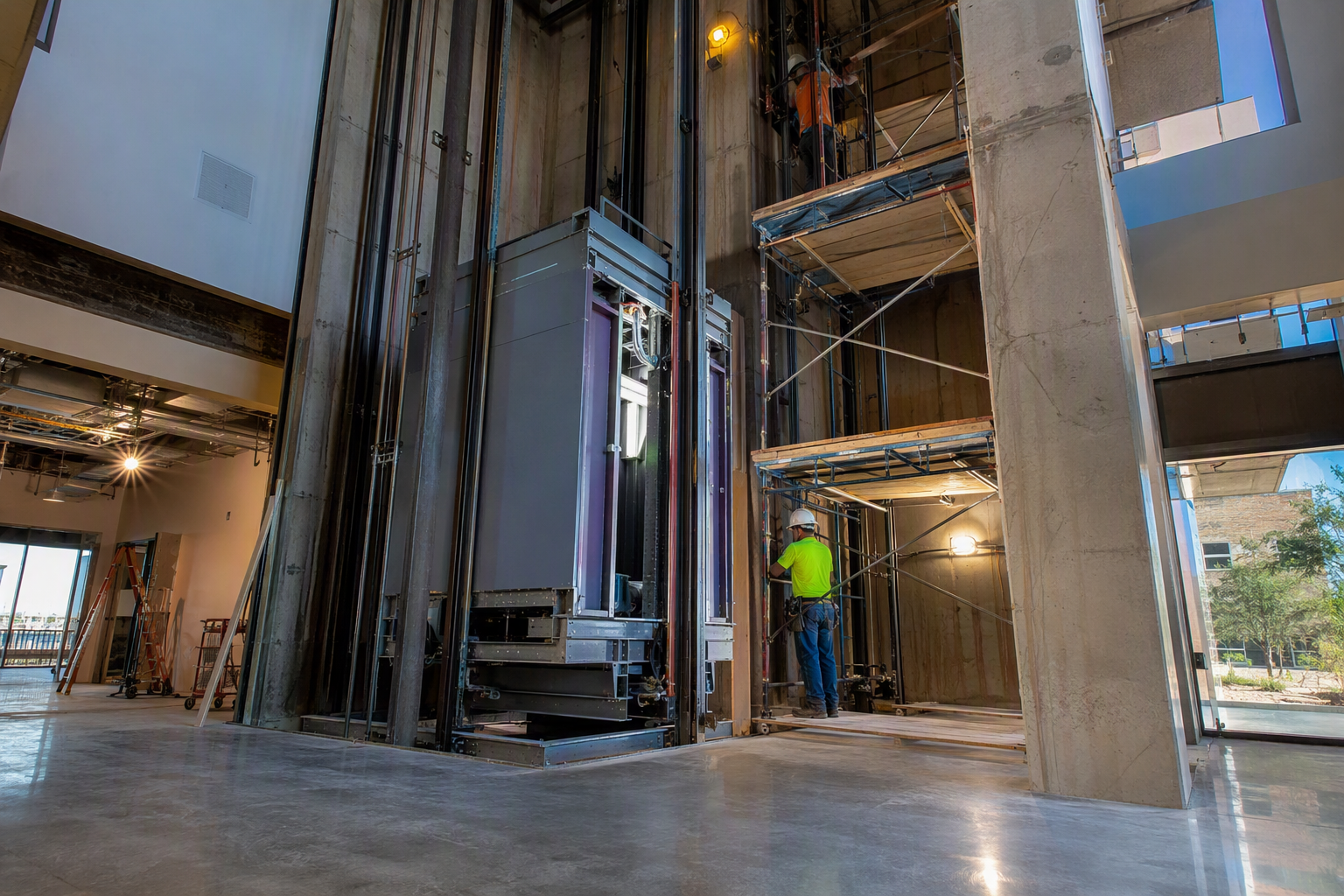
Commercial elevator installation in Phoenix, AZ is a significant capital investment shaped by more variables than most building owners anticipate. The elevator type, shaft dimensions, floor count, load capacity, local code requirements, and the condition of the existing structure all influence the final project cost. Arizona Elevator Solutions helps commercial property owners in the Phoenix metro area navigate these decisions with clarity, from initial planning through final inspection.
—
What Factors Determine the Cost of a New Commercial Elevator in Arizona?
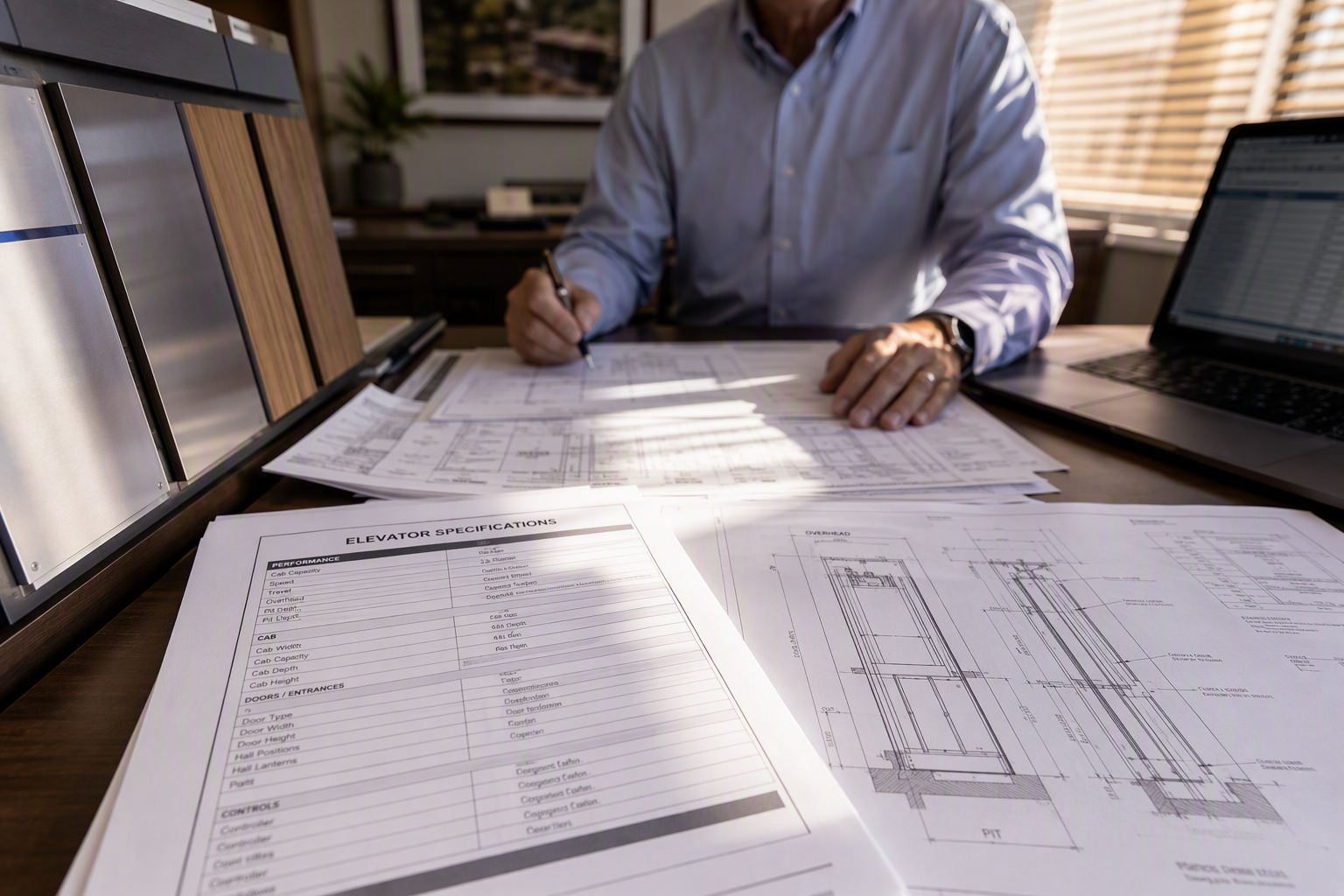
No two commercial elevator installations carry the same price tag. Several interconnected factors drive the total project investment:
- Elevator type: Hydraulic, traction (geared or gearless), and machine-room-less (MRL) elevators each carry different equipment, installation, and long-term maintenance costs. Traction systems are common in mid-rise and high-rise commercial buildings, while hydraulic units are frequently selected for low-rise properties.
- Number of floors served: More stops require more travel distance, additional equipment, and extended installation labor.
- Weight capacity: Freight elevators and high-capacity passenger units require heavier structural support and larger mechanical components than standard passenger elevators.
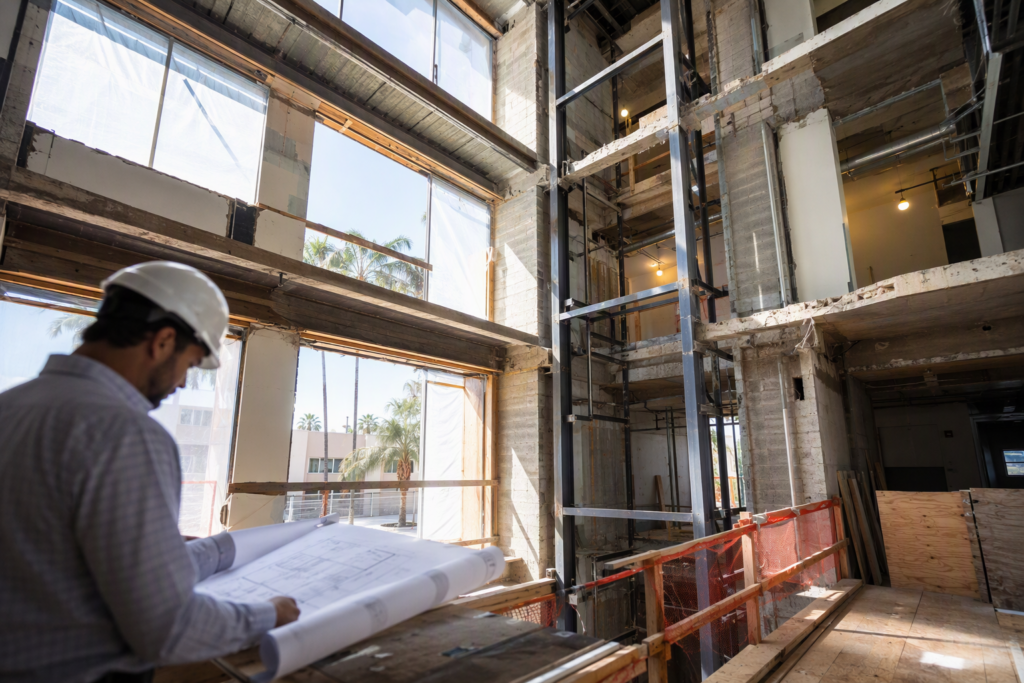
- Shaft construction: New construction allows a shaft to be planned efficiently, while a retrofit installation in an existing commercial building typically requires significant structural work — one of the largest cost variables in a Phoenix remodel project.
- Cab finishes and features: Custom interiors, accessibility features, destination dispatch systems, and emergency communication upgrades all affect the final price.
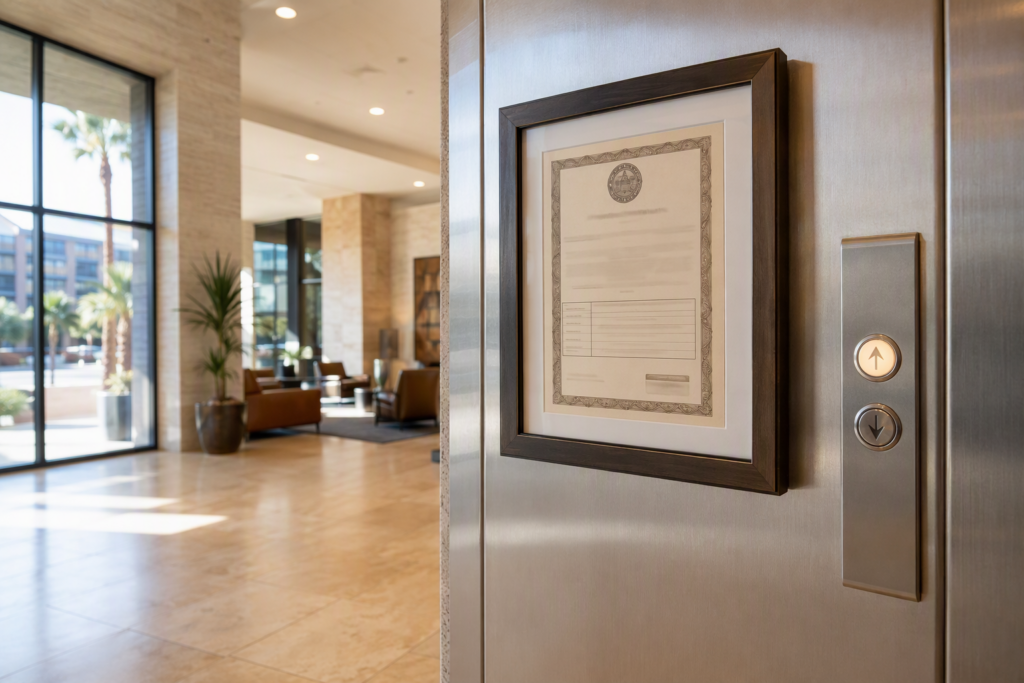
- Permitting and inspections: Arizona requires permits and inspections through the ASME A17.1 Safety Code for Elevators and Escalators framework, and local jurisdictions in Maricopa County coordinate their own plan review and inspection processes.
Because these variables interact, a professional site evaluation is the only reliable path to an accurate cost projection for a specific Phoenix commercial building.
—
What Arizona and Phoenix-Specific Code Requirements Apply to New Elevator Installations?
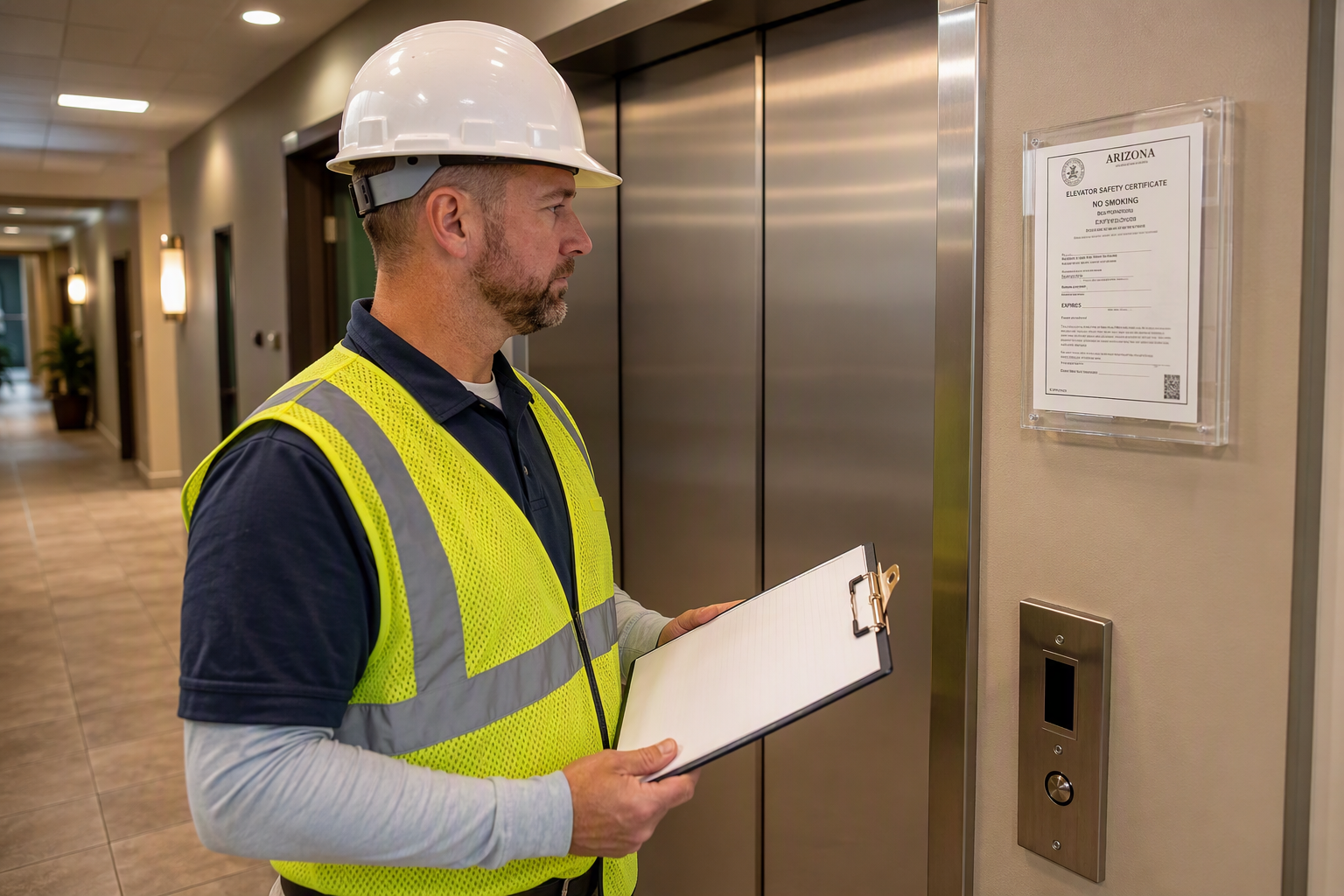
Arizona adopts the ASME A17.1 Safety Code for Elevators and Escalators as the governing technical standard for elevator design, installation, and inspection. In 2026, compliance with current ASME editions is enforced through Arizona’s elevator safety program, and local jurisdictions such as the City of Phoenix and Maricopa County coordinate permitting and third-party inspections accordingly.
Key compliance considerations for Arizona commercial installations include:
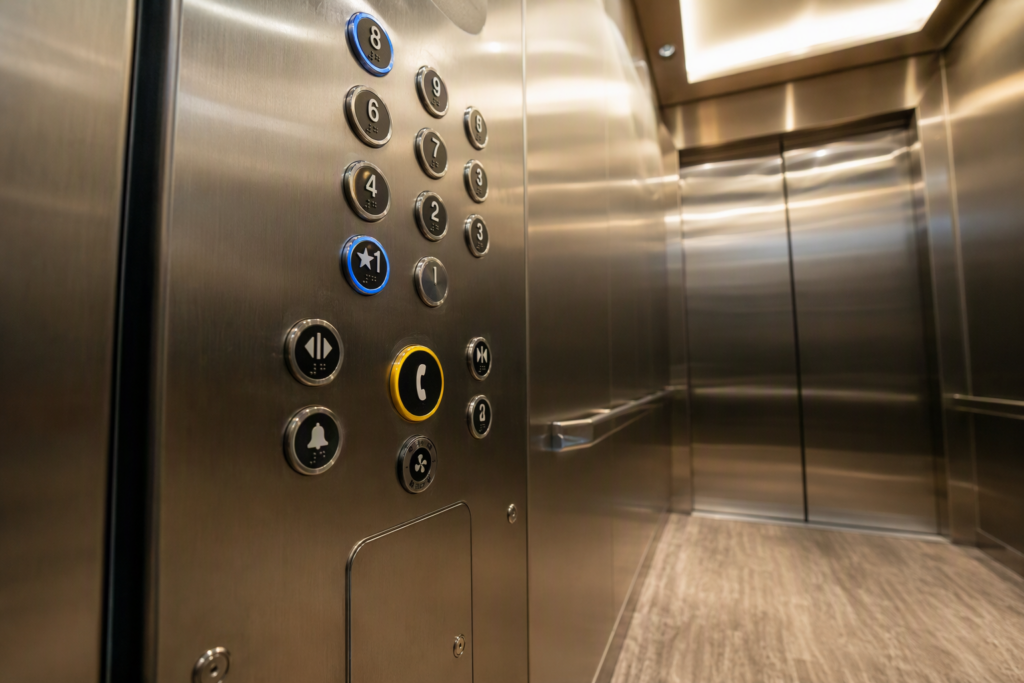
- ADA accessibility: Commercial elevators serving the public must meet Americans with Disabilities Act (ADA) requirements for cab dimensions, door width, control height, and signage. These requirements affect both equipment selection and cab design.
- Emergency lighting and communication: All new commercial elevators in Arizona must include compliant emergency lighting systems and a two-way communication device accessible to passengers — requirements enforced under ASME A17.1.
- Seismic considerations: While Arizona is not in a high seismic zone, certain commercial building classifications still require seismic design review under applicable building codes.
- Energy efficiency: Arizona’s climate context and energy standards may influence equipment selection, particularly for machine-room cooling systems in Phoenix’s extreme summer heat.
- OSHA construction safety: During the installation phase, all work must meet OSHA workplace safety standards governing construction sites and elevator mechanic work.
—
How Long Does a Commercial Elevator Installation Take in Phoenix?
Project timelines for commercial elevator installation in Phoenix depend on whether the building is new construction or an existing retrofit, the complexity of the shaft work, equipment lead times, and the permitting schedule with local authorities.
New construction projects benefit from coordinated planning with the general contractor, allowing shaft construction and elevator installation to proceed in sequence. Retrofit projects in occupied commercial buildings typically require phased work plans to minimize disruption. Equipment lead times for elevator components can vary based on manufacturer availability and the specification of custom or specialty features.
Building owners should account for plan review and permit approval timelines with the City of Phoenix or the applicable jurisdiction, as these administrative steps precede physical installation work.
—
What Is the Difference Between Hydraulic and Traction Elevators for Commercial Buildings?
Choosing the right elevator type is one of the most consequential decisions in a commercial installation project, affecting both upfront cost and long-term operating expenses.
Hydraulic elevators use a fluid-driven piston system to raise and lower the cab. They are generally well-suited to low-rise commercial applications — typically buildings with fewer floors — and often carry lower initial equipment costs. However, hydraulic systems require a machine room, consume more energy per trip, and may require periodic hydraulic fluid maintenance.
Traction elevators use steel cables and a counterweight system driven by an electric motor. They are standard in mid-rise and high-rise commercial buildings and offer greater energy efficiency over time. Machine-room-less (MRL) traction systems place the drive equipment within the hoistway, eliminating the need for a dedicated machine room and offering flexibility in building design.
The right choice depends on the building’s floor count, available space, budget, and long-term operational goals. A site assessment by a qualified elevator professional helps clarify which system best fits the specific Phoenix property.
—
What Should Building Owners Do to Prepare for a Commercial Elevator Installation?
- Assess the building structure: Confirm that the existing structure — or the planned new construction — can accommodate shaft dimensions, pit depth, and overhead clearance requirements for the selected elevator type.
- Review ADA and code requirements: Identify all applicable ADA and ASME A17.1 requirements early so they are incorporated into the design, not added as costly corrections later.
- Engage a licensed elevator contractor: In Arizona, elevator installation must be performed by licensed elevator contractors. Selecting a contractor familiar with Phoenix permitting processes streamlines plan review and inspection scheduling.
- Coordinate with local authorities: Submit plans to the City of Phoenix or the applicable Maricopa County jurisdiction for plan review and secure required permits before construction begins.
- Plan for construction phasing: If the building will remain partially occupied during installation, work with the contractor to develop a phasing plan that maintains safety and minimizes operational disruption.
- Schedule the final inspection: Upon installation completion, a certified inspector must perform a full acceptance inspection per ASME A17.1 before the elevator is placed into service.
- Establish a maintenance agreement: Arizona commercial elevators require periodic inspections and ongoing maintenance. Establishing a service agreement from day one protects the investment and maintains compliance.
—
How Does Arizona’s Climate Affect Commercial Elevator Equipment?
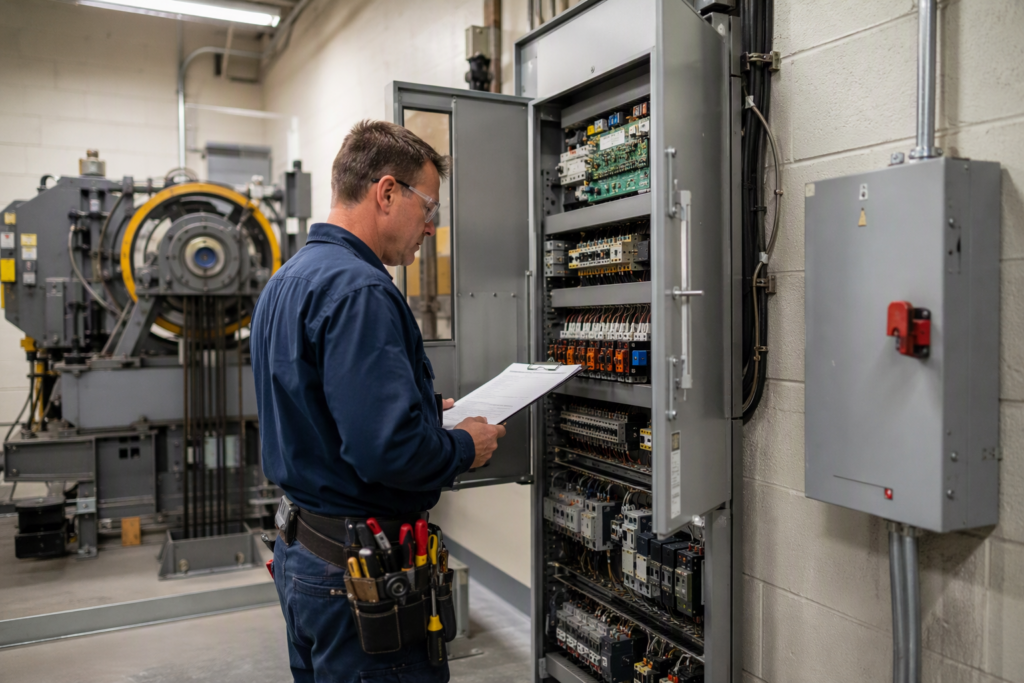
Phoenix’s extreme summer heat — regularly exceeding 110°F — presents equipment considerations that are less common in cooler climates. Machine rooms and hoistway environments must maintain acceptable temperature ranges for elevator drive systems, controllers, and hydraulic fluid. Adequate ventilation or cooling for machine room equipment is a practical requirement, not an optional upgrade, in the Arizona desert climate.
Building owners and elevator contractors should account for thermal management in equipment specifications and machine room design from the outset of a Phoenix commercial elevator project.
—
How Do You Choose the Right Elevator Contractor in the Phoenix Area?
Selecting an elevator contractor for a commercial installation is a decision that affects project quality, regulatory compliance, and long-term system performance. Key criteria for evaluating contractors in the Phoenix market include:
- Arizona state licensure for elevator installation and service work
- Demonstrated familiarity with City of Phoenix and Maricopa County permitting processes
- Experience with the specific elevator type and building class in the project scope
- Ability to provide ongoing maintenance and emergency service following installation
- Clear, itemized project proposals that distinguish equipment costs, labor, structural work, and permitting fees
- References from comparable commercial projects in the Phoenix metro area
Arizona Elevator Solutions serves commercial property owners, building managers, developers, and general contractors throughout the Phoenix metropolitan area, including Scottsdale, Tempe, Mesa, Chandler, Glendale, and surrounding communities.
—
What Ongoing Costs Should Arizona Commercial Building Owners Expect After Installation?
The installation investment is the beginning of an elevator’s total cost of ownership, not the end. Arizona commercial building owners should budget for:
- Periodic inspections: Arizona requires regular inspections of commercial elevators. Inspection intervals are governed by the ASME A17.1 framework and coordinated with state and local authorities.
- Preventive maintenance: Scheduled maintenance preserves equipment reliability, extends system lifespan, and is typically required to maintain the validity of operating permits.
- Component repairs and replacements: Over the life of the system, wear components — including cables, rollers, door operators, and control components — will require periodic service.
- Code modernization: As Arizona adopts updated editions of ASME A17.1 and related standards, existing elevators may require upgrades to remain compliant. Planning for modernization over time is a sound ownership strategy.
- Emergency service availability: Access to qualified elevator service professionals for unplanned repairs is a practical continuity consideration for any commercial property.
—
Schedule a Free Consultation
Understanding the true cost of a new commercial elevator installation in Phoenix, AZ starts with a professional assessment of the specific building, use case, and compliance requirements. Arizona Elevator Solutions works with commercial property owners and development teams throughout the Phoenix metro area to deliver clear guidance at every stage — from planning and equipment selection through installation, inspection, and long-term service.
Contact Arizona Elevator Solutions today to schedule a free consultation: 480-557-7600
Need elevator service you can rely on? Arizona Elevator Solutions is ready to help.