Elevator Service in Phoenix, AZ | Arizona Elevator Solutions
If your elevator has been slowing down, behaving erratically, or requiring repeated service calls with longer wait times for parts, the underlying issue may not be a simple repair — it may be an obsolete control system. For building owners and facility managers across Phoenix and the greater Maricopa County area, understanding when a control system has reached end-of-life is essential for staying compliant, keeping tenants safe, and avoiding costly unplanned downtime.
What Are the Warning Signs That an Elevator Control System Is Obsolete?
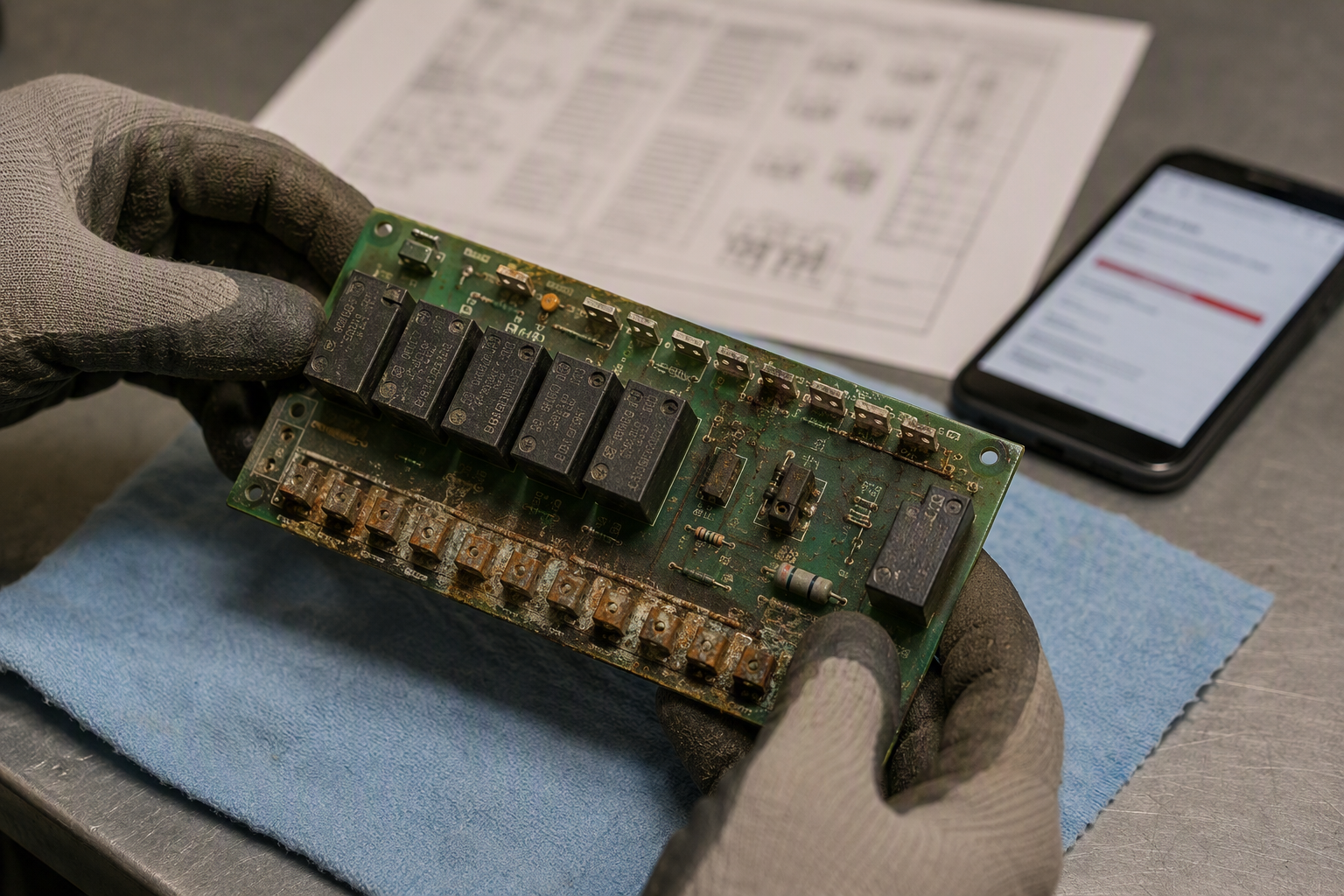
Control system obsolescence rarely announces itself all at once. Instead, it surfaces gradually through a pattern of symptoms that become increasingly difficult and expensive to manage. Building operators in Phoenix should watch for the following indicators:
- Discontinued manufacturer support: The original equipment manufacturer (OEM) has stopped producing parts, issued an end-of-life notice, or no longer provides technical documentation for the controller model.
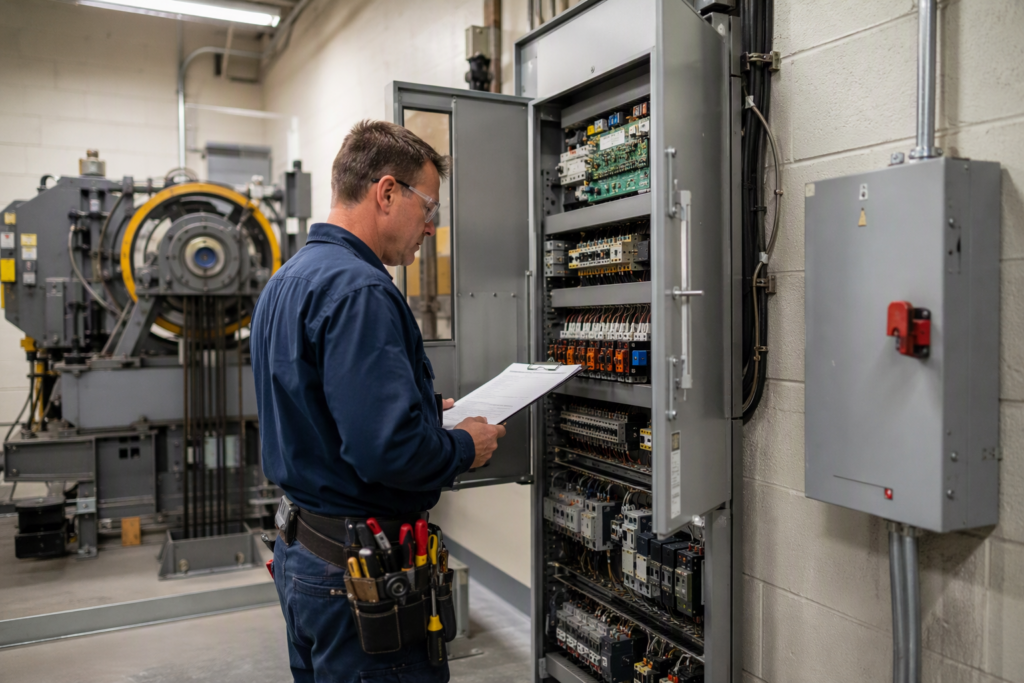
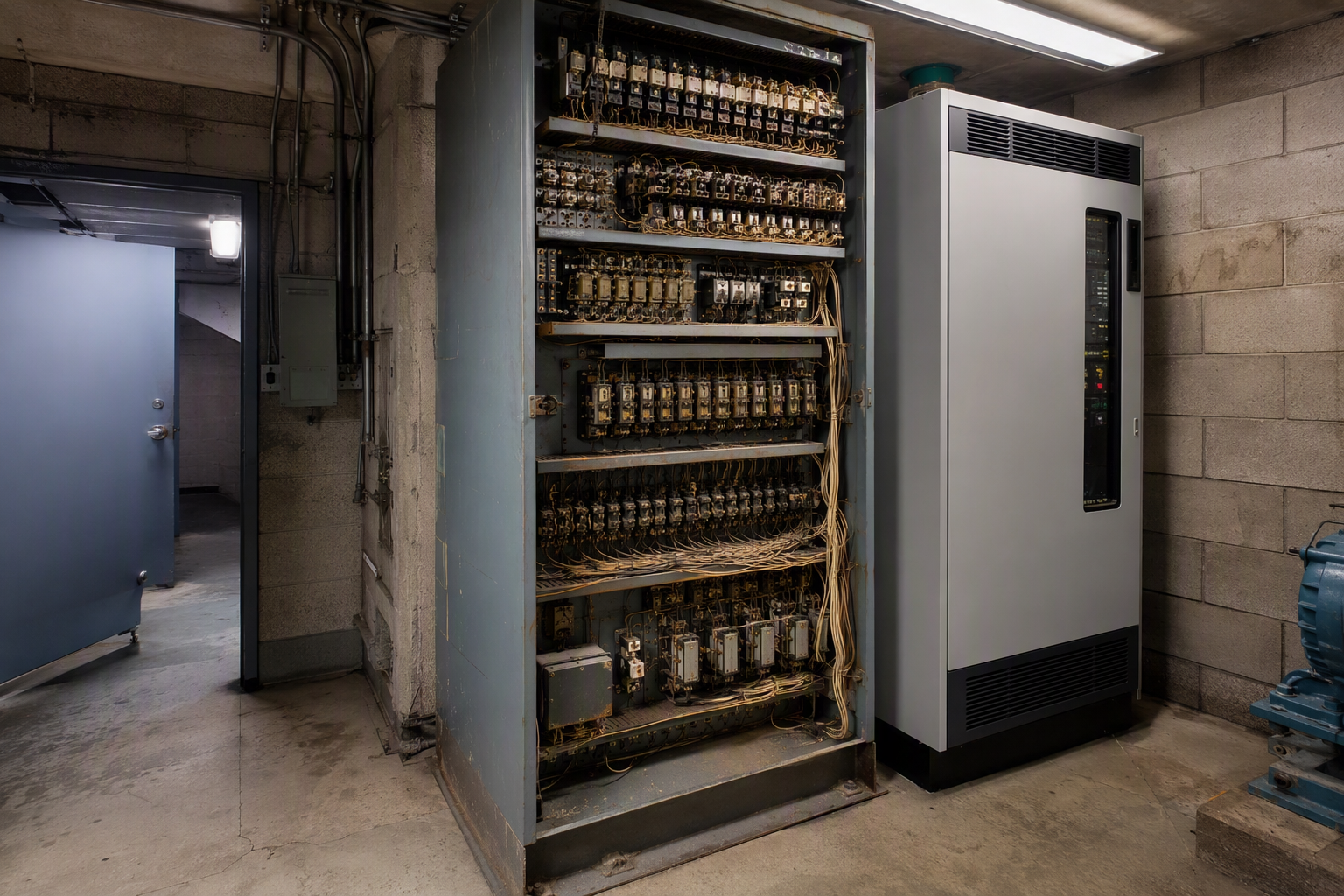
- Relay-based or early microprocessor logic: Older relay logic panels and first-generation solid-state controllers from the 1970s through the early 1990s are widely considered legacy technology, and components are increasingly sourced only from the secondary market.
- Extended lead times for parts: When sourcing a replacement board, relay, or drive takes weeks or months instead of days, the supply chain for that system has effectively broken down.
- Frequent nuisance faults and callbacks: A modern controller should operate without persistent, unexplained faults. Rising callback frequency often signals that aging components are failing intermittently in ways that cannot be reliably diagnosed or corrected.
- Inability to support current code requirements: Control systems that cannot be retrofitted to meet updated safety standards under the ASME A17.1 Safety Code for Elevators and Escalators present compliance risk that only modernization can resolve.
- No available service documentation: If wiring diagrams, programming manuals, or fault code references are no longer accessible, safe and effective servicing becomes difficult or impossible.
How Do Arizona Elevator Code Requirements Affect Obsolete Control Systems?
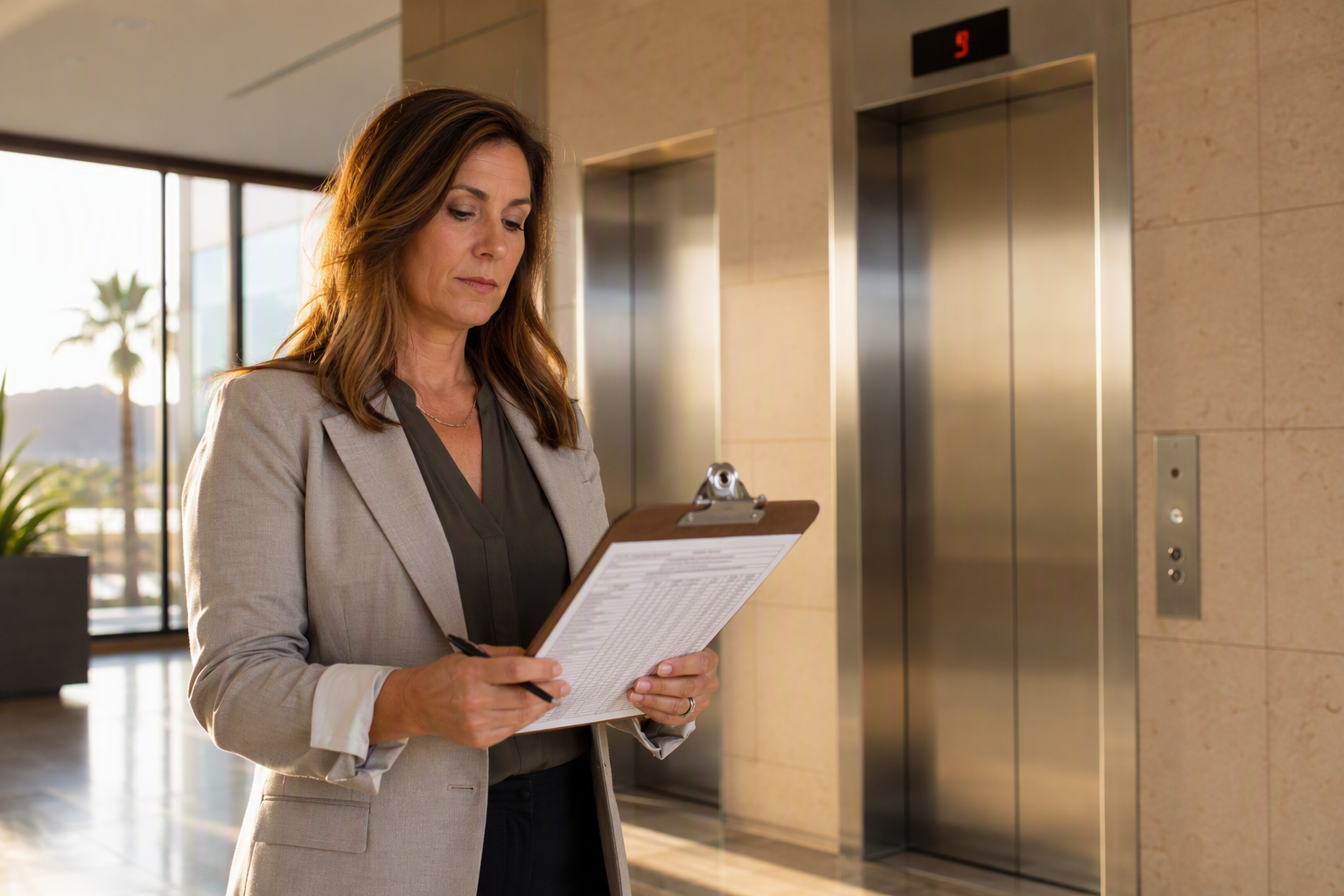
Arizona adopts and enforces elevator safety standards through the Arizona Department of Occupational Safety and Health (ADOSH), which aligns with OSHA federal standards and references ASME A17.1 for vertical transportation equipment. The 2026 regulatory environment in Arizona requires that elevators pass periodic inspections and that any identified safety deficiencies be corrected within prescribed timeframes.
When a control system is obsolete, several compliance challenges emerge:
- Modern ASME A17.1 editions require specific safety features — such as door reopening devices, emergency lighting, and leveling accuracy — that aging controllers may not support without modification.
- ADA accessibility requirements for elevator operation, including proper door timing and landing accuracy, may not be achievable on controllers that cannot be reprogrammed to current specifications.
- An elevator placed out of service due to a failed inspection on an obsolete system may remain offline until a modernization plan is approved and executed — a significant liability for Phoenix commercial property owners.
How Can a Building Owner Confirm That Parts Are No Longer Available?
Verifying parts availability requires a systematic approach. Arizona Elevator Solutions recommends the following steps when investigating a potentially obsolete control system:
- Identify the controller model and manufacturer. Locate the nameplate on the controller panel and record the manufacturer name, model number, and installation date.
- Contact the original manufacturer directly. Reach out to the OEM’s parts department and request current availability status for the specific model. Ask whether technical support is still offered.
- Consult a licensed elevator service company. A qualified elevator contractor in Arizona can cross-reference the controller model against current distributor catalogs and secondary market sources.
- Request a written obsolescence assessment. A professional assessment documents the parts status, estimated remaining service life, and modernization options — providing the foundation for budget planning and board or ownership approvals.
- Review maintenance records for parts sourcing history. If recent repairs relied on used or refurbished components rather than new OEM parts, that pattern itself is evidence of supply chain deterioration.
- Evaluate secondary market risk. Even when parts are available through third-party suppliers, used or remanufactured components carry no manufacturer warranty and may introduce new failure points.
What Is the Difference Between Repair and Modernization for an Obsolete System?
When a control system is obsolete, the decision between continued repair and full modernization is not simply financial — it is a risk management decision. Continued repair of an obsolete system means accepting increasing downtime, reliance on unwarrantied secondary-market parts, and the possibility of a catastrophic component failure that results in extended elevator outage. Modernization replaces the controller, and often the drive and related components, with current technology that carries manufacturer support, integrates with modern monitoring systems, and is engineered to meet current code requirements. For Phoenix buildings with high elevator usage — including multi-tenant office towers, hospitals, hotels, and residential high-rises — modernization typically delivers measurable improvements in reliability and ride quality alongside renewed code compliance.
What Types of Buildings in Phoenix Most Commonly Face This Issue?
Arizona Elevator Solutions serves the full range of vertical transportation environments across the Phoenix metropolitan area, including Scottsdale, Tempe, Mesa, Chandler, Glendale, and surrounding Maricopa County communities. Buildings most frequently encountering obsolete control systems include:
- Commercial office buildings constructed in the 1980s and early 1990s
- Mid-rise and high-rise residential properties
- Healthcare facilities and medical office buildings subject to continuous operation demands
- Hospitality properties where elevator reliability directly affects guest experience
- Government and municipal buildings with deferred capital budgets
- Retail and mixed-use developments with older base-building infrastructure
How Long Does an Elevator Control System Modernization Typically Take?
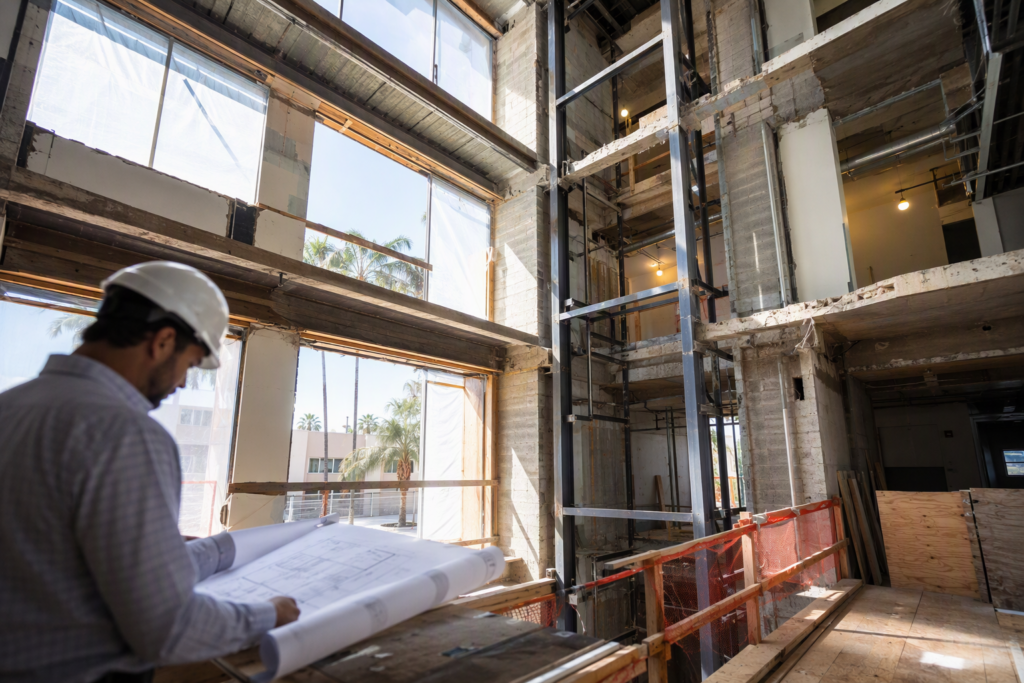
Timeline varies depending on the complexity of the existing installation, the number of elevators in a bank, lead times for new equipment, and the extent of additional work required (such as hoist way wiring, machine room upgrades, or landing fixture replacement). For a single elevator with a straightforward controller replacement, the active installation phase is often measured in days rather than weeks. For multi-car groups with integrated dispatching or destination control, the process is longer and requires careful phasing to minimize building disruption. A qualified elevator contractor will develop a project schedule as part of the modernization proposal so building management can plan accordingly.
Does an Elevator Inspection in Arizona Trigger a Modernization Requirement?
A routine ADOSH inspection does not automatically require modernization. However, inspectors are required to document deficiencies that do not meet current applicable standards. When a control system’s condition creates safety deficiencies that cannot be resolved through repair — because parts are unavailable or because the system architecture cannot support the required safety function — the inspection outcome may effectively compel modernization. Building owners who address obsolescence proactively, before a failed inspection, are in a far stronger position than those responding to a compliance order under time pressure.
What Should Phoenix Building Owners Do When They Suspect an Obsolete Control System?
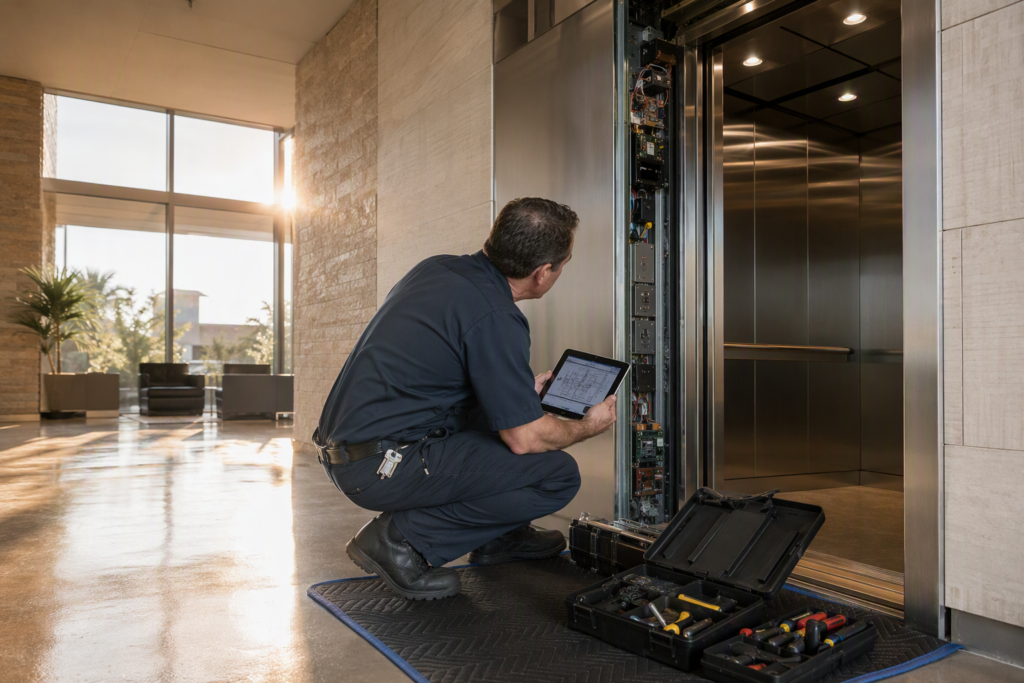
The practical first step is scheduling a professional assessment with a licensed Arizona elevator service company. An assessment conducted by Arizona Elevator Solutions will document the current controller model and condition, identify any known parts availability issues, review recent service history for patterns consistent with obsolescence, and outline modernization options appropriate for the specific installation. This information gives building ownership and management the clarity needed to make informed capital planning decisions and to communicate proactively with tenants, lenders, or ownership groups about the elevator’s status.
Emergency service support is available for Arizona Elevator Solutions clients when equipment failures require urgent attention outside of standard business hours — providing Phoenix-area building operators with access to qualified technicians when elevator outages cannot wait.
Schedule a Free Consultation
If your Phoenix-area elevator is showing signs of an obsolete control system, or if parts sourcing has become a persistent challenge, Arizona Elevator Solutions is ready to help. Contact the team today to schedule a no-cost assessment and learn what modernization options are available for your building.
Call Arizona Elevator Solutions: 480-557-7600
Need elevator service you can rely on? Arizona Elevator Solutions is ready to help.