Elevator Requirements for Multifamily Apartment Buildings in Phoenix and Scottsdale, AZ | Arizona Elevator Solutions
Multifamily apartment developers, property managers, and building owners in Phoenix and Scottsdale face a clear set of elevator compliance obligations before a certificate of occupancy is issued and throughout the life of the building. Arizona adopts nationally recognized elevator safety standards and enforces them through state and local agencies. Understanding these requirements from the design phase forward prevents costly delays, failed inspections, and potential liability.
Arizona Elevator Solutions serves the Greater Phoenix metro — including Scottsdale, Tempe, Mesa, Chandler, and surrounding communities — providing code-compliant elevator installation, inspection coordination, maintenance, and modernization for multifamily residential properties of all sizes.
—
What Elevator Code Does Arizona Follow for Apartment Buildings?
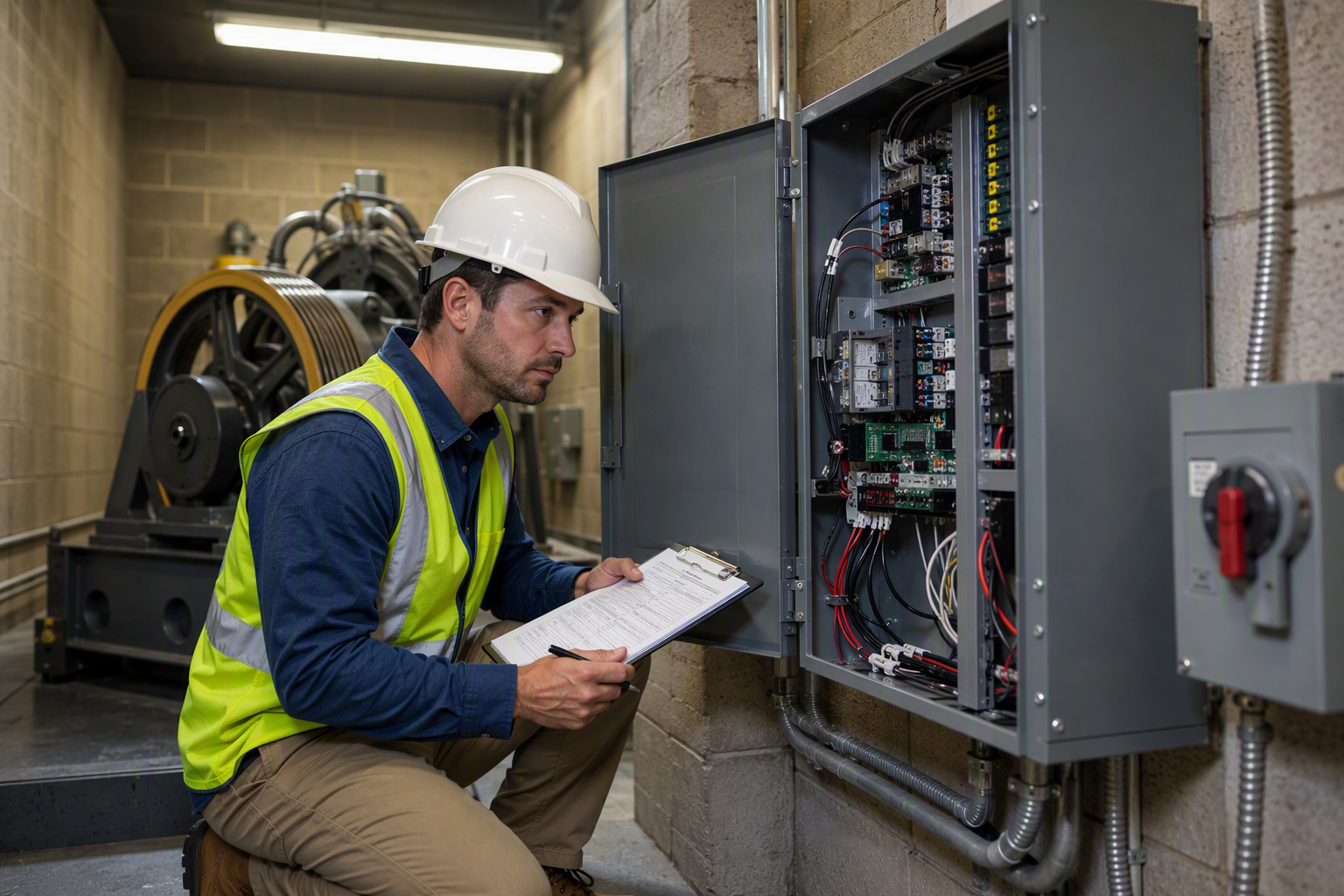
Arizona adopts the ASME A17.1 Safety Code for Elevators and Escalators as the primary technical standard governing elevator design, construction, installation, and maintenance in the state. The Arizona Department of Occupational Safety and Health (ADOSH) administers elevator safety under state statute and conducts mandatory inspections of conveyances, including those in residential apartment buildings.
For new construction in 2026, the applicable edition of ASME A17.1 in effect at the time of permit submission governs the installation. Phoenix and Scottsdale both require elevator permits through their respective building departments, and the elevator must pass a state inspection and receive a Certificate of Operation before residents can use it.
Accessibility requirements are governed separately by the Americans with Disabilities Act (ADA) and, for new construction, the Fair Housing Act accessibility guidelines, which mandate accessible routes, cab dimensions, control heights, and door timing in multifamily buildings with four or more units above grade.
—
When Is an Elevator Required in a Phoenix or Scottsdale Apartment Building?
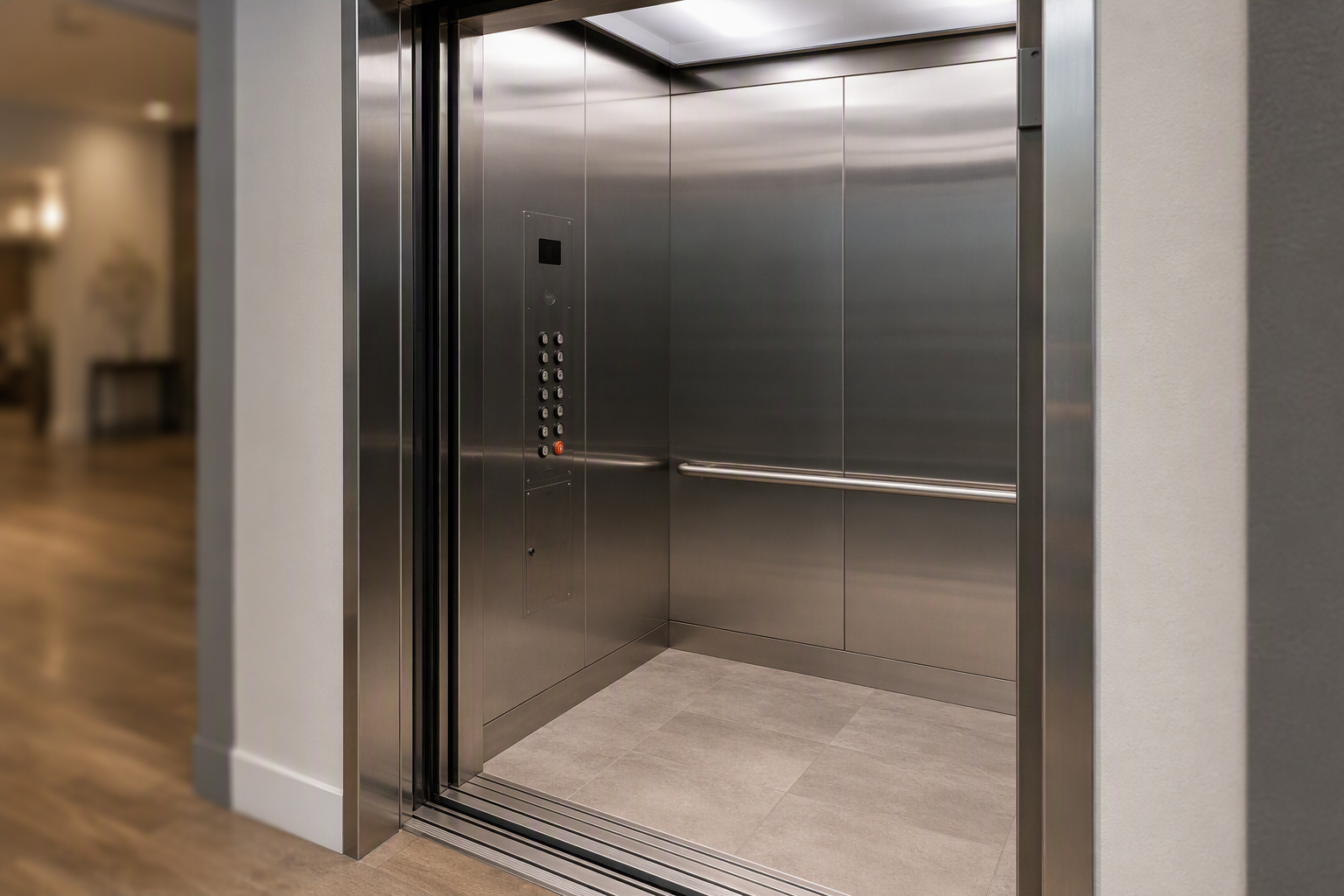
Arizona building codes, aligned with the International Building Code (IBC) as locally adopted, generally require an accessible route — which typically means an elevator — in multifamily residential buildings where accessible units are located on floors other than the ground floor. A building with three or more stories, or with more than a threshold number of dwelling units on upper floors, will typically trigger the elevator accessibility requirement under both the IBC and Fair Housing Act guidelines.
Property owners and developers should confirm the specific threshold with the City of Phoenix Development Services Department or the City of Scottsdale’s Development Review team at the time of plan submittal, as local amendments to the adopted building code can affect applicability.
—
What Annual Inspection Requirements Apply to Apartment Elevators in Arizona?
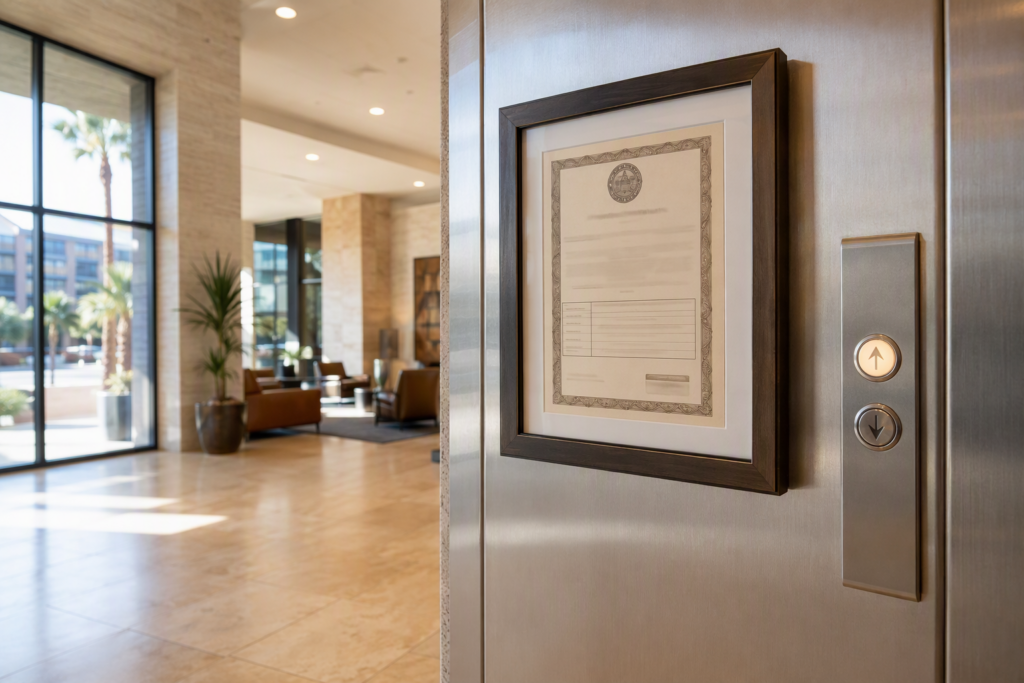
Under Arizona’s elevator safety program administered by ADOSH, all conveyances — including passenger elevators in apartment buildings — must be inspected periodically by a licensed elevator inspector. A valid Certificate of Operation must be posted inside the elevator cab and kept current. Allowing a certificate to lapse exposes a property owner to enforcement action, fines, and mandatory shutdown of the elevator until compliance is restored.
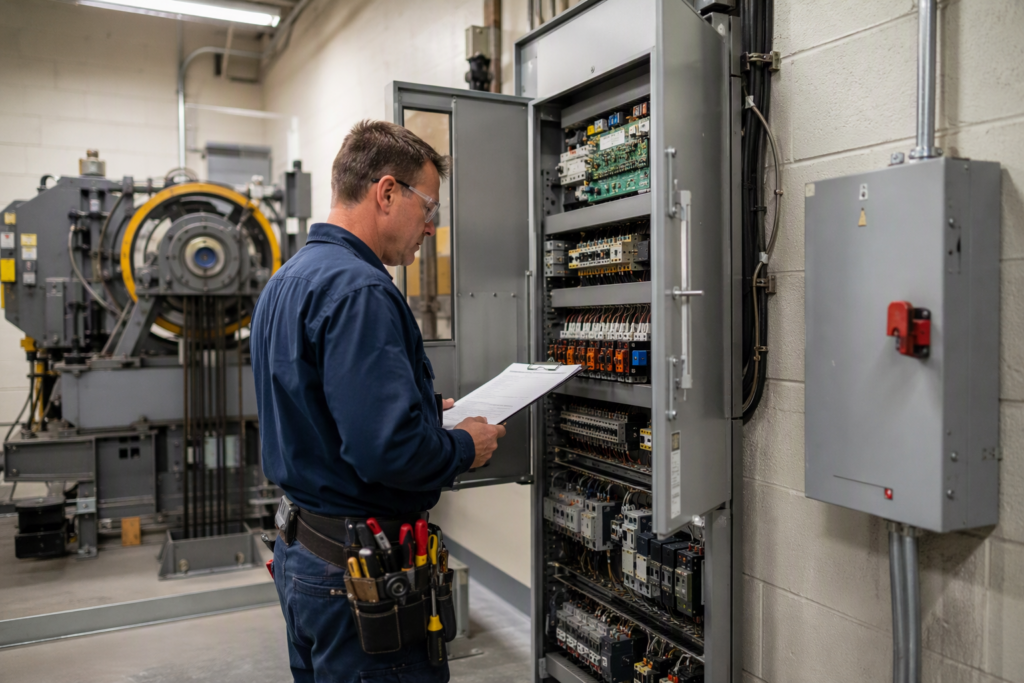
Routine maintenance performed by a qualified elevator service provider supports inspection readiness and is a practical obligation for any property manager. Service records demonstrating ongoing maintenance can be relevant to inspection outcomes and liability considerations.
—
What ADA Accessibility Features Are Required for Apartment Elevators?
Under the ADA Standards for Accessible Design and applicable Fair Housing guidelines, elevators serving multifamily buildings must generally include:
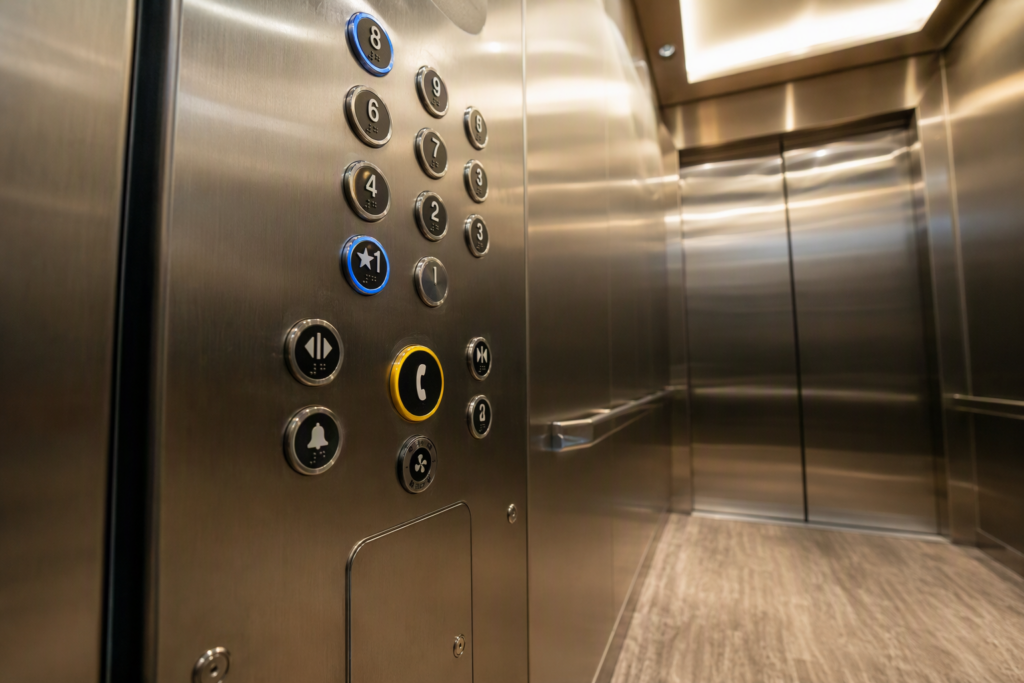
- Minimum cab dimensions that allow a wheelchair user to enter, turn, and exit
- Hall call and car operating panel controls mounted within accessible reach ranges
- Raised and Braille characters on control buttons
- Audible and visible floor indicators
- Door reopening devices sensitive to obstruction
- Level landings at each floor served
- Two-way emergency communication inside the cab
Specific dimensional requirements should be verified against the current ADA Standards and any applicable Fair Housing technical guidance at the time of design, as requirements can differ based on project type, date of construction, and alteration scope.
—
What Are the Emergency and Safety System Requirements for Apartment Elevators?
The ASME A17.1 Safety Code for Elevators and Escalators requires elevators to be equipped with a range of safety systems, including:
- A two-way means of communication (typically a telephone or intercom) connecting passengers to a monitoring point
- Emergency lighting inside the cab
- Automatic leveling devices
- Overspeed governors and safety devices
- Door interlocks preventing movement unless hoistway doors are closed and locked
- Firefighters’ emergency operation (Phase I and Phase II) in compliance with applicable fire code
Arizona apartment building owners are responsible for ensuring emergency communication systems are monitored and functional at all times. Arizona Elevator Solutions provides maintenance programs that include safety system testing aligned with ASME A17.1 requirements.
—
What Should a Property Manager Do If an Apartment Elevator Fails or Becomes Unsafe?
- Take the elevator out of service immediately and post clear signage at all landings.
- Notify the building owner or management company and document the nature of the reported issue.
- Contact a licensed elevator service provider to perform a safety assessment before returning the unit to service.
- If the issue involves a safety device failure or entrapment, notify ADOSH as may be required under Arizona reporting obligations.
- Retain documentation of the malfunction, service response, repairs performed, and return-to-service authorization.
- Reinspect and obtain updated certification if required by the scope of repair under state rules.
Arizona Elevator Solutions provides emergency service response for apartment buildings throughout the Phoenix metro and Scottsdale area. Contact the team as soon as a safety concern is identified.
—
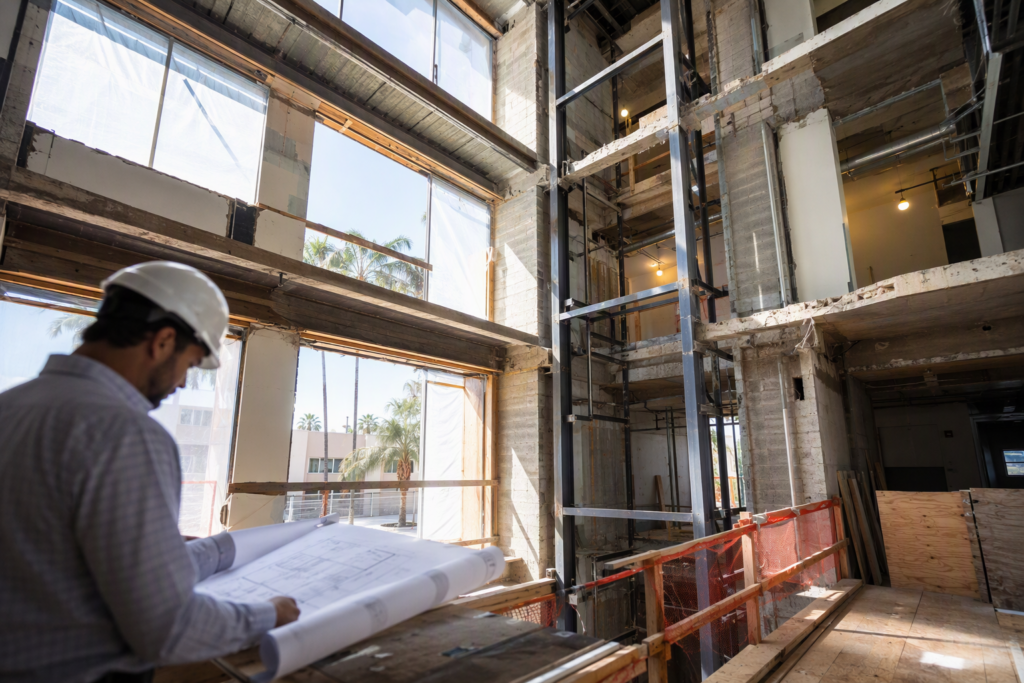
How Does the Elevator Permitting Process Work for New Apartment Construction in Phoenix and Scottsdale?
For new multifamily construction in Phoenix or Scottsdale, the elevator installation process generally follows these steps:
- Submit elevator construction documents and specifications to the relevant city building department as part of the overall building permit package.
- Obtain a separate elevator permit once plans are reviewed and approved.
- Begin installation by a licensed elevator contractor upon permit issuance.
- Schedule interim inspections during installation as required by the city and ADOSH.
- Request a final inspection from ADOSH upon completion of installation.
- Receive the Certificate of Operation upon successful final inspection.
- Post the certificate in the elevator cab before placing the unit into service for residents.
Coordinating with a knowledgeable elevator service provider early in the design process helps ensure specifications align with ASME A17.1 requirements, ADA accessibility standards, and local amendments — reducing the risk of costly plan revision or inspection failure.
—
How Often Should Apartment Elevator Equipment Be Modernized or Upgraded?
There is no fixed universal timeline for elevator modernization, but several factors drive the practical need for upgrades in multifamily buildings: changes in adopted code editions that apply to altered equipment, parts obsolescence, increased maintenance costs on aging systems, and resident safety expectations. Arizona’s adoption of updated ASME A17.1 editions over time may require that certain safety features be retrofitted when major alterations are performed.
Property owners and managers in Phoenix and Scottsdale benefit from periodic equipment assessments to understand the condition of existing systems, identify components approaching end of serviceable life, and plan capital budgets for modernization before emergency failures occur. Arizona Elevator Solutions performs modernization assessments for multifamily properties throughout the region.
—
Why Work with a Local Elevator Service Provider for Phoenix and Scottsdale Apartment Buildings?
Elevator compliance in Arizona involves coordination across ADOSH, city building departments, fire marshals, and property management teams. A service provider with established local relationships and familiarity with Phoenix and Scottsdale’s permitting processes, local code amendments, and inspection procedures is positioned to support multifamily owners more effectively than a provider without that regional knowledge.
Arizona Elevator Solutions focuses exclusively on the Arizona market. The team understands the specific requirements applied by both the City of Phoenix and the City of Scottsdale building departments, and works with property owners, developers, and general contractors from permit application through ongoing maintenance and inspection coordination.
—
Schedule a Free Consultation
Whether you are planning a new multifamily development, managing an existing apartment building, or navigating a compliance question about elevator requirements in Phoenix or Scottsdale, Arizona Elevator Solutions is available to help.
Call Arizona Elevator Solutions today at 480-557-7600 to schedule a free consultation. The team serves multifamily property owners and managers throughout the Greater Phoenix metropolitan area, including Scottsdale, Tempe, Mesa, Chandler, Gilbert, Glendale, and surrounding communities.
Need elevator service you can rely on? Arizona Elevator Solutions is ready to help.